Category Archives: Food & Drink

The F** Word, Fat-phobia, and an Obesity Task Force – 3 Small Stories

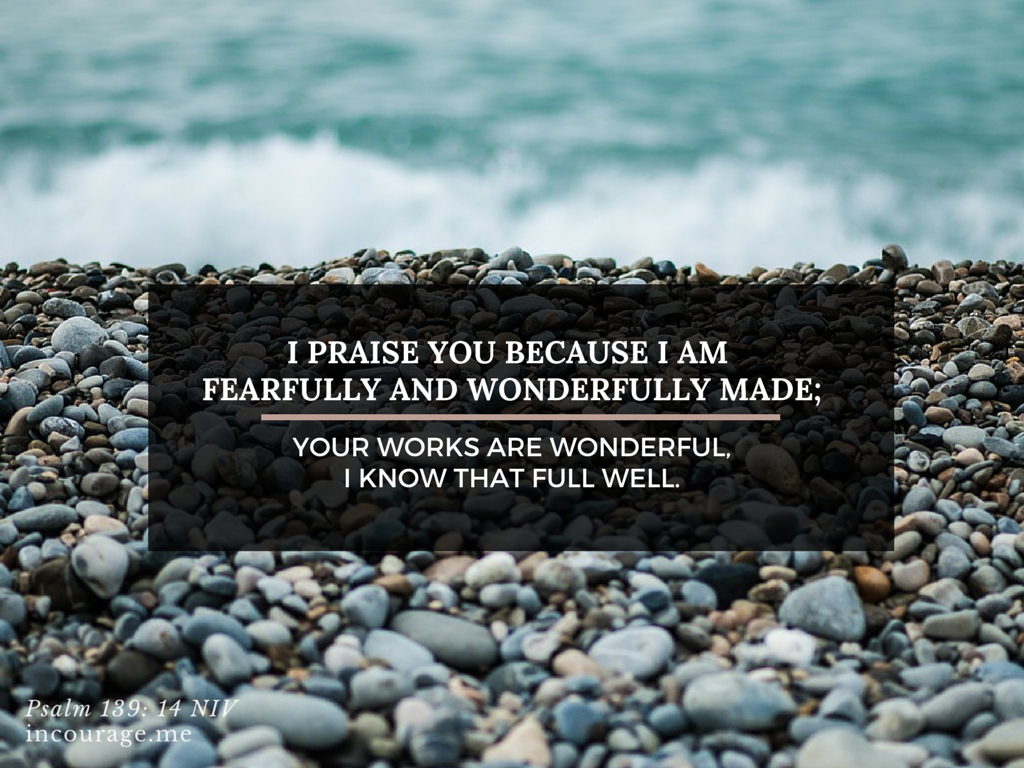
Blog - incourage.me - Fat PhobiaFor You formed my inward parts; You wove me in my mother’s womb. I will give thanks to You, for I am fearfully and wonderfully made; Wonderful are Your works, And my soul knows it very well. My frame was not hidden from You… – Psalm 139:13-15

Flee immorality. Every other sin that a man commits is outside the body, but the immoral man sins against his own body. Or do you not know that your body is a temple of the Holy Spirit who is in you, whom you have from God, and that you are not your own? For you have been bought with a price: therefore glorify God in your body. – 1 Corinthians 6:18-20

The F** Word – After church one Sunday years ago, while living in Morocco, we gathered for lunch with other American friends. It’s funny how we talk about eating while we eat. I don’t remember the subject of that conversation, but we all remember a particular humorous miscommunication. For some reason forgotten now, I said, “We don’t allow the F** word to be said in our home.” Another parent of teenagers said rapid-fire, “Well, I should hope not!” – thinking I was referring to the four-letter F-word. Then one of our teens said, “She means the word ‘fat'”.

I have struggled with my weight all my life. Part of it probably goes back to our Scottish heritage – not all of whom are stocky, I’m sure, but definitely our family was, for generations back. Part of it also is a propensity for filling whatever sense of emptiness (or lacking) I had at the moment with food. That being said, I don’t mind the culture of celebrating with food, either. There’s just no getting away from food, really, and who wants to? Using food properly is a challenge, and one I have taken on, with varying degrees of success (keep reading).

Fat-Phobia – Having had issues with food and experiencing “fat-shaming” from an early age, I did not want that for my children. However, I did NOT want them to be fat-phobic either. I did not want them to define themselves or others as desirable or not, just based on size or body type. We didn’t use that language.

However, knowing my own struggle with food, I didn’t want to pass that struggle to them, as much as was possible. When they were young children, we could help with their food choices and portions. As they moved through puberty with all its body change freak-outs, we operated from the God-inspired premise that they were “fearfully and wonderfully made”. Can’t say how successful we were, but we tried. Now young adults, their choices are their own. I never know what to cook for them, because there is that fear of “fat” lurking about, even though they are all gorgeous healthy young people. [Photo insert would usually happen here, but better not.]

Obesity Task Force – Years before marriage and children, during a time of major career investment, I was invited to be part of an obesity task force. We were all affiliated with Grady Memorial Hospital in Atlanta, Georgia – a huge inner city medical center. Blog - Fat Phobia - wabeThe task force consisted of internal medicine docs, endocrinology researchers, nurses, and dieticians. We met regularly for several weeks, after work for dinner, to tackle the problem of obesity in our urban poor patient population. We all gained weight. One of our members was Italian, in the US for an endocrinology fellowship. He made the most amazing fettuccine carbonara I have ever tasted (recipe below).

Back to the subject: what we discovered on that task force is that obesity is not easily defined, nor its causative agents as easily identified as we all previously thought. Finally, we also realized how inadequate and unrealistic our interventions had been and we weren’t sure what we could do better. It’s too easy to judge the obese person who has dangerously high blood pressure and continues to eat in ways that will shorten his/her life. However, it is much harder to help someone change habits, their history of coping, and social culture related to food. Much harder.

What are the morals to these stories?

1) Fat shouldn’t be a bad word. Eating disorders and disorderly eating are part of our Western culture (for sure, if not globally). We do not help by harming – whether it’s another person or ourselves. Poor nutrition, leading to morbid obesity or thinness, is definitely a struggle for us as a culture. However, the trend in the US of being so food-conscious and food-controlling is surely not healthy. Or as socially conscious as we think. Something to think about. For each of us…not just for health’s sake, but for the sake of our community and world. The world can’t afford to eat the way we do – either to excess or for health. How can we simplify our diet and still enjoy the great good that food brings?

2) Food is meant to be shared. That brief season on the task force was so fascinating; we learned as much from eating together as talking together. Our family table, with the children growing up, sharing food with each other and lots of company, was a time I will always cherish. Today, in these times, sharing food is a bit more challenging, with busy schedules, and food-related issues (allergies and preferences), but I am determined to stay in the game. I think we actually eat less when we eat together. The company fills those empty places as much as the food does.Blog - Fat Phobia - MakeLaughterYourChocolate (2)

3) Face the reality of obesity without shaming or judging – yourself or others. For those of us who struggle with our weight, I am learning that it is possible to have some victory in that area, without dieting (notice that word has “die” in it). That doesn’t mean that I am thin (“the tyranny of thinness” is a subject for another time). My blood pressure is good, and I am not on any medications right now, but being thin is not the goal. Living healthy is the goal. The wee bit my husband and I try to do to live healthy is this: work hard, do some regular exercise, rest/sleep enough, try to limit salt and “white” carbs (sugar and white flour/rice/pasta/potatoes), avoid nighttime eating, battle a sedentary lifestyle (that comes with all the “screens” in our lives), nurture your sense of humor, practice gratefulness and forgiveness, find ways to serve people, spend time in community, and spend time with God.

I’ll close with what Jesus said about food:

Jesus said to them, “My food is to do the will of Him who sent Me and to accomplish His work.” – John 4:34

From other passages in Scripture, Jesus enjoyed eating with others, but He lived also with that greater purpose. I want to be like Him.

Italian Grandmother’s Recipe for Fettuccine Carbonara

Chipsy – Egypt’s snack-food giant – A Time to Munch – interesting article about a food industry in Egypt that has over the last 30 years affected a culture – “the Chipsy Generation”
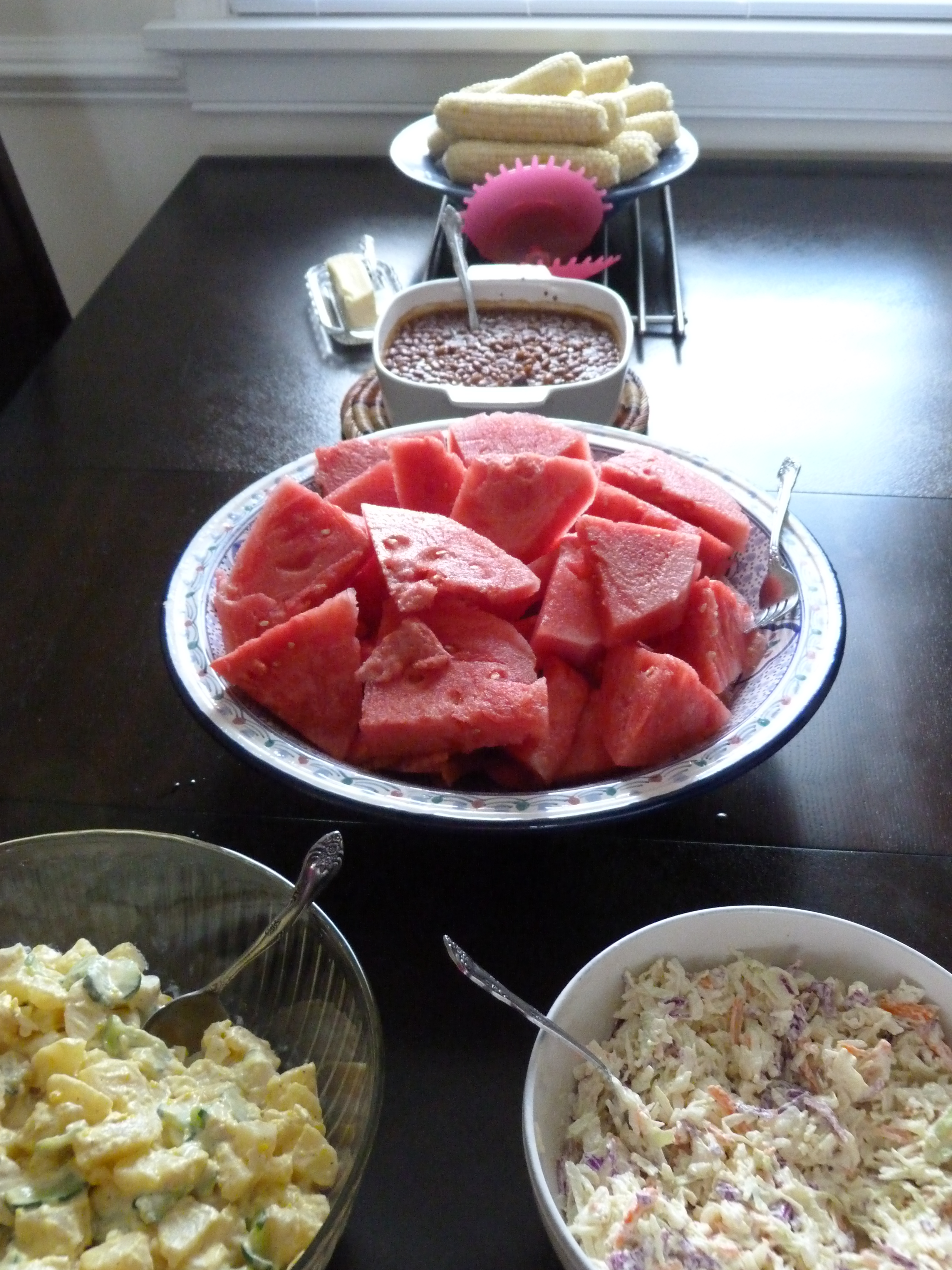
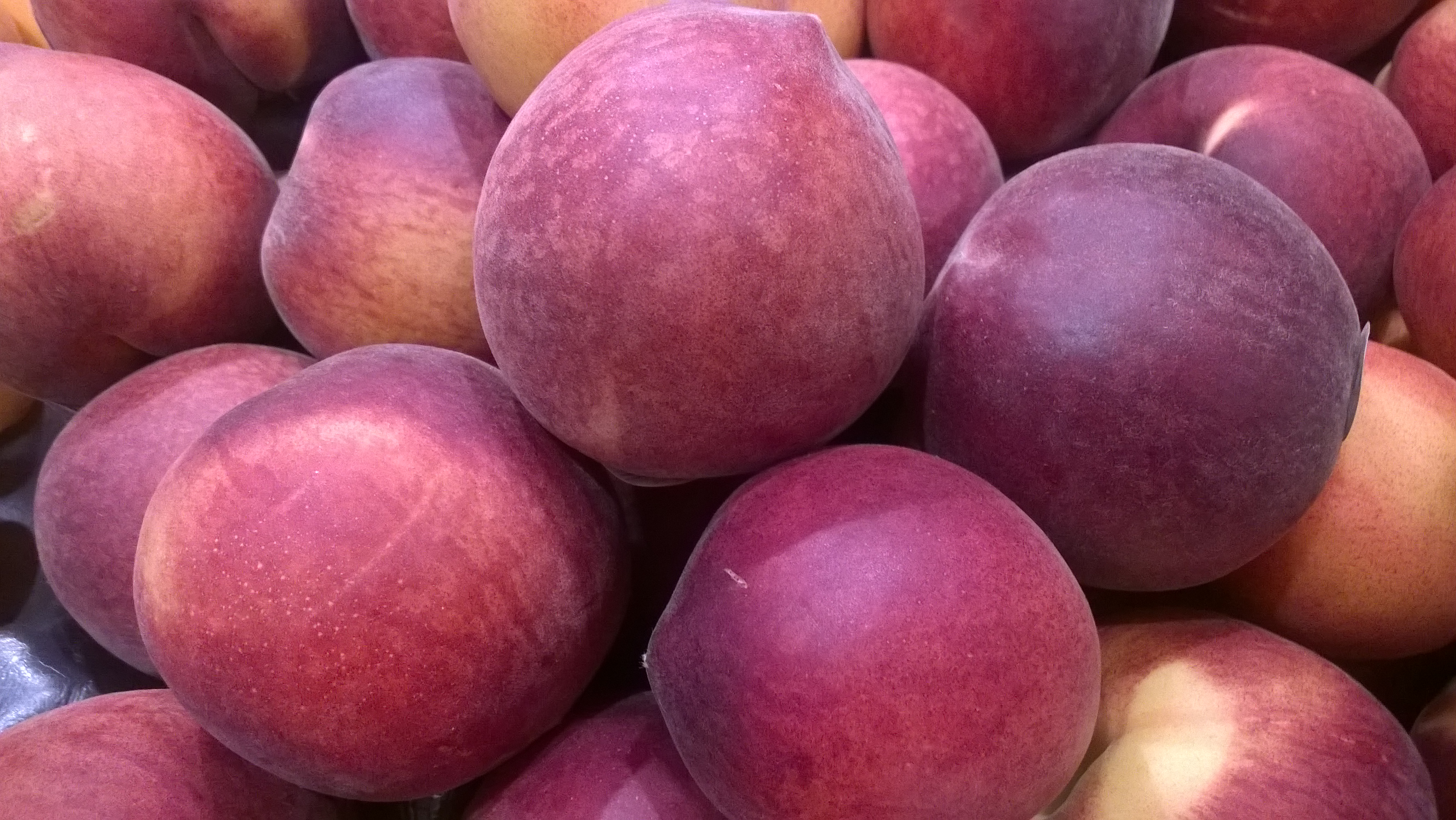
Photo Credits: www.incourage.me and www.aholyexperience.com and image of Grady Memorial Hospital

Food Favorites Cross Cultures – but Not Always – Hilarious Foodie Videos

Blog - Foodie Videos  #3

“Culture, when it comes to food, is, of course, a fancy word for your mom.” – Michael Pollan

Food and culture are such an important part of each other. Our relationships and our memories are flavored by the food we share. It could be Thanksgiving dinner in our home in Morocco (photo above), or Thanksgiving on my Mom’s buffet in Georgia (photos below).Blog - Foodie - use this one too

Blog - Foodie - Use this one

When you think of holidays, certain favorite foods always come to mind. At my mom-in-law’s table at Christmas, it’s brunch together.Blog - Foodie Videos #6

Blog - Foodie Videos #8

MomMom is well-known for her strawberry salad which only sounds healthy but it’s so yummy.Blog - Foodie Videos #5

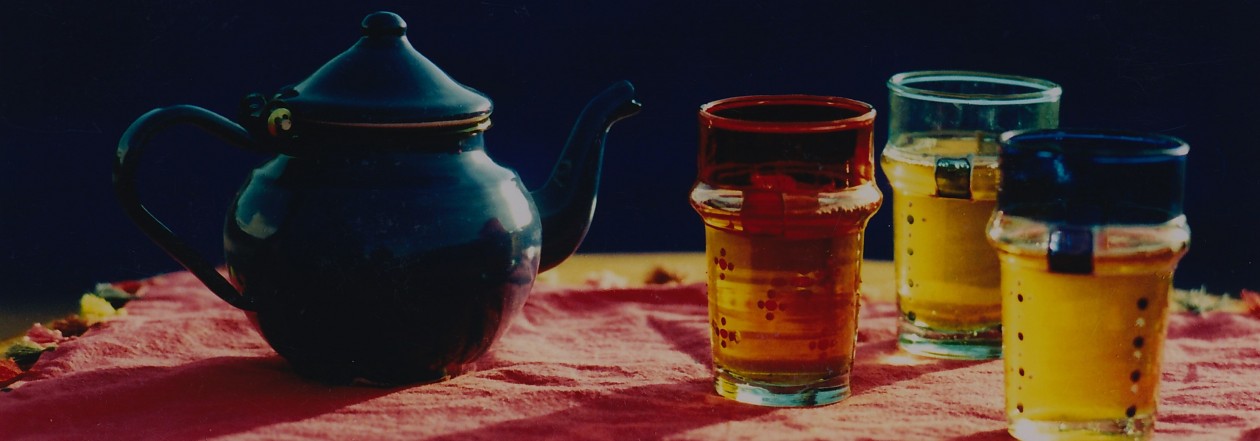
Our family had the great blessing of living in North Africa for our children’s growing-up years. With the living, came the friends, food, and memories of those wonderful places. The British are well known for their afternoon tea, and rightly so. Less may be known about a Moroccan tea, but that’s the one I know best.Blog - Foodie Videos - #13

I have learned hospitality from some of the best women in the world, in the US, and across North Africa. The Egyptian table, although very different from that of my childhood, felt very Southern to me. Blog - Foodie Videos - #16

Blog - Foodie Videos - #15

Now, that your tastebuds are all geared up and your mouth is watering, if you love food of all kinds, here is the hilarious deliciousness of cross-cultural dining.

This morning, a South African friend posted a Buzzfeed video skit portraying Americans trying South African snacks. I laughed out loud. Then, as happens with the internet, other videos followed. It was so much fun finding the videos below.

Enjoy…and I would love to hear some of your favorite cross-cultural food experiences through the comments section below. Here, in Richmond, Virginia, we don’t have a Chinatown or Arab Quarter or anything like that. However, we do have wonderful little restaurants that serve up authentic Moroccan, Armenian, Ethiopian, Bosnian, Pakistani, Japanese, Thai, Indian, Cuban, Greek and Korean food. What else, fellow Richmonders?

YouTube Video – Americans Try Southern Food for the First Time

The Way Folks Were Meant to Eat – by Ray Blount, Jr , from book Long Time Leaving: Dispatches from Up South Essay & AudioFile – Do NOT Miss This. So much fun, whether you’re from the South or not.

YouTube Video – Irish People Try Irish Stereotypical Food

YouTube Video – Chinese People Try Panda Express for the First Time

YouTube Video – Americans Try Persian Food with Their Driver

The Most Famous and Greatest Food Quotes of All Time – not sure this is necessarily so, but fun list nonetheless. My own children have made pretty hilarious comments on food over the years. Put people around a table, and you get a lot of good from it.

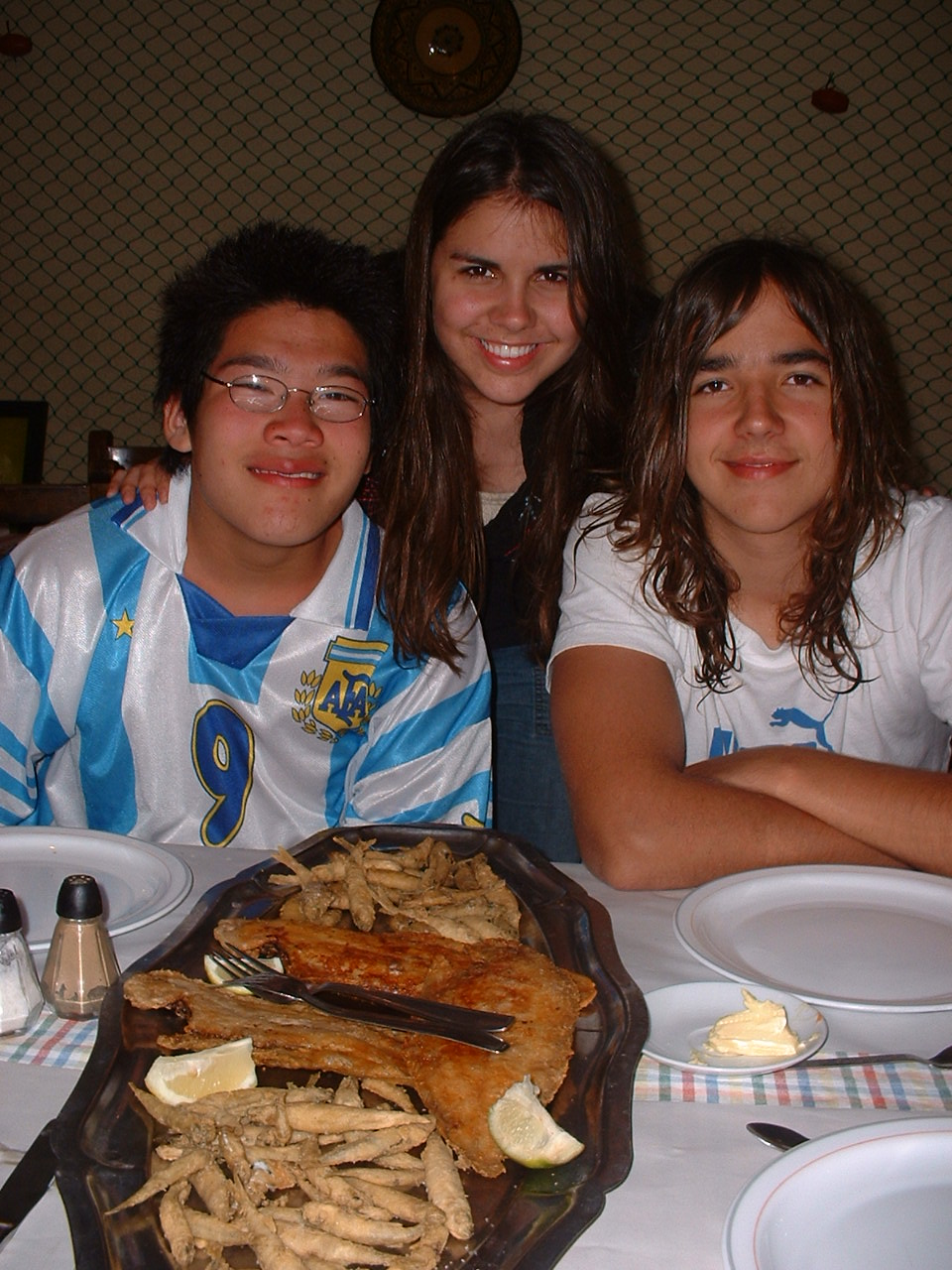
Blog - FoodieOualidia, Morocco – Restaurant L’OstreaBlog - Foodie #2Our first sea urchins – let the adventures roll on!

Valentine’s Day-Owning It

Blog - Valentine's Day & Love

Valentine’s Day, as a holiday, is ripe with all sorts of possibilities…and potential frustrations. It’s a day that picks at our contentment and whispers in our ears, “is this enough? this love I have? these loves I have?” I say we take this holiday, turn it on its head, and totally own it.

What do you love about Valentine’s Day? Most probably, you are women reading this blog, because men seriously don’t want any more information on how to celebrate this day. We women have this totally lovely day thrust upon us once a year to do with it how we want. ..so let’s get after it.

Here’s what I love about this day:

1) I can be as effusive and gushy as I want on this one day of the year. It’s allowed…tolerated…appreciated even. Cards, phone calls, and social media shouting out to those we love…there’s a lot of relational muscle pumped on this day…wouldn’t hurt to keep this going through the rest of the year. Words. Are. Powerful.Blog - Heart & Love Much

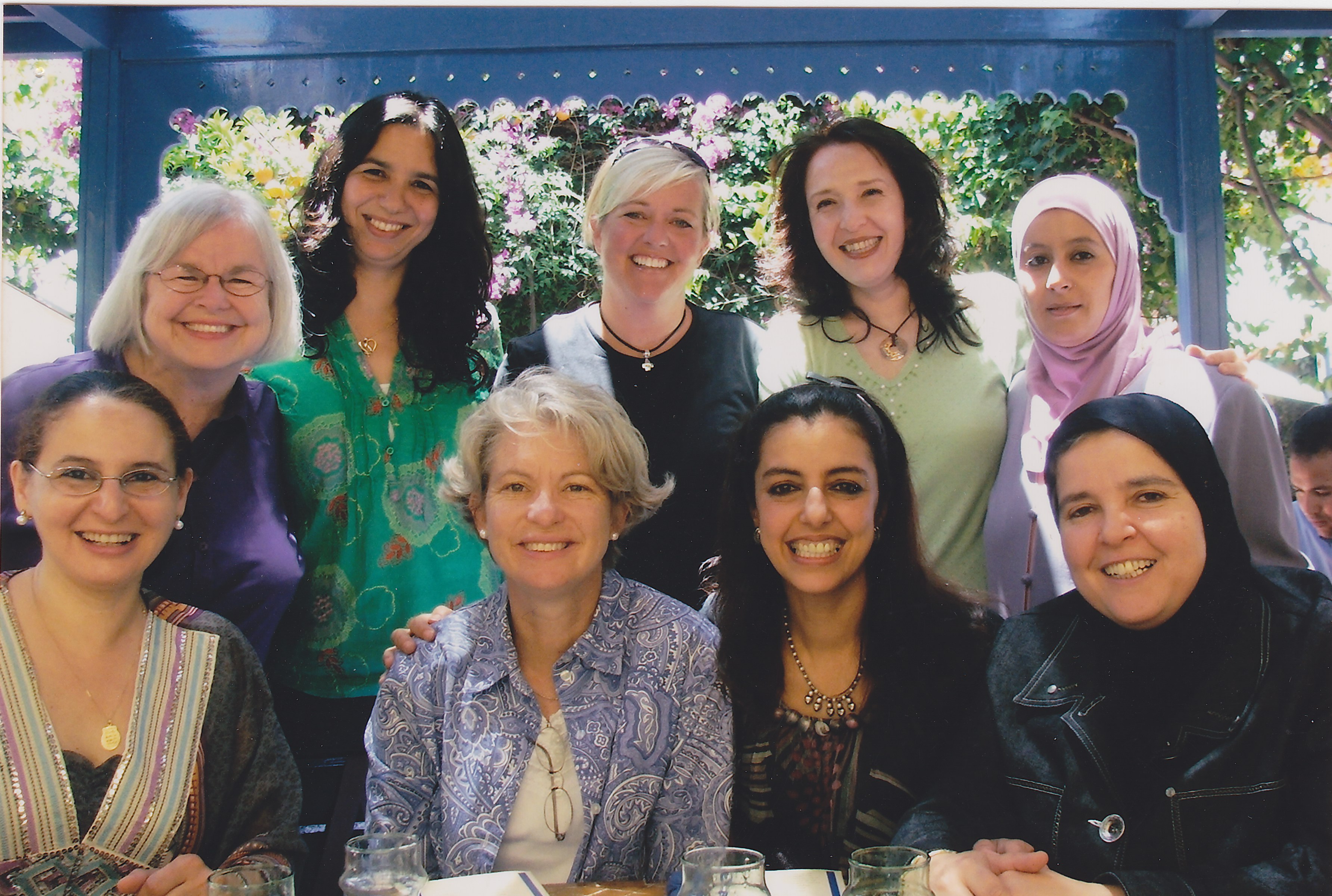
2) It’s a golden opportunity to hang with our best buddies. Not just husbands or boyfriends, but moms, grandmoms, the widow neighbor down the street. Those glorious women in our lives… Valentine’s Day is a fine excuse to have lunch together, cake together, movie night together. Whatever. How thankful I am for the great women in my life…from lots of places in the world.Blog - Morocco friends

Blog - Friends

2014 Phone pics July-December 119

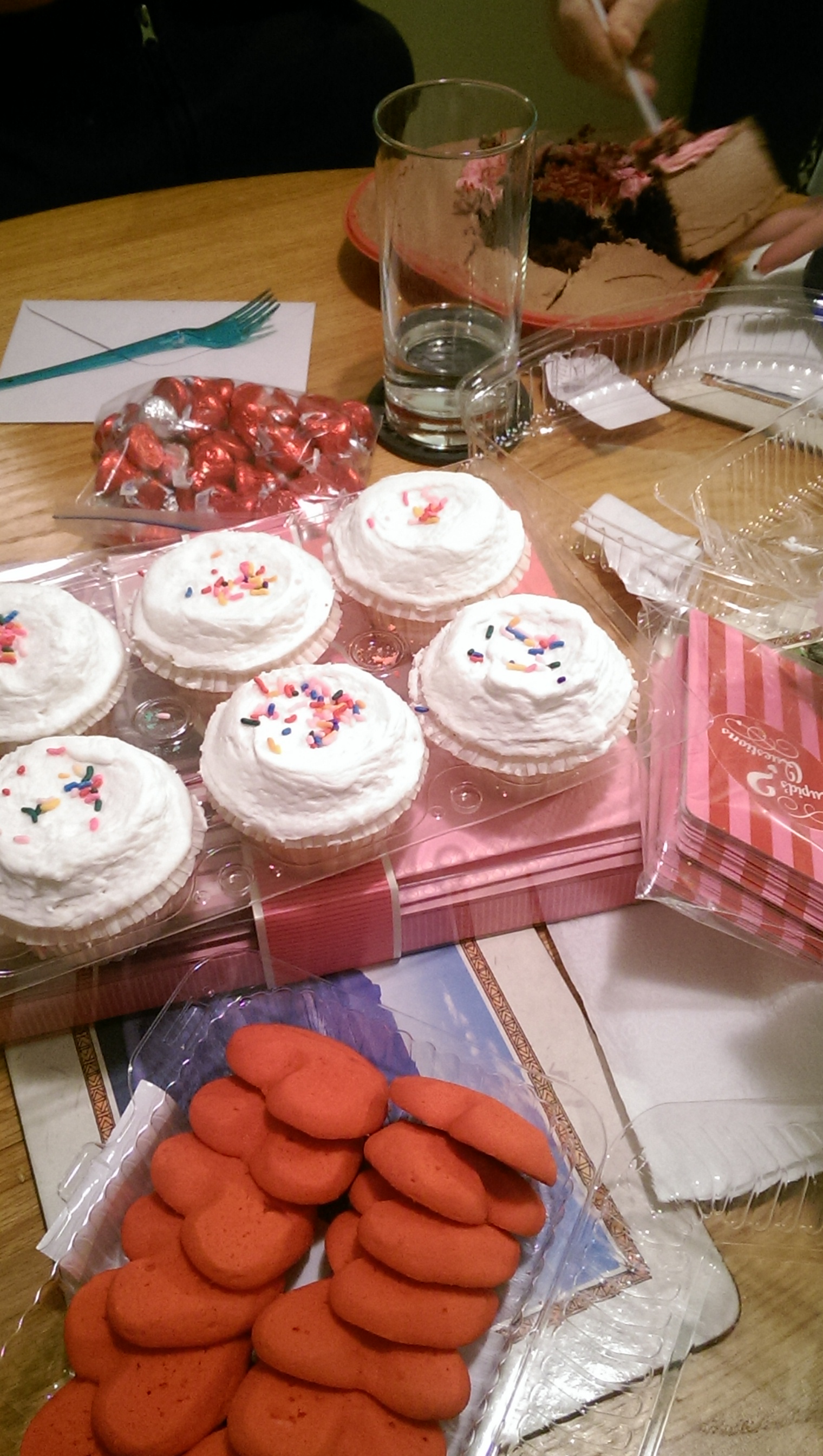
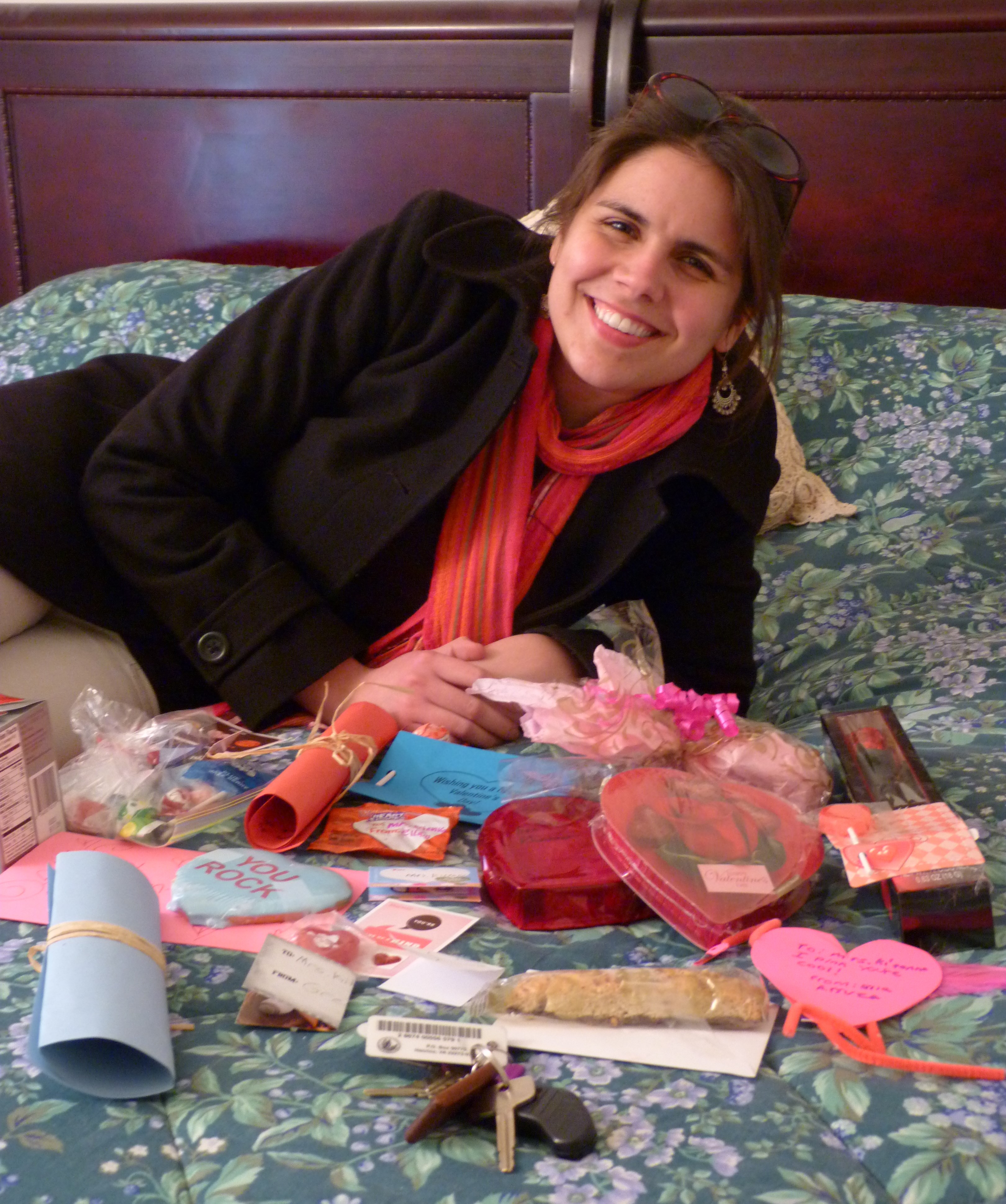
3) This day lends itself to a total indulgence (guilt deferred) of sugary delights. My favorites are Hershey’s kisses, strawberries dipped in chocolate, conversation hearts, and heart-shaped Peeps. I know, right? Valentine’s Day blesses all excesses. [This particular love has sort of flattened for me because I haven’t eaten chocolate in over a year…that’s another story.] Whether I eat those foil-wrapped happy little candies or not, they still generate lovely thoughts for me on this day.Blog - Valentine Goodies

Blog - Valentine Hearts

2013 Feb Valentine's Day 004

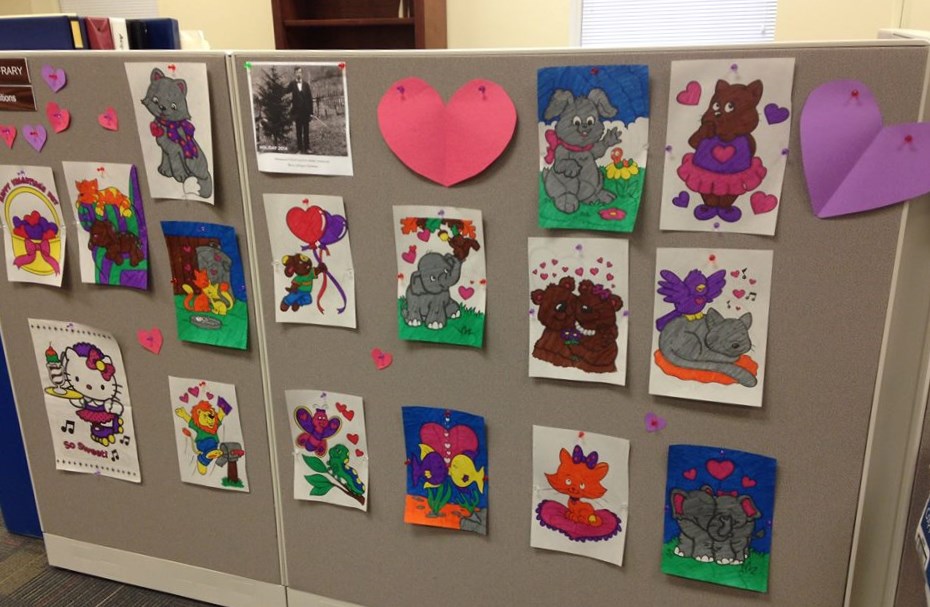
4) I love how cheery people are toward each other related to Valentine’s Day (kind of back to the gushy/effusive side of this day). Whether it’s decorating a colleague’s cubicle wall or lavishing gifts on your child’s teacher…it can make for a sweet day. Whether there’s a dear man in our lives or not, we can use this day to bless others…just for the fun of it (for them AND for us).Blog - Valentines on a cubicle by Heather TeaterPhoto Credit: Cublical Decorating – Heather Teater2013 Feb Valentine's Day 001

 5) Last thing I love about Valentine’s Day is its celebration of love itself. The history of Valentine’s Day is far from the romance and roses we expect today. Yet, if there is something worthy of setting aside a day, it is love – real, deep, sacrificial and satisfying love. Maybe it’s a stretch to consider that sort of love on a day that’s been riddled with commercialism, but that’s where I would like to end. Today, more than anything I celebrate the God of love who teaches us best how to love. First loving Him and then, because of Him, loving each other as we love ourselves. Blog - Valentine #2

Jesus said to him, “‘You shall love the Lord your God with all your heart, with all your soul, and with all your mind.’ This is the first and great commandment.  And the second is like it: ‘You shall love your neighbor as yourself.” – Matthew 22:37-39

Love suffers long and is kind; love does not envy; love does not parade itself, is not puffed up;  does not behave rudely, does not seek its own, is not provoked, thinks no evil;   does not rejoice in iniquity, but rejoices in the truth;   bears all things, believes all things, hopes all things, endures all things. Love never fails. – 1 Corinthians 13:4-8

Happy Valentine’s Day, Friends.Blog - Friends - Valentines #1

Am I My Brother’s Keeper? – On Neglect – Part 2

Blog - Neglect - Orphan Girls in India

Learn to do good; seek justice, correct oppression; bring justice to the fatherless, plead the widow’s cause. – Isaiah 1:17

Neglect – the word makes us cringe. If not, then it might do us well to examine our lives once again in the reflection of God’s Word. He is so clear in His teaching of how we are to live. I am so thankful for that because my tendency is to be fuzzy-boundaried – spreading myself too thin, giving precious little to anyone, and then retreating exhausted into the comfy fortress of my home sweet home.

Would you walk with me through this quick journey of sorting out what it is to NOT be neglectful? The one area I don’t intend to focus on is neglect of self – either body or soul. My sense is that when we lean into the urging of God’s Spirit in ministering to others, our own lives are so altered that we are the ones most benefitted by Him (Luke 6:38).

To not be neglectful is to incline ourselves, to lean in, to carry through, to attend, to be intentional, to purpose to:

1) Love* the Lord our God with all our heart. – The Great Commandment

“Teacher, which is the great commandment in the law?”

Jesus said to him, “‘You shall love the Lord your God with all your heart, with all your soul, and with all your mind.’ This is the first and great commandment.” – Matthew 22:36-38

When our lives are infused by our love for God, we begin our day with Him and end our day with Him. As He speaks to us through His Word, the Spirit, the church, and our circumstances, we become more and more in tune with Who He is and how He is working in us and around us. It’s not ordering our lives as “God, then, family, then job” – it is all God – at the center and permeating all of life. Let’s savor that a moment…all God.

2) Love* your neighbor as yourself. – 2nd Part of the Great Commandment

“And the second [great commandment] is like it: ‘You shall love your neighbor as yourself.’  On these two commandments hang all the Law and the Prophets.” – Matthew 22:39-40

“Am I my brother’s keeper?” “Who is my brother?” “Who is my neighbor?” – these questions take us to the heart of NOT being neglectful. We want to choose who this neighbor is. We want to be done when we’ve taken care of “our responsibilities” – our family, our school debt, our house payment. How does that make a Christ-follower any different than a decent law-abiding atheist? God doesn’t define “neighbor” for us because He holds onto the right (as righteous, holy, loving God ) of directing our attention to those for whom He will intervene through us…through us. It could be our own parents or children or it could be that friend who continues to struggle with addiction. Or it could be Bonno, the soon-to-be-orphan son of a beautiful South African mother dying of AIDS.

HIV/AIDS

Blog - Neglect-Orphans

We, as God’s children, are to give God the freedom to love our neighbors through us, in whatever way He chooses… Why this is uncomfortable and convicting is a testament to our journey of being transformed into the image of Christ. What joy He means us to have in being His instruments of peace and redemption. [I am all kinds of prickly over this, myself. Praying for my own undoneness in this.]

3) Love* the Church

Let us hold fast the confession of our hope without wavering, for He who promised is faithful. And let us consider one another in order to stir up love and good works, not forsaking the assembling of ourselves together, as is the manner of some, but exhorting one another, and so much the more as you see the Day approaching. – Hebrews 10:23-25

The church is flawed because it’s peopled by folks like us. Does it mean we get to desert it? Don’t need an answer for what the Word already states definitively. We’ve all heard the lament “I don’t go to church because it’s full of hypocrites.” What better place for us (hypocrites) to be?! It saddens my heart at how people have been hurt by “church folks”. I have had that experience myself. Church folks do not a church make. Church is the Body of Christ – the people of God – we’re His and on His mission until He takes us Home. If we are followers of Christ we don’t get to step away from His church. We need each other in very real, concrete, daily ways. There are no spectators in the Body of Christ, no second-string Christians, no one on the bench. God means us to be all-in, not just on Sunday, but every day – life on life, living Christ with each other and in our circles of influence. It’s messy, and uncomfortable, and other-worldly beautiful…when we wholly follow Christ together.

4) Love* the Nations – Fulfilling the Great Commission

And Jesus came and spoke to them, saying, “All authority has been given to Me in heaven and on earth. Go therefore and make disciples of all the nations, baptizing them in the name of the Father and of the Son and of the Holy Spirit,  teaching them to observe all things that I have commanded you; and lo, I am with you always, even to the end of the age.” Amen. – Matthew 28:16-20

The nations have come to us. Still, there are peoples who will never be near enough to the Gospel message unless someone takes it to them. Through both demonstration and proclamation. We can’t leave this only to some elite group of trained vocational Christians. We are all called to fulfill the Great Commission. Every one of us is commanded to go to our neighbors and to the nations. How does that work? By a daily personal surrender and a Holy Spirit-driven intentionality believing that He will open doors as we step up and grip the handles. By truly loving – in word and deed – neighbors and nations. Here in this post-Christian era we find ourselves, more and more of the church are taking seriously our role in fulfilling the vision Christ gave us in His command: “a multitude from every language, people, tribe and nation worshipping our Lord Jesus Christ” (Revelation 7:9). The Great Commission is not just for pastors or overseas Christian workers – it’s meant for all of us – health care workers, engineers, teachers, stay-at-home moms, store clerks, technicians, students, and retirees…in the marketplace, wherever we are.

Then Jesus went about all the cities and villages, teaching in their synagogues, preaching the gospel of the kingdom, and healing every sickness and every disease among the people.  But when He saw the multitudes, He was moved with compassion for them, because they were weary and scattered, like sheep having no shepherd. Then He said to His disciples, “The harvest truly is plentiful, but the laborers are few. Therefore pray the Lord of the harvest to send out laborers into His harvest.” – Matthew 9:35-38

Jesus doesn’t call us to save the world…He calls us to respond to Him in obedience, one moment at a time, one life at a time…as we take Him at His word, He saves a world.

Blog - Neglect #2 - Refugees

*Love – used in the fullest sense of that word – the Jesus sense of that word – not in the colloquial sense of that word – “Of course, I love my church, addict brother-in-law, controlling boss, lazy co-worker, Muslim neighbor…but…”

Family First! – Not a Biblical Viewpoint

Embracing the Biblical Tension Between Family and Church Ministry

What Does the Bible Say About Family?

World Hunger – Baptist Global Response

Overcoming Compassion Fatigue

What Does the Bible Say About Poverty?

A Neglected Grace – Family Worship – May I add Household Worship for Friends Who Share Housing?

Habakkuk’s Response to the Incomprehensible Goodness of GOD

Blog - Habakkuk 3, 17ff

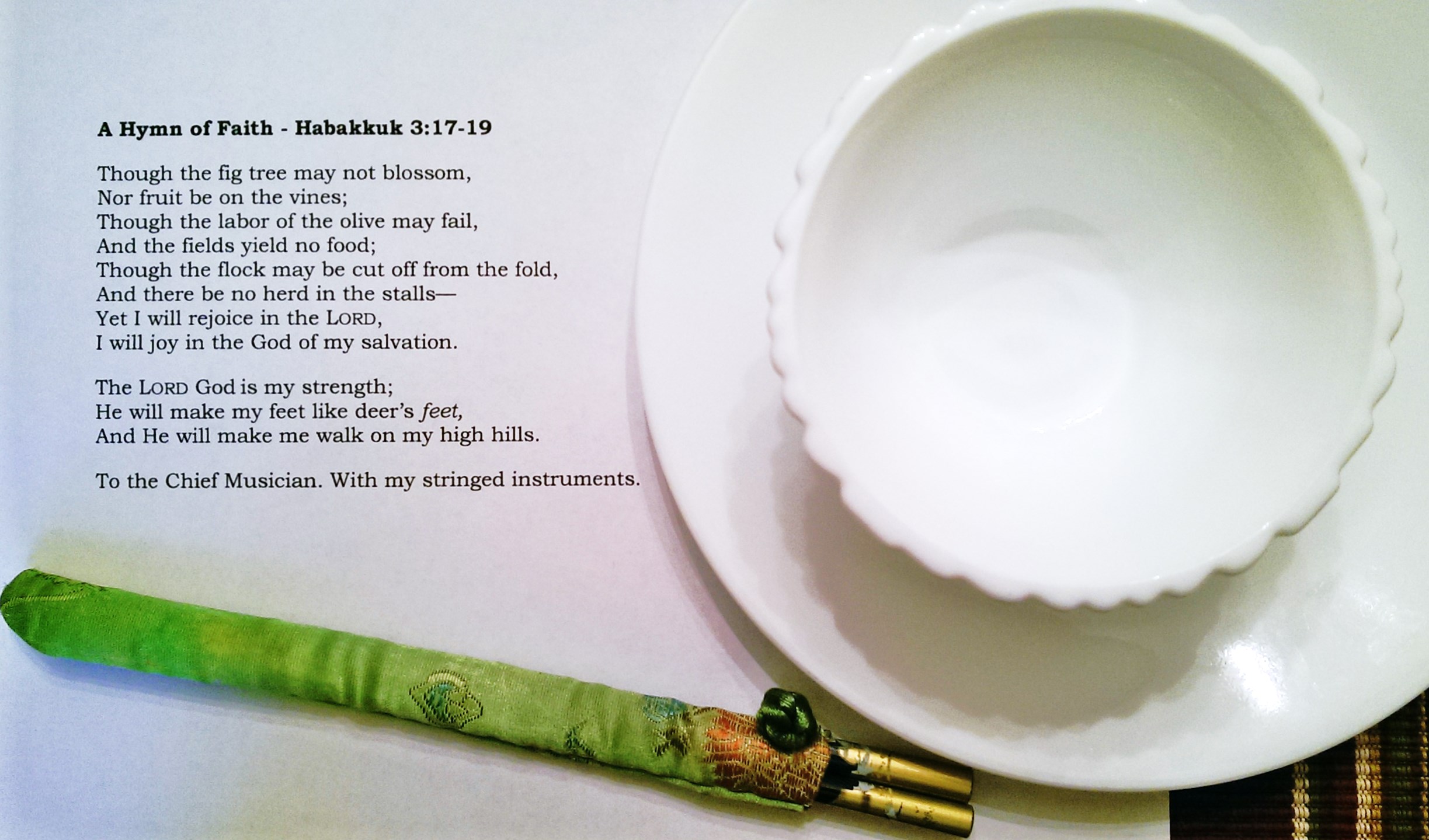
A Hymn of Faith – Habakkuk 3:17-19

Though the fig tree may not blossom, Nor fruit be on the vines; Though the labor of the olive may fail, And the fields yield no food; Though the flock may be cut off from the fold, And there be no herd in the stalls— Yet I will rejoice in the Lord, I will joy in the God of my salvation.

The Lord God is my strength; He will make my feet like deer’s feet, And He will make me walk on my high hills.

Reading the book of Habakkuk, we are spellbound by the devastating situation where the people of God find themselves.  Habakkuk wrestles with God over this, and finally yields in faith to the God he trusts…no matter what. Whether in hunger or high places.

The thought of being completely without food is pretty frightening. The stories we hear in the news of displaced peoples, who had to flee their homes and villages and figure out how to survive on foot, are heartbreaking. I can’t fathom that situation, yet I know it’s real for far too many right now.

I’m also afraid of heights. When we fly, I always get an aisle seat, and treat the experience as if I’m on a cross-country bus trip. I love to look at mountains, but being up in them, on narrow roads or cliff-edge paths, is not what I would choose for transportation or relaxation.

Reading through the short account of desperate times, as recorded by the prophet Habakkuk, reminds me of the raw nature of life sometimes. What is that situation for you that would be the worst you could imagine? The loss of a person or the lack of a provision?

Is there anything that could so devastate me that I would take my eyes off God?

I pray not…and Habakkuk gives me hope. He cried out to God, cried out against God, in the beginning, because of the horrific circumstances of his people, God’s people. Yet,  when we besiege the throne of God with our desperate requests, He hears His children and answers us. Not always in ways that suit us at the time, but He responds, with the wisdom of One who sees how all of life, all of history, fits together.

As we pray, whatever He does in answer to our appeals is up to Him – a perfectly loving, merciful and just God. Yet, there is a glorious spiritual transaction that happens, if we keep our eyes on Him. He restores our joy; He brings peace; He gives strength.

I love the passage in C. S. Lewis’ The Lion, the Witch, and the Wardrobe where Mr. and Mrs. Beaver are trying to describe Aslan, the lion who symbolizes Jesus in the Narnia stories. Lucy and Susan ask if Aslan is safe. Mr. Beaver responds, “Who said anything about safe? ‘Course he isn’t safe. But he’s good. He’s the King, I tell you.”

God is completely good. That does not mean that He keeps us always in comfortable places. His ways are not our ways (Isaiah 55:8-9). Yet, as we look over the shoulders of Habakkuk, and see the world as he saw it…he still came around to seeing the goodness of God. We can also choose to rejoice in whatever situation we find ourselves. That is the faith that plants our feet surely on any path where God leads.

The Faith to Rejoice – A sermon on Habakkuk 3:17-19 by Coty Pinckney, Community Bible Church, Williamstown, MA

The Choice To Rejoice – A sermon by Richard Bray

When God Alone is Sufficient – A sermon by Jeff Miller, Trinity Bible Church, Richardson, Texas

Precept Austin Bible Study Helps for the book of Habakkuk

Aslan – Is He Safe?


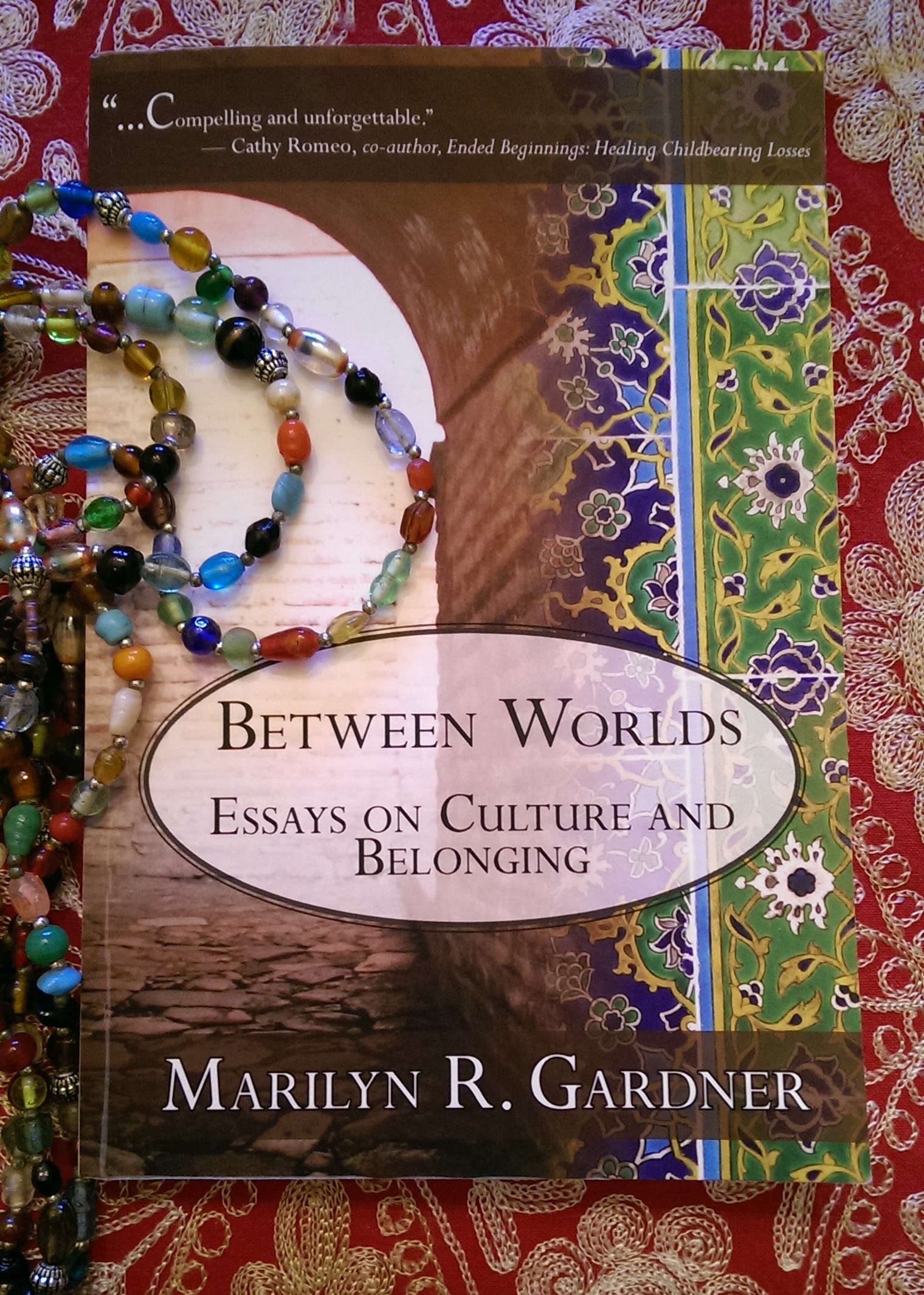
Quotes from Between Worlds – Essays on Culture and Belonging – by Marilyn R. Gardner

2014 Phone pics July-December 319

In this bookmarked summer of mine, Between Worlds brought a refreshing wash of memories for me of living cross-culturally. I miss the years we spent as a family in North Africa. Marilyn Gardner writes in colorful strokes of her third culture kid (TCK) experience of growing up in Pakistan. She also described vividly what it was like as an adult raising children (her own TCKs) back overseas. Read Between Worlds and you are transported to the places she lived as a child and again as an adult. She speaks of her family’s years in Cairo, Egypt, and I am also taken back to one of my favorite cities in the whole world. The smells, sights, and sounds are there…you will be enchanted.

Marilyn also shares with clarity and vulnerability that experience of living essentially between worlds. Of living among peoples not your own and yet you feel they are. Of returning to the US and appearing to be like all around you, and yet you are an “invisible alien”…not fully of this world either. Her stories are marked with lessons of deep living cross-culturally. We can all gain from these lessons – whether we’ve lived a third culture life or not.

Her stories I will leave for you to read in your own personal places…but some of her wisdom I share with you through these quotes from Between Worlds.

Home is where our story begins.” For a third culture kid who questions the definition of home, this is both reassuring and sad. If home is where our story begins, what happens when we cannot go back?” (p. 4)

“I read in Psalm 84: ‘Blessed are those whose strength is in you, who have set their hearts on pilgrimage…They go from strength to strength until each appears before God in Zion.’ In my journey, this Psalm makes ‘Home is where your suitcase is’ a spiritual reality.” (p. 8)

“I was raised on chai…It was not just the taste; it was the full experience of comfort that nourished body and soul.” (p. 21)

“There can be strength in remembering…Perhaps writing helps keep some of the bricks intact, because memories are precious and if used properly give strength to the present.” (p. 26)

“Turns out identity isn’t about a place you live at – but a Person you live in.” (p. 44)

“Those childhood wounds that brand us, that tell us lies about who we are and what we’ll become, are not strong when they come up against the Image of the God who made us.” (p. 55)

“Pieces of childhood are important foundations to building adults…in the pieces of childhood there is grace and a Father God who delights in putting together the pieces.” (p. 71)

“When I finally stopped grasping at success, at confidence, at belonging, I inexplicably found it.” (p. 87)

“If you don’t start kids on the road or plane when they are young then too soon they, and you, will move into a place and state of mind that sees all the obstacles instead of the benefits.” (p. 102)

“It is amazing how much waiting there is in a life of movement…Above all, we wait for God. We move forward in faith, only to be stopped in transit. So we wait. It’s not time. We sit tight. There are dozens of ways that God moves in and orchestrates our plans, our movements…For waiting is nothing new in the work of God.” (p. 109)

“Behind every third culture kid is a parent – a parent who wishes, hopes, and prays that they are doing the right thing.” (p. 120)

“God chooses ‘place’ to reveal himself to people, to show who He is, to remind them of his love, his care, his sovereignty, to call them to himself.” (p.138)

“Cultural humility gives up the role of expert, instead seeing ourselves as students of our host culture. I puts us on our knees, the best posture possible for learning.” (p. 193)

“May I forever hurt with the goodbyes that I say. May I forever remember the strength of the words ‘God Be With You.'” (p. 202)

Whether you’re a chai or coffee drinker – you will want a cup of one or the other, as you savor this book of life Between Worlds.

To Purchase Between Worlds

Follow Marilyn Gardner on Twitter

Author Blog – Communicating Across Boundaries

The Fruits of Summer…and Year-Round Deliciousness…Not to Be Taken For Granted

At our house, there are almost always apples and bananas. They are the go-to snack for my husband (when he’s trying to be healthy). Well, there is a brief period when he says, “Don’t buy any more apples. They’re out of season.” He’s talking about Honeycrisp and Pink Lady apples, his favorites. As the food shopper, I’m more aware of the seasons coming and going, not just here but other cultivated places (Chile, for instance). Fortunately, when these apple favorites are dwindling here in the Northern Hemisphere, the Southern Hemisphere orchards are bearing and apples will soon be shipped to us again.

Bananas are a different story altogether…seemingly always in season, thanks to being grown all around the world. For now, you can always find bananas, right? Inexpensive at $.49/lb, or a bit more for organic. Always there…dependable, affordable, delicious fruit. Our family did have a unique experience a few years ago, living in North Africa in 1990’s, when bananas weren’t a part of our household fruit supply. Not because there was a scarcity of them but because of the politics of the day. [See link below.] Bananas are the perfect imported fruit.

These fruits are not what we in the U.S. think of as summer fruits; they are more the old standards.

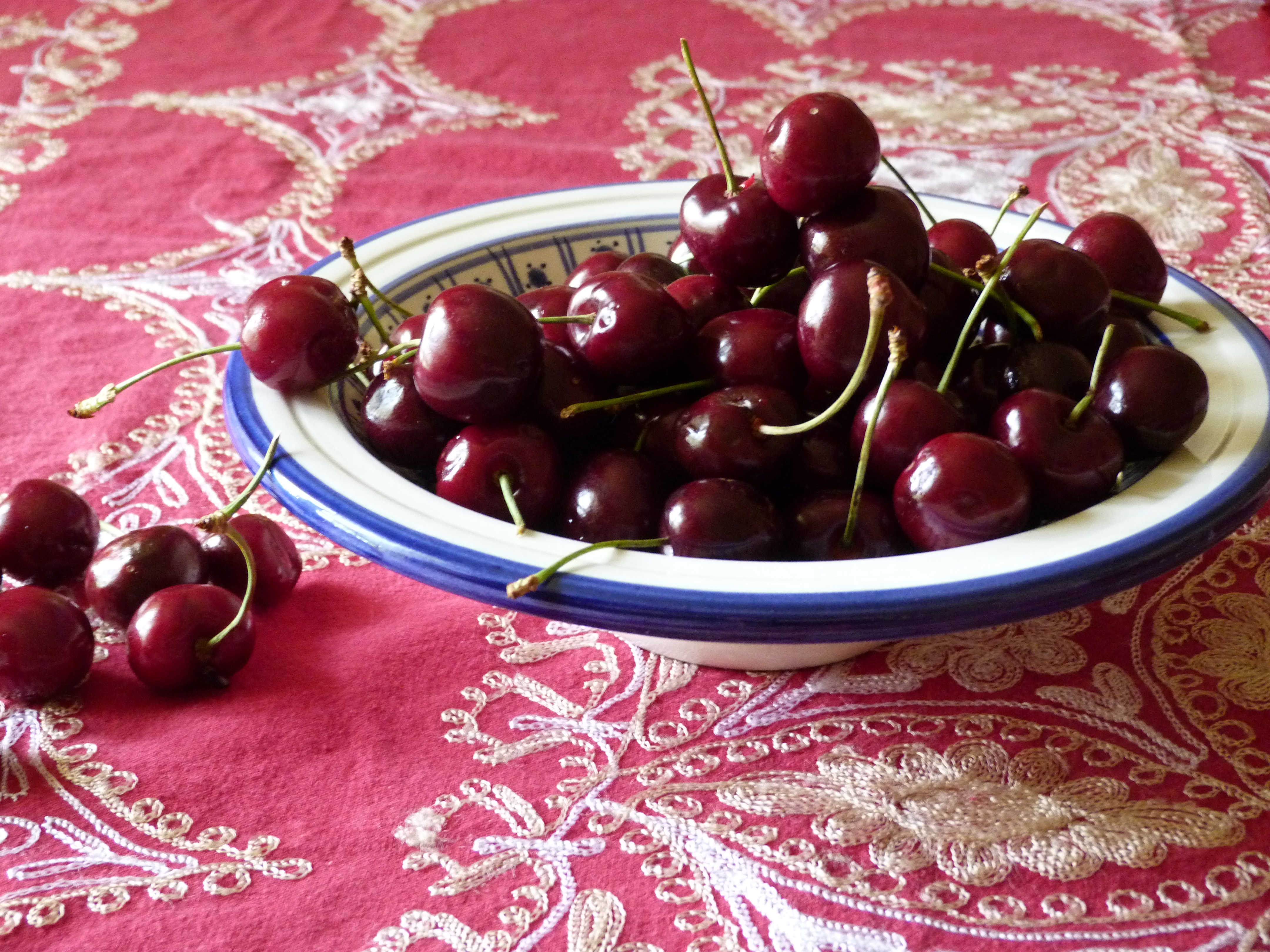
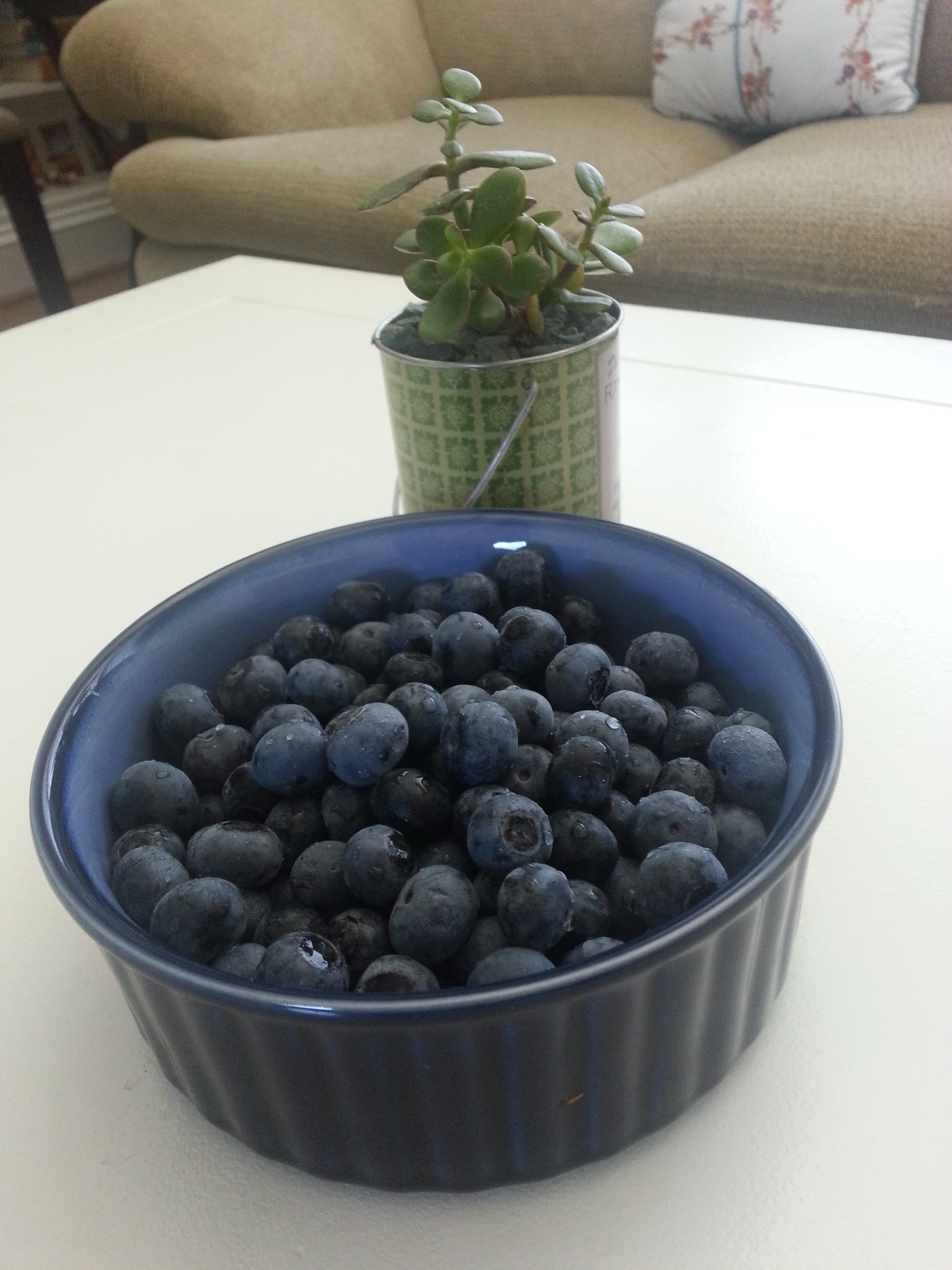
Summer fruit is a many-course feast of perfect deliciousness. Where we live, summer begins with strawberries. Then there’s the brief glorious seasons of cherries, blueberries, and blackberries. They make for handfuls of plump sweetness, and we all have our favorites.

2014 June Fun Times 021

2014 Phone pics July-December 027

The berry season is followed by the melons – watermelon and cantaloupe – the perfect finish of every summer cookout.

2013 July 4 2013 007

And last, for us, are the sun-bronzed peaches that drip sweet juice down your arm as you eat them over the kitchen sink or without a plate outdoors.

WP_20140604_008

Summer fruit can stand alone as clear evidence of a kind and loving Creator God.  So much goodness is fruit in season. The Bible is full of references to fruit as gifts from God and as the outcome of lives yielded to God (Psalm 1:1-6; Song of Solomon 2:3-5; Galatians 5:22-23; John 15:1-17; etc.)

I love all of these fruits, but my favorite is the cherry in its season. Cherries are completely perfect, right down to the seed pit which requires disposal, forcing us to slow down eating these lovelies, or we would eat them until they made us sick.

One of the leading national producers of cherries is Turkey, and we had the sweet opportunity of being there during cherry season one year. In the hotel where we stayed for a conference, the buffets offered huge bowls of cherries. We ate to our full every day that we were there, such that, just the memory of that culinary experience would be enough for us if it was all we would have of cherry season.

Still, at least once a summer in the US, I pay the big bucks to buy cherries trucked to us from Washington State or California. And I remember that there are places in the world, where “bad” or blemished cherries are transformed into indescribably lovely juice or cooked into pies for the pickers’ families who gathered them. Cherries are grown for those able to afford them…and at least once or twice in the season, we are among them.

Summer fruit is remarkable, really. Short growing seasons. Heat. Drought. Transport issues. We definitely should savor them (as we do) and not take them for granted.

The always-present fruit like bananas should cause us to be grateful as well. Bananas are not bound by a short season and they are enjoyed by most peoples of the world, not just the affluent. Still as I read about fruit, trying to raise this piece above just a love affair with food, I was struck by how the fruit that we just assume will always be in our supermarkets may actually not be. Not just related to drought, for instance, but also to disease. Bananas are no exception (see links below).

I am grateful for all these delicious fruits of someone’s summer – those we find locally, and those touched by hands across the globe to bring them to our market. I am thankful for the means to enjoy cherries and for those who did the work to bring these to our table.

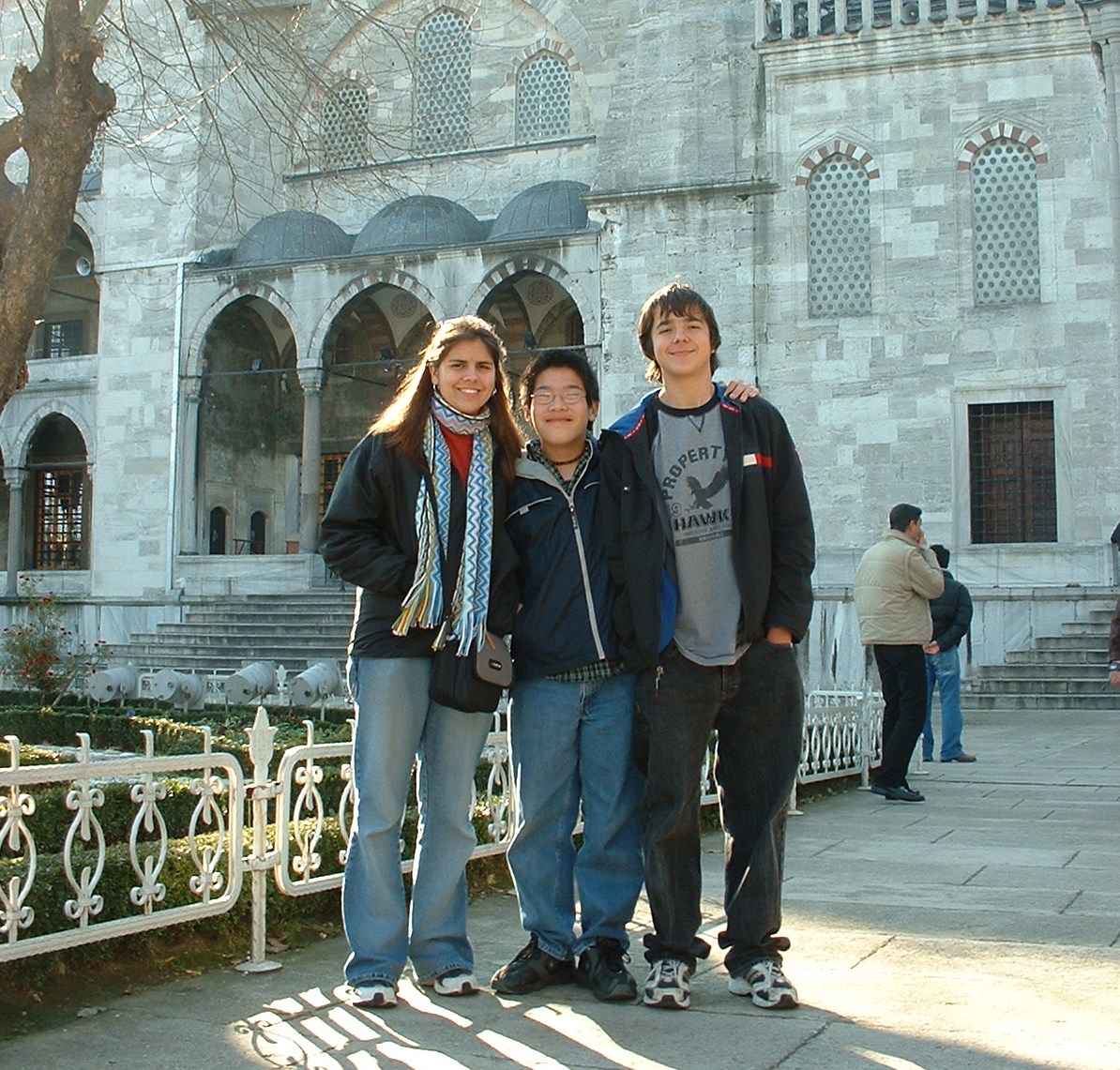
Track Meet & Turkey Trip 04 & 05 027Our Kids in Turkey – not in Cherry Season.

 Why Do We Import Apples From Other Countries?

Michigan’s Cherry Festival

Turkey has Best Cherry Harvest of Last 20 Years – FreshPlaza: Global Fresh Produce and Banana News 

Best Blueberry Muffins ever from YaYa – “I also add one teaspoon of cinnamon & two teaspoons of vanilla and a few extra berries doesn’t hurt”

Import Duties, Internal Taxes, Local Production – Why We Had No Bananas in Tunisia in Early 1990’s

The Banana Trade War – Fruit, Economy, Society

How the Global Banana Industry is Killing the World’s Favorite Fruit

Yes, We Have No Bananas