Monday reflecting on yesterday’s thought-provoking sermon.
Pastor Cliff, at Movement Church, preached on our exile life this side of Heaven. He began with the origin story of what we now know to be Stockholm Syndrome. Psychologists identify this as a bonding between hostage and captor – either as a survival technique or an emotional tether in a highly tense and stressful situation.
Pastor Cliff then took us through Exodus and how the children of Israel, though rescued from Egyptian slavery, began to long for the days from which they were rescued. They seemed to forget the hardship and desired what they remembered. The goodness of their God and the nearness of the Promised Land faded as they looked back and away from their Deliverer.
Because of what Jesus did for us on the cross, we are free from the past. However, we are tempted to return to the captivity of our sins and struggles. They are familiar to us. In tense and stressful times, we are prone to return to what put us into bondage in the first place. Sadly.
Old habits can infiltrate the freedom we have in Christ and draw us back to a captivity that no longer fits who we are now. We are deceived into thinking we have no choice…it’s just the way we are/always were. We burden ourselves with the old life – the “yoke of slavery” – rather than believe and live out the reality of Christ’s deliverance.
Does Jesus understand our frame? Absolutely. The big difference is that He was tempted in all the ways we are tempted, and yet without sin. In His time on earth, He was fully human and fully God. We can learn much from Jesus’ wilderness experience before His public ministry began.
Eric, a writer for the website Seeker of Christ, summarizes the 3 temptations of Christ (and all of us) below:
They represent the three main ways humans are tempted:
Lust of the flesh – Craving pleasure (turning stones into bread).
Pride of life – Seeking validation (jumping off the temple).
Lust of the eyes – Chasing power and success (bowing to Satan).
This same pattern goes all the way back to Eve in the Garden of Eden:
She saw the fruit was good for food (lust of the flesh).
She thought it would make her wise (pride of life).
She saw that it was pleasing to the eye (lust of the eyes).
When I think of those three areas of temptation, I’m reminded of my own struggle of seeking comfort in counterfeit ways which only lead to a place of shame, regret, and disappointment in myself.
Lust of the flesh – Alcoholism and disordered eating are generations-deep struggles in my family. Fortunately, I just don’t drink, so alcohol isn’t something that has become an idol in my life. However, food has been a sad refuge for me instead of seeking it in the Lord. For others, this area of temptation could be sexual (either outside of marriage or with porn). Seeking physical satisfaction in whatever form when only the Lord can truly fill that emptiness.
Pride of life – This is that old habit of “me first”. Pride in self. I was only 9 years old when the evidence of Jesus’ sacrifice for me became deeply personal. My parents divorced when I was 5, and my desire was to be good for my mom because of how hard her life was. It was a futile endeavor even for a young child. When we started attending church, I learned that only God is good and would replace my failure with His faithfulness, as I trusted Jesus as my Savior and Lord. It was the best news ever. The temptation to be performative is still with me, and there are times I chase after that self-focus and fulfillment. Thankfully, the Lord calls me back to Him where I find rest for my soul. He is better.
Lust of the eyes – When we meet a stranger or newcomer, inevitably the question comes up, “So what do you do?” Not who are you or what matters to you, but what do you do. Why do we care? Just something to hang a label of success, or power, or authority on that person? I honestly still don’t know why. Maybe we are just curious. Still, we can find ourselves striving for position and power in life. A level of significance. We lose sight of how God loves us fully. Period. Full stop. We don’t do anything to merit His love. It is who He is. Through His son, we are redeemed. We can lay down the work-weariness of climbing to the top… of whatever mountain used to hold us captive.
Because of Jesus and the freedom we have in Him, we don’t have to return to bondage. In times of struggle, we are tempted to seek out that old familiar yoke. We forget how heavy it was. Maybe we think we deserve to live that way. We couldn’t possibly be free to love without wanting anything in return, serve without expecting to be served, or to simply enjoy the presence of God or the company of others just because we belong…nothing else required. Couldn’t be? Yet we are…free.
That’s the freedom we have in Christ. That’s where He wants us to live. Without shame. In His love and protection. Remembering that His yoke is easy and His burden is light (Matthew 11:28-30).
“If My people who are called by My name humble themselves, and pray and seek My face and turn from their wicked ways, then I will hear from heaven and will forgive their sin and heal their land.” – 2 Chronicles 7:14
On May 7, U. S. churches and Christian organizations (even some in our government and among other religions) will set aside time to observe the National Day of Prayer. We are called to put our political and ethnic differences aside and to seek God’s healing of our country.
The verse above from 2 Chronicles is often quoted. It’s a beautiful promise, conditioned on the response of the people of Israel in ancient times. Does it apply today to believers in America?
Below find commentary by two theologians answering this question. Their answers surprised me a bit, the fact being I am NOT a theologian. However, as you read their answers, remember that God speaks to all of us through all of His Word. As He led His people then, He leads His people now. He calls us to humble ourselves, to pray, to seek Him, and to repent from our evil doing. We can’t rest on our political leanings; we can’t trust in human guardians of our nation’s well-being (over the Sovereign keeping of God Himself); we can’t carry hatred or pride in our hearts without thought of the consequences. We who follow Christ aim to submit to His ways and His word on all things…with His help.
“In context, 2 Chronicles 7:14 is a promise to ancient Israel (and perhaps even modern-day Israel) that, if they will repent and return to the Lord, He will rescue them. However, many Christians in the United States have taken this verse as a rallying cry for America. (Perhaps Christians in other countries have done so as well.) In this interpretation, Christians are the people who are called by God’s name. If Christians will humble themselves, pray, seek God’s face, and repent, then God will heal their land—often a moral and political healing is in view as well as economic healing. The question is whether or not this is a proper interpretation/application.
The United States does not have the same covenant relationship with God that ancient Israel enjoyed. The covenant with Israel was unique and exclusive. The terms that applied to Israel simply did not apply to any other nation, and it is improper for these terms to be co-opted and applied to a different nation. When 2 Chronicles 7:14 is applied to Christians in the U.S. or any other modern nation, it is usually with the understanding that the Christians in that nation—the true believers in Jesus Christ who have been born again by the Spirit of God—will comprise the righteous remnant. God never promised that if a righteous remnant repents and prays for their nation, that the nation will be saved. Perhaps if national repentance occurred, then God would spare a modern nation as He spared Nineveh at the preaching of Jonah (see Jonah 3)—but that is a different issue.
Having said that, it is never wrong to confess our sins and pray—in fact, it is our duty as believers to continuously confess and forsake our sins so that they will not hinder us (Hebrews 12:1) and to pray for our nation and those in authority (1 Timothy 2:1–2). It may be that God in His grace will bless our nation as a result—but there is no guarantee of national deliverance. Even if God did use our efforts to bring about national repentance and revival, there is no guarantee that the nation would be politically or economically saved. As believers, we are guaranteed personal salvation in Christ (Romans 8:1), and we are also guaranteed that God will use us to accomplish His purposes, whatever they may be. It is our duty as believers to live holy lives, seek God, pray, and share the gospel knowing that all who believe will be saved, but the Bible does not guarantee the political, cultural, or economic salvation of our nation.” – Got Questions
Worship with me. We have God’s Word and His wisdom leading us into repentance, for our good and His glory. If God chooses, He may heal our land, but most importantly, for us, is our joyful and hopeful submission to His rule and reign in our lives. Still…this beautiful Imperials rendition of 2 Chronicles 7:14 is a call to prayer and repentance for us Christ followers, no matter the outcome. [I’ve loved this song for many years and still get goosebumps, singing along with the Imperials. Enjoy.]
If My people Which are called by My name Shall humble themselves Shall humble themselves and pray If My people Which are called by My name Shall seek My face And turn from their wicked ways
Then will I hear from heaven Then will I hear from heaven Then will I hear and will forgive Forgive their sin
If My people Which are called by My name Shall humble themselves Shall humble themselves and pray I will forgive their sin I will forgive their sin I will forgive their sin And heal their land
If My people Which are called by My name Shall humble themselves Shall humble themselves Shall humble themselves and pray*
“If there was ever anyone who had humbled themselves, prayed, sought the Lord, and turned from their wicked ways, it was the disciples and the early church. But did they receive healing for their land? No, they received persecution. They were threatened, and some were even thrown in jail for their faith. Eventually most were even scattered from their land (Acts 8:1-3).
But despite all these terrible situations and circumstances in their lives, they were blessed with every spiritual blessing (Ephesians 1:3). They had the peace and abundant life of Christ. And this is the promise for all who believe. We don’t have to find economic and political healing in our land to enjoy God’s blessings. Our blessings are found in a Person.
Does that mean we shouldn’t pray for our country and hope things get better?
Absolutely not! We can love our country and be thankful we get to live here. We can be grateful for the men and women who sacrificed their lives to protect our freedom. We can pray for our country and hope things get better. But as we pray for our country, our ultimate hope is not that our lives get more comfortable through prosperity but that more people come to know Jesus and the abundant life that can only be found in Him.” – Jason White
This is the morning of exhausted grief. Jesus, the Messiah, God’s Sent One; His Only Son lay dead in a tomb. Dead. How is this possible?
The disciples, his family, those followers whose lives were completely transformed must have been numb with the stark reality that he was not with them…not on that Saturday. What would they do without him? What would happen to them? What? What?…Why?
There is only one scriptural reference to this day and it related to the threat of Jesus’ power and influence, even in death:
The next day, that is, after the day of Preparation, the chief priests and the Pharisees gathered before Pilate and said, “Sir, we remember how that impostor said, while he was still alive, ‘After three days I will rise.’ Therefore order the tomb to be made secure until the third day, lest his disciples go and steal him away and tell the people, ‘He has risen from the dead,’ and the last fraud will be worse than the first.” Pilate said to them, “You have a guard of soldiers. Go, make it as secure as you can.” So they went and made the tomb secure by sealing the stone and setting a guard. – Matthew 27:62-66
For the Jews, days begin and end at sundown. Most probably this visit with Pilate occurred Friday night. At his command, guards were placed. The tomb was sealed. Jesus would be no more trouble…or so they thought, in their ignorance.
He is dead: this man from Nazareth, the Messiah of Israel, the Lord of the world.
With His dying breaths, He spoke words of forgiveness, finality, and faith.
But now the breathing has ceased, and the lungs that exhaled forgiveness are deflated. My Jesus – dead.* – Trevin Wax
[Inserting here a talk done on Good Friday by a friend of ours – her topic was “What does the cross change?” – fitting for today – then after her talk, I will close on Black Saturday.]
“What does the cross change?
“Everything” is perhaps our knee jerk reaction. The cross changes everything. But that can’t be right when we worship an unchanging God. God did not change at the cross. He was perfectly just before the cross and remains perfectly just today and will be perfectly just forever. He was perfectly loving before the cross, he remains perfectly loving, and he will be perfectly loving forever. He was sovereign, is sovereign, and will be sovereign forever. God did not change at the cross.
I think to see what changed we have to go back much earlier than Jesus’ lifetime. We have to go back to Eden. God created a perfect garden with a man and a woman and plants and animals. It was an oasis, idyllic, peaceful. And by peaceful I don’t mean free from worry or stress. I mean the hearts of Adam and Eve were at peace with God. It’s hard to imagine that. Hard to imagine no shame, fear, uncertainty. Hard to imagine walking and talking with God, completely vulnerable, knowing you were free from any sort of culpability. Adam and Eve were at peace with God, each other, and themselves.
Then they went to war with God. And each of us makes that same decision, to go to war with God, to sin against him and against our nature as image-bearers. We do not choose peace or freedom, we choose war and shame, darkness and loneliness. When I say war I mean we declare that there must be bloodshed. There must be death. Sin is a declaration that we will not live as God intended. God intended perfect peace. He intended that we all walk with Him, unashamed, in the light. We sin and we disrupt that plan. We may not desire the outcome of that sin, which is death, but the outcome is unavoidable.
So Adam and Eve sinned and that perfect peace was shattered and the cross became inevitable. As we read through the Old Testament, the cross feels like it’s in every story. We see God using men and women to foreshadow what is to come, the perfect prophet, priest, judge, shepherd, and king. We read the Old Testament and we see all the plans God set in motion to reach the cross. What we see also is imperfection. Imperfect prophets, judges, shepherds, and kings. Imperfect sacrifices leading to imperfect relationships. God is with His people but they cannot be at peace with him like they were in the Garden.
So, does the cross take us backward, to Eden? No. There’s no going back to Eden. That’s not the plan.
The cross is the culmination of the battle that started in Eden. We declared war in the garden and Jesus Christ declared victory at the cross. Oh death, where is your sting? We can ask that because the battle is over. Jesus Christ conquered death and we who believe have the promise of eternal life, starting today.
It’s strange though. It doesn’t feel over. I don’t feel at peace. Not with God, or others, or myself. It feels like the battle is very much ongoing and it often feels like I’m losing. So, what has the cross really changed?
I’m reminded of my favorite passage in the Bible, which is where Jesus is walking on water and Peter calls out to Him and Jesus says come. It’s an amazing story in so many ways but I’m always struck by the fact that Peter sinks and, it seems, is going to drown. Even with Jesus standing right there, standing on water exhibiting power over nature, declaring he is God, Peter is sinking under the waves. Jesus saves him, of course. But I imagine Peter, while grateful, was a bit unnerved by the sinking part. I’m reminded of this story because the reality of this Earth is that, while God is sovereign and He has won the battle over death, we do not live in Eden. We do not live in the new heaven and new Earth. We are waiting for Jesus Christ to return and while we wait, we will struggle. We’ll perhaps almost drown as we try to walk with God. But because of the cross, we will walk as freely as Adam and Eve walked with God. Death no longer has a hold on us.
So, we have victory over death because of the cross, which is our hope for the future. But what do we cling to in this daily battle? What else does the cross give us today?
I’d like to talk about just one thing.
When God looked at His Son, He was pleased. It’s such an amazing thought. That God looked from heaven at a man and was pleased. Picture it. Jesus is a man on Earth and God looks at him and addresses him and says He is pleased with him. That’s what the cross changes for us. When God looks at you who believe, He does not see your sin, He sees Christ’s holiness. He sees you, an individual He created in your mother’s womb whom He has loved from the beginning of time. But instead of your sin, He sees Christ’s holiness. And He says, this is my daughter, in whom I am well pleased. This is my son, in whom I am well pleased. Imagine it. The sight of you pleases God. The cross means that we no longer have a broken and distorted relationship with God because we, unlike any person living before the cross, are holy in God’s eyes. No matter how putrid our sin is, no matter how many times we have declared war with God. For those who believe and repent, we can walk in the light, free from the burden of our sin. Like Adam and Eve, we walk with God in peace. Like Jesus, God looks at us and is pleased. I pray you can feel that today. Feel that God knows you, knows your name and your face and sees you and is as pleased to see you as He is to see His own Son. Not because you’re obedient or you are bursting with the fruit of the spirit. To believe that your good deeds can make up for putting Jesus Christ on the cross with your sin is folly. Our sin led to the death of God’s one and only begotten Son. We cannot make up for that with our good behavior. To try and do so is to deny Christ’s sacrifice.
The cross takes that burden away and replaces it with freedom. We are free to walk in peace with God and to know and feel that God is pleased with us because of the cross.
So what does the cross change? Us.” – Amanda, Good Friday reading, Sideris Church
We have the great knowledge of the risen Christ, but his followers, on that Saturday, only had dim recollection of his words of promise. Shrouded in grief, they found themselves quite “in between” – in between the death of their Savior and the life of his glorious promises.
Another dear friend of ours, Beth, shared this message by John Ortberg from a conference where he spoke on Black Saturday, well, “Saturdays” in general. He describes so well this day in between.
“Saturday – the day between the crucifixion and the resurrection. What do you think the disciples were doing on Saturday? Here they have seen their friend and their Master killed the day before but also have this vague promise, which probably seemed ludicrous at the time that he would rise again. Most of life is Saturday…It`s waiting in faith and hanging onto the promise that God is going to come through for us in spite of how bad things look. Most of life is Saturday. — I don`t know where you are this Holy Week. Maybe you`re in a Palm Sunday kind of mood wanting God to get on board with an agenda and maybe he will, but if he doesn’t, know that his plans are always good…Maundy Thursday means that God loves us no matter how dirty our uniform gets from the game of life. Maybe you`re in a Saturday kind of place – between a hard time and a promise you only half believe. Know this for sure that God`s Easter irony is still at work, and he can use even the worst tragedies for good, and he always has at least one more move left. No matter how bleak and dark Saturday gets, Sunday`s coming, and it`s coming sooner than you think. “ – John Ortberg
Saturday is the “in between day”. Did those who loved Jesus most remember this? Was their grief so consuming, so deafening to His promises, so numbing there was no room for hope? We have the great experience of knowing, for sure, that Sunday is coming!
Today is the waiting day.
We wait like schoolchildren for the final bell.
We wait with tapping foot, huffing breath, rolling eyes.
We wait like a mother for the gushing of birth water.
We wait like branches holding pink petaled secrets.
We wait with tears of frustration or eyes filled with anger.
We wait with tears of joy or eyes wide with wonder.
In the waiting rooms of life, our hope is mixed, our longings more so. But still, we wait. Forgive us for our impatience, Lord. We believe, help our unbelief.
We carry the sorrow of loss even as we hold on to hope of gain. We watch and we wait for your resurrection life. Even though we may not see the evidence, we wait with hope.
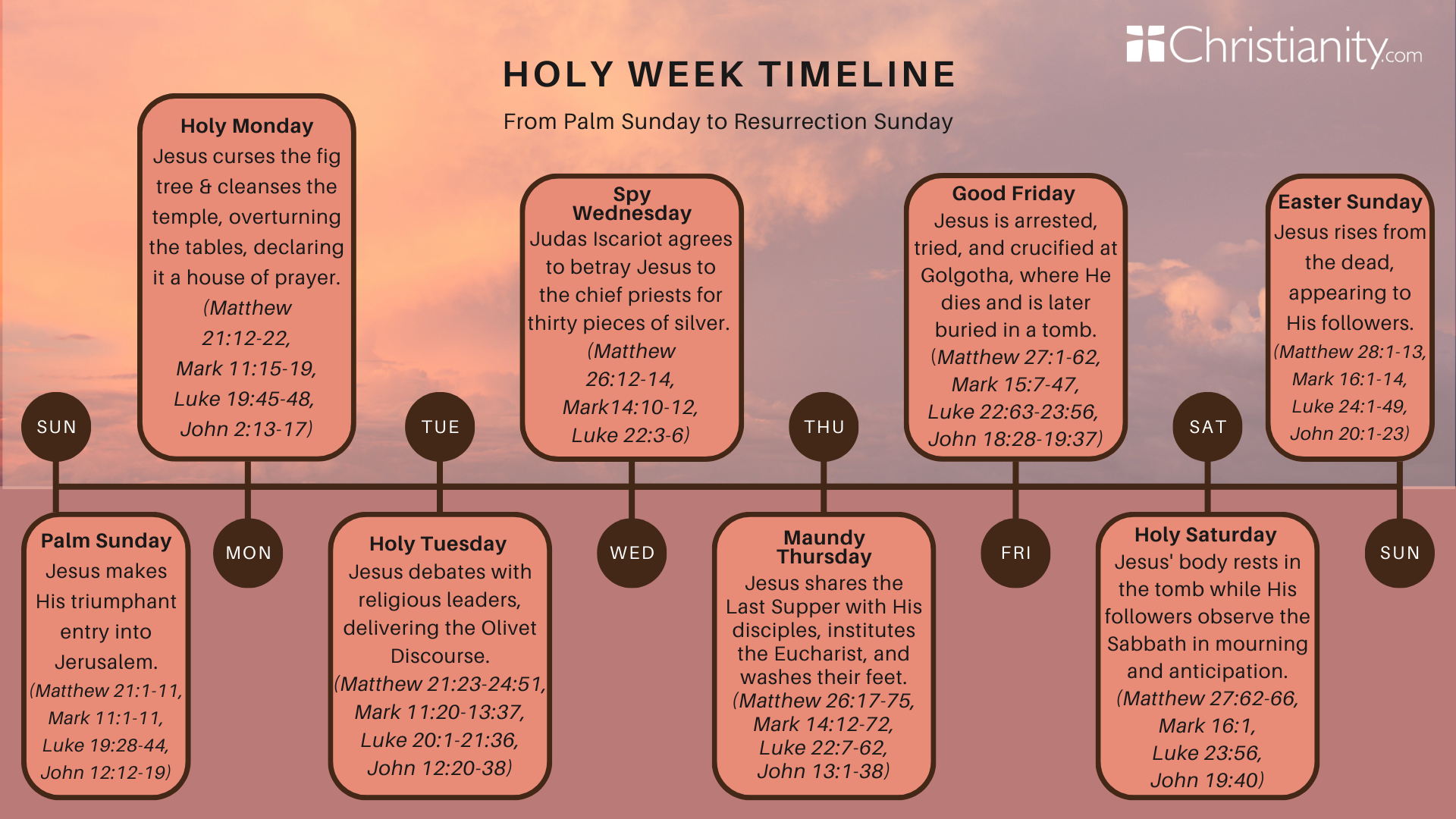
Today is the first day of Holy Week (for most Christians in the world). Each day is significant as Jesus began the week with a triumphant entry into Jerusalem and then endured crucifixion for sins not His own on the Friday of this week…followed by a glorious Resurrection. I will point you to each day’s events through the links below…recapping the significance for us of Jesus’ journey through this most holy of weeks.
Today is Palm Sunday.
For you critical thinkers (believers and non-believers), this week in the life of Jesus of Nazareth is one worthy of analysis. No matter your religion or non-religion, this Jesus, in these days, warrants examination, related to anything you may think of God. You will better understand the core beliefs of a Christ-follower, not just a person you had thought to be a Christian. For in the study of Jesus’ life and his followers, in just this one week, you will see a deep distinction between “the religious” and “the redeemed”.
Palm Sunday is celebrated as the “triumphal entry” of Jesus into Jerusalem, just days before he would endure a mock trial and then be crucified. He and his closest followers (disciples) came to Jerusalem for the celebration of Passover. Passover was/is an annual remembrance of God’s protection and deliverance of Israel during a time of slavery (Exodus 12:26-28). Jesus would celebrate Passover on Thursday of that coming week, but he did not come to Jerusalem for that reason alone.
He knew from his Father God why he came to Jerusalem, and he tried to prepare his disciples for what was coming.
From that time Jesus began to show His disciples that He must go to Jerusalem, and suffer many things from the elders and chief priests and scribes, and be killed, and be raised up on the third day. – Matthew 16:21
Imagine the scene as Jesus entered Jerusalem. Some in the crowd did recognize him, and then the word spread of the arrival of this great teacher, this healer, this man whose teaching was like none before him. Palm branches were pulled to wave in tribute to him, as others flung their cloaks on the dust before him welcoming him.
Most of the crowd spread their coats in the road, and others were cutting branches from the trees and spreading them in the road. The crowds going ahead of Him, and those who followed, were shouting, “Hosanna** to the Son of David; BLESSED IS HE WHO COMES IN THE NAME OF THE LORD; Hosanna in the highest!” When He had entered Jerusalem, all the city was stirred, saying, “Who is this?” – Matthew 21:8-10
“Who is this?” For those who did not know him, the wild welcome for him must have been confusing and captivating. For the religious authorities in Jerusalem, who knew him and were unwilling to welcome this “king of the Jews”, his popularity was infuriating.
The clock began ticking as they plotted against this man Jesus.
Over that bright hopeful day of palms hung the shadow of the Cross – the Cross that would bring even greater hope to all people. The “Hosanna” of Palm Sunday would change to cries to “Crucify!” just five days later. Jesus had no ambition to please the crowds; he was resolutely on task to redeem those who could not redeem themselves – the whole world.
Each day of Holy Week is highlighted in the following posts – one for each day in Jesus’ last week of life before He was resurrected and gave us the sure hope of eternal life with Him. Links follow below.
Every word of God proves true; he is a shield to those who take refuge in him. – Proverbs 30:5
God is not a man, that He should lie, or a son of man, that He should change His mind. Does He speak and not act? Does He promise and not fulfill? – Numbers 23:19
“My word that proceeds from My mouth will not return to Me empty, but it will accomplish what I please, and it will prosper where I send it.” – Isaiah 55:11
Magnify the LORD with me; let us exalt His name together. I sought the LORD, and He answered me: He delivered me from all my fears. Those who look to Him are radiant with joy; their faces shall never be ashamed. – Psalm 34:3-5
“I sought Him and He answered me.” God speaks to us. I can’t even imagine a world without His Word…without His Word made Flesh dwelling among us (John 1:14)…without His Spirit comforting and convicting us and connecting us to Him and each other.
My life verses are Jeremiah 29:11-13.
For I know the thoughts that I think toward you, says the Lord, thoughts of peace and not of evil, to give you a future and a hope. Then you will call upon Me and go and pray to Me, and I will listen to you. And you will seek Me and find Me, when you search for Me with all your heart. – Jeremiah 29:11-13
In those times when we don’t experience God speaking to us, I know for me it’s because I have turned my eyes away from Him and on to myself. God speaks to us in so many ways: through His Word; through His Spirit; through nature, our circumstances, the church, other believers. God has not stepped away. He leans in to us, desiring to be close to His people.
In C. S. Lewis’ classic book Screwtape Letters, we receive insight on how we are tempted away from intimacy with God, not through great sins, but through small, serial distractions. Here is part of the Evil One’s genius:
“….anything or nothing is sufficient to attract his wandering attention. You no longer need a good book, which he really likes, to keep him from his prayers or his work or his sleep; a column of advertisements in yesterday’s paper will do. You can make him waste his time not only in conversation he enjoys with people whom he likes, but in conversations with those he cares nothing about on subjects that bore him. You can make him do nothing at all for long periods.
You will say that these are very small sins; and doubtless, like all young tempters, you are anxious to be able to report spectacular wickedness. But do remember, the only thing that matters is the extent to which you separate the man from the Enemy [GOD]. It does not matter how small the sins are provided that their cumulative effect is to edge the man away from the Light and out into the Nothing. Murder is no better than cards if cards can do the trick. Indeed the safest road to Hell is the gradual one—the gentle slope, soft underfoot, without sudden turnings, without milestones, without signposts,
Williams wrote this book using the word Revering as an acronym describing God as 1)Reliable, 2) Enjoyable, 3) Victorious, 4) Eternally loving, 5) Redemptive, and 6) Expressive.
In the first chapter, Williams makes the case that God is always speaking to us. Can you even imagine this life without God speaking to us? He does not leave us to our own devices. He guides us always. In those moments when we feel adrift, or we feel He is silent, we have a way Home. Through His Word. By believing prayer. Obeying what He has already told us. Taking in the beauty He’s created for us. In the company of His people.
“The great enemy of the Christian is the sin of unbelief—the sin of refusing to accept what God says and the sin of refusing to do what God says. The great friend of the Christian is the joy of belief and the joy of obedience. Where is God asking you to simply take him at his word?” – Tim Challies
“He was oppressed and afflicted, yet he did not open his mouth; he was led like a lamb to the slaughter, and as a sheep before its shearers is silent, so he did not open his mouth. By oppression and judgment, he was taken away.” – Isaiah 53:7-8
“He himself bore our sins in his body on the cross, so that we might die to sins and live for righteousness; by his wounds, you have been healed.” – 1 Peter 2:24
Adopt the same attitude as that of Christ Jesus, who, existing in the form of God, did not consider equality with God as something to be exploited. Instead he emptied himself by assuming the form of a servant, taking on the likeness of humanity. And when he had come as a man, he humbled himself by becoming obedient to the point of death — even to death on a cross. For this reason God highly exalted him and gave him the name that is above every name, so that at the name of Jesus every knee will bow — in heaven and on earth and under the earth — and every tongue will confess that Jesus Christ is Lord, to the glory of God the Father.– Philippians 2:5-11
[For further study, see also Ezekiel 16:5; Matthew 27:39; Mark 15:29; Acts 8:32; Hebrews 11:25; Luke 19:9; Romans 11:11; Philippians 2:9 – Sifa Lyrics: Highly Exalted – Song Meaning, Biblical Reference and Inspiration – https://sifalyrics.com/robin-mark-highly-exalted-lyrics]
This week we have the pleasure of my mom-in-law visiting. She is a complete blessing. Such a humble servant and faithful pray’er. You want her to be praying for you. She is a great story-teller and encourager. Her great-grandchildren adore her! She brings joy with her into the house.
One thing that changes in our home when she is here is some of what we watch on TV. On Sunday evenings in her home, she watches a church program produced through Pensacola Christian University. The name of the program is Rejoice in the Lord. The sermon this week was “Renaming Your Sorrow”. Sunday night’s message was impacting, but what touched me the most was one of the worship songs. It was the first time I heard this song “Highly Exalted” and it’s been on repeat since then. You can watch/listen to the university choir sing it here at 11:40 minutes in. So beautiful. Written by Robin Mark and Paul Baloche (released in 2018). All Scripture. I got goosebumps and still get them. Thank You, Jesus.
This song has burned its message into my heart. We treat Jesus too lightly sometimes…and, if we are honest, we can turn our faces away from His teaching, the example of His life, and His atoning sacrifice for our sins. To our detriment. Lord, have mercy on our souls. Forever a part of the triune nature of the Godhead, the Son of God came in obedience to the Father to make a way for us to become children of the most high God. He came in humility as a baby, lived as a carpenter’s son, touch lives radically for three years of public ministry, died a horrible death…in obedience to the Father and for our sakes. Then God the Father raised Him from the dead, and Christ lives forever to intercede for us and welcome us Home. Thanks be to God.
The rise and fall of this song and the lyrics that Robin and Paul knit together from the Word take us to the booming chorus:
“For God has highly exalted Your name; He has enthroned You on high: Jesus the name above all names!”
Amen and Amen.
We exalt You, Lord Jesus. You are worthy of all our praise.
You were despised You were rejected Lord Those who passed by Even averted their gaze from Your sight Such was the suffering You bore for us Led like a lamb, lamb to the slaughter You spoke not a word Chose to be silent Though You did no wrong Nor was deceitfulness found in You Yet by Your wounds our salvation has come Yet by Your suffering our freedom is won For God has highly exalted Your name He has enthroned You on high Jesus the name above all names (2x) Led like a lamb, lamb to the slaughter You spoke not a word Chose to be silent Though You did no wrong Nor was deceitfulness found in You Yet by Your wounds our salvation has come Yet by Your suffering our freedom is won (For) God has highly exalted Your name He has enthroned You on high Jesus the name above all names (2x) Yet by Your wounds our salvation has come Yet by Your suffering our freedom is won (For) God has highly exalted Your name He has enthroned You on high Jesus the name above all names (2x)*
“A new commandment I give to you, that you love one another, even as I have loved you, that you also love one another. By this all men will know that you are My disciples, if you have love for one another.” – John 13:34-35
The Thursday before Jesus’ trial and crucifixion was the awaited celebration of Passover. In this day, we have a picture of Jesus, in all his humanity, and in all his deity. All four of the Gospels written about Jesus’ life have an account of this day’s events (Matthew 26:17-75; Mark 14; Luke 22:7-65; John 13:1-18:27).
After sunset, the Jewish people would take the Passover meal together – as families usually. They would share the Seder and remember how God protected them during the days of their slavery in Egypt.
This particular Thursday is known as Maundy Thursday. Maundy means “commanded” and also can refer to the ceremonial washing of feet. Jesus took upon himself to wash the dusty feet of his disciples, modeling for them his command to love one another (John 13:34-35).
After Jesus and his disciples finished their meal together, he would then enter the garden Gethsemane to pray. As He prayed, He wrestled with his heavenly Father over the need for him to die. “O my Father, if it is possible, let this cup [of suffering and death] pass from me.” Then, settled in his obedience, “O my Father, if this cup cannot pass away from me unless I drink it, Your will be done.” [Matthew 26:39; Matthew 26:42]
Sometime during that dark night of the soul, he turned his attention toward his disciples and all the rest of us, across the ages, who would follow him. His prayer to the Father, recorded in John 17, is exquisitely beautiful, especially in the context of this difficult night. [Take time to read it in full, but I’ve included a part of it below.]
“Holy Father, keep them in Your name, the name which You have given Me, that they may be one even as We are. I have given them Your word; and the world has hated them, because they are not of the world, even as I am not of the world. I do not ask You to take them out of the world, but to keep them from the evil one. Sanctify them in the truth; Your word is truth. As You sent Me into the world, I also have sent them into the world. “I do not ask on behalf of these alone, but for those also who believe in Me through their word; that they may all be one; even as You, Father, are in Me and I in You, that they also may be in Us, so that the world may believe that You sent Me.”
Then out of the darkness, Jesus’ disciple Judas Iscariot came to betray him. He was leading a group of the religious leaders, along with a huge company of soldiers. Although Jesus’ loyal disciples wanted to resist his arrest, Jesus refused their intervening and surrendered himself…not to the mob but to the will of the Father.
The betrayal was complete. His disciples fled (although those closest to him would soon seek out where he was being held). Jesus would spend the rest of the night in the tormenting custody of his enemies. The countdown to the cross had begun in earnest. A countdown that actually began at the Fall of humanity, and, under the careful watch of God, our Father…a countdown toward restoring us back to Himself.
When He [Jesus] entered the temple, the chief priests and the elders of the people came to Him while He was teaching, and said, “By what authority are You doing these things, and who gave You this authority?” – Matthew 21:23
On this long day, Jesus would demonstrate in one situation after another that he spoke and acted with the authority of God Himself. The barren fig tree cursed by Jesus the day before had indeed withered and died. The disciples saw it themselves that morning as they walked again from Bethany to Jerusalem. Jesus spoke to them of faith, which they would need all the more in the days ahead (Matthew 21:21-22).
Again and again…in Jerusalem, in the Temple, and on the busy streets during Passover, Jesus was confronted by the religious leaders.
It’s amazing that he even gained entry to the Temple after overturning the market there just the day before. Again, another sign of his authority. He was untouchable, until he gave himself over to his own death on the cross…for us.
The religious leaders were determined to trap him in some sort of blasphemous teaching or interpretation of the law. It would not happen, yet they were set on his destruction one way or another.
In an attempt to test Jesus’ understanding of the law, a legal advisor to the Pharisees asked Jesus what was the greatest commandment in the law. The Pharisees emphasized strict adherence to the laws of the Torah, all 613 of them! They were not prepared for Jesus’ response:
Jesus answered, “The foremost is, ‘Hear, O Israel! The Lord our God is One Lord; and you shall love the Lord your God with all your heart, and with all your soul, and with all your mind, and with all your strength.’ The second is this, ‘You shall love your neighbor as yourself.’ There is no other commandment greater than these.” – Mark 12:29-31
Two commands: 1) Love God with your whole being; 2) Love your neighbor as yourself. Some might say that a third is presumed in that you must love yourself in a right and wholesome way in order to truly love others.
Jesus’ love for the Father and his love for all people were in perfect unity. Loving God, with all we are, gives us perspective and capacity to love those around us, whomever they are, as we have experienced love ourselves, from the God who loves us perfectly and completely.
The Pharisees, Sadducees, and other Jewish leaders grew more angry at Jesus and were vexed as to how to destroy his popularity and influence with the masses of Jews loyal to him. All their trickery failed this time. Jesus was not intimidated by them, and in fact, spoke some of his strongest words against them while teaching that day.
His 8 “woe to you” pronouncements against the Pharisees are listed at bottom of this page. When I read them, the song from the original Godspell film comes to mind as the Jesus character stands against the religious “machine” of his day – those “hypocrites”, those “blind guides” of the people.
Finally, leaving Jerusalem that day, Jesus stopped on the Mount of Olives (Olivet) to speak about the future. He talked at length, to his disciples and all those who followed, about the end times. He cautioned them about false teachers and the evil that would rise up in those last days. What it must have been to listen to Jesus, the Messiah, on that Tuesday – filled with a mixture of faith in him and fear of what could lie ahead for them, and the generations to come.
When Jesus and his disciples returned for the evening to Bethany, Judas Iscariot, one of the twelve, stole away and met with Jesus’ enemies. [Matthew 26:14-16] In the dark of night, he would betray Jesus to them. He acted as a coward, away from the crowds who would have strongly objected…
For 30 pieces of silver, Judas would seemingly take history into his own hands, but the clock was already ticking, and Jesus would finish what he came to earth to do.
Postscript:
8 “Woe’s” Spoken by Jesus Against the Pharisees (Matthew 23:13-30)
1- Woe to you, scribes and Pharisees, hypocrites! for you shut up the kingdom of Heaven against men.
2- Woe to you, scribes and Pharisees, hypocrites! for you devour widows’ houses, and pray at length as a pretense.
3– Woe to you, scribes and Pharisees, hypocrites! for you travel land and sea to win one proselyte, and when he is won, you make him twice as much a son of hell as yourselves.
4- Woe to you, blind guides, who say, “Whoever swears by the temple, it is nothing; but whoever swears by the gold of the temple, he is obliged to perform it.”
5- Woe to you, scribes and Pharisees, hypocrites! for you pay tithe of mint and anise and cumin, and have neglected the weightier matters of the law: justice and mercy and faith.
6- Woe to you, scribes and Pharisees, hypocrites! for you cleanse the outside of the cup and dish, but inside they are full of extortion and self-indulgence.
7- Woe to you, scribes and Pharisees, hypocrites! for you are like whitewashed tombs which indeed appear beautiful outwardly, but inside are full of dead men’s bones and all uncleanness.
8- Woe to you, scribes and Pharisees, hypocrites! Because you build the tombs of the prophets and adorn the monuments of the righteous, and say, “If we had lived in the days of our fathers, we would not have been partakers with them in the blood of the prophets.”*
[A self-portrait for a photography class. In my 20s. Conflicted. Alone. Yet…not forgotten by God. Whew.]
From that time on many of His disciples turned back and no longer walked with Him. So Jesus asked the Twelve, “Do you want to leave too?” Simon Peter replied, “Lord, to whom would we go? You have the words of eternal life. We believe and know that You are the Holy One of God.” – John 6:66-69
Last year I heard Benjamin William Hastings in concert for the very first time. He doesn’t just sing; he worships. In a large concert space, packed with people, he seemed so small on the stage (and I was seated close-up). Partly because of the humility in his posture and countenance, and mostly because he pointed us, through his lyrics and singing, to the larger presence in the room. Jesus.
[I’ve written about several of his songs already in this blog. Find them here.]
Hastings’ newest single is “If It Wasn’t for Jesus”. It took me back to my disordered youth and it also resonates with me today in this disordered world of ours.
Somewhere around the age of 6, my family started going to church. I had solid teaching there for sure. Still the world presses in, and between that and my own fleshly desires for the approval of others, I faltered in my faith. During college especially and then in my 20s working in a high-pressure secular environment. It didn’t seem like I could follow Jesus and also be considered winsome in the world’s eyes. I was so deceived back then. Still “attending” church every week, even in the role of leading youth, and yet double-minded. Wanting to have the favor of those in my workspace, and pleasing those in my social circle, while also enjoying the honor of my position in church. Looking back, I still shudder at the deceit that bound me up in those days.
God did not forget me in those days. He drew me back to Himself. Thankful for Godly friends and mentors who pointed me to Him, spoke truth to me in love, and held me close until I came to my senses.
I don’t know much of Benjamin William Hastings’ story, but his music gives the message that God is so much bigger than our failures. His love is perfect, and in our weakness, He faithfully demonstrates His strength. I didn’t take sin seriously in those days, but, praise God, He did not let me slip too far from Him.
“My new single ‘If it wasn’t for Jesus’ is all about reflecting on where I’d be if it wasn’t for these amazing divine encounters with God, and then arriving at gratitude because of the intervention of God.” – Benjamin William Hastings
Looking at life today, like Hastings, I am constantly grateful. In the midst of the crazy of this world, I know that God is with us and will, as He has promised, work good for His children and glory for His beautiful, righteous triune Self.
Like Hastings sings: Only God knows where I’d be without Him…but I can confirm (based on my past and the weakness of our flesh without Him) it would not be pretty. I don’t have to be plagued with that thought anymore. He did what He had to do to save me and bring me out of death into life, and I will walk with Him, however imperfectly, until the day we meet face to face forever.
What’s your story? Please leave a comment if you want to…
“Your love, Lord, since I found it [Don’t wanna live without it]. Hands high, open-hearted. Where would I be without Your love, Lord!”
Don’t know how I ever did it Go a day without You in it Guess You were and I just missed it For all the ways that life worked out When I look back, man there’s no doubt How lost I’d be right now
If it wasn’t for Jesus, God knows where I’d be Still tryna find healing in all the wrong things Thinking I knew ’bout freedom with chains on my feet All rhyme and no reason All me and no meaning If it wasn’t for Jesus If it wasn’t for Jesus
Don’t know why You ever did it Trading places with a cynic Gave your life while I dismissed it But in my mess, or in my doubts You reached through hell, You brought me out I doubt I’d still be here right now
If it wasn’t for Jesus, God knows where I’d be Still tryna find healing in all the wrong things Oh I remember the feeling, without You it’s bleak All rhyme and no reason All me and no meaning If it wasn’t for
Your love Lord Since I found it Don’t wanna live without it Hands high Open hearted Where would I be without Your love Lord Since I found it Don’t wanna live without it Hands high Open hearted Where would I be
If it wasn’t for Jesus If it wasn’t for Jesus I’d still be falling to pieces, but missing a piece All rhyme and no reason All me and no meaning If it wasn’t for
Your love Lord Since I found it Don’t wanna live without it Hands high Open hearted Where would I be without Your love Lord Since I found it Don’t wanna live without it Hands high Open hearted
Put on the full armor of God, so that you can take your stand against the devil’s schemes. For our struggle is not against flesh and blood, but against the rulers, against the authorities, against the powers of this dark world and against the spiritual forces of evil in the heavenly realms. Therefore put on the full armor of God, so that when the day of evil comes, you may be able to stand your ground, and after you have done everything, to stand. Stand firm then, with the belt of truth buckled around your waist, with the breastplate of righteousness in place, and with your feet fitted with the readiness that comes from the gospel of peace. In addition to all this, take up the shield of faith, with which you can extinguish all the flaming arrows of the evil one...praying at all times. – Ephesians 6:11-16, 18
He who dwells in the secret place of the Most High shall abide under the shadow of the Almighty. I will say of the Lord, “He is my refuge and my fortress; My God, in Him I will trust.” …His truth shall be your shield and buckler…Because you have made the Lord, who is my refuge, even the Most High, your dwelling place, no evil shall befall you…for He shall give His angels charge over you, to keep you in all your ways. “Because he has set his love upon Me, therefore I will deliver him; I will set him on high, because he has known My name. He shall call upon Me, and I will answer him; I will be with him in trouble; I will deliver him and honor him.” – Psalm 91:1-2, 4b, 9-11, 14-15
From the Creation story to present day, we are confronted by lies. Through the world’s influence, in our own fallen flesh, and from Satan and his emissaries. Maybe we don’t think much about it, because lies just become part of our worldview if we aren’t on guard. Weighing truth against what seems true or what might be true. Just yesterday, my son told me about his 8 y/o’s troubling thought that he didn’t really love God. What I know of the Holy Spirit, that thought did not come from Him. Satan is the father of lies and the accuser of believers. My son was able to comfort our grandson with the truth, both about God and how this precious child’s thoughts can wrongly condemn him. The talk about our enemy, the Devil, will come later.
Much is written about spiritual warfare, and too often, it is as if it’s us, rather me, against Satan. God is our victor. The battle is truly His, and Satan is no match for the Creator. The Scripture is full of encouragements for us to be strong and courageous, to stand against our enemies, and to trust the Lord. The battle does not depend on our winning, it is God’s to win. However, God calls us to plant our feet on the truth of who He is, who we are, and what He intends for our lives (John Mark Comer, Live No Lies).
In recent days, I’ve been digging into John Mark Comer‘s and Henri Nouwen‘s writings. “Beloved” is a small volume calling us to recognize our identity in Christ and to draw near to Him in prayer, away from what we think is the busyness of a significant life. Comer’s book’s Live No Lies is a substantial and serious read on recognizing and resisting the same temptations Jesus endured in the wilderness, at the beginning of His public ministry. Both authors refer to this experience as common to all of us.
“Jesus had three temptations in the desert [Matthew 4:1-11]: to be relevant – turning stones into bread; to be popular – jumping from the tower and have angels catch Him; to have power to possess all the land. Jesus refused all that because He didn’t have to prove to anybody that He was loveable. He was already the beloved. That’s precisely what the Spirit revealed to Him after He was baptised in the Jordan. The voice came and said, ‘You are My beloved son, on You My favour rests’. That’s who you are; you are the beloved, so you don’t have to be busy proving it. You don’t have to run around. Immediately, that same Spirit who revealed to Him that He was the beloved sent Him into the desert to be tested….Solitude is listening to the voice who calls you the beloved. It is being alone with the One who says, ‘You are My beloved, I want to be with you’...Solitude is the place where we go in order to hear the truth about ourselves. – Henri Nouwen, “Beloved”
“The devil’s goal is to first isolate us, then implant in our minds deceitful ideas that play to our disordered desires, which we feel comfortable with because they are normalized by the status quo of our society. Specifically, he lies about who God is, who we are, and what the good life is, with an aim to undermine our trust in God’s love and wisdom. His intent is to get us to seize autonomy from God and redefine good and evil for ourselves, thereby leading to the ruin of our souls and society.” – John Mark Comer, Live No Lies: Recognize and Resist the Three Enemies That Sabotage Your Peace
We are probably all familiar with Jesus’ 40 days in the wilderness and Satan’s tempting Him. The Evil One has not changed his ways of beguiling since the beginning, when he similarly tempted Eve to distrust God. Ours is to follow and practice the way Jesus dealt with lies and with the accuser. With quiet prayer (in solitude), with seeking the truth (Scripture), with fasting. And in community. Satan attacks most when we are isolated from God and one another.
With the Spirit of God ruling in our hearts and lives, we need never fear. The battle is real, but God is present with us. We stand in His strength. Although our enemies are real and the world seems hostile to us, we have a greater Overcomer.
Singer/songwriter David Crowder tells this story in his rocking anthem Unstoppable. It puts in perspective that our God is invincible, and because we are in Him, we have the confidence and privilege of tasting His victory. Hallelujah!
Devil’s playing fiddle Demons coming like a missile To my left, to my right But I ain’t be dancing with ’em I got angels watching over me Fighting all my enemies Wear ’em out, knock ’em down ‘Bout to taste that victory
Hey, hey They can try to slow me Thinking that they own me They be thinking crazy Hey Welcome to the showdown They about to find out
When I got You, I am unstoppable When I got You, nothing’s impossible No way I lose, I am unbeatable, powerful Stronger than invincible I feel bulletproof when I got You When I got You
See these arrows in my quiver Winner, winner, chicken dinner If I’m bitten by the serpent He’ll be sucking out the venom I got someone watching over me Fighting all my enemies See that smile on my face ‘Bout to taste that victory
Hey, hey They can try to slow me Thinking that they own me They be thinking crazy Hey Welcome to the showdown They about to find out A-a-amen
When I got You, I am unstoppable When I got You, nothing’s impossible No way I lose, I am unbeatable, powerful Stronger than invincible I feel bulletproof when I got You When I got You
When I got You When I got You
That’s my dad, I’m His son He’s gonna make that Devil run That’s my dad, that’s my dad That’s my dad, I’m His son Watch him make that Devil run That’s my dad, that’s my dad
That’s my dad, and I’m His son He’s gonna make that Devil run That’s my dad, that’s my dad That’s my dad, I’m His son He’s gonna make that Devil run That’s my dad, yeah, that’s my dad
When I got You, I am unstoppable When I got You When I got You, nothing’s impossible When I got You No way I lose, I am unbeatable, powerful No way I lose Stronger than invincible I feel bulletproof when I got You When I got You

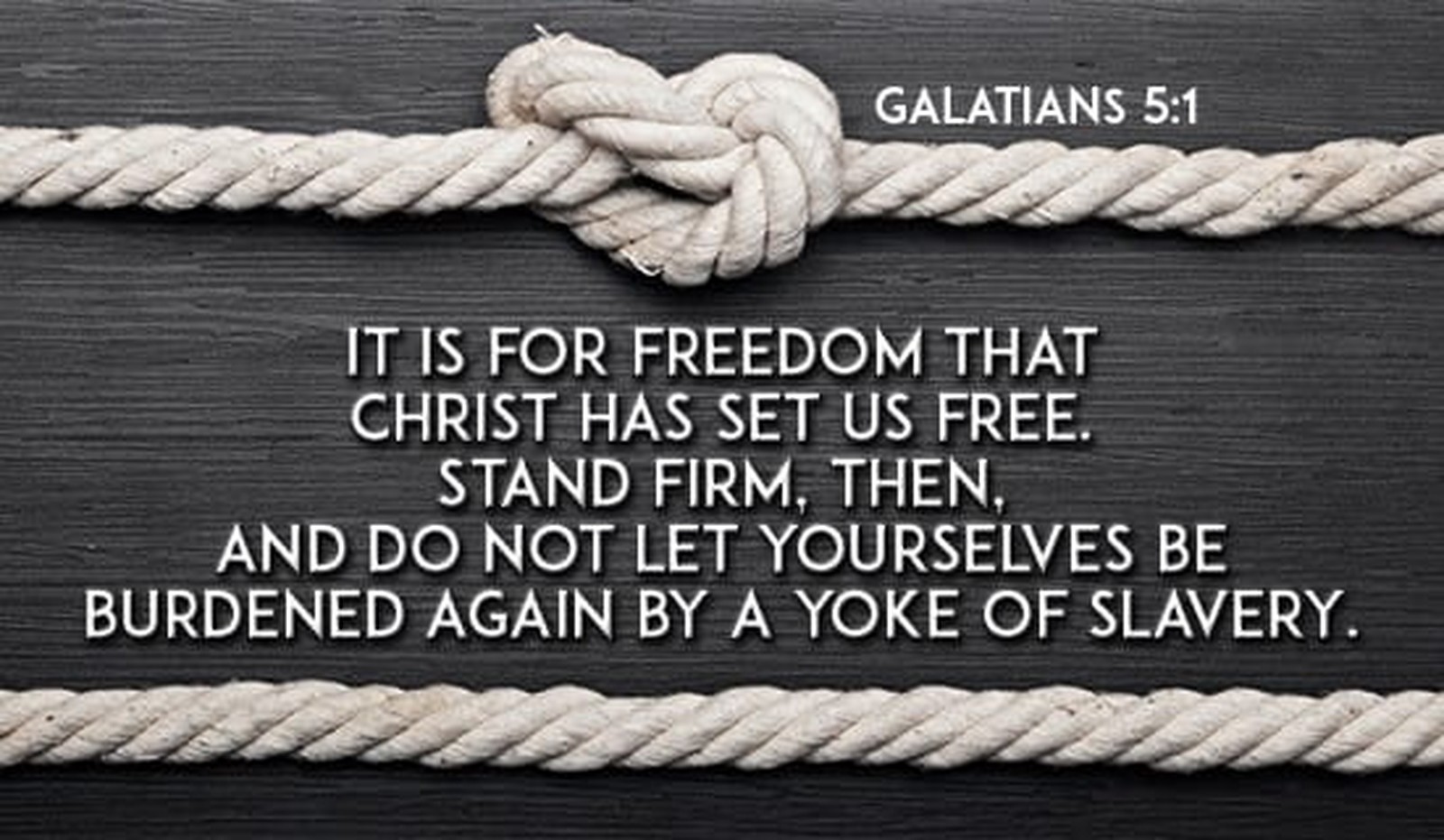
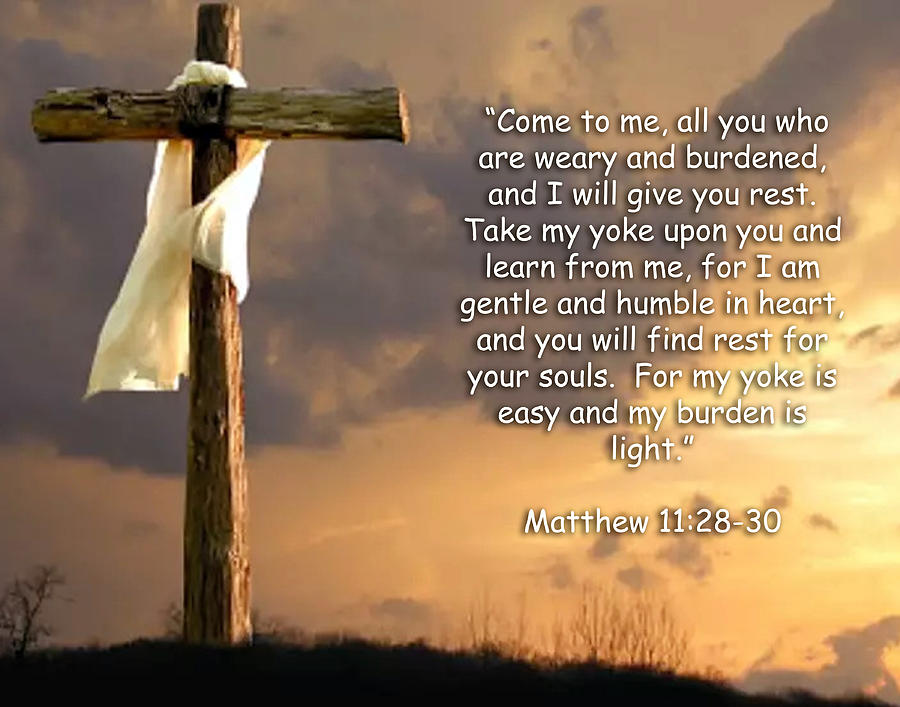

 Photo Credit:




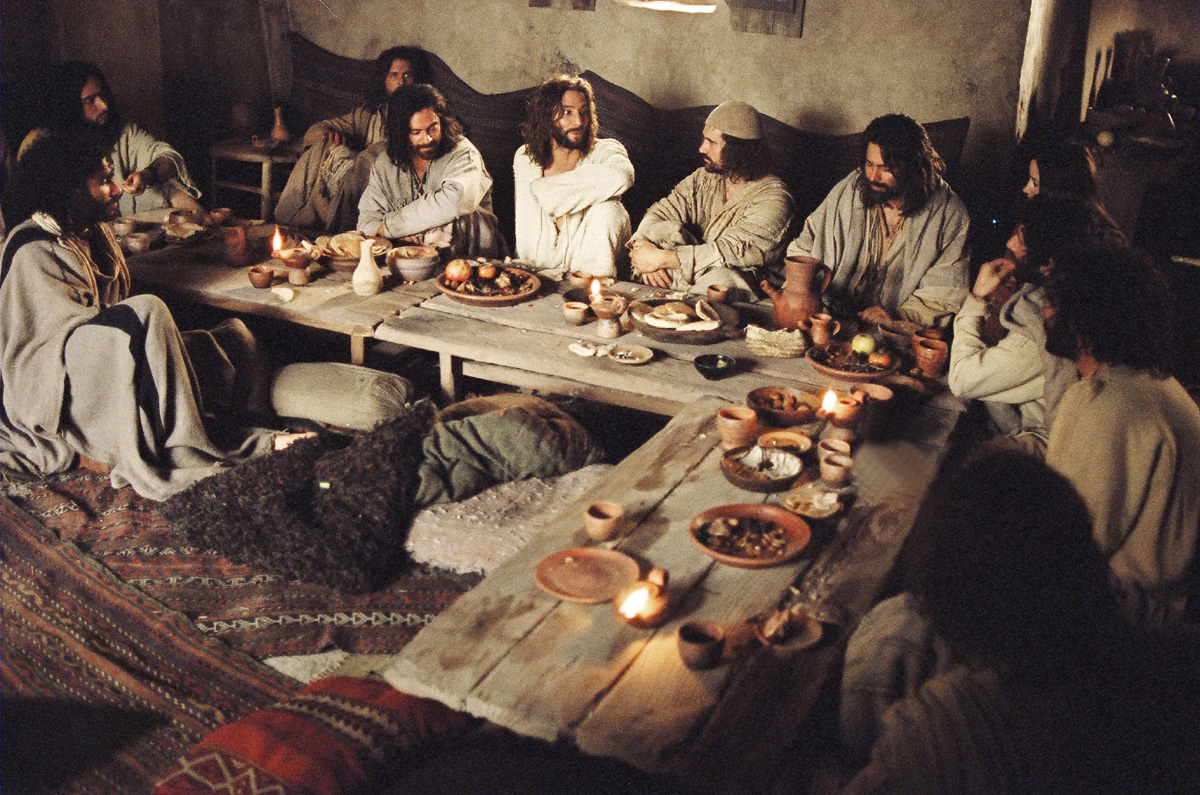

 Photo Credit:


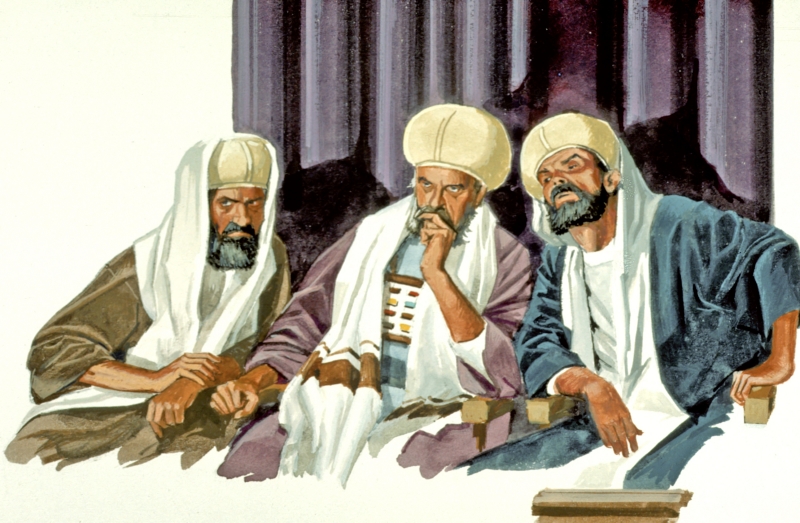 Photo Credit: