
 Photo Credit: Chuck Scoggins.com
A smart and gifted friend of mine is going through a taxing time on her new job. Long hours, piling up responsibilities, with no end in sight. She lamented that maybe the problem is that she’s a people-pleaser. That expression seems to communicate a character weakness, and I don’t see that operating so much with this friend of mine. What seems more her dilemma is that she’s what Adam Grant calls a “giver”…which is a good thing. The dilemma for my friend and her workplace is to establish a culture where she, and other givers, can thrive.
Adam Grant is a professor at the Wharton School of the University of Pennsylvania. He has also written this great book – Give and Take: Why Helping Others Drives Our Success. I heard him speak at the Global Leadership Summit and bought his book. His take on the three tops of people who make up our work culture was both fascinating and practical.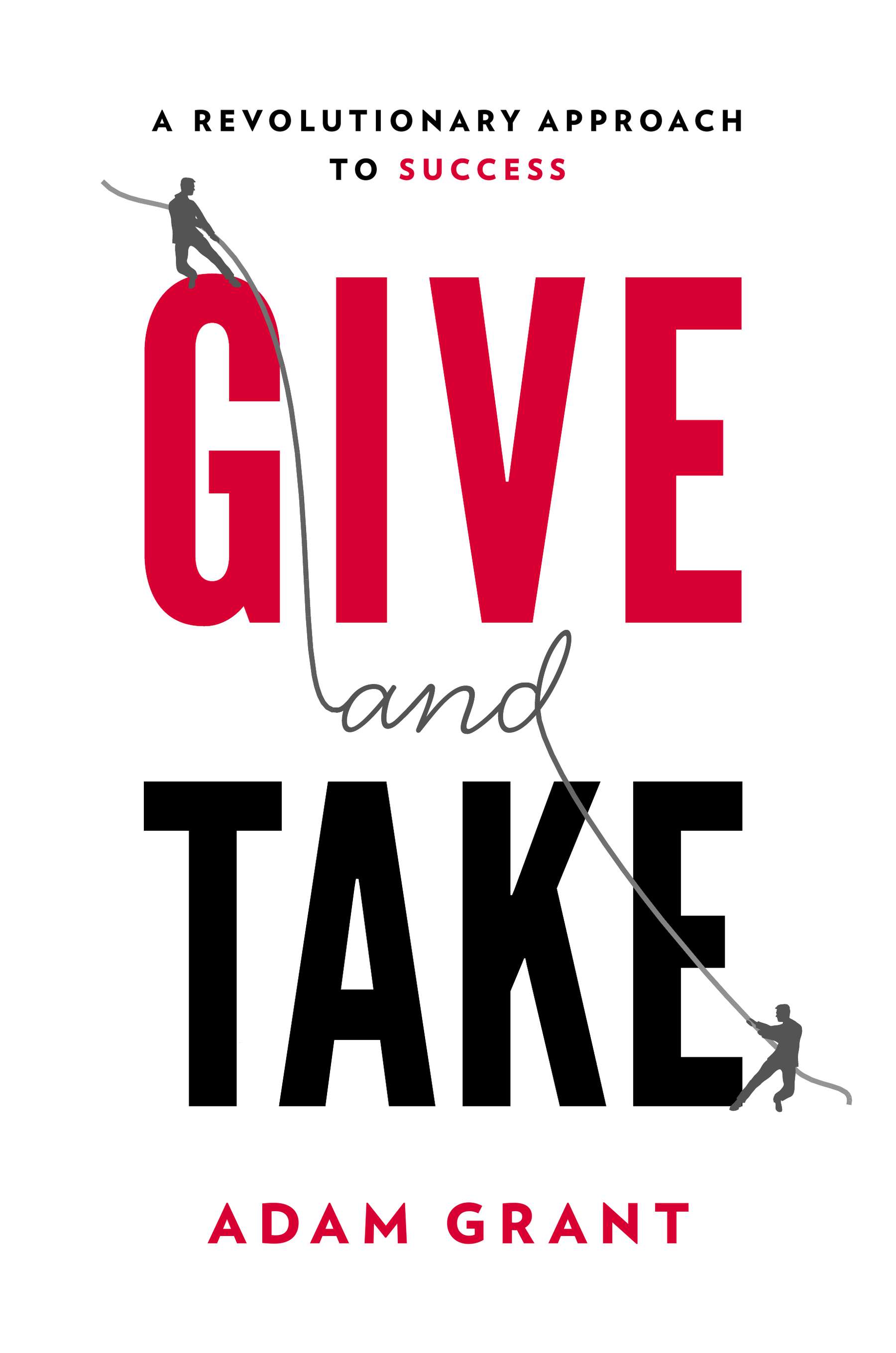 Photo Credit: Amazon.com
Grant sees us all as either givers, takers, or matchers. “It’s very hard to judge our own style. What values you live each day is in the eye of the beholder.” We may not necessarily see ourselves in these categories, but our colleagues will. Ask them, if you have the courage. Then you might consider taking what you learn and thinking through how you might use that information to become a more effective employee and valued colleague.
Takers are those who often manage to do the least amount of work yet gaining the most notice. They manage to get “the lion’s share of credit for collective achievements”, notes Grant. The Takers are the shirkers in the workplace. They are not at their desks because they are off schmoozing (oops, I meant networking, right?) in another department. They somehow get their jobs done partly by leaning on the strong work ethic of the Givers.
Givers are the people who simply enjoy helping others – “no strings attached”. They get to work early and stay late, if necessary. Their core values resonate in the quantity and quality of their work.
Matchers are most of us, really, doing our part in the workplace. Matchers can be counted on to keep things “fair” at work. “I’ll do something for you if you do something for me” is their mantra. They believe in “an eye for an eye” and “just worlds”. They are the “fairness” or “Karma” police in the workplace.
Grant readily admits that we may operate out of all three styles from time to time, but we each have a dominant style at work.
How do givers, takers, and matchers fare in the workplace? Which of these sinks to the bottom in terms of performance and impact?
Givers are the worst performers (but keep reading). “The ones who get the least work done are the ones who help the others and never get their own jobs done”, reports Grant. “I love helping others” is not the one on top of the heap of performers. “The lowest revenue accrues to the most generous salespeople.”
It’s sad news that givers sink to the bottom. If you want to boost your organization, have more givers….unfortunately the givers do it at their own expense – unless the organization builds a culture that helps the givers to thrive.
Who rises to the top?
If givers are the worst performers, who are the best performers? You think it’s takers? Takers rise quickly, and fall quickly. They often fall at the hands of the Matchers who can use gossip (or, said another way, workplace channels of influence) to call out the abuse of the Takers. Beware, Takers, of the Matchers in the shadows. Also, other Takers can also take down those more abusive, or less-well-liked Takers.
Are the Matchers the best performers? Not usually. The best results belong to the Givers. Wait! How can they also be the best performers? It’s a both/and situation.
Grant encourages: “Helping others can sink your career but it can also accelerate your careers. Hang in there.”
It takes a while for Givers to learn and build connections, but when they do, it’s a win-win for the organization.
How can we build cultures to help Givers be successful?
3 Things We Can Do:
- Keep the wrong people off the bus. – Get the right people on the bus. If possible, keep Takers off the bus. “One Taker on the team and paranoia starts to spread.” Put one Giver on the team, and you don’t necessarily have an explosion of generosity. It’s not bringing in the Givers; it’s weeding out the Takers. Matchers follow the norm. Matchers will follow the example of the Givers.
- Redefine Giving. Wisdom is to know who is who in the workplace. Or at least not be thrown off by behaviors vs. motives. Then we can shape our work culture to empower Givers, influence Matchers, and avoid enabling Takers. In an interview with Adam Grant, Thinkers50 spelled this process out very well. For instance, consider Agreeableness vs. Disagreeableness – in Takers, Givers, and Matchers. We usually think Takers are disagreeable, but not necessarily so. Givers aren’t always agreeable either. Just because someone is nice to you (an agreeable Taker) doesn’t mean they care about you (Givers, in general, really care). Adam Grant also talks about the importance of kindness in the workplace. This is a strength of Givers, but it can also push them to over-work and exhaustion. Grant prescribes “5-minute favors (a microloan of your time, skills, or connections). Volunteering – 100 hours a year – is the sweet spot. Greater than 100 hours a year is too much. 2 hours a week.”
- Encourage Help-Seekers – A work culture of Help-Seekers will take silos down. “People step up when others say ‘I’m stuck; I need some help’. If no one asks for help, you have a lot of frustrated Givers in your organization.” Grant recommends an exercise called the Reciprocity Ring – Gathering teams together and having each person state a request of something they want or need and then everyone else in the room tries to use their expertise and networks to make it happen. “People are often unbelievably generous if you ask for help. Givers step up. The Takers become more generous. All the offers of help are visible. Takers don’t want to get outed. The Matchers realize that matching is useful, but it’s an inefficient way to run an organization. If you have given help to others without getting back, then you can increase your productivity because you don’t have to just ask those you’ve helped.”
Givers ask the question “How can I be the rising tide that lifts all boats?” We can move our organizations in this direction of maximum impact and satisfaction, by nurturing a Giver culture. Instead of workplace paranoia, imagine a culture distinguished by a “Pro-noia” – the “delusion” that other people are plotting your wellbeing. May it not be a delusion but a daily reality.
Give and Take – An Interview with Adam Grant by Thinkers50
Give and Take – A Revolutionary Approach to Success by Adam Grant
Outward Focused Lives // Givers, Takers, Matchers
Give and Take – An introduction
YouTube Video – Adam Grant, Professor – Givers, Takers, and Matchers
YouTube Video – Adam Grant’s Give and Take Talk at Google
Live Blog: 2015 Leadership Summit – 30 Leadership Quotes from Adam Grant – Brian Dodd on Leadership
The Global Leadership Summit Session Three – Adam Grant – Notes by Chuck Scoggins