Category Archives: Travel

On Leaving – Post by Rachel Pieh Jones – So Resonant of the Goodbyes & Hellos of Life on Two Continents

Blog - Rachel Pieh JonesRachel Pieh Jones and Family

Open road stretches out before me, cornfields and forests swirl into blurry greens and yellows. The windows are down and my hair tickles my nose, the sun warms my thighs and my elbow is getting sunburned but I don’t mind, I’ll peel and the dried skin will remind of me this day, this place, this slippery moment. The radio plays U2, Beautiful Day, and I’m singing loud.

What does leaving feel like?

It feels like that drive down the freeway. Like everything is right and the world is beautiful and maybe I’m wrong, maybe nothing is right because why does it hurt? I’m heading somewhere I want to go and leaving somewhere I want to stay and I want to be in both places and so I try to force the in between to linger. Tears stream down and blow off my cheeks, stolen by wind.

My toenails were hennaed black when we evacuated from Somalia and I remember watching the black grow out with my nail. When I clipped the last sliver of nail with black swath across the narrow tip. When my body released that last vestige, no longer stamped with a reminder of where I had been. I remember it feeling like, with that one snip, we were evacuating all over again, like something had been irrevocably removed.

Does anyone else see green grass and feel dizzy? The green blades like sea snakes swaying in the summer breezes. Does anyone else notice the way leaves filter sunlight and cast glittery shadows, orbs of golden light reflected off rivers in diamonds? Is there a way to hold it? To paint it on my toenails so I can carry it until I am ready to let go?

During leaving days every interaction is intensified, every color made more brilliant. Do you know I’m going back to Africa, to Djibouti, on Thursday?  [Note: Flights delayed and a lay-over so when you read this, they hopefully will have arrived.]

You’ll want to finish reading the rest of this post at this link.


Stop…and Then Go – Connect with Internationals

036_36 (2)

For many years, our family lived overseas. When work takes people out of their home countries into other cultures, we can embrace the experience or insulate ourselves from the experience. I loved living overseas. The people who invited us into their lives were some of the kindest, most generous people we’ve had the pleasure of knowing. Our family tried to live very intentionally, learning all we could about the ebb and flow of life of each new culture and what mattered to the people there.

Our friendships grew deep, even when we didn’t share the same religion or the same traditions, we lived life alongside each other. We learned from them and they learned from us. Now, working back in the U.S., I find that we’re on the flip-side of that experience. We have many, many internationals living in our city, and some are our friends. They are here for school or for work or for refuge from war or other disasters. Just as local people overseas reached out to us with help and hospitality, we want to reach out to these internationals who are now our neighbors here.

Rachel Pieh Jones, in her blog Djibouti Jones, lists out 20 things expats should stop doing if they are going to really thrive in their host countries (where they’re currently working or studying). I was intrigued by this list and saw how some of Rachel Jones’ observations would be helpful when applied here, by us in our home countries. Out of her list of 20 “stop’s” – things to stop doing in order to make a foreign place more your home – I adapted 10  (with her permission) to help us be less “foreign” to internationals/immigrants – those who are among us gradually making this country their home (even for a season). As we are willing to stretch out our lives to truly welcome internationals in, we can help make it possible for them to feel at home here (for a season…or a lifetime).

10 Things We Should Stop Doing if We Desire to Build Relationships with Internationals

  1. Stop complaining. We complain a lot, and often about first world problems. We also too often complain about peoples of other nationalities (both those in our home country and in their own). If we truly desire to demonstrate the love of Christ to them, we look for what is good (about our own country, and theirs).  Focus on what is good about both their country and our own. Look for the common denominators that build bridges.
  2. Stop putting off language learning. You may not have any ambition about learning another language, and for sure, most internationals living here for school or work are doing what they can to master English. Still it is a delight for any of us to hear even a few words in our own language. Rachel Jones talks about the great impact you can have by learning even a few words: “Make their day by putting in the time, effort, and laughter to honor their language.”
  3. Stop hanging out with only other Americans. Internationals, and especially immigrants, will find each other, and tend to also gather just among themselves. However, if you reach out to a neighbor or colleague or fellow student, you will, more often than not, be well-received. Strike up a conversation and gently ask questions about them and their country and their culture. You may be opening the door to a friendship beneficial to you both. Visit your new international neighbor (bearing in mind possible cultural constraints, but don’t let those keep you from extending hospitality). Are there immigrant vendors/proprietors in your neighborhood? Call them by name. “Celebrate holidays with gusto”, Jones says, (both yours and theirs).
  4. Stop your addiction to social media. There’s a lot to be said about what we gain from social media. Eventually, however, to really engage with international/immigrant neighbors or coworkers, you have to get up, go out, and meet them where they are. Just this week I celebrated the discovery of an authentic Japanese noodle restaurant with a young Japanese friend. She just graduated from her university here and, with no family in the US, we celebrated together as family.
  5. Stop taking yourself so seriously. To pursue cross-cultural relationships, you will make mistakes and sometimes misunderstand social cues from an international friend. You will make mistakes, sure, but your friend knows your heart. People who don’t make mistakes in international relationships simply don’t have them..at least at any deep, constant level.
  6. Stop ignoring beggars.  This may seem a strange point in this list. Rachel Jones’ family has made their second home in a very impoverished African country. If you live in a US city, you have probably encountered beggars. They are most probably Americans, not internationals. Still beggars are found in most cultures. How to respond to beggars is a challenge for us all. It may be a case-by-case decision, but seek the Lord about a Biblical response to beggars. Beggars remind us all of how Jesus said, “The poor you will always have with you.” Your immigrant/international friends will take note of how you respond to beggars. In her blog, Jones said, “That doesn’t mean to start giving to them; decide your own convictions on that. But look at them and talk to them. Ask their names and listen to their stories.”
  7. Stop ignoring the international press and international events[observed locally].  To often we focus on the news reports that only affect us. As you develop friendships with internationals, seek out news items that affect them or their families back home. Participate in their cultural events or festivals when possible.
  8. Stop shopping only at the more high-end stores. Of course, there are internationals who are very wealthy and shop in those stores, too. This is just to keep in mind for the others in your lives. Find where your immigrant friends shop and how they manage to feed and clothe their families. You may learn how to better, or more creatively, do the same for your own family.
  9. Stop being afraid. Examine your heart about what makes you afraid of being in the lives of internationals. Is it the language difference? Their culture? Are you afraid you might offend? Or you afraid a friendship might be too time-consuming? Or will it become awkward if they need jobs or a visa? Or is it an issue of love – you are not even sure how you feel about them being here? With God’s help, deal with the fear and allow Him to work in your heart to build bridges, rather than walls.
  10. Stop thinking you can solve the(ir) country’s problems.  I heard a very strange news report this week that enemy nations were accusing each other of killing their own people and blaming the other side.  We live in strange times, and it’s difficult to know really who to believe about politics or the world’s problems. We all have opinions about how nations can improve the situation for their peoples, but very few of us are in a position to make that happen. Praying and loving, in Jesus’ name, are our best tools to help our friends as they look back “home” and long for things to be better there.

A Bonus: Rachel Pieh Jones ended her list of 20 Stops with:

20.  Stop forgetting to call your mom. Good advice for us all.

I hope you found this helpful. Jones’ blog for expats reminded me of how we’re all pilgrims on this journey. Whatever we can do to help and understand each other will make community for people who very much need community…and in demonstrating the love of Jesus to these immigrants/internationals, they gain much more than just our friendship.

20 Things Expats Need to Stop Doing


The Fruits of Summer…and Year-Round Deliciousness…Not to Be Taken For Granted

At our house, there are almost always apples and bananas. They are the go-to snack for my husband (when he’s trying to be healthy). Well, there is a brief period when he says, “Don’t buy any more apples. They’re out of season.” He’s talking about Honeycrisp and Pink Lady apples, his favorites. As the food shopper, I’m more aware of the seasons coming and going, not just here but other cultivated places (Chile, for instance). Fortunately, when these apple favorites are dwindling here in the Northern Hemisphere, the Southern Hemisphere orchards are bearing and apples will soon be shipped to us again.

Bananas are a different story altogether…seemingly always in season, thanks to being grown all around the world. For now, you can always find bananas, right? Inexpensive at $.49/lb, or a bit more for organic. Always there…dependable, affordable, delicious fruit. Our family did have a unique experience a few years ago, living in North Africa in 1990’s, when bananas weren’t a part of our household fruit supply. Not because there was a scarcity of them but because of the politics of the day. [See link below.] Bananas are the perfect imported fruit.

These fruits are not what we in the U.S. think of as summer fruits; they are more the old standards.

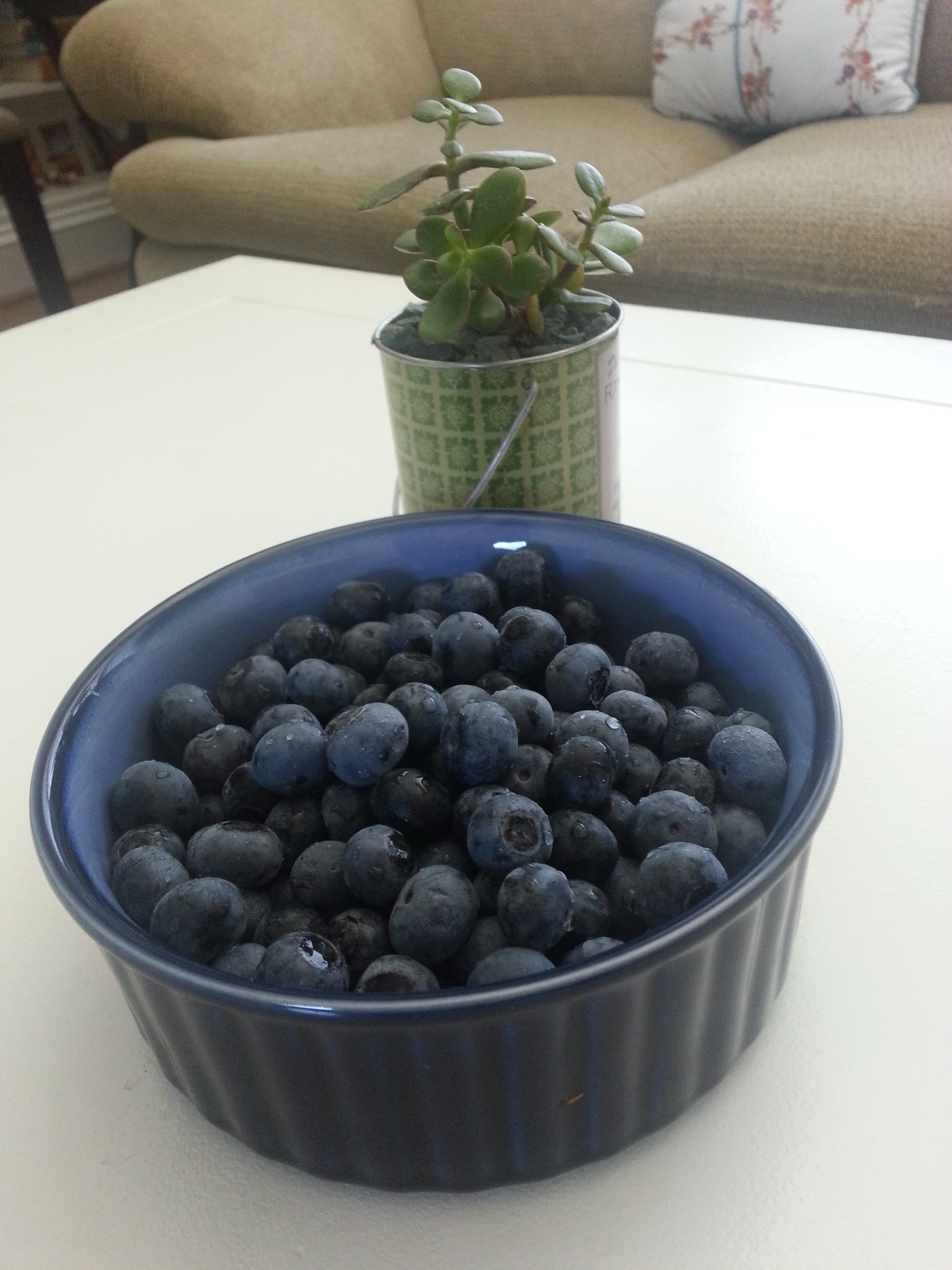
Summer fruit is a many-course feast of perfect deliciousness. Where we live, summer begins with strawberries. Then there’s the brief glorious seasons of cherries, blueberries, and blackberries. They make for handfuls of plump sweetness, and we all have our favorites.

2014 June Fun Times 021

2014 Phone pics July-December 027

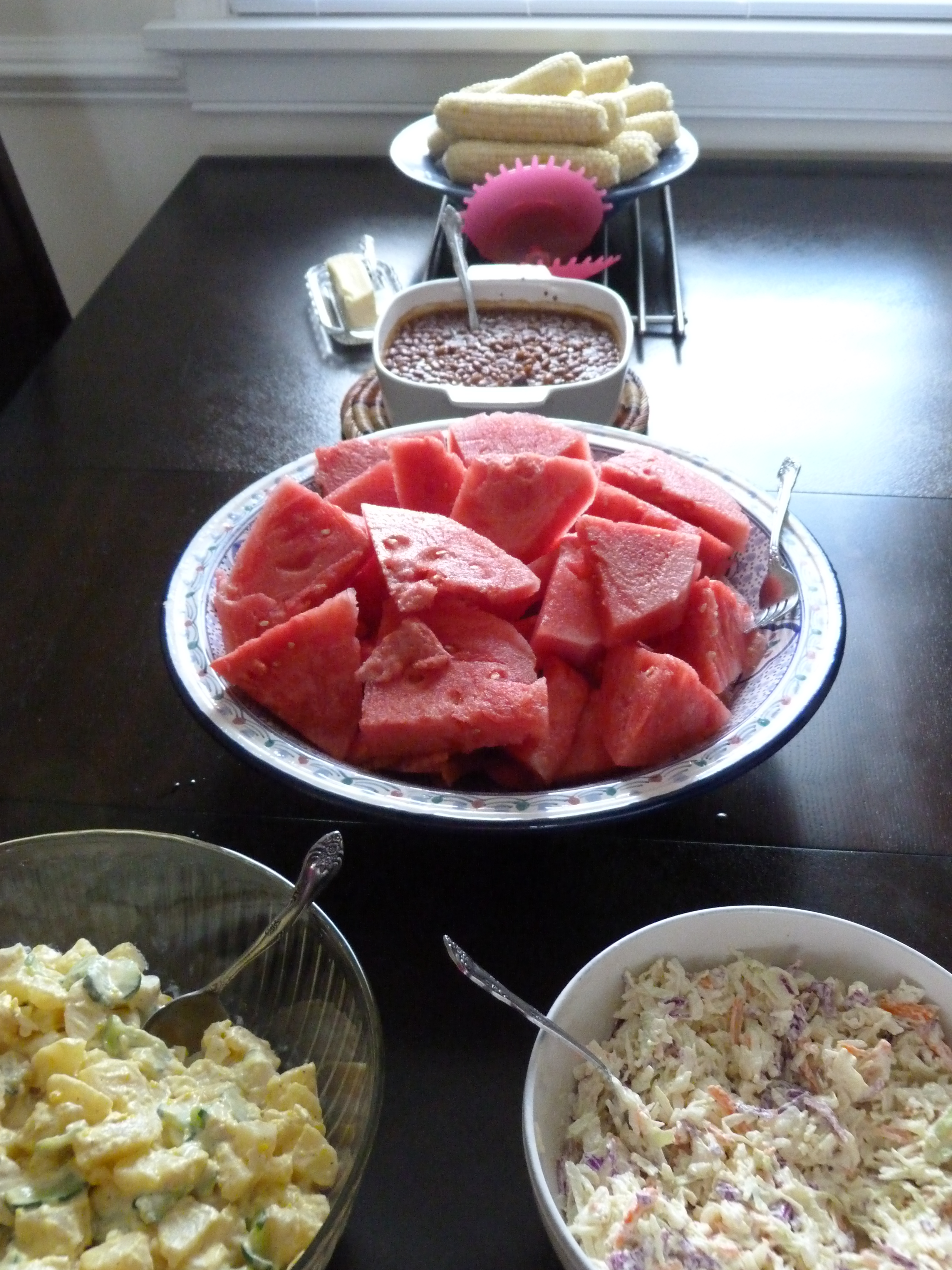
The berry season is followed by the melons – watermelon and cantaloupe – the perfect finish of every summer cookout.

2013 July 4 2013 007

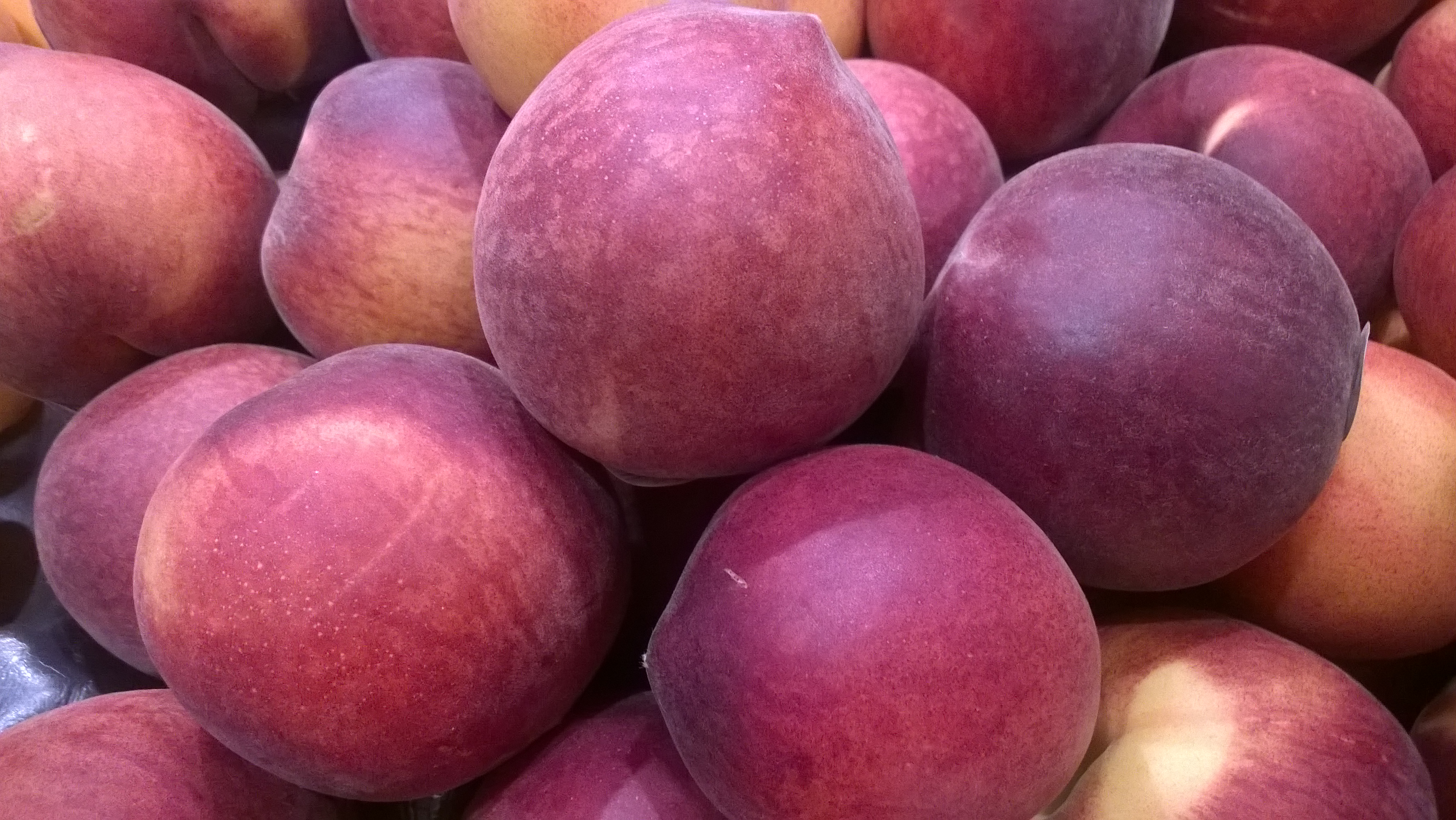
And last, for us, are the sun-bronzed peaches that drip sweet juice down your arm as you eat them over the kitchen sink or without a plate outdoors.

WP_20140604_008

Summer fruit can stand alone as clear evidence of a kind and loving Creator God.  So much goodness is fruit in season. The Bible is full of references to fruit as gifts from God and as the outcome of lives yielded to God (Psalm 1:1-6; Song of Solomon 2:3-5; Galatians 5:22-23; John 15:1-17; etc.)

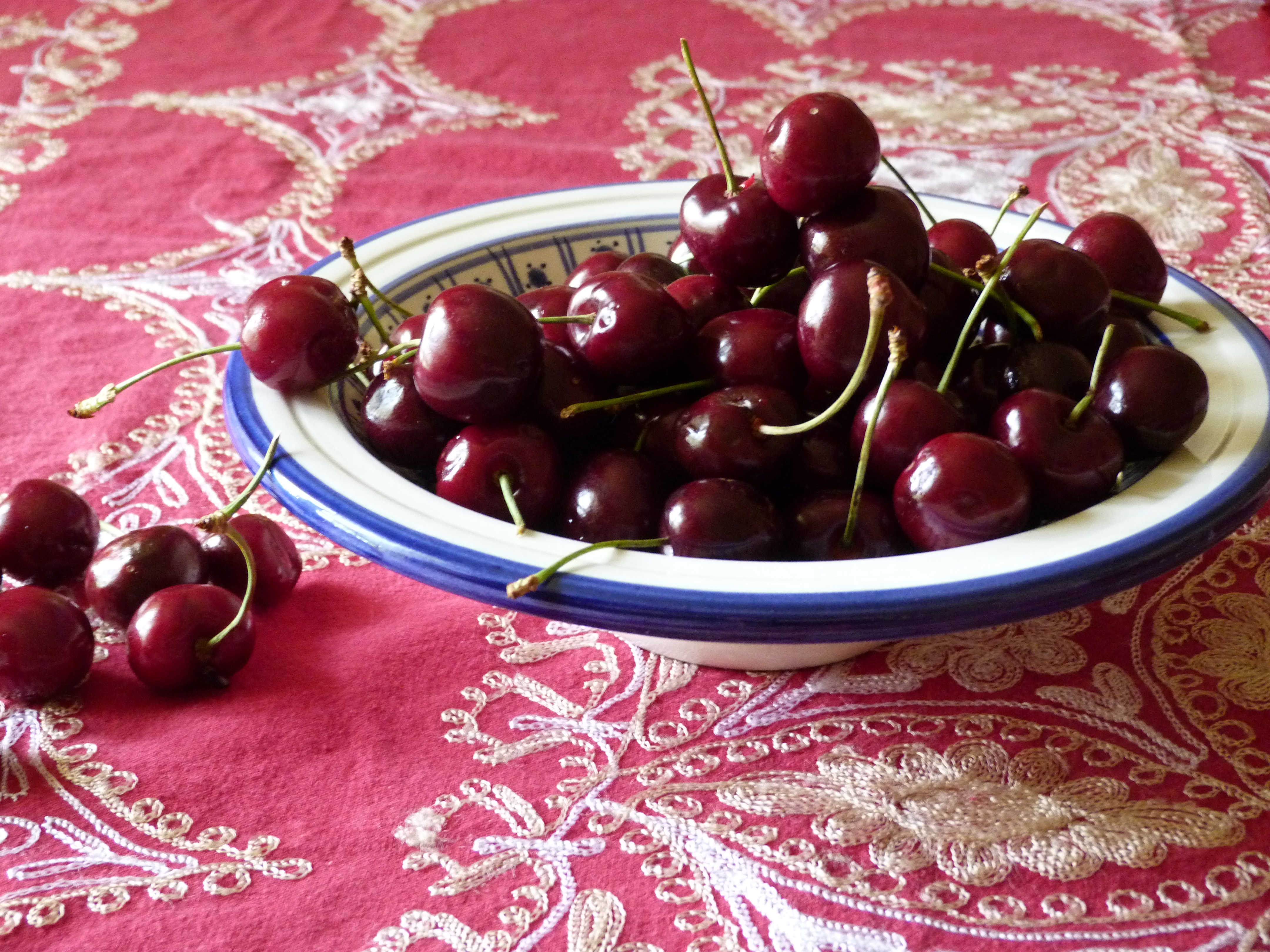
I love all of these fruits, but my favorite is the cherry in its season. Cherries are completely perfect, right down to the seed pit which requires disposal, forcing us to slow down eating these lovelies, or we would eat them until they made us sick.

One of the leading national producers of cherries is Turkey, and we had the sweet opportunity of being there during cherry season one year. In the hotel where we stayed for a conference, the buffets offered huge bowls of cherries. We ate to our full every day that we were there, such that, just the memory of that culinary experience would be enough for us if it was all we would have of cherry season.

Still, at least once a summer in the US, I pay the big bucks to buy cherries trucked to us from Washington State or California. And I remember that there are places in the world, where “bad” or blemished cherries are transformed into indescribably lovely juice or cooked into pies for the pickers’ families who gathered them. Cherries are grown for those able to afford them…and at least once or twice in the season, we are among them.

Summer fruit is remarkable, really. Short growing seasons. Heat. Drought. Transport issues. We definitely should savor them (as we do) and not take them for granted.

The always-present fruit like bananas should cause us to be grateful as well. Bananas are not bound by a short season and they are enjoyed by most peoples of the world, not just the affluent. Still as I read about fruit, trying to raise this piece above just a love affair with food, I was struck by how the fruit that we just assume will always be in our supermarkets may actually not be. Not just related to drought, for instance, but also to disease. Bananas are no exception (see links below).

I am grateful for all these delicious fruits of someone’s summer – those we find locally, and those touched by hands across the globe to bring them to our market. I am thankful for the means to enjoy cherries and for those who did the work to bring these to our table.

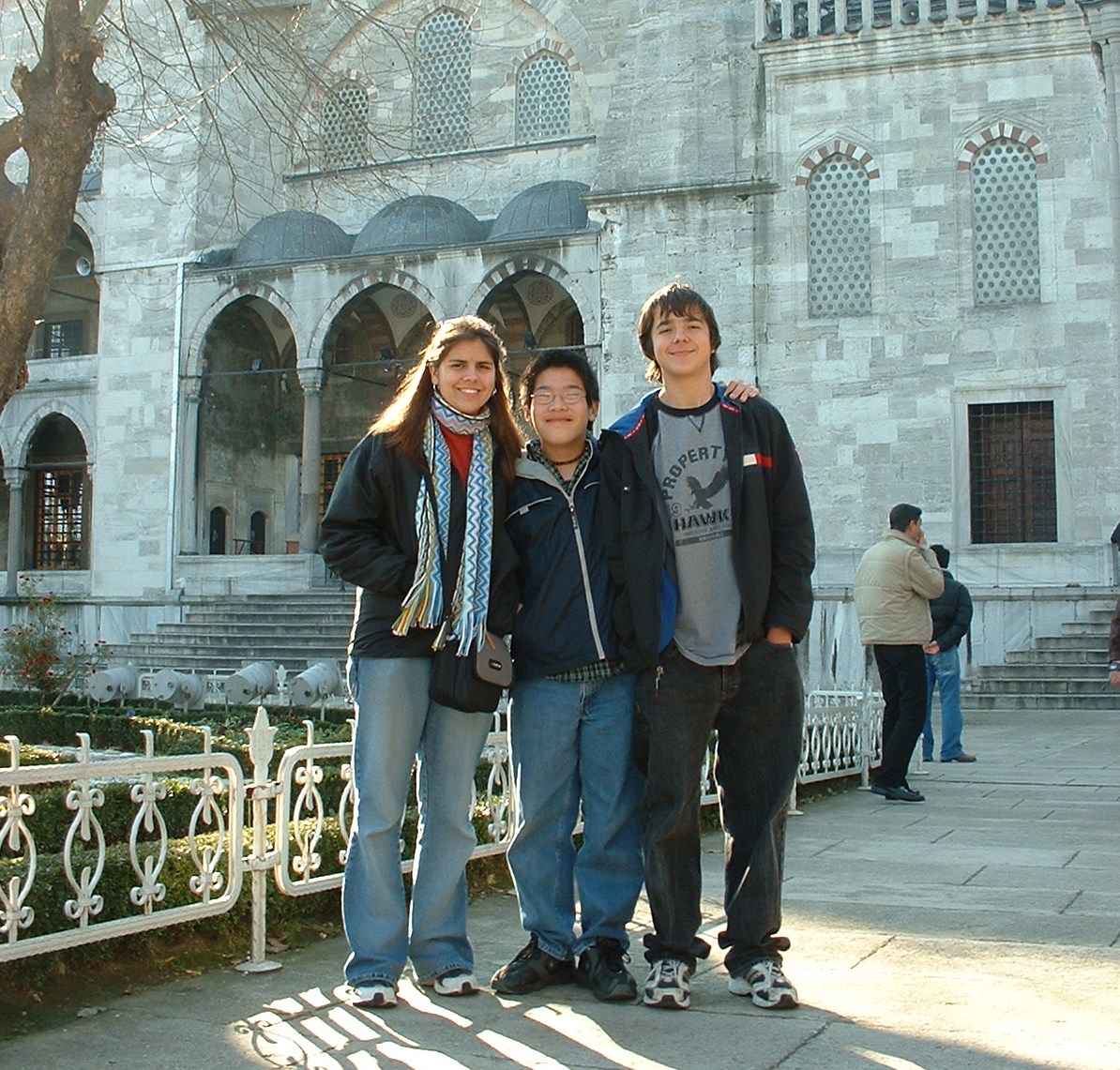
Track Meet & Turkey Trip 04 & 05 027Our Kids in Turkey – not in Cherry Season.

 Why Do We Import Apples From Other Countries?

Michigan’s Cherry Festival

Turkey has Best Cherry Harvest of Last 20 Years – FreshPlaza: Global Fresh Produce and Banana News 

Best Blueberry Muffins ever from YaYa – “I also add one teaspoon of cinnamon & two teaspoons of vanilla and a few extra berries doesn’t hurt”

Import Duties, Internal Taxes, Local Production – Why We Had No Bananas in Tunisia in Early 1990’s

The Banana Trade War – Fruit, Economy, Society

How the Global Banana Industry is Killing the World’s Favorite Fruit

Yes, We Have No Bananas


Power Down & Reboot – Our Family Gets Out of the City For a Re-set of Life – Oualidia, Morocco

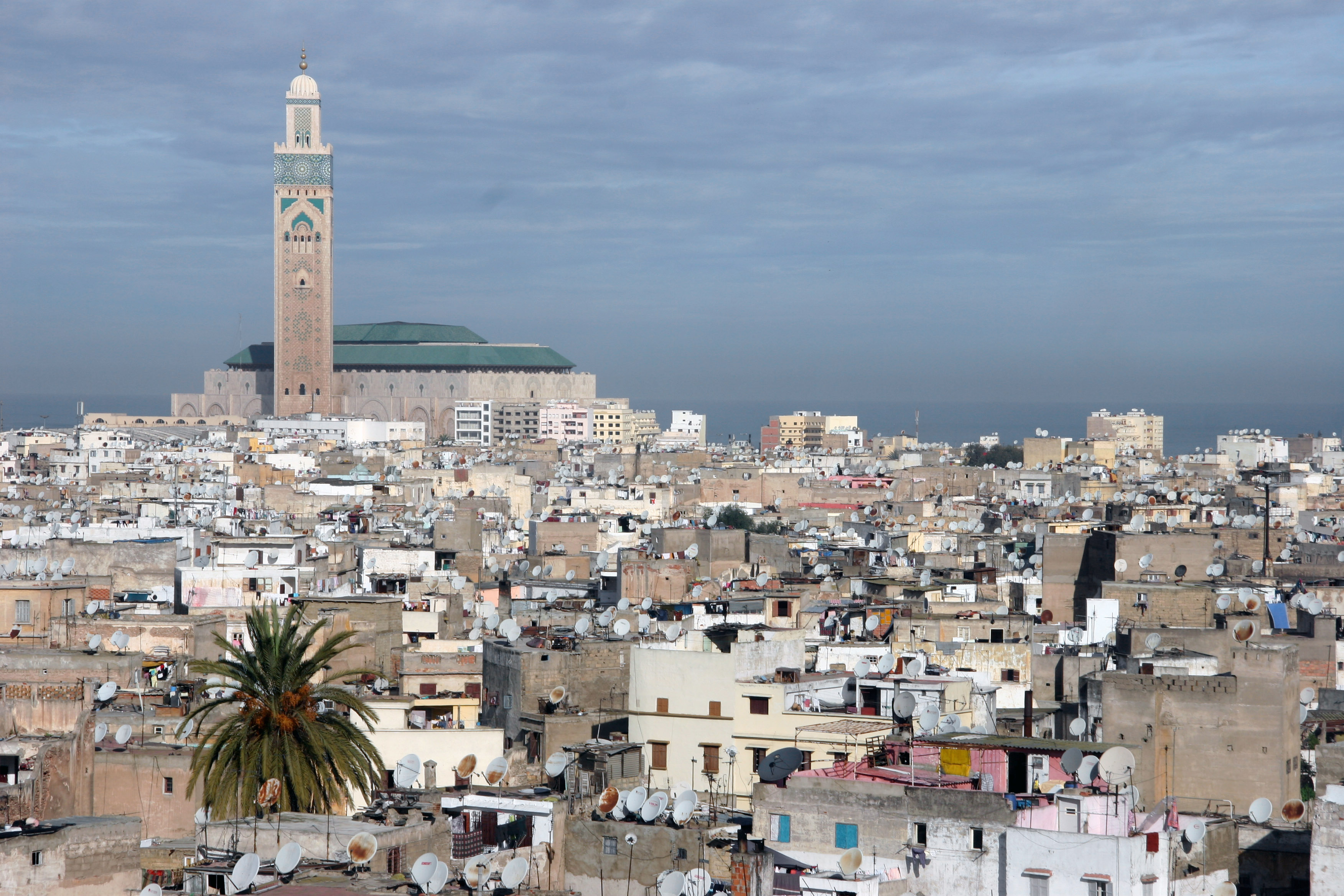
 Morocco Casablanca Grande MosqueSomehow, we raised a set of city kids. Over the course of nearly 20 years, we have lived in medium to large cities across two continents. They don’t require a lot of space to enjoy life…a cozy bit of couch for our daughter and her book; electronics for the boys; a movie shared with friends; games around a table. Our world can become small in the city…maybe as a defense against all the noise and craziness outside our door. Or maybe home, at the end of the day, is that place of respite for us…it’s all we need.

For the husband/dad in our family…a wider, less-peopled place is required, from time to time, to take that deep breath and remember a larger world out there, beyond the city. He has to get away from email and phone calls and appointments sometimes…just for a few days…and we all are the better off for it.

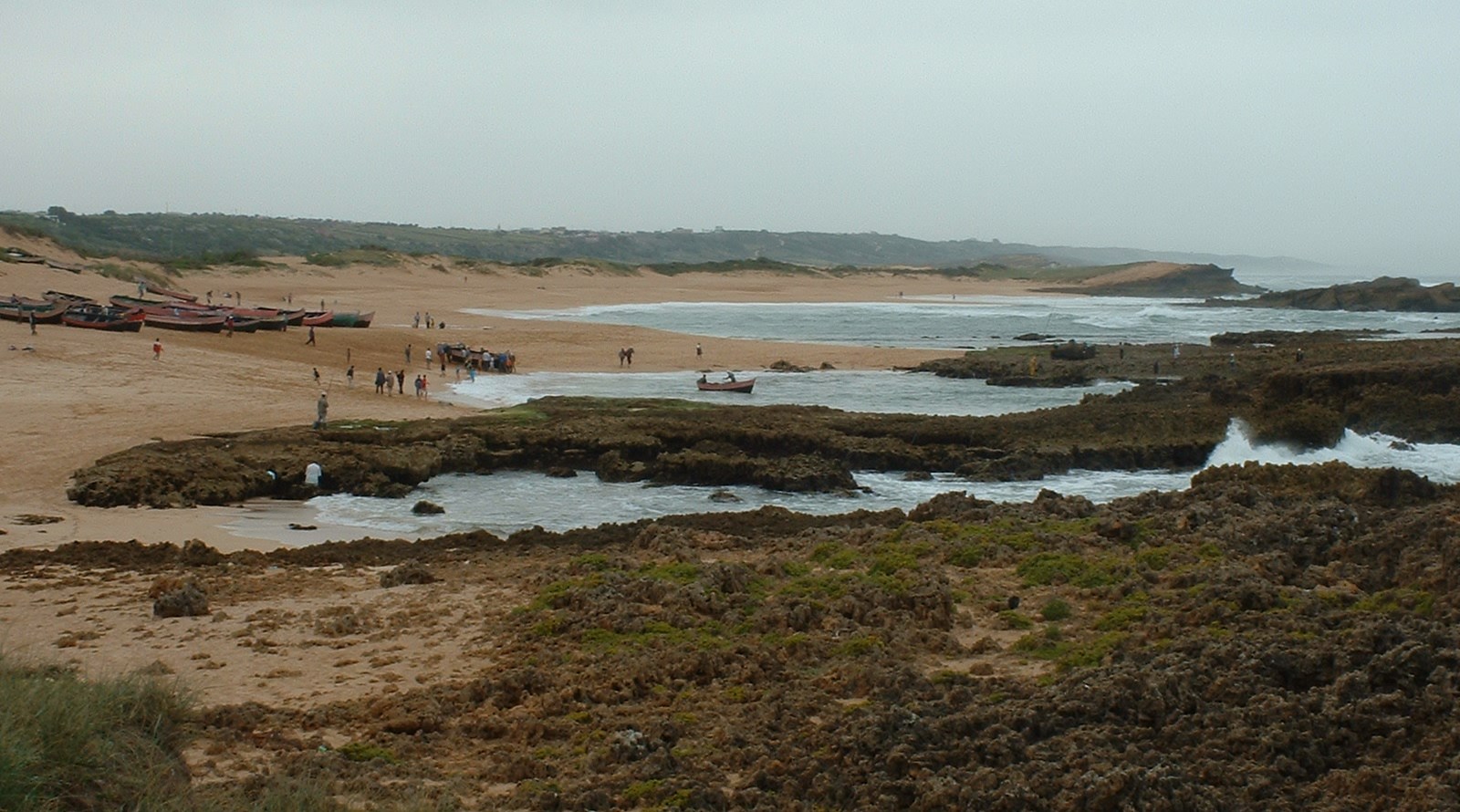
Ten years ago, while living in Casablanca, Morocco, we discovered a well-kept-secret, revealed to us by some of our local friends. Just a two-hour drive south of Casablanca is a tiny town by the name of Oualidia. It’s a fishing village, beside the Atlantic Ocean. Unique to Oualidia is a lagoon alongside the coast, protected by natural sea-walls. It provides a lovely space for families to picnic, swim, and play. Fishermen cast their lines off the rocky cliffs or take boats out into the open ocean. Young people gather for surfing or soccer, or in couples to properly court in this open public area. It is a magical place…Oualidia.

Apr 04 058

These were the days before we had smart phones, and internet connectivity was spotty. Leaving the city, heading out into the countryside, slowed down our lives the farther we got from home. Getting outside the normal can be a bit unsettling, especially for 13- and 14-year-old boys. Surely, there would at least be satellite t.v. in the hotel rooms…or maybe not. I didn’t always know what they were thinking, as our eyes got used to a different view outside the car windows. Winter wheat fields now golden, the occasional sheep herd, and people walking along the desolate road…to who knows where.

It would take us a few hours  to recalibrate fun to a much more fundamental or even primitive level than what we were used to in town…with all our electronic supports removed, as well as our friends now more than just a phone call or taxi ride away.

As we settled into our shared hotel room (no t.v. after all), something  extraordinary began to happen. The simple beauty of Oualidia and even our hotel, L’Araignee Gourmande, began to settle us down like a gentle massage. Our communication/entertainment choices in the city would keep us attached to screens (email, internet, computer games, t.v., phones). We could do just fine for hours on end, not looking at each other or engaging the world. In Oualidia, there was no other option but. After an early awkwardness, we made peace with our situation and each other. It happened on the walk to the hotel restaurant and over dinner that first night.

Apr 04 153

It was always fun for us to vacation in North Africa, especially not being tourists really. We lived there and we spoke the language. This always surprised the hotel staff and the servers in the restaurants and stores. We met kindness everywhere we went. And especially in this little hotel/restaurant. This tiny establishment was known for its fresh seafood brought in daily from fishermen just down the beach. And we ate like royalty – all types of fish, crab, mussels, oysters, and even sea urchins. Every meal was an adventure.

Apr 04 066

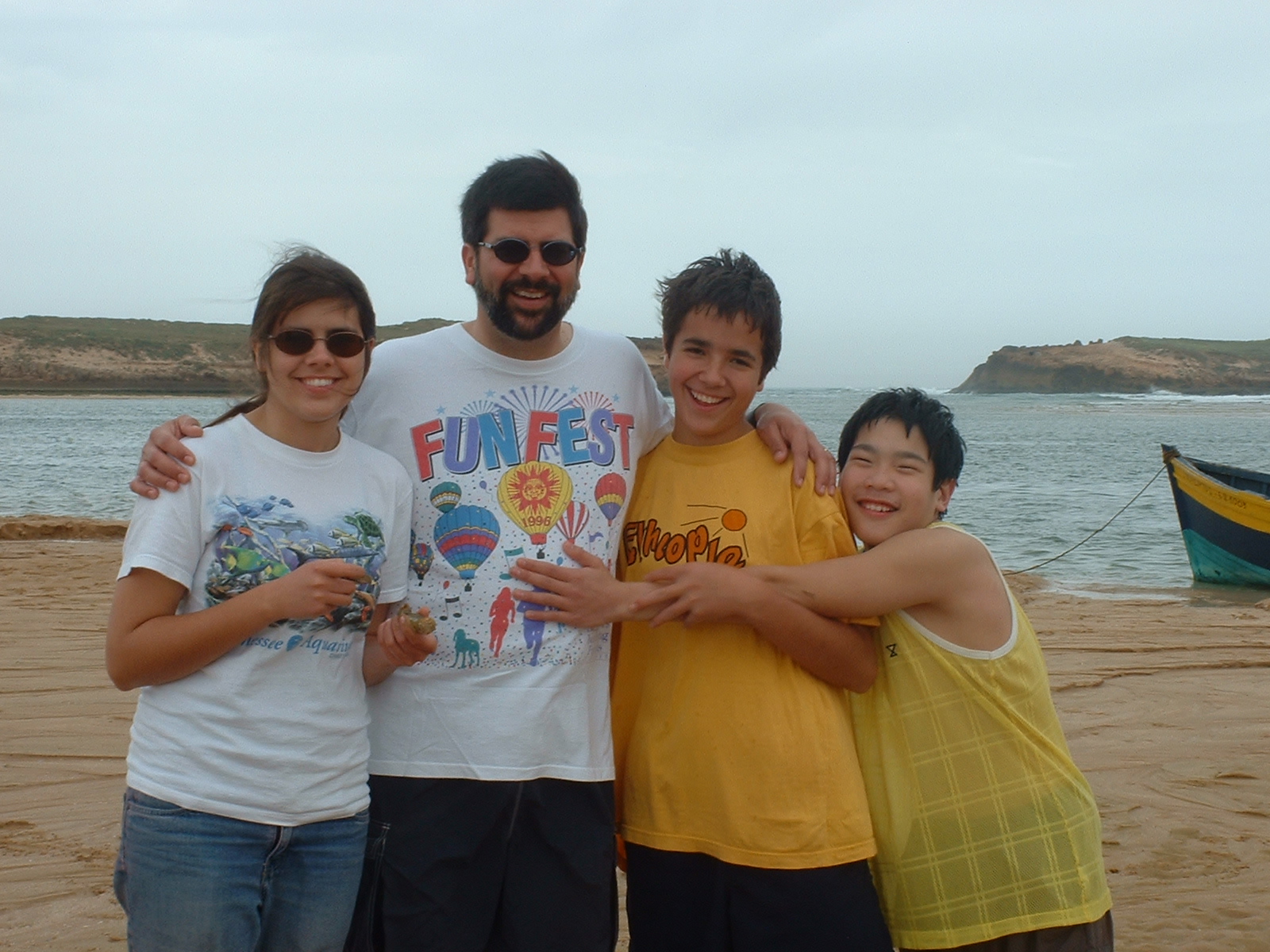
For that long weekend (and others after it), we  let go of the city. In place of all our electronic devices and constant city friends, we found each other again. The boys played together, and with their sister. We took long walks on the beach and played for hours in the water, finding creatures in the tide pools we’d never seen before. We talked to strangers with abandon. We quietly soaked in the goodness of God through His creation of this beautiful spot and all its richness.

Apr 04 161

Late each day, we watched the fishermen cleaning their nets on the shore (just like they must have in Bible days).

Apr 04 089

Every evening the sun set into the Atlantic, with us watching, and we retired to our little hotel room to our books and thoughts. Apr 04 154

By the end of the weekend, we would giggle and be silly in the dark of the room with a daddy who had repaired from his city life, along with us.

In those days, we loved our lives in the city, and returned quickly to the routines of life there…but a few days in that little fishing village changed us…reset us again to what mattered most.

Apr 04 051

The High Calling – Best Vacation Stories

8 Tips for a Nearly Tech-Free Vacation

Keeping It Simple & Tech-Free Tips for Surviving Travel with Kids

Technology-free Vacation

Best Unplugged Vacations


Ramadan – Much More Than Fasting – A Quick Study for the Sake of Your Friends & Coworkers

2008270mnj287“Ramadan Kareem!” “Ramadan Mabrouk!” “Ramadan Mabarak!” may be familiar words to you…or not so much. Around the world, among Muslims, these are greetings of blessing for their holy month of Ramadan. In this month, all Islamic peoples are united in the observance of their religion, more than any other time of the year.

Ramadan is the 9th month of the Islamic calendar and is considered holy because Muhammad, Islam’s most revered prophet, reported receiving the Qu’ran during this month. At the sighting of the new moon at the beginning of Ramadan, Muslims begin a month-long exercise of six tenets of their faith, consistent, to a large extent, among all of the world’s practicing Muslims.

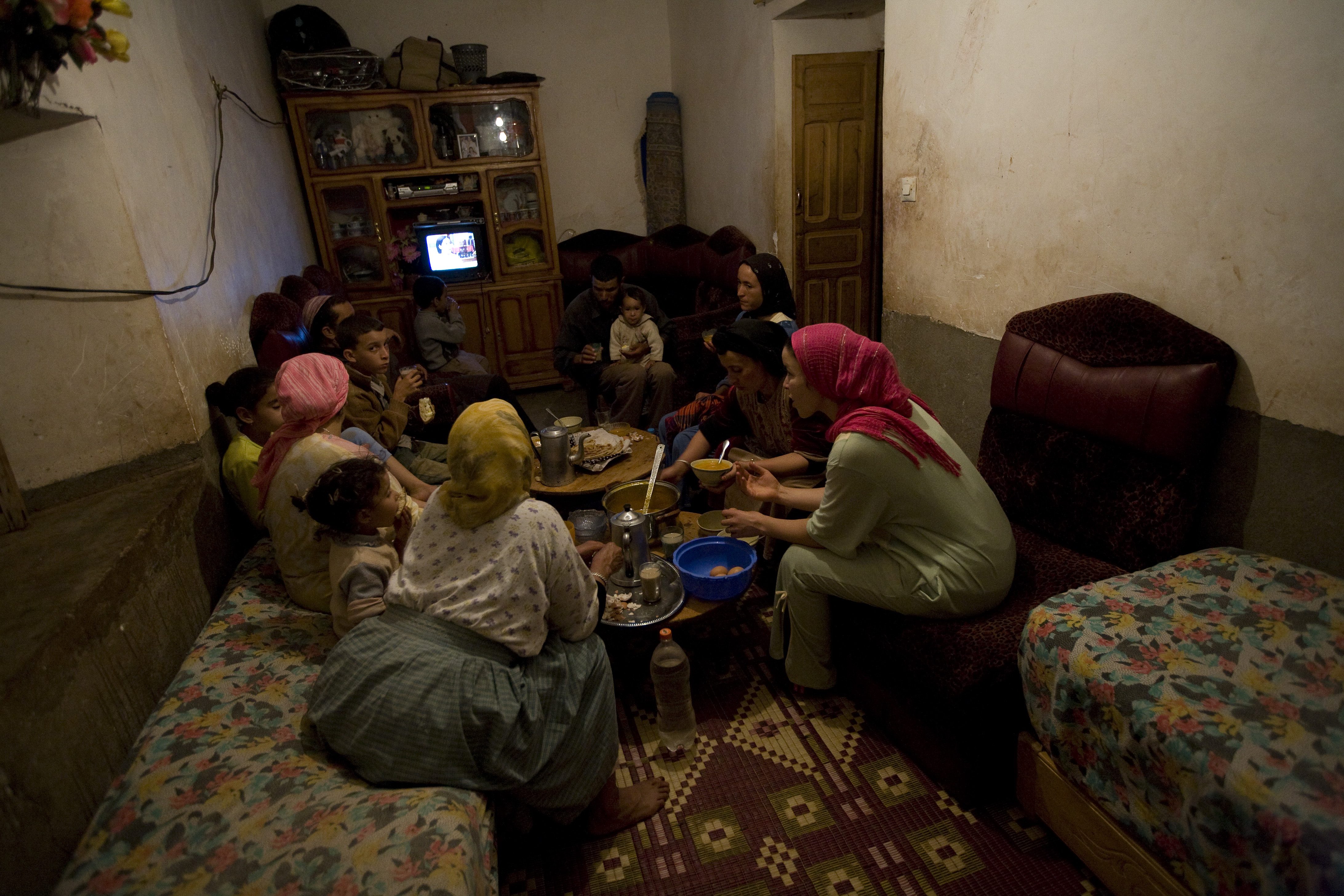
Fasting [Sawm (Arabic: صوم‎)]  From sunrise to sunset, during Ramadan, devout Muslims fast. In some countries, in fact, it’s illegal for a Muslim to be seen eating or drinking during these hours. There are exceptions (young children, the sick, elderly, and others in a few defined temporary situations). However, the fast is intended to be complete during the day (no food, drink, smoking, sexual intercourse, or profane speech). At sunset, the fast is broken with a meal together as family and eating can continue into the night until just before sunrise the next day. Because of this “flipped day”, Muslims, when possible, sleep during the day or spend time in recreation, exercise, or visiting. The women must still cook for that “break-fast” meal. School and work hours are shortened during Ramadan because of the fast.

Tip for you: Be sensitive to your fasting friend or coworker. If possible refrain from eating, drinking, smoking in front of him/her. Invite them to break their fast with your family (it means a meal later than usual, if Ramadan is in the long summer months). Don’t miss an opportunity to join them if you’re invited to a meal in their home.

Charity [Sadaqah or Saddka (Arabic: صدقة‎, plural ṣadaqāt صدقات)] and/or Alms-giving [Zakāt (Arabic: زكاة‎ )] Part of the reason for fasting is to experience the life of one poorer than you. The idea is to eat less and use the money saved to give to the poor during Ramadan. Islam has two types of charity – one is voluntary charity to the poor that is seen often during Ramadan; the other is the mandatory alms-giving, required by faithful adherents to Islam. Ramadan is sometimes the month when Muslims give their alms through their mosque(s).

2008270mnj285

Tip for you: You and your Muslim friends/colleagues may share a concern for the poor of your city or for an oppressed people group somewhere in the world. This could open a door for you to act together on behalf of those in need.

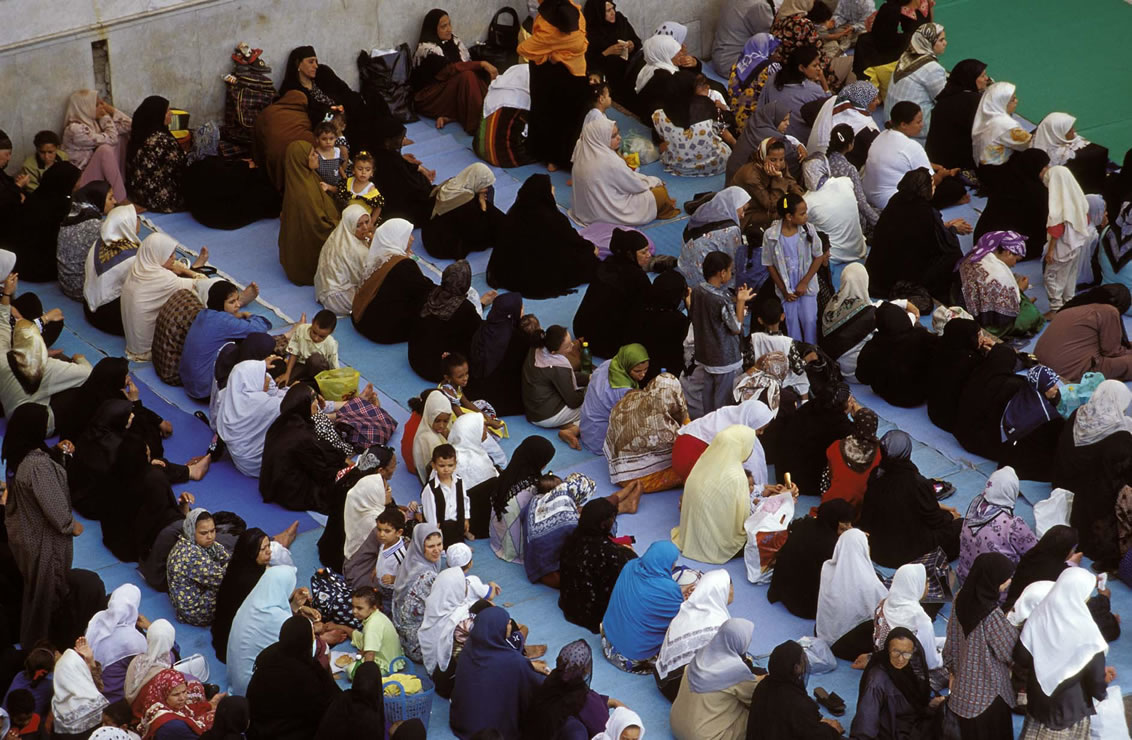
Prayers [Ṣalāt (Arabic: صلاة‎ ṣalāt; pl. صلوات ṣalawāt)] Prayers are a major tenet of the Muslim faith. During Ramadan, prayers are considered even more powerful to the faithful Muslim. Entry into Paradise can hopefully be won through the careful attention to religious practices during Ramadan. During the last 10 days of Ramadan, a special Night of Power [Laylat al-Qadr (Arabic: لیلة القدر‎)], is believed to have even greater weight in the practicing Muslim’s pursuit of favor with God.

Cairo086

Tip for you: Even if you do not notice your Muslim friend or coworker’s prayers usually, during Ramadan, you may see them praying in their homes or at their desks. The mosques in your neighborhood will be much more noticeably busy during Ramadan. Besides the usual Friday service, and the 5 regular prayer-times during the day, there are often special opportunities for Muslims to gather to pray and read and discuss the Qu’ran. Pray for them as they pray.
Cairo100

God-consciousness or Piety [Taqwa (Arabic: تقوى‎ )] For many devout Muslims, Ramadan may not be so exceptional, except for the fast. Most, however, count on this month for its spiritual focus. Both men and women will have opportunities to learn more about God and the teachings of their prophet Muhammad. The global observance of Ramadan is a galvanizing experience for Muslims, with each other, and with the history of their religion, and, their hope, with God.

Cairo094

Tip for you: Ramadan is an excellent time of the year to increase your own understanding of what your Muslim friends/co-workers believe. Questions about their faith are usually welcomed. Arguments about faith are not. Do your own homework about the faith issues where you may disagree with Islamic teaching. This type of information is prolific on the internet (especially related to differences in thinking between Christians and Muslims). Then you can ask or discuss the faith issues that matter most to your friends/colleagues, because during Ramadan, they have been thinking about them.

Community [Ummah (Arabic: أمة‎)] Breaking the fast together and praying together in the mosque are clear signs of the strong bond between Muslims, especially seen during Ramadan. Christians enjoy this experience through similar celebrations (Christmas and Easter, to name two) and through their faith in Christ, bringing them into the larger Family or Kingdom of God. This Muslim observance of Ramadan, in its 30-day concentration of focus and universal religious practice, is unique to this religion.

Tip for you: For some, the community of the Islamic world, in their religious practices and political views, can be a little uncomfortable. A good reminder to self is that Islam is a religion, and Muslims are people. Whatever you agree with or disagree with, regarding the religion, needs to be separate from how you engage with the persons who identify with a certain religion. All of us need community and affiliation. So don’t be put off by the Islamic practices you see in Ramadan. Remember, the people who are fasting, praying, and trying to understand God may share very similar concerns and struggles. AND if your Muslim friend/colleague is observing Ramadan away from his family/religious community, he or she is especially isolated and could really use your friendship during this time.

Ramadan’s Festival Day(s) [Eid ul-Fitr (Arabic: عيد الفطر‎)] – at the end of this month’s fasting and praying – in a future blog.

Muslim Website on Getting the Most Benefit Out of Ramadan

Breaking Fast with Family – English Subtitles – Coca-Cola Commercial – Strong Message of Perceived Power of Month of Ramadan in Changes of Heart

Short Public Service Announcement on Breaking the Fast & Family Time Together After

Breaking the Fast – Ramadan Subway Commercial – You Don’t Have to Know the Language to Appreciate the Message

California Muslim Teens Explaining Ramadan

A Morality Tale (Ramadan Pepsi/Lays Potato Chip Commercial) on the pull of society on Muslim Youth & How Ramadan Holds Family Together

What Growing Up in a Muslim Country Taught Us About Ramadan – Another Author’s View

Glossary of Islamic (Arabic) Terms for the Month of Ramadan

Arabic Words & English Transliteration