[Adapted from the Archives. I’ve written about disappointment and the journey beyond several times. Here is the search if you want to read more.]
But as for me, my prayer is to you, O LORD. At an acceptable time, O God, in the abundance of your steadfast love answer me in your saving faithfulness.– Psalm 69:13
Life is such a mix of experiences. All can either take us rapidly one or another direction, turning our emotions this way and that. Our circumstances change. Ups and downs. Hope and disappointment. Most importantly, God does not change.
a couple of friends of mine are in the thick of disappointment. Bewildered by losses they didn’t see coming and were not prepared for. Yet, as we who love them journey through this disorientation with them, we already see a reorientation: Hope is taking deeper root and peace begins to unfold, like a seedling in Spring. God will make a way.Photo Credit: Heartlight
We are not left floundering in our circumstances. God is working His purposes out even through the worst of scenarios life can throw at us. In death (of a vision, of a hope, of a dream), He still brings life, in the here-and-now, to those who believe.
After being tossed about by anger, grief, or disappointment, we can have hope again and peace…that God will show Himself mighty in this as He does in all things:
I’ve put together a playlist, sort of, on trusting (gleaned from some of the songs highlighted on past blogs). These songs bring me joy as I hope they will you.
Postscript: One of those friends just yesterday, in talking about the hard thing she experienced recently, still reeling from it in a way, ended up calling it “a pretty significant act of grace”. Wow! That’s God working in the heart of one of his children. So thankful.
[If you have “trusting God” songs that calm your heart and restore joy on hard days, would you place them in the Comments below?]
As I write this morning, it is quiet outside. Very quiet. Lonely quiet. This is the morning of exhausted grief. Jesus, the Messiah, God’s Sent One; His Only One lay dead in a tomb. Dead. How is this possible? The disciples, his family…those followers whose lives were transformed must have been numb with the stark reality that he was not with them…not on that Saturday. What would they do without him? What would happen to them? What? What? What?
There is only one scriptural reference to this day and it relates to the threat of Jesus’ power and influence, even in death:
The next day, that is, after the day of Preparation, the chief priests and the Pharisees gathered before Pilate and said, “Sir, we remember how that impostor said, while he was still alive, ‘After three days I will rise.’ Therefore order the tomb to be made secure until the third day, lest his disciples go and steal him away and tell the people, ‘He has risen from the dead,’ and the last fraud will be worse than the first.” Pilate said to them, “You have a guard of soldiers. Go, make it as secure as you can.” So they went and made the tomb secure by sealing the stone and setting a guard. – Matthew 27:62-66
For the Jews, days begin and end at sundown. Most probably this visit with Pilate occurred Friday night. At his command, guards were placed. The tomb was sealed. Jesus would be no more trouble….
“He is dead: this man from Nazareth, the Messiah of Israel, the Lord of the world.
With His dying breaths, He spoke words of forgiveness, finality, and faith.
But now the breathing has ceased, and the lungs that exhaled forgiveness are deflated. My Jesus – dead.”* – Trevin Wax
We today have the great knowledge of the risen Christ, but his followers, on that Saturday, only had dim recollection of his words of promise. Shrouded in grief, they found themselves quite “in between” – in between the death of their Savior and the life of his glorious promises.
“Because of the interval that is Holy Saturday, the hope of Psalm 139 is now grounded in Jesus’s own experience: “If I make my bed in Sheol, you are there!” (Psalm 139:8). Jesus descended into death. He made all that darkness his own. Death captured Jesus as he entered it fully. But then, in the great reversal, Jesus captured death. In his rising, Christ filled that darkness with the light of his presence. He dispelled that gloom forever for those who trust him. So when we consider the crossing into of death, we can now hold fast to the truth, “Even darkness is not dark to you” (Psalm 139:12). Just as Jesus took our sins, so he has taken all our lonely dying as his own.” – Gerrit Scott Dawson
“Saturday is the “in between” day: in between despair and joy; brokenness and healing; confusion and understanding; death and life.” – John Ortberg
A dear friend of ours, Beth Wayland, shared with us this message by John Ortberg (quote above and passage below) from a conference where he spoke on Black Saturday, well, “Saturdays” in general. He describes so well this day in between.
“Saturday – the day between the crucifixion and the resurrection. What do you think the disciples were doing on Saturday? Here they have seen their friend and their Master killed the day before but also have this vague promise, which probably seemed ludicrous at the time that he would rise again. So what do you think they were doing on Saturday between the tragedy and the promise?
Most of life is Saturday. We`re in a terrible position, but we have a promise from God that we only half believe. It`s after the doctor tells us we have cancer, but before we`re cured or find a new depth of faith to cope with it. It`s after the marriage breaks up, but before God heals the grief. It`s after we`ve been laid off, but before God uses our gifts in a new place. Most of life is Saturday. It`s waiting in faith and hanging onto the promise that God is going to come through for us in spite of how bad things look. Most of life is Saturday. — I don`t know where you are this Holy Week. Maybe you`re in a Palm Sunday kind of mood wanting God to get on board with an agenda and maybe he will, but if he doesn’t, know that his plans are always good. Maybe you`re feeling a little unlovable because of something you`ve done or haven`t done. Maundy Thursday means that God loves us no matter how dirty our uniform gets from the game of life. Maybe you`re in a Saturday kind of place – between a hard time and a promise you only half believe. Know this for sure that God`s Easter irony is still at work, and he can use even the worst tragedies for good, and he always has at least one more move left. No matter how bleak and dark Saturday gets, Sunday`s coming, and it`s coming sooner than you think. “ – John Ortberg
It was a day like no other day in history. For years we lived in countries where Christianity was a minority religion. While the few of us passed this week in reflection and wonder, it was, of course, just another week for most of our friends and colleagues. Easter had its name – Eid Al-Qiyama (“Feast of Resurrection”) – but Good Friday where we lived was shrouded in the ordinary. For Jesus, and all who have experienced life through his teaching, example, and sacrifice, this day was and is wholly extraordinary.
Good Friday – good for us, hard for Jesus. The events of his trial, crucifixion, death, and burial are all recorded with great detail in the four Gospels. They are riveting accounts of this terrible and triumphant day – Matthew 26:57-27:61, Mark 15, Luke 22:66-23:56, John 18:28-19:42.
Jesus had no opportunity to sleep in the hours of night before this dawn. From the garden where he prayed, he was forcibly taken into the custody of the high priests. Through the early morning hours, he was bounced brutally between the Sanhedrin, the high court of Israel, and the Roman authorities (Pilate and Herod Antipas). While in their custody, Jesus endured hostile interrogation, false accusations, trumped-up charges, relentless attempts at public humiliation, and repeated beatings. Yet, he somehow retained his full faculties, responding to the authorities, when necessary, with great wisdom and understanding of both the proceedings and the people. In the midst of all this trauma, he even made eye contact with one of his dearest friends and followers, Peter, who was hiding nearby…in his own painful moment.
The outcome of all the wrangling between the Jewish and Roman officials was an unwarranted, undeserved death sentence. Execution by crucifixion. Pilate even washed his hands of the matter, literally, declaring Jesus innocent but still consenting to the death sentence. He didn’t know then but the “blood” he tried to wash off his hands was truly innocent. Still, it wasn’t Pilate who put Jesus on that cross, nor was it Caiaphas, head of the Sanhedrin. Not a Roman, nor a Jew.
Jesus’ death, that day, was an outworking of a divine plan. We cannot begin to understand the holiness of the Father, the resolve of His Son, or the steadfastness of the Spirit. This three-in-one God orchestrated a path for us, His fallen and broken people, to be restored to Him. That we, though wrecked by sin, can be whole again and one in Him, in that unity of Father, Son, Holy Spirit (John 17:21) is a miracle of grace.
Jesus gave his life for us that day. It was not taken from him. He laid it down. For us. Though completely undeserving, we are ransomed and redeemed. At such a great cost. This Jesus. This life. This cross.
Jesus spoke seven times during the three hours he hung on that cross. Each time he spoke, as in all the other times his words have been recorded, there was something for all of us. If you don’t know what he said, in those seven brief cries from the cross, read them and discover more about him…and about us.
Just before he died, he cried out, “It. Is. Finished.” What? What was finished? His life…oh no…not at all…that story comes later. His work? Not completely…for he continues interceding for us (Romans 8:34). What was finished? The perfect sacrifice – the lamb without spot or blemish – his life for ours. “The Lamb of God who takes away the sin of the world” (John 1:29). Hallelujah!
There is so much more to say about this day and the people present. Pilate’s wife who warned Pilate about ruling against this innocent man. Judas Iscariot, Jesus’ betrayer, who tried to return the money and killed himself in remorse that same day. Simon of Cyrene, a pilgrim, who was drawn into the dreadful drama of that day to carry Jesus’ cross when he could no longer. Barabbas, a notorious criminal, who gained his freedom, through a strange twist of the day. The nameless thief on the cross who cried out in repentance to Jesus. The Roman centurion who in his witness of Jesus all those hours professed faith in him. John, Jesus’ closest disciple, and Jesus’ mother to whom Jesus gave each other. The women, lives changed by their faith in Jesus, who stayed at the foot of the cross through all the horror of his crucifixion. Nicodemus, a Pharisee and a Christ-follower, who tried to appeal for Jesus with the Sanhedrin. Joseph of Arimathea, another believing Pharisee, who went to Pilate to receive Jesus’ body for burial, to place in his own tomb.
So many stories of lives changed. Good Friday. This marked the day of Jesus’ trial, his death, and his burial, but it does not mark the end of the story. It’s Friday…but Sunday’s coming.*
“A new commandment I give to you, that you love one another, even as I have loved you, that you also love one another. By this all men will know that you are My disciples, if you have love for one another.” – John 13:34-35
The Thursday before Jesus’ trial and crucifixion was the awaited celebration of Passover. In this day, we have a picture of Jesus, in all his humanity, and in all his deity. All four of the Gospels written about Jesus’ life have an account of this day’s events (Matthew 26:17-75; Mark 14; Luke 22:7-65; John 13:1-18:27).
After sunset, the Jewish people would take the Passover meal together – as families usually. They would share the Seder and remember how God protected them during the days of their slavery in Egypt. Photo Credit: Seder Meal, Robert Couse-Baker, Flickr
When Jesus and his disciples gathered around this meal, there was not just looking back, but also a looking forward. The disciples still may not have understood that Jesus was hours away from dying. However, I’m sure they listened carefully to his teaching in those sacred moments together.
Today this particular Thursday is known as Maundy Thursday. Maundy means “commanded” and also can refer to the ceremonial washing of feet. Jesus took upon himself to wash the dusty feet of his disciples, modeling for them his command to love one another (John 13:34-35).Photo Credit: Heartlight
After Jesus and his disciples finished their meal together, he would then enter the garden Gethsemane to pray. They were all with him, except Judas Iscariot, who had stolen away during the meal. He would bring Jesus’ enemies to trap him there in the garden. Jesus prayed long into the night. He wrestled with his heavenly Father over the need for him to die. “Oh my Father, if it is possible, let this cup [of suffering and death] pass from me.” Then, settled in his obedience, “O my Father, if this cup cannot pass away from me unless I drink it, Your will be done.” [Matthew 26:39; Matthew 26:42]
Sometime during that dark night of the soul, he turned his attention toward his disciples and all the rest of us, across the ages, who would follow him. His prayer to the Father, recorded in John 17, is exquisitely beautiful, especially in the context of this difficult night. [Take time to read it in full, but I’ve included a part of it below.]
“Holy Father, keep them in Your name, the name which You have given Me, that they may be one even as We are. I have given them Your word; and the world has hated them, because they are not of the world, even as I am not of the world. I do not ask You to take them out of the world, but to keep them from the evil one.Sanctify them in the truth; Your word is truth.As You sent Me into the world, I also have sent them into the world.“I do not ask on behalf of these alone, but for those also who believe in Me through their word;that they may all be one; even as You, Father, are in Me and I in You, that they also may be in Us, so that the world may believe that You sent Me.”
Then out of the darkness, Judas came to betray Jesus. He was leading a group of the religious leaders, along with a huge company of soldiers. Although Jesus’ disciples wanted to resist his arrest, Jesus refused their intervening and surrendered himself…not to the mob but to the will of the Father.
The betrayal was complete. His disciples fled (although those closest to him would soon return to follow after him). He would spend the rest of the night in the tormenting custody of his enemies. The countdown to the cross has begun in earnest. A countdown that actually began at the Fall of humanity, and, under the careful watch of God, our Father…a countdown toward restoring us back to Himself.
[Adapted from the Archives – search blog under Holy Week for the description of the other days.]
After these things I looked, and behold, a great multitude which no one could count, from every nation and all tribes and peoples and tongues, standing before the throne and before the Lamb, clothed in white robes, and palm branches were in their hands; and they cry out with a loud voice, saying, “Salvation to our God who sits on the throne, and to the Lamb.” And all the angels…fell on their faces before the throne and worshiped God. – Revelation 7:9-11
“Worthy is the Lamb that was slain to receive power and riches and wisdom and might and honor and glory and blessing.” – Revelation 5:12
There appears to be nothing recorded in Scripture of events surrounding Jesus on the Wednesday before his crucifixion. Nothing. After two difficult days dealing with his enemies and accusers, it is quite possible that he took a rest. A Sabbath rest. Given the terrible nature of what was ahead of him, starting just the next day, he could surely use a day to rest and reflect. To remember how the Father had sustained him through all the strains of his public life. To refresh himself in prayer and in the company of those on earth who loved him most – his disciples, his friends, possibly his family. We know no details of this day.
Silent Wednesday.
Since we also know what is coming for Jesus…and all for our sakes…we pause today, as well, to worship. He is the perfect lamb, without blemish, perfectly fit to be offered as a sacrifice for our sins. A sacrifice wholly satisfying the wrath of God the Father. God provided a ram for Abraham to take his son’s place in that strange and amazing sacrifice on Mt. Moriah (Genesis 22:1-14). This was a foreshadowing of our own need for a Savior. We also can be saved by the blood of “the Lamb, who takes away the sin of the world” (John 1:29).
Jesus was not killed on that Friday, two days hence. His life was not taken. Not by the Jewish or Roman authorities. He gave his life…for us…there are no words adequate to respond…worship is all we have.
Worthy is the Lamb who was slain
Holy, Holy, is He
Sing a new song to Him who sits on
Heaven’s Mercy Seat
[Repeat 2x]
(Chorus)
Holy, Holy, Holy
Is the Lord God Almighty
Who was, and is, and is to come
With all creation I sing:
Praise to the King of Kings!
You are my everything,
And I will adore You…!
Yeah!
Clothed in rainbows, of living color
Flashes of lightning, rolls of thunder
Blessing and honor, strength and
Glory and power be
To You the Only Wise King,
Yeah
(Chorus)
Filled with wonder,
Awestruck wonder
At the mention of Your Name
Jesus, Your Name is Power
Breath, and Living Water
Such a marvelous mystery
Yeah…
(Chorus)
Holy, Holy, Holy
Is the Lord God Almighty
Who was, and is, and is to come,
With all creation I sing:
Praise to the King of Kings!
You are my everything,
And – I – will – adore YOU…
(Chorus)
(Repeat a cappella)
Come up lift up His Name
To the King of Kings…
We will adore YOU Lord…
King of heaven and earth
King Jesus, King Jesus
Aleluya, aleluya, aleluya!
Majesty, awestruck Honor
And Power and Strength and Dominion
To You Lord,
To the King, to King
To the King of Glory
1) LOTR’s “May It Be”– Classical guitarist Nathan Mills, at Beyond the Guitar, and singer Malinda Kathleen Reese previously collaborated on a beautiful cover of May It Be. This week, he arranged, performed, and posted a full rendition of “May It Be”. Take in all the beauty here.
2) Easter Reading – Every year, sometime early in Lent, I pull out the books below to read in anticipation of Easter. Rich and inspiring.
This year, I added Timothy Keller‘s new book Hope in Times of Fear: The Resurrection and the Meaning of Easter. Wow! It is taking time to read because every page is full of meaning…requiring savoring and reflecting. Keller is the founding pastor of Redeemer Church in New York City (since 1989). Since 2017 he oversees the work of Redeemer City to City – teaching, mentoring, and writing. The book Hope in Times of Fear was written during the year of COVID-19 (2020) which is also the year he was diagnosed with pancreatic cancer. Hopefully God will give him, and us, many more brilliant and beautiful books. For now, this is my new favorite. Thanks, Dr. Keller.
Just here you will find one of the stunning passages in this book:
“The claims of Jesus Christ, if they are truly heard for what they are, never evoke moderate response. Jesus claimed to be the Lord God of the universe, who had come to earth to give himself for us so that we could live for him. That is a call for total allegiance. You will have to either run away screaming in anger and fear or run toward him with joy and love and fall down at his feet and say, ‘I am yours.’ Nothing in the middle makes any sense. Unless you are running away from him or running toward him, you actually don’t really know who he is. Peter has done both. Because of the instruction that he has received from the risen Jesus, Peter now knows enough about the gospel of grace to realize he has nothing to fear from Jesus’s divine presence. But there is a great deal of unfinished business between Peter and His Savior.” – Tim Keller, p. 98, Hope in Times of Fear: The Resurrection and the Meaning of Easter
3) Forgiveness – I don’t have a lot to say right here. To me, it’s so clear. We are wise if we forgive. We are wise if we ask forgiveness.
This past week, I listened to this old Eagles song“Heart of the Matter”. It’s a sad song…about regret. The focus was the need to forgive…before it’s too late.
It reminded me of a blog I wrote some time ago (I’ve written many about forgiveness or the lack of it). Singer songwriter Matthew West wrote a really beautiful song titled Forgiveness, out of a story of terrible loss and extravagant forgiveness.
I just want to leave the lyrics right here:
It’s the hardest thing to give away
And the last thing on your mind today
It always goes to those that don’t deserve
It’s the opposite of how you feel When the pain they caused is just too real It takes everything you have just to say the word…
Forgiveness Forgiveness
It flies in the face of all your pride It moves away the mad inside It’s always anger’s own worst enemy Even when the jury and the judge Say you gotta right to hold a grudge It’s the whisper in your ear saying ‘Set It Free’
Forgiveness, Forgiveness Forgiveness, Forgiveness
Show me how to love the unlovable Show me how to reach the unreachable Help me now to do the impossible
Forgiveness, Forgiveness
Help me now to do the impossible Forgiveness
It’ll clear the bitterness away It can even set a prisoner free There is no end to what it’s power can do So, let it go and be amazed By what you see through eyes of grace The prisoner that it really frees is you
Forgiveness, Forgiveness Forgiveness, Forgiveness
Show me how to love the unlovable Show me how to reach the unreachable Help me now to do the impossible Forgiveness
I want to finally set it free So show me how to see what Your mercy sees Help me now to give what You gave to me Forgiveness, Forgiveness.*
4) On Death and Dying – Having been a cancer nurse, I am familiar with this topic more than most maybe. However, it is never an easy one, given we don’t want to lose people we love nor do we want to leave people we love.
It is important for us to talk about death and preparations for dying, even if it is uncomfortable. It is a loving thing to do. My husband’s sweet dad, John, prior to having surgery some years ago, executed an advance life directive spelling out his wishes for end-of-life. He did great through that surgery and lived many healthy years afterward. Julia, his wonderful wife, didn’t think about it again. Then after years of poor health with Parkinson’s, he had a massive stroke. We were so grateful that the medical staff were able to retrieve a forgotten document that made decisions regarding his care so much easier for us. John had made decisions in his love for his family… years before. Because of this, we got to bring him home, with hospice support, and be with him, caring for him, until he died a week later.
With COVID, and now even with vaccines, we have had to take a clear-eyed look at death. When my neighbor, who is a bit older but as healthy as me, told me she and her husband had met with the funeral home to do their planning, I was a bit stunned. Yet, it is important and such a loving thing to do for a family.
Julia, my precious mom-in-law, and I, on a visit last year, had challenged each other to complete our own advanced care (or end-of-life) directive. We haven’t done it yet. Either one of us. So I pulled it up again…and hope to finish it this weekend.
Dr. Ezekiel Emanuel, one of President Biden’s medical advisors on COVID, has been very public in his desire not to live past 75. Of course, he is only 63, this year. 75 may not seem as young to him as it might in a few more years. He talks about the diminishing returns of getting older, and that it its own loss, for the person and for those who would care.
I don’t care for Dr. Emanuel’s take on this, but I do very much agree with the following:
Think seriously about your beliefs in God and what happens in the after-life.
Get right with God and reconcile with those you are at odds with…especially family members. For them, if not for yourself.
Decide what your wishes are about end-of-life. Write it down. Tell your children or medical representative.
Make whatever arrangements you can while you still have your health.
Be sure your will is clear and understandable to those for whom it will matter most.
Then live your life in all its beauty. When dying begins, it can have its own meaning and purpose. I think of Kara Tippetts and so many others who died as they had lived.
What else should be added to these points? Please comment below.
5) Music in the Family – Wow! Don’t know how I missed the Kanneh-Mason siblings until recently. They have been playing, both together and as soloists, since at least 2017. Ranging in age from 11 to 24, these seven are incredibly talented and hard working in their craft – playing either cello, violin, or piano. When the COVID pandemic hit, they were all home together, in Great Britain, and made even more music together. The video below of them playing Redemption Song is how I first heard them. Wow!
We are a musical family as well. Not world-class maybe (yet…who knows?!). However, we do know what it is like to hear music all the time and to always have an audience or somebody who plays alongside. The Kanneh-Mason siblings have really benefited from growing up together with supportive parents. Read this great piece to find out Everything You Need to Know About the Kanneh-Mason Family.
YouTube Video – A Song for Mama – Boyz II Men – This song is new to me. Heard it this past week as part of a funeral to a mom who died of early-onset Alzheimer’s. It was a fitting tribute by her two sons.
An old Eagles song came on today and just ripped out my heart. It’s “Heart of the Matter” and it’s about heartache, brokenness, and forgiveness.
We expect attacks from those we know don’t care for us or, in fact, want us gone. They want our jobs or see us as threats, or they can’t stomach our beliefs or ideologies. These confrontations are a part of life and work and we take them in stride; hurtful as they may be, they are expected.
It’s the surprise attacks that catch us off-guard, especially when we come under-fire by those who should have our backs. “Friendly fire” is a phrase coined from military situations when something goes very wrong in battle, and a fellow soldier is wounded or killed by a comrade in arms. Too often, we have experienced the sting of friendly fire.
We may endure long periods of hardship at the hands of difficult bosses or through relentless attacks by acquaintances or colleagues who think very differently than we do. What happens, though, when those who believe as we do (in this case, fellow Christ-followers) fire on us…sometimes over and over again? Here is where the breath is knocked out of us and we straighten up again, bewildered, disoriented, and deeply hurt.
This isn’t supposed to happen. As Christians, we know to love one another, even our enemies, to forgive without exception, and to bear with one another and be deferent toward each other. This is not the stuff of doormats or deer “in the headlights”. This is living life in community (whether, work, family, or church) as Jesus calls us to live. I think that’s why we’re caught off-balance when someone who identifies with Christ fires away at us…and especially if there’s no repentance of that “friendly fire”.
How are we to respond in those situations? In fact, how are we to live with our eyes wide open, knowing friendly fire happens, and understanding that we might be the perpetrator the same as anyone else.
Michael Milton wrote an excellent piece on this entitled Hit By Friendly Fire: What To Do When Christians Hurt You. If you are right now dressing the wounds of such an attack, his counsel may be hard to bear. The truth is, though, that the wounds you have right now will never really heal until you do what is necessary for a full recovery. In fact, as we follow Jesus’ example of enduring such attacks, then we can recover much quicker and refuse to retaliate ourselves. We also restrain from launching such barbs ourselves in the heat of some battle.
Milton offers 3 steps in responding when someone hurts you – and this someone can be a family member, friend, colleague or one in authority over you (a Christian boss or pastor).
Step 1 – Take up Your Cross – Followers of Christ are not kept from pain; it is part of our lives as much as it was part of the life of Christ Himself. Even looking back to Old Testament accounts, we see betrayal, deceit, and hurt of every kind. The story of Joseph (Genesis 50:15-21) sold by his brothers into slavery, and then falsely accused and placed in prison for years is a great example. Joseph would finally end up in a position of influence where he was able to save his whole family from famine. He told his terrified and repentant brothers, “You meant evil against me, but God meant it for good.” (Genesis 50:15-21).
Milton points out the lesson of taking up our cross in the face of friendly fire: “Every sorrow, every act of treachery, every act of betrayal [becomes] a point of identification with Christ.” He calls us to deny ourselves and take up our cross daily (Luke 9:23). Even when we are hurt or offended or betrayed. “You and I are called to take up our cross in every way, including our relationships. It is true that you may be hurt, but you are a disciple of One who was betrayed, who was hurt, and you are no better than Jesus.” (Milton) As we wrestle with this truth, we actually move from being victims to victors in Christ.
Step 2 – Take Off Your Crown – When we are injured by another, we want that person to pay for it. We want to be in control of determining the punishment that person deserves. The truth is we are not sovereign, not in control; only God is. The crown of sovereign rule belongs to Him, and we really wouldn’t want it any other way. In the Genesis account, Joseph “escaped being a victim and became a victor by naming God, not as the author of evil, but the One who caused it to work together for good…The crucial step in coming to terms with any pain that has come against us, including getting hurt by someone close to us, is to say, ‘God, You are in control. What do You want me to learn?’” (Milton)
Step 3 – Go to Your Gethsemane – The Apostle Paul trusted God through his many hardships and imprisonments to use that suffering, sometimes at the hands of people who knew him well, to make him more like Jesus.
“I count all things to be loss in view of the surpassing value of knowing Christ Jesus my Lord, for whom I have suffered the loss of all things, and count them but rubbish so that I may gain Christ..that I may know Him and the power of His resurrection and the fellowship of His sufferings, being conformed to His death.” – Paul (Philippians 3:8, 10)
Milton urged: “Gethsemane is the place where, like Jesus, like Paul, like Joseph, you come face-to-face with your crucifixion and with the fact that God is in control. If there is to be resurrection – a new life to emerge from the pain, the betrayal, the hurtful words – there must be a crucifixion, and if there is to be a crucifixion – by the Father for the good of many – there must be a Gethsemane moment when you say, ‘Not my will but yours.’There must be a moment when you say, even when the shadow of pain is falling over you, ‘They meant it for evil, but God meant it for good.’”
God loves us so much. He knows very intimately the pain of the cross. He knows the weight of sovereignty. He knows the deep surrender of a Gethsemane moment. He calls us to a life gloriously beyond being victims, or “walking wounded”. Milton closes his piece with this proclamation of truth: “He will transform you who have been hurt, wounded, abandoned, sinned against, betrayed, from a victim to a victor by trusting in the One who was hurt, wounded, abandoned, sinned against, betrayed, but who pronounced forgiveness from the cross. In Him there can be no more victims – only victors.”
We are to pray for one another – those who have come under friendly fire, for months or a moment – and those who have fired on another – to trust God to bring us through victoriously…for His glory and our good…for the good of all of us. When we forgive, as He has forgiven us, He is glorified.
My children didn’t grow up in the South. They are TCK’s (third culture kids) spending most of their childhood in other countries. They/we were minorities in those countries, so they understand some of what that means. A big difference is that we were still privileged minorities. We had the blue American passport. We could be forbidden entrance to those countries in the future but, once in, we would most probably always be allowed to peacefully live in and peacefully leave from those countries.
These children of ours have all now spent their college years and early adult years back in the US. Their understanding of racial differences has been impacted, having lived as “different” in other places.
Their parents, that would be Dave and me, taught them from a color-blind Biblical ideology. That’s how our parents taught us and I’m thankful for that kind of worldview. God loves everyone; we are to love everyone. Never based on what they look like, including skin color, an immutable characteristic. This is always a bent that moves people toward each other. We had been sheltered in life from the hardships and challenges of what it was for some to grow up black in the US. We didn’t know. We should have. Now we know more. What we may not know is what it is to love and experience love across differences (be it race or social status).
Our kids, since returning to the US, have found themselves in a culture of outrage, blaming, and unforgiveness. The push for academics and work environments to include Critical Race Theory and anti-racism is much more divisive than healing. Do not hear in anything I say below in support of such teaching.
What is the answer? What can we do? When a hardship or marginalization falls along racial lines? The Richmond Forum took us many steps forward by hosting Bryan Stevenson as speaker this weekend.
Stevenson is an American attorney who founded and directs the Equal Justice Initiative in Montgomery, Alabama. Stevenson works with some of the hardest cases in the court system. He advocates for those who did not receive fair and right judgments and find themselves in long prison terms, some even on Death Row. He also fights the situation where children are tried and imprisoned as adults…when it is not necessary for the sake of society, at the detriment of the child.
He talked and we listened. Stevenson, without judgment or contempt, talked about what it would take to move forward. He listed four actions we could all, no matter our race or privilege, do.
Find ways to get proximate to people who are suffering. – Stevenson focuses intently on proximity. We can’t presume to know what it is like to be poor, marginalized, abused, or excluded. We have to come near. Find meaningful ways to do so. True innovation is only possible when we develop real understanding of those who feel the burn of racial, societal, or socioeconomic difference. Stevenson encourages us to “wrap your arms around the excluded and affirm their humanity and dignity”. We know we live in a culture where “if you’re rich and guilty, you’re treated better than if you’re poor and innocent”. This isn’t a victimizing statement. It is simply true. Do you disagree?
Assess and change our narratives if they keep us indifferent to people. What is our belief, our story, about race in our country? Is there bias in that story? Does our story disbelieve racial injustice? Is our narrative meant to protect us from feeling any sense of responsibility, or even compassion, for today’s racial tensions? “A narrative of racial difference made us indifferent and comfortable with slavery. We had to create a false narrative to justify slavery. That narrative gave rise to white supremacy.” White supremacy is such an emotionally charged phrase in these days. Stevenson gives a space for us all to consider how that had impact in the past, and what lingers today in people’s narratives. What do we fear? What makes us angry? He asked the question, do any of us have“a presumption of dangerousness and guilt regarding blacks”? This may be what law enforcement officers wrestle with in their work in parts of our cities. Have we taken it on as part of our beliefs? To get to truth and justice, and that narrative, we must create space for truth-telling. Stevenson spoke of how other countries have very publicly dealt with their own unjust treatment of fellow countrymen. South Africa, Germany, Rwanda. In recent years, he and others established the Legacy Museum and the National Memorial for Peace and Justice. In hopes that America one day can heal in this painful part of our past.
Stay hopeful. Stevenson talked about hope being our super-power. If we become calloused and cynical, we help no one. Least of all our children. For they will have someone’s narrative thrust on them – either through education systems or news media. Better for us to confront what is true about racial bias by listening and learning from those most affected. Listening and learning from each other, then incorporating that into our own narrative, life, and work. [I have a writer friend, an intelligent articulate young man, wise beyond his years, who happens to be black and who strongly insists the listening and learning must be in both directions. He actually gives me the most hope for what is possible in this American situation.]
Be willing to do what is uncomfortable and inconvenient. “There are no shortcuts…Truth-telling is the first priority. Healing is a possibility.” We can move forward with the smallest of steps that will grow larger as we persevere. One option is to get involved with the Equal Justice Initiative, from wherever we are. We can find out what agencies in our towns are working toward healthy communities and learn from them. Plugging in where we can. Embrace Communities is one of those agencies in our state. Also, as my parents taught me, we can be kind, lean in, vote for what’s right, and serve others…all others, for we all need each other.
Stevenson said so much more than I covered here. To hear this brilliant, thoughtful, hopeful black man speak on this painful and divisive issue was thrilling and captivating for us. If you’ve ever had one of those awakening experiences [not “woke” – that word has darkened the conversation politically for many of us] – like a black friend telling how he has been pulled over by the police on multiple occasions, having done nothing wrong; or reading Stevenson’s book Just Mercy (or seeing the film of the same name), or visiting someone desperately poor, or watching the documentary 13th, or what? You say…what are we allowing to gentle and mature our own narratives, reckoning with “the implicit and unconscious biases” of our lives?
I’d like to close with some of Bryan Stevenson’s remarks from an interview almost a decade ago. His honoring wisdom was not an outcome of the terrible summer of 2020. He’s been beating this drum for all his adult life. We are wise to listen and learn.
What is justice? I think justice is a constant struggle. That’s as good a definition as I can come up with. I think that injustice is evident when people are not struggling to protect the norms, the values, the goals, the aspirations of the entire community — for fairness, equality and balance. – Bryan Stevenson
When I talk about race and poverty, I’m not talking about doing things for African-Americans. I’m talking about doing things for the entire community. – Bryan Stevenson
St. Patrick’s Day – Lá Fhéile Pádraig Sona Duit!Happy St. Patrick’s Day! Wearing green. Corned beef and cabbage…and my family background is Scottish…so a bit of a mix for us.
I am also planning to watch the David Kidd documentary Patrick. A friend who heard David Kidd speak shared the following with me via email – notes from his talk on the real Patrick (legends removed):
He was born in 396 AD and died in 471 AD.
Patrick was brought up in a Romano British Christian home somewhere in southwest Britain (his father was a deacon and grandfather a priest).
He was kidnapped at 16 (didn’t really know God at that time), trafficked, and taken to the West Coast of Ireland where he worked as a shepherd and learned to speak Irish.
As a slave, Patrick came to see the hand of God in his troubles. God broke through his defenses, and Patrick faced his unbelief and pride. Later he described how he turned to God whom he realized had been watching over him all the time. He became aware of God’s protection, and he discovered that God loved him as a father loves his son.
Before this, he knew he had ‘sinned’ and believed that God punished him.
God spoke to him in a dream about a ship coming to take him home. At 22, he managed to escape slavery.
At home, he had another dream of the people in Ireland calling him back.
He was obedient to the Spirit and went back to West Ireland (“the ends of the earth” at that time).
He was beaten, harassed by thieves and robbers, admonished by his British superiors, but his work grew and he remained humble.
He protested against injustice, esteemed women highly, and identified himself as Irish.
His legacy was a vibrant Christianity which lasted hundreds of years while Britain and Europe fell into the Dark Ages.
On St. Patrick’s Day, what we can do to honor Patrick’s memory?
The Past: Remember a humble man who had been mistreated, heard from God, obeyed, loved his enemies, lived his life for Jesus, and made a significant difference – not just in Ireland, but much of Europe.
The Present: Use Patrick’s life to help people focus on what really matters…Christ Jesus.
The Future: Be as faithful as Patrick and live for Jesus and His Kingdom – making a difference in this world with fruit that lasts.
Through slavery, Patrick’s life was essentially taken from him. In the loss of his freedom, he ultimately found Christ. That glorious salvation brought him eternal freedom. He managed to escape his slavery, but then surrendered his life, this time in his love for and obedience to God. returning to Ireland for the sake of the Gospel.
But everything that was a gain to me, I have considered to be a loss because of Christ. More than that, I also consider everything to be a loss in view of the surpassing value of knowing Christ Jesus my Lord. Because of Him I have suffered the loss of all things and consider them filth, so that I may gain Christ and be found in Him, not having a righteousness of my own from the law, but one that is through faith in Christ-the righteousness from God based on faith. [My goal] is to know Him and the power of His resurrection and the fellowship of His sufferings, being conformed to His death, assuming that I will somehow reach the resurrection from among the dead. – Philippians 3:7-11
The strongest memories I have of the old Irish hymn Be Thou My Vision are connected with worship in North Africa. We sang it across three countries in Heliopolis Community Church (Cairo), St. George’s (Tunis), and St. John’s (Casablanca). When our children were growing up, we expat families, from various Christian denominations, gathered once or twice a week to worship in English. We sang great hymns, old and contemporary, with guitar accompaniment, and followed worship leaders with more British accents than American. Photo Credit: Eurobishop
I remember our little family, strung out along a pew of these little churches. Our stair-step children, with shoulders squared, singing from hymnals in the early years and then with lyrics projected on the stuccoed front walls.Before our children all launched back into life in the US, we “attended” traditional church less and became a part of house churches. There we still sang Be Thou My Vision, still with guitar…less with a British accent.
Back in the US, when we sing Be Thou My Vision, we are still reminded of its great truths and of other years, in other places, where His truth was being made known. In places where we prayed to see people as He sees them…and to love them as He loves.
Worship with me to the rendition performed by Welsh singer Noel Richards. A bit slower than I’m used to but it allows us to soak up the words in worship. Also, all five verses are included which is important.
Be Thou my Vision, O Lord of my heart; Naught be all else to me, save that Thou art. Thou my best Thought, by day or by night, Waking or sleeping, Thy presence my light.
Be Thou my Wisdom, and Thou my true Word;
I ever with Thee and Thou with me, Lord;
Thou my great Father, I Thy true son;
Thou in me dwelling, and I with Thee one.
Be Thou my battle Shield, Sword for the fight;
Be Thou my Dignity, Thou my Delight;
Thou my soul’s Shelter, Thou my high Tow’r:
Raise Thou me heav’nward, O Pow’r of my pow’r.
Riches I heed not, nor man’s empty praise,
Thou mine Inheritance, now and always:
Thou and Thou only, first in my heart,
High King of Heaven, my Treasure Thou art.
High King of Heaven, my victory won,
May I reach Heaven’s joys, O bright Heav’n’s Sun! Heart of my own heart, whatever befall, Still be my Vision, O Ruler of all.*
Just before the start of COVID’s mandate for physical distancing (just a year ago), group video calls were only a thing at work. Not with people in your other life. Not with your community.
Yet it has become normal now.
Except for my family, no other people have been in my living room in a year. That is staggering for me to register…even now. This roomwas made for people…like my heart is. It’s been a strange year.
Community isn’t gone. It has changed. It is just as precious and just as vital to healthy, flourishing living.
One day many of these and other dear ones will gather again around our table and sprawl around our living room. I’ll be so glad.
Until then, we do what we can with video calls, cards and phone calls, and physically distanced visits in yards and driveways.
Sally Clarkson’s daughter Sarah writes about creating community. She references the great “love chapter” in the Bible (1 Corinthians 13). In this text we are reminded what love looks like. Sarah goes on to talk about how she incorporates the character of love in growing community. In the coming aftermath of COVID – can you hear my hope? – three keys to building and rebuilding community come to bear:
Remember and rekindle – We have all known community, hopefully at its fullest. A place of being known and loved, just as we are. A place where we can serve and be served. A place of rest also. Post-COVID, our culture will be changed, but our need for community will not be changed. In fact, we may need it even more, but will we go after it? This is where we must rekindle, as Sarah puts it, our vision to reach out to one another in meaningful ways.
Renew and revitalize. Community takes effort and intentionality. We don’t have to do all the work ourselves nor is it even wise to do so. Find partners, neighbors, like-minded people who will add their own gifts and energy to the process. My husband and I actually live in a neighborhood with such folks. What a joy it is to know we are there for each other and will show up, regularly, when there is a need…or just for the pleasure of it. [Memorial Day parade in our neighborhood; May, 2020]
Really love and rejoice over each other. Community is not a project. It is a way of life, a mindset, a worldview. People matter. Life is short. When we truly invest in one another, our lives are enlarged. Both the giver and the receiver. I have missed the ease of pre-COVID community. I took it for granted. Now I value it more than ever. Hopefully it is a lesson that won’t be easily forgotten. Hopefully we go after community like never before, having learned in a hard way how much we need it.
[The section below is retrieved from one of my recent blogs.]
In the book above, Sarah also writes a chapter entitled Saturday Mornings: The Girls’ Club Prototype. In this chapter, she describes “five progressive actions…central to the powerful cultivation of friendship”. They are imperative in building and rebuilding community as well:
Invite – Reach out and bring in a new someone to an adventure and your life.
Plan – Work out the logistics of an event, a meetup, an outing. Make it a welcome ritual or routine.
Provide – Show love, Sarah says, by preparing the table, so to speak. Whether it is the physical space itself (your home, for instance) or your own “mind and heart” to wholly receive the new friend.
Stay – This is huge! Whether distance or circumstance separate you, be a continual presence in the life of a friend. Be there. Show up. This takes effort and intentionality, and it’s not easy. It requires both forgiveness and faithfulness…no matter what.
Pray – When we remember that every single person we meet is an image-bearer of God, we are reminded of the value there. Even those “mean girls” in our lives didn’t get mean in a vacuum. “Hurt people hurt people”. They have God’s imprint like every other imperfect person… When we recognize our own frailty and that of others, we are drawn to pray. For our own hearts to love like Jesus. For eyes to see how God sees people…and to reach out in love…as only He has made us to do so.
So thankful for all the ways we’ve experienced friendship and community, both here and far from here.
I’d like to close with some wise words from Rosaria Butterfield from her incredible, autobiographical book “The Gospel Comes with a House Key”. Until you read the whole of it, soak up some of her quotes from GoodReads (written to Christians, but, honestly, anyone who longs to create community can take the good from this book).
“Hospitality always requires hands and heads and hearts, and mess and sacrifice and weakness. Always.”– Rosaria Butterfield
“Are Christians victims of this post-Christian world? No. Sadly, Christians are co-conspirators. We embrace modernism’s perks when they serve our own lusts and selfish ambitions. We despise modernism when it crosses lines of our precious moralism. Our cold and hard hearts; our failure to love the stranger; our selfishness with our money, our time, and our home; and our privileged back turned against widows, orphans, prisoners, and refugees mean we are guilty in the face of God of withholding love and Christian witness. And even more serious is our failure to read our Bibles well enough to see that the creation ordinance and the moral law, found first in the Old Testament, is as binding to the Christian as any red letter. Our own conduct condemns our witness to this world.” – Rosaria Butterfield
“We introverts miss out on great blessings when we excuse ourselves from practicing hospitality because it exhausts us. I often find people exhausting. But over the years I have learned how to pace myself, how to prepare for the private time necessary to recharge, and how to grow in discomfort. Knowing your personality and your sensitivities does not excuse you from ministry. It means that you need to prepare for it differently than others might.” – Rosaria Butterfield
“Living out radically ordinary Christian hospitality means knowing that your relationship with others must be as strong as your words. The balance cannot tip here. Having strong words and a weak relationship with your neighbor is violent. It captures the violent carelessness of our social media–infused age. That is not how neighbors talk with each other. That is not how image bearers of the same God relate to one another. Radically ordinary hospitality values the time it takes to invest in relationships, to build bridges, to repent of sins of the past, to reconcile. Bridge building and remaking friendships cannot be rushed.” – Rosaria Butterfield

 Photo Credit: Pixabay
 Photo Credit: Heartlight
 Photo Credit: Faith Spilling Over, Betsy de Cruz
 Photo Credit:
  Photo Credit:
 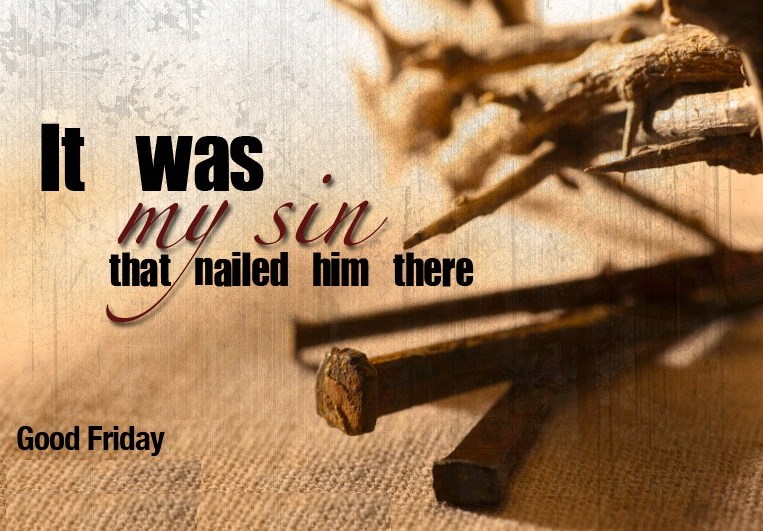 Photo Credit:
  Photo Credit:
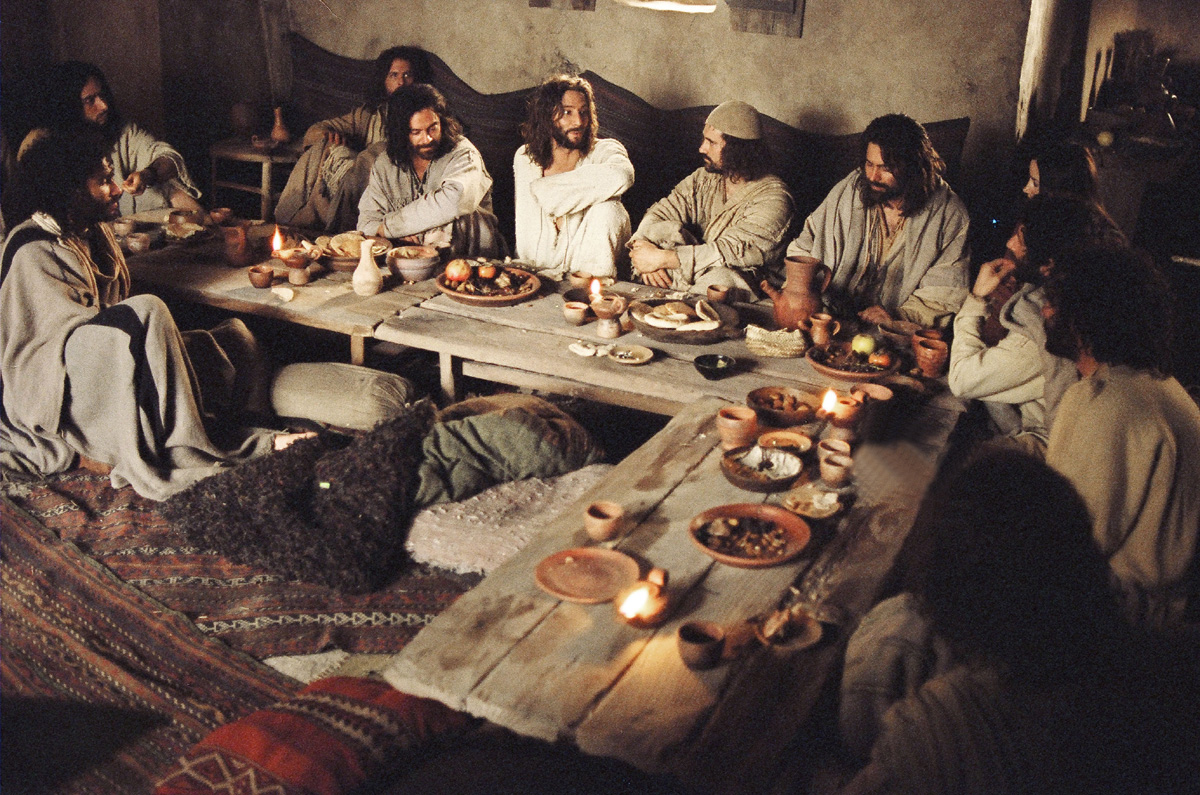 Photo Credit –

 Photo Credit:
  Photo Credit: