Category Archives: Cross-Cultural

The Lessons of an Innercity Hospital – God Loves Us All the Same

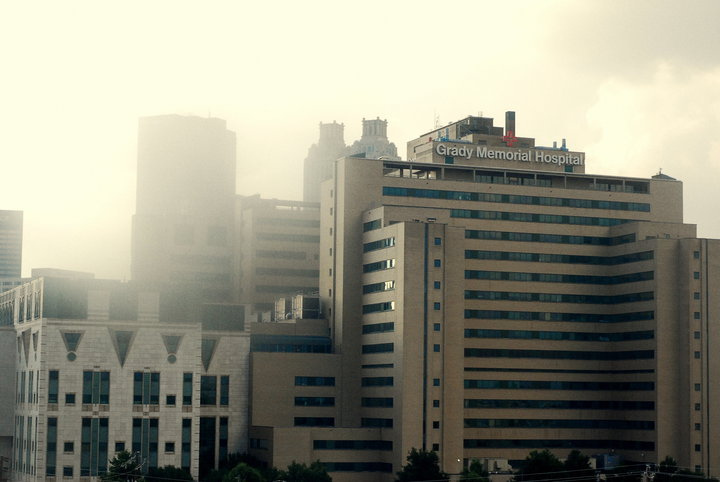
Blog - Grady Hospital - by unclepockets - Flickr Grady. wikimedia.orgPhoto Credit: UnclePockets, Flikr: Grady, Wikimedia.org

For seven years, I worked in Atlanta’s Grady Memorial Hospital. At that time, it was THE hospital (rather than the “main hospital” of the Grady Health System) with 18 floors and 1100 beds. Grady is a “safety net” hospital, extending care to the urban poor. It’s also a Level 1 trauma center. Situated in downtown Atlanta, perched alongside major interstate highways (I-85/75 and I-20), Grady echoes with sirens sounding constantly, signaling the arrival of victims of strokes, gunshot wounds or high-speed auto accidents.

Way above the crazy chaos of the trauma center, my job took me into the relative quiet of the 10th floor oncology service. 10B was my unit, serving cancer patients in treatment or in the days of dying when treatment failed. I was the oncology clinical nurse specialist, responsible for training and assistive to nurse, patient, and family support. Many days, it was the extra set of hands that was needed the most.

What happened in that space of seven years, early in my career, taught me deep lessons about life and caring.

I came to Grady after finishing graduate school at Emory University…too young and inexperienced really for the job and the confidence given me. Mary Woody, the director of nursing at that time, gave me wise counsel. “Whatever is done for the patient, be it housekeeping or medical treatment, learn as much as you can about its delivery, and do whatever you can to serve at all those levels.”

I listened and did my best to follow her counsel.

Almost all my colleagues and our patients were African-American and urban. I was not, having grown up in a small town outside the city, in a school system only integrated while I was in high school. In the quiet moments on the unit (few but treasured), I would listen to stories unlike anything I’d ever experienced. Especially from the older ones. Stories of years living in segregation (Grady was actually built as a segregated hospital with wings opposite each other for the care of blacks and whites). Stories of years after, living in forced integration.

One day I want to write some of those stories. Having grown up in a home where my mom taught us to love without distinctions for differences, I had actually missed seeing what it must have been like for those who lived every day marked somehow by the color of their skin.

Again, I was very young during those years at Grady and drank in the stories…marveling at the courage and resilience of both my older colleagues and our patients and families. Taken aback at times, to be honest, by the clear declarations of my “shared responsibility”, being white, of past atrocities they had experienced. If I could have asked forgiveness for all of that, I would have. Instead, “I’m sorry” seemed so inadequate.

Debbie & Grady nurse buddy

There were many lessons for me in those years. Here’s the story I wanted to share today:

It was the end of my work day…as I walked off the unit, thoughts of beloved patients who might not make it to tomorrow clouded my mind. At the bank of elevators, I punched the down button. Finally, the doors of one opened, and it was packed. Often, because of how full and slow Grady’s elevators were, people would go up to come down.

Maybe in deference to my being in nurse’s uniform, or just out of the kindness of strangers, there was a push backward and a space was made for me. I gratefully filled that space. Then the other elevator occupants relaxed and squeezed me in their embrace as the door closed.

At the end of the day, everybody just wanted to get home. That tight fit continued all those floors down to ground. Me and my white uniform – all that whiteness enveloped by so many tired, black family members. Tired like me or more so. The smell of sweat and potato chips, and the heat of so many bodies, caused me to withdraw back into my own small thoughts.

As if in audible voice, God broke through that noise in my head with: “I love you all the same.” All of us, in that elevator – the poor and the privileged. We are important to Him. It is so easy to fall into our own swollen self-importance – whether it relates to position or education or any other state of being we take comfort in…or through which we isolate ourselves.

God’s heart toward us and ours toward each other – that is transforming. That can be world-changing.

Until that moment, I had felt no compassion for those surrounding me in that small space. We were squashed together never to probably see each other again once we reached street level. Yet, in that moment, at the beckoning of God to take notice, I remembered that we all matter to Him. Whatever was going on in each of our lives – bone-weariness or deep sorrow or great anticipation at good news – we mattered to Him.

God calls us to enter into the generous love He has for us and for our neighbor.

If my companions in that elevator knew my thoughts that moment, they might have pulled back a bit from me. I just wanted to turn around and take in all those faces – to bask in the radiance of His love for each one. At that moment, I wanted to rejoice with those rejoicing and weep with those who would weep beyond that elevator. I was low and brought up by their small kindness and I wanted to somehow do the same.

Was there a glow in that tiny room of strangers? There was for me.

Of course, I didn’t strike up friendships with those who nudged out after me on the ground floor at the last opening of that elevator door. We all walked out into the Georgia late afternoon sun, all together, and then peeled off to different destinations. I went on to my car in the employee parking lot – another privilege of mine, among so many.

That day, my heart opened wider to where I might fit in the Kingdom of God, and what His purposes were for us – to love Him and to love others as He sees them and loves them. The patients, families, and colleagues I loved already…and the strangers along the way.

Seeing the people, He [Jesus] felt compassion for them, because they were distressed and dispirited like sheep without a shepherd. Then He said to His disciples, “The harvest is plentiful, but the workers are few. “Therefore beseech the Lord of the harvest to send out workers into His harvest.”Matthew 9:36-38

YouTube Video – Grady Memorial Audio Slideshow

Love is the Final Fight – an Ode to John M. Perkins

Baptist Global Response

Love Your Neighbor as Yourself – Part 1 – John Piper

Love Your Neighbor as Yourself – Part 2 – John Piper

What’s Your Wall? – Lessons on Leadership & the Marketplace Through Nehemiah

Blog - Nehemiah - thestorehousesweden.filesPhoto Credit: thestorehousesweden.files.wordpress.com

When I heard these words, I sat down and wept and mourned for days; and I was fasting and praying before the God of heaven. I said, “I beseech You, O LORD God of heaven, the great and awesome God, who preserves the covenant and lovingkindness for those who love Him and keep His commandments, let Your ear now be attentive and Your eyes open to hear the prayer of Your servant which I am praying before You now, day and night, on behalf of the sons of Israel Your servants, confessing the sins of the sons of Israel which we have sinned against You; I and my father’s house have sinned.”Nehemiah 1:4-6
Nehemiah was a Jewish exile and a highly placed official of the Persian king Artaxerxes (445 B.C.). Word came to him through a brother that the exiles who had returned to Jerusalem were in a bad way. The walls of the city were destroyed, the gates were burned, and the people were disheartened and vulnerable to attack. That news was so devastating to Nehemiah he felt deeply compelled to action. So what did he do? He prayed…for months.

Out of that season of prayer, Nehemiah acted in a remarkable way – not as a single agent for change, but a man moved by the heart of God Himself. Read Nehemiah again. I did this morning, with the workplace in mind, and came away with what follows:

1) News (whether it’s sweeping changes at work, downsizing, cultural or technological shifts) does not defeat us or define us. God is always at work. We are in the midst of the working out and recording of history (“His Story”). Just as Nehemiah recorded a first-person account of the rebuilding of the wall (and a people), what will we record as we work through our current situation?

2) Walls are providential. What we see as barriers or obstacles to how we see work should be done may be the very vehicles through which God will show Himself most powerful…through those in the workplace, maybe most affected by the obstacles and most available to Him to show Himself through us.

3) Who is the enemy? Make sure it’s not you. Nehemiah, released from his duties to the king, led the people in rebuilding the walls around Jerusalem. During that work, there were the enemies of the project, the naysayers, and those who would see it done a very different way. We always think that sort of coworker is someone else. A check of your own heart to make sure it’s not you is wisdom.

4) Where is God in your situation? Who is God in your situation? You can be sure that God is in your situation because He loves you, He loves your work (even when it’s hard to imagine), and He is at work forging a future. Never lose sight of that. In fact, like Nehemiah, be fueled by that hope. God is completely able to do His will in any situation. There are no barriers, no enemies, or even no frailties on your part that alter the beautiful course of almighty God. Keep your eyes fixed on Him.

5) What is our station in the sovereignty of God? The biggest question of all: What will you do given your place in the out-working of the will of God in your situation? Nehemiah prayed…and prayed a lot…and kept praying. He acted bravely, wisely, and definitively. He humbly, as needed, and he acted boldly, as the situation demanded.

Nehemiah was a cupbearer to a Persian king, and he was a leader and builder of a broken wall…and a broken people. You can be, too.

So the wall was completed on the twenty-fifth of the month Elul, in fifty-two days. When all our enemies heard of it, and all the nations surrounding us saw it, they lost their confidence; for they recognized that this work had been accomplished with the help of our God.               – Nehemiah 6:15-16

Nehemiah: A Leader and His Wall – Bible Study at workmatters.org

Broken Down Gates of Our Cities

Four Leadership Lessons from Nehemiah

Nehemiah: An Awesome Leader 1: A Leader Who Prayed and Prayed and Prayed

Nehemiah: An Awesome Leader 2: Building More Than a Wall

BLog - Nehemiah - walls of Jerusalem - bpnews.netPhoto Credit: bpnews.net


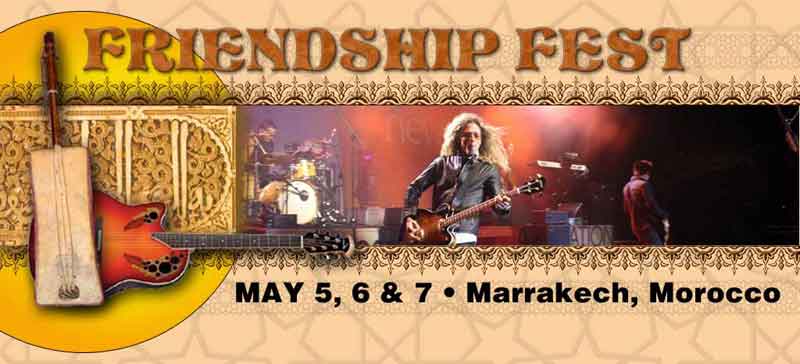
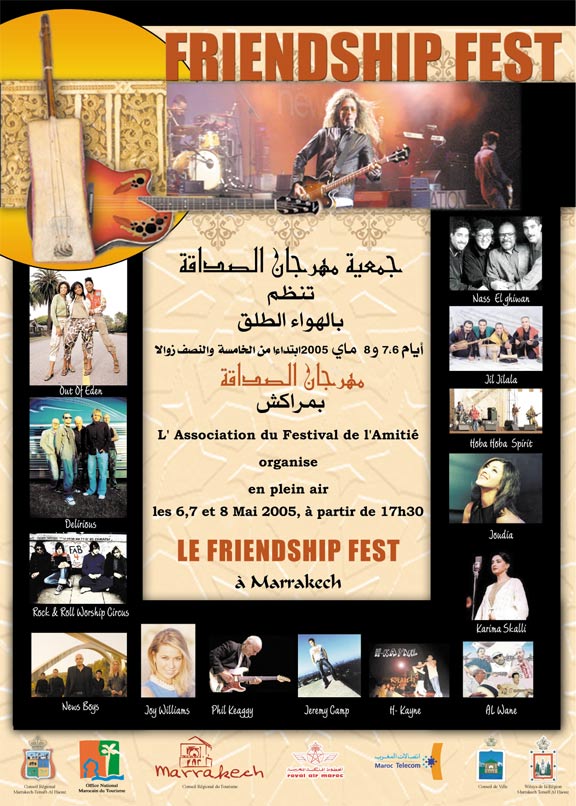
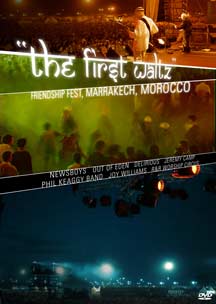
Crossing Cultures and Making Friends with Music – Friendship Fest, Marrakesh, Morocco

Blog - Friendship Fest 2Photo Credit: Friendshipfest.com

I missed hearing David Crowder sing last night in a city not too far away, because a first grandchild could be arriving any day. Priorities.

Blog - Friendship Fest - Crowder Band (2)Photo Credit: BPNews.net

Still, thinking about how much joy his music gives me got me reminiscing about another concert…in a far place…years ago.

We were living in Morocco at the time, and all our children were high schoolers. Somehow we heard about this crazy music event called Friendship Fest being held in Marrakesh. It was a weekend-long festival of Moroccan artists sharing the stage with international bands. Some of our favorite bands were on the roster.Blog - Friendship FestPhoto Credit: Friendshipfest.com

It was May, 2005. Our kids were still in school, but we took off for a long weekend in Marrakesh. Carloads of friends (local and foreign)made that trip. To be a part of such an event would probably be a once-in-a-lifetime opportunity, and we weren’t going to miss it.

The Newsboys band (in those days with Peter Furler) was my draw. For my husband and guitarist son, Nathan, it was more Phil Keaggy maybe. The thrill of just being there also compelled us all, joining an audience of friends and hundreds (later we found out it was 1000’s) of Moroccans. So amazing!2015 Aug Flowers, Blog, Friendship Fest 007

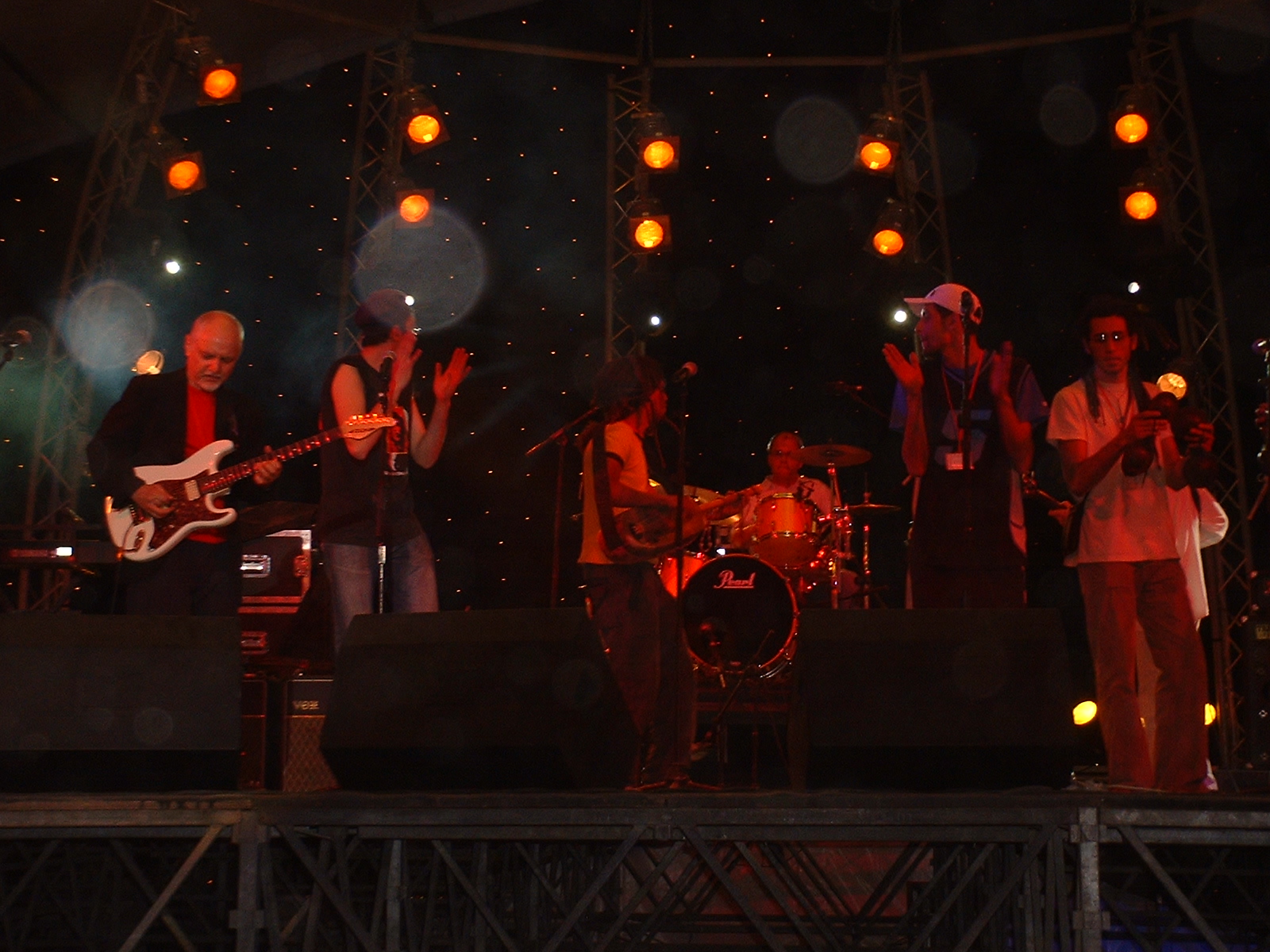
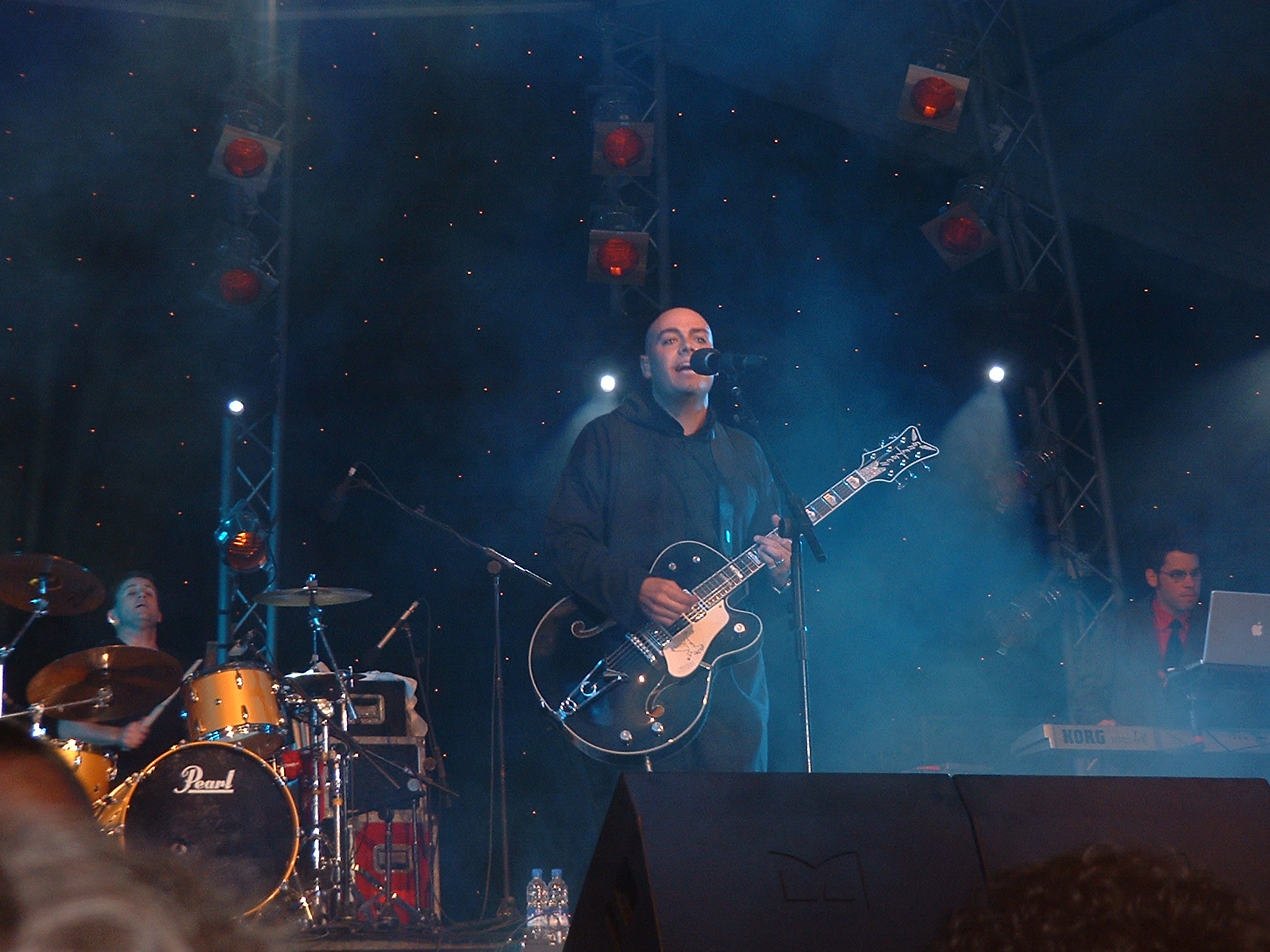
All that balmy May weekend, on this open fairground, the artists took turns on stage. A Moroccan group (hiphop, reggae, pop) and then a foreign band would perform. The audience was pumped. People coming and going but most of us staying, mesmerized.Blog - Friendship Fest - Moroccan BandBlog - Friendship Fest - Moroccan Band playing with Phil KeaggyBlog - Friendship Fest 2 (2)Blog - Friendship Fest 4Blog - Friendship Fest 6Blog - Friendship Fest - Newsboys 7Friendship Fest Delirious Blog - Friendship Fest - Newsboys 5

So I’ll stop with the pictures. If only there was a way to describe the sounds, the emotion, the energy, the unity we felt together on those evenings. How the artists engaged the audience. It was completely captivating.

I’ll close this out with a YouTube video of Delirious? singing History-maker during Friendship Fest. At 3:09, you will start seeing a bit of the huge audience (85,000 people over a weekend). Our teenagers and their friends were up front, but we hung in the back of the crowd. Seeing all those Moroccan young people and kids from other parts of the world jumping together to that great song still gives me goosebumps. Joy!

Musical Event Celebrating Community and Friendship Between Americans and Moroccans to Continue

YouTube Video – Jeremy Camp Live at Friendship Fest, Marrakesh, Morocco, 2005

Friendship Fest DVD

The First Waltz, Documentary of Friendship Fest (if you can find it)

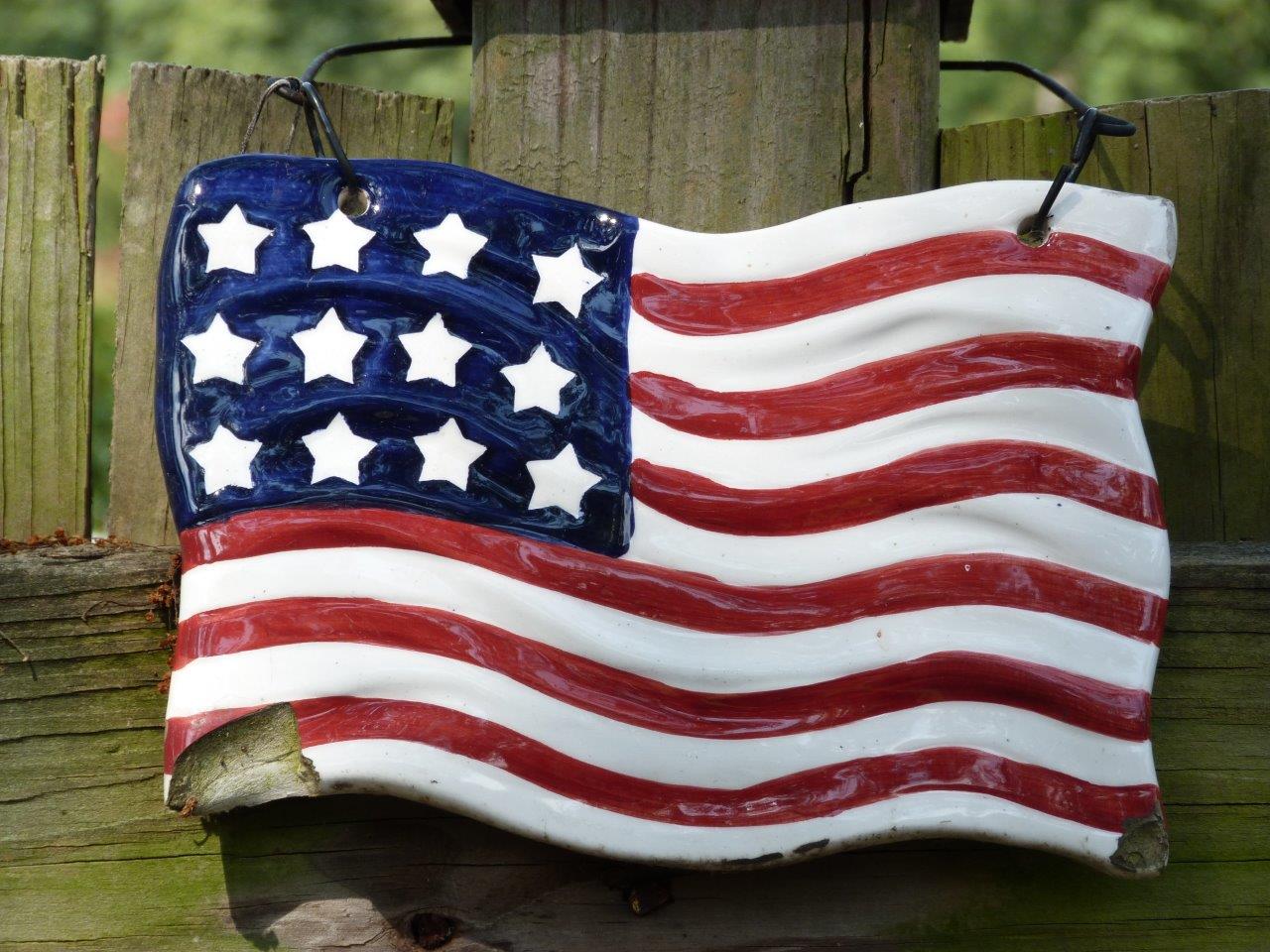
Independence Day in the USA – Celebrating the 4th of July and Remembering that Freedom is Not Free

 Blog - 4th of July 3

“America is great because she is good. If America ceases to be good, America will cease to be great.” – Alexis de Tocqueville*

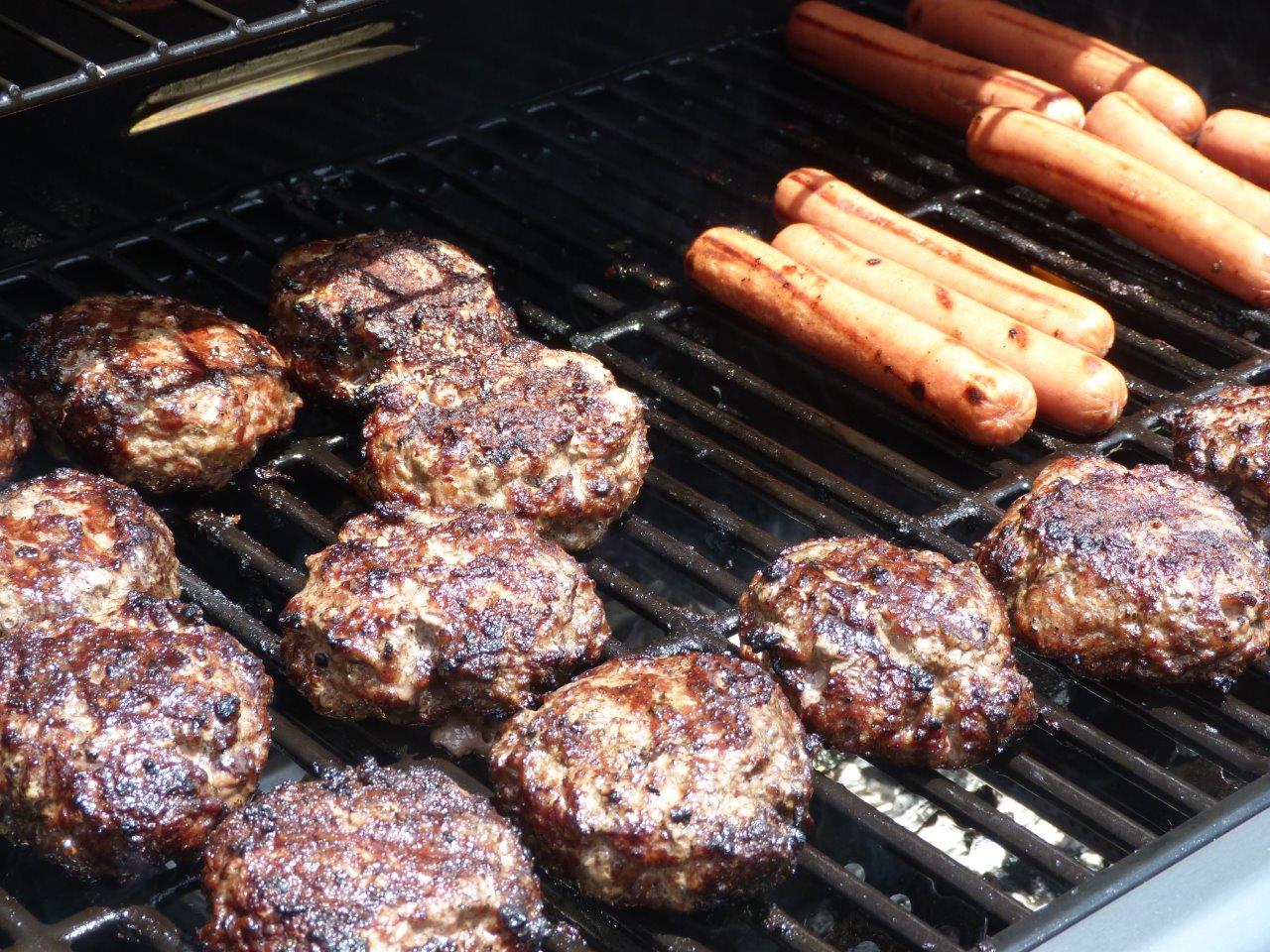
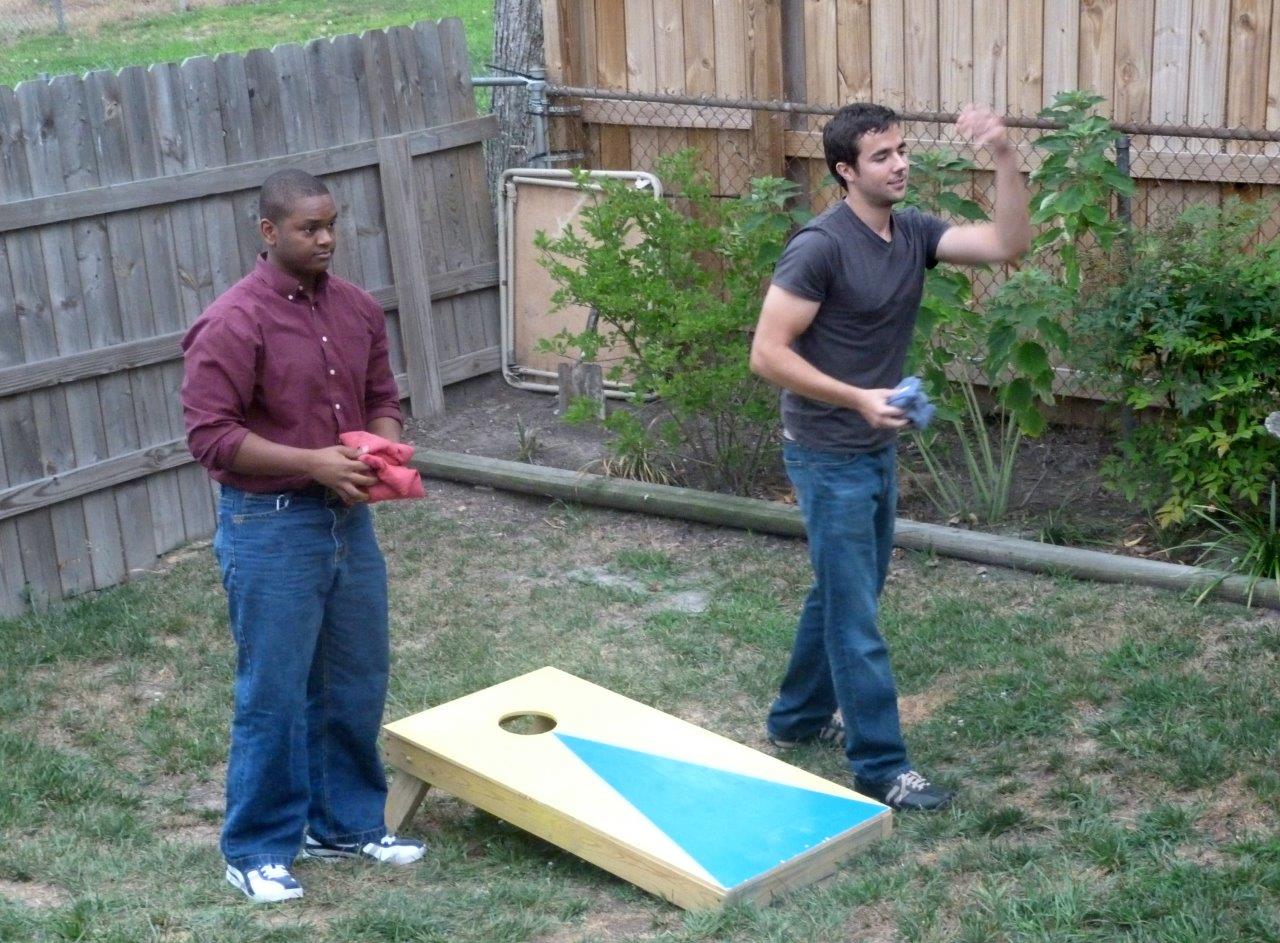
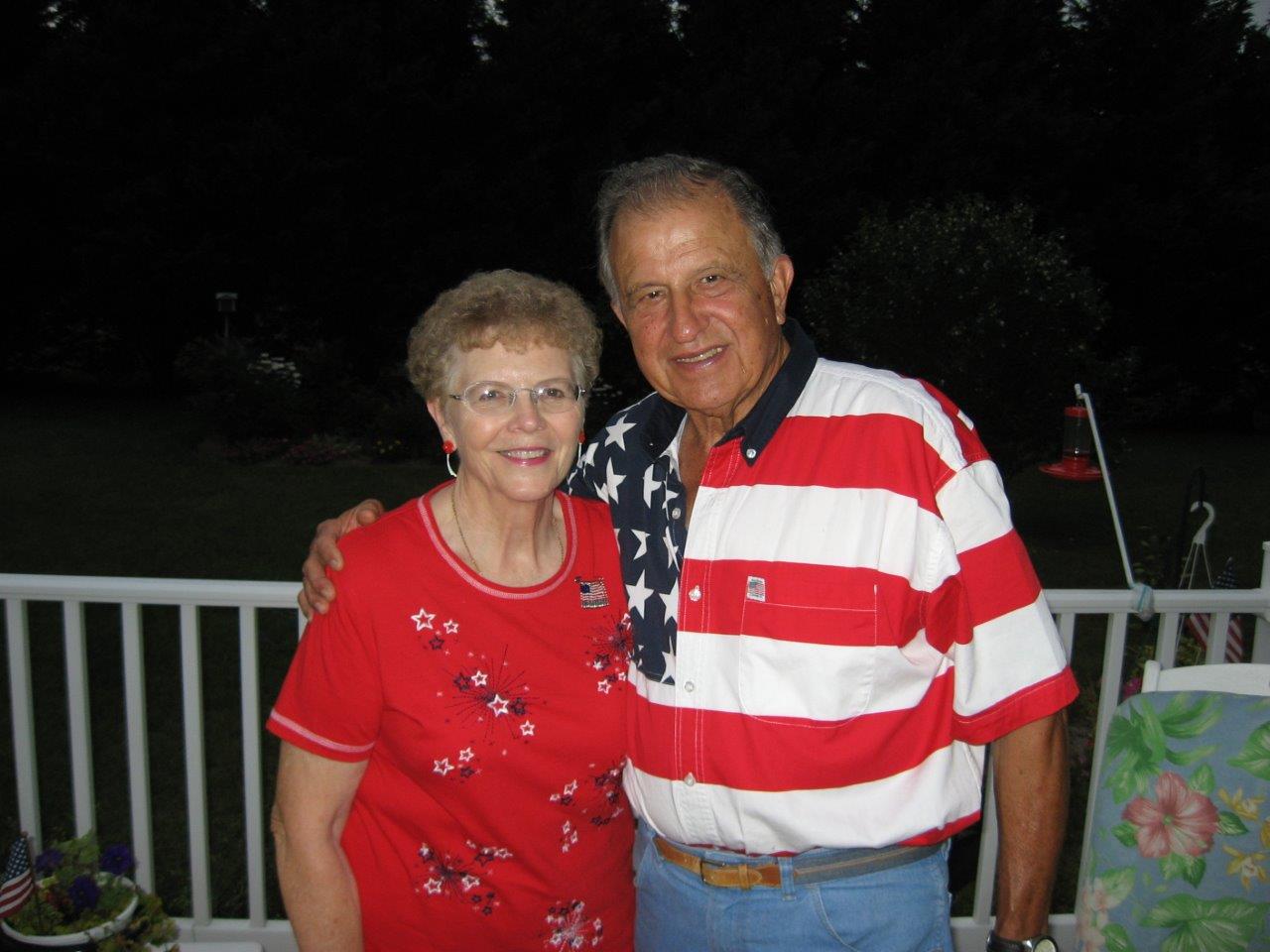
July 4th each year marks a huge celebration in the US – a federal holiday with all the trimmings of a perfect summer day. Cookouts, baseball games, flags flying, parades, friends and family, fireworks, backyard fun. If you are new to the USA, these are the elements of this holiday that you will enjoy hopefully through the glad welcome by American friends.Blog - 4th of July 5 (2)

There is much more to this holiday, but we’ll start with the familiar through these pictures from some of our 4th of July celebrations:

Blog - 4th of July 12Blog - 4th of July 11Blog - 4th of JulyBlog - 4th of July 6Blog - 4th of July 2IMAG5657 (2)Blog - 4th of July 8Blog - 4th of July 4Blog - 4th of July 7

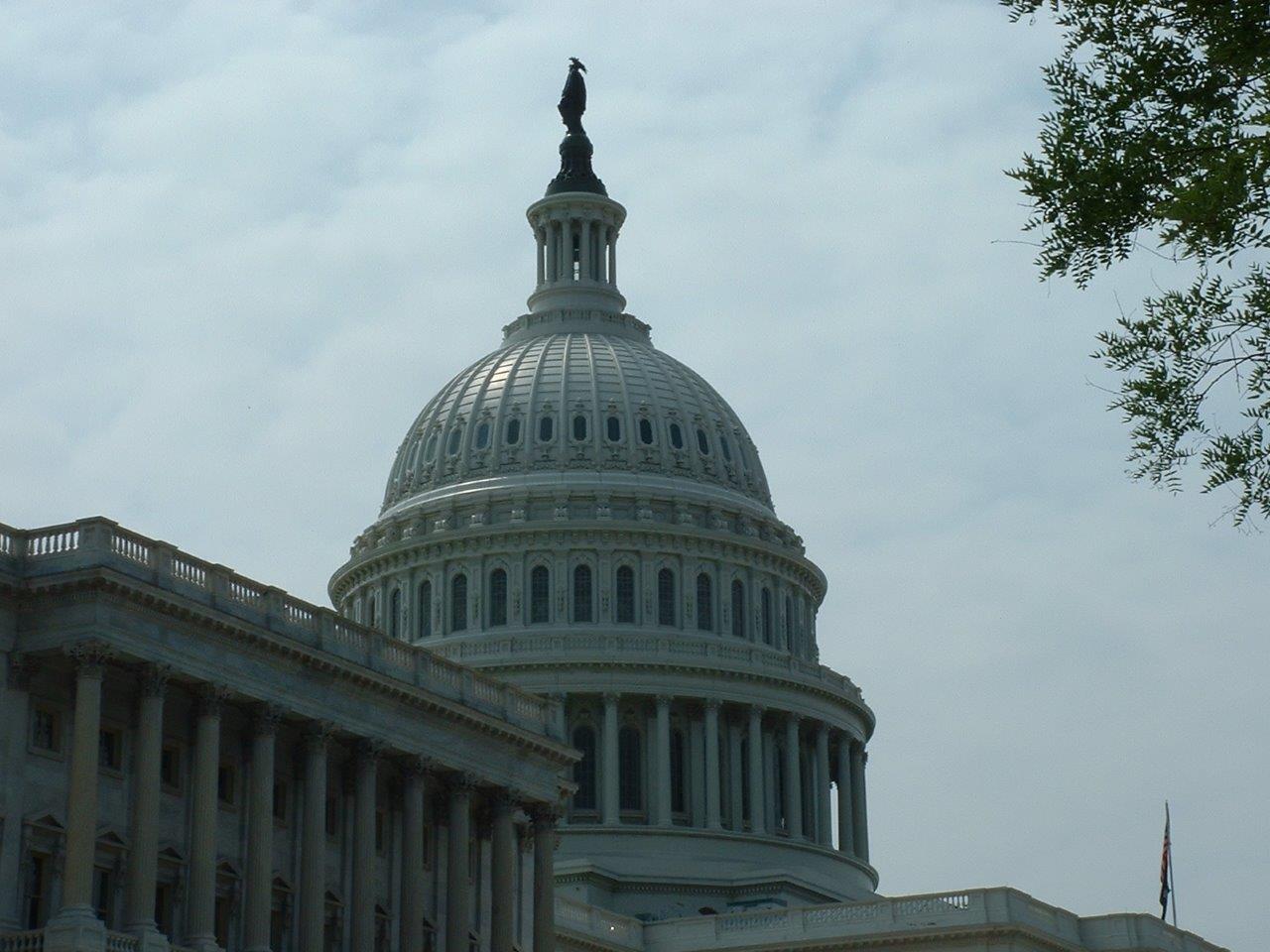
 Like Memorial Day, our Independence Day, has a more somber side to it. The War of the American Revolution was fought, at great cost, from 1775 to 1783. 13 colonies stood up against Great Britain to win their independence. Our Declaration of Independence wasn’t actually signed on July 4th. It, in fact, was signed over the course of many days, as different representatives of those 13 colonies attended to its signing during that late summer in 1776. Then the revolution followed in full. Blog - 4th of July 10Blog - 4th of July 9Blog - 4th of July 13

I am so grateful to be a part of this country and to enjoy the freedoms we have as Americans. I never want to take them for granted. This is another July 4th to mark what happened to secure the freedoms we have. Happy 239th birthday, America. May we determine to use the blessings God has given us here to always be a blessing to the nations.Blog - Preamble of US Constitution - 4th of July

Photo Credit: Humboldt.edu

Postscript: Facebook status of an American friend of ours spending July 4th in England:

“Wondering how one celebrates July 4th in the land we got our independence from…” [and then later] “Nothing like fish ‘n’ chips in front of Wimbledon on a Friday night in Oxford with English friends on July 4th weekend ;))… people, ya gotta love life wherever you find yourself ’cause there are always sweet surprises there.”

*Quotes for Independence Day, 4th of July 

YouTube Video – Flag Scene from The Patriot (2000, Mel Gibson)

5 Facts About Independence Day by Joe Carter, Acton Institute

Top 10 Revolutionary War Movies

YouTube Video – John Adams – “While I live, let me have a country, a free country!” (2008, HBO miniseries)

YouTube Video – John Adams – The Passing of the Declaration of Independence (2008, HBO miniseries)

American Declaration of Independence of July 4th, 1776 by Robert Hole for History Today

Happy Birthday, (New) America

9 Things You May Not Know About the Declaration of Independence

The Story of the 4th of July

The History of the 4th of July

Declaration of Independence – pdf

YouTube Video – Tea, Taxes, and The American Revolution: Crash Course World History #28Blog - 4th of July 5

Ramadan – Much More Than Fasting – A Quick Study for the Sake of Your Friends & Coworkers

2008270mnj287From the Archives – June 30, 2014

“Ramadan Kareem!” “Ramadan Mabrouk!” “Ramadan Mabarak!” may be familiar words to you…or not so much. Around the world, among Muslims, these are greetings of blessing for their holy month of Ramadan. In this month, all Islamic peoples are united in the observance of their religion, more than any other time of the year.

Ramadan is the 9th month of the Islamic calendar and is considered holy because Muhammad, Islam’s most revered prophet, reported receiving the Qu’ran during this month. At the sighting of the new moon at the beginning of Ramadan, Muslims begin a month-long exercise of six tenets of their faith, consistent, to a large extent, among all of the world’s practicing Muslims.

Fasting [Sawm (Arabic: صوم‎)]  From sunrise to sunset, during Ramadan, devout Muslims fast. In some countries, in fact, it’s illegal for a Muslim to be seen eating or drinking during these hours. There are exceptions (young children, the sick, elderly, and others in a few defined temporary situations). However, the fast is intended to be complete during the day (no food, drink, smoking, sexual intercourse, or profane speech). At sunset, the fast is broken with a meal together as family and eating can continue into the night until just before sunrise the next day. Because of this “flipped day”, Muslims, when possible, sleep during the day or spend time in recreation, exercise, or visiting. The women must still cook for that “break-fast” meal. School and work hours are shortened during Ramadan because of the fast.

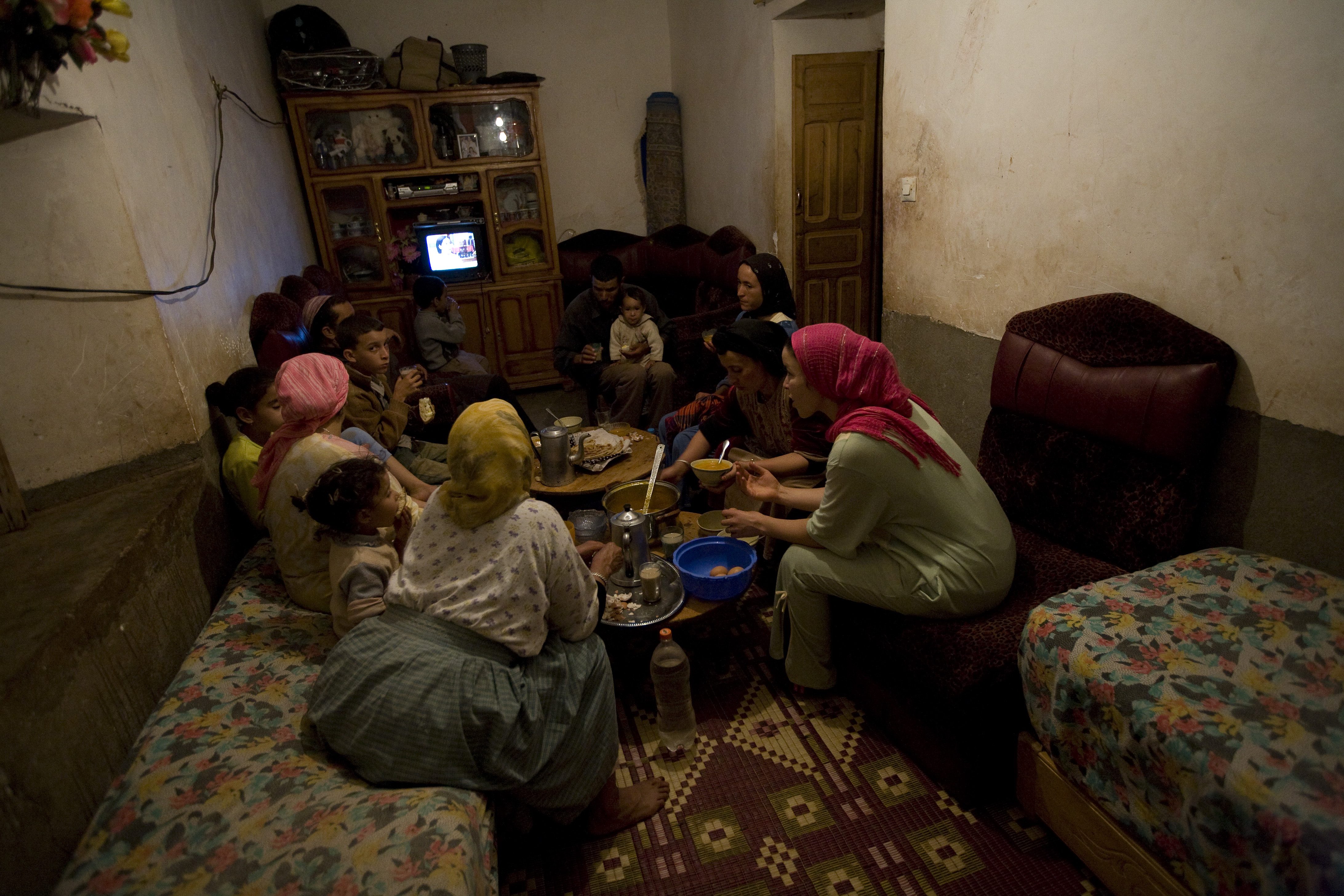
Tip for you: Be sensitive to your fasting friend or coworker. If possible refrain from eating, drinking, smoking in front of him/her. Invite them to break their fast with your family (it means a meal later than usual, if Ramadan is in the long summer months). Don’t miss an opportunity to join them if you’re invited to a meal in their home.2008270mnj285

Charity [Sadaqah or Saddka (Arabic: صدقة‎, plural ṣadaqāt صدقات)] and/or Alms-giving [Zakāt (Arabic: زكاة‎ )] Part of the reason for fasting is to experience the life of one poorer than you. The idea is to eat less and use the money saved to give to the poor during Ramadan. Islam has two types of charity – one is voluntary charity to the poor that is seen often during Ramadan; the other is the mandatory alms-giving, required by faithful adherents to Islam. Ramadan is sometimes the month when Muslims give their alms through their mosque(s).

Tip for you: You and your Muslim friends/colleagues may share a concern for the poor of your city or for an oppressed people group somewhere in the world. This could open a door for you to act together on behalf of those in need.

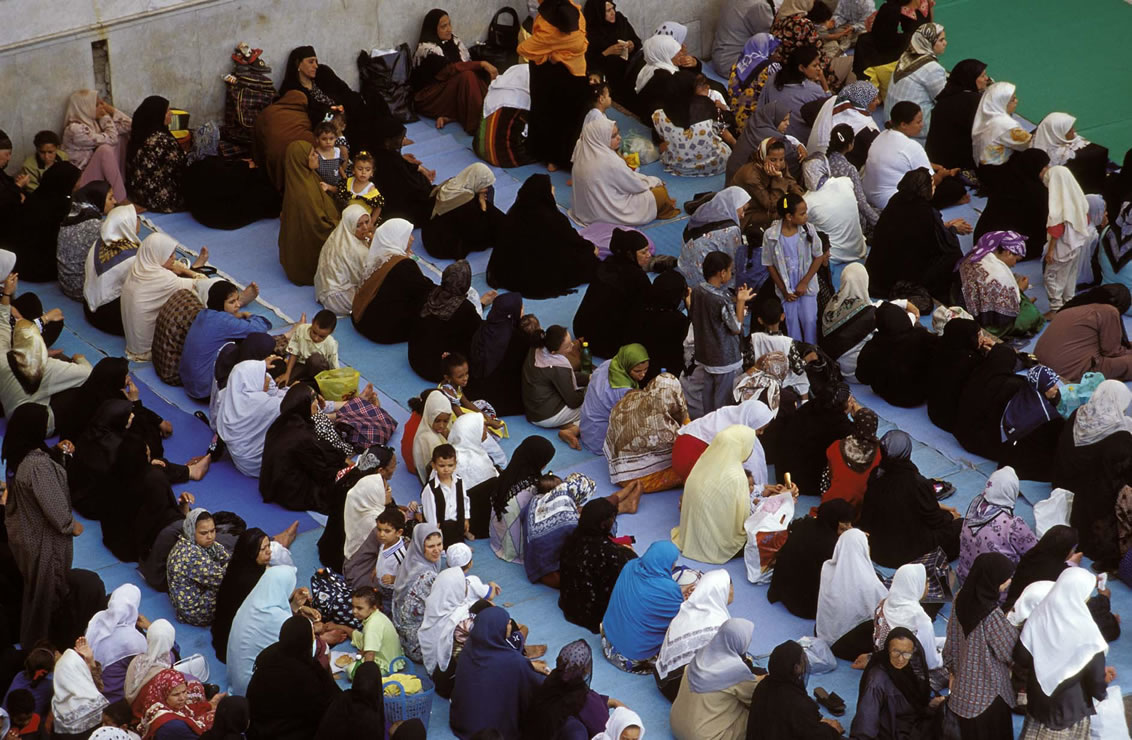
Prayers [Ṣalāt (Arabic: صلاة‎ ṣalāt; pl. صلوات ṣalawāt)] Prayers are a major tenet of the Muslim faith. During Ramadan, prayers are considered even more powerful to the faithful Muslim. Entry into Paradise can hoped to be won by Muslims through the careful attention to religious practices during Ramadan. During the last 10 days of Ramadan, a special Night of Power [Laylat al-Qadr (Arabic: لیلة القدر‎)], is believed to have even greater weight in the practicing Muslim’s pursuit of favor with God.Cairo086

Tip for you: Even if you do not usually notice your Muslim friend or coworker’s prayers, during Ramadan, you may see them praying in their homes or at their desks. The mosques in your neighborhood will be much more noticeably busy during Ramadan. Besides the usual Friday service, and the 5 regular prayer-times during the day, there are often special opportunities for Muslims to gather to pray and read and discuss the Qu’ran. Pray for them as they pray.Cairo100

God-consciousness or Piety [Taqwa (Arabic: تقوى‎ )] For many devout Muslims, Ramadan may not be so exceptional, except for the fast. Most, however, count on this month for its spiritual focus. Both men and women will have opportunities to learn more about their God and the teachings of their prophet Muhammad. The global observance of Ramadan is a galvanizing experience for Muslims, with each other, and with the history of their religion, and, their hope, with God.

Tip for you: Ramadan is an excellent time of the year to increase your own understanding of what your Muslim friends/co-workers believe. Questions about their faith are usually welcomed. Arguments about faith are not. Do your own homework about the faith issues where you may disagree with Islamic teaching. This type of information is prolific on the internet (especially related to differences in thinking between Christians and Muslims). Then you can ask or discuss the faith issues that matter most to your friends/colleagues, because during Ramadan, they have been thinking about them.Cairo094

Community [Ummah (Arabic: أمة‎)] Breaking the fast together and praying together in the mosque are clear signs of the strong bond between Muslims, especially seen during Ramadan. Christians enjoy this experience through similar celebrations (Christmas and Easter, to name two) and through their faith in Christ, bringing them into the larger Family or Kingdom of God. This Muslim observance of Ramadan, in its 30-day concentration of focus and universal religious practice, is unique to this religion.

Tip for you: For some, the community of the Islamic world, in their religious practices and political views, can be a little uncomfortable. A good reminder to self is that Islam is a religion, and Muslims are people. Whatever you agree with or disagree with, regarding the religion, needs to be separate from how you engage with the persons who identify with a certain religion. All of us need community and affiliation. So don’t be put off by the Islamic practices you see in Ramadan. Remember, the people who are fasting, praying, and trying to understand God may share very similar concerns and struggles. AND if your Muslim friend/colleague is observing Ramadan away from his family/religious community, he or she is especially isolated and could really use your friendship during this time.

Ramadan’s Festival Day(s) [Eid ul-Fitr (Arabic: عيد الفطر‎)] – at the end of this month’s fasting and praying – in a future blog.

Muslim Website on Getting the Most Benefit Out of Ramadan

YouTube Video – Iftar (Breaking the Fast) Ramadan 2015 Around the World

YouTube Video – Ramadan | Month of Mercy | Almarai Emotional Commercial

Breaking Fast with Family – English Subtitles – Coca-Cola Commercial – Strong Message of Perceived Power of Month of Ramadan in Changes of Heart

Short Public Service Announcement on Breaking the Fast & Family Time Together After

Breaking the Fast – Ramadan Subway Commercial – You Don’t Have to Know the Language to Appreciate the Message

California Muslim Teens Explaining Ramadan

A Morality Tale (Ramadan Pepsi/Lays Potato Chip Commercial) on the pull of society on Muslim Youth & How Ramadan Holds Family Together

What Growing Up in a Muslim Country Taught Us About Ramadan – Another Author’s View

Glossary of Islamic (Arabic) Terms for the Month of Ramadan

Arabic Words & English Transliteration


Bookmarked Summer: Sandra Cisneros’ The House on Mango Street

2015 May Blog - Sandra Cisneros House on Mango Street 004 for blog

I love words. Not cruel, lying, arrogant, or mean-spirited ones, of course. I love the kind of words that make stories come alive, where you can see and touch and smell right off the page of the book. Oh to write that way… maybe one day.

A dear friend, who reads my writing because she loves me, shared this book with me. The House on Mango Street by Sandra Cisneros. I finally read it…just a few hours long, packed with that pink-orange hue of Mexico. Mexico transplanted in Chicago. Cisneros writes so personally of growing up straddling two cultures – living in Chicago sometimes, and Mexico other times. The book is a small novel, large with details of a family living Mexican in an American city. Sandra Cisneros opens the door to the reader to step into her Mexican American childhood, tucked in a neighborhood, so like Mexico and yet still far from home.

I read some of the reviews by readers of Cisneros’ book. They are extreme in their take on this little book – ranging from those who love her writing,  identifying with her stories, and those who hate that they had to read the novel (for a class, etc.), not seeing Cisneros’ writing as worthy of their time. The criticisms surprised me, and then I understood that her writing is full of strong emotion and bore fruit of that in her readers, one way or another.

I loved the way she invited the reader, one outside of this neighborhood and culture, to be a part of its story. It was impossible to tell what was fiction and what was truly her own childhood.

Below you will find some of my favorite quotes from The House on Mango Street.  I hope you enjoy her words, as I did.

“My mother’s hair…is the warm smell of bread before you bake it, is the smell when she makes room for you on her side of the bed still warm with her skin, and you sleep near her, the rain outside falling and Papa snoring.”

“Those who don’t know any better come into our neighborhood scared. They think we’re dangerous. They think we will attack them with shiny knives. They are stupid people who are lost and got here by mistake. But we aren’t afraid…All brown all around, we are safe. But watch us drive into a neighborhood of another color and our knees go shakity-shake and our car windows get rolled up tight and our eyes look straight. Yeah. That is how it goes and goes.”

“Hips…one day you wake up and they are there. Ready and waiting like a new Buick with the keys in the ignition. Ready to take you where? They’re good for holding a baby when you’re cooking…you need them to dance…if you don’t get them you may turn into a man…they bloom like roses.”

“My Papa, his thick hands and thick shoes…wakes up tired in the dark,..combs his hair with water, drinks his coffee, and is gone before we wake.”

“Everything is holding its breath inside me. Everything is waiting to explode like Christmas. I want to be all new and shiny…a boy around my neck and the wind under my skirt.”

“There were sunflowers big as flowers on Mars and thick cockscombs bleeding the deep red fringe of theater curtains. There were dizzy bees and bow-tied fruit flies turning somersaults and humming in the air. Sweet sweet peach trees…big green apples hard as knees. And everywhere the sleepy smell of rotting wood, damp earth and dusty hollyhocks thick and perfumy like the blue-blond hair of the dead.”

“A house of my own…only a house quiet as snow, a space for myself to go, clean as paper before the poem.”

“I never know what I am feeling till I write about it. Writing makes me feel better when life overwhelms me.” – Sandra Cisneros*

Blog - House on Mango Street - Sandra Cisneros

*Sandra Cisneros’ Letter to the Sixth-Grade Students of Ms. Jill Faison, Hogan Middle School, Vallejo, California

The House on Mango Street – 25th Anniversary Edition

Photo Credit – Picture of Sandra Cisneros – by ksm36 –  Wikipedia.org

You Will Change the World – Wisdom from Jon Bloom

D

“Have you ever wished you could do something that would change the world? Your wish has been granted. Are you tempted to think that your obscure, little life will leave no mark on the world? You have no idea how wrong you are.” – Jon Bloom, Desiring God

I subscribe to way too many blogs. Most of the time, it’s impossible for me to read all of them, but fortuitously, providentially, just the right ones, it seems, get my attention.

Jon Bloom, president of Desiring God, wrote a piece, out this morning, entitled You Will Change the World – There is No Unimportant Life. This resonated so much with me this morning. The day I graduated from university, my favorite professor and mentor said to me, “Debbie, you want to change the world, and maybe you will. I caution you that there will be lots of barriers for you to grapple with in your zeal to make a difference. Fortunately, because of how idealistic you are now, you may manage to have some left in the end.” The idealism of those early days has matured into faith in these latter days. With God, in me (us), all things are possible.

While I was out to change the world, God brought this quiet, gentle man into my life. A research chemist who then was content with cooking chemicals, making a difference that way. He was in on the early research for improving the plastic used in water bottles and food containers. (Image: grad school lab years ago, Yale University)Blog - No Life Wasted 4

God took this young man out of the lab and launched him into a very different life (and I got to come along). We spent most of fifteen years overseas, and now he (we) are back in the US…in a very different life again. Different life; same God.Blog - Dave & Not wasting a life 2Blog - No Life Wasted 6Blog - No Life Wasted 9Blog - No Life Wasted 13

Jon Bloom’s piece really encouraged me this morning, and I know it will you. Read the whole piece, if you can, but take joy in these quotes:

“As creatures made in God’s image, God has conferred upon us the incredible dignity of being sub-creators who are given real power to change the course of history through what we create. What we make with words and wood and wire and water wells and scalpels and glass and chalkboards and stone and combine harvesters and paper and glue and musical notes and motion pictures and animals and meals and photos and spreadsheets and fabrics and computer code and time with our toddler or teen and IV needles and oil paints and nails and vacuums and PVC pipe and shingles and sermons and prosthetic limbs and financial investments and welding torches and the gentle care of wounded souls is of inestimable importance and value.”

“There is no such thing as an unimportant, meaningless life. Life would only be meaningless if atheism were true. Then all of reality would be meaningless. Every life God creates is good and has a purpose, and therefore possesses a certain sacredness (Genesis 1:31). As stewards of the earth, we humans should approach all life with appropriate reverence (Genesis 1:26), especially other human lives (Exodus 20:13; Matthew 19:19; Matthew 5:44).”

“The truth is, we rarely know who the real great ones are — those whose lives prove truly great in God’s assessment and bear the longest-lasting fruit generations from now. But we do know that Jesus said, “many who are first will be last, and the last first” (Matthew 19:30).”

“The life you have been given is an assignment from the Lord (1 Corinthians 7:17). You don’t need to be someone else and you don’t need to be somewhere else. You need to be who and where God wants you to be. Because your assigned life is not just about you. It’s also about hundreds of others around you and hundreds of thousands of others who will come after you.”

“You will change the world, more than you know. And because of that, because your life will impact so many others, Jesus wants you to live prayerfully (Ephesians 6:18), walk carefully (Ephesians 5:15), and seek his kingdom first (Matthew 6:33). If you do, if you faithfully invest the “little” he has entrusted to you, no labor of yours in this life will be in vain (1 Corinthians 15:58) and he will entrust you with more in the life to come (Matthew 25:21).”

I got goose-bumps reading Jon Bloom’s writing this morning. So encouraging. Thank you, Jon Bloom. Thank you, John Piper for how you encourage us (this article reminded me of Piper’s book Don’t Waste Your Life). Thank you, Dave, for your willingness to follow God where He leads you…and all the amazing people, memories, and God-lessons we have in our lives because of that willingness. Thank You, God, for every stamp in my passport, and for being there every step of the way…including this very day. Help me to take hold of it…I can change the world, because of You.

You Will Change the World by Jon Bloom

The Essence of the Unwasted Life – (video message) by John Piper

The Glorious, Radical, Ordinary Christian Life by Jonathon Woodyard

Blog - No Life wasted 11


Malta – a Tiny Mediterranean Country with a Huge Holy Week Celebration

IMG_0002

 While living in Tunisia, and as part of the process of establishing residence, we needed to do an exit/re-entry trip. The closest, cheapest option was a quick trip to Malta. It was a surprising cultural experience, a very different one after our first months as foreigners living in North Africa.

Right when we entered the exit hall of the Malta airport, we saw an enormous sign with the word, “Jesus Saves”. Having grown up in the USA’s Bible Belt, we would see that sign all along the highways, but it was a breath-taking sight in an international airport.

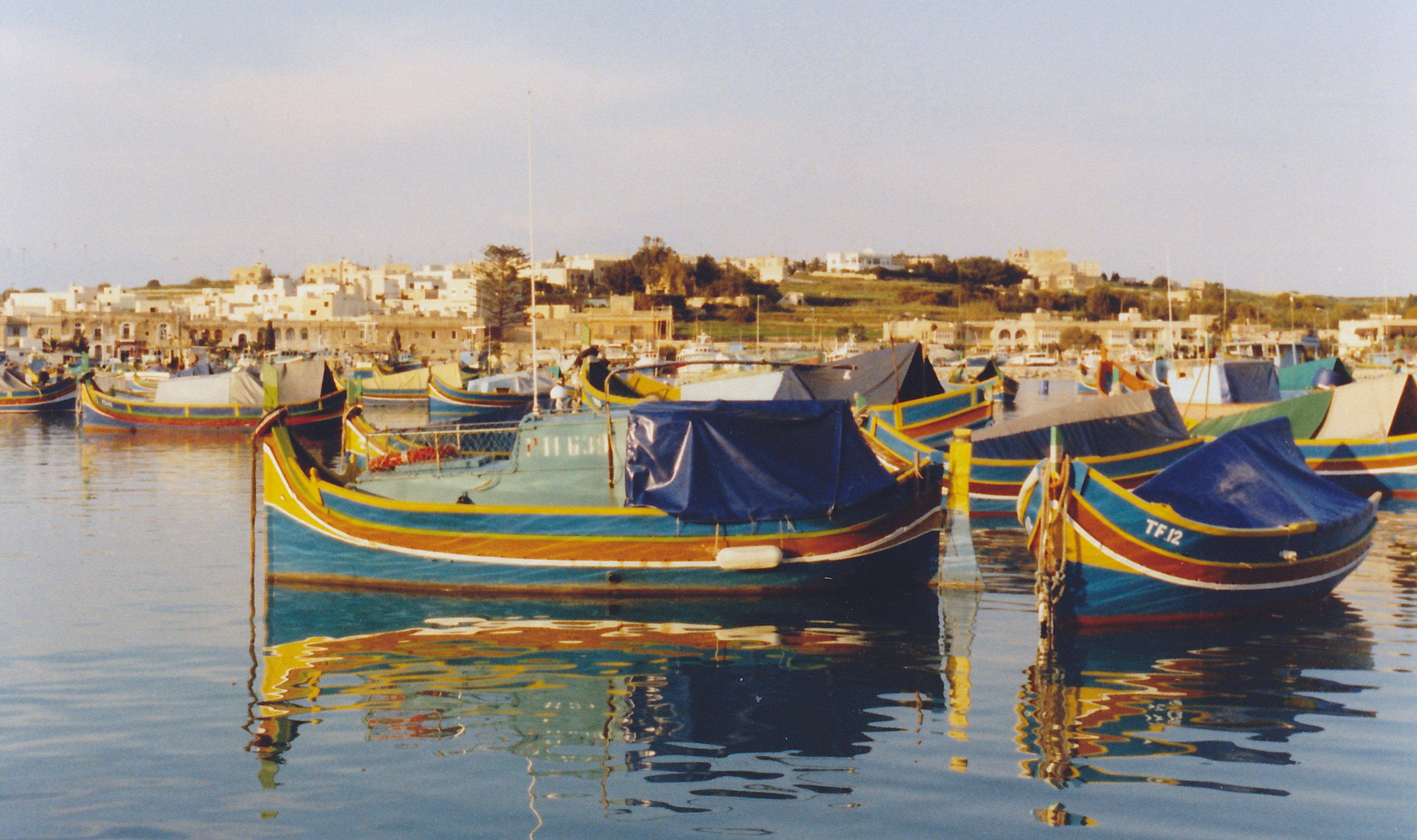
During our few days in the tiny island nation of Malta, we stayed in a the lovely fishing village of Marsaxlokk (thanks to the recommendation of friends). The Maltese people were a blend of all the cultures who, over centuries, populated this strategic island in the Mediterranean Sea. The language is fascinating – a Semitic language (similar to Arabic and Hebrew), phonetically written in Latin script. We actually understood a lot of what was said as it was a mix of Arabic and Italian (we knew some of the Arabic, Italian not so much). English was the second language which made it really easy for us to find our way around.IMG_0004The kids loved it as much as we did. The bed-and-breakfast where we stayed had a hearty breakfast (ham and eggs, thick slices of homemade bread, and cornflakes as well). We spent all the days outside, exploring, visiting the street markets, and eating local food. The “food truck” hot dogs we devoured as we walked along the seawall were the best I remember. They may also remember that it was in Malta where we started their Playmobil collection – buying several little characters in one of the street markets. So much fun.IMG_0007

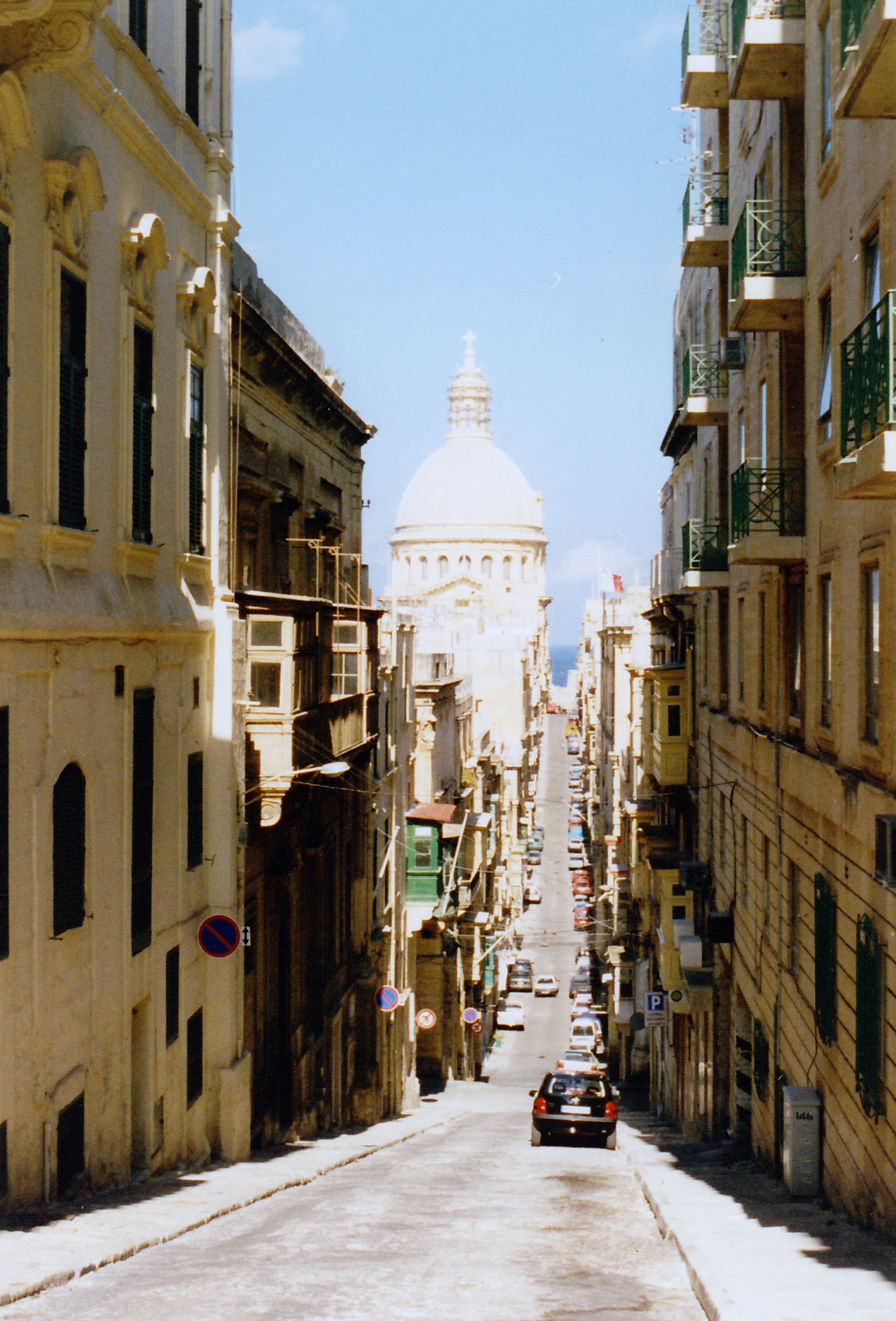
Malta is so small that we could visit any town easily via the public bus system. We spent a couple of days in the capital city of Valletta. I probably don’t remember this correctly, but it seemed all the streets flowed down to the sea. There were Catholic churches everywhere. We even found The Collegiate Parish Church of St Paul’s Shipwreck which was built sometime in the 1570s. It honors Jesus’ apostle Paul as Malta’s spiritual father. Paul first arrived there quite violently through a storm and shipwreck, as a prisoner of Rome. The story of this shipwreck is recounted in great detail in the Bible, including a description of the kindness of the Maltese people toward Paul and every single ship passenger miraculously saved.IMG_0008

The most intriguing events we encountered in our visit to Malta were the Good Friday processionals. There were parades, passion plays, and countless other displays memorializing the crucifixion of Christ. Church bells rang constantly across the island through that whole day. Every single church, it appeared, participated in some sort of ceremony marking the Via Dolorosa (Jesus’ “way of suffering”). We were watching a parade, and, quite remarkably by accident, found ourselves at the front of a huge cathedral where a processional had just begun. IMG_0013

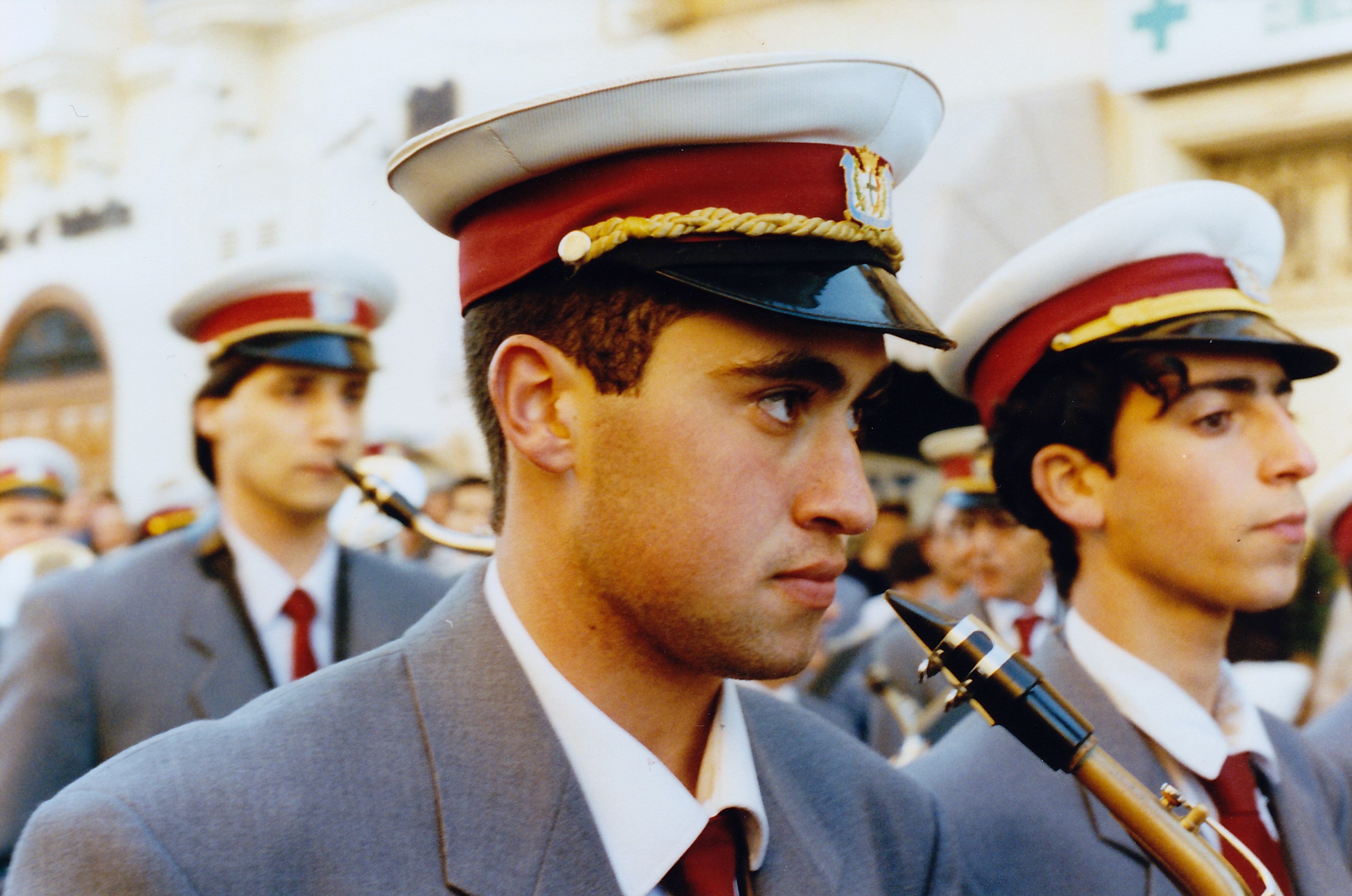
Life-size statues depicting the fourteen stations of the Cross were being carried one by one, out of the cathedral, by several men dressed in white. These pall-bearers must have been members of the church and, by their faces and posture, took their role in this ceremony very seriously. Not being Catholic ourselves, we were still keenly aware of the spiritual import this had to those around us. We felt very privileged to have happened on such a large display of their reverence…especially to Jesus.Blog - Holy Week - Malta

IMG_0020

It was a Good Friday that I will never forget. We had long talks as a family over supper that day as the children had seen things they’d never seen before. What things we as Protestants and Catholics disagree on paled in comparison to what we agreed on, regarding that day. Holy God, the one God of the universe, made a way, on that day centuries before, for all of humanity, estranged in our sin, to be restored in relationship to Him. It was indeed a Good Friday.

Holy or Black Saturday (as it’s called depending on one’s tradition) was a quieter day for us. It’s the day between Good Friday and Easter (or Resurrection Sunday) – separating the sorrow of the death of Christ and the joy of the Christ risen from the dead. In Malta that weekend, my memory of the day was that it was more subdued. Our time away from Tunisia was winding down also.

On Easter Sunday, the church bells rang again. This time was different from the Good Friday bells, chiming darkly as a funeral dirge dark. This day, the bells rang out, all through the towns and villages, with a joyful noise, somehow full of expectancy. Right before we returned home to Tunis, we worshipped that Easter Sunday, in a very small Baptist church. After all the pageantry of the Catholic celebrations, our worship in this little Protestant church may have seemed meager in comparison. It was just right for our little family – on an Easter Sunday, far from our home church in the US and our new life in Tunisia. Worshipping together, in a language somewhat familiar, we celebrated God’s victory over death and the life He offers to us, through the risen Savior. Hallelujah!

Easter in Malta – A Quick Guide to Holy Week

Good Friday in Malta – Fourteen Stations of the Cross

The Fishing Village of Marsaxlokk, Malta

Live Cam from Marsaxlokk, Malta

The Maltese Islands – At a Glance

The Culture of Malta Explained

3 Important Influences in Maltese Culture

Language of Malta – Malti – a Semitic Language with Latin Script

IMG

IMG_0005

IMG_0006

Food Favorites Cross Cultures – but Not Always – Hilarious Foodie Videos

Blog - Foodie Videos  #3

“Culture, when it comes to food, is, of course, a fancy word for your mom.” – Michael Pollan

Food and culture are such an important part of each other. Our relationships and our memories are flavored by the food we share. It could be Thanksgiving dinner in our home in Morocco (photo above), or Thanksgiving on my Mom’s buffet in Georgia (photos below).Blog - Foodie - use this one too

Blog - Foodie - Use this one

When you think of holidays, certain favorite foods always come to mind. At my mom-in-law’s table at Christmas, it’s brunch together.Blog - Foodie Videos #6

Blog - Foodie Videos #8

MomMom is well-known for her strawberry salad which only sounds healthy but it’s so yummy.Blog - Foodie Videos #5

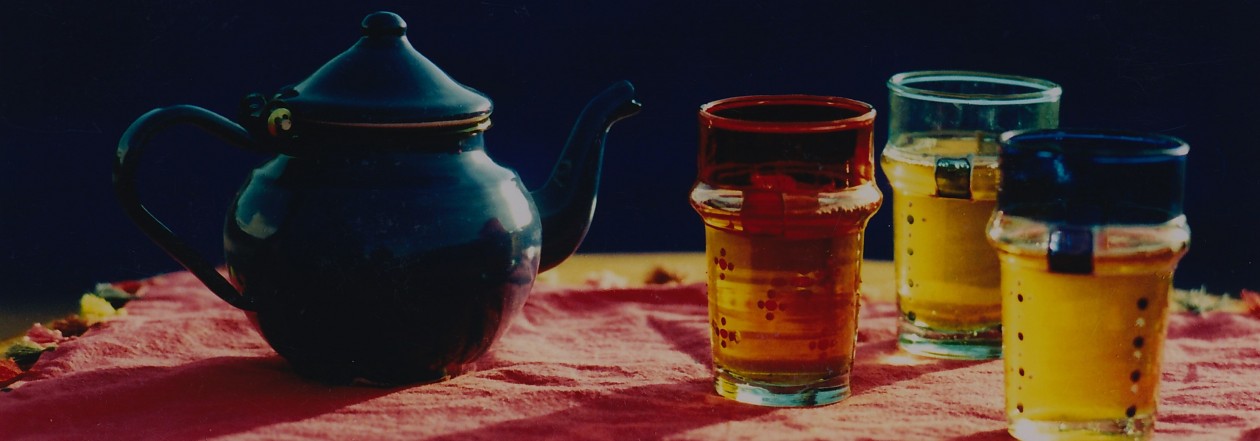
Our family had the great blessing of living in North Africa for our children’s growing-up years. With the living, came the friends, food, and memories of those wonderful places. The British are well known for their afternoon tea, and rightly so. Less may be known about a Moroccan tea, but that’s the one I know best.Blog - Foodie Videos - #13

I have learned hospitality from some of the best women in the world, in the US, and across North Africa. The Egyptian table, although very different from that of my childhood, felt very Southern to me. Blog - Foodie Videos - #16

Blog - Foodie Videos - #15

Now, that your tastebuds are all geared up and your mouth is watering, if you love food of all kinds, here is the hilarious deliciousness of cross-cultural dining.

This morning, a South African friend posted a Buzzfeed video skit portraying Americans trying South African snacks. I laughed out loud. Then, as happens with the internet, other videos followed. It was so much fun finding the videos below.

Enjoy…and I would love to hear some of your favorite cross-cultural food experiences through the comments section below. Here, in Richmond, Virginia, we don’t have a Chinatown or Arab Quarter or anything like that. However, we do have wonderful little restaurants that serve up authentic Moroccan, Armenian, Ethiopian, Bosnian, Pakistani, Japanese, Thai, Indian, Cuban, Greek and Korean food. What else, fellow Richmonders?

YouTube Video – Americans Try Southern Food for the First Time

The Way Folks Were Meant to Eat – by Ray Blount, Jr , from book Long Time Leaving: Dispatches from Up South Essay & AudioFile – Do NOT Miss This. So much fun, whether you’re from the South or not.

YouTube Video – Irish People Try Irish Stereotypical Food

YouTube Video – Chinese People Try Panda Express for the First Time

YouTube Video – Americans Try Persian Food with Their Driver

The Most Famous and Greatest Food Quotes of All Time – not sure this is necessarily so, but fun list nonetheless. My own children have made pretty hilarious comments on food over the years. Put people around a table, and you get a lot of good from it.

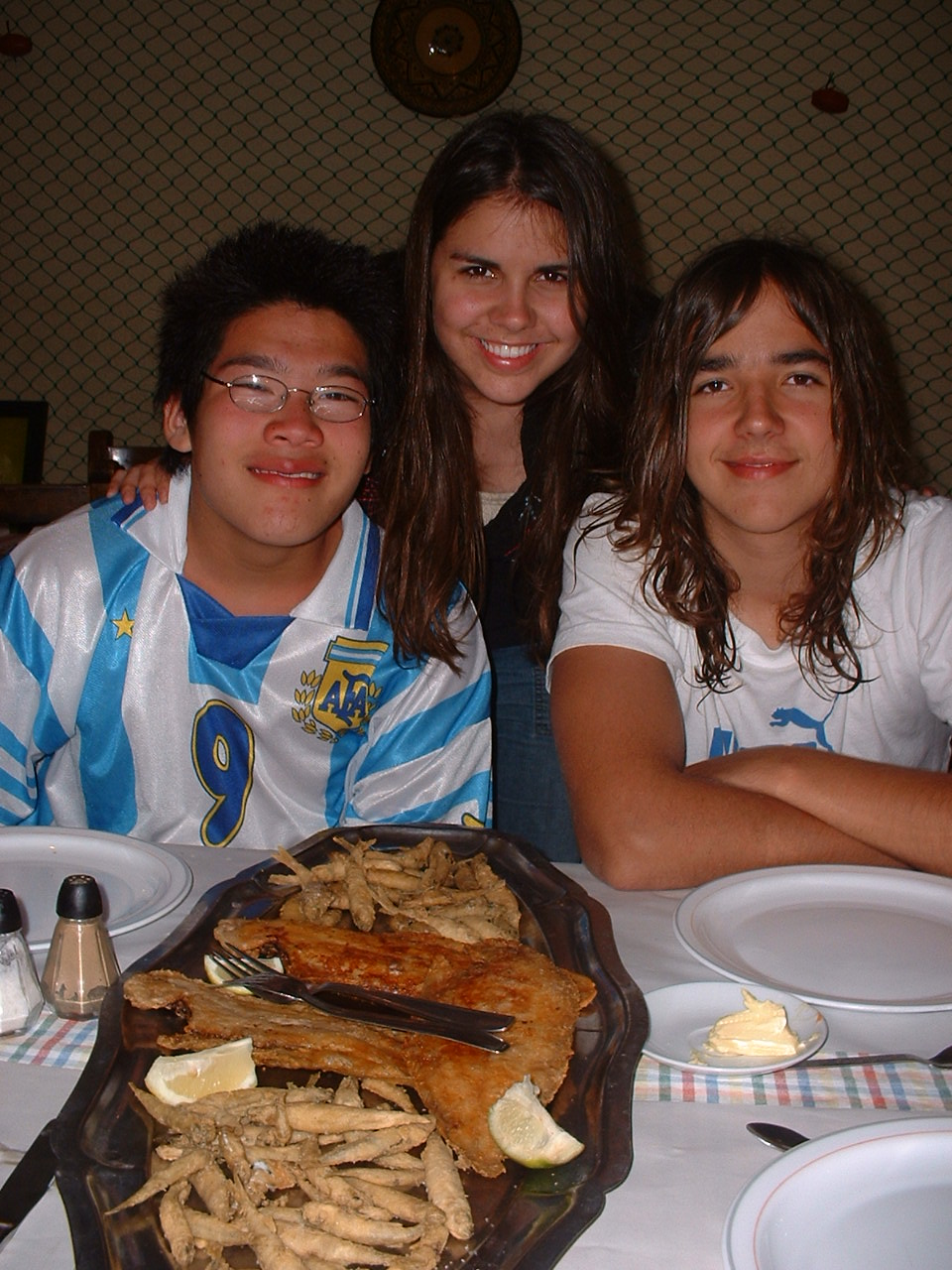
Blog - FoodieOualidia, Morocco – Restaurant L’OstreaBlog - Foodie #2Our first sea urchins – let the adventures roll on!