Category Archives: Family

Ramadan – Much More Than Fasting – A Quick Study for the Sake of Your Friends & Coworkers

2008270mnj287“Ramadan Kareem!” “Ramadan Mabrouk!” “Ramadan Mabarak!” may be familiar words to you…or not so much. Around the world, among Muslims, these are greetings of blessing for their holy month of Ramadan. In this month, all Islamic peoples are united in the observance of their religion, more than any other time of the year.

Ramadan is the 9th month of the Islamic calendar and is considered holy because Muhammad, Islam’s most revered prophet, reported receiving the Qu’ran during this month. At the sighting of the new moon at the beginning of Ramadan, Muslims begin a month-long exercise of six tenets of their faith, consistent, to a large extent, among all of the world’s practicing Muslims.

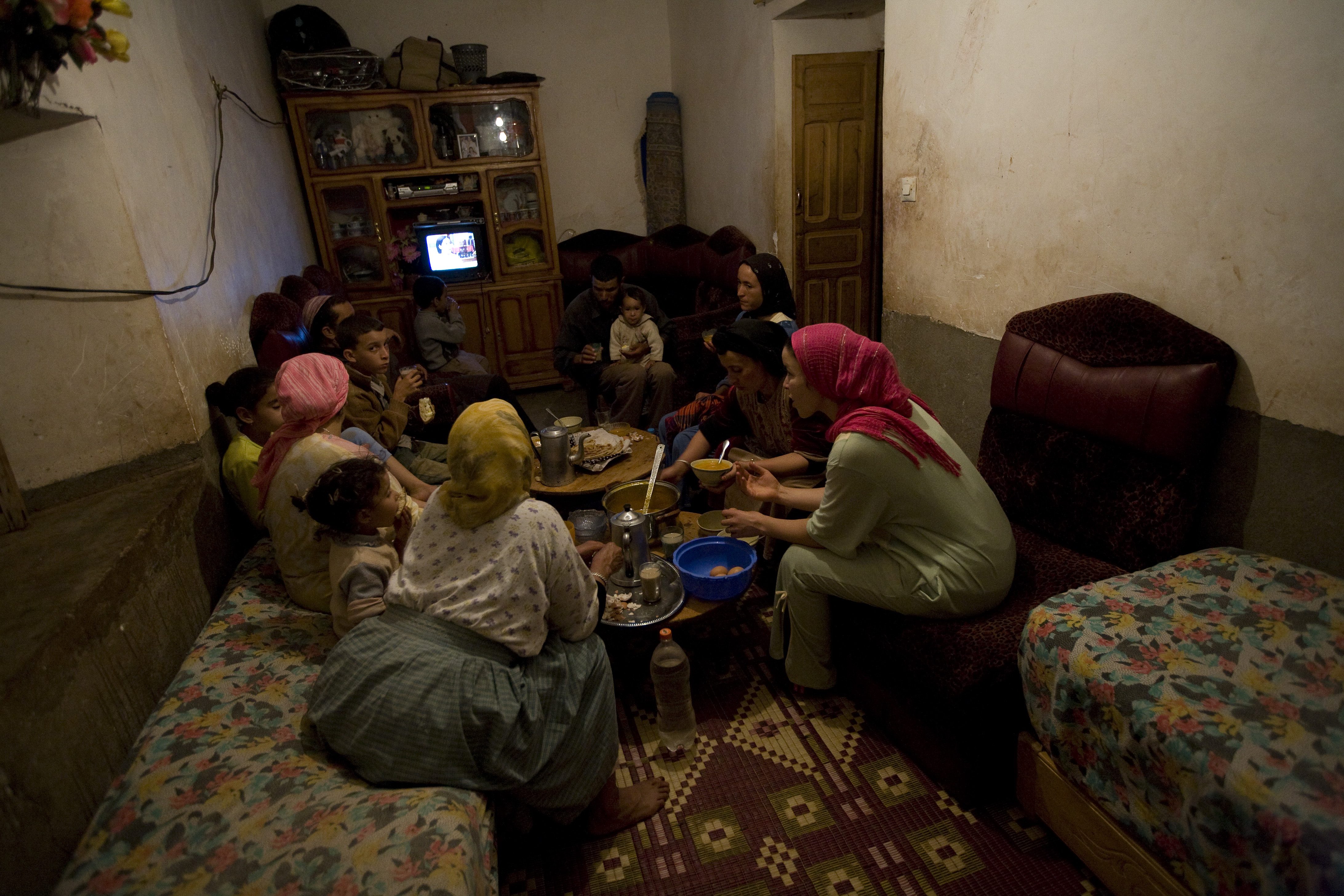
Fasting [Sawm (Arabic: صوم‎)]  From sunrise to sunset, during Ramadan, devout Muslims fast. In some countries, in fact, it’s illegal for a Muslim to be seen eating or drinking during these hours. There are exceptions (young children, the sick, elderly, and others in a few defined temporary situations). However, the fast is intended to be complete during the day (no food, drink, smoking, sexual intercourse, or profane speech). At sunset, the fast is broken with a meal together as family and eating can continue into the night until just before sunrise the next day. Because of this “flipped day”, Muslims, when possible, sleep during the day or spend time in recreation, exercise, or visiting. The women must still cook for that “break-fast” meal. School and work hours are shortened during Ramadan because of the fast.

Tip for you: Be sensitive to your fasting friend or coworker. If possible refrain from eating, drinking, smoking in front of him/her. Invite them to break their fast with your family (it means a meal later than usual, if Ramadan is in the long summer months). Don’t miss an opportunity to join them if you’re invited to a meal in their home.

Charity [Sadaqah or Saddka (Arabic: صدقة‎, plural ṣadaqāt صدقات)] and/or Alms-giving [Zakāt (Arabic: زكاة‎ )] Part of the reason for fasting is to experience the life of one poorer than you. The idea is to eat less and use the money saved to give to the poor during Ramadan. Islam has two types of charity – one is voluntary charity to the poor that is seen often during Ramadan; the other is the mandatory alms-giving, required by faithful adherents to Islam. Ramadan is sometimes the month when Muslims give their alms through their mosque(s).

2008270mnj285

Tip for you: You and your Muslim friends/colleagues may share a concern for the poor of your city or for an oppressed people group somewhere in the world. This could open a door for you to act together on behalf of those in need.

Prayers [Ṣalāt (Arabic: صلاة‎ ṣalāt; pl. صلوات ṣalawāt)] Prayers are a major tenet of the Muslim faith. During Ramadan, prayers are considered even more powerful to the faithful Muslim. Entry into Paradise can hopefully be won through the careful attention to religious practices during Ramadan. During the last 10 days of Ramadan, a special Night of Power [Laylat al-Qadr (Arabic: لیلة القدر‎)], is believed to have even greater weight in the practicing Muslim’s pursuit of favor with God.

Cairo086

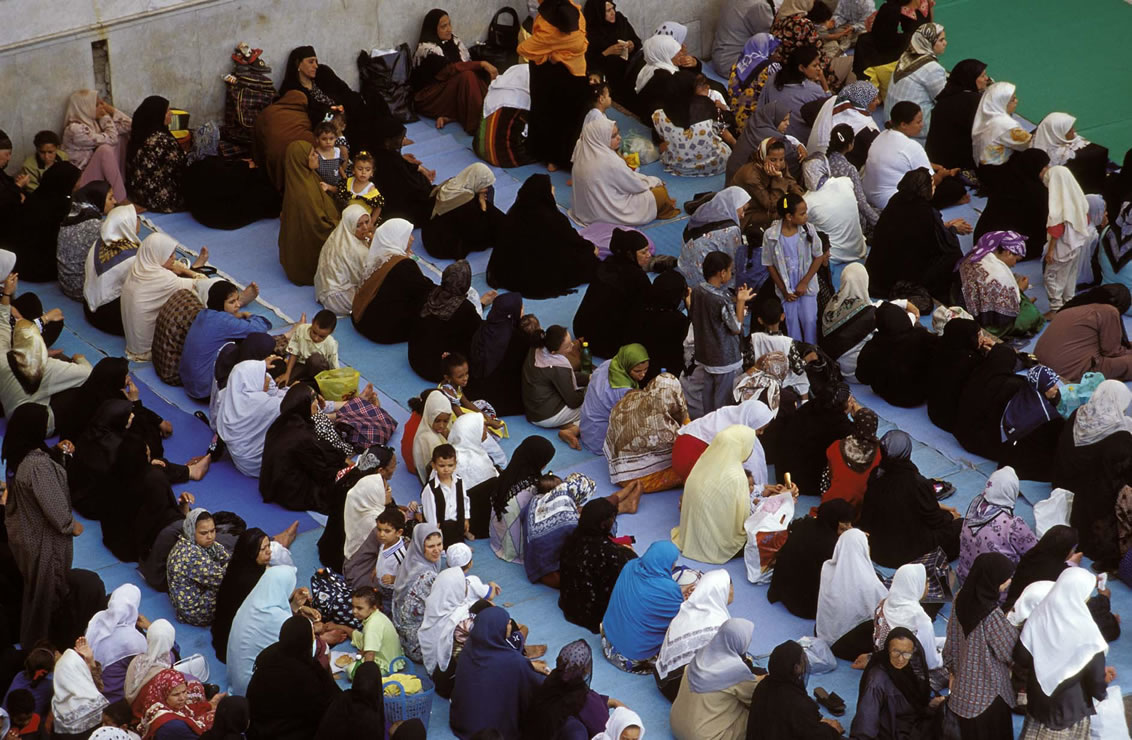
Tip for you: Even if you do not notice your Muslim friend or coworker’s prayers usually, during Ramadan, you may see them praying in their homes or at their desks. The mosques in your neighborhood will be much more noticeably busy during Ramadan. Besides the usual Friday service, and the 5 regular prayer-times during the day, there are often special opportunities for Muslims to gather to pray and read and discuss the Qu’ran. Pray for them as they pray.
Cairo100

God-consciousness or Piety [Taqwa (Arabic: تقوى‎ )] For many devout Muslims, Ramadan may not be so exceptional, except for the fast. Most, however, count on this month for its spiritual focus. Both men and women will have opportunities to learn more about God and the teachings of their prophet Muhammad. The global observance of Ramadan is a galvanizing experience for Muslims, with each other, and with the history of their religion, and, their hope, with God.

Cairo094

Tip for you: Ramadan is an excellent time of the year to increase your own understanding of what your Muslim friends/co-workers believe. Questions about their faith are usually welcomed. Arguments about faith are not. Do your own homework about the faith issues where you may disagree with Islamic teaching. This type of information is prolific on the internet (especially related to differences in thinking between Christians and Muslims). Then you can ask or discuss the faith issues that matter most to your friends/colleagues, because during Ramadan, they have been thinking about them.

Community [Ummah (Arabic: أمة‎)] Breaking the fast together and praying together in the mosque are clear signs of the strong bond between Muslims, especially seen during Ramadan. Christians enjoy this experience through similar celebrations (Christmas and Easter, to name two) and through their faith in Christ, bringing them into the larger Family or Kingdom of God. This Muslim observance of Ramadan, in its 30-day concentration of focus and universal religious practice, is unique to this religion.

Tip for you: For some, the community of the Islamic world, in their religious practices and political views, can be a little uncomfortable. A good reminder to self is that Islam is a religion, and Muslims are people. Whatever you agree with or disagree with, regarding the religion, needs to be separate from how you engage with the persons who identify with a certain religion. All of us need community and affiliation. So don’t be put off by the Islamic practices you see in Ramadan. Remember, the people who are fasting, praying, and trying to understand God may share very similar concerns and struggles. AND if your Muslim friend/colleague is observing Ramadan away from his family/religious community, he or she is especially isolated and could really use your friendship during this time.

Ramadan’s Festival Day(s) [Eid ul-Fitr (Arabic: عيد الفطر‎)] – at the end of this month’s fasting and praying – in a future blog.

Muslim Website on Getting the Most Benefit Out of Ramadan

Breaking Fast with Family – English Subtitles – Coca-Cola Commercial – Strong Message of Perceived Power of Month of Ramadan in Changes of Heart

Short Public Service Announcement on Breaking the Fast & Family Time Together After

Breaking the Fast – Ramadan Subway Commercial – You Don’t Have to Know the Language to Appreciate the Message

California Muslim Teens Explaining Ramadan

A Morality Tale (Ramadan Pepsi/Lays Potato Chip Commercial) on the pull of society on Muslim Youth & How Ramadan Holds Family Together

What Growing Up in a Muslim Country Taught Us About Ramadan – Another Author’s View

Glossary of Islamic (Arabic) Terms for the Month of Ramadan

Arabic Words & English Transliteration
 

Living in the Moment – It is All We Have

CCF04102010_00014

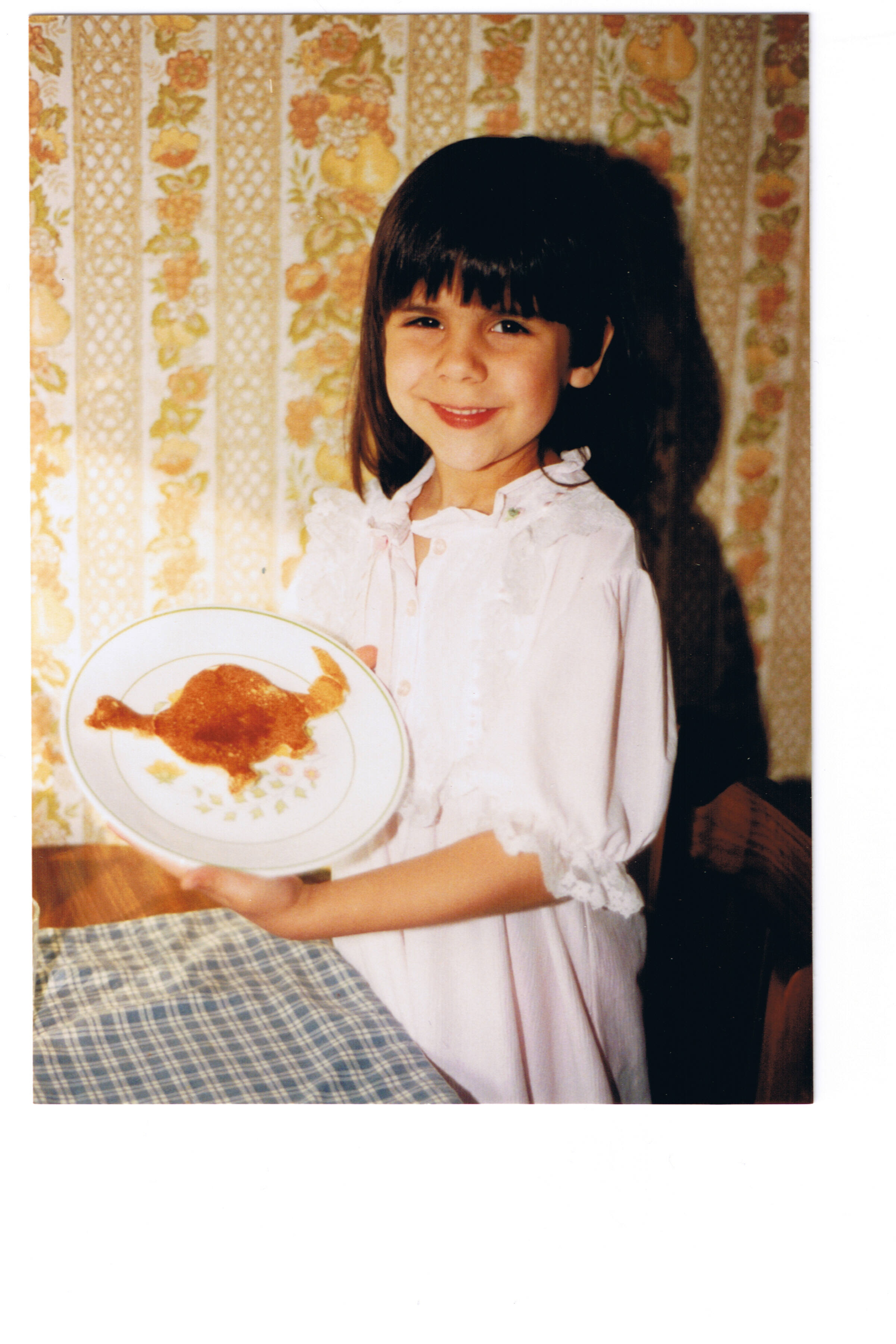
I want to learn more to live in the moment.  Little guys seem to know how to do that intuitively, like they have no sense of what’s down the road.  Just the joy of the “right now” – a dinosaur pancake on a Saturday morning is splendid enough.

I’ll never forget the time that I walked up on our first-born Christie, when she was not even 2, and happily coloring on the hallway wall.  As soon as I appeared, her reverie stopped abruptly, causing her to even startle and catch herself, with the guilty crayon held still in mid-air.

She knew she was in trouble.  Her eyes went wide and her little mouth froze open.  Of course, I didn’t discipline her, but I didn’t take a picture of her crayon drawing either.  We grownups too often are  bound to the future, and the proper raising of children, rather than focusing in on what we have right in front of us.  A beautiful little girl who had lost herself in a white wall with a crayon in her hand.

That little girl is all grown up now, a teacher of little ones herself.2014 June Christie's 3rd grade class 024When I hear her talk about her childhood, there’s so much lovely detail.  She has a great memory, and I thoroughly enjoy her recaps of times gone by. I have lost too many of these details that are so vivid to her, and I’m thinking there are at least two reasons why.  One reason, of course, is that the memories are hers.  Those things happened to her.  I was a bystander, usually an interested one, but too often, a distracted one. Then there’s a second reason – life itself bombards us with so much to notice.  It’s like the experience of a baseball fan whose attention is drawn from the game by what’s happening on the big screen, or by the antics of some crazy person down the row from you, or by a hawker with just the snack you were watching for. There’s so much going on, you miss huge chunks of the baseball game…if you’re like me.

Life happens at many levels all the time.  We choose where we focus our minds…our attention.

As a parent with small children, attending to their needs was an in-and-out mental work.  I could hone in when I needed to be fully there to meet their needs.  Learning to quickly discern if they were wet, hungry, tired, hurt, mad.  And I would, at times, just be fully involved from the sheer joy of having them in my life.  Their babytalk, their discoveries, their accomplishments, their wonder at the world around them, their work and play, their sleeping times.n7607486_31797847_6155[1] Then there were other moments, however, when they were content with their cereal, or toys, or Daddy, and I would focus out – to a radio program, a phone call, or an idea or problem I was working on silently in my head.

This being my reality, there are details I don’t remember, or don’t remember well, because, in a way, I really wasn’t there.  Not that there is a moral issue necessarily at work here. It’s a reality of having the capacity of both attending to the needs before us, and thinking of other needs, or desires, not yet before us.  It’s one of the dichotomies that come to mind when I hear women who want to be stay-at-home moms because they don’t want to miss their children.  We can still miss our children, even when they’re hanging on our hips, or taking ballet right in front of us, or reading their first books to us, or playing those soccer games.  We can be talking to other moms, thinking about what’s on the schedule tomorrow, or sorting out how to deal with a conflicted relationship.  We can mentally be very absent from our children.

I don’t want to miss the people right in front of me anymore.  I want to learn to be in the moment…the moments ahead will take care of themselves.

A Bit of Instructions on How to Live a Good Life – Pay Attention. Be Astonished. Tell About It.

One Thing Well (the multi-tasking trap)

How to Miss a Childhood

How to Miss a Moment

P.S. My children were little, a couple of decades ago, before the internet or cell phones were our constant companions. Our lives were quiet compared to today’s assault on the senses. This is the culture in which they will raise their children. I write this for them…not to encourage them to focus on their children in an unhealthy, child-centered way, but to be all there with them. And when they must attend to other responsibilities or relationships, to teach their children that others matter, too. We can, joyfully, live in the moment – focused, intentional, generous, and aware.


The Father I Never Knew – On Father’s Day

I was five years old when my parents divorced. By the time I was six, my father was completely out of my life. Their divorce came after more than twelve years of marriage and four children. I won’t go into the reasons of why their marriage unraveled. Neither my mom or my dad are here to tell their side. In the mid-50’s when people divorced, there was no court-mandated child support.  In our situation, Mom worked, and until she married again years later, we lived on what she was able to provide.

This is a picture of my father – Guy Anderson Stephens. Guy Stephens

It’s the only one I have. In those years, pictures were taken regularly, even in poorer families. So why there are no pictures of my father, I cannot say. My Mom said he was a handsome man, charming. He grew up, one of three siblings, on a sizable farm and his family was well-respected in the community.

2009 April May Trip to Georgia 097

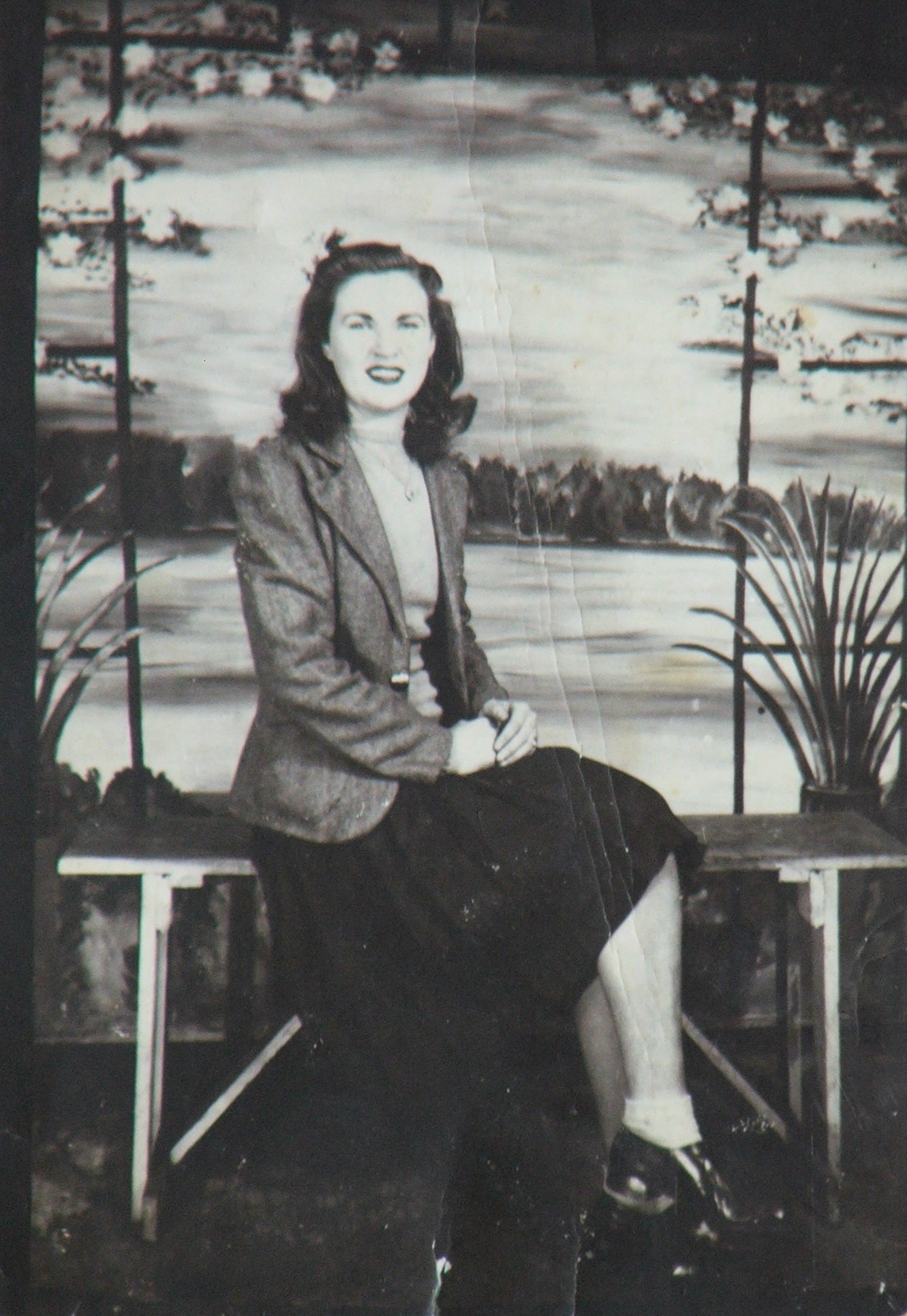
My mother, Mildred Jane Byrd, was beautiful and smart. She was the middle child of five. The only girl. Hers was a hard childhood with the Great Depression just one of the factors making her family poor. She had great dignity in the midst of her circumstances and continued so all her life. I love my mama and feel very grateful to be her daughter and friend. When she and my Dad married, she felt confident her hardest days were over. It was not to be so.2009 April May Trip to Georgia 089

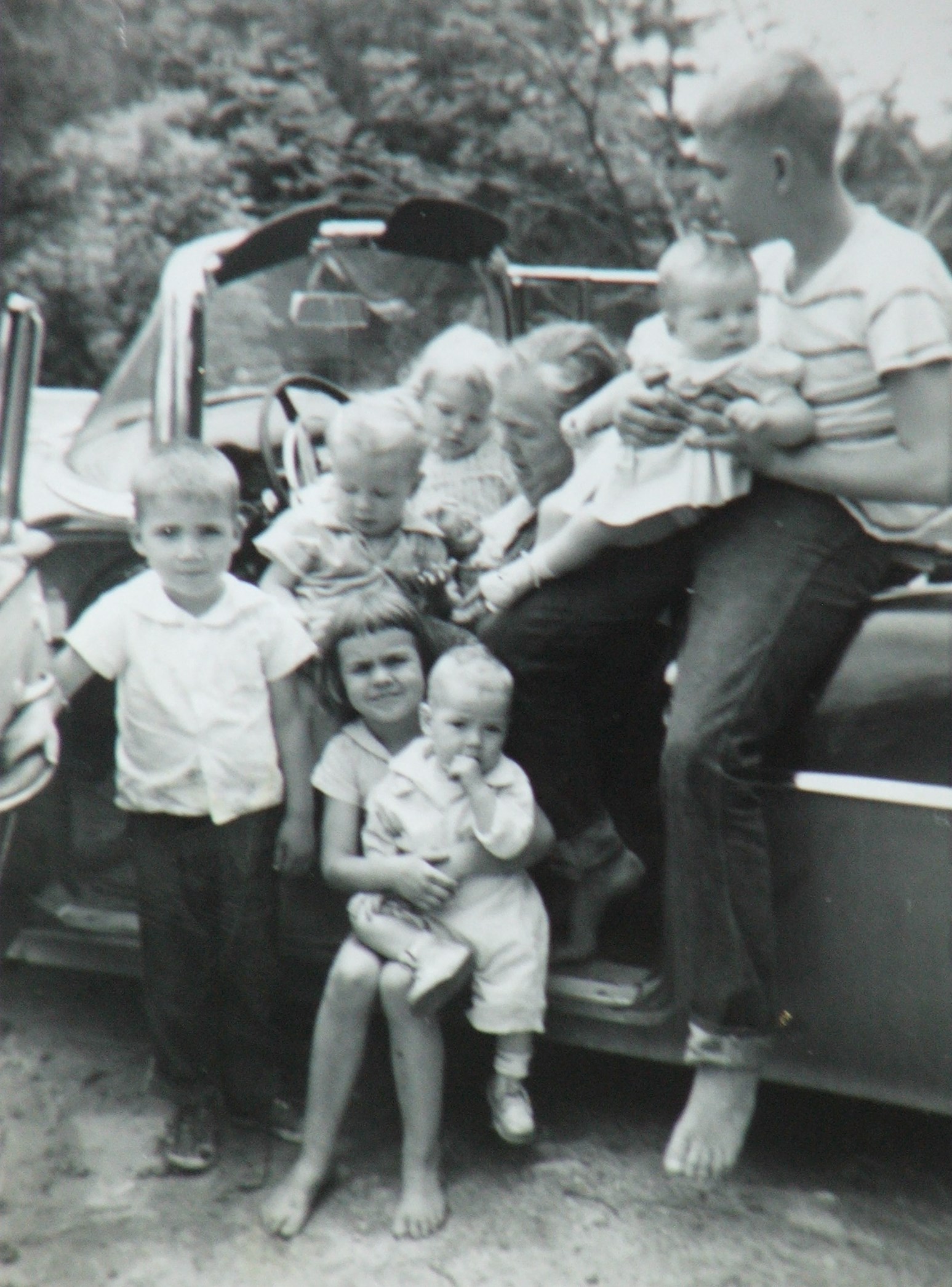
When my parents divorced, we became a family of 5. My Mom, my older brother, Robert, me, and my two younger brothers, Dwane and Wade. Wade (not in picture above) was just a baby when we drove away from the house that last day. This picture was taken later, not on that bewildering last day.

2009 April May Trip to Georgia 102

The picture above shows us with our grandmother and cousins in our uncle’s convertible. It’s possible he was as poor as we were, except for the car. I’m holding my youngest brother. Our older brother must have felt great responsibility toward us, with Mom working long hours. I think, too, he felt the loss of our father the most acutely.

For reasons we will never know, our father didn’t stay long in our lives. Some months after the divorce, he took us to a county fair. He bought a bear for me at one of the concessions because he wasn’t able to win it. Then there was the Christmas following – that one glorious, magical holiday when he brought presents and it seemed he would always be close. And then he never came back.

He attended our older brother’s high school graduation years later, but I didn’t see him. And that was that.

Once I learned how to write, I would send him letters (at his parents’ farm) – telling him the news of his children.  For a couple of decades I wrote, imagining my letters helped him stay connected with us, maybe lessening his loneliness for his children.  He never wrote back.

The last letter was to announce the birth of his first grandchild.

It wasn’t a conscious decision, but after that, I didn’t write any more.

Years later, after many more births of grandbabies he would never know, I talked to him once on the phone. Someone told my mom that he was in a nursing home and not well. I called him, thinking we could visit together…one last time. As we talked briefly, he thought I was my mom. Too many years had separated us. I did not make that visit.

Guy Stephens Memorial Service (3)

The funeral home leaflet said so little.  It was sent in a note to my mother after the funeral. We did not go.  His death seemed to have happened to some other family. He would be grieved by those who knew him. His parents and siblings and others – these were his family…strangely, we were not.

The longing to know my father and the rest of that family passed with the years apart. As far as we knew, he nor his family (original or remaining) ever tried to communicate with us over these more than 50 years. Until recently.

His last surviving sibling died this Spring. Aunt Pauline. And we have been tracked down, so to speak. Two weeks ago, I spoke for the first time in all these years to a cousin. She is the executor of Aunt Pauline’s estate and we are remembered in her will. I will meet her this week. She remembers meeting my Mom nearly 70 years ago,  when my Dad was courting her She commented on how beautiful and tall she was. What a kindness this may turn out to be.

To finally close the gap on all those years of not knowing that family…my other family. It may be that I won’t really learn much about this father, but I am continually learning more about the Father I have in God. He has never left me. This is one of His countless tender mercies.

[From the leaflet from my father’s funeral]:Guy Stephens Memorial Service (2)

In the Digital Age, the Family Photo Album Fades Away