Category Archives: Work Culture

Monday Morning Moment – Make Your Bed Every Morning and Be Ready to Change the World

Blog - Make Your Bed - habit formation (2)

I make the bed every morning. It’s been a habit of mine most of my life. Somehow in the middle of the chaos and clutter of my life, that made bed stands in hopeful defiance.

Admiral William H. McRaven a highly decorated Navy Seal, retired in 2014 from a 37-year military career. He oversaw Operation Neptune Spear – the military operation that culminated in the death of Osama bin Laden. In the year of his retirement, he was commencement speaker at the graduation ceremony of University of Texas – Austin. Blog - Change the World - Make Your Bed - pinterestPhoto Credit: Pinterest

As he encouraged the young graduates, he told of 10 lessons in his SEAL basic training. Beginning with “Make Your Bed”, they follow in brief (you can watch the video of his speech or read more detailed highlights here).

10 Life Lessons to Change Your World

1. If you want to change the world, start off by making your bed.

2. If you want to change the world, find someone to help you paddle.

3. If you want to change the world, measure a person by the size of their heart, not the size of their flippers.

4. If you want to change the world get over being a sugar cookie and keep moving forward.

5. If you want to change the world, don’t be afraid of the circuses.

6. If you want to change the world sometimes you have to slide down the obstacle head first.

7. If you want to change the world, don’t back down from the sharks.

8. If you want to change the world, you must be your very best in the darkest moment.

9. If you want to change the world, start singing when you’re up to your neck in mud.

10. If you want to change the world don’t ever, ever ring the bell.

Steve Nguyen, Workplace Psychology

Adm. McRaven closed the commencement speech with the following challenge:

“Start each day with a task completed. Find someone to help you through life. Respect everyone. Know that life is not fair and that you will fail often . . . but if you take some risks, step up when the times are the toughest, face down the bullies, lift up the downtrodden and never, ever give up….if you do these things, the next generation, and the generations that follow will live in a world far better than the one we have today, and what started here will indeed have changed the world for the better.”Navy Adm. William McRaven

Commencement speeches are meant to be inspiring, and this definitely hit the mark. What actually stayed with me the most was the formation of habits as key to changing the world – making your bed, building community, enduring with hope, never quitting.

Maybe making your bed isn’t the one small task completed that makes for the foundation of the many larger tasks of your day. Whatever your particular routines or habits, they are worth considering for the weight of importance they might have in your life…with the possibility, even, of changing a world.

What habit or routine gets you started well each day? How do Adm. McRaven’s 10 Lessons of Basic SEAL training resonate? Maybe “changing the world” is too big a goal for a Monday morning, but whatever the goal, where do we begin to take aim?

How to be a Success at Everything – How I Became a Morning Person, Read More Books, and Learned a Language in a Year by Belle Beth Cooper

Make Your Bed Each Morning to Kickstart Better Habits by Eric Ravenscraft

Why Making Your Bed Every Morning Matters, According to a Navy Seal by Dave Greenbaum

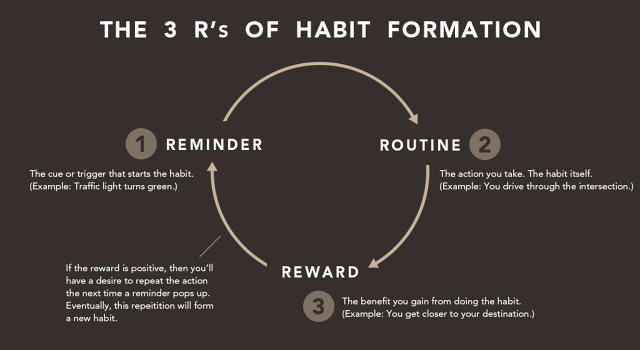
BLog - 3 R's of habit Formation - fastcompanyPhoto Credit: Fast Company

Monday Morning Moment – Belonging and Going Deep and the Blind Presumptions that It’s Actually Happening When It Isn’t

Blog - Belonging 2 - forbesPhoto Credit: Forbes

“The culture you create or the culture you destroy will determine the success of your business.”Mark C. Crowley

As much as we might like, we can’t equate smiling and greeting folks we pass in the hallway with real community. Worse, just making a beeline to the elevator, conference room, or office  with a studied, problem-solving look on your face does not instill confidence or credibility to those colleagues in the wake of your path to organizational excellence.

Sorry.

I’m not sure how well any of us do at creating a community of going deep or giving those around us a sense of belonging. What could help is periodically wrestling with our presumptions about work culture and employee engagement (I write about this often in this blog’s Monday Morning Moment. if you’re interested, just search here). Then make the changes that would grow such a work culture.

Going deep with employees and helping them have a strong sense of belonging are too rarely on the agenda of executive leadership. I don’t understand how that is, really, given all that’s written about it in the leadership press and all we learn from the companies experiencing growth/success. It seems a wee bit short-sighted.

Here’s the heart of it: Employees know whether they are valued and whether their organization is invested in them. Occasional fun days and gift cards to Starbucks offer a bump in the workplace routine, but the outcome will have little impact on overall employee satisfaction, performance, customer service or product excellence.

A culture where executive management, department heads, and team leaders go deep with their employees is possible, once the blinders are removed . What does that mean? It means dealing first with our presumptions and marshalling our efforts away from crazy and toward a culture of transparency and inclusiveness. It may entail perks and benefits, but more than that, such a culture thrives when personnel are proud to belong to such an organization, and their leaders know their people and strive to develop and honor them.Blog - Belonging 3 - flickr Christian BourdeauPhoto Credit: Fast Company

If, as a leader or manager, you have known success in mentoring a few, a small tribe of cohorts, then you can enlarge that to an organization-wide campaign that resets values and encourages and equips employees at all levels.

It’s worth the short-term cost to you for the long-term benefit of the organization and the individuals that make up your work community.

Bottom-line:

Andrea Huspeni writes: “How leaders choose to implement culture is everything. Some may think having the occasional happy hour, yoga session or trivia night will cut it, and while these perks help, culture runs much deeper than that. It needs to ignite inspiration, motivate teams to outperform the competition and allow employers to grow and produce results for the business. A successful high-performance culture has much more to do with the not-so-exciting tactics like transparency, support and communication than with a Ping-Pong tournament.” – Entrepreneur

Blog - Belonging - slidesharePhoto Credit: Slideshare

Please don’t miss the links below. Also, writing this, I thought of how these concepts apply to organizations other than businesses – including churches and other non-profits. What a difference you can make if you leave off judging the health of an organization by assessing how those closest to you are doing…and take on the whole health of your organization. There’s a lot at stake and it’s worth the effort of checking out your presumptions…learned this the hard way.

6 Surprising Insights of Successful Employee Engagement by Mark C. Crowley

Create Pockets of Excellence at Your Workplace by Shawn Murphy

Clarity and belonging – More Ways for Developing Pockets of Excellence by Shawn Murphy

7 Practices of Leaders Who Build Healthy Workplace Cultures by Brian Dodd

By the Numbers – Here’s What It Takes to Be a Top Company Culture (Infographic) by Greg Besner

8 Companies Reveal Their Secret Sauce to a High-Performance Culture (Video) by Andrea Huspeni

5 Ways Leaders Must Build a Family Environment to Achieve Excellence by Glenn Llopis

Can’t-Miss Advice: 8 Business Leaders Share How to Cultivate a Successful High-Performance Company Culture by Kim Lachance Shandrow

15 Powerful Team-Building Quotes – SlideShare

5 Friday Faves – Parental Pressures, Global Leadership Summit Highlights, Tim Ferriss, NCAA Championship Highlights, & American Idol Finale

Blog - Friday Faves

Friday, again. Hope you had a wonderful week or, at least, now maybe you can recover from it. These are my 5 favorite finds this week – very different from each other. Enjoy the rest of your day and sweet weekend.

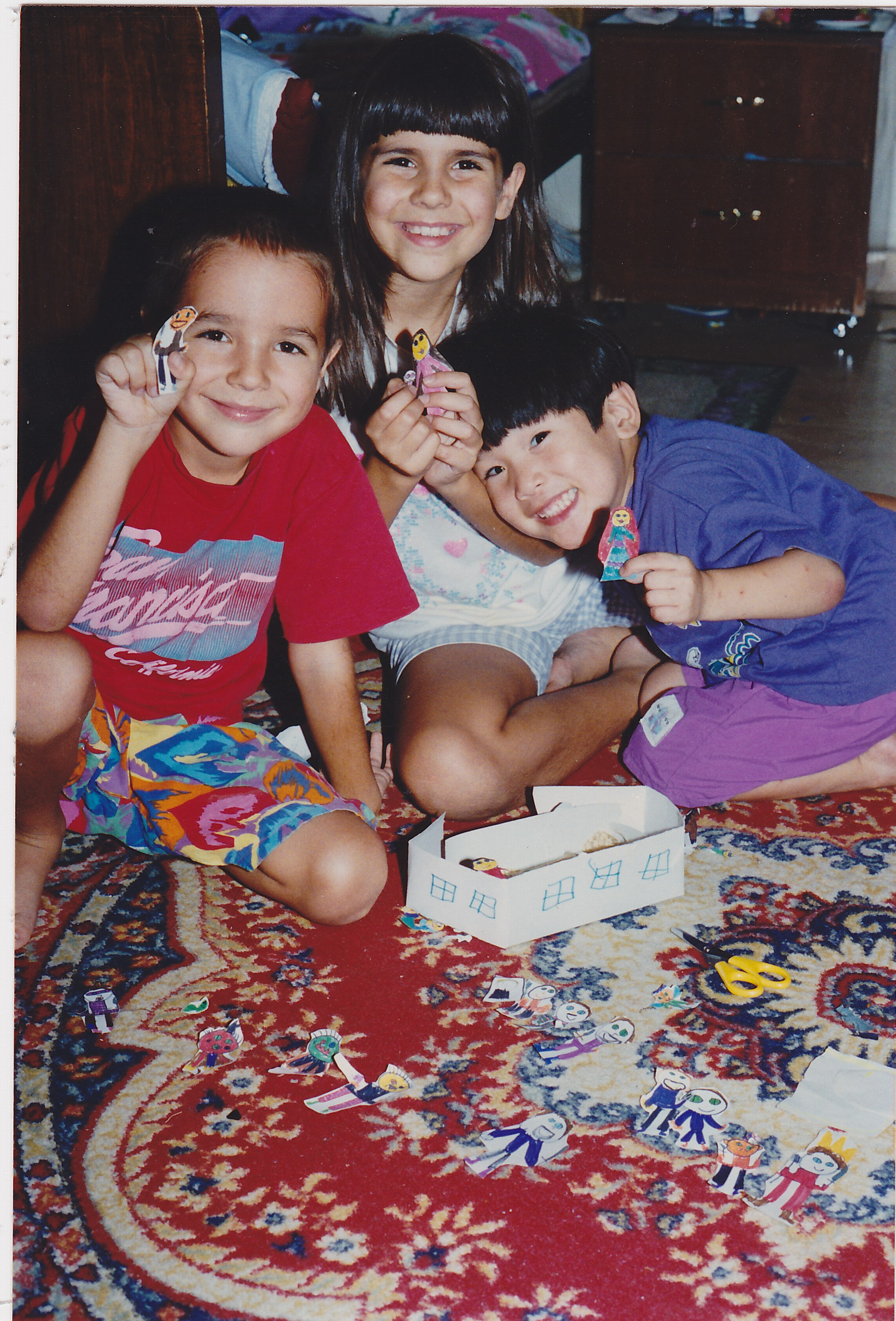
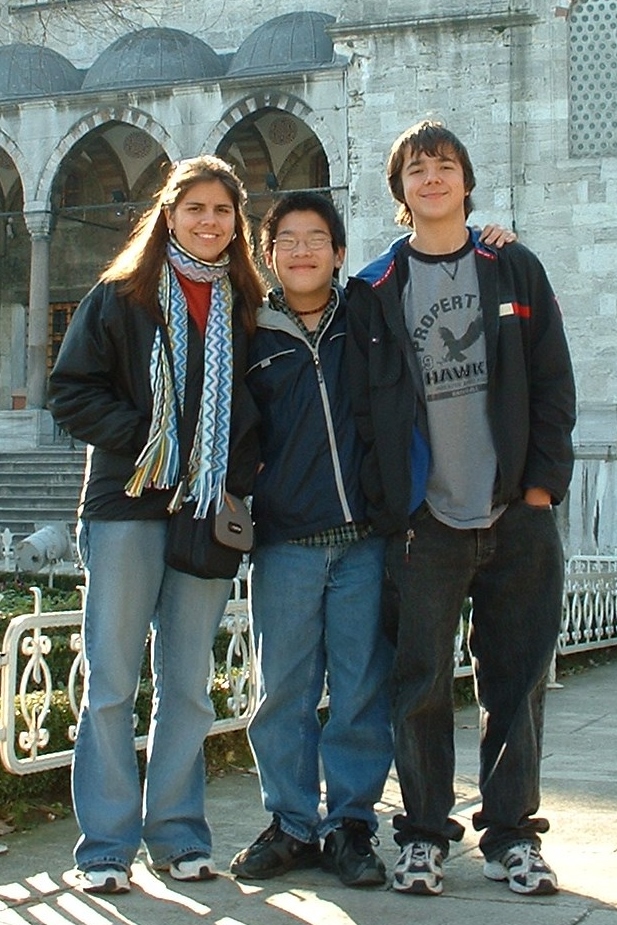
1) Parental Pressures –  Bunmi Laditan is the author of The Honest Toddler: A Child’s Guide to Parenting. In a piece for Huffington Post, she declares “I’m done making my kids’ childhood magical.” I loved it because the pressure parents feel today to make their children’s lives magical is so unnecessary. The pressures from Pinterest and other social media seep into our family cultures and place undue expectations on us to escalate birthday parties, vacations, after-school activities to “better and better, more and more”.  To what end? Fortunately for me as a mom, our oldest was extraordinarly creative and led in our children all playing well together as children. They performed plays with little figures which they drew and cut out. When it was too hot for outside play, living in Cairo, Egypt, they roller-skated in apartment hallways . OK, so we did get to live in extraordinary places. They have gotten to experience 5 of the 11 Epcot Center countries without going to Disney World yet. So they have had an advantage in that. Magical, however, was never a goal of ours for their childhood. Like Laditan says, “Childhood is inherently magical” already.  So I say hats-off to you parents who give your children occasions for great whimsy and delight, and hats-off to you who can also keep it simple. Hands in the dirt. Fishing with grandpa. Learning a second language. P.S. Laditan’s article How to Put a Toddler to Bed in 100 Easy Steps is hysterical (even for that weary parent).Blog - Parenting in EgyptBlog - Christie, Nathan, & Daniel in Turkey

2) Global Leadership Summit Highlight – Best money we have spent for a conference in recent years. Bill Hybels brings together great leaders to speak on a wide range of topics suited for any of us in positions of authority/influence – on business, community, service, relationships, and the world. You can register right here for the 2016 summit. We attended at a satellite location less than 30 minutes from home.Blog - Global Leadership Summit - 2016Photo Credit: Willowcreek

Brian Dodd’s 150 Leadership Quotes from Bill Hybels from the Global Leadership Summit (2013-2015 Leadership Summits)

Also: Slideshare by Maruay Songtanin entitled The 100 Greatest Leadership Principles of All Time

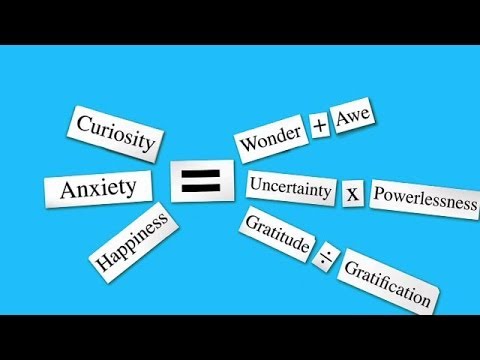
3) Tim Ferriss on becoming an effective CEO – Well, Tim Ferriss didn’t write this one, although he teaches us tons of fascinating stuff through his Four Hour Work Week blog. This topic was covered by a guest on his blog – Chip Conley, author of Emotional Equations: Simple Truths for Creating Happiness + Success. Conley entered the hospitality industry in his 20’s and developed a strong ideology of valuing the intangible. He even became known as Chief Emotions Officer. [I can hear the eyes rolling.] Still, for those of you in leadership who are willing to learn something out of your comfort zone, learn from Chip Conley. Not necessarily about Buddhism or Maslow, but about employee engagement, work culture, and customer service.Blog - Child Conley - Emotional equationsPhoto Credit: True North Leadership

Leaders who don’t at least have processes in place to address such matters for their employees and customers have blinders on. Just sayin’. I wrote on another innovative and excellent hotelier, Horst Schulze, on a similar topic – world-class customer service.

TED Talk – Chip Conley on Measuring What Makes Life Worthwhile

http://fourhourworkweek.com/2012/01/19/chip-conley-emotional-equations/

4) NCAA Championship Highlights – This year’s March Madness ended with basketball greatness with the game between Villanova and North Carolina. Both tremendous teams and a battle to the end for the NCAA Championship. Such an incredible game! Villanova pulled out the victory in the last seconds. Blog - NCAA Championship - Basketball - woodtvPhoto Credit: WoodTV

If you didn’t see the game or want to just replay the great moments of the game, here are the highlights:

5) American Idol Finale – American Idol is over and I will miss it. I wasn’t a forever fan, but this farewell season has been fascinating from first to finish. On the final show, there were two hours of past winners, contestants, and judges showcased with lots of Hollywood hoopla. Also, the winner of this, the final season was revealed. This year’s American Idol is La’Porsha…..nope. It is Trent. I was surprised, although he is a completely amazing singer. Maybe it wasn’t so surprising as the culture of American Idol is driven by the voting of social-media savvy young people (I’m thinking) – possibly more girls (again, a guess). Handsome Dalton Rapattoni‘s fans, after his elimination, may have rolled their votes over to handsome Trent Harmon. Or, as the mic picked up one of them saying to the other as they hugged after the announcement: “It was God’s will.” La’Porsha Renae had to be a bit disappointed not to win. She is magnificent, and the only place she is going is up in the music world. She and Trent both got record contracts, so good news!AMERICAN IDOL: Host Ryan Seacrest, Contestant La'Porsha Renae and Trent Harmon during the AMERICAN IDOL Finale airing Thursday, April 7 (8:00-10:06 PM ET Live/PT tape-delayed) on FOX. © 2016 FOX Broadcasting Co. Cr: Ray Mickshaw/FOX

Here’s a sample of La’Porsha’s gift. Don’t miss her, because she is a rising star, destined for wherever God and that voice will take her.

Then there’s Trent…also incredibly gifted and ready for the music industry. Don’t miss his interpretation of Sia‘s Chandelier.

lastly, here, quite poignantly is the announcement of the winner, the last song, and the last goodbye…for now.

Trent Harmon Wins Last American Idol Ever – TV Guide piece by Liam Mathews with Finale Highlights

‘American idol’ Names Harmon its Final Winner – Bill Keveney, USA Today

Monday Morning Moment – How Our Expectations at Work Shape Our Successes

Blog - Expectations - slidesharePhoto Credit: SlideShare

A blog title intrigued me recently – Almost Everyone Who Is Unhappy with Life Is Unhappy for the Same Reasons. It was a re-post of a LinkedIn blog written by Dr. Travis Bradberry (author of Emotional Intelligence 2.0). He writes about the role of expectations (of ourselves and others) and the impact those expectations have on our work life and relationships.

I see this so much in myself and in relationships both at work and in community. On one end of the spectrum, there are the expectations that undermine our successes – we don’t think we have what it takes to realize our dreams or goals. [This can also include our expectations of others, in the same way, especially if our expectations influence those colleagues’ view of reality.] On the other end of the spectrum, we may have expectations that are so unreasonably and unrealistically positive that we don’t do the work of realizing those same dreams or goals. [Again, this works against relationships when we have these expectations of others.]

In his article, Bradberry lists 8 common expectations that impact our work life and work relationships. He lists them and talks about them. Here I have written my own observations related to these expectations.

As you read and reflect, Dr. Bradberry is not saying get rid of expectations, nor am I. Expectations when honest, thoughtful, and kind are great motivators toward success. The adage “Keep your expectations low and you will never be disappointed” doesn’t really get us where we want to go.

After you consider the following expectations and thoughts, I would love to hear some of yours (in the comments below).

  1. Life should be fair. I have never understood the lament “That’s not fair!” It really reveals the heart of “That’s not fair for me!” How do we even make life fair? Our children, growing up, were never rewarded when they cried foul on fairness. We tried to raise them to practice kindness and generosity. That usually led to better than fair. In fact, if we flipped fairness on its head, our western work situations and family lifestyles would be quite altered, if what was usual for other parts of the world became our usual. That would be fair, right?
  2.  Opportunities will fall into my lap. There are times that opportunities “fall” into our laps. I call it “a God thing”. Whatever you might call that, it is rare and wonderful. In the day-to-day, we are to go after opportunities. Sometimes our very expectations of entitlement or pessimism keep us from even seeing opportunities right in front of us). Continue working hard, build your skill-set, learn from mentors, help your colleagues, practice thinking well of your boss, and seek out challenging assignments – these are fields where opportunities grow.
  3. Everyone should like me. I have tripped over this expectation. We think our own foibles are so much less annoying than those of others. If I consider myself congenial, you should comply, right? [The fairness problem nudges in here, for sure.] Bradberry summarizes this workplace problem well: “When you assume that people are going to like you, you take shortcuts; you start making requests and demands before you’ve laid the groundwork to really understand what the other person is thinking and feeling.” Rather than expecting others to be won by our personality, expertise, and past experience, we should discipline ourselves to practice winning the trust of a colleague, boss or customer… every time, as if it were the first time. This is a game-changer.
  4. People should agree with me. We honestly don’t want to have to work for people to agree with us. In the workplace, whenever possible, our default is to hang with those who do agree with us. This temptation sets us up for failure because we don’t gain from the critique of those who see things differently. Put your vision or project before those in other departments and see with their eyes what you might have missed with your own. Granted, be wise with whose counsel you seek, but do the work of seeking that counsel. Then share credit as appropriate.
  5. People know what I’m trying to say. Emails and text messages are almost communication. In corporate culture, even meetings don’t always cultivate clear communication. Be as clear and succinct as possible. Don’t lose the message in a jumble of clarifiers, justification, or story-telling. I’m not saying story-telling isn’t valuable; it is. The problem with story-telling is it can be contrived to emotionally engage when it actually takes away from the message. Again Bradberry wrote: “Communication isn’t anything if it isn’t clear, and your communication won’t be clear until you take the time to understand the other person’s perspective.”Blog - Communication at work - cbbainsealcareersPhoto Credit: CB Bain Seal Careers

Having lived overseas, we discovered the importance of learning the local “heart language”. In a work situation, the same holds true. How you communicate is colored by the focus of the one you’re addressing – whether it’s about ROI/ROV, employee engagement, product development….or fill in the blank. You can learn to balance between being true to your own style or values and adapting somewhat to the person in front of you (as a chameleon communicator).

6. I’m going to fail. “If you pursue an endeavor, believe with all your being that you’re going to succeed in that endeavor.” – Bradberry    We all fail sometimes; having that perspective is healthy. The problem is when we are so insecure or self-deprecating, our colleagues, boss, or customers lose confidence in us, based on our own assessment of our abilities. Not something you want to ensure by your own hand. [Read the whole of Bradberry’s article to get at the heart of this.]

7. Things will make me happy. If you’re not happy at work today, there’s not one thing beyond yourself that can change that. Not a different boss, not a better team, not more vacation, not a higher salary. This is a work on the inside that has to change your experience of work on the outside. We all know this. We all know…this.

8. I can change him/her. Okay, if you’re married, you already know the futility of this statement (and your spouse can say the same thing, by the way). When we get our focus on that boss we don’t understand or that colleague who makes us nuts, we aren’t able to focus on our work or the relationships that encourage and empower us. So what if you can’t change that coworker or boss? Can you be successful in your work if he/she doesn’t change? Most probably, the answer is yes…whether it feels like it or not. We lose enormous time and emotional energy on colleagues with whom we struggle. If changing jobs isn’t plausible or desirable, then figure out how to compartmentalize the distractions, and get on with your work. You can be a rock star even with difficult work relationships. I don’t want to issue a bunch of platitudes…but it is disturbing how much is lost from our workday in ruminating over (or talking about) stuff we can’t change…when there is still so much we can accomplish. Don’t sideline yourself with brain clutter – negative thoughts that negatively affect your work and relationships.

Blog - expectations - missworkerbeePhoto Credit: MissWorkerBee

Keep those expectations high (for yourself) and hopeful (for others)! Happy Monday!

Unrealistic Expectations That Do You Harm – LinkedIn article by Travis Bradberry

Emotional Intelligence 2.0 by Travis Bradberry and Jean Greaves

Emotional Intelligence 2.0 Quotes from GoodReads

Manage Expectations So They Don’t Manage You – Alli Worthington

The Key to Being More Attractive – Business Insider Video with Tony Robbins [Quote: “Trade your expectations for appreciation.”]

Set High Expectations Because Nobody Rises to Low Expectations – Barry Canada

The Expectation Effect – (in the classroom) – SlideShare

Blog - Emotional Intelligence - amazon

Photo Credit: Amazon

Monday Morning Moment – Creativity in Community – the Skill of the Future

Blog - Creativity - creativeskillsforlifePhoto Credit: Creative Skills for Life

When you hear the word “creatives”, you might immediately think of 20- or 30-somethings. They are classed as young “color-outside-the-lines” right-brain “think-outside-the-box” sorts of folks…who sometimes make the rest of us nuts. You might think of the artists, writers, and musicians out there. However, in truth, creatives include all those people who solves problems, including the ones who set up problems and then solve them. They are the inventors, the entrepreneurs, the designers, the planners who have the capacity to make our lives better…to even make the world better.

Hanneke Siebelink (of LeadershipWatch) just wrote a piece on the top skills of the future. She pointed to a graphic from the World Economic Forum which showed, over the course of 5 years, how creativity will jump from #10 to #3 in a Top 10 Skills List.Blog - Creativity - weforumPhoto Credit: WEForum.org
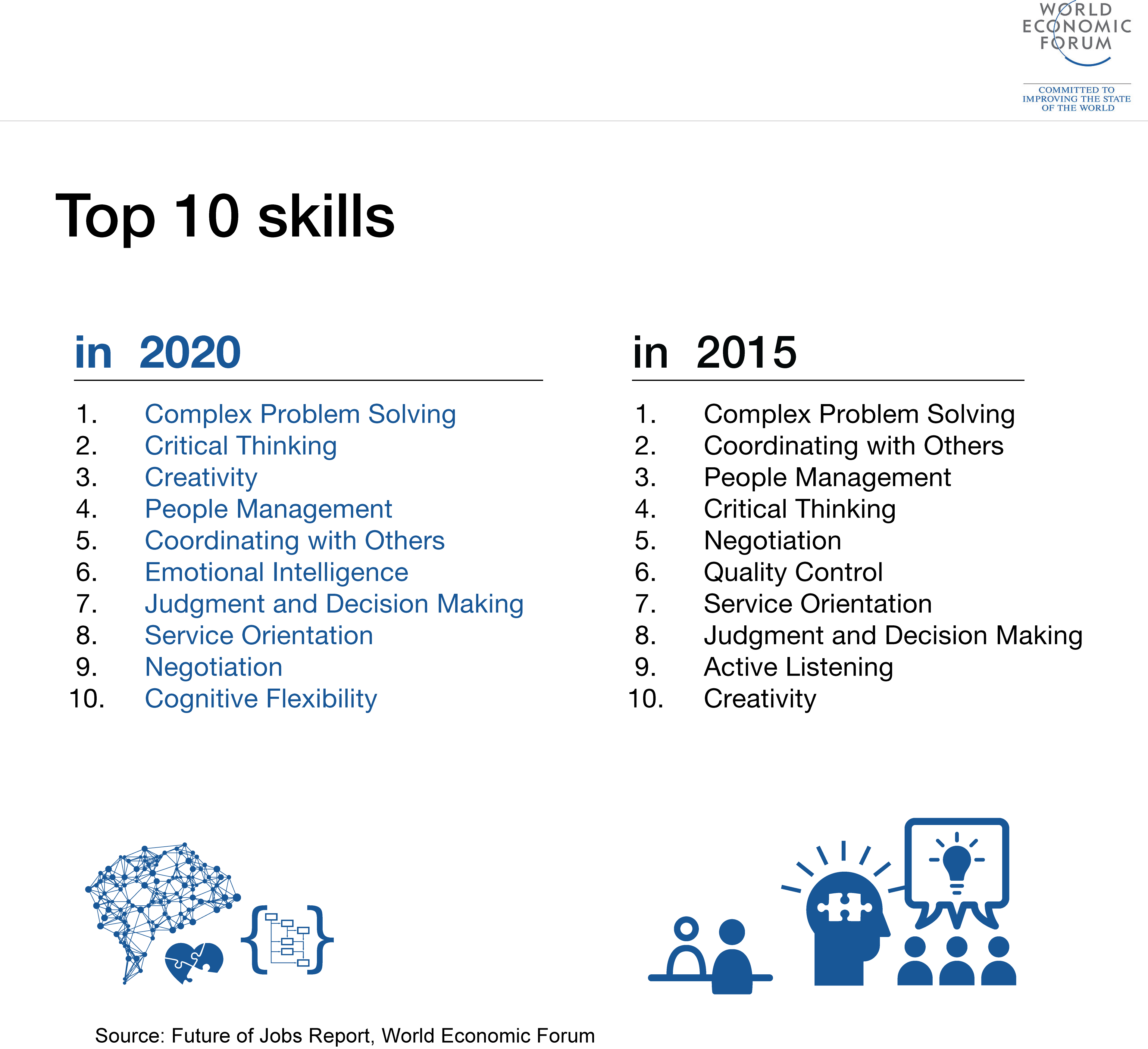
What does that sort of creativity entail? Is creativity alone enough?

Richard Florida wrote extensively on this in his book The Rise of the Creative Class. He defines the Creative Class as “people in science and engineering, architecture and design, education, arts, music and entertainment whose economic function is to create new ideas, new technology, and new creative content.”Business Insider

Writer Jeff Goins also defines “creatives”:

A creative is an artist. Not just a painter or musician or writer. She is someone who sees the world a little differently than others.

A creative is an individual. He is unique, someone who doesn’t quite fit into any box. Some think of creatives as iconoclasts; others see them as rebels. Both are quite apt.

A creative is a thought leader. He influences people not necessarily through personality but through his innate gifts and talents.

As fascinating as Florida’s writing is, I disagree with his premise that creatives are their own class of people, because I believe it’s within any of us to develop our capacity for creativity. Those of us who might be suspect of Florida’s promotion of the Creative Class would do well to read the critiques of his thinking (this and also this are excellent).

When people in our communities or workplaces class themselves as distinctively creative, they tend to operate in a tribal fashion. These tribes may even be quite diverse, but too often, I believe, they operate to satisfy their own needs and desires rather than that of the larger workplace or community. Thus in the workplace, decision-making is made by the few like-minded thinkers, that tribe of influential creatives. And communities? Where such a population of creative, expansive thinkers could enhance the appeal and value of a neighborhood, too often, , and communities can steer in the direction of gentrification, becoming less inclusive, making housing less accessible even for those who were there before.
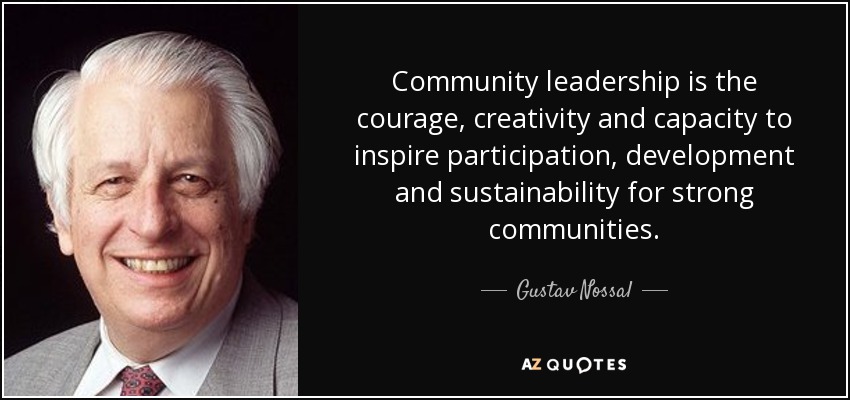
Blog - Creativity & Community Leadership - azquotesPhoto Credit: AZQuotes

My bias in how creatives work best is in community – not just a tribe of creatives, but in a community of folks with other giftings,  other strengths,and other history.

However, all that being said, I do love the increasing view that creatives add value to any enterprise. My husband, for many years, was a research chemist who developed new products and was awarded several patents for his company. Even today, outside the chemical industry, he continues to be creative in thinking through new pathways toward solving problems, getting to goal, and developing personnel.

Even Florida in his revised and updated book recommends a compact dealing with creatives. His first (of 6 principles) is: Invest in Developing the Full Human Potential and Creative Capabilities of Every Single Human Being. It’s somewhat grandiose but it’s a worthy goal. Having this principle in play would promote a workforce where employees are encouraged to always be thinking and engaged in both today’s work and what changes must be made for the future.

Along these same lines, I love Howard Gardner’s Five Minds for the Future:Blog - Creativity - slidesharePhoto Credit: Slideshare

As creatives are sought after more and more in our workplaces (om both private and public sectors), I hope we also encourage them to build strengths in other areas of their thinking (or mindfulness). For those colleagues of ours who might not consider themselves creative, we need to communicate across organizations as to their value as well. This would include our creatives to gain from what other bring to the table.

I would like to think that I’m a creative…in ways, maybe, born out of time. Early on in my career, I had the privilege of working as a team with other colleagues in developing and implementing cancer care in a small town in the Southeast. It was thrilling for me to be part of such an innovative and comprehensive system of care where we could actually plan and dream for the future.

Three of us, in particular, worked as creatives in community. I was a content specialist and idea person. Kay was the nurse manager who brought vision and authority to the task. Kathy was a clinician with steely resolve and the determination to take the ideas to completion. We were a force to be reckoned with…just saying.

We all have different giftings and strengths. My influence was helpful but Kay’s authority settled matters. My ideas were large and lofty (sometimes), and Kathy’s keenness for how to make those ideas work were what brought them into reality.

That’s how creatives work in community. I think of top skills for the future that “in community” piece would be essential for creatives who want to make a lasting difference…not just for their own purposes at work but for the benefit of the larger community.

A hugely successful example of this is the work culture and philosophy of Pixar & Disney Animation which I wrote about here.

Daan Roosegaarde in Siebelink’s article talks about creativity in community: There are two ways to turn an idea into reality. You can play bowling, or you can play ping pong. The old way, at least that is what I think, is bowling. You have that ball in your hand and it’s so big, it is so heavy, it shines so beautifully. Then you throw that bowling ball and pray it will hit target.

I no longer believe this is a good way to create and innovate. I believe in playing ping pong: you take a tiny little ball, not expensive, and there you go: poek poek poek poek … and you create something together. And THAT is nice, this is how I create, this is how I learn.”

Bring on these kinds of creatives any day!

Skills of the Future: The Best Expert Advice on Creativity

The Rise of the Creative Class — Revisited (Revised and Expanded) by Richard Florida

The Creative Compact – Richard Florida – Huffington Post

Creativity – the Unique Soft Skill – Slideshare

6 Ways to Make Your Leadership and Workplace Fun Again

Creativity, Inc. – Overcoming the Unseen Forces that Stand in the Way of True Inspiration by Ed Catmull


untitled

Monday Morning Moment – Them and Us, How Can That Be? Could Them and Us Become a We?

Blog - Work Culture - delta7Photo Credit: Delta 7

Recently, I was in an odd conversation with a friend from work. The more we talked, the more we sounded like a Dr. Seuss book. It went something like this:

“I don’t know how to be us with them. To be with them is to just be them. We must lose us; us no more will be. There’s no us in them; it’s so strange to me. How can they be them, with no us, you see? To give up us is too hard for me. So I can’t see a way to get to we.”

[Seriously, the conversation went like that…but better.]

Battling the us-them assignation is an ongoing workplace discipline. Even in the happiest, coolest companies, there is still an intentionality to keep work life positive for every employee. That inclusiveness is a hallmark for high morale and low walls (read: no silos).

BLog - Us vs Them - Work Culture - Silos - prolearn academy

Photo Credit: Prolearn-Academy

In a work culture where silos still exist, an us/them mentality can grow as each team or department draws in on itself and ignores or suspects the actions/values of others. It’s not a healthy situation for any of us…whether it’s the executive team insulated from others or the [fill in the blank] team hunkered down in its own mode of trying to survive. The first can be as unaware as the subject of the story “The Emperor’s New Clothes“, the second, well, is just miserable, and growing more so by the pay period.

So much has been written on this problem in the workplace – about that culture where us/them thinking and operations color productivity and morale. I have included several links below describing various recommendations and protocols to restore health to such organizations.

Blog - Work Culture 2Photo Credit: My Turnstone

I’ve always been that person who says, “Why can’t we just all get along?” In reality, we don’t have that situation always, but we can grease the tracks in that direction. Here are my own workplace rules regarding moving us and them to we:

  1. Make a practice of assuming the best of your bosses and colleagues. “Refuse to think ill of others” is my goal…and my accuracy in hitting that goal comes with practice and determination…and grace.
  2. Lean in to those with whom you struggle the most – the “thems” in your worklife. Especially the most powerful ones. Study them. Learn their language. Know them as well as you can. NOT for self-serving reasons, but for the benefit of the work itself. Any motive that only serves your personal situation will only make matters worse… ‘Nuff said.
  3. Refuse to get caught up in us/them complaining. Don’t make a big deal about it, but do your best to turn the conversation toward a positive end, change the subject altogether, or bow out if all else fails. Those negative conversations just bring you and your colleagues down and don’t accomplish anything. A short-lived “misery loves company” satisfaction isn’t worth the fall-out of such conversations.
  4. Bring down the silos, one brick at a time, if necessary. Maybe you aren’t experiencing any us/them anguish, but you know it exists. What can you do, individually and as a work team, to move to “we”? We have lots of work models out there for this. In fact, silos in the workplace are “so 80’s” (whatever that means…I hear it a lot, so I’m using it here). Use some of that meeting time, or talks over coffee, to be creative in how you can work better across teams…how you can learn more from each other…how you can defuse territoriality? If the “them” is management, you initiate dialog on setting work culture values that maximizes product excellence and employee engagement.
  5. Put processes in place – through your culture – to keep silos down. I would love to hear what your situation is and how you are making positive steps to grow/keep a healthy culture. Please comment below.

Sure…there are times we need to process a difficult situation at work with a trusted friend. Yes, us/them scenarios are painful…and wrong, honestly…especially in the workplace where we are meant to have shared goals, working toward the same outcomes. Maybe, the us/them relationships in a company are too distracting and we can’t see any solution (back to the Dr. Seuss-like conversation above). In that case, it’s possible we look outside our company for another situation. However, you take with you a piece of the us/them dilemma. You take you along to the next job. Better to develop muscle memory on how to “be we”, whenever possible, right where we are.

[Sidebar: I’ve written a lot about work culture – too many to mention – but you can search work culture under Blog – Deb Mills and learn as I have about what is possible if we stay engaged in our workplace.]

Blog - Work Place Culture - open.bufferPhoto Credit: Buffer

Overcoming Us vs. Them Challenges

Breaking the “Us and Them” Culture

How to Avoid Us vs. Them – Huffington Post

The 10 Buffer Values and How We Act on Them Every Day

The 4 Elements That Make Great Company Culture

How to Save a Broken Work Culture

From Us and Them to We Participative Organizational Culture

Them and us – How to use Trust as a Competitive Advantage

How CEOs Can End an Us Them Mentality

Us vs. Them – a Simple Recipe to Prevent Strong Society from Forming