Tag Archives: Practice

Monday Morning Moment – Complaining Rewires Your Brain – How to Curb (Maybe Not Stop) Complaining

Photo Credit: Stream

What’s the last thing (or person) that caused you to complain? You felt totally justified, right? When we think of the negative aspects of complaining, others come to mind as being “those people”. The complainers, the contrarians, the grumpy people, or the ones you just can never please.

For much of my early life, people who knew me well would describe me as a Pollyanna, someone who looks for the silver lining, the good in people, “the cup half full [or fuller], the possibilities. “If you can’t say something nice, don’t say nothing at all.” The Pollyanna turns into an accidental contrarian.

Monday Morning Moment – Spend a Minute with Pollyanna and the Contrarian – There’s a Place for Each of Us – Deb Mills

Maybe life itself changes us – dealing with hard situations, losses, failures, etc. We harden a little. We analyze, scrutinize, and make ourselves the tweakers of people and things (always looking for those little improvements that, we think, need to be made).

Once we begin to complain, we find others willing to join in. Commiserating is born. It’s not a happy community. Complaining becomes a habit and even a lifestyle, if we’re not careful.

Monday Morning Moment – Grumpy Begets Grumpy – Understanding It, Not Reacting, and Turning It Around – Deb Mills

On Sunday, we listened to Cliff Jordan‘s sermon entitled “Complaining in the Wilderness”, pondering the strangeness of a delivered and protected people’s complaints against God.

Cliff talked about how complaining actually rewires the brain – how we see others, ourselves, our circumstances, and even God. I’m not going to address the science of this, but do an online search and you’ll see how this happens and the negative outcomes of chronic complaining.

The source of complaining, Cliff noted, relates to our memory. Do we focus on the irritants to the detriment of remembering the good in our jobs, the people we work with, the many graces of life, and the kindness of God? Complaining has a stubbornness to it. It wants satisfaction and has very little patience for others. As we practice more positive thinking, we are poised, not to minimize the situation but to maximize the potential outcome…including safeguarding our relationships.

The Destructive Power of Grumbling and Complaining – Michael Brown

Andrew Kirby, a successful Youtuber and entrepreneur, actually posted a super helpful video on how complaining rewires the brain.

Kirby also acknowledged that not all complaining IS negative. When we complain about something, it’s an indicator of a change that might need to be made.

Photo Credit: Andrew Kirby, YouTube

The key is to not stay in the complaining mode but to act in a way that brings positive change. Too much complaining can drive a person to make unwise changes, based on advice given to them by sympathetic hearers of their complaints. Better to be judicious in what change needs to be made and take wise steps toward that change.

The prescription for rewiring our brain away from complaining is straightforward and easy, with practice. In fact, these four reminders could easily sit on a card at our work station to help us stay on the road and out of the ditch:

  • Be grateful. – Keep a journal and write down things/persons for which you’re grateful – morning and evening. Turn your thoughts toward gratitude when you’re tempted to go negative/complaining.
  • Catch yourself. – Shake off the temptation to complain before your friends/coworkers intervene…or pull away. Learn to catch yourself and change course.
  • Change your mood. – If your emotions start to spiral downward, shift your environment. Take a walk. Listen to music. Step away from your work station. Grab a few minutes with a friend.
  • Practice wise effort. – “Wise effort is the practice of letting go of anything that doesn’t serve you. If your worry [complaint] won’t improve your situation or teach you a lesson, simply let it go and move on.This is much easier said then done, of course, but if you write it out, ask friends for advice, and take some time to think it through constructively, it really can be done.” – Daily Health Post

All this is common sense. Still, in an age of outrage, we must practice thinking positively (refraining from chronic complaining) until it becomes a discipline…a healthy habit.

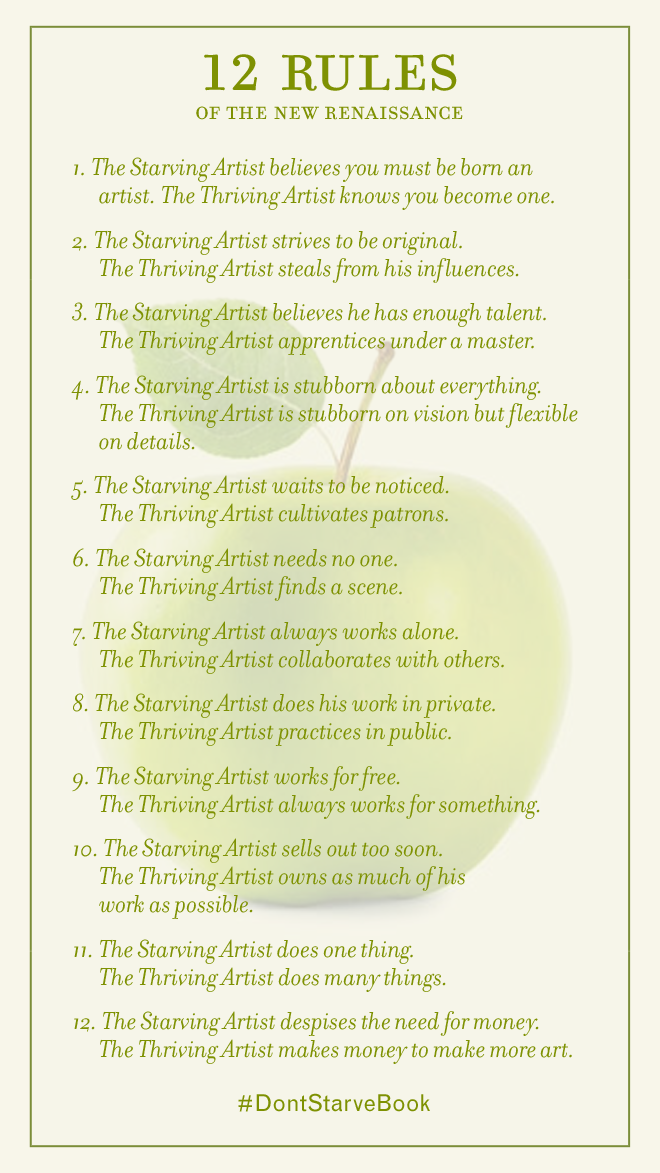
“What you practice, you get very good at.”

As that relates to complaining, do we really want to get good at that? No. In fact, practice doesn’t always make us good at something. We can practice unhelpful, unhealthy habits and they can become ingrained….even permanent…unless we intentionally do the work to reverse them.

Photo Credit: QuoteFancy

When we know something needs to change, make the complaint count by refusing to think ill of others involved and taking your concern to the right people. Make yourself part of the solution. Whenever possible, remember all the good you can. It will keep you humble and grateful.

How and Why You Should Stop Complaining – Elizabeth Scott Ph.D.

The Three Types of Complaining – Robert Biswas-Diener

How Complaining Rewires Your Brain for Negativity – Travis Bradberry

How Complaining Rewires Your Brain for Negativity and Literally Kills You – Janey Davies

Monday Morning Moment – Rewiring Your Brain Toward Thinking in the Positive – Deb Mills

Monday Morning Moment – Negativism – Its Cost and Cure – Deb Mills

How to Stop Complaining: 7 Ways to Change Your Attitude – Amber Murphy

Photo Credit: Amazing Facts

5 Friday Faves – Beyond the Guitar Does Batman, the Hard-won Wisdom of Erik Weihenmayer, Without Grumbling, Parenting & Grandparenting, and Urban Farming

Friday Faves – Go!

1) Beyond the Guitar Does Batman – Nathan‘s latest. Enjoy the music below and all his other sweet pieces at Beyond the Guitar‘s YouTube channel.

…and this one.

2) The Hard-won Wisdom of Erik Weihenmayer – We had the great joy of hearing Erik Weihenmayer speak at The Richmond Forum this past week. He is a climber, kayaker, and biker, among other sports, AND he is blind. That distinctive is huge, but even so he doesn’t talk about his adventuring life as executing one impossible stunt after another. He speaks from a deeper place that we can all understand. He talks about the meaning of struggle and the advantage of adversity (even has a book with that title). His persuasive take on how one uses struggle to grow and reach beyond where we are at the moment is both inspiring and emboldening.

Below please note just a few of his wise words, and then find and watch the films, and read his books, where he discovers and fleshes out this wisdom.

Photo Credit: AZ Quotes

There is a very blurry line between the things we can’t do and the things that we can.

You don’t just deal with adversity. You use it to propel you forward.

I found climbing to be a very tactile sport. There’s no ball that is zipping through the air ready to crack you in the head. It is just you and the rock base.

I have a variety of friends I climb with. But the common thing is I trust all of them. They’re solid climbers, the sort of people I trust to know what they’re doing.

You can’t always get out on the mountain, so I’ll put rubber on the end of my ice tools and climb the tread wall, a rotating rock wall I have in my backyard.

I’ve been lucky to have lots and lots of mentors. I think that is incredibly important in anyone’s life to encourage and inspire them, let them understand that their own potential is a reality that they can strive for.

What a thrill to be able to say that you had a contribution in the life of someone – a young person, perhaps, who is trying to take a look at the possibility of their own lives and find out what they are good at and you can help steer their career.

The key is to really have tremendously high expectations and to teach kids how to be self sufficient and confident and give them the skills that they need to succeed.Erik Weihenmayer

3) Without Grumbling – Which comes first – anger or grumbling? Or is it a more subtle but growing discontent? When does occasional complaining settle into a set habit of grumbling? What does grumbling communicate to our own minds and to others within hearing?

I’ve written plenty on complaining, grumbling, and negative thinking, in general (see links below). It can absolutely change the wiring in our brains. In my younger years, I always looking for the good and the beautiful in a person/situation…and I found it. Now, as an older person, my temptation is more toward darker thinking. This is NOT where I want to stay.Photo Credit: QuoteFancy

Below is a beautiful bit of writer Trevin Wax‘s post on grumbling and joy (it is geared toward Christians but there is wisdom for all of life here).

In Philippians 2:6–11, Paul commands the church to adopt the same mind of our risen Lord.  And his first command is, “Don’t grumble.”
“Do all things without grumbling or disputing, that you may be blameless and innocent, children of God without blemish in the midst of a crooked and twisted generation, among whom you shine as lights in the world.” (Philippians 2:14–15)
Why start with grumbling? We might expect an exhortation to spiritual disciplines, or strategies for thriving as pure and faultless people in a sinful world. And yes, Paul does speak about blamelessness and purity and holding firm to the word of life (Philippians 2:16). But this purity in action is somehow connected to the first command to do everything without grumbling. Somehow, grumbling will keep us from faithfulness.
Why start here? Because Paul knows the story of Israel.
Remember the children of Israel? They chose grumbling over gratitude. Grumbling stalled their journey and led to actions that were anything but “blameless and innocent.”
Whether we are given suffering, chains, imprisonment, or worse (Hebrews 11:36–38), or whether we conquer kingdoms, stop the mouths of lions, escape the sword, and put armies to flight (Hebrews 11:33–34), we must know that only joy in and gratitude to Jesus will win the war for our culture…Yes, we may face obstacles, setbacks, and tough days ahead. But in it all, and under it all, we are also joyful. And this cheerful courage comes not from ignoring darkness or looking only for the bright side, but from believing that the Light will overcome the dark.
Do you want to shine like stars? Then do everything without grumbling.

Trevin Wax, Facebook, March 27, 2022

Monday Morning Moment – Life & Politics – What If We Refused to Get Angry? – Deb Mills

Monday Morning Moment – Rewiring Your Brain Toward Thinking in the Positive – Deb Mills

Monday Morning Moment – Grumpy Begets Grumpy – Understanding It, Not Reacting, and Turning It Around – Deb Mills

Monday Morning Moment – Them and Us, How Can That Be? Could Them and Us Become a We? – Deb Mills

How Changing This One Bad Habit Changed Our Home for Good – Complaining

Blog - Work Culture - delta7Photo Credit: Delta 7

4) Parenting & Grandparenting – Who are the adults in your home? Usually we think of them as parents, but maybe they are grandparents, aunts/uncles, older siblings, or some other configuration of guardian. When our daughter taught elementary school, she never presumed her students’ parents would be the ones showing up at the parent-teacher conference. The most important issue is that there is one or more adult in the home who is doing the parenting.

Writer Vikki Claflin contrasts parents and grandparents this way:

“Parenting is hard. It’s basically 18 years of schooling an often-recalcitrant young human into how to be a socially acceptable, productive member of the community.

Grandparenting, however, is less goal-oriented. We are not actually raising the future of our country…Simply put, we are not responsible for the way they turn out. That’s the parents’ job, and we’ve already done it. Now it’s just fun.”

14 Contrasts Between Parenting and Grandparenting – Vikki Claflin

Imagine how your children (or you, as a child) didn’t have those adults who took the responsibility for the way we/our children turned out. Claflin lists 14 lessons that might be missed without parenting. Check those out and think about the many others that could be missed…including resolving conflict and a reasonable bedtime.

I love being a grandparent, making fun memories and lavishing love on our grands. However, I’m thankful that they have parents holding the hard line on the things they especially need from their mom and dad. For you grandparents acting in the role of parents, you are doing a huge work. Whatever circumstance foisted this work on you, you will never regret fully embracing it. Kids need raisin’. By someone.

Do you have families in your lives where although adults are in the home, they struggle to stay on top of the growing up of their children? Leaning in as loving mentors of both the adults and children (if you’re allowed) can make a huge difference.

Monday Morning Moment – Teach Your Children Well…12 Essential Lessons of Life – Deb Mills

Parenting – the Way We Did It and the Way the French Do It – Bringing Up Bébé – Deb Mills

Routines, Rituals, & Rhythms of Life – 10 Disciplines that Can Help Us Reclaim Our Life for Good – Deb Mills

5) Urban Farming – In our years in Casablanca, Morocco, we were able to participate in an urban gardening venture. The weather and seasons were perfect for growing vegetables and herbs in containers on apartment balconies.  We lived in a house and had a compost bin in our backyard in support of this food venture.

[A funny story attached to this: Months into composting, I was concerned that rats were devouring the vegetable and fruit peelings tossed into the bin every night. The next morning, those peelings were gone. Then one night, I was late putting the last of the day’s vegetable leavings into the bin. Coming close, I heard sounds coming from atop the compost. Going back into the house, I brought out a flashlight. The top of the bin was shiny black with what must have been hundreds of African beetles. At the light, they scurried, burying themselves below the surface. I couldn’t deal…so we dismantled the compost bin the next day. Sigh…]Photo Credit: Bug Spray

However, we have an excellent compost bin now and use its rich product in our garden every year.

Urban agriculturist and farm manager Allison Hurst showcases the work of Church Hill Activities & Tutoring (C.H.A.T.) and Legacy Farm in the video below. The efforts of these two organizations is changing the culture of what has been a food desert in our city. Exciting and enlightening.

Front Porch RVA

___________________________________________________________________________

Thanks for stopping by. It means a lot. Also any of your own faves, share in Comments.

Bonuses:

Singing the Blues with Kevin Gullage:

Fighting with My Family – fun film about wrestling

Monday Morning Moment – Negativism – Its Cost and Cure

Photo Credit: Forbes, Jacquelyn Smith

Who ever aspires to become negative? No one out there wants to be considered a Negative Nancy, or, get this, a Debbie Downer. Sheesh.

The fact that there are names for people who struggle with negativism shows they are not fun to be around, even laughable for some. We stir up little compassion for the person inside of that moniker and what might have gotten them there.

Negativism  happens by degree…with time and practice.

Even the Eeyores in our lives, those darksome brooding outsiders, have our sympathy, even affection. We allow that they can’t help their personalities. It’s just how they are. Except for our Eeyore colleagues, friends and family members, we communicate little time or patience for negativism. In fact, we default to our culture’s no-skin-in-the-game of “you’re better off without them around you”.

Well…give yourself time. With enough life experiences and bumps along the journey, you might find yourself becoming that “grumpy old man”. Without even being aware it’s happening.Photo Credit: Pixabay, Peter ZieglerPhoto Credit: Flickr, Paul Waite

You can probably tell I care about this.

Not so long ago, people in my life considered me almost Pollyannaish (determined to be positive about everything that happens; always refusing to think ill of others). I still want to be that person, to be honest. Unfortunately…a few rough hits happened.

Abruptly having to leave a country through circumstances beyond our control. Our home, our friends there. [That story is for another day.] Watching family members go through extreme hard times. Having to leave a church we loved. [Also another story.] Retiring earlier than I wanted. Living day-to-day with this incredible man who has experienced more loss than he imagined or that others really know…squeezed into a few years. I could go on…but then you’d know I’m at risk of becoming a Debbie Downer.

[If you think it’s already happened…I refuse that…because it is not really who I am.]

Our kids have always been taught not to hold court in judging whether something’s fair or not. We did not want to raise a bunch of fairness police. However, we have had numerous round tables over whether something is right or not…and if not, what might our role be in righting a wrong.

The biggest initiator of flipping negativism is figuring out how to respond to something that is just wrong. At home. At work. In our community. In the world.

If you are struggling with negativism, is it because you believe something is just not right?

You could be entirely correct about what is terribly wrong. Unfortunately, if you find you can’t fix what’s broken, then what can be altered are your own relationships, health, and well-being. Either toward the negative…
Photo Credit: Pixabay

or, hopefully, toward the positive.Photo Credit: Skilled Impact

[For those struggling right now with negativism…or maybe not struggling anymore but just living negative at the moment: remember what it was like before when your life was more like the caped crusader in the above image?]

We can flip our negativity to positive but it takes great effort… especially if we’re so drained from it, we can hardly get out of our own way. Just getting the job done or barely maintaining the relationship. This is understandable given what negativism takes out of a person over time. Photo Credit: Pixabay

[That’s one of the reasons I feel strongly about how others respond to it because they don’t see the toll it takes on the individual experiencing it. Not judging here, because I have been exhausted by someone else’s negativism as well. Just more understanding now… having gone through it and seeing those I love slog through it.]

As this has been weighing on my mind recently, I’ve done a fair amount of reading on the topic. There is no small amount of writing about it. Very helpful pieces are linked below. My takeaways are bulleted with the link below it (take time to read more if you will, because I’ll be leaving a lot of great advice out of the bullet points).

Flipping Negative to Positive:

  • Don’t allow yourself to complain unless you also offer one or two possible solutions. Use complaining as a catalyst for positive change.
  • Be aware of the external environment, but don’t let it consume you.
  • Practice the art of “zoom focusing.” Tune out the negative voices, focus in on your choices, and start getting things done.
  • View your life as an inspirational tale, not a horror movie.
  • Make a gratitude list and start a success journal.
  • Don’t quit at Mile 20.
  • Trust in God, not the media (or other naysayers).

 15 Ways to Turn Negative Energy Into Positive SolutionsJon Gordon

  • Psychologists link negative thinking to depression, anxiety, chronic worry and obsessive-compulsive disorder (OCD).  Almost all human beings contend with it — even those born with a positive outlook.

    It’s because of the way our brains are constructed. Our amygdala and limbic system are built to notice threats, to protect our survival. Today, the same parts of our brain are active even when physical threats are minimal. The threats we deal with today are more cognitive — involving finances, whether we’re loved, whether we’re succeeding at work. They can set our hearts racing. That’s why we can panic on a Sunday night just thinking about work.

    Rather than change the way you think, I recommend changing your relationship to your thoughts. Those thoughts that are negative are more likely to capture our awareness, or become “sticky.”

    I recommend learning to watch your thoughts, rather than engaging with them. Practicing mindfulness can take you away from the thinking experience.

    Mindfulness helps us program in ourselves a sense of that which is right. We can systematically notice what’s going well in the present. We can notice something favorable about each person we encounter. Words of admiration help us notice the rightness of things.

How to Turn Around Your Negative Thinking Scott Bea

  • Value the negative experiences.
  • Don’t rush judgment.
  • Take complete responsibility for your life.

3 Ways to Turn Negative Experiences AroundMatt Mayberry

  • A problem can only be resolved if someone brings attention to it but if you don’t plan to be constructive, keep your thoughts to yourself.
  •  If you, however, would like to be, known as a problem solver instead of a complainer, speak up. If you do it the right way, you will make a positive change that could do a lot to improve your work environment. Rather than raising your boss’s ire, you may instead be the recipient of his or her appreciation.

5 Tips to Help You Lose Your Negative Attitude at WorkDawn Rosenberg McKay

  • It takes a real effort a lot of the time to concentrate on the positive. I know there’s a direct link to positive thoughts and success. I have read about it, studied it, and tried to live it most of my adult life.

“The Nattering Nabobs of Negativism”Gary Weiner

[Again, the articles in full have more helpful info…when you have the time or inclination to read further. At the end are two links to HR and supervisors/managers.]

My own small observations (beyond the above excellent points):

  • If the workplace itself is fueling negativism, do what you can to shakeup where you work. Try a different venue for day-to-day work. Traveling can be a tremendous help (if you can financially and strategically make it happen – for yourself and others). Working remotely doesn’t fix what’s hard but it dilutes contact and interaction with what’s hard.
  • If others have judged you by this current season of life and don’t want to work with you, don’t let that deter you from your purpose. Mend relationships if you can. If not, embrace the “what is” in your life, and celebrate the healthy relationships you have and pursue work you love, wherever you can make a difference.
  • Stay in the present moment. The past, distant or recent, is where your negativism was birthed. The future either strikes more fear in your heart or stirs hope (as in a job change or some other imagined change) that you can’t be sure is real. For this moment, stay at task, nurture your current relationships, focus in.

An expression floating around the internet lately goes something like this:

“What you practice, you get very good at.”

As that relates to negativism, do we really want to get good at that? No. In fact, practice doesn’t always make us good at something. We can practice unhelpful, unhealthy habits and they can become ingrained….even permanent…unless we intentionally do the work to reverse them. Photo Credit: QuoteFancy

Where are you in all this? Please comment below. It would be helpful for us to hear from each other. This is a safe place.

Negativism is contagious, but so is positivity. Both have their own satisfactions. There may come a day that the new-honed habit of negativism turns on us and we see if for the robber it is. Then the work will begin to turn our lives around…before it’s too much damage is done.

If you don’t currently struggle with negativism, take note of those around you who do struggle. This is not something (or someone) to just avoid…this is someone who even the Apostle Paul determined to help…

“Finally brothers, whatever is true, whatever is honorable, whatever is just, whatever is pure, whatever is lovely, whatever is commendable–if there is any moral excellence and if there is any praise–dwell on these things.” – Philippians 4:8

3 Tips for Decreasing Workplace Negativity – [written with a Human Resources focus]

Turning Around Negative Attitudes [a must read for supervisors and managers]

Monday Morning Moment – Neuroplasticity – Resetting Your Brain for Success at Work and Life

Photo Credit: Pixabay

You know that shocking experience when you are driving to a known destination and then get lost in your thoughts? At some point, you snap back to attention and wonder, “How did I get here, I wasn’t even thinking about it?!” That is neuroplasticity or brain plasticity. It is an amazing capability we all have and can be nurtured and utilized throughout our lives. Yes, “old dogs CAN learn new tricks“.

What is this phenomenon?

Mike Torres, of Refocuser, gives an excellent definition, as well as an explanation of function, in his piece Neuroplasticity: Your Brain’s Amazing Ability to Form New Habits.

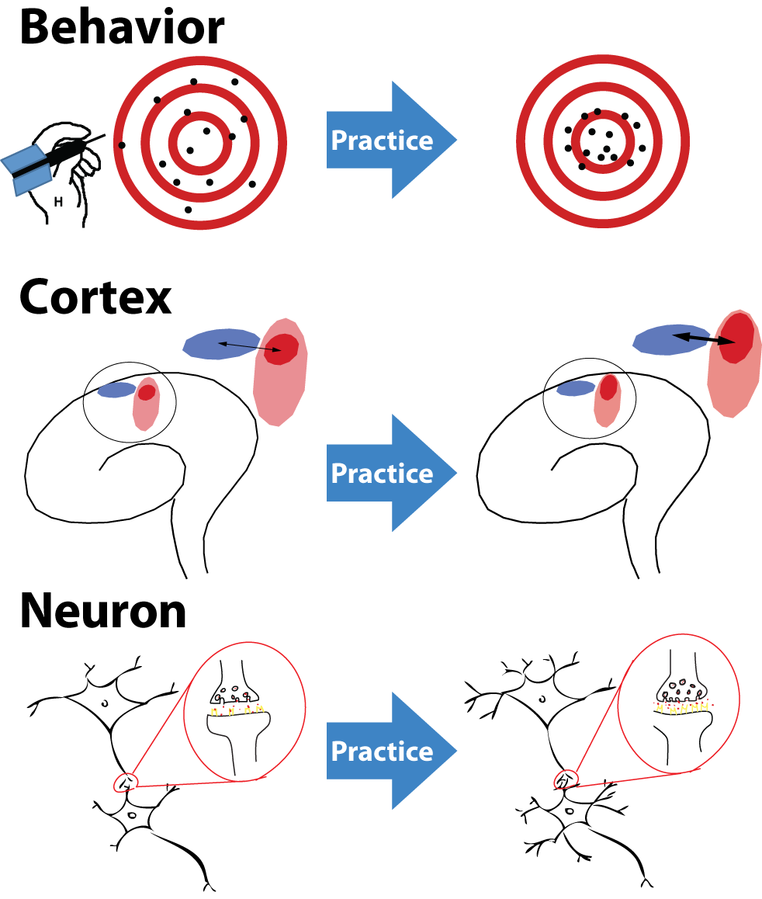
Neuroplasticity refers to the brain’s ability to restructure itself after training or practice. An example of how neuroplasticity works: when you view the brains of people who frequently practice playing the violin under fMRI (functional MRI) they appear to have developed a larger area of their brain devoted to mapping their fingers.  Photo Credit: Wikipedia

This change is directly related to the quantity and the quality of the practice they’re performing – their brains are adapting in very real and tangible ways unbeknownst to them... The more practice you accumulate, the more ingrained or grooved the pathways become.  Of course the inverse happens as well: if those pathways aren’t utilized, the space will be used by other pathways needing room to grow. Use it or lose it! …Your brain can change based on repeated experience…People of any age have the ability to learn new things and form new habits. Mike Torres, Refocuser

Watching Nathan play intricate, complicated runs on his classical guitar boggles my mind. How can he think that fast? It’s lots of practice that causes the brain to connect to the hands, and those difficult pieces get “under his fingers” almost without thinking.

Years ago a friend gave us this book Never Too Late by John Holt. In his “musical life story”, Holt describes how he learned to play the cello in his 40s. We were encouraged by this during a time we moved to Egypt and learned Arabic in mid-life…when language-learning is supposed to be especially difficult.

I love neuroplasticity but it gives me hope, in getting older, of keeping skills and developing new ones, even as an aging person…unless I give in to dumbed-down practices excusing myself for the same reasons of “getting too old”.

When my older brother suffered a stroke, it was neuroplasticity and the repeated efforts of his medical and therapy team that got him back on his feet. He finally “repeatedly practiced” his way back to independence. The personality changes seemed more ingrained, however, they changed, too, as he exchanged his anger and bitterness for a hopefulness and longing for healthy, loving relationships. As he refused to give into anger and chose soft responses, his personality seriously changed over time…with conscious that eventually turned unconscious practice.

How does all this apply to us in the workplace and life, in general? We are confronted at times with a situation that confounds us – a new uncomfortable skillset, an unpredictable relationship, or an unfamiliar decision-making process. Neuroplasticity helps us to not just give up on mastering either a new work process or a complicated interpersonal situation.

Debbie Hampton has written an excellent summary piece on this that will help kick-start any new habit formation necessary for us to continue to do excellently in our work. She was influenced by Dr. Michael Merzenich’s work published in his book Soft-Wired: How the New Science of Brain Plasticity Can Change Your Life. I have listed below Merzenich’s 10 elements of how we can rewire our brain. You will find Hampton’s summary on each very instructive. [I comment briefly on each but don’t miss what she says in her article.]

10 Core Principles for Remodeling Your Brain

1. Change is mostly limited to  those situations in which the brain is in the mood for it. We have to want to learn and change. If we give up, stay resigned to the status quo, or remain fed-up, change will not happen. Want change!

2. The harder you try, the more you’re motivated, the more alert you are, and the better (or worse)  the potential outcome, the bigger the brain change. Focus and persistence or key to mastery.

3. What actually changes in the brain are the strengths of the connections of neurons that are engaged together, moment by moment, in time. Practice strengthens pathways for behavior. Whether it’s learning a new computer system or developing a different way of communicating with a boss…practice hard-wires.

4. Learning-driven changes in connections increase cell-to cell cooperation, which is crucial for increasing reliability. I see this in musicians who live-stream and can read listener chats, respond to them, and continue playing all at the same time. Crazy.

5. The brain also strengthens its connections between teams of neurons representing separate moments of successive things that reliably occur in serial time. This is definitely the mechanism that gets us to our destination when we stop thinking about where we’re going.

6. Initial changes are temporary. Habit formation takes time, and somehow the brain interprets whether the change is vital. Amazing.

7. The brain is changed by internal mental rehearsal in the same ways and involving precisely the same processes that control changes achieved through interactions with the external world. At the simplest level, this is the mechanism of how we “talk ourselves through” a situation. Or when an athlete goes through his routine in his mind before he’s back out on the track or in the pool.

8. Memory guides and controls most learning. Our brain actually helps us to remember what we did well and discards what we didn’t.

9. Every movement of learning provides a moment of opportunity for the brain to stabilize — and reduce the disruptive power of — potentially interfering backgrounds or “noise.” The more we practice, either a physical skill or a way of thinking through a problem, we actually get better at it because somehow the brain reduces the background noise (which can include insecurity, fear of failure or self-doubt).

10. Brain plasticity is a two-way street; it is just as easy to generate negative changes as it is positive ones. Dr. Merzenich warns us, as we get older that we “use it or lose it” by our own decisions to stop learning and mastering new skills and behaviors.

Photo Credit: Commons Wikimedia

How are you using neuroplasticity to help you continue to grow in your work and personal life? Trevor Blake encourages us to set the tone of the day positively and don’t defect from that. Using self-defeating language can blur our focus and mental capacity for mastery. Read more of his excellent counsel here.

As we age, or give in to “what is” at the moment (tracks greased by depression sometimes, or perceived lack of ability or opportunity), we may not realize the great positive effects of neuroplasticity. However, the good news is that we can keep learning and changing and mastering what work and life and relationships bring our way. It’s never too late.

http://www.slideshare.net/smarkbarnes/brain-science-applying-neuroplasticity-principles-to-higher-education-1340661


Neuroplasticity: Your Brain’s Amazing Ability to Form New Habits – Mike Torres

How to Rewire Your Brain for Success – Trevor Blake

Three Simple Steps: A Map to Success in Business and Life – Trevor Blake

Brain HQ Website

How Does Neuroplasticity Work – an Infographic

Never Too Late: My Musical Life Story – John Holt

Deadly: Brain on Multitasking – Bukunmi Adewumi

Toxic Thoughts – Dr. Caroline Leaf