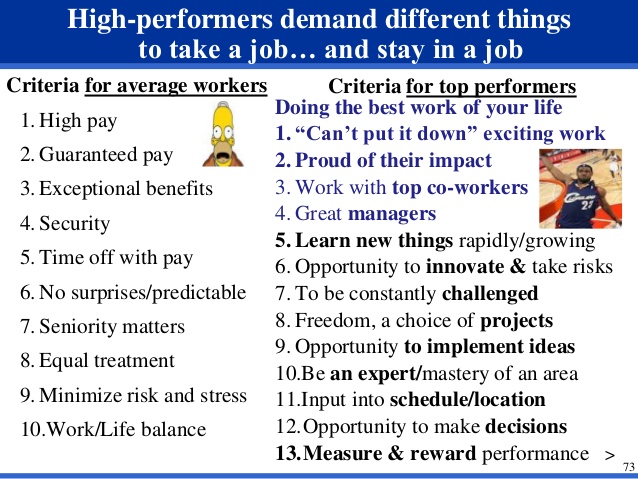
Tag Archives: leadership

5 Friday Faves – Hurricane Matthew, Engaging Older Adults, Life After Downton, Leading Change, and a Fall Evening

Blog - Friday Faves 006 (2)

It’s Friday, and tomorrow Hurricane Matthew is supposed to move into Virginia. Wind and rain. Hopefully we won’t lose power, but over a million folks in Florida did, so we wait and see.

Here are my favorite finds of this week. Two are actually blogs by the same writer, Carey Nieuwhof. He is a wise leader and gives excellent counsel to those of us who also want to lead well.

  1. Hurricane Matthew – The Caribbean and Florida have been hit hard by this week’s hurricane. A Category 4 storm through the Caribbean and now Category 3, passing through Florida and into Georgia tonight. Hundreds of deaths and the storm devastation is massive. I am so thankful for disaster response agencies who take definitive action quickly in times like this. Baptist Global Response (BGR) is that kind of organization, working with local partners to help in the life-saving areas of clean water, food security, shelter and supplies and general health of the peoples most hard-hit. Because of the work of other NGO’s already in Haiti, BGR is targeting its disaster relief efforts on Cuba.blog-hurricane-matthew-commondreamsblog-hurricane-matthew-wtvrPhoto Credit: Common Dreams; WTVR

2) Engaging Older Adults – Carey Nieuwhof posted a helpful 5 points list on engaging older adults. Shut Down the Bus Tours: What Older Church Members Should Really Be Doing. This post could just as easily been written any group of older adults who could be a tremendous resource if engaged…otherwise they are going to just keep getting on those buses.blog-senior-citizens-bus-tours-angeltourPhoto Credit: AngelTour

Not that older adults don’t deserve vacations after so many years in the work force and serving in their churches and families. Still, Nieuwhof makes a serious case for mobilizing seniors back into service where they are needed to mentor, model, guide, and cast vision for the next generations. The Fall Leaf bus tours are upon us, but we also need these valuable men and women among us as well.

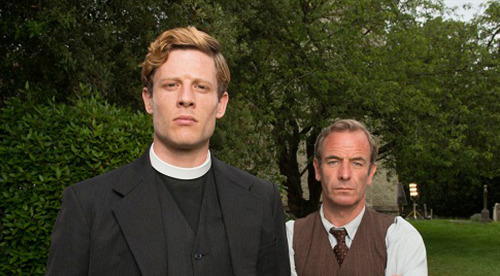
3) Life After Downton – What to Watch Now – I do miss Downton Abbey, but fortunately we do have other viewing options. Amazon Screening Room lists out lovely period pieces that can scratch our itch for Downton. Two I’ve already watched are Doctor Thorne and Grantchester. Would love to hear some of your recommendations!blog-dr-thorneblog-after-downtonPhoto Credit: Screening Room

4) Leading Change – Canadian pastor, Carey Nieuwhof, is also a writer and speaker on leadership. carey-nieuwhof-blogPhoto Credit: Carey Nieuwhof

He wrote Leading Change Without Losing It: 5 Strategies That Can Revolutionize How You Lead Change When Facing Opposition. In a blog this week, he takes from his book, focusing on how to lead through change in the face of opposition. A few of his observations are:

  • People aren’t opposed to change nearly as much as they are opposed to change they didn’t think of.
  • Usually no more than 10% of the people you lead are opposed to change.
  • Fear of opposition derails more leaders than actual opposition.
  • Buy-in happens most fully when people understand why, rather than what or how.

5) Firepit on a Fall Evening with S’Mores – This week marks the true arrival of Fall here with temperatures dropping and leaves just beginning to turn colors. We had our first marshmallow roast on an outdoor fire. Making S’mores – that camping treat of graham crackers, Hershey’s chocolate bars, and melted marshmallows. Thus marking the start of my favorite season. Lots of pics to follow of brilliant Fall leaves and fun times outside without the heat of summer.blog-smores-and-a-firepit

Be safe out there. Hope you East Coasters in the States are not too troubled by Hurricane Matthew. Have a restful weekend. Leave us your favorite finds of the week in the Comments below. Thanks.

Monday Morning Moment – Ultra-Productive People & What They Do Differently – 2 Infographics

blog-productivity-silicon-valley-reportPhoto Credit: Silicon Valley Report

We all have exactly the same amount of time. At least in a day. Some of us have less time than others in our lives, probably, which makes using that valuable time wisely all the more important. However, that’s the false perception of time. The idea that, because we’re young, we have all the time in the world…so chill. Enjoy. Right? Just because we’re young, how we use our time will set habits that build a foundation for our life and work. Young or old, learning how to be consummately productive is a very good plan. When we do the work of learning to be “ultra productive” part of what we gain out of that is…more time. Definitely worth the work.

I’ve written on productivity other times (in particular, about “Chris Bailey’s life of productivity”). Using time and brain power wisely is important to me because I am well aware of how easy it is to squander both. When I discovered the two infographics below, they affirmed some of the changes I’ve already made in my life and other habits worthy of establishing.

Kevin Kruse in a Forbes article gives us results of his survey of 200 ultra-productive people. He asked each their secret of productivity.  The infographic below lists out the 15 ideas gleaned from his study.blog-productive-people-do-things-differently-15-time-secretsPhoto Credit: Online Learning Tips

Anything surprise you? I was surprised at getting rid of to-do lists by scheduling everything. The “say no to everything” idea can be agonizing to execute and also infuriating when you’re on the receiving end.  Every idea in the list of 15 is doable and easy to develop as a habit. Worth a try, right?

Another infographic (from Dylan Roach and Jacquelyn Smith in Business Insider) highlights the morning habits of successful people. This also resonated with what I have discovered in the lives of influential and productive friends and colleagues. blog-productive-people-do-things-differently-16-things-at-start-of-each-day-update-or-diePhoto Credit: Business Insider

I appreciate the ideas of this infographic…especially the ones on helping others and being grateful. Soft habits maybe? Not really. When the ideas above get hard-wired in us through habit formation and intentionality, our productivity ramps up and our definition of success may widen to a more shared experience in our life and work.

Friday Faves – Summer Olympics, Global Leadership Summit, Life after Being Locked-In, Walking Her Home, and KevOnStage

  1. Blog - Friday Faves

Happy Friday! School is starting around the country, but not here yet. It’s still sunny summer with long days and beach trips and abundant locally grown fruits and vegetables. Tomato sandwiches and juicy perfect peaches. Mmmmm. Below are my five favorite finds of the week.

1) Summer Olympics – Watching the Olympics has been a joyful experience this week. I’m trying to keep up with the Refugee Team, and this BBC article is a helpful update. As for the Gold medals, several are being won, as you already know, to these two favorites of mine – Simone Biles and Michael Phelps. USA! USA! USA!Blog - Simone Biles - Olympics - the guardianPhoto Credit: The GuardianBlog - Michael Phelps - Olympics - livenewschatPhoto Credit: Live News Chat

2) Global Leadership Summit – This is an incredible leadership conference…the best I’ve ever attended. It’s simulcast from Chicago to sites all over the world. You’ll be hearing much more about the content in the days to come. I’m halfway through it as I post this. Brian Dodd does a live blog on it where you can gather quotes from each speaker, and on Twitter and Facebook, watch for the trending hashtag #gls16. Great content!

Blog - Global Leadership Summit - 2016 - TwitterPhoto Credit: Twitter

3) Life After Being Locked-In – Vegetative states and the locked-in syndrome have always been fascinating to me, as a nurse. An unforgettable moment for me in teaching nursing at Yale University years ago was walking into a patient’s room to meet him. He was in a wheelchair and when I entered he was looking in my direction. I said hello and he just continued to look at me…expression-less. This beautiful young man…seemingly not there at all…in some sort of vegetative state from a brain injury.

When I was a child, I watched a rerun of Alfred Hitchcock Presents episode “Breakdown” from the very first season in 1955. It was a psychological thriller about a man who survived a car accident but was paralyzed, completely unable to move or communicate. It was terrifying.

Martin Pistorius, a South African man living today in the UK, had his own terrifying journey, in real time, through being locked-in. At the age of 12, he developed some sort of illness where he quickly lost his abilities until he went into a full-blown coma. He stayed in this condition until he was 16…when he began waking up. Unfortunately, he looked no different and wasn’t able to communicate.Blog - Ghost Boy Martin Pistorius - youtubePhoto Credit: YouTube

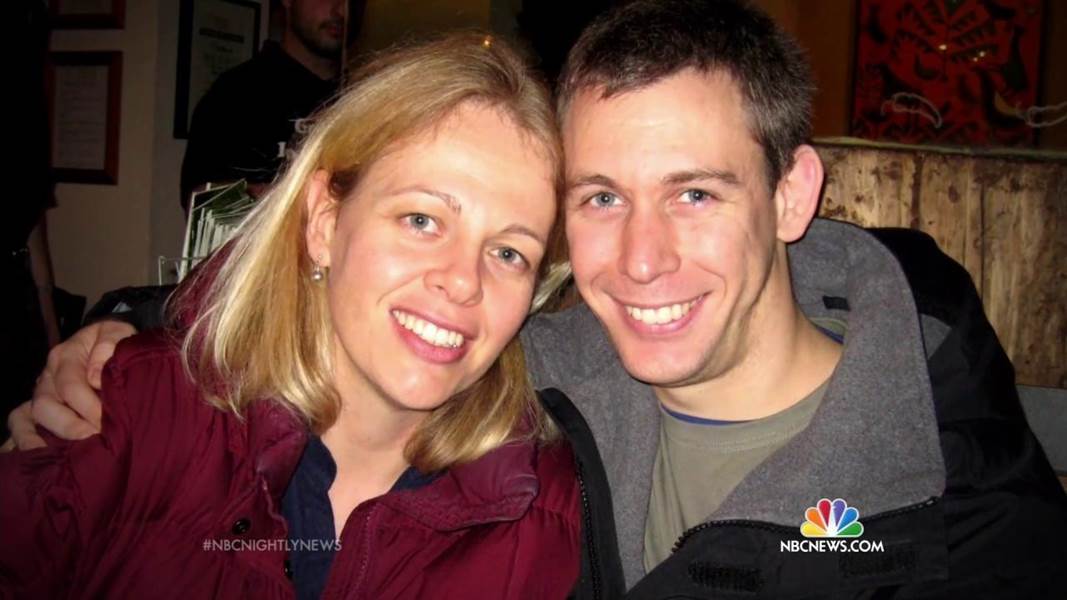
He continued “invisible” for almost another 10 years, until one of his therapists became aware that he was actually responsive. His story is amazing. Once it was discovered that he was actually conscious, he began the incredible journey of treatment and rehabilitation. He went on to learn to communicate with an adaptive device, graduated university, became a web designer, and wrote a book about his experience (Ghost Boy). During his locked-in experience, he found God his only companion and became a follower of Christ. Now, he has also found the love of his life in Joanna whom he married.Blog - Martin Pistorius - locked-in syndrome - nbcnewsPhoto Credit: NBC News

He communicates his own journey so well in this TEDx talk. The kindness and understanding in his demeanor speak volumes as well. Watch his TEDx talk below or at least read the transcript (in link above). I’m so glad to have discovered this young man and know his story.

He closed his talk with these words:

We are told that actions speak louder than words. But I wonder, do they? Our words, however we communicate them, are just as powerful. Whether we speak the words with our own voices, type them with our eyes, or communicate them non-verbally to someone who speaks them for us, words are among our most powerful tools. I have come to you through a terrible darkness, pulled from it by caring souls and by language itself. The act of you listening to me today brings me farther into the light. We are shining here together. If there is one most difficult obstacle to my way of communicating, it is that sometimes I want to shout and other times simply to whisper a word of love or gratitude. It all sounds the same. But if you will, please imagine these next two words as warmly as you can: Thank you.

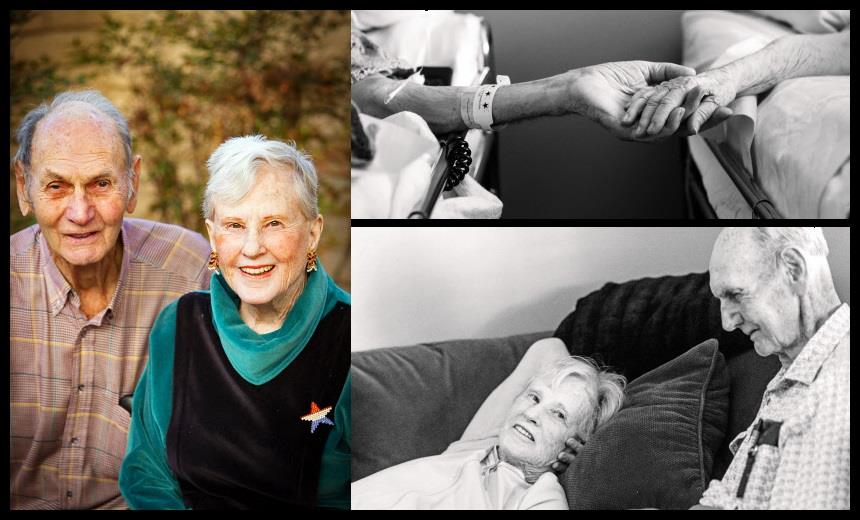
4) Walking Her HomeMark Schultz wrote this sweet song Walking Her Home after he was inspired by this older couple in his neighborhood. The husband was so tender with his wife and he told Mark that he’d promised her dad he’d walk her straight home after their first date and never leave her. He was still keeping that promise. We have all been touched by stories of an elderly spouse dying and the other dying shortly after. This CNN news report tells an especially sweet such story…Blog - walking Her Home - bellevisionPhoto Credit: Bellevision

…and here’s the song (with video from The Notebook, from the novel by Nicholas Sparks).

5) KevOnStage – Kevin Fredericks is a very funny guy. I just discovered his videos this week. Here’s a hilarious sample:

Here’s to a relaxing weekend. Hope you recover some of your sleep missed by late night Olympics watching…if you’re like me. Be safe and savor this life…and the people we have in it. God keep you.

Monday Morning Moment – 3 Quick Reads on Leadership – to Help You Stay the Course, Not Be a Jerk, While Being Innovative

Blog - Leadership - Wisdom - centresourcePhoto Credit: Centresource

Today…I got nothing.

Late nights watching the Olympic Games (#Rio2016), friends visiting from out of town, and new moms in my life…I got nothing on leadership today…

However…

These three leaders, writers and leadership observers never disappoint – Brian Dodd, Carey Nieuwhof, and Vala Afshar.

Brian Dodd is a prolific thinker and writer on leadership themes – mainly to a Christian audience, but much of what he writes is wisdom for anyone who wants to lead well. Blog - Leadership - Brian DoddPhoto Credit: Brian Dodd on Leadership

His blog on leadership quotes by Bill Purvis, who spoke recently at the GO Conference, includes the following bits for all of us.

  • Clarify your vision.
  • You get a vision by walking around.
  • You make insiders by giving them inside information.
  • Betrayal will kill your vision.
  • Devise a strategy to create a pipeline of leaders. If you want to go a long distance, you have to have a bench.
  • If you try to do it all you will burn out.
  • We can only grow to the level that we have leaders in place to train, retain people, and release people into using their gifts.
  • I’ve never known what it’s like to be jealous. I want people to win.
  • You equip other people.
  • If you don’t train leaders, you’re limited in how far you can go.
  • Our C-Level players become A-Level players wherever they go.
  • We want Ritz-Carlton to one day come to us.

Carey Nieuwhof is my favorite Canadian. He went from law school to the pulpit. His writing and podcasts on leadership are regular feasts for thought. BLog - Leadership Carey NieuwhofPhoto Credit: Carey Nieuwhof

Here’s a recent cautionary blog on 10 Signs You’re Just a Jerk…Not a Leader. I’ll just list his points, but you want to read the whole piece.

  1. You’ve made the organization all about you.
  2. You think that people work for you.
  3. You never say thank you.
  4. You’re demanding.
  5. You keep the perks of leadership to yourself.
  6. You keep yourself front and center.
  7. You take the credit and assign the blame.
  8. You never have your team’s back.
  9. You make all the decisions.
  10. You act like a martyr.

Nieuwhof closes with asking the question, “How do I know jerk leadership so well? Because I have a jerk inside of me I need to suppress every day. My guess is you might too.

Fortunately, Jesus introduces a completely different paradigm for leadership. If you want to be a Christ-like leader, just do the opposite of these ten things. You’ll be well on your way.”

Finally, I’ve been following Vala Afshar on Twitter for a long time.Blog - Vala Afshar - youtubePhoto Credit: YouTube

His blog 20 Entrepreneurship Lessons From World’s top Business Thinkers, CEOs, and VCs is a brilliant collection. Below are just 6 of the 20 lessons.

  • Doing well, and doing good, are not mutually exclusive, but mutually reinforcing. If you are not doing well, you don’t have the money to keep doing good. Is your company doing the work for the right reasons – can it create meaning and money, purpose and profit?Deb Mills-Scofield
  • Customers want meaning, value and purpose for them. If you don’t have your value proposition done, you don’t need to worry about the business model. This means deliver value in the context and constraints of the customer, not what you would like it to be. This means understanding your customer’s customer needs from their perspective. Deb Mills-Scofield
  • Humble confidence is key to success. Humble companies ask for help and they give their employees the freedom to fail and try stuff. Companies that trust their employees will be more innovative. Business leaders must walk the talk and give their employees the freedom to experiment. Good leaders take all of the blame and none of the credit. Good leaders also promote and celebrate cross-collaboration across the lines-of-business. – Deb Mills-Scofield
  • When you don’t ask, the answer is no. Consider asking for help or well-deserved promotions or pay raises. Also ask for forgiveness, not permission. – Deb Mills-Scofield
  • We live in a permission economy. So how does a business lead in the permission economy. Permission is the privilege of talking to people who want to talk to you, and not because it’s important to you. It is about being missed if you don’t show up. Are you doing something worth following? If you’re not, then you’re not leading. – Seth Godin
  • The world is changing. What does it mean to live in a world that is changing? The key element to being a CIO or a CMO is to be a chief learning officer (CLO). To be an artisan – not a craftsman, because a craftsman does the something again and again – is to learn to do it different the next time, to do it better the next time. To be an artisan, you have to be willing to listen and learn. What it means to learn is to fail. – Seth Godin

    Hope your Monday is profitable and that you’re encouraged as a leader today. Not a leader? Oh, no….you are. We all are…in some fashion or another. Wisdom is to learn leadership from those closest to us…and those whom we can follow online and at the occasional conference…like Dodd, Nieuwhof, and Afshar.

5 Friday Faves – FOMO, Parenthood in 120 Seconds, a Summer at Oxford University, Saving Mr. Banks, and Favorite Guitar Videos

Blog - Friday Faves

Good Friday morning! Hope this week has been kind to you. The world continues to open itself to us to learn and grow and, hopefully, choose wisely. Here are five of my favorite finds from this week:

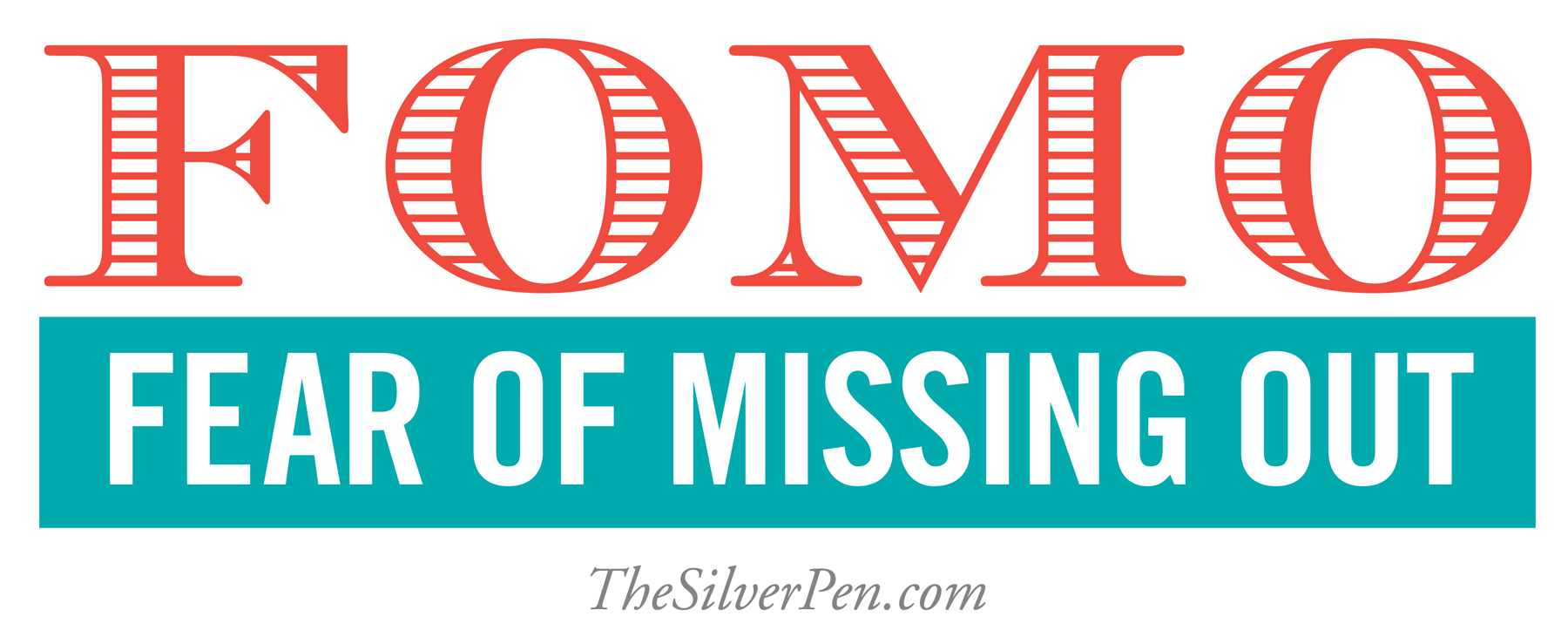
1) FOMO – So this is a new term for me. I heard, just this past weekend, a young friend lament about being plagued by “FOMO” – this “fear of missing out”. It apparently is exacerbated by all the social media which tantalizes us about friends getting together and going to all sorts of exotic places. C. S. Lewis, in his essay, The Inner Ring, actually exposes the danger of FOMO. BLog - FOMO - Fear of Missing Out - the silver penPhoto Credit: The Silver Pen

Wanting to be “in”  or “included” is morally neutral, in itself. It is in the choices we make and the compromises we make within those choices that become dangerous for us.  In Thoughts on C. S. Lewis, he is quoted, “The quest of the Inner Ring will break your hearts unless you break it.”  If we stop being so frantic about fitting in or giving into to our particular FOMO, then we will find ourselves in a natural community – fitted for us.

John Ortberg writes about FOMO in his book All the Places to Go…How Will You Know?  He raises the issue that God himself may have instilled in us this idea of wanting what we might be missing – but finally finding it in Him. Even Satan’s temptation of Eve was FOMO-oriented (Genesis 3:4-6) in that maybe she could be like God (if she ate the forbidden fruit). Ortberg observes: “The real, deep reason that FOMO exists is that we were made for more and we are missing out.  Only the “more” isn’t more money or more success or more impressive experiences I can write about on Facebook.  My hunger for more turns out to be insatiable if I try to satisfy it by wanting more for me”. God can satisfy, in Himself, the FOMO we may be experiencing.

Lewis on Disordered Desire to Enter the Inner Ring – Art Lindsley – The Gospel Coalition

2) Parenthood In 120 SecondsBuzzfeed India has published this funny and true video. Produced by Sumedh Natu and Umang Athwani, this 2-minute film is such a delight – so “been there, don’t that”. Loved it. Watch it here.Blog - Parenthood - cupofjoPhoto Credit: Cup of Jo

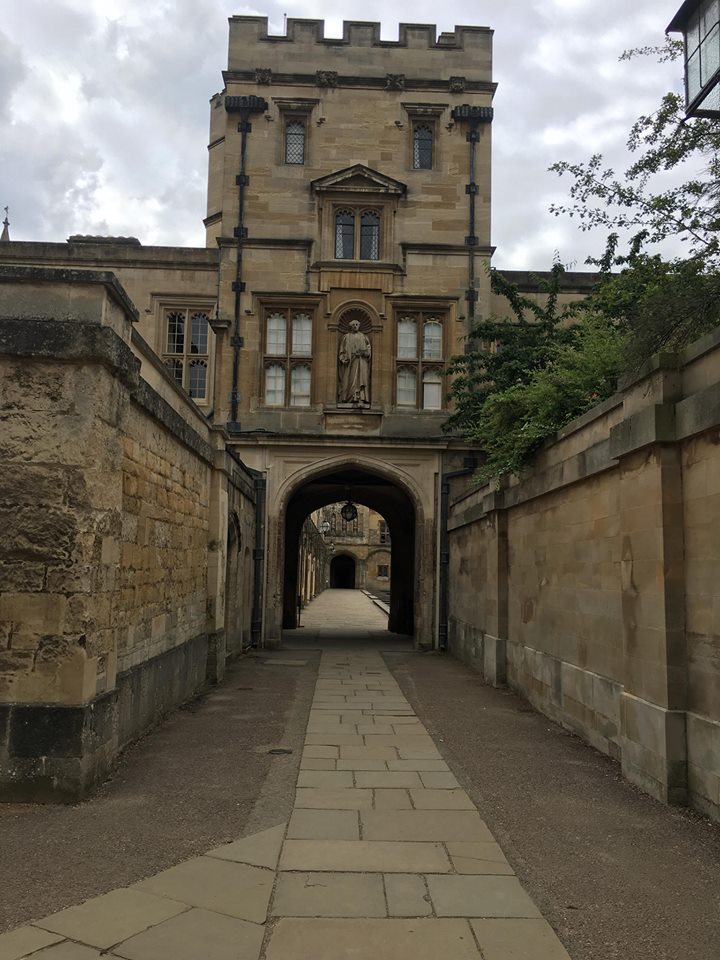
3) A Summer at Oxford University Beth Wayland, a counselor and writer friend of mine, had the great fortune to spend part of her summer at Oxford University. I’m sure she will write about it on her return to the US, but she gave us bits of her journey through her Facebook account. As part of her experience, she walked around in the steps of C. S. Lewis – his office, his favorite pub, the libraries, dining halls, grounds of Oxford.

Blog - Oxford University - Beth WaylandBlog - Oxford University - Beth Wayland - 2Photo Credit: Facebook, Beth Wayland

One special reminder was of C. S. Lewis’ dedication of his book The Lion, the Witch, and the Wardrobe. He dedicated it to his god-daughter, Lucy Barfield, with these words:

My Dear Lucy,

I wrote this story for you, but when I began it I had not realized that girls grow quicker than books. As a result you are already too old for fairy tales, and by the time it is printed and bound you will be older still. But some day you will be old enough to start reading fairy tales again. You can then take it down from some upper shelf, dust it, and tell me what you think of it. I shall probably be too deaf to hear, and too old to understand a word you say but I shall still be,

your affectionate Godfather,

C. S. Lewis.
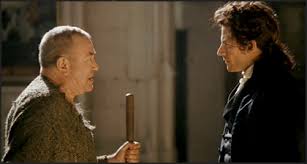
This, to me, is Oxford University. Thanks, Beth. Thank you, Dr. Lewis.

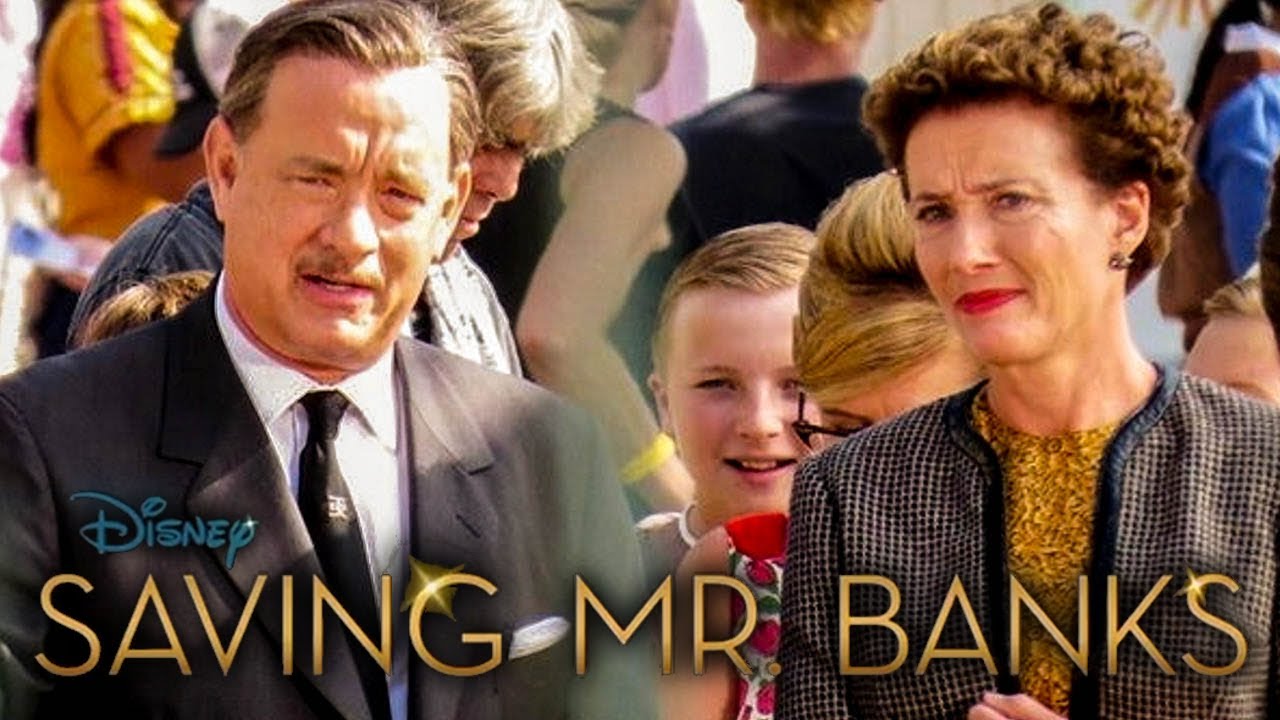
4) Saving Mr. Banks  – I just saw this 2013 Disney film about the complicated making of the 1964 film Mary Poppins . Walt Disney would try for over 20 years to win the rights to the book Mary Poppins. Author P. L. Travers finally agreed but with strong stipulations. Saving Mr. Banks is based on this true story but with embellishments. I loved this film. There were so many takeaways about collaboration, the influence of fathers, the mind of creatives, perspective, and forgiveness (Brian Dodd writes more about these here). Definitely worth seeing if you haven’t.  Blog - Saving Mr. BanksPhoto Credit: Disney Dose

5) Favorite Guitar Videos – by My Favorite Guitarist – Finally, Nathan Mills at Beyond the Guitar has posted his latest YouTube video: Skyrim: Ancient Stones – Beyond The Guitar.

The arrangement is lovely and the cinematography, directed by Ian Edwards and Danny Caporaletti, is beautiful. Here it is:

Nathan also posted a vlog on Stop Waiting For Things To Be Perfect. It’s instructive not just for guitarists but for any of us who struggle with holding back, not wanting to proceed unless we get (fill in the blank) just right. Watch to the end for a peek at the humorous side of this guitarist. You can also interact with Nathan via his live streams on krueTV.

That’s it for this week. What are some of your favorite finds of the week? Please let us know in the Comments below. Have a safe, restful weekend.

Monday Morning Moment – Ignoring in the Workplace and the Powerful Practice of Noticing

Blog - being Ignored at Work - dailymailPhoto Credit: Daily Mail

It just happens over time…the ignoring of people around us. Think about this morning, coming into work. Retrace your steps, and think of the people you passed within speaking range…but you didn’t…speak, that is. In another season of life, I might have slowed down to walk with someone a ways behind me, or even run a bit to catch up with someone ahead. Just to use that time to connect a bit. We race into our work stations, heads down, as if the most common courtesy of greeting and inquiring into another person’s life just take too much time away from the “important”. We sit down in meetings before they start and get lost in our thoughts, or our laptops, or our phones. We just ignore those around us…

Time itself seems to become more important than people. We circle up with our team, or go one-on-one with our boss or a consultant… when including a colleague, intern, or member of another team could have added greater value to that conversation. Are we more in a work culture today of tight circles when larger collaborative ones might prove more profitable? Do we just ignore those working around us who, by our actions, seem of little consequence to our workday? It’s not intentional maybe…but it becomes habit and then part of our character…communicating that people don’t matter.

Blog - People Matter - greatplacetowork

Photo Credit: Great Place to Work

Throughout my professional life, I have tried to be tuned into those around me, whether they currently are in my work group or not. My nature is to notice and my desire is to acknowledge. In various work situations, it’s been from a place of influence rather than from a position of authority. Any task or responsibility entrusted to me had to be accomplished through winning the confidence and cooperation of those around me. No authority to just delegate or task others with work. , gifted colleagues have always been willing to work on projects with me. People recognize when they are truly valued, and they engage more solidly when they are genuinely respected/regarded. We can build capacity for noticing people.

Ignoring those in our workplace over time has consequences. Just like that adage “Hurt people hurt people”, I think “Ignored people ignore people”. It’s a contagious work culture practice which has been widely researched. Productivity, employee engagement, longevity, and work relationships within teams and across the organization can all be negatively affected by just the casual neglect or lack of regard for colleagues.

Sidebar: As I was reading and thinking about this issue, the chorus of a strange little song kept coming into my head. The Broadway musical, “Chicago“, has a woeful character who laments about his smallness in life, as if people look right through him. The song is “Mr. Cellophane”.

O.K….back to workplace culture. What would happen if we determined to be noticers and acknowledgers at work? This is not a soft practice…it’s brilliant really. Taking little time, we can, each one of us, actually humanize and elevate the workplace experience for everyone we encounter through the course of the day. This is not an exercise of rewarding a job well-done but of noting the person behind the job…as valuable. Period. Full-stop.

Listen Closely words on a ripped newspaper headline and other news alerts like take notice, vital info, importance of being a good listener and pay attentionPhoto Credit: Chip Scholz

I’ve known some great champions in this through my professional life, and I aspire to be like them. Real servant leaders. We may not think of ourselves as leaders, but we can all lead out in serving, noticing, and acknowledging those around us. Skip Prichard writes about servant leadership and lists 9 qualities of these “noticers”.

9 Qualities of the Servant Leader

1: Values diverse opinions

2: Cultivates a culture of trust

3: Develops other leaders

4: Helps people with life issues

5: Encourages

6: Sells instead of tells

7: Thinks you, not me

8: Thinks long-term

9: Acts with humility

Consider this challenge as I make it for myself to genuinely and honestly take note of people, moving through our workday. This is not about being only polite, but being “in the moment” with those around us. It may start with a greeting, and then an inquiry, and before we know it, it’s possible true caring could follow. Translated into workplace language, that is employee engagement where ideas are exchanged toward better solutions for everyone.

I can’t close this topic without a shout-out to any one of you who’s having that experience of being ignored. You know, of course, that it doesn’t change anything of who you are…but it can harden your heart toward colleagues and dull your thinking in your job. I appreciate Jon Acuff’s piece on being ignored, a piece about Heisman Trophy winner and NFL quarterback Marcus Mariota:

“Throw the passes when no one is watching. Write the pages no one sees. Work through the business plans people don’t believe in yet. Hustle long before the spotlight finds you. You don’t need the whole world on your side to create something that changes the world.”

Postscript: I follow Vala Afshar on Twitter. He is the “Chief Digital Evangelist” for Salesforce and author of The Pursuit of Social Business Excellence. He posted the picture below, with the Tweet “This is how people ignored each other before smartphones”.Blog - Ignoring people without cell phones - Vala Afshar - twitter feedPhoto Credit: Twitter

It made me chuckle because we blame technology for so many of our relational woes when focus and attending to each other is an age-old issue. People matter. Our colleagues matter. Take notice.

The Noticer – Sometimes All A Person Needs Is A Little Perspective – Andy Andrews

Power, Authority, and Influence – Samer Ayyash – Slideshare

How to Practice the Art of Acknowledgement – Darcy Eikenberg

1 Surprising Lesson About Dream Chasing from a Heisman Trophy Winner – Jon Acuff

The Powerful Impact of Acknowledging Good Work – Laura Garnett

Being Ignored Is Worse Than being Bullied – Victoria Woollaston

Business Decision-making The Rule of WYSINATI – What You See Is Not All There Is – Chip Scholz

9 Qualities of the Servant Leader – Skip Prichard

The Power of Noticing: What the Best Leaders See – Max Bazerman – Bazerman focuses on taking in information in order to make better decisions rather than the simple act of noticing people (which can also empower decision-making and business process, communicating that people matter).

Monday Morning Moment – Our Work Ethic Pushes Us On When Our Passion Wanes – How’s Your Work Ethic?

Blog - Work Ethic & Passion - twitterPhoto Credit: Twitter

Can our work ethic sustain us when our passion wanes?

Eric Chester has been studying and writing about today’s emerging workforce since the 1980’s, when Generation Y was in its infancy. Millennials have been examined and critiqued so much, but Chester has done his homework in how to help them be successful in the workplace. He also challenges employers to equip these young adults with what they may not have upon entering the workforce – that being a strong work ethic.

In his article in The MHEDA Journal, Chester defines work ethic as simply “knowing what to do and doing it“. Through his research, Chester created a list of seven indisputable, non-negotiable core values that he strongly believes every employer should demand: positivity (positive attitude), reliability, professionalism, initiative, honesty, respect, and gratitude (cheerful service).

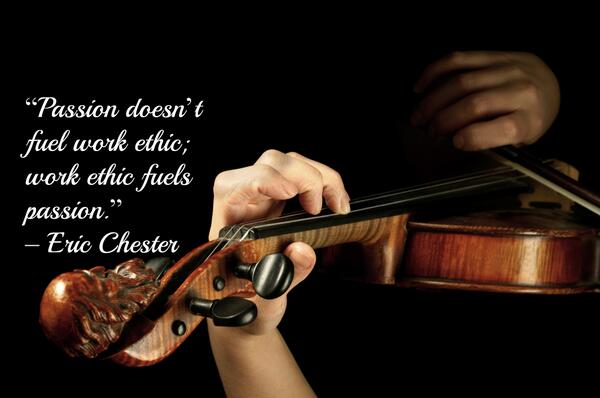
This is not just so for millennials but for all of us in the workforce. What do we need to be successful or effective across a career? Is it passion or work ethic? Passion (strong or powerful emotion, deep desire, intense conviction) is a big buzzword right now in hiring, but what we really need is work ethic. As Chester states, in his book Reviving Work Ethic, “passion doesn’t fuel work ethic; work ethic fuels passion.”

A strong work ethic will carry us through seasons in our career when we’re “just not feeling it”.  I appreciate the distinction Chester makes about how our work ethic actually fuels our passion and not the other way around. We may not all have passion in measures that enhance our success, but we can apply ourselves with diligence and intentionality such that we can push through to the finish, whatever it is. When passion wanes, this is a great encouragement to me.

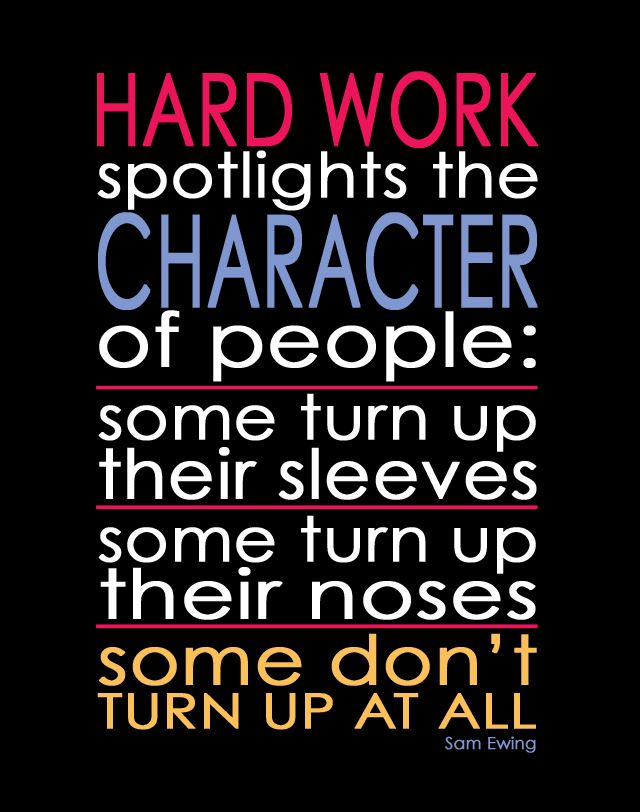
Blog - Work Ethic 1 - pinterestBlog - Work Ethic 2Photo Credit: Pinterest, Pinterest

Arlene Hirsch quotes Mark Cuban’s thinking on passion and work ethic:

“’Follow Your Passion’ is easily the worst advice you could ever give or get.

1.  When you work hard at something you become good at it.

2.   When you become good at doing something, you will enjoy it more.

3.   When you enjoy doing something, there is a very good chance you will become passionate or more passionate about it.

4.   When you are good at something, passionate and work even harder to excel and be the best at it, good things happen.

Don’t follow your passion, follow your effort. It will lead you to your passions and to success, however you define it.”

Chester uses the analogy of building a fire in a fireplace. You have to set the logs in place before you start the fire. Passion will heat up a conversation or spark a vision, but it won’t get the job done, whatever it is. This is where our work ethic when applied will get us to goal, to mastery, to the finish. That in turn gives rise to passion as we see what is possible when we put forth the best effort that is each of ours to bring.

Blog - Work Ethic and Passion - slidesharePhoto Credit: SlideShare

Whether you are newly employed in the workforce or a seasoned veteran, it’s wise to consider the bottom line of what we ought to bring to our jobs. This will vary across organizations and companies, especially as our workforce itself changes in the years to come. Chester’s summation is noteworthy for all of us:

“Employers are searching for positive, enthusiastic people who show up for work on time, who are dressed and prepared properly, who go out of their way to add value and do more than what’s required of them, who are honest, who will play by the rules, and who will give cheerful, friendly service regardless of the situation.”

How’s your work ethic?…

Whatever our passion might be today, our work ethic can be rock solid…something we count on in each other at work in the every day.

Reviving Work Ethic: A Leader’s Guide to Ending Entitlement and Restoring Pride in the Emerging Workforce by Eric Chester

On Fire at Work: How Great Companies Ignite Passion in Their People Without Burning Them Out by Eric Chester

Employers Must Pick Up the Slack, Instill Work Ethic in the Emerging Workforce – article by Eric Chester

Follow Your Energy, Not Your Passion – article by Arlene Hirsch

What’s Wrong with Work Ethic in America? – article by Patricia Fripp

SlideShare – Metric Driven Talent Management – 21st Century Talent Management Conference – Tanzania

YouTube Video – Book Trailer for Reviving Work Ethic by Eric Chester

YouTube Video – Book Trailer for On Fire at Work by Eric Chester

Work Ethic Quotes – Pinterest

Blog - Work Ethic over Passion - starecatPhoto Credit: Starecat

Monday Morning Moment – Screen Time – Give It a Rest

Blog - Screentime - smart3508Photo Credit: SafeSmartSocial

Walked away from the computer at 8:00 last night…best night of sleep I’ve had in a long while.

Alex Cavoulacos, productivity expert and founder of The Muse, wrote a Fast Company piece on establishing the habit of turning off screens at 11:00pm each night. A night owl, Cavoulacos discovered, in forming this habit that she: 1) could actually do it, 2) prioritized her work better, 3) finally found time to read, and 4) slept better. “Turns out that I inadvertently stumbled upon a trigger habit: I was reading more, sleeping more, and spending more quality time with my husband. All of this led to me feeling less stressed and better prepared to start each day. All in all, a huge positive change in my life, all thanks to a single new habit.” Check out her whole article and fascinating video here.

Tanya Lewis, a science journalist, went even farther than Cavoulacos in restricting her screen time. She writes, for Business Insider, that, for one week, she avoided screen time from the time she got off work until she went to bed. That means no TV or Netflix, no checking her phone for directions or searches of other kinds, or just out of boredom, and no tablet time for any of the above. What she discovered was how hard it was and how dependent to screen time she had become. She did start reading books again during that week. She also found that when she avoided screens, getting to sleep was easier. The most fascinating thing she noted was how much more social she became without the distraction of screens.

Night time connection

Anybody remember the old days, before wi-fi and smart phones? And the cable went out because of a storm? We would actually light candles and snuggle together on the couch, play games together, be silly, and talk. Special times worth re-creating with a screen fast.

How about our health? Is there any evidence that all this screen time, especially at night, affects our health, over our lifespan? For sure. Read Power Down for Better Sleep by Heather Hatfield on WebMD. She quotes fatigue specialist, Dr. Mark Rosekind, “One of the most simple but important reasons technology affects our sleep is cognitive stimulation.” What we are watching on screens late at night revs up our brains and stirs us up physically. This stress (positive or negative) can create a flight/flight response, resulting in our body’s release of cortisol – bringing on a state of vigilance rather than the restfulness needed for sleep. Add to our body’s “high alert” status the blue light of electronics. Hatfield reports how this light passes “through the retina into a part of the hypothalamus (the area of the brain that controls several sleep activities) and delays the release of the sleep-inducing hormone, melatonin.” To my sleepless, techie friends and family: it makes sense, right? Put it (screen time) to rest.

[Damon Beres in a Huffington Post piece, writes how “reading on a screen before bed might actually be killing you”. He points out the health problems that can result partly from inadequate rest (obesity, diabetes, cardiovascular disease). He also points to blue light filters that can help if we can’t imagine avoiding screen time at night.]

What about the impact of screen time on the brain over time? Debbie Hampton wrote a fascinating, sobering piece How Staring at a Screen Changes Your Brain (For the Worse). Hampton refers the reader to the findings of Dr. Michael Merzenich, author of Soft-Wired: How the New Science of Brain Plasticity Can Change Your Life.

“Visual activities, like staring at a screen or even driving, continually narrow our field of view to a smaller box-like zone right in front of our eyes. Our brains learn to categorize everything outside of this box as a distraction not worthy of attention and get good at filtering out anything not right in front of us. By developing sustained attention in the central view, our peripheral vision suffers, and our view of the world slowly contracts. The field of view in humans decreases as we age. Over time, a person becomes immune to noticing life’s visual surprises, and their eyes move less often. As a result of these self-induced neurological changes, our brains and bodies get conditioned not to pay attention and not to react to the unexpected.”

What does that mean for us? You have probably already seen this in action. Our attention is drawn in, fairly fixed, on our screens. We miss what is happening around us. One day I’m going to write about situational awareness – as a personal safety issue as well as a sharpening discipline to appreciate life around us. This whole addiction to screens that is prevalent today will take the rest of the world out of our view, so to speak, if we’re not careful.

For our sake (at work and home) and for our family’s sake, consider: No screen time before bed.Blog - Screentime - mugmagPhoto Credit: MugMag

Speaking of the family…our children – I will just post these quick reads about little ones (and teens) and how so much screen time affects them physically, socially, and developmentally. We fall into these habits with our children, but we can also pull ourselves, and them, out of the same.

What’s your takeaway from this? I personally want to strategically narrow the screen use in my life. Writing makes screen time an occupational hazard but I love those screens way too much outside of blogging. Thanks to Chris Bailey’s A Life of Productivity and his book about his productivity project, I have already made some changes. No Facebook on my phone, as one change. Still have a long way to go.

Bottom line: I don’t want to miss the people I love, in the flesh, and I don’t want to miss the real world…and lastly, I don’t want to miss truly experiencing God…because of this surreal, burgeoning habit of screen time. So…I will leave you for now. Well-rested, hopefully. Sweet dreams.

Monday Morning Moment – Make Your Bed Every Morning and Be Ready to Change the World

Blog - Make Your Bed - habit formation (2)

I make the bed every morning. It’s been a habit of mine most of my life. Somehow in the middle of the chaos and clutter of my life, that made bed stands in hopeful defiance.

Admiral William H. McRaven a highly decorated Navy Seal, retired in 2014 from a 37-year military career. He oversaw Operation Neptune Spear – the military operation that culminated in the death of Osama bin Laden. In the year of his retirement, he was commencement speaker at the graduation ceremony of University of Texas – Austin. Blog - Change the World - Make Your Bed - pinterestPhoto Credit: Pinterest

As he encouraged the young graduates, he told of 10 lessons in his SEAL basic training. Beginning with “Make Your Bed”, they follow in brief (you can watch the video of his speech or read more detailed highlights here).

10 Life Lessons to Change Your World

1. If you want to change the world, start off by making your bed.

2. If you want to change the world, find someone to help you paddle.

3. If you want to change the world, measure a person by the size of their heart, not the size of their flippers.

4. If you want to change the world get over being a sugar cookie and keep moving forward.

5. If you want to change the world, don’t be afraid of the circuses.

6. If you want to change the world sometimes you have to slide down the obstacle head first.

7. If you want to change the world, don’t back down from the sharks.

8. If you want to change the world, you must be your very best in the darkest moment.

9. If you want to change the world, start singing when you’re up to your neck in mud.

10. If you want to change the world don’t ever, ever ring the bell.

Steve Nguyen, Workplace Psychology

Adm. McRaven closed the commencement speech with the following challenge:

“Start each day with a task completed. Find someone to help you through life. Respect everyone. Know that life is not fair and that you will fail often . . . but if you take some risks, step up when the times are the toughest, face down the bullies, lift up the downtrodden and never, ever give up….if you do these things, the next generation, and the generations that follow will live in a world far better than the one we have today, and what started here will indeed have changed the world for the better.”Navy Adm. William McRaven

Commencement speeches are meant to be inspiring, and this definitely hit the mark. What actually stayed with me the most was the formation of habits as key to changing the world – making your bed, building community, enduring with hope, never quitting.

Maybe making your bed isn’t the one small task completed that makes for the foundation of the many larger tasks of your day. Whatever your particular routines or habits, they are worth considering for the weight of importance they might have in your life…with the possibility, even, of changing a world.

What habit or routine gets you started well each day? How do Adm. McRaven’s 10 Lessons of Basic SEAL training resonate? Maybe “changing the world” is too big a goal for a Monday morning, but whatever the goal, where do we begin to take aim?

How to be a Success at Everything – How I Became a Morning Person, Read More Books, and Learned a Language in a Year by Belle Beth Cooper

Make Your Bed Each Morning to Kickstart Better Habits by Eric Ravenscraft

Why Making Your Bed Every Morning Matters, According to a Navy Seal by Dave Greenbaum

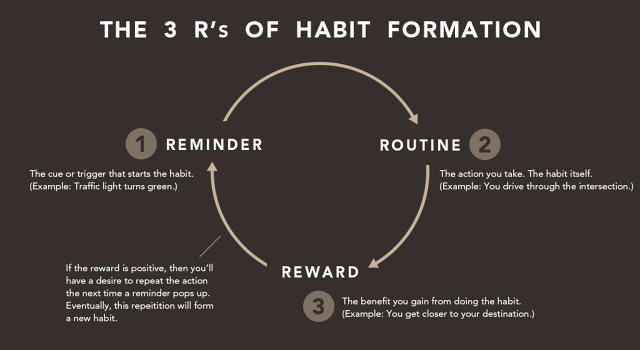
BLog - 3 R's of habit Formation - fastcompanyPhoto Credit: Fast Company

Worship Wednesday – Finishing Strong with Amazing Grace

Blog - Finishing Strong 2 - Tim MilburnPhoto Credit: Tim Milburn

Therefore, since we are surrounded by so great a cloud of witnesses, let us also lay aside every weight, and sin which clings so closely, and let us run with endurance the race that is set before us, looking to Jesus, the founder and perfecter of our faith, who for the joy that was set before him endured the cross, despising the shame, and is seated at the right hand of the throne of God.Hebrews 12:1-2

Finishing strong is something we all want for our lives, right? To see it happen in the life of another spurs us on to that same possibility.

Yesterday, I attended a celebration of a man’s life – 40+ years of faithful service in the same organization. 40+ years. As we heard the many accolades of his work and character, he sat quietly, listening, too. In years we’ve known him, he never aspired to that center stage spotlight…and yet, for these moments, grateful friends and colleagues shined that light on him.

He was compared to a son of Issachar (understanding the times, discerning) with the wisdom of Solomon, the passion of Paul, and the meekness of Moses. As different ones spoke of his impact and influence on their lives, he was described as a strong leader, faithful servant, friend and mentor.

This is certainly my experience of him – even in a leader role much of his career, he sought to work in the background doing what he could to make others successful. When I read the Hebrews passage above, it usually makes me think of how each of us has our own race, our individual course…but maybe we’re meant to think of it as a relay sometimes.

With our friend, he has, many times over, handed off his baton to another. Planting that baton squarely into the next runner’s hand. Giving way to another’s time to run. Selflessly releasing his hold…for the sake of the finish…for the winner’s crown, in a relay, doesn’t go to one, but to all on the team who run. This is how our friend leads and lives his life.Blog - Finishing Strong - Tim MilburnPhoto Credit: Tim Milburn

What does it take to finish strong like this? It takes proven character infused by amazing grace.

I have seen the mighty hand of God at work in this friend’s life. An imperative key to our finishing strong is humbling ourselves before God and in relationship to those He places in our lives. This is certainly evident in this faithful, humble man.

Another example of this humility worked out in relationship is the friendship between John Newton and William Wilberforce. Newton, a British slave ship captain until his conversion to Christ, would become a spiritual mentor to Wilberforce, who strongly influenced the abolition of slavery in Great Britain. Blog - Finishing strong - historicalmoviesPhoto Credit: Historical Movies

Jonathan Aitken, author of the biography John Newton: From Disgrace to Amazing Grace, writes about their relationship:

“Humanity will forever be in Newton’s debt for mentoring Wilberforce…their relationship was of pivotal importance for both historical and spiritual reasons.”

Like with our friend celebrated yesterday, and like Newton and Wilberforce, we all have the opportunity to finish strong through the amazing grace of God. I want, with all my heart, to reflect the magnificent glory of God by not only breaking the tape at the finish of my own race, but handing off the baton entrusted to me for others to finish what God started in their lives.

Worship with me to Chris Tomlin’s Amazing Grace (My Chains Are Gone):

Amazing Grace, how sweet the sound
That saved a wretch like me
I once was lost, but now I’m found
Was blind, but now I see
‘Twas grace that taught my heart to fear
And grace my fears relieved
How precious did that grace appear
The hour I first believed
My chains are gone
I’ve been set free
My God, my Savior has ransomed me
And like a flood His mercy reigns
Unending love, amazing grace

The Lord has promised good to me
His word my hope secures
He will my shield and portion be
As long as life endures

The earth shall soon dissolve like snow
The sun forbear to shine
But God, who called me here below
Will be forever mine
Will be forever mine.

Blog - Finishing strong - Amazing Grace - johnnewtonPhoto Credit: JohnNewton.org

Worship Wednesday – Chris Tomlin’s Amazing Grace (My Chains Are Gone)

Amazing Grace film (2007)

YouTube video of Chris Tomlin’s Amazing Grace with clips from film

Brief & thrilling summary of the life of John Newton who wrote the hymn Amazing Grace

Film Clip from the Film Amazing Grace – 2006 drama of political & spiritual life of William Wilberforce and his battle against slavery

Blog - Finishing Strong - John Newton - fministryPhoto Credit: Fministry