
Category Archives: work

Here I Raise My Ebenezer* – Stones of Remembrance to a Faithful God

2014 Sep MomMom & PopPop Visit 002

From the Archives –

Every good gift and every perfect gift is from above, and comes down from the Father of lights, with whom there is no variation or shadow of turning.James 1:17

What a weekend we’ve had…whew! Over the course of a few days, we’ve seen God answer prayers that have been daily raised to Him for several months. His timing is perfect and I’m reminded of that every time His answers come at what seems, for us, the eleventh hour.

Above my kitchen sink is this small pile of stones. I’ve loved rocks since my childhood trailing around behind a mom who loved rocks. She has moved stones in and around our yard for years, making rock walls and garden paths. We’ve collected stones from around the world, weighing down our bags with precious finds from ocean beaches, mountain trails, forest streams, and rocky deserts. These became stones of remembrance from those trips.

My little pile of rocks has no particular answered prayers attached to the stones. They just remind me, every time I look at them, of the faithfulness of God. It’s not like I always need visual reminders of God because we are surrounded by them. These windowsill sitters do help me to remember His constancy in my life and His care of His people throughout history.

Here…above my kitchen sink…”I raise my Ebenezer*” (from 1 Samuel 7:12) – my stones of remembrance that say, to my heart, “thus far the Lord has helped us.”

You may be waiting for Him to answer a prayer of your own. Don’t let your circumstances blur your vision of God; keep your eyes and heart fixed on Him. Sometime in the days ahead, you will add a “stone” to your heap of gratefulness, as you see Him move…either in the situation, or in you, or both…most probably both.

I leave you with an old hymn written by Robert Robinson who, as a young man, would have destroyed his life, but God had a different plan for him. Robinson wrote beautifully of this faithful, loving God who does not let us go.

Here’s the David Crowder Band performing it (lyrics follow):

Come, Thou Fount of Every Blessing**

Come, Thou Fount of every blessing,
Tune my heart to sing Thy grace;
Streams of mercy, never ceasing,
Call for songs of loudest praise.
Teach me some melodious sonnet,
Sung by flaming tongues above.
Praise the mount! I’m fixed upon it,
Mount of Thy redeeming love.

Sorrowing I shall be in spirit,
Till released from flesh and sin,
Yet from what I do inherit,
Here Thy praises I’ll begin;
Here I raise my Ebenezer*;
Here by Thy great help I’ve come;
And I hope, by Thy good pleasure,
Safely to arrive at home.

Jesus sought me when a stranger,
Wandering from the fold of God;
He, to rescue me from danger,
Interposed His precious blood;
How His kindness yet pursues me
Mortal tongue can never tell,
Clothed in flesh, till death shall loose me
I cannot proclaim it well.

O to grace how great a debtor
Daily I’m constrained to be!
Let Thy goodness, like a fetter,
Bind my wandering heart to Thee.
Prone to wander, Lord, I feel it,
Prone to leave the God I love;
Here’s my heart, O take and seal it,
Seal it for Thy courts above.

O that day when freed from sinning,
I shall see Thy lovely face;
Clothed then in blood washed linen
How I’ll sing Thy sovereign grace;
Come, my Lord, no longer tarry,
Take my ransomed soul away;
Send thine angels now to carry
Me to realms of endless day.

YouTube Video with Lyrics – Come Thou Fount – David Crowder Band

*“Here I Raise my Ebenezer” – origin of word and phrase – Ebenezer –  Hebrew words ’Eben hà-ezer (eh’-ben haw-e’-zer) –  “stone of help”

**Come, Thou Fount of Every Blessing – Lyrics & Story Behind the Song

On Thankfulness

20 Bible Verses On Being Thankful – Jarrid Wilson

23 Bible Verses on Gratitude

5 Friday Faves – Workplace Friendship, a Book on Opposites, All Things Pumpkin, Story-telling, and a Chamber Choir

Blog - Friday Faves

Happy Friday! We’re expecting a rainy weekend here. With Fall weather upon us, the pull to be outdoors is even more heightened. If the rain keeps you in, here are five favorites to enjoy.

  1. Workplace Friendships – Adam Grant writes for New York Times about how friendship culture has changed in the workplace. I have life-long friendships which originated at work. Same passions, same seasons of life. Read his piece here. What is your experience?Blog - Friends at work - Friday FavesPhoto Credit: NYTimes.com

2. Book of Opposites – Jennifer Kahnweiler has written a fascinating book on Introversion-Extroversion. The Genius of Opposites: How Introverts and Extroverts Achieve Extraordinary Results Together. My  husband is a  introvert  and I am an extrovert. We have been married over 30 years and have worked together many of those years. We have learned a lot of Kahnweiler’s wisdom on our own…and after many years of struggle. This book is very helpful and empowering for any partnership between introverts and extroverts.

Blog - Friday Faves - Genius of Opposites

Photo Credit: Amazon.com

Skip Pritchard wrote a great review here.Genius-card-front-1Photo Credit: SkipPritchard.com

3) All Things Pumpkin – O.K. I’m not wild about Pumpkin Spice Latte, but as soon as September comes, I’m in love again with all things pumpkin. My favorites are pumpkin pie and pumpkin bread. When we lived overseas, pumpkin was solely treated as a vegetable. It is amazing in 7-vegetable couscous. What is your favorite pumpkin recipe? Please share in comments.2015 September Flowers & Fall Pumpkin Spice Blog 014Photo Credit: Weather.com

Fall Pumpkins by Carol Davis2015 July Phone Pics - Flowers, Blog, Stella, Shyndigz, Christie 001 (147)Photo Credit: Pumpkins by Carol Davis

4. Story-Telling – Chase Neinken wrote a piece for NewsCred.com on what is critical to story-telling – Conflict, Authenticity, and the Audience. Read 3 Crucial Principles Of Storytelling You Can Learn From Kevin Spacey + House Of Cards, and watch Kevin Spacey talk about story-telling.

5) A Chamber Choir – Azusa Pacific University Chamber Singers were recently on tour in Italy. On Facebook, I came across a video of them singing “Give Me Jesus” by Larry Fleming at the prison where the Apostle Paul was kept. Wow!Blog - Friday Faves - APU Chamber_Singers

Photo Credit: apu.edu

That video hasn’t made it to YouTube yet, but here they are singing at a concert in Italy.

Do you have a favorite group? Please share. Enjoy your weekend…and your pumpkin of choice.

Givers, Takers, or Matchers in the Workplace – Which One Are You? – with Adam Grant

Blog - Givers, Takers, Matchers - Adam GrantPhoto Credit: Chuck Scoggins.com

A smart and gifted friend of mine is going through a taxing time on her new job. Long hours, piling up responsibilities, with no end in sight. She lamented that maybe the problem is that she’s a people-pleaser. That expression seems to communicate a character weakness, and I don’t see that operating so much with this friend of mine. What seems more her dilemma is that she’s what Adam Grant calls a “giver”…which is a good thing. The dilemma for my friend and her workplace is to establish a culture where she, and other givers, can thrive.

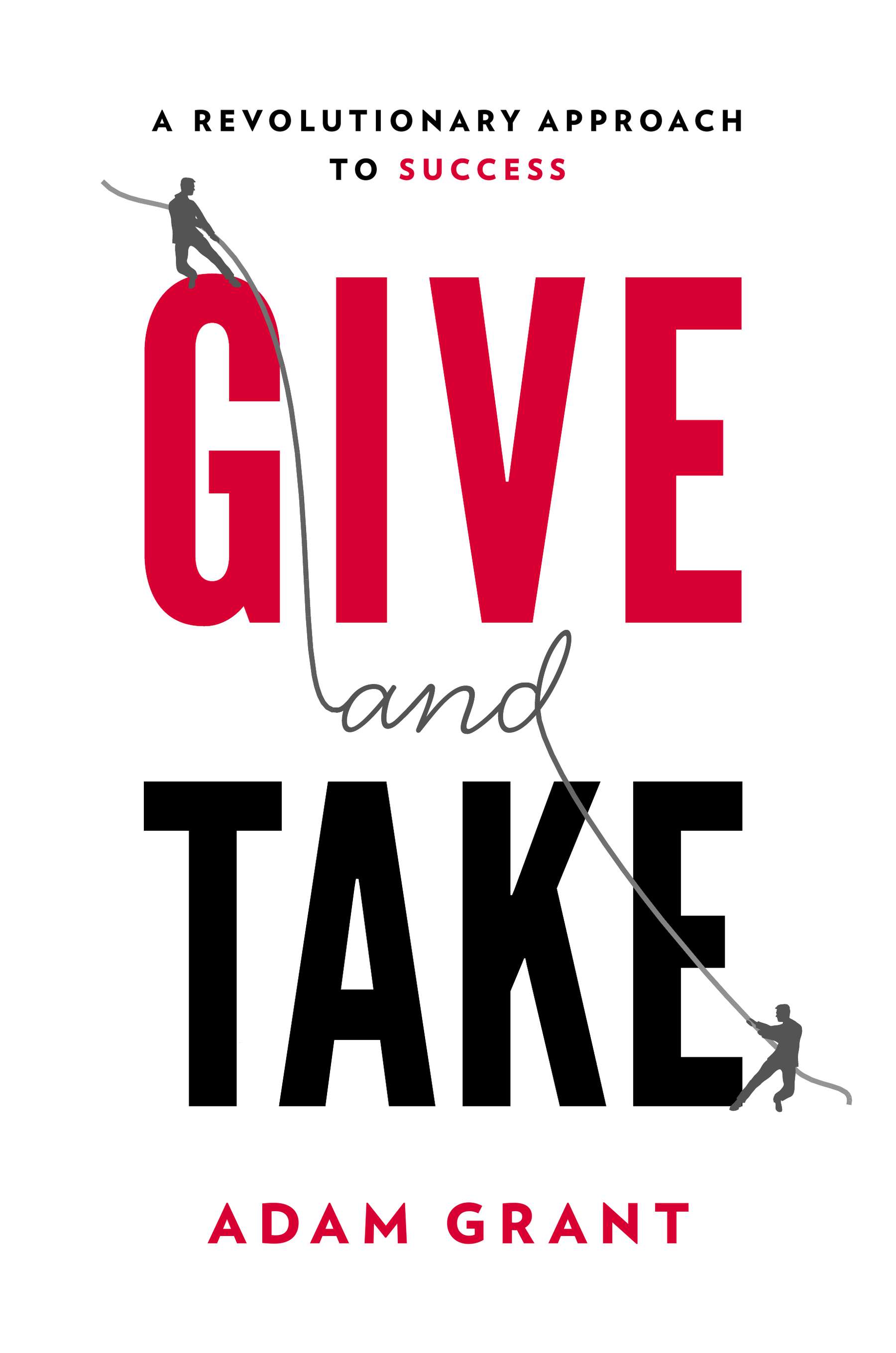
Adam Grant is a professor at the Wharton School of the University of Pennsylvania. He has also written this great book – Give and Take: Why Helping Others Drives Our Success. I heard him speak at the Global Leadership Summit and bought his book. His take on the three tops of people who make up our work culture was both fascinating and practical.Blog - Give and Take by Adam Grant - cminds.netPhoto Credit: Amazon.com

Grant sees us all as either givers, takers, or matchers. “It’s very hard to judge our own style. What values you live each day is in the eye of the beholder.” We may not necessarily see ourselves in these categories, but our colleagues will. Ask them, if you have the courage. Then you might consider taking what you learn and thinking through how you might use that information to become a more effective employee and valued colleague.

Takers are those who often manage to do the least amount of work yet gaining the most notice. They manage to get “the lion’s share of credit for collective achievements”, notes Grant. The Takers are the shirkers in the workplace. They are not at their desks because they are off schmoozing (oops, I meant networking, right?) in another department. They somehow get their jobs done partly by leaning on the strong work ethic of the Givers.

Givers are the people who simply enjoy helping others – “no strings attached”. They get to work early and stay late, if necessary. Their core values resonate in the quantity and quality of their work.

Matchers are most of us, really, doing our part in the workplace. Matchers can be counted on to keep things “fair” at work. “I’ll do something for you if you do something for me” is their mantra. They believe in “an eye for an eye” and “just worlds”.  They are the “fairness” or “Karma” police in the workplace.

Grant readily admits that we may operate out of all three styles from time to time, but we each have a dominant style at work.

How do givers, takers, and matchers fare in the workplace? Which of these sinks to the bottom in terms of performance and impact?

Givers are the worst performers (but keep reading). “The ones who get the least work done are the ones who help the others and never get their own jobs done”, reports Grant.  “I love helping others” is not the one on top of the heap of performers. “The lowest revenue accrues to the most generous salespeople.”

It’s sad news that givers sink to the bottom. If you want to boost your organization, have more givers….unfortunately the givers do it at their own expense – unless the organization builds a culture that helps the givers to thrive.

Who rises to the top?

If givers are the worst performers, who are the best performers? You think it’s takers? Takers rise quickly, and fall quickly. They often fall at the hands of the Matchers who can use gossip (or, said another way, workplace channels of influence) to call out the abuse of the Takers. Beware, Takers, of the Matchers in the shadows. Also, other Takers can also take down those more abusive, or less-well-liked Takers.

Are the Matchers the best performers? Not usually. The best results belong to the Givers. Wait! How can they also be the best performers? It’s a both/and situation.

Grant encourages: “Helping others can sink your career but it can also accelerate your careers. Hang in there.”

It takes a while for Givers to learn and build connections, but when they do, it’s a win-win for the organization.

How can we build cultures to help Givers be successful?

3 Things We Can Do:

  1. Keep the wrong people off the bus. – Get the right people on the bus. If possible, keep Takers off the bus. “One Taker on the team and paranoia starts to spread.” Put one Giver on the team, and you don’t necessarily have an explosion of generosity. It’s not bringing in the Givers; it’s weeding out the Takers. Matchers follow the norm. Matchers will follow the example of the Givers.
  2. Redefine Giving.   Wisdom is to know who is who in the workplace. Or at least not be thrown off by behaviors vs. motives. Then we can shape our work culture to empower Givers, influence Matchers, and avoid enabling Takers. In an interview with Adam Grant, Thinkers50 spelled this process out very well. For instance, consider Agreeableness vs. Disagreeableness – in Takers, Givers, and Matchers. We usually think Takers are disagreeable, but not necessarily so. Givers aren’t always agreeable either. Just because someone is nice to you (an agreeable Taker) doesn’t mean they care about you (Givers, in general, really care). Adam Grant also talks about the importance of kindness in the workplace. This is a strength of Givers, but it can also push them to over-work and exhaustion. Grant prescribes “5-minute favors (a microloan of your time, skills, or connections). Volunteering – 100 hours a year – is the sweet spot. Greater than 100 hours a year is too much. 2 hours a week.”
  3. Encourage Help-Seekers – A work culture of Help-Seekers will take silos down. “People step up when others say ‘I’m stuck; I need some help’. If no one asks for help, you have a lot of frustrated Givers in your organization.” Grant recommends an exercise called the Reciprocity Ring – Gathering teams together and having each person state a request of something they want or need and then everyone else in the room tries to use their expertise and networks to make it happen. “People are often unbelievably generous if you ask for help. Givers step up. The Takers become more generous. All the offers of help are visible. Takers don’t want to get outed. The Matchers realize that matching is useful, but it’s an inefficient way to run an organization. If you have given help to others without getting back, then you can increase your productivity because you don’t have to just ask those you’ve helped.”

Givers ask the question “How can I be the rising tide that lifts all boats?” We can move our organizations in this direction of maximum impact and satisfaction, by nurturing a Giver culture.  Instead of workplace paranoia, imagine a culture distinguished by a “Pro-noia” – the “delusion” that other people are plotting your wellbeing.  May it not be a delusion but a daily reality.

Give and Take – An Interview with Adam Grant by Thinkers50

Give and Take – A Revolutionary Approach to Success by Adam Grant

Outward Focused Lives // Givers, Takers, Matchers

Give and Take – An introduction

YouTube Video – Adam Grant, Professor – Givers, Takers, and Matchers

YouTube Video – Adam Grant’s Give and Take Talk at Google

Global Leadership Summit 2015

The Reciprocity Ring

Live Blog: 2015 Leadership Summit – 30 Leadership Quotes from Adam Grant – Brian Dodd on Leadership

The Global Leadership Summit Session Three – Adam Grant – Notes by Chuck Scoggins

A Lesson in Humility – Downsizing – A Humbling Work Experience and What God Can Do With It

Blog - Downsizing - slideshare.net (2)Photo Credit: Slideshare.net

A company downsizing can be a humbling experience for everyone – for those losing their jobs and for those in leadership with no other way forward. For all the employees, there will be a mix of reactions. Downsizing can be a humiliating experience…unless we allow it to be simply humbling.

God sees downsizing differently than we may, when going through one. In the Bible, there’s a fascinating account (Judges 6-7) of His gathering an army to fight the Midianites, enemies of Israel. He worked through the leadership of a man named Gideon who, early on, wasn’t at all sure of himself leading such an operation. As Gideon sought direction from God, he was able to rally an army of 32,000 men.

God wanted Gideon to see His own glory in fighting for His people. This army of 1000s was too big. Through a couple of strategic downsizings, Gideon was left with an army of 300 and a God who would lead them in battle for His name’s sake. They would see the Midianites trounced in such a curious way that only God could have brought about their defeat.

In the story above, Gideon must have felt satisfied…even proud…at the size of the army he was preparing to lead. The timidity he originally felt melted away with the men who volunteered to fight for him. He was ready to go up against the Midianites.

God had another plan.

He brought the number of soldiers down to such a low count that Gideon no longer had cause to be proud of the possibilities of victory. He was humbled by God’s actions, and he became all the more able to lead, as He followed every detail of God’s strategy.

Humility is having a right, or true, understanding of who God is, and who we are in relationship to Him and each other.

When we are humbled, either by a downsizing in our jobs, or a hit to our status, position, or reputation, we can take heart, in what God can do in that. When He works to move each of us to a such challenging place, we discover the contents of our own hearts. We discover the pride…or whatever else has lodged itself against Him (fear, entitlement, bitterness). Then we either choose to rail against our situation or decide to trust Him with the outcome.

We have an example of that in the humble obedience of Christ:

Have this mind among yourselves, which is yours in Christ Jesus, who, though he was in the form of God, did not count equality with God a thing to be grasped,  but emptied himself, by taking the form of a servant, being born in the likeness of men. And being found in human form, he humbled himself by becoming obedient to the point of death, even death on a cross. Therefore God has highly exalted him and bestowed on him the name that is above every name. – Philippians 2:5-9

2015 September Blog - Humility

In a company downsizing, or any other hard place, our temptation may tend toward pride and entitlement. As we allow God to humble us through that hard place, then He will raise us up, as He did Gideon, in victory. It’s in trusting Him that we’ll find that victory.

Blog - Humility & Pride - Slideshare.netPhoto Credit: Slideshare.net

Gideon’s Incredible Shrinking Army (Judges 6:33-7:15a)

Gideon Defeats the Midianites – Godsstory.org

The Power of Humility – Slideshare

What It Means to Be Humble and 6 Ways You Can Grow In Humility

How to Fight the Sin of Pride, Especially When You Are Praised – Ten Things I Do – John Piper

Looking for a Job…or the Next Job? – 4 Ideas to Consider

Blog - Do Over #2

When you need a job, or a new job, you are in a tender place. I will treat that place with honor. You have gifts, experience, and workplace wisdom that are needed somewhere…so please don’t despair. Any bitterness that could be taking root in your heart will only get in your way. You have choices, more than you think. You have probably had more advice than you can even follow, so I don’t want to burden you with another load of it. Just 4 ideas.

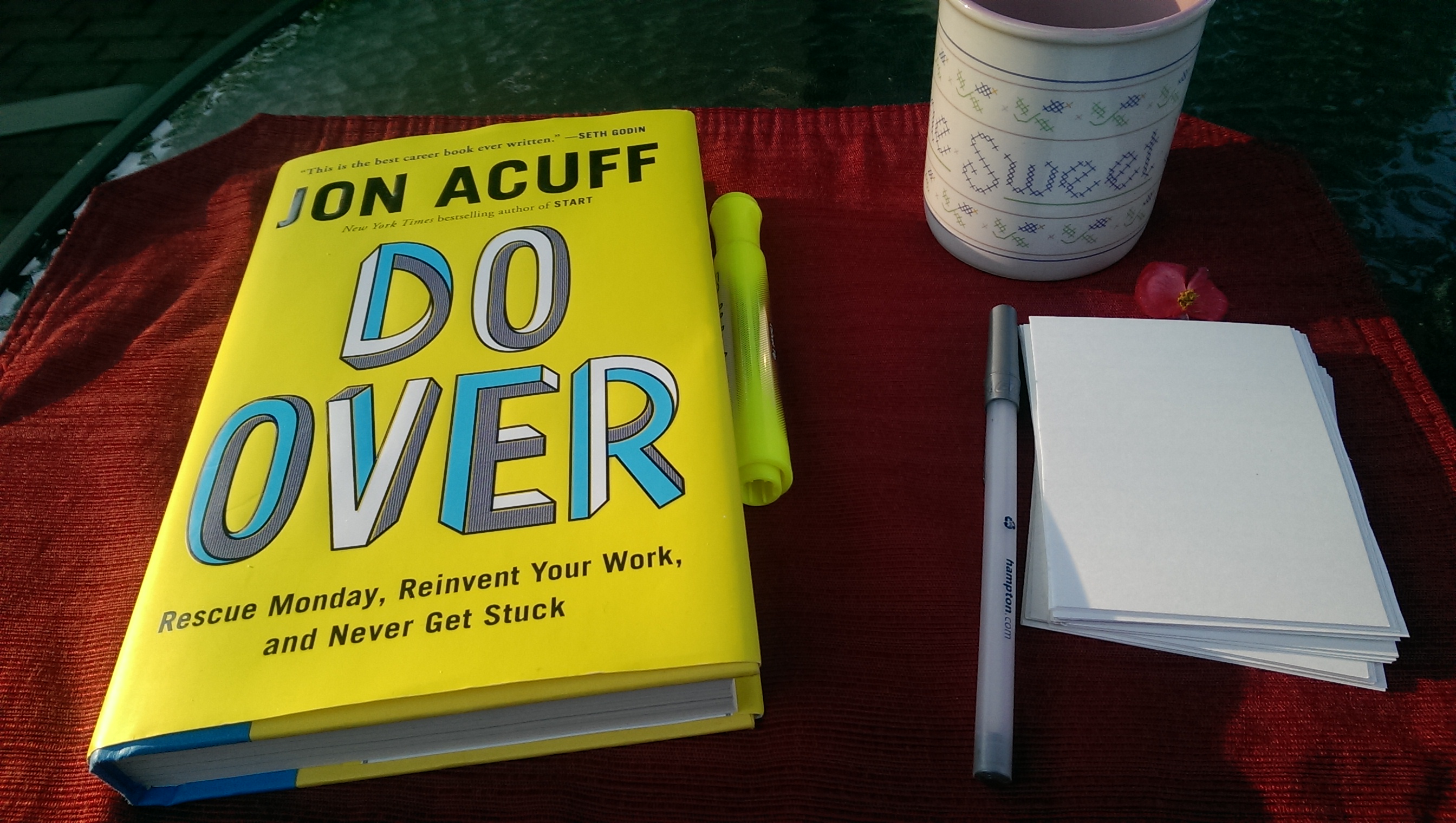
  1. Read an encouraging and practical book.  For me, that book is Jon Acuff’s Do Over. Acuff gives sound counsel, mixed with fun stories, about how to get on with your life in the marketplace. In fact, I wrote 5 blogs on his book (see links below). I leave out the stories, but his “next steps” are extremely helpful and sometimes surprisingly counter-intuitive. He boosts the reader’s confidence in a genuine way and  doing the exercises in his book can make a huge difference in job hunting. So much affirmation…real affirmation.
  2. Network with lots of people. It’s not just about “who you know”. It’s also about “who knows you”. Sometimes we don’t even recognize our own strengths (OR weaknesses). Trusted friends or even respected acquaintances can give you much-needed food for thought and action. Maybe you don’t even know what to do, job-wise – your future is wide open but looks (to you) very dark. Input from others who care about you or who are caring, in general, can help you focus. You may not have even considered what they may be telling you – either about your own hireability or the job market itself. Listen and learn. P.S. Don’t go to them for a job; go to them for wisdom about getting a job.
  3. Try something completely new. The film The Intern with Robert De Niro and Anne Hathaway speaks to this something new. A 70-year-old takes an internship in a cool successful company. Funny and winsome and could be one of us, right? Then I have also been hearing a lot lately about advanced manufacturing and the need for apprentices in this field. You may have a “white collar” education that could be more finely tuned with some “blue collar” experience. Those terms may be antiquated with the blurring of boundaries in our more technology-rich manufacturing companies. You could be that intern or apprentice.

4. Consider working with a head-hunter or job placement agency. In a conference recently, I heard Michael Thompson, founder and CEO of Turas Group, speak to a group of job-seekers. His approach was warm and positive. In that half-hour session, he gave strong individualized counsel to each person, based on what information they had already sent them. Counsel that helped everyone in the room really, but also individualized to each person’s needs. He also asks really good questions which is incredibly helpful for clarification – when you really don’t know what to do next.

One thing Thompson expressed was the importance of doing lots of interviews. His counsel included: a) prepare and do research to know your interviewers; b) arrive early; c) have your 60 second pitch down; d) – smile a lot, have energy, be excited and maintain eye contact; e) answer directly and concisely; and finally f) if you don’t know the answer to a question, share that, but then offer what you would do (especially if you’ve never done that something needed). Thompson also encouraged the participants to join LinkedIn (a global online professional network).Blog - Friday Faves - Turas Group

Whether you’re just out of college or you find yourself in the throes of a company downsizing, you know something of what you offer any employer. Allow these 4 ideas to fill in some of the holes you can’t see that would make job hunting a less painful and more productive endeavor.

As to dealing with the disappointment of not finding a job right out of school, or the loss of satisfying work you loved, please don’t let that define you. You have choices…maybe very different that you first imagined, but you have them. Make those lists of strengths and people of influence in your life as Jon Acuff advises; talk (well, listen more) to friends and advocates; and stay open to a real positive turn in your career. Finally, I personally would add “Pray” to all this. Prayer will help you to not panic or grow bitter when your emotional energy would better serve your pursuit of that job – the one you can’t imagine right now. Remember who you are and Whose you are.

Any comments on what has helped you or what is sustaining you in your job hunt? Please share below.

Do Over – Rescue Monday, Reinvent Your Work, and Never Get Stuck – by Jon Acuff – Notes (Part 1)

Do Over – Jon Acuff on Work Relationships – Notes (Part 2 of Do Over Series)

10 Quotes by Jon Acuff on Developing New Skills & Sharpening Old Ones – Part 3 of Do Over Series

Jon Acuff on Character at Work – 9 Quotes & a Challenge – Part 4 of the Do Over Series

Jon Acuff on the Role of Hustle in Taking Hold of Career Opportunities – Notes & Quotes – Part 5 of Do Over Series

Turas Group – Michael Thompson, CEO – Michael@turasgroup.com – or connect via LinkedIn

Tips for a Successful Job Search – Tulane University

Is Our Yes Still on the Table? Re-Visiting What It Means for Us to Follow God

Blog - Yes on the Table“Then I heard the voice of the Lord, saying, “Whom shall I send, and who will go for Us? Then I said, “Here am I. Send me!” Isaiah 6:8

Over two decades ago, my husband and I put our “Yes” on the table. We have been praying and thinking a lot about this lately – is our “yes” still on the table?

As a teenager, I thrilled to the words of Isaiah’s response to God’s inquiry. “Here am I. Send me!” Sitting around a campfire with other teens, challenged about our life direction, and singing “I Surrender All“…I first put my all-in “yes” on the table. At 15, tears of joyful release washing down my cheeks, it seemed the only response possible to a God who loved me so much. Today, “all” seems different, more complicated. Or is it my heart that’s changed?

We’re revisiting our “yes”. All I can think of is Jesus’ response to His Father’s will. Hours before He would give His life for us on a cross, He wrestled with the meaning of that “yes”. Jesus, this One who was from before the beginning, part of the Triune God, sinless, and perfect, poured out His human heart to His Father:

He withdrew from them about a stone’s throw, and He knelt down and began to pray, saying, “Father, if You are willing, remove this cup from Me; yet not My will, but Yours be done.”Luke 22:41-42

In that moment, He revealed two huge truths to us who follow Him. 1) No matter what God’s will is, (fill in your own blanks here), He is worthy of following. How glorious to spend our lives in His redemptive will – so much larger and full of love and purpose than we might, on our own, choose for ourselves.

2) Because of how big God is and how small we feel in our human frames, there will be times  we bend toward a different road, a cleaner path, with plenty of shade (Jonah 4:5-6). Jesus is kind to show us that struggle…yet without sinning in it.

This “yes” on the table has also been described as giving God a blank check. Essentially telling Him we acknowledge His Lordship in our lives. There are some reading this who may chafe at that. He has given us minds to make thoughtful, impactful decisions. For me, the idea of signing my name to a “blank check” and giving the checkbook back to Him is a test of my heart, and the affections and motivations of that heart.Blog - Blank Check

I love how Simon Peter responded to Jesus during a point in their journey when others left them, having second thoughts:

So Jesus said to the twelve, “You do not want to go away also, do you?” Simon Peter answered Him, “Lord, to whom shall we go? You have words of eternal life. “We have believed and have come to know that You are the Holy One of God.”John 6:67-69

“Lord, to whom shall we go?” – There is no other life I want apart from knowing and following the God who pursued me through Jesus . No. Other. Life.

Still, we revisit our “yes”, our “blank check” when God confronts us with a possible course change – a turn in the road that could take us away (again) from family and friends we cherish, colleagues we choose, and work we have loved. Blog - Yes on the Table (2)

We have been in this place before…and we receive it again. I may be at this desk in this place, clicking keys a year from now…or more. Or we may be in a very different place. Wherever we are, there is grace for us (and for you), and glory for God…and all will be well.

Today, again, with trembling hands and resolute hearts, we lay the “yes” on the table. Whatever, wherever, God, we are trusting You, as we’ve trusted You before (even just minutes before this) to do what only You can do with our lives when they are wholly Yours. With wet-palmed excitement, deep joy…and peace…our “yes” is Yours.

For I am confident of this very thing, that He who began a good work in you will perfect it until the day of Christ Jesus. – Philippians 1:6

[P.S. There will still be times that peace is shaken…it could be today…but I know from God’s Word, an old hymn, and experience that perfect peace can be ours as we keep our hearts fixed on Him. Fixed.]

A Blank Check – Randall D. Kittle

A Blank Check – A Devotion by Chris Hendrix

8 Reasons for Leaders to Give God a Blank Check – Chuck Lawless

Remembering 9/11 – and the Day Before – A Story of God and a Girl – a girl whose “Yes” was always on the table, a life gloriously lived.

TGIM – What Can We Do to Make a “Thank God It’s Monday” Work Culture?

Blog - Thank God It's Monday - bridgepointconnections.org

Photo Credit: BridgeportConnections.org

Don’t hate me, but I’ve always loved Mondays. Mondays read a fresh start for me…a clean slate. New possibilities. Sunday nights would sometimes mean a bout of anxiety or a bit of depression in my questioning of being mentally prepared for whatever Monday brought. All that cleared by the time I stepped outside, into my car, and headed for work.

TGIF (“Thank God/Goodness, it’s Friday!”) was never something I understood. It was hard for me to fathom grinding through a work week, longing for Friday. There’s a rhythm in work, requiring a certain number of days at it, and by Friday, I was ready for a break, but “living for the weekend” wasn’t my thinking on work.

This past Friday was an exception. Pressures at work did spill out over the purpose and pleasure of work such that Friday came just in time. So…I do understand TGIF. Still, it’s clear that God created work for us and I usually take joy in it. Hopefully this resonates with some of you…with others, maybe you might consider how TGIF could make room for TGIM as well.

Tim Hoerr, author of Risking It: An Intersection of Faith and Work, wrote an excellent piece on Building a “Thank God It’s Monday”. It’s a quick read and I strongly recommend it for anyone who struggles with taking joy in their work. It is possible to change your culture.

How does Tim Hoerr define a TGIM Culture?

  • TGIM culture: each team member engaging in challenging, meaningful work – each knowing that their individual contribution is a significant, integral part of the larger whole.
  • Second, each person has ample opportunity for growth and advancement. God has wired each of us to grow and desire new, richer experiences. Entrepreneurial environments are greenhouses for human growth.
  • Another feature of TGIM culture is that each team member and his or her efforts and contributions are being recognized by the company’s leadership. It doesn’t have to be terribly formal or fancy – but each of us want to know we matter and our work is making a difference.
  • TGIM culture means that the fruits of success are being shared by each of those making a contribution to that success. Although surveys show that compensation ranks relatively far down the list of what makes one satisfied, it is essential that the rewards be fairly shared amongst the team.

After defining a TGIM work culture, Hoerr gives a historic example, completely relevant to today’s workplace.

“If you examine the ‘work environment’ Jesus created with his ordinary band of followers, you’d have to say it was a template for our organizations today.”  Then Hoerr lists those components:

  • There was a common mission.
  • A series of challenging assignments.
  • Regular dialogue and interaction amongst the team.
  • Teaching and training in order to replicate the mission on a broader scale.
  • And, importantly, Jesus as the leader facilitating the larger purpose amidst his team’s diverse personalities and all-too-human tendencies.

Don’t miss the rest of Tim Hoerr’s piece on TGIM Culture.

Is the TGIM culture cultivated in your workplace? How might you see the components above implemented where you are – whether top-down or bottom-up? You can be part of making your work and workplace one where you look forward to Monday rather than just longing for Friday.

Tim Hoerr Website and original blog – Building a “Thank God It’s Monday” Culture

Building a “Thank God It’s Monday” Culture – featured at Institute for Faith, Work, & Economics Blog

Bridgeport Connections – Connecting Professional and Spiritual Life

All the “One Another” Commands in the NT (Infographic)

12 Ways to Glorify God at Work

Risking It: An Intersection of Faith and Work by Tim Hoerr

Blog - Thank God It's Monday - Risking It by Tim Hoerr

Photo Credit: Amazon.com

Three Years’ Work Gone…Not so! A Story – Going from a Deep Sad to Hopeful Glad

Blog - Sunset 2 = Brenda McEwenPhoto Credit: Brenda McEwen

“God can take the broken bridges and make something beautiful. I am living proof.” – Brenda McEwen

This is a story. It is my brief account of a 3-year journey of a small group of like-minded individuals, strangers really at first, who came together for an extraordinary purpose. It is how I see it – these three years, this work, these colleagues who became friends.

The story begins many years earlier, when a seed was planted providentially in the heart of a man who became the president of a large non-profit organization. It was a seed of possibility – of what if we thought bigger, beyond our own company. What if we took the essence of what we did well and expand it to include all those who had our same vision? Across agencies, most much smaller than ours – to do a work with long-term global impact. For great good.

The particulars are not needed in this story…just the heart of it. The people in it.

As happens with God-shaped direction, this new president arrived, with this dream, to an organization where that vision was already stirring. He fueled the fire by appointing a leader to gather a team to move this dream to reality.

I had the privilege of writing some of the story of this team’s work. It was a small team, gathered from around the world for this purpose. For them, this was a dream job, for they also had that vision, that “what if” in their own hearts. For me, watching them work, this was a dream team, with differing gifts, strong character and great resolve. Praying, talking, researching, floating ideas, designing, creating, developing, networking, building relationships, talking some more, praying some more.

I won’t use pictures for this story, but there is a picture – a group of guys around a work table constructing and deconstructing and reconstructing a framework of “what if”. Whiteboard walls filled with ideas and timelines and names of partner organizations and notes from conversations. So much thinking and talking and praying.

This is the team I wrote about…these around this table and all the many we discovered around the world with the same vision – who were also moving in the same direction of this larger idea. Such a God thing. Even in this moment, I feel so privileged to have been a tiny part of such an endeavor.

In this last of the three years, the “what if” was in full launch with stories mounting of God at work.

In this same year, God was at work in other ways as well, affecting this team differently than they would have imagined. There was a change in leadership. A financial shortfall deepened. An overall strategy took a slight but dramatic turn.

This team’s work would not be the course taken to get to the “what if”…at least not for now.

If you have been in this place before – then you understand. We have probably all been through company reorganizations, maybe a personnel downsizing, possibly even a project termination or failure to launch. It happens.

What I wasn’t prepared for was the deep emotional toll of this story’s end. The conflicted anger mixed with deep, unrelenting sadness. The “what if” that went away… at least from this team, for now. At least…it seemed so.

Then I came to this amazing moment in the story…when it came to me that this isn’t the end.

One afternoon last week, after a fitful night of interrupted sleep, I took a nap. Upon waking, a Bible verse came to mind. It was the account of Israel’s King David who had prayed intently for his very ill little son not to die. God did not answer that prayer in the way David hoped.

“Then David arose from the earth and washed and anointed himself and changed his clothes. And he went into the house of the LORD and worshiped. He then went to his own house. And when he asked, they set food before him, and he ate.” 2 Samuel 12:20

It was as if the Lord woke me from that sadness over this team and this work. I was also reminded of the story of Job receiving terrible news from a messenger:

“Behold, a great wind came from across the wilderness and struck the four corners of the house, and it fell on the young people and they died, and I alone have escaped to tell you.” Then Job arose and tore his robe and shaved his head, and he fell to the ground and worshiped. He said, “Naked I came from my mother’s womb, And naked I shall return there. The LORD gave and the LORD has taken away. Blessed be the name of the LORD.” – Job 1:19-21

There comes a time…you stop grieving, and get up, and on with the life before you. That same afternoon, in the car doing errands, I heard a song lyric for the first time, after many times listening:

There’s a place where mercy reigns and never dies,
There’s a place where streams of grace flow deep and wide.
Where all the love I’ve ever found,
Comes like a flood, comes flowing down.

There’s a place where sin and shame are powerless.
Where my heart has peace with God and forgiveness.
Where all the love I’ve ever found.
Comes like a flood, comes flowing down.

Here my hope is found
Here on holy ground
Here I bow down. – Chris Tomlin, At the Cross (Love Ran Red)

That afternoon, peace, over this team and their efforts, reigned in my heart. I was reminded of another One who had only a 3-year public ministry. He changed the world and continues to do so. We have that hope. We have that confidence. Our “what if” can be transformed to “what will be”.

Don’t hear me over-spiritualizing what “feels” really bad right now. The situation isn’t changed, but my perception of it has somewhat, with God’s tender help. Sadness, loss, and confusion will cloud my thinking from time to time. However, it won’t be where I live. Where I live, where this team lives, is about finishing strong – to be good stewards of what remains, to be faithful to God and the vision He planted in their hearts.

I want to celebrate them, and my season with them. How much our lives are changed by the giants of the past. Those who went before us, who picked up rocks, and cleared the way. Pioneers. This team stood on the shoulders of giants.Blog - On the shoulders of giants

Photo Credit: Pinterest.com

These guys are giants to me.

When the day arrives that the sign comes down off the office door and the members of this team take different assignments or pursue different work, I will be forever thankful for these three years I got to watch them work. My life has been radically changed by being a small part of this team’s faithful tackling the “what if’s”. Life today continues to be radically changed by this Giant of a God we serve, who lifts us up on His shoulders.

The End…but not yet.

Blog - Sunset 1 - Brenda McEwenPhoto Credit: Brenda McEwen

“I will lift up my eyes to the mountains; From where shall my help come? My help comes from the LORD, Who made heaven and earth. He will not allow your foot to slip.” – King David – Psalm 121:2-3

5 Friday Faves – a Favorite Beverage, a Pic of a Little Girl, a List of Critical Habits, a Pinterest Page of VIdeo Clips, and Job Search/Recruitment Group

Blog - Friday Faves

How does a week fly by so fast?! Here are my 5 Friday Faves. It’s been a tough work week here. That’s for another day. It has, of course, had an impact on my Friday Faves. Be encouraged, get moving, enjoy a laugh, and remember God loves you and is in the work of bringing good out of every situation…

  1. Favorite Beverage – Coffee. Hello! The coffee we drink in our house is an inexpensive and completely satisfying brand  – Eight O’Clock Colombian Peaks. Available in most grocery stores around here but we order from Amazon.com so we never run out. If I can’t have Moroccan coffee in Morocco (below, right), then it’s Eight O’clock.

Blog - Friday Faves - CoffeeBlog - Friday Faves - Coffee 2

2) Pic of a Little Girl – A friend of mine taught English in China last year. One of the classroom teaching strategies was for each child to have a name more common in Anglophone countries. This probably was a help both to the teacher and to the students. This darling little girl had my name: Blog - Faves - Chinese girl with my English class name Hailey Williams teacher (2)Photo Credit: Hailey Williams

Can’t leave this Friday Fave without putting up one more “little girl” picture. This little Moroccan girl singing her heart out in Bouskoura Forest, outside of Casablanca:

Little Girl Singing

3. Critical Habits of Mentally Strong People – Travis Bradberry published a super helpful article on mental toughness. He lists 15 critical habits of mentally strong people. Take a minute to go to this article for some quick, clear counsel on building up your mental muscle. – not just for work, also for anything where mental toughness (not hardness) would help.Blog - Friday Faves - Habits of Mentally Strong People - slideshare.netPhoto Credit: Slideshare.net

4) A Pinterest Page of Video Clips – This board belongs to Heather VanStaalduinen.  She has pinned several fun videos to use in the classroom to teach various concepts and character traits. Pixar and Disney animation are well represented along with other videos you will recognize. My classical guitarist son is adding teaching groups of middle school students to his repertoire. These might come in handy.

Blog - Friday Faves - Video Clips - Pinterest

Photo Credit: TeachTrainLove.com – also a great resource for videos.

5) Job Search/Recruitment Group – I had the opportunity, via Skype, this week to meet Michael Thompson, founder and managing director of the Turas Group. He was working remotely with a group looking to take a leap into new careers. Very smart, personable, and handling each participant with respect and individual care. If I was looking for a job right now, Turas Group would be the go-to agency for me. More about Michael Thompson and this group next week.Blog - Friday Faves - Turas Group

Have a great re-charging weekend. I love my work such that Friday isn’t the goal for me. This week, I find myself among those who rejoice that it’s finally here. Will leave you with this verse from God’s Word:

“We have this treasure in earthen vessels, so that the surpassing greatness of the power will be of God and not from ourselves; we are afflicted in every way, but not crushed; perplexed, but not despairing; persecuted, but not forsaken; struck down, but not destroyed.” –                   2 Corinthians 4:8-9

If you had a hard week – use this weekend to take a deep breath, regain perspective, and see all the good that surrounds us. I’ll be right there with you, in this.


Organizational Culture – 5 Questions – Notes on a Podcast with Barnabas Piper, Todd Adkins, and Eric Geiger

Blog - 5 Leadership Questions - Organizational CultureMy latest favorite podcast (one of my 5 Friday Faves last week) was this conversation between Barnabas Piper (co-host), Eric Geiger, and Todd Adkins (co-host). On Lifeway’s 5 Leadership Questions, they tackled the topic of creating a healthy organizational culture.

Image processed by CodeCarvings Piczard ### FREE Community Edition ### on 2015-05-18 23:11:32Z | http://piczard.com | http://codecarvings.comBlog - eric Geiger - 5 Leadership QuestionsBlog - Todd Adkins - 5 Leadership Questions

In the podcast, they ask and answer 5 questions about organizational culture. I took notes. Listen to the if you can, but if you don’t, read on. These guys have captured something we all need to consider in thinking about our workplaces and have our values speak to how healthy we are…or are not.

1) What is an organizational culture? – Culture is defined as those values or beliefs that undergird who we are and what we’re about in our organization. Culture is “everything beneath the surface that drives behavior”. Whether we are in tune to our work culture or not, we share values as a group and those values drive our behavior. There are two types of values within a culture – aspirational and actual. Aspirational values – what’s on the wall. Actual values – what takes place in the hall. Values are so embedded in culture that we take them for granted. They include philosophies and strategies and can be both good and bad for the health of our organization. What is the personality of your organization?  Psychologist Alfred Adler wrote, in 1920s, that to be healthy, three things need to be in alignment: 1) how you perceive yourself, 2) how others perceive you, and 3) how you want to be perceived. Apply that to your organization: does who you say you are match with who you actually are? This will give you a diagnosis of how healthy your organization is…if you’re willing to take a hard, honest look. How did you get the culture you have?Piper, Adkins, and Geiger then talked about how the leader of an organization will shape culture. Leaders shape culture and after three years, it will be the culture they have shaped.  If leaders don’t intentionally shape the culture, it will evolve on its own [somewhat in reaction to that leader – my take on that].

2) What are the consequences if you don’t build and shape a culture (if you let it passively happen)? “If you don’t actively cultivate the culture, whoever has the loudest voice or the clearest vision wins.” There is formal and informal authority as well as formal and informal influence with impact on an organization’s culture.  The informal influence/authority of a long-time trusted employee is important and should be respected. Culture, healthy or unhealthy, can “trump” a new leader’s ideas or strategy. “A healthy culture won’t tolerate an unwise move or won’t tolerate someone being treated inappropriately. A healthy staff culture will call people out – “We don’t talk to people that way here/we don’t treat people that way here. That’s sacred for us here.” Wise leaders will give the culture its voice as new, healthier culture is built.

3) What is the starting point for a leader to create culture? 1) Assess the culture of your organization. “It’s a mistake to say everything is broken, ruined, messed-up in this culture and we need to rebuild a whole new culture. You’re wrong. There are things that are affirmable in that culture.” [Eric Geiger on not loathing the culture you lead]  2) Find what is affirmable in your culture and affirm them. 3) Then deal with what is not present that needs to be. “For every 2 actual values, you can have one aspirational value.” If you are a new leader of an organization, resist the temptation to shake it down entirely and rebuild the culture reflecting your values. “Actual values are the foundation upon which you build culture. Affirm over and over. Then work to implement [that other value that’s only present in aspiration form].”

Blog - Organizational CUlture - Lencioni book Silos, Politics & Turf Wars

Everybody needs to read Lencioni’s Politics, Silos, Turf Wars. “What is Bucket 1? – core DNA – values we do not change. Don’t even ask. Bucket 2? – Maybe. Wasn’t our Core DNA but goes against what we want. Bucket 3? – Do whatever you want.” The core values of a culture are those that are bedrock for your organization to continue. “Ask what of your culture is not going to change. When those things come up, address them immediately. What is counter-culture? Kill them. [Examine] what we pay attention to; how we react to crisis; the role models that we raise up; the stories we tell; the heroes we create.” Plato once said: “What is celebrated is cultivated.”  You are able to influence culture by telling new stories. What does your culture celebrate? What do you see that kills culture?

4) What are culture-killers in an organization that need to be abolished? What are signs of culture that needs to be celebrated? What are the culture killers not to be tolerated?A culture-killer would be the continued allowance of violative behavior of those values. If among a staff team the cultural value is we treat each other with respect; we’re a family; we do ministry together – and you have a lone ranger who gets promoted?…that’s a culture-killer.” Anything that violates the organization’s culture is a no-go. Disrespect. Passive-Aggressive behavior. Lying. You can’t tolerate such things. Then what in culture should be celebrated? As team members exhibit organizational values in their work and demeanor, you hold them up for everyone to celebrate. “Point out and celebrate when your culture’s values are fleshed out. Give a story; mention the value; celebrate a specific value of the organization lived out; from each campus/department. Remind each other that all these things are going on in different places/departments and the impact we’re having together.”

5) What does it look like to hire and fire strategically to create the kind of culture an organization needs. People create culture.  1) Hire on the values. Look for displayed commitment to the values before the person is on the team. You ask questions. Look for history. You see if they have to sacrifice something to be on your team. Do they have to become someone they’re not to be a part of the team? 2) Removing people – a strong culture is going to make it very uncomfortable for someone to stay who doesn’t have the same values. They will self-select out of a culture not like them. They’re saying, “This isn’t really me.” The organization says, “Here’s who we are.” “If they’re not going to help the culture stay healthy, you don’t want them on that team. You want them to be a fish out of water if this isn’t the culture for them. It’s about fit not worth. There is a culture for them somewhere that matches their values.”

I love these guys – Barnabas Piper, Todd Adkins, and Eric Geiger. This podcast was very timely in my own cultural experience. I am watching an organization dear to me go through a painful downsizing – through a voluntary retirement incentive to start. This organization (both aspirationally and actually) values longevity, experience, perseverance, and history. You can imagine the struggle within of how to come to grips with this direction – necessary but heart-wrenching for them as an organization. Organizational culture is important to understand. It is how we help our culture through a crisis to get back to a healthy place. Culture cannot be disregarded.

Don’t Loathe the Culture You Lead by Eric Geiger

How Not to Loathe the Culture You Are Leading – Eric Geiger

Silos, Politics and Turf Wars: A Leadership Fable About Destroying the Barriers That Turn Colleagues Into Competitors by Patrick Lencioni

Silos, Politics and Turf Wars – PDF – Executive Book Summaries

SlideShare – Organization Culture and Climate

Organizational Structure and Culture – Principles of Management – New Charter University

Mission Drift: The Unspoken Crisis Facing Leaders, Charities, and Churches by Peter Greer and Chris Horst

Photo Credits: 5 Leadership Questions Header. Barnabas Piper, Eric Geiger, and Todd Adkins