
Category Archives: Character

Monday Morning Moment – Are You Engaged at Work? It Matters that YOU Show Up

Blog - Engagement - idonethis blogPhoto Credit: IDoneThis.com

In the pre-dawn light of this Monday morning, my husband and I sat briefly together. Over our first cup of coffee, we were talking about employee engagement, of all things. I had just read the most excellent blog (by Corinne Rogero) on being engaged, and it inspired a rare early morning conversation. Be encouraged.

This beautiful young woman, Corinne, tantalizes the reader with a blog seemingly about engagement to be married:

“I want to be engaged, but it’s probably not what you think. I’m as single as a slice of American cheese right now, which is perfect for me and I prefer it that way. But when I say I want to be engaged, I don’t mean I’m looking for a fiancé. I mean I want to be engaged in the sense that I’m mindful of the people and surroundings and culture and the spiritual warfare around me. I want to establish meaningful connections with the person on the other side of my coffee mug or in the booth across from me at dinner or in the passenger seat of my car. I want to lean in and connect with the stories being told. I want to actively console the sorrows being shared. I don’t want to go through conversations absentmindedly anymore.” – Corinne Rogero, I Should Be Engaged

This state of mindfulness and staying in the present are crucial to being engaged…no matter the environment or work circumstance.

Employee engagement is a property of the relationship between an organization and its employees. An “engaged employee” is one who is fully absorbed by and enthusiastic about their work and so takes positive action to further the organization’s reputation and interests.

When we become discouraged or demoralized with work, our tendency is to lose our bearings, almost become disoriented. We move to being defensive (reactionary), rather than offensive (proactive or forward-thinking). We lose focus and the best problem-solvers, highest producers among us can seem to lose their way…shifting focus to lesser goals and more easily achievable ends.

What I loved most about Rogero’s blog on being engaged was the personal intentionality of it. Her chief desires were clear and she was resolved to clear the way for them…in her day-to-day present.

I loved that and am inspired, empowered, and energized by that. I want to communicate and model that in my own workspace.

Tom Muha wrote a great piece entitled Achieving Happiness: Leadership Styles: Multipliers vs. Diminishers. I didn’t see how it related to achieving happiness but it did give an excellent summation of Liz Wiseman’s book Multipliers: How the Best leaders Make Everybody Smarter. Read her book for sure; Muha’s article will whet your appetite to read it.

I refer you to the concept of “multipliers vs. diminishers” because employee engagement is incredibly impacted by what kind of supervisor we have. Some supervisors maximize their team’s work experience (multipliers) while others maximize their own perceived importance to the organization rather than empowering their employees (diminishers).

We may not easily see how we can alter our situation with our boss (other than losing ourselves trying to please him/her, disengaging, or quitting altogether), but I see possibilities. It is possible, we can make a difference with our boss…if we don’t give up. It is also possible to make a difference for peers to help each other stay engaged or to re-engage. I loved Corinne Rogero’s quote below:

You will not find the warrior, the poet, the philosopher or the Christian by staring into his eyes as if he were your mistress: better to fight beside him, read with him, argue with him, pray with him. – C. S. Lewis

It is hard sometimes…harder than we could imagine it would be sometimes…but whatever it takes to stay in the battle is better than disengaging ourselves from it.

Disengagement is very isolating. The disengaged just get quieter and focused elsewhere. Or, at its worst, disengagement gathers together a company of the miserable. No judging here…I just grieve the loss of what can be – not just product or service, but the continuing growth, joy, satisfaction of real, valued people at work.

Whatever our work situation or challenge, staying engaged is worth every effort, moment by moment. Hopefully your organization understands and is building in processes for ongoing employee engagement. Speak into that, if given opportunity. Speak into it anyway.

BLog - Employee engagement - management study guide

Photo Credit: ManagementStudyGuide.com

Hear one last word from Corinne Rogero on being engaged in life in the present:

“I want to be locked and loaded with an arsenal of grace and truth and boldness to bring the good news of hope into the lives that intersect mine. I want to be fully aware of God’s presence in every moment and not as much like Jacob who woke from his sleep and said, “Surely the Lord is in this place and I didn’t know it!” – Corinne Rogero

No matter our situation at work – a team at odds with itself, a difficult culture, a boss who I don’t understand – no matter our situation, we can determine to be engaged. There is an undeniable emotional component to engagement, but it is larger than emotion. We can do the personal work of being “locked and loaded” – alone or with a few others who share our same vision and stewardship (belief/ethics). Our work lives are too precious to waste in disengagement… It may take some time for our circumstances to change, but our hearts, resolve, and focus can be sharpened in the fire of whatever difficulty faces us at work…if we don’t give up*.

What challenge are you facing at work that steals away your joy, drive, or confidence? What has helped you stay engaged? What are you doing to turn perceived walls, barriers or bottlenecks into doorways? Let us learn from you in comments below, please.

I Should Be Engaged – Corinne Rogero

Multipliers: How the Best Leaders Make Everybody Smarter by Liz Wiseman and Greg Mckeown

Gallup – Five Ways to Improve Employee Engagement

Best Practice Advice on Employee Engagement and Organization Development

*Galatians 6:9

5 Friday Faves – New Boomer Website, Creativity Burnout, Blake Mycoski’s Why (TOMS Shoes), Epiphany, and Community

Blog - Friday Faves

It’s Friday again. How does that happen so rapidly every week? For those of you who can’t wait until Friday, I celebrate with you. For those of us who see life zooming by, taking account on Fridays of what we learned and what we savored seems to slow down time just a bit. Hope you enjoy my 5 favorites of this week. What were some of yours?

1) New Website for Us Boomers (well, everyone really)   Blog - Baby boomers (2)Photo Credit: LivingWellLivingStrong.com

Membree.com launched this week. Quoting the creators of the website, we older folks (i.e. “Baby-boomers“), as well as other generations, have 2 common desires: to serve and to share:

     1.    SERVE –a desire to live life to the full, by serving those around us;

     2.    SHARE –a desire to pass on our life experiences, wisdom and legacy to our loved ones.

“Membree answers those two major life pursuits by inspiring its members to perform random acts of kindness and by capturing life memories in both print and digital form, so these memories can be shared broadly.”Blog - MembreePhoto Credit: Membree.com

2) Creativity Burnout – In this week’s blog on BeyondtheGuitar.com, guitarist/arranger Nathan Mills tells a bit of his story about almost leaving music altogether after burning out on years of work. His re-entry seemed a bit unorthodox to me, but as I read the connection of emotion and creative work became clear. Glad that season of burnout is behind him.Nathan at guitar

3) Blake Mycoski’s Why (TOMS Shoes) – OK, so I’ve never bought a pair of TOMS shoes, and until this Harvard Business Review article I couldn’t have told you who in the world is Blake Mycoski. After reading his story and the history of his company, I’m inspired. His honesty and transparency are compelling. Take the time to read this article for the details of his journey and his rediscovering the “why” of his business. One book he mentioned was Simon Sinek’s Start With Why – How Great Leaders Inspire Everyone to Take Action. That book is now on my 2016 “to-read” list. To give you a sweet teaser about Blake Mycoski’s return to his “why”, here’s a quote from the HBR article:

“People follow you, buy from you, when they believe what you believe. The more I thought about this idea, the more I realized that TOMS had veered away from its “why.” In the early days we always led with our story: We weren’t selling shoes; we were selling the promise that each purchase would directly and tangibly benefit a child who needed shoes. But our desire to sustain the company’s hypergrowth had pushed us away from that mission and into competing on the “what” and “how,” just as every other shoe company does…Our marketing increasingly felt product-focused rather than purpose-focused. And as the leader of TOMS, I was ultimately accountable for those mistakes. That was a tough pill to swallow.” – Blake Mycoski, Founder of TOMS ShoesBlog - Blake Mycoski - TOMS Shoes - tinyspark.orgPhoto Credit: tinyspark.org

4) Epiphany – This week’s marks the formal end of the Christmas season. Epiphany – January 6 – the day of celebration of God’s revelation of Christ, especially to the Gentiles (or all who are not Jews). It is also known as Three Kings’ Day. I love how it gives us twelve more days to celebrate such a God. The David Crowder Band refers to these 12 Days of Christmas in the intro to their song Carol of the Bells/Christmas Eve from the album Oh For Joy. [Crowder’s lounge piano intro is hilarious. Don’t miss it either.] Because of Epiphany and our sweet memories of many Christmases in Egypt (celebrated on January 7), I will finally ring out (or rock out, rather) the season with this amazing song:


5) Community – When you Google search the definition of the word community, this is what pops up:

com·mu·ni·ty
kəˈmyo͞onədē/
noun
1. a group of people living in the same place or having a particular characteristic in common.
2. a feeling of fellowship with others, as a result of sharing common attitudes, interests, and goals.
This week, I have been reminded all over again of the great value of community. Our neighbors are such a joy to us. So extraordinary in how they take time for each other and really seem to care for each other. We are blessed to live in this tiny part of Richmond, Virginia.

Blog - CommunityBlog - Community 3

Then there is this bunch of folks who make up our community group (so far). We are joined by living near to each other, our partnership in Movement Church, and our love for Jesus and each other. Just this week as an old friend became a new part of our group, we were reminded of the kindness of God in community. Encouraging each other, praying for each other, loving each other…right where we are in life. Works in progress. God’s magnificent works in progress. Seemingly ordinary, but oh, not so! Community.Blog - 2015 December - Community Group

Understanding True Habit Change & Rocking Your New Year’s Resolutions

Blog - New Year's Resolutions - davidlose.net - Calvin & HobbsPhoto Credit: DavidLose.net

New Year’s resolutions are very energizing really. Whether we meet our goals or not, there is great promise within the resolution for resetting our thinking. A keen sense of self, or self-awareness, makes a difference in understanding our habits and progressing toward true habit change.

A couple of times in my life, I resolved to go off sugar. With a resolution like that, it means abstaining from chocolate…which is a topic all its own.

Anyway, I was successful for over a year each of those times in excluding sugar from my diet. Never having really lost the weight from my first pregnancy, I decided to remove sugar from my diet for the pregnancy of our second-born. In those days, there was a chapter of Overeaters Anonymous in our town, and that group was a great help in my dealing with pretty much a sugar addiction.

The second time I “gave up” sugar was over 2 years ago, and I stayed the course of that habit change for over 1 1/2 years. Less accountability but even more resolve. Now I sometimes have dessert or sugary snacks but I am still operating with more self-awareness than ever before. Self-awareness, not self-condemnation. A very different experience.

Without knowing it, I was using a practice of habit change that Ken Sande writes about on his blog, Relational Wisdom 360. He first influenced my life years ago with his work on conflict resolution through his Peacemaker Ministries. He is a gentle guide in many of the issues that complicate our lives.

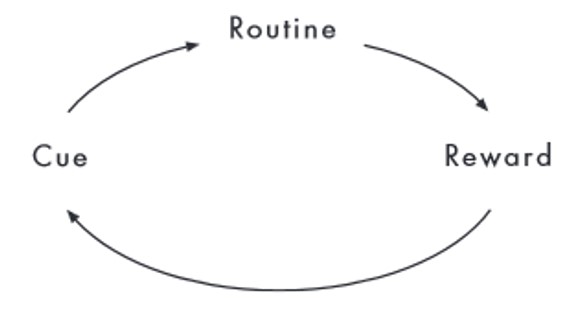
His New Year article on Seven Principles of Habit Change comes at a great time. Sande talks quite kindly about how we develop habits and what it takes to change them. His first principle of habit change gives us a look at the cycle of habits – the cue, the routine (or response), and the reward. Anyone who loves chocolate can understand this easily. For me, in eating sugar (or in overeating, in general), the cue could be a number of things – fatigue, anxiety, loneliness, presence of yummy food. It never takes much to send me to the refrigerator or pantry. The routine: feed the cue, whatever it is…with high-carb oral gratification. The reward: a brief soul satisfaction and temporary relief from whatever was the cue.

Blog - Habit Change - relational wisdom 360Photo Credit: Relational Wisdom 360

In my two seasons of not eating added sugar, I actually followed Ken Sande’s principles below (without knowing the wisdom of it).

  1. Every habit has three parts: a cue, a routine, and a reward.
  2. You can change an undesirable habit by keeping the cue and reward but learning a new routine.
  3. The best way to overcome the temptation to revert to old routines is to have a detailed action plan.
  4. Habit change builds momentum if you can change a single “keystone habit” and then continue to build on consecutive “small wins”.
  5. Will power is like a muscle: it can be strengthened and yet needs to be exerted strategically.
  6. Faith is an essential part of changing habits.
  7. Habit change is more likely to occur within a community (even if it’s just two people). – Ken Sande

[If any readers want to talk further about habit change regarding sugar addiction, I would love the exchange, either through the comments or email.]

Self-awareness is a huge factor relating to habit change. I can see that more now having come through seasons of looking at my own habits.

“Self-awareness is defined as conscious knowledge of oneself; it’s a stepping stone to reinventing oneself, learning to make wiser decisions, and helps you tune into your thoughts and feelings. So often we place blame on externalities because it’s the easiest excuse, when in fact we should be thinking about our thinking, reflecting, trying on different perspectives, and learning from our mistakes.” – Paul Jun

Matt Monge wrote a great piece on 13 questions we might ask ourselves to better understand why we do what we do. He is applying these questions to leadership and workplace, but they apply as well to habits. Also, in researching for this blog, I came upon this YouTube video of David Wallace Foster giving a commencement speech on awareness. Really thought-provoking as well as entertaining.

It is possible to affect true habit change if we are willing to take a studied look at ourselves – our awareness and our engagement with making choices/decisions and within relationship. I used to think that self-awareness was morally charged, i.e., it drove us to becoming more self-centered. That doesn’t have to be the case. When we take time to really examine where our minds go, through the day, we can train our thinking toward what matters most to us – related to people, resources, and life purpose.

When we are willing to do that, New Year’s resolutions can become much more life-changing than just going off sugar for a few weeks. These same habit change principles can apply to anger issues, pornography, other addictions, and pretty much any habitual process that negatively affects your work, relationships or general peace of mind.

I’d like to close with Ken Sande’s thoughts on taking self-awareness to other-awareness and God-awareness:

“The better we know and follow God (God-aware, God-engaging), the more we will know and discipline ourselves (self-aware, self-engaging), which opens the way for us to better understand, relate to, and serve our neighbors (other-aware, other-engaging).

To close the loop and spur us on developing relational wisdom, the Lord promises that the more we obey his command to love our neighbors, the closer we will draw to God himself (John 14:21-23). Thus, relational wisdom is a circle of interrelated skills that continually fuel one another.” – Ken Sande

Blog - Relational Wisdom - Ken SandePhoto Credit: RelationalWisdom360

Do You Want to Change Your Habits? – Relational Wisdom – Ken Sande

Seven Principles of Habit Change – Relational Wisdom – Ken Sande

13 Questions to Increase Your Self-Awareness – The Mojo Company – Matt Monge

Why Self-Awareness Is the Secret Weapon for Habit Change – Paul Jun

This is Water – David Foster Wallace on Awareness

RW Acrostics in Action – Relational Wisdom – Ken Sande

Need Help With Your New Year’s Resolutions? – David Lose

Monday Morning Moment – Mission Drift – 12 Quotes on Being True to Our Mission

  Blog - Mission DriftPhoto Credit: Peter K. Greer, President & CEO of Hope International

[From the Archives]

“You are the salt of the earth; but if the salt loses its flavor, how shall it be seasoned? It is then good for nothing but to be thrown out and trampled underfoot by men. You are the light of the world. A city that is set on a hill cannot be hidden. Let your light so shine before men, that they may see your good works and glorify your Father in heaven.” – Matthew 5:13-14, 16

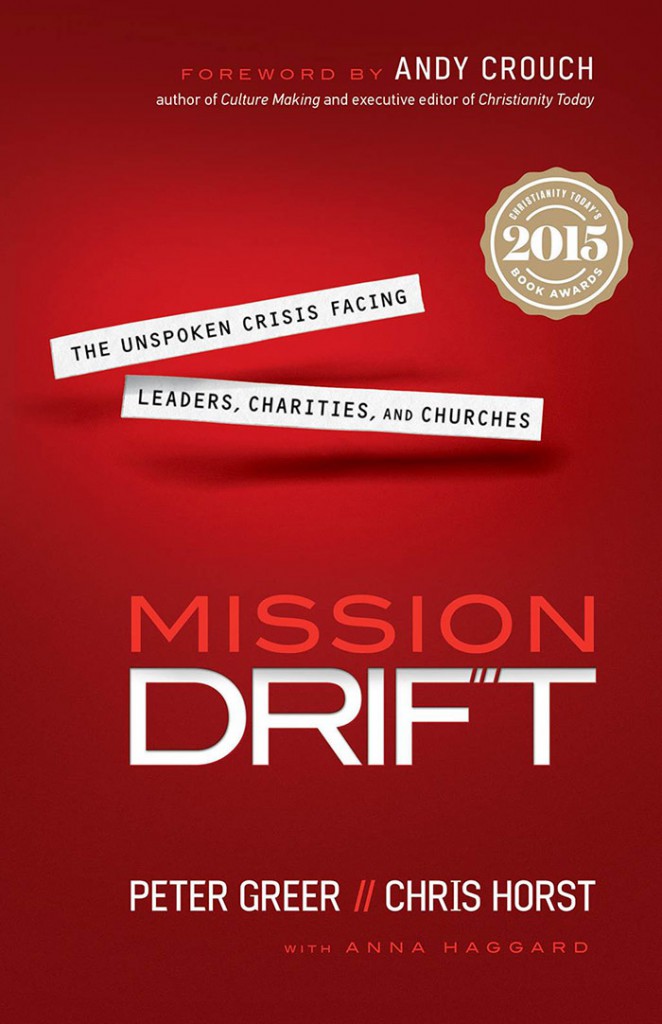
Peter Greer and Chris Horst (with Anna Haggard) wrote an incredible little book entitled Mission Drift. The book’s byline is “The Unspoken Crisis Facing Leaders, Charities, and Churches”. I enthusiastically recommend this book to anyone who has invested their lives in a faith-based organization, or Christ-centered business, or Christian charity. In fact, if you haven’t already read it, and you’re a Christ-follower, please make it a priority.

Mission drift is the slow and insidious shift away from the original mission, purpose, and identity of an organization. Greer and Horst have done extensive research on organizations who have either remained “mission true” or have fallen sadly away from their mission. The stories are fascinating and compelling. They lay a foundation that can help all of us prevent mission drift in our own lives and in our spheres of influence.

12 quotes from the book follow. These are just to whet your appetite. Mission Drift is an easy read and the truths resonate with our desire to be faithful and true stewards.

“Mission Drift…is pervasive and affects faith-based organizations of all varieties – nonprofits, churches, denominations, businesses, foundations, and schools. ..be optimistic…that drift is not inevitable.” (pp. 19, 22)

“Mission True organizations know why they exist and protect their core at all costs. They remain faithful to what they believe God has entrusted them to do. They define what is immutable: their values and purposes, their DNA, their heart and soul…To remain Mission True is to adapt and grow, so long as that adaptation and growth does not alter the core identity.” (p. 27)

“Mission True organizations know who they are and actively safeguard, reinforce, and celebrate their DNA. Leaders constantly push toward higher levels of clarity about their mission and even more intentionality about protecting it.” (p. 51)

“Leaders often first ask what, then move to how, and finally transition to why. ..Great innovators…start with why. The ordering really matters. Everything flows from why. Not only does it motivate others to join you, it also guides what you do – and often more important – what you don’t do.” (pp. 71-72)

“The gravitational pull of secularism is felt perhaps most acutely in hiring…Mission True leaders hire carefully, intentionally, and prayerfully. They approach each hiring decision seriously, recognizing that each staff member represents the mission of the organization. ” (pp. 103, 107)

“Mission True organizations recruit and engage Mission True donors.” (p. 115)

“You are what you measure…Our highest goal is to remain faithful to our Christ-centered identity and mission. Because of our identity, we must pursue excellence. Metrics can be self-serving. We need to be clear why we pursue them. Seeing God for who He is clarifies our role: We are stewards. Metrics help us to remain accountable for the work that God has placed in our hands.”  (pp. 131, 133, 136)

“Slapping an ichthus (the Christian fish symbol of the early church) on product packaging does not mean it honors God. Christian shoddy is still shoddy. In Mission True organizations, quality must be nonnegotiable.” (p. 139)

“‘Culture eats strategy for breakfast.’  Mission True organizations get this. They focus on the little things. They understand how important practices and norms are to the living and breathing cultures of their organizations. The small decision each and every day may seem inconsequential, perhaps even trivial, but these little things protect against Mission Drift…Beyond policies, Mission True organizations recognize that culture is composed of all the ‘little things’.” (pp. 148-149, 155)

“Clear language reinforces identity and also leads to accountability. Being clear with your plans and identity enables people to keep you on mission. If you regularly talk about who you are, you invite scrutiny and accountability. Publicly proclaiming who you are strengthens your identity and empowers people to point out inconsistencies.” (p. 163)

“Also I say to you, whoever confesses Me before men, him the Son of Man also will confess before the angels of God. 9 But he who denies Me before men will be denied before the angels of God.” – Luke 12:8-9

“For organizations who desire to protect against Mission Drift, one of the most powerful anchors is the local church…Wisdom lies in anchoring ourselves to the church as the church is anchored to Christ. Across time and culture and trends, the church remains.” (pp. 167, 173)

“Courageous Mission True leaders…have stood unwaveringly upon the Truth of the Gospel. In all areas, they have demonstrated intentionality and clarity in retaining Christian distinctiveness. They are committed to Christ, first and foremost.” (pp. 180-181)

********************************************************************

One organization very dear to me keeps its mission before its personnel and donors in regular, consistent, creative and winsome ways. We know what we are about. There is never a doubt what we’re to be about. What safeguards does that beloved faith-based organization of yours have in place to hold back mission drift?

Peter K. Greer Blog

Chris Horst Blog

The Subtle Danger of Mission Drift

Monday Morning Moment – Honoring Retirees – Workplace Culture & 5 Languages of Appreciation

Blog - Retirement - Gratitude at Work - Thank YouPhoto Credit: Harvard Business Review

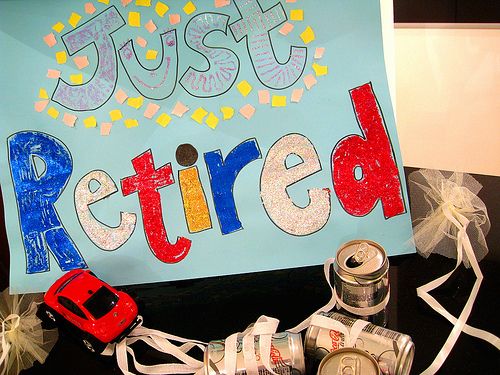
It’s Monday morning. Who’s retiring from your team this week? Who retired last week? Who do you see around you at work today? Do they know they matter to you? To your organization? How has their value been reflected back to them? What can you do today to show your appreciation, especially to that one who is retiring? Sorry for all the questions. They’re bouncing in my head. Let’s talk about it.

[This might be a little awkward if you’re the one retiring, especially with reluctance…or if you’re not retiring but question your own relevance or value at work lately. You may not be able to fix much of what your experience has been, but you can set your own “finishing well”…whether it’s official in a few days, or in several years.]

From the sidelines, I am watching a very strange phenomenon this week. On Friday, hundreds of employees in one local company will retire. It relates to a measured downsizing necessary to keep the company operational financially. The downsizing is a much kinder and more valuing option than layoffs. Still, there are huge ramifications for those leaving as well as for those who remain, in the months/years ahead…without them.

How does an organization go about honoring hundreds of retirees? Well…apart from the numbers, it’s in the same way you would honor one. Bill Peel offers a really helpful array of articles on appreciation in his Make Mondays Meaningful, quoting from C.S. Lewis and the Harvard Business Review. This is a good place to start.

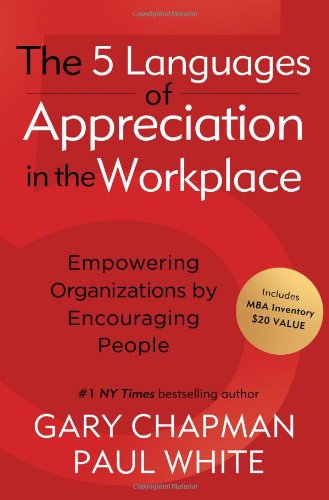
As I was thinking of the challenge for a company’s leadership and the human resources department to honor so many retirees, a little book came to mind. It’s The 5 Love Languages by Gary Chapman. Then I discovered he and Paul White wrote a follow-up book entitled The 5 Languages of Appreciation in the Workplace.

Blog - 5 Love Languages of Appreciation in the Workplace

Photo Credit: Amazon.com

Chapman and White describe five languages of appreciation (see in next paragraph). How we receive meaningful appreciation varies from person-to-person. Therefore we must attempt to personalize our expressions of gratitude to be effective. In a situation where a large number of folks are retiring, or in plan to build a workplace culture of appreciation, a comprehensive “shot-gun” approach may be warranted. If your aim is authentic honoring of your personnel, the extra work and creativity will be well-applied.

Maria Elena Duron, in her US News piece on workplace appreciation describes Chapman’s & White’s 5 Languages:

  1. Words of affirmation. Reassuring words (“thank you for your input,” or “great job on the presentation”) that serve to motivate and show gratitude to team members.
  2. Quality time. Going out of your way to spend a little more time with team members, discussing the topics that are relevant and important to them.
  3. Acts of service. Your words of gratitude could land on the deaf ears of team members who would rather receive help finishing a project or assignment. Going out of your way to lend a hand means more to such people than mere praise.
  4. Tangible gifts. Lots of people appreciate tangible gifts. The important thing here is to make sure the tangible gift is something the person values in their life outside of work, like a jersey of their favorite college football team or a coffee mug with their favorite cartoon character on it.
  5. Appropriate physical touch. Some members respond well to appropriate physical touch, like high-fives, handshakes, fist bumps and pats on the back. You’ll see this in sports, but it also translates well to the work environment.

Delbert Terry (speaking on The 5 Languages of Appreciation in the Workplace) gives this charge to both supervisors and colleagues:

“In order to appreciate, you MUST initiate.”

  1. For appreciation to be effective, it must be individualized and delivered personally.
  2. Appreciation needs to be viewed as valuable to the recipient.
  3. Employees are more likely to “burn out” when they do not feel appreciated or emotionally supported by their supervisors.
  4. When leaders actively pursue communicating appreciation to their team members, the whole culture improves.

Dr. Terry acknowledges: “There are challenges that get in the way of effectively expressing gratitude to our colleagues. Some are internal issues attitudes, thoughts, and beliefs. Other challenges are external and relate to corporate structures and procedures. These challenges need to be faced realistically, but they can be overcome.”

Challenge #1: Busyness

 Challenge #2: Communicating appreciation is not important for you organization

 Challenge #3: Feeling overwhelmed with existing responsibilities

 Challenge #4: Logistical issues that interfere with the process of sharing appreciation for others. Varying schedules, working on different projects…often make it difficult to express appreciation to certain coworkers.

 Challenge #5: Personal discomfort with appreciation *

*The 5 Languages of Appreciation in the Workplace – presented by Delbert Terry (pdf)

In honoring retirees and setting a workplace culture of appreciation, it is never too early and [hopefully] never too late.

As I think of the mammoth task of trying to honor hundreds of retirees in one fell swoop, I am both overwhelmed by and grateful for those who undertake such a task. How do you orchestrate such a celebration of so much human history and accomplishment? You do your best with gracious words, team parties, a speech from a charismatic leader, a slideshow of faces we love, and maybe shrimp and petits fours. I wouldn’t miss it, for sure.

The one thing I hope happens and it’s the hardest thing to make happen is that we capture the story of these lives. History, experience, a personal witness are so valuable and should be preserved somehow. Storycorps is an organization that gives us opportunities to record stories of people’s lives who have made a difference in ours. What a great way to honor those who have gone before us, so that we and future generations can continue learning from them.

Finally, we know something of the importance of authentic appreciation because of the character of God Himself. “Well done, good and faithful servant” are words any of us as Christ-followers hope to hear one day…from God, who knows us best. We reflect that deeply personal “divine compliment” when we truly honor one another.Blog - RetirementPhoto Credit: carp.ca

The 5 Languages of Appreciation in the Workplace: Empowering Organizations by Encouraging People by Gary Chapman & Paul White

Applying Appreciation Language in the Workplace – Maria Elena Duron, U.S. News & World Report

Why Appreciation Matters So Much by Tony Schwartz, Harvard Business Review

How to Give a Meaningful “Thank You” – the Power Thank You by Mark Goulston, Harvard Business Review

StoryCorps.org – “We Believe Every Story Counts”

Appreciation at Work

The 5 Love Languages: The Secret to Love that Lasts by Gary Chapman

Charles, Dave, KevinThese friends are not retiring…transitions and send-offs are also opportunities to say (and show) “You matter.” #SaveOurHistory

Monday Morning Moment – Relational Wisdom – the Way It Could Be – at Work & Home

Blog - Monday Morning email

Monday morning emails can be treacherous… This morning when I woke,  my husband told me he’d just heard from a valued colleague that he had secured another job. Dave was expecting this because of previous communications they’ve had with each other. Through an organizational re-structuring, there are many whose jobs are changing. This email was good news because this person will be a tremendous addition to any team – good news and sad news. We will miss this man on our team but we celebrate a great job match.

Then another email came in. It was from the person who will be his new supervisor. It was full of respect and regard – a courtesy email that is not necessarily company culture these days but an email that shows understanding and empathy. When change comes, even good change, there is still that adjustment, that grieving of the good that was. Those two emails speak volume about emotional intelligence or relational wisdom…and that’s something we always need in the workplace…and at home.

The holidays have a particular call for wisdom to soften difficult expectations, disarm family conflicts, and personalize interactions to fit the needs of those nearest to us.

Blog - Monday Morning Moment - MarriagePhoto Credit: rw360.org

One very simple way we can tune into holiday celebrations is to deal with our own stuff. Keeping our minds on the goodness of the holidays helps. It’s easy to find daily Advent readings for the month of December…depending on your favorite author or blogger, they’ve probably written some.

Related to both our work and home relationships, Ken Sande, founder of Relational Wisdom 360, has given us a great gift, and we don’t have to wait another day for it. He has written 33 Ways to Enjoy Highly Relational Holidays. A fast-read blog a day on relational wisdom, starting on November 23 to take you right through to December 25.

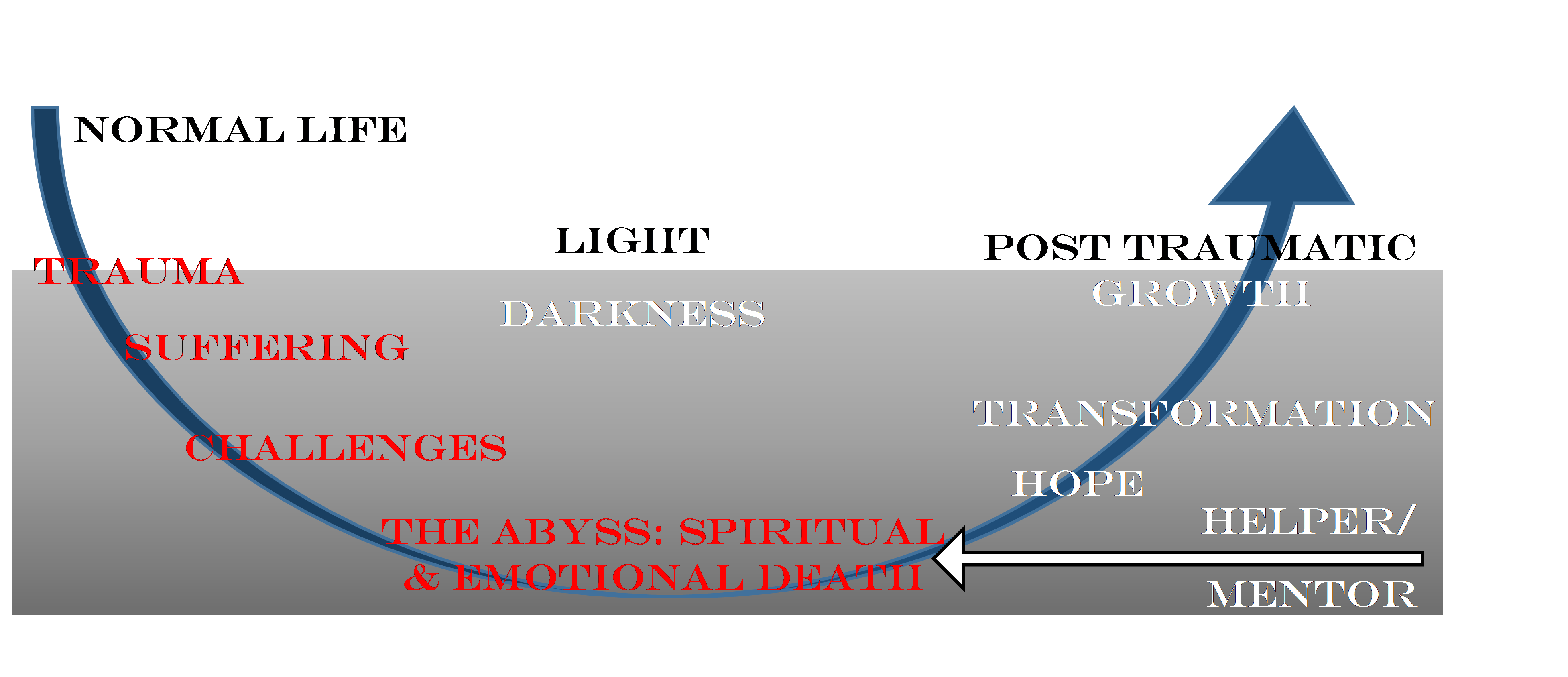
I attended Dr. Sande’s Peacemaker course years ago during a challenging work season, and what I learned then continues to be a tremendous help to me today. If your work or family situation is somewhat intimidating, don’t despair. There are those in our lives (Ken Sande is one) who will come alongside and help/mentor us, if we’re willing to take care of our own hearts and minds.Monday Morning Moment - Post traumatic growthPhoto Credit: coldspringcenter.org

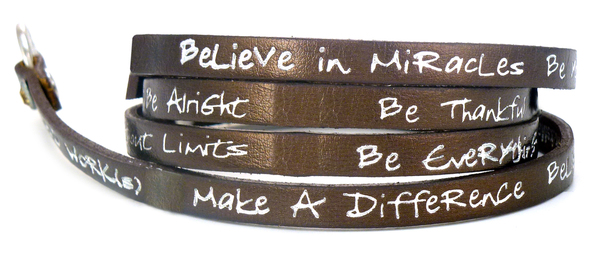
As Thanksgiving approaches and Christmas not far behind, I hope you can look forward to happily memorable times together with family. As far as work goes, just like with the emails above, we can do our part to make our workplace a kind and honoring experience – our part (not someone else’s) in making it the way it could be…the way it should be…Blog - Monday Morning Good Work BraceletPhoto Credit: GoodWorksBracelet.com

What helps you thrive in stressful situations at work? What has made a difference in bringing peace and joy to your holiday celebrations? Please comment and share with those searching for that wisdom.

Surviving Christmas – Advent Devotions for the Hard and Holy Holidays – Anne Marie Miller – free ebook

Advent Devotional Readings Online by Lifeway

Good News of Great Joy by John Piper

Unwrapping the Greatest Gift: a Family Celebration of Christmas by Ann Voskamp 

“You Are the Man!” – What if I Really Am That Guy? That Weaker Brother, That Hypocrite, That Proud Religious Guy

2015 Nov - Phone Pics - Sadie, Movement, Church, Sunset, Blob 002

During today’s worship and Bible teaching with Movement Church, God touched my heart again with the story of Stephen, the very first martyred Christ-follower (Acts 6-7). Stephen’s serving and prophetic ministry was short and effective. He was used mightily by God to confront the religious establishment of that day…the very people who were instrumental in Christ’s crucifixion. Stephen would lose his life as well at the hands of these defiant religious men.

Our first-born son was to be named Stephen after this man of God. My niece was pregnant at the same time and claimed that name first for her son. So we looked for another name of a man who loved God more than man, who spoke God’s truth no matter the cost. Our son was given the name Nathan, after a prophet that God used to wake up King David from a terrible self-deception. After David had taken another man’s wife, murdering that man to cover his own sin, Nathan told a story to David which brought him to his senses and caused him to repent.

David’s anger burned greatly against the man, and he said to Nathan, “As the LORD lives, surely the man who has done this deserves to die.” Nathan then said to David, “You are the man! Thus says the LORD God of Israel, ‘It is I who anointed you king over Israel and it is I who delivered you from the hand of Saul…'” – 2 Samuel 12:5,7

…Then David said to Nathan, “I have sinned against the LORD.” And Nathan said to David, “The LORD also has taken away your sin; you shall not die. – 2 Samuel 12:13

I am deeply thankful for the prophets of the Bible and God’s prophets today. A prophet is defined as a messenger of God – “The great task assigned to the prophets whom God raised up among the people was “to correct moral and religious abuses, to proclaim the great moral and religious truths which are connected with the character of God, and which lie at the foundation of his government.”

When our pastor, Cliff Jordan, preached on Stephen today, I was reminded of how God draws us to Himself and the truth of His Word through others – these who become messengers of God in our lives.

My heart was pierced at the times I have read Scripture and chose to see myself as the one without fault…the one who was “in the right” as compared to that “other guy” who fell short…in my estimation, if not God’s. As Cliff preached on Stephen, that passage and two others resonated as to how we allow deceit in our lives. You may recognize these passages and persons…from one side or the other.

  1. The Weaker Brother – In this passage, Paul challenged the “stronger brother” to resist using his freedom in Christ as a stumbling block for the weaker brother who struggles with whether he’s free or not.

“Do not tear down the work of God for the sake of food. All things indeed are clean, but they are evil for the man who eats and gives offense. It is good not to eat meat or to drink wine, or to do anything by which your brother stumbles. The faith which you have, have as your own conviction before God. Happy is he who does not condemn himself in what he approves.” – Romans 14:20-22

Sometimes, we are that “weaker brother”. It helps to remember that…it keeps us humble and dependent on God and each other. He means for us to reason together in love to understand the ways of God and how to follow Him…together.

2. The Hypocrite – With the Log in His Eye – Jesus tells a story about judging each other unrighteously. There is a right judging – as we have seen through the prophets in the Word and in our lives. We usually think we are God’s messenger in others’ lives to get “the speck” out of their eyes..and sometimes to get the “log out”.

“Why do you look at the speck that is in your brother’s eye, but do not notice the log that is in your own eye? “Or how can you say to your brother, ‘Let me take the speck out of your eye,’ and behold, the log is in your own eye? “You hypocrite, first take the log out of your own eye, and then you will see clearly to take the speck out of your brother’s eye.” – Matthew 7:3-5

Maybe we are the one with the log in our eyes. The most loving thing we can do for that brother or sister is to help them rid themselves of “the speck”, but we can’t help them until we get rid of our own “log”…or own sin, or hypocrisy, or self-deceit. In proceeding this way, we are given a priceless opportunity to walk humbly in community with each other.

3. The Religious Establishment – When Stephen faced the religious authorities of his day, he was in excellent company. Jesus had faced these same men in a hurried trial with his death as the goal of the proceedings. Stephen had to know that his life was at stake. In a riveting review of the history of Israel, he spoke forcefully to the pattern over the centuries of the religious rejecting the ones God sent to them. Such arrogance. God help us!

“You men who are stiff-necked and uncircumcised in heart and ears are always resisting the Holy Spirit; you are doing just as your fathers did. Which one of the prophets did your fathers not persecute? They killed those who had previously announced the coming of the Righteous One, whose betrayers and murderers you have now become.” – Acts7:51-52

2015 Nov - Phone Pics - Sadie, Movement, Church, Sunset, Blob 006

Stephen was martyred for his message, but he was not silenced. His witness to a holy God is as powerful today as it was that day he passed from life, through death, to be with God in Heaven. Hallelujah! We are called to be such witnesses to a living, loving God.

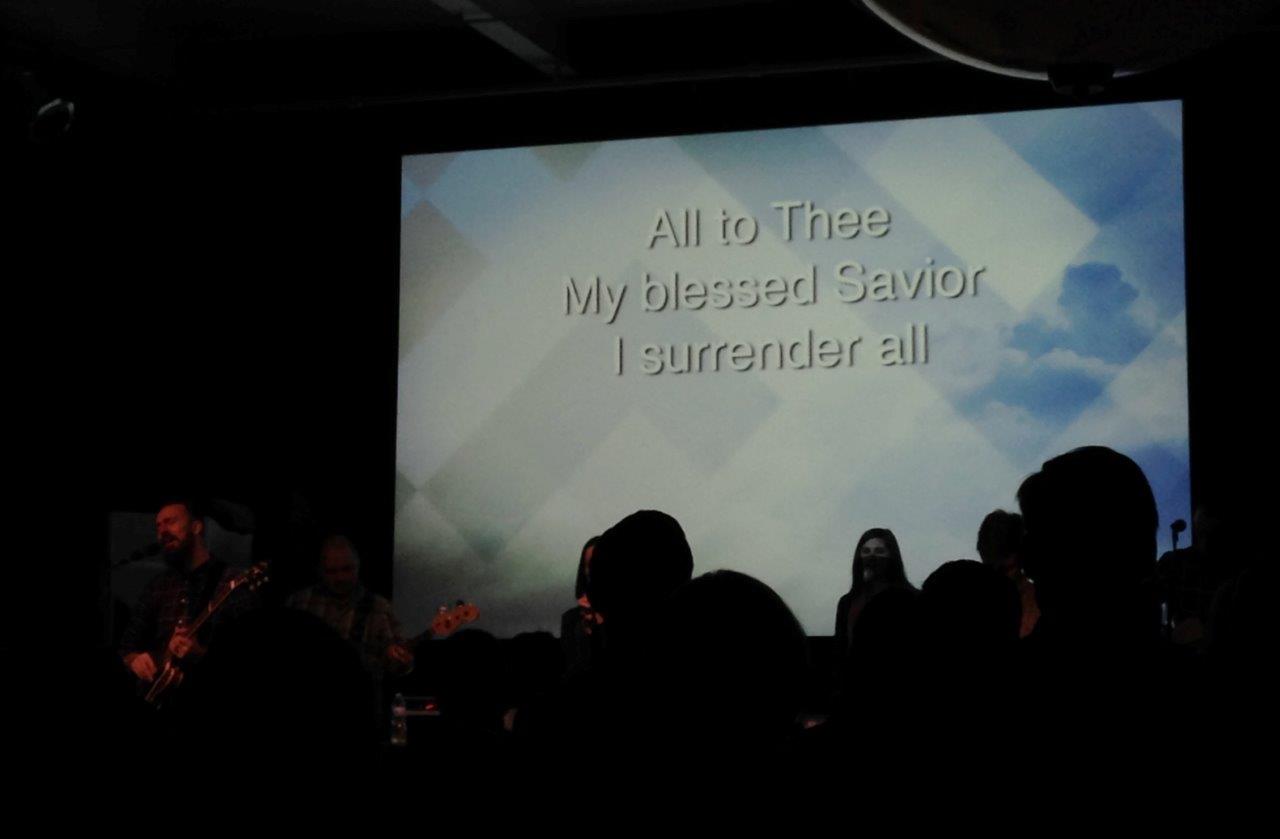
After Cliff closed the teaching in prayer, the worship team led us in singing “I Surrender All“. More than anything in my life, I want to live a life worthy of God – to be courageous, to love truth, to serve others, to always remember my need for a Savior – to live a life that points others to Jesus…not because I am perfect, far from it…but because He is.2015 Nov - Phone Pics - Sadie, Movement, Church, Sunset, Blob 007

[Have to include this YouTube video – of a time when celebrity Oprah Winfrey had a I Surrender All moment when she submitted a deep desire to God. Faith Hill belts it from her own experience.]

5 Friday Faves – Leadership, Keeping House, Mentors, Wonderful Defects, & a Phenomenal Guitarist

Blog - Friday Faves

Fridays come so fast. So here we are again. My top finds this week (and there were so many great reads and experiences this week, it was hard to narrow down to 5). Hope yours is a lovely day and a stretched-out weekend.

1. On Leadership – Brian Dodd creates great lists. In this week’s blog, he published 24 Steps to Successfully Leading Through Crisis.  Of his 24 steps, these are my favorite (but do read all of them):

  • To Successfully Lead Through Crisis You Must Provide Stability – Stabilizing the organization gives your people a sense of security.
  • To Successfully Lead Through Crisis You Must Become A Giving Engine – Rather than focusing inward and solely on the issues you are facing, look outward and turn your attention to others.
  • To Successfully Lead Through Crisis You Must Offer Hope – This tells others success is in their future.
  • To Successfully Lead Through Crisis You Must Offer A Plan – Hope is not a strategy.  There must also be a detailed roadmap showing why hope exists.
  • To Successfully Lead Through Crisis You Must Change – The behaviors which got you in the crisis will not get you out of the crisis.

Also not to miss is Paul Sohn’s Top 30 Must Read Posts on Leadership October 2015.

2. Keeping House – I struggle with keeping order in my house, even though now it is only Dave and me. No one else to make the mess but us. Ann Voskamp, farm wife, mother of 6, and best-selling author, wrote about keeping house this week – 6 Ways to Speed Clean to a Clean Enough House. Her photographs of life are so gorgeous that it’s hard to imagine things out of place or not camera-ready. Yet, even Ann had to come up with a system of order which she shares in this blog. My two favorite suggestions from her list of 6 follow:

  • Make your bed every morning. I love this one because it’s so easily done. It gives its own cheer of “Hurrah! You’re off to getting lots more done.” BLog - Keeping HouseMy husband and I have very different “sides of the bed” – he’s a bit neater; I’m a piler. Projects, bits of paper, “things to read later”…sigh…but, the bed is made. Score!
  • 30 Minute Love SHAKs – “Do Surprising Home Acts of Kindness — Love SHAKs — 30  minutes of random cleaning [right after dinner], just 30 minutes of every single person who lives here seeing something that needs to be cleaned —- and everybody cleaning as quickly as they can. The point of everybody working together at the same time to surprise everybody? Everybody models the kindness of cleaning for each other, nobody gets to say what they’ve got going is too important to get in on loving each other, real progress is made because everybody is working fast and together, spurring each other on — and we all get to say we are on the same team.” I love this! Might start with 15 minutes with the love of my life. What do you think, Dave?

3. Mentors – Jon Acuff rarely has guest bloggers, but this week he shared his spot with Lewis Howes, author of The School of Greatness. Howes writes about his personal experience of connecting with top mentors. Having been a professional football player, he might have been tempted to just ask them out for coffee. No, he did something altogether different. He offered to serve them in any capacity they would find helpful. Don’t miss his wise counsel on this.

“Don’t ask for anything. Just offer to be of meaningful service, in any capacity that will help the mentor in achieving what is important to them. Offer to work for free. Say yes to anything. Hustle hard. Show them you are grateful and willing to learn. Keep your word.” – Lewis Howes

4. Wonderful Defects – This week, I discovered Paul Phillips and his blog He’s Taken Leave. He tells a beautiful story of an old beautifully marred violin and bridges that to our own propensity to comparing ourselves to others.

“As with the old violin, the comparisons with others prove nothing.  Each person who walks through my door is a masterpiece of unique design. Every one, a treasure.  Every single one. Fearfully and wonderfully made (Psalm 139:14). I can almost hear the music again.”

Blog - Old Violin - wqxr.orgPhoto Credit: wqxr.org

5. Phenomenal Guitarist – This guy. Nathan Mills – related? Yes. I get to be Mom to this amazing young man… Because we are related and it’s not always comfortable for him how effusive I am about his music…I restrain myself. Once in awhile, it feels down-right wrong not to share with you something about him. Right now, he’s fairly new to that larger world of music, but he’s playing, teaching, arranging, and composing. One day, you will know him…and be able to enjoy his music beyond YouTube, social media, or local performance. Mark it down.Nathan at guitarPhoto Credit: Duy Nguyen

What are your favorites from this week? Would love to hear about them. Share in comments, please.

Blog - Fall Back YardOur back yard this week – Fall

Monday Morning Moment – Marking Lives Well-Lived, Work Well Done

2015 Nov - Blog - Lilias Trotter - Well Done 004Photo Credit: Lilias Trotter, Parables of the Cross

There are no ordinary days, nor are there ordinary lives. This morning, Monday, November 2, is a day I want to mark as an opportunity to celebrate extraordinary lives. Yet, how is that even possible? People who live for grand causes and for God Himself don’t look for celebrations or accolades. What do we do then when we want to stand in ovation and clap them back out onto the stage for an encore?

Celebrating retiring colleagues is best done by those who know them well – who have watched them through the most difficult times, seen them push through seemingly insurmountable circumstances, resonated with their joy in the simplest triumphs.

How do we mark lives well-lived and work well-done? I don’t have that answer yet…except to express personal gratitude and to live and work in the shadow of these who went before…to steward well their example.

For today, I will enter into that process of puzzling over how properly to celebrate the lives and work of those “finishers” who have done well to fix their eyes on the goal…right through. It doesn’t feel enough, but for today, I join a great cloud of witnesses, so grateful to see how it is to finish well.

“Therefore, since we have so great a cloud of witnesses surrounding us, let us also lay aside every encumbrance and the sin which so easily entangles us, and let us run with endurance the race that is set before us, fixing our eyes on Jesus, the author and perfecter of faith, who for the joy set before Him endured the cross, despising the shame, and has sat down at the right hand of the throne of God.” – Hebrews 12:1-2

As I sort this all out, I would be grateful for any stories you have of celebrating work well done and lives well lived. Following  are some quotes of those who finished strong or who, living still, are living well.

“There are no ordinary people. You have never talked to a mere mortal. Nations, cultures, arts, civilizations – these are mortal, and their life is to ours as the life of a gnat. But it is immortals whom we joke with, work with, marry, snub and exploit – immortal horrors or everlasting splendors. This does not mean that we are to be perpetually solemn. We must play. But our merriment must be of that kind (and it is, in fact, the merriest kind) which exists between people who have, from the outset, taken each other seriously – no flippancy, no superiority, no presumption.” – C. S. Lewis

“The reward for work well done is the opportunity to do more.” – Jonas Salk*

“When we are at the worst times of our lives, when we are battling with something, or struggles, whatever it may be, when we are at our highest point as well, when things are going really well, we want somebody to comfort us and be there for us and to say, ‘Well done.’ That’s Jesus!” – Russell Wilson*

“Well done is better than well said.” – Benjamin Franklin*
“The pinnacle of the fulfillment I can ever experience for my spirit and soul is to hear from the Lord, when I see Him face to face, ‘Well done my good and faithful servant.'” – Nick Vujicic* Blog - Well Done - Nick Vujicic
The Apostle Paul, in an encounter with Jesus, was completely transformed from a life of murderous, religious zeal to a life of complete surrender to God (something altogether different). He speaks of living life, and finishing well – likened to fighting a good fight or running a race to the finish.
“But I do not account my life of any value nor as precious to myself, if only I may finish my course and the ministry that I received from the Lord Jesus, to testify to the gospel of the grace of God.” – Acts 20:24
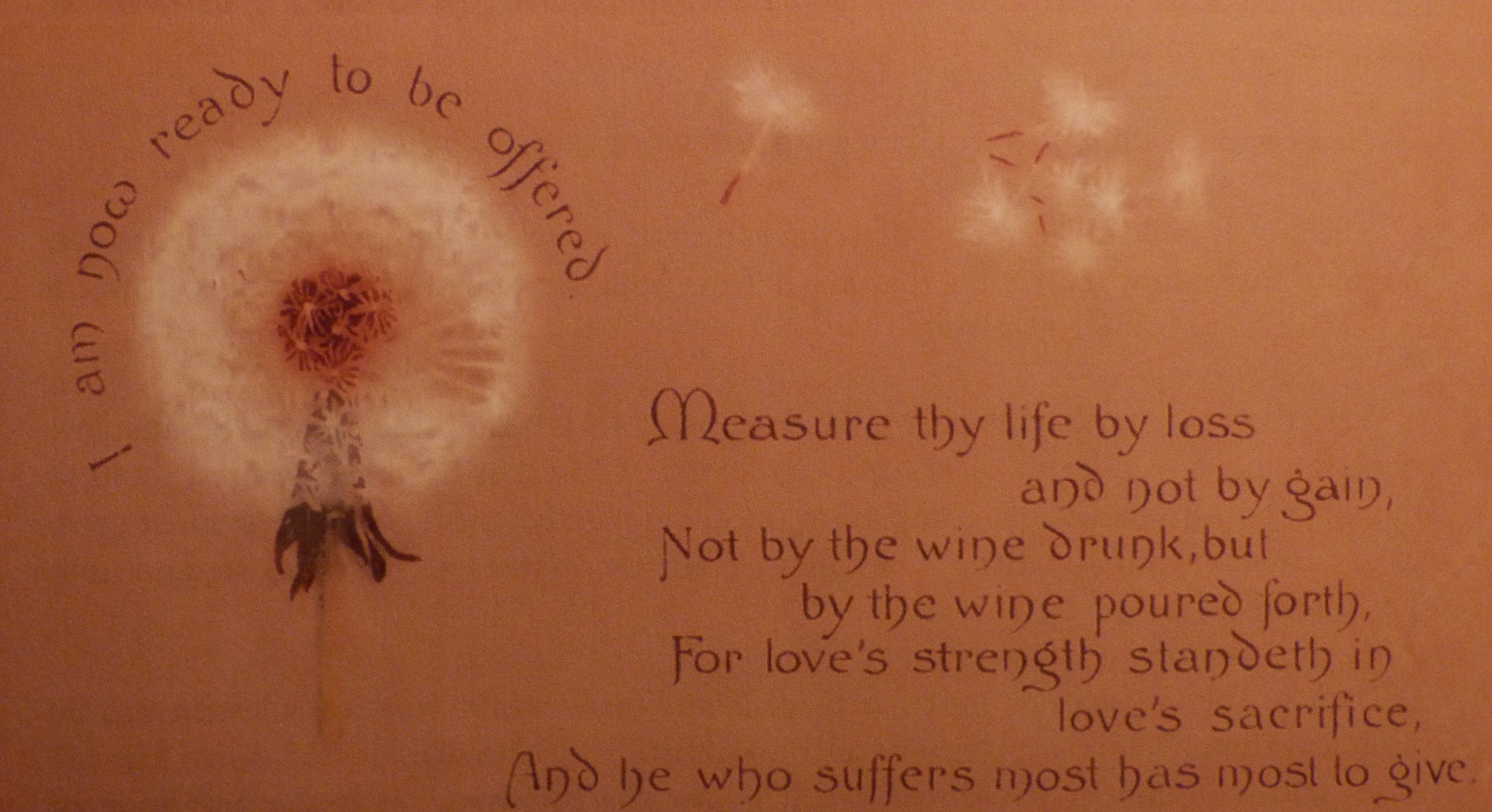
“For I am already being poured out as a drink offering, and the time of my departure has come. I have fought the good fight, I have finished the course, I have kept the faith; in the future there is laid up for me the crown of righteousness, which the Lord, the righteous Judge, will award to me on that day; and not only to me, but also to all who have loved His appearing.” – 2 Timothy 4:6-8
2015 Nov - Blog - Lilias Trotter - Well Done 002Photo Credit: Lilias Trotter, Parables of the Cross
For us all…there is still a race to be run.
“My legacy doesn’t matter. It isn’t important that I be remembered. It’s important that when I stand before the Lord, He says, ‘Well done, good and faithful servant’. I want to finish strong.” – James Dobson*
“It is finished.” – Jesus, from the cross (John 19:30)
Blog - Well Done - Parables of the Cross - Lilias Trotter

What Makes for a Life-long Friendship? A Snapshot of Such a One

Blog - Kathy 3

A friend loves at all times. – Proverbs 17:17

Kathy was in nursing school when we first met. She was on a clinical rotation to the cancer unit where I was the oncology clinical nursing specialist.  Bright, hard-working, kind and wise beyond her years.

We met again some time later when she was finishing nursing school and sorting out her future. She was thinking about obstetrical nursing, loving the idea of all those babies. I saw in her the hardiness and indomitable spirit of a cancer nurse, and asked her to at least consider that course for her professional life.

She did…and I will forever be grateful.

We ended up moving overseas after just a few short years of working together. In those years, a friendship was forged that has stayed strong across time and great distance. I credit it all to her.

I’m not sure how great a friend I am, but God has blessed me with incredible friends. For almost 30 years now, Kathy has hung in there with me…without benefit of much return.

Her birthday is coming up and I just want to make note of what makes for a close and life-long friend – in her loving and mentoring me. [She will say I mentored her…but in friendship, it is she, mentoring me].

Such a friend:

  1. Shares a passion for the possible, if you’re in the mix. Kathy and I collaborated on a patient and family support initiative of our cancer center. In those early days I had the ideas, and she worked out the details. We had a third friend, Kay, who (given her position, wisdom, and spunk) cleared the path through administration for our great dreams…but that’s a story for another day. Kathy was the “hands and feet” to my dreams, and that initiative still continues even more far-reaching under her influence.

Blog - Kathy & Deb 2Blog - Kathy & Debbie

2. Loves your “littles”. Kathy was from the beginning, and to this day, in the lives of our children. She celebrated their births (or homecoming with our adopted third) and their birthdays, their graduations, weddings, and now children of their own. Kathy is a celebrator of life and makes a “ticker-tape parade” for those she loves…and there is a great community of us…because of her.Blog - Kathy & CBlog - KathyBlog - Kathy 2

3. Makes an honored place for you in her family.  I have a room in her house. Oh, it’s not mine, and it’s possible, it’s become a game room with her own children growing up. Still, I know I have a place in the mix of her family. We’ve had coffee together on her deck, and food around a fire pit, and late-night or early morning talks wherever in the house we find ourselves. She has always invited me in to know her family, and they treat me as always welcome.Blog - Kathy & MikeBlog - Kathy & family

4. Sees beauty all around her and creates it as well. Despite (or maybe because of) her hard professional life, she has a great sense of all the beauty that surrounds us. She tends flowers and sets a bountiful table (with that great cook of a husband, Mike). She notices the redeemable in a situation, and she exercises  unshakable hope. She has both the wonder of a child and the faith of an old one. she struggles like all of us, but her actions seem measured; tempered by something greater. She lavishes grace on her people…which I need from her and of which she’s generous toward me.Blog - Jasmine - Kathy VisneskiBlog - Kathy Visneski's pic of farmer's market shopping & Wonder Bread - foodie

5. Grieves bravely and bravely enters your grief. Grief can be so awkward. How does one go well through losing someone you thought you could never live without? Kathy has done that, professionally for years, with patients and family for whom she became family. Then when my mom was diagnosed with cancer, this friend turned all her force of love on us. She called me and my mom, encouraging and counseling with us both through the chemotherapy, and the failure of it.

We have talked for over a decade since Mom’s Homegoing about her – Kathy, asking questions for me to talk about her, and listening over again to the memories that comfort me. Then when her own darling parents became ill and died within months of each other, I tried to be there for Kathy (from hundreds of miles away). Yet, I wasn’t the friend I wished to be. That grace to walk through those days seemed to come from God Himself – wrapping His arms around a daughter who served others well, and now He served her in her own grief.Blog - Kathy's parents

Though I’m not the friend I hope to be…Kathy is that friend. I could have written this blog about many others who have extended great grace to fortunate ones like me. Great, great friends. Today, on this occasion, nearing another birthday, I just wanted to say thanks to this friend who teaches me how to be a better one…and if that day never happens, still is such a friend, because it is her nature to be so. Thanks, Kathy. Happy Birthday.Blog - Kathy & me

Do you have friends you celebrate over a lifetime? I would love to hear about them (in comments below).

Survive and Thrive Cancer Support GroupSunset in East Tennessee - Kathy VisneskiSunrise off Kathy’s deck.