Category Archives: Character

Monday Morning Moment – My Take on “Braving the Wilderness” with Brené Brown

Some books you happen upon by chance. Author and researcher Brené Brown‘s Braving the Wilderness: the Quest for True Belonging and the Courage to Stand Alone was just such a book. I pulled it off a used book shelf at my favorite thrift shop recently and have read it twice over the last couple of weeks. Having heard her speak many years ago, and, since then, quoting her often on this blog, she has been a definite influence in my thinking. Then our culture took us all on a mad roller coaster ride, and her voice became one I stopped attending.

Until this book, published in 2017, and just now read.

Brené Brown has much studied wisdom on who we are in relationship to others. I’d like to share some of my takeaways from this little treasure of a book. [Sidebar: Not in lockstep with all her conclusions, but some are so rich and needful, I want to offer them to those of you who might not read them yourselves.]

1) Belonging is the innate human desire to be part of something larger than us. Brown talks about the crucial work of valuing who you are and what you bring to any community, family, or workplace.

“Even in the context of suffering—poverty, violence, human rights violations—not belonging in our families is still one of the most dangerous hurts. That’s because it has the power to break our heart, our spirit, and our sense of self-worth. It broke all three for me. And when those things break, there are only three outcomes, something I’ve borne witness to in my life and in my work: 1. You live in constant pain and seek relief by numbing it and/or inflicting it on others; 2. You deny your pain, and your denial ensures that you pass it on to those around you and down to your children; or 3. You find the courage to own the pain and develop a level of empathy and compassion for yourself and others that allows you to spot hurt in the world in a unique way. I certainly tried the first two. Only through sheer grace did I make my way to the third.”Brené Brown, Braving the Wilderness: the Quest for True Belonging and the Courage to Stand Alone, p. 14

2) There are at least four elements of true belonging.

a. People are hard to hate close up. Move in.

b. Speak truth to bullsh*t. Be civil.

c. Hold hands. With strangers.

d. Strong back. Soft front. Wild heart.

These are chapter headings in Brown’s book Braving the Wilderness. Each could stand alone as inspiring to us in embracing how we are meant to live life. To truly belong. In community that is honoring to those around us, ourselves, and our Creator.

In a capsule, each element (or practice) speaks to the choices we make in leaning in to those both like us and not at all like us. In fact, we can see how we are doing in “braving the wilderness” – dealing with the strange and isolating sides of life – as we examine our daily habits. Am I willing to be in proximity with those different from me, those who think, speak, or act in opposition to me? With those who clearly communicate that I don’t belong. We collude with such opinions if we pull ourselves away, believing we don’t belong. We silence ourselves. We don’t show up. [I’m choosing not to hate as a daily practice and not to be counted out. Full stop.]

We can be civil. If we find ourselves in conversations filled with belittling, loathing, sarcasm, one-up-manship, then it is a sign we have bought into someone’s bullsh*t. Maybe even our own unchecked attitudes or opinions. Do we need boundaries sometimes? Sure…but if we can practice civility (even love) toward someone acting in ways that exclude or diminish us, maybe we can find a place of belonging to meet. To live with that person instead of forever without them.

The courage to take hold of strangers’ hands can open a whole new world of belonging and meaning to us. Concerts, sporting events, volunteering to aid people in need. People who link arms over something larger than themselves. Our children need us to belong and bring them along. I’m not sure if it was 9/11 or COVID or what has moved us to gather in small, tight circles. We miss out on a larger life in this way. A life full of purpose.

Brown uses the acronym “braving” in how to maneuver through whatever wilderness we find ourselves. You can see it in the image below.

Photo Credit: Brene Brown, Lanre Dahunsi

3) Strong Back. Soft Front. Wild Heart. I want to return to this element.

Brown closed her book “Braving the Wilderness” with challenge and encouragement. We can have strong backs as opposed to rigid backs. A strong back is one that is capable of carrying burdens, ours and others, without becoming rigid with unmet expectations or misunderstanding. We strengthen our backs with showing up and growing capacity for caring. The soft front comes not from looking for the negative of rejection, exclusion, or insecurity. It comes from honoring what we each bring and what we each need. A soft front encourages, empowers, and elevates. We refuse to diminish our own place at the table, nor do we push others away, because they are not like us. Something to think about. And that wild heart Brown talks about? It’s that heart we can have when we don’t believe lies or attitudes that make us feel small or overlooked or outside the circle.

“The mark of a wild heart is living out the paradox of love in our lives. It’s the ability to be tough and tender, excited and scared, brave and afraid—all in the same moment. It’s showing up in our vulnerability and our courage, being both fierce and kind.”Brené Brown, Braving the Wilderness: the Quest for True Belonging and the Courage to Stand Alone, p. 155

The heart becomes wild, free if you will, because we believe what is truest and most beautiful about ourselves, about others, and especially about God. The world is still a wilderness, but we don’t have to be afraid.

So…those are my takeaways from this special little book, and its author’s wild heart!

Photo Credit: Anatomy Worksheets

Braving the Wilderness Companion Worksheet

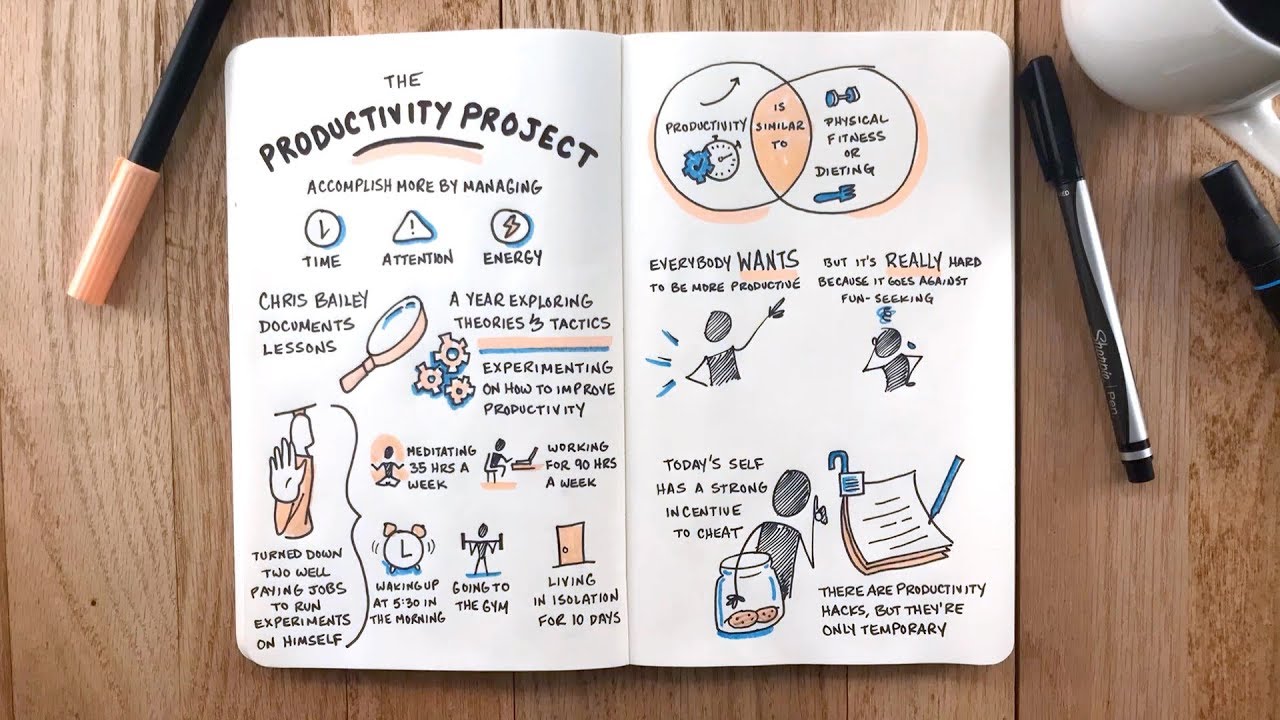
Monday Morning Moment – 5 P’s of Productivity – You’ll Be Surprised

Photo Credit: Chris Bailey – YouTube

Productivity – it seems so elusive. Maybe not for you. You’ve figured it out. If success in productivity flows out of thinking about it, I’ve thought about it more than you can imagine…so many blogs on it.

Some years ago, Chris Bailey, a young productivity guru, came on my radar. He wrote this super practical guide 100 Time, Energy, and Attention Hacks to Be More Productive. It is organized in such a way that the reader can choose what parts of their day/life they want to change. He continues to write and podcast. You can find various videos with his coaching highlighted.

He helped me get jump-started, but I’m far from that focused productivity that could seriously change up my life. Still, I chip away at it. Why? To what end? The P’s below inspire me to keep at it. How about you?

1) Possibilities – Earlier today, I was walking with a friend of mine who is diving into the natural arts – gardening, canning, grinding wheat for bread, etc. I admire her and yet am overwhelmed by the effort she puts into her craft. Then she retorted, “Well, I’m not pouring into Afghan refugees.” Thanks for that. We may all have different goals, but the possibilities abound when we recapture the time, attention, and energy we need to meet and even surpass those goals. What would you love to accomplish…if only?

Monday Morning Moment – Notes on Chris Bailey’s Life of Productivity – Deb Mills

CNLP 558: John Lee Dumas on How to Work Less and Make More Money, The #1 Way to Make an Impact Online Today, And How He Grew Entrepreneur On Fire to 140 Million Downloads – Carey Nieuwhof Podcast

2) Practices – A favorite old proverb of ours goes like this: “Where no oxen are, the crib is clean: but much increase is by the strength of the ox.” (Proverbs 14:4). Canadian writer Tim Challies presents this proverb as a parable on productivity. That “much increase” can be enhanced by having the right tools (oxen, for instance). However, given the right tools, productivity can still be very messy. Hard to perfectly control, thus, cycling back, needing the best tools for the job. Sometimes those tools are people in our lives and workplace, and sometimes they are lists, schedules, apps, or right equipment.

It’s not working harder, and not even just working smarter, whatever that means. It’s the beautiful grind of habit formation. It’s the development of spiritual disciplines that become life-long practices. We are never too young to begin establishing such.

I make my bed every morning.

It’s a small thing but it lifts my heart. This is done and it’s beautiful.

Lately I have also begun going to bed with my phone out of reach. That means, on waking, it is still out of reach. My thoughts then are my own…not someone else’s I begin taking in, and 30 minutes later find myself still scrolling. Sheesh!

There are other practices I’m incorporating into my daily life…but for this moment, I leave you with the experts.

Photo Credit: Tim Challies, How to Get Things Done

Putting On the Brakes: A Review of John Mark Comer’s The Ruthless Elimination of Hurry – Dawn Berkelaar

Series: How to Get Things Done – Tim Challies

Monday Morning Moment – Flipping COVID Lethargy into a Larger Life Productivity – Tim Challies – Deb Mills

Photo Credit: James Clear

3) Product – As you begin habit formation, such that you are able to redeem more time, more attention, and more energy, product then begins to be impacted. What is your product? Your goal? Are you beginning to see the weight loss, your writing becoming more thoughtful, your shelves filling with wholesome canned food, your personnel engaged, your work goals realized, your college degree on the horizon?

Photo Credit: Andrea Lane, Redbooth

4) Purpose – What is the purpose for your going after your goals? If the habits you are forming are in conflict with other goals in your life, then you may need to reexamine your purpose. The “why” of your efforts. Are top performance and lifetime achievement the same or is there enough difference that you need to reevaluate? Something to consider on a regular basis. What is your purpose for all this? [See the Carey Nieuwhof podcast with Jon Acuff below – gold!]

Episode 596: Jon Acuff on The Difference Between High Performers and High Achievers, How to Make a Goal and Guarantee a Goal, and the Problem of False Humility In the Church – Carey Nieuwhof Podcast

5) People – Chris Bailey did an experiment earlier this year. He made the observation that smartphones are actually robbing us of productivity among other things (mental health, sleep, intimacy, focus…I could go on).

He decided to “come off” his smartphone (iPhone to be specific) for one month. After switching to a flip-phone, it took Chris a week to adjust to the under-stimulation of his device. Then something happened that forced him to ditch the experiment altogether before the month was over.

[5 Lessons that Chris Bailey Learned from Ditching His Smartphone for a Month – condensed version of Chris Bailey’s blog on the topic]

A cherished family member got cancer and was doing treatment updates via group iMessaging. Chris became aware that he was missing some of the messages and, in fact, his wife had begun answering for both of them. He family and friends simply began messaging solely with her, leaving him out of the circle altogether.

Being connected with people, in the way they were all accustomed, was disrupted. Face-to-face was consummately better, but he would take phone connection over no connection.

“…while modern communication methods are shallow, at the end of the day, the smartphone is how I am able to communicate with those I love in the modern world. And I love them. So I will continue to go where they are, to these lamely shallow apps that are no richer than a shadow, especially when compared to the vivid, textured reality of deep, joyous time with another human being, in real life. Maybe over coffee, maybe over drinks, maybe at a beach somewhere. Honestly, wherever—I don’t really care. As long as it’s in person.

At this point, we’re stuck with smartphones, especially considering how intertwined they are with how we communicate. Technology will continue to advance as smartphone innovation continues to plateau, and eventually, something else will take the smartphone’s place.

I look forward to this day, and hope that whatever replaces the phone doesn’t come with its own tradeoffs for our mental health and overall well-being.

The key, though, while the smartphone is with us, is to find ways to limit its downsides while making how we communicate richer.Chris Bailey

The moral of this story: don’t leave your people in the dust in the pursuit of wild wonderful goals.

In becoming more productive, do we pour that gained time, attention, and energy back into the work, skillset, hobby, or recreation? Or do we pour it into people?

As I look again at habit formation and goal-setting with these 5 P’s in view, what my hope for center stage of life is “Love God…love people.

“You shall love the Lord your God with all your heart and with all your soul and with all your strength and with all your mind, and your neighbor as yourself.” – Jesus, Luke 10:27

This is what inspires me to do the work of becoming more productive.

Monday Morning Moment – Focus – This Won’t Take Long – Deb Mills

50 Productivity Tips to Help You Finally Get Ahead – Infographic

Photo Credit: Productive and Free

Monday Morning Moment – Raising Adults – Part 2 – Creating a Culture of Serving – Revisited

Photo Credit: Summit Kids Academy

[Adapted from my presentation at a home-school conference – Part 1 on Raising Adults with the focus on work and responsibility can be found here.]

One of the most challenging tasks a parent has is to teach a small child how to be deferential – to respectfully give way to another, to put another first. Whew! This is a hard one. It’s not just about helping a child understand sharing. It’s our demonstrating and them seeing the value of people and taking hold of how we can serve or help them, no matter our age. Not for any reward for ourselves but just because others matter.

The battles of will that communicate “Me, me!” or “Mine, mine!” can wear us out – both parent and child.

In Part 1, we talked about work and kids’ discovery that they can make a difference. Work and exercising responsibility are their own reward. Often there is compensation, but work is a head issue – a decision made to insert ourselves into a situation for the good of all (both the worker and the larger community).

Serving is a heart issue. In the role of the server, we do ultimately benefit, but the whole focus is on the one served. Serving, by its nature, requires sacrifice, sometimes small but, even for a child, it can be substantial.

Before we dive in, let’s pray to wrap our own hearts around this. [I’m coming at this as a Christian, but this, by no means, lessens the import for those who don’t believe. The wisdom of raising adults to serve stands.]

 “Father, we want to be wholly Yours. Whatever You ask of us…we want to be ready and willing. Not only to be laborers in the Harvest, but to serve with the same heart and mind that Jesus had while He walked this earth. Humble, loving, deferential to others. A servant heart, a mind bent toward You, God, a body and life laid-down in love for others. We want to be responsible and to do good work. Teach us to take our hearts even higher…or lower as the case may be…to serve as Jesus did, in Your abundant grace. In His name. Amen.”

When we model and teach work, the mindset or worldview we communicate to our children is “Get it done and done well”. In action and attitude.

In serving, one distinctive might be the military acronym: ABCD – Above & Beyond the Call of Duty.

“Let this mind be in you which was also in Christ Jesus: Who, existing in the form of God, did not consider equality with God something to be grasped but emptied Himself, taking the form of a servant, being made in human likeness. And being found in appearance as a man, He humbled Himself and became obedient to death—even death on a cross.” – Philippians 2:5-8

He has shown you, O mankind, what is good. And what does the LORD require of you but to act justly, to love mercy, and to walk humbly with your God?” – Micah 6:8

“Do nothing out of selfish ambition or conceit, but in humility consider others as more important than yourselves. Everyone should look out not only for his own interests, but also for the interests of others.” – Philippians 2:3-4

What if, along with leading our children to be responsible, we created a culture of serving? What would our homes be like if our kiddos embraced serving as a good thing and something they were capable of? And not just for a jelly bean or a favorite TV show.

Photo Credit: Caring For Our Generations

Lisa Jacobson, author, encourager and mother of 8 has a lot to say about her own experience of creating a culture of serving:

I did things right. The way things should be done. Oh, and, of course, I was serving my family all the while. I was the sacrificial mom who cooked, laundered, and cleaned up after everyone. Most every job was done by me.

And, as a ‘shining model’ of service, I figured my children would eventually follow my example. It was obvious that I worked hard and did my best to please our family. So wouldn’t they just naturally follow in my footsteps? More is caught than taught, right? But you know something? They didn’t catch on like I thought they would. They really enjoyed being served…and it kind of stopped there. I was a good giver. They were good takers.” Lisa Jacobson

She then discovered how to teach her children the joy of serving others:

  • Start by letting them work [serve] alongside you.
  • Teach your children to notice what needs to be done. [This one point is so worth your time reading thus far – both in working & serving – guiding our children to see, for themselves, what needs to be done. It’s a strong beginning to winning their hearts.]
  • Let them enjoy helping out.
  • Instruct them in how they can be a help to you [and others].
  • Cheer them on as they learn to serve.

Teaching Our Children the Joy of Serving Others – Lisa Jacobson

Photo Credit: Intentional by Grace

“God does not need your good works, but your neighbor does.” – Martin Luther

Author, educator, and pastor Andy Crouch writes about our callings in life. He is speaking to Christians, but these would richly apply to anyone who believes in God as Creator.

Our three callings*:

  • To bear the image of God. [“Be fruitful & multiply.” Our human calling is inextricably linked with the family where we first found our name, language, identity, and home.]
  • To restore the image of God. [Our distinctive calling as Christians is to actively seek out the places where that image has been lost, to place ourselves at particular risk on behalf of the victims of idolatry and injustice. So in every workplace, Christians should be those who speak up most quickly, and sacrifice their own privileges most readily, for those whose image-bearing has been compromised by that organization’s patterns of neglect. In every society, Christians should be the most active in using their talents on behalf of those the society considers marginal or unworthy. In every place where the gospel isn’t known, Christians should be finding ways to proclaim Jesus as the world’s true Lord and “the image of the invisible God.”]
  • To make the most of today (contingent calling). [If you get the first two right, the third is practically an afterthought. Your third calling is your contingent calling: to make the most of today, while it is called today. “Contingent” is a word used to describe something that could be otherwise—in that sense, it’s the opposite of necessary. It’s also used to describe something that depends on something else—in that sense, it’s the opposite of independent. You are in some particular place today—maybe at school, maybe on a bus, maybe in a workplace, maybe at home. And you are there with certain resources—memory, energy, reason, attention, skill. All these are contingent. It is God within these that we must learn to discern and then serve as He leads.

[Heady topics for a 2 y/o maybe…but highly teachable concepts, as well…how would we teach and model these three callings to our little ones?]

“There is one topic that I’m extremely interested in that the writers of Scripture do not seem interested in at all—and that topic is, actually, me. I am quite interested in the expressive individual that I call me—but Scripture turns out not to be interested in me hardly at all. It is somewhat more interested in me as a member of a community, connected to one of the “nations” of the earth—but really, what Scripture is interested in is God, God’s mission in the world, God’s commissioning of a people, and God’s gracious invitation to me to stop being so interested in me and start being absolutely fascinated by [Him and] his mission.Andy Crouch

*The Three Callings of a Christian – Andy Crouch

How do we cultivate a culture of serving in our home, community – for ourselves and our children? What are you doing? What do you dream of doing? Please share in Comments below. Thanks.

As with work, so with service, we not only model but insure our children have the opportunity to contribute what only they can do – for others…whether operating out of their strengths or their weaknesses.

Looking back, I don’t think we were intentional in creating a culture of serving in our home during our kids’ childhood. It was just “easier to do it myself”, right? They had so little time, between schoolwork and their other “just being children/youth” activities. There were moments, however, bright and shining…teachable moments where they did see how serving mattered…especially when they (at whatever age) showed up to serve. Now I hope to come alongside our grown-up children to model and teach serving to the grands. In fact, it is already a reality – seeing our kids, as adults, discovering the deep joy of serving others, pushing through the awkward strain to pull back or be less present, putting others ahead of themselves.

[Nathan helping dear Mrs. Marge…many years ago.]
Photo Credit: AZ Quotes

Parents, Take Note of the Spiritual Practices Common to Kids Who Flourish As Adults – Trevin Wax

Saturday Short – Raising Adults – Part 1 – Responsibility Is Two Words

[Adapted from my presentation at a home-school conference. Part 2 – Raising Adults – Creating a Culture of Serving can be found here.]

Being a parent is a humbling work…one way or other, it takes us to our knees at some point. In thinking about how we shape our little ones and raise them into adulthood, I was driven to prayer…a lot.

“Oh God, You have given us such crucial work in raising our children to adulthood. Help us to be faithful to live in the tension of remembering they are still small/young and yet pointing them to their place in this world and Your Kingdom. In Jesus’ name. Amen.”

In the book of Genesis, we have a beautiful picture of God’s work – His eye for detail, His gift of order – He provided everything that was needful…including work for us.

God has given us all work to do. It was His plan from the beginning… In training up our children, we will always push against the counter-pressure of entitlement in our kids’ lives (and in our own)… but we are not alone. He’s already promised that “His yoke is easy, and His burden’s light”.

The Scripture is full of wisdom pointing us toward teaching our children to become responsible adults…understanding the importance of showing up, working in whatever capacity they can.

So we built the wall and the whole wall was joined together to half its height, for the people had a mind to work.Nehemiah 4:6

Anyone who can be trusted in little matters can also be trusted in important matters. But anyone who is dishonest in little matters will be dishonest in important matters.Luke 16:10

Train up a child in the way he should go; even when he is old he will not depart from it. Proverbs 22:6

Whatever you do, do it enthusiastically, as something done for the Lord and not for men, knowing that you will receive the reward of an inheritance from the Lord – you serve the Lord Christ.”Colossians 3:23-24

What goes into raising adults? Teaching our children and giving opportunity to see the value of work, to treat people and possessions appropriately, and to see themselves as a responsible part of a larger community. When does it start? Very early.

Author and parenting coach Reggie Joiner talks about the key to raising responsible adults is to give them responsibilities…now.

We are called, by God, to work…from the beginning…to have dominion…and to essentially clean up our own messes. As we learn to do that at home – caring for ourselves and contributing to our family – we can quite naturally expend the effort, and extend that, toward our larger community.

Joiner defines responsibility and counsels parents how to train it:

“Responsibility is an interesting word.
It’s actually two words.
Response and ability.

Do you see the link between the two concepts? If you want to raise kids to become responsible, then lead them toward a life where they develop the right attitude toward work and tasks. Give them chores at every stage.

  • Lead so their response reveals their ability.
  • Lead so their response matches their ability.
  • Lead so their response grows their ability.

Think about it this way:
Home should be the first job every kid ever has. What kind of experiences are you giving your children to prepare them to be responsible adults?”
Reggie Joiner

Raising Adults – Reggie Joiner

Sometime ago, I was listening to a podcast from Liberty University (would have linked it but it is no longer at the original link). The guest was writer, thought leader, and world-shaker-upper Karen Swallow Prior:

Prior talks about this being the anxiety generation. Some of that anxiety revolves around the pressures coming out of social media. “There is an existential anxiety that goes with having so many choices in front of you and being afraid you’re going to make the wrong choice and miss out and go down the wrong path.” – “Everything you do in life [marriage, work, weekends] is supposed to be this huge self-fulfillment…such that you can post it on social media.” Too often, our experiences aren’t fulfilling and then the anxiety comes, “did I make the wrong choice?” – Notes from the podcast with Karen Swallow Prior

Dr. Prior supports education as a help in correcting the “tunnel vision and distorted vision” that can evolve in young people’s thinking. Work throughout our children’s growing up years can also impact thinking as well…restoring perspective.

One of my favorite books on this topic is Escaping the Endless Adolescence by Joseph Allen and Claudia Worrell Allen. The Allen’s write about the “failure to launch” generation. Teens who are exhausted at what seems required of them to be adults and therefore resist doing more than the minimum, coasting through life.

Instead of asking: “What will keep our teens out of trouble?” “What will make them happy?” or “What will get them into college?”, we need to switch our focus to a different set of queries: “How can we introduce realistic elements of adulthood into their worlds?” What activities best provide real feedback about their effort and skill?” and “Which other adults can we recruit to help pass our values on to them?” In short, we need to switch our focus from activities that reflect living happily as a teenager to activities that let our young people actually use their energy, connect with adults, and make choices that matter in order to begin moving successfully into adulthood.Allen & Allen

In their helps for parents of teens (and younger children), the Allen’s coach how to guide kids to become contributing members of the family, how to give genuine, real-world feedback toward maturity, how to connect their kids with role model adults (including the parents themselves), and how to positively stretch their kids toward skill- and confidence-building.

Writer and stylist Jo-lynne Shane shares a ‘raising adults” system she used with her three children.

[Her] system based on the following principles:

  1. logical consequences vs discipline and anger
  2. choices vs commands
  3. questions vs lectures
  4. no nagging
  5. no idle threats
  6. no yelling

You see, when you allow them to experience the natural consequences of their choices rather than resorting to nagging, yelling, idle threats, and unrelated punishments, you put the responsibility for their actions on their shoulders.  Too often parents make their kids’ problems their problems.  Then the parents get angry and the kids learn nothing. 

By giving them choices rather than commands, they don’t have the option to disobey.  The key is to give only choices that you can live with, and then to be willing to follow through. 

Asking questions instead of lecturing encourages kids to think for themselves and be discerning. – Jo-lynne Shane

Raising Responsible Kids – a Series – Jo-lynne Shane

Finally, writer and parent Cara Sue Achterberg offers this exercise:

List the abilities and qualities you hope your children will have by the time they are eighteen.

Back track from that point and begin thinking of chores and responsibilities you can give your children now which will help them attain those abilities and qualities before they leave home.

Instead of thinking in terms of what they can’t do, begin to see them as the capable human beings they are and discover what they can do.Cara Sue Achterberg

Are You Teaching Kids Responsibility? 50 Simple Challenges to Get You Started – Cara Sue Achterberg

…and then they were grown.

All our children are, bit by bit, becoming adults. [Like we are often told, it comes faster than we can imagine.] We as parents recognize the adult inside each one and build scaffolding, just enough support, to help each child grow into that adult. At every age, they can see it matters that they show up. It matters.

15 Tips to Raise a Responsible Child Dr. Laura Markham

Are You Teaching Your Kids Responsibility? 50 Simple Challenges To Get You Started – Cara Sue Achterberg

Practicing What You Preach – Raising Responsible vs. Entitled Children – Marsha B. Sauls

The Goal Is Not to Raise Good Kids, but Great Adults – Dave Ramsey

I Took ‘Adulting Classes” for Millennials – Andrew Zaleski

5 Friday Faves – Beyond the Guitar, “Thrive by Five” Parenting, Unexpected Wisdom, Confessional Communities, and Funerals

Happy Friday! Welcome weekend. Rapid fire Friday Faves.

1) Beyond the Guitar – While Nathan’s “saddest song” arrangement on YouTube moves toward a million views, he continues to teach, arrange, and compose.

Enjoy!

YouTube Video – This Scene from The Office Changed My Life #Shorts – Beyond the Guitar

2) “Thrive by Five” Parenting – Have you seen the TED Talk below? Start here…fascinating the impact of attuned parents on their babies.

YouTube Video – Molly Wright: How Every Child Can Thrive by Five – TED Talk “Serve & return. Early & often.”

Photo Credit: YouTube, TED Talk, Thrive by Five

I so appreciate the work of psychiatrists/therapists Curt Thompson MD, Adam Young, Matthias Barker, Dan Siegel MD, and others.

Foster mom Jamie Finn posted on the first year of a baby’s life and how vital it is to build that foundation of secure attachment:

“Baby has a need, baby cries, attuned caregiver meets need, baby learns to trust. This is the basic foundation of the attachment cycle.

And it’s the foundation for every relationship and interaction a person has with the surrounding world from that point forward. Secure attachment teaches the child’s brain & body & beliefs: I am safe, people are trustworthy, the world makes sense.

The first year of life is the most developmentally significant, formative time of a child’s life.

The moments of motherhood that make up the first few months of a baby’s life go far beyond the present and profoundly impact the future of that little person. Every cry that’s responded to, need that’s met, and discomfort that’s soothed actually changes the brain’s chemistry and structure, the body’s ability to regulate and feel safe—the complete trajectory of a child’s life.

I don’t know how long this little one will be with me, and I don’t know if he’ll have memories of me. But I know that his brain and body will remember my nurturing care, and it will change his life forever.”
Jamie Finn

The 4 S’s of Secure Attachment and How They Impact Adult Relationships – Hope Gillette

Integrating Science, Culture and Anthropology: A New Journal Article Discusses Thrive by Five International’s Novel Scientific Framework

Thrive by Five – Ideas Hub

Thrive by Five – Minderoo

Facebook – Foster the Family – Jamie Finn – First year of life is the foundation for attachment.

Instagram – Foster the Family Blog – Jamie Finn

https://www.facebook.com/photo/?fbid=770770747740992&set=a.548292643322138

3) Unexpected Wisdom – We have a subscription to The Richmond Forum. It’s a lecture series with world-renowned speakers. Some are politicians, some actors, some writers, some private and public sector leaders, and all influencers. Two of my favorite speakers this year were actor and arts education advocate John Lithgow and a dialog between Dr. Cornel West and Thomas Chatterton Williams. The West and Williams dialog centered on “the absolute condemnation of no one”. Brilliant and redemptive!

Below are samples of their work including a longer version of the West/Williams conversation on another platform. Don’t miss it.

Photo Credit: John Lithgow, Richmond Forum

Never Play Music Right Next to the Zoo

YouTube Video – John Lithgow Breaks Down His Most Iconic Characters

YouTube Video – Carnival of the Animals – John Lithgow

4) Confessional Communities – My absolute favorite podcast is Dr. Curt Thompson‘s Being Known. I’ve been listening (watching on YouTube) ever since Dr. Curt Thompson’s books changed my understanding of the mind/brain and community.

This season’s podcast focuses on confessional communities and if you only listen to one before you will want to listen to them all, here‘s the one.

Being Known Podcast – Dr. Curt Thompson & Pepper Sweeney

“We need others to bear witness to our deepest longings, our greatest joys, our most painful shame, and all the rest in order to have any sense at all of ourselves.” Curt Thompson, MD

Confessional communities are not therapeutic groups as we have traditionally known as group therapy. However, they are also more than a Bible-study oriented small group, the kind we might experience as part of a church curriculum. Confessional communities require commitment of a deeper nature from participants who are willing to explore attachment, attunement, presence, and vulnerability – extending welcome and experiencing welcome, all seeking to be known and truly know and affirm each other.

Read Thompson’s books and listen/watch his podcasts for an excellent introduction to this process. I would love to be part of a confessional community…it will happen.

5) Funerals – Why a fave? Well…it comes after watching a British series involving an undertaker (the show had a great story-line but very adult-themed so will leave it at that). The funeral conversations, preparation, and executions were both poignant, sometimes oddly funny, and beautiful.

I was reminded of the funerals of people close to me – young nephew, parents, brother, father-in-law, uncles, aunts, friends and colleagues. It was a privilege to be present for many of these. Some we had to watch via live-stream which itself was a blessing…a perk that came out of the COVID era.

Photo Credit: Air Force, Defense Department

Looking back at images from our mom’s funeral and then our dad’s some 15 years later, memories washed over me. How honored they were by those officiating, how healing the conversations with family and friends (some whom we hadn’t seen in too many years). The care given to detail. The time given to both grieve their passing and celebrate their lives. Such a mix of emotions. Completely thankful for the gathering and strengthening of community that funerals facilitate.

Cremation is replacing burial more these days. We are rethinking our own choices on this. However, having a funeral is something I want for our children and grandchildren, in particular. Not for my sake but for theirs. They may not want this, and I get it, but my hope is they have helps to reflect, remember, and reorient. A funeral, or celebration of life, or memorial service – whatever it’s called makes a difference.

Photo Credit: Heartlight

Doing Death Differently: Today’s Funerals Are Not Like They Used to Be – Elle Hunt

Should We Celebrate Funerals? – Kenneth J. Doka Ph.D.

Americans Avoiding Funerals and Not Leaving Their Mark

The Importance of Flags and Horses in American Military Funerals – Suzette Sherman

Well…it’s been a minute since I’ve pulled together a Friday Faves. Hope it was fun to read. Thanks for stopping by…it’s means more than you know. Have a restful weekend.

Bonuses

The Trait that “Super Friends” Have in Common – Marisa G. Franco

Tim Keller – a Reflection and a Very Short Prayer – Scotty Smith – Facebook

Photo Credit: Twitter, Terence Lester

[Here’s the full quote found in his forthcoming book, All God’s Children “Everyone is welcome” is drastically different from “we built this with you in mind.” People don’t want to go where they are merely tolerated, they want to go where they are included.”]

Photo Credit: The Soul Leaf, Facebook
Photo Credit: TobyMac, Facebook

Monday Morning Moment – On Fathering

Photo Credit: Heartlight

Fathering…it’s an intriguing topic for me, and I’ve written a lot on it [see here].

My biological father was fairly absent from my life. Even before he and my mom divorced. Our father’s own abandonment of us had an impact on us kids developmentally (even possibly affecting how we parent today).

[My brothers and me when we were younger]

Fortunately I had a kind and loving step-father. Sadly missed by his first family as he poured himself into my siblings and me. He tried to love them well, too…but…

My mom’s dad was an alcoholic who dealt poorly with the Great Depression and his inability to provide well for his family… isolating himself from his children. I remember as a child following him around the woods when we visited. Wish I could have known him better.

The father of my own children was and is a present, loving dad to our bunch. I hope they feel how much he loves them…still and always.

[These four, Morocco]

You have your own fathering stories.

Fathering matters.

“Fathering, like mothering, is not an easy job. So much dying to self. So much responsibility. What a delight for us when the men in our lives take fathering on their shoulders as they might a sleeping child. Surrendering themselves to the serving of those younger than them. I thank God for men who humble themselves in prayer for their children and who go to work every day to support their families. Working, studying, and life-long learning passed on to their children and others.

These dads are too-often taken for granted in the shadow of fathering that falls short. The absent, neglectful and downright abusive fathers cut wounds so deep that decent fathers are sometimes judged by the same measure. We watch for “the sins of the fathers to be revisited on their children” (Numbers 14:18).

Today, let’s reflect on the good fathers. Those who were present at our births, or those who came later in life to us, or those who father us out of their own great hearts. Imperfect, sure. All of us are. Yet, there are those men who go many more than second miles for us, and we are grateful.”Deb Mills

In thinking about fathers, with the approach of Father’s Day here in the US, I pulled all the books on fathering from my bookshelves. There weren’t many (more on parenting, but just these few on fathering itself). Maybe we miss the crucial nature of this role in children’s lives, such that we don’t feel training is needed. I don’t know.

Dr. Danny Huerta, with Focus on the Family, has written a short and important book on 7 Traits of Effective Parenting which especially touches on how weighty the presence of fathers is in the lives of their children. These traits, he extols, are:

  • Adaptability means you handle stress and what is coming at you as a dad in healthy and effective ways. It also means you have the mental flexibility to help your child feel understood and noticed by you.
  • Respect brings you fully present to your family. Through respect, you model looking inward and managing yourself well so you can listen, see, effectively respond to, and love all image bearers of Christ that surround you each day.  
  • Intentionality helps you create goals and focus on what you’re building in your children’s lives. Intentional affection, instruction, conversations, mealtimes, playtimes, and encouraging words can all have life-giving impacts on your family.
  • Steadfast love allows you to love deeply and give your family the strength that stems from a father’s unconditional love.  
  • Boundaries allow you to model and teach healthy ways to engage with opportunities, relationships, and interests.
  • Grace and forgiveness present the ministry of reconciliation that Jesus began through his death and resurrection. A dad can truly make his home debt-free and spiritually strengthened by modeling grace and forgiveness.
  • Gratitude provides a father with a loving and humble perspective that helps him lead his family well. 
Photo Credit: Calvin & Hobbs from the blog of Kenneth Reeds

Parenting is challenging for sure. Through all the seasons and stages of life. From the birth of our children through when they are grown…really until we are gone. Challenging, but also a beautiful work of the heart and mind, as we seek to win the challenge. For our children’s sake, and for our own. If we weren’t fathered well, we can determine to take the steps for it not to continue in our own parenting. The resources we have available to parent well today are plentiful.

We can be grateful for good fathers and hopeful for those overwhelmed by (or unfortunately unaware of) the challenge of parenting well.

…Let’s live in hope that those fathers who struggle to be present or loving may one day gather themselves together, awaken to what was left behind, and reach out to the treasures they missed along the way…and may they find us within reach.” Deb Mills

Fathering – Celebrating Men Who Did It Well; Forgiving Men Who Didn’t – Deb Mills

Saturday Short – Fathers and Father’s Day – Deb Mills

Fathers (and Mothers), Do Not Provoke Your Children – Tim Challies

7 Ways Parents Unfairly Provoke Their Children – Tim Challies

Christian Books on Fatherhood – Top Books for Fathers

Biblical Fathering – 4-part Series on Being Fair, Flexible, Firm and Forthright – Don Strand

The Significance of a Father’s Influence

50 Best Christian Fathers Day Messages and Bible Verses

“As to my children, you are now to be left fatherless, which I hope will be an inducement to you all to seek a Father who will never fail you.”Rev. Jonathan Edwards, his last words to his children, as he lay dying.

Slow to Chide, and Quick to Bless: Vision for Earthly Fathers – David Mathis – excellent article for any dad

Train Them Up in Jesus: The One-Verse Vision for Dads – David Mathis – excellent article, by the same author above, for any dad but especially Christian dads

Lastly, one powerful little Tweet:

The Audacity of Calling God “Father” If I call God “God” I speak truthfully. If I call God “Lord” I speak submissively. If I call God “King” I speak servilely.

But if I dare to call God “my Father,” I speak with a brassy audacity, chutzpah, that is shockingly familiar and intimate. So it seems anyway.

You dare to call the Master of the Universe “Father”? You dare to call the One who controls heaven and hell “Father”? You call the Omnipotent one “Father”?

Who do you think you are? It is difficult to imagine a more audacious act than to stand before the Creator of the world and to name him “Father.” And mean it. And not only to mean it, but to act and speak as a child acts and speaks before a loving and doting Dad.

It’s shocking. It’s exhilarating. And it’s beautiful beyond words.

But here’s a secret: it’s not really chutzpah. It’s not some brassy boldness that we work ourselves into, nor it is gained by swallowing a bottle of liquid spiritual courage, as it were.

To call God “Father” is simply to live in the space which Jesus created. To move from residing far from God as his enemy; or on the other side of town from him as a stranger; or down the street as an acquaintance; or in an adjoining house as a servant; and to move into our own bedroom as a child in his family. To wake up in the morning and see our Father sipping a cup of coffee and saying, “Good morning, my child,” as we respond, “Good morning, Father.”

You see, when we live in this house, when we move into the room built by Jesus, we inhabit the home not merely of a Master or Lord or King, but the one who’s given us his name and made us his own, now and forever.

“Our Father”: two of the most amazing words ever uttered.Chad Bird

Photo Credit: Tim Challies, Charles Spurgeon

Monday Morning Moment – Resisting the Reactive Response

Photo Credit: Aunatural, IZQuotes

How do we deal with individuals, organizations, or even a larger culture where either we personally or our values are attacked or diminished?

Do we take the approach of the old adage, “Fool me once, shame on you; fool me twice shame on me”? We build boundaries substantial enough that keep us from experiencing that discomfort again. Or do they really? Is that diminishing still being mulled over in our thoughts and body, such that we are bound to it, linked to it by our own vigilance?

How we respond to threats to ourselves or others has its origins in our personalities, family of origin, and life training as students and through adulthood. Ultimately, we choose how we respond to negatives. Proactively or reactively.

My preference is to stay…in the relationship, in the job or organization. I want to make things work…improve things from the inside out. Be tenacious. Figure it out. Give grace. Push in for a place at the table and make room for others there.

We live in a reactive space in history. Or maybe it’s always been that way, but now, the reactions are broadcast multiple ways through various media, both sympathetic and unsympathetic to our side or that of the other.

It is exhausting.

In a Slideserve on classroom management, the familiar elements of reactive response are outlined. When trouble is brewing, we do what we can to 1) expose and remove the perpetrator, 2) remove ourselves, 3) change up the environment to relieve discomfort, and/or 4) assign blame outside ourselves.

Photo Credit: Slideserve, Creative Behavior Management, Terri Vest

To move from being reactive to become more proactive, we must stay in the conversation. We determine how best to go forward. We listen with a desire for understanding and not just the goal of being right.

While downsizing our extensive book library this weekend, I rediscovered this little treasure of a book

and found this quote apropos to today’s topic:

Abraham Lincoln was one who listened to the Different Drummer, and not to the vindictive voices of his advisers.

Stephens, Phillips and Beecher were among Lincoln’s contemporaries who were echoing the cry, “Crush the South…Stamp out the whole slave-holding aristocracy…Make them pay to the last acre of land, the last vestige of power, the last drop of blood.”

But the great man upon whose furrowed brow the responsibility rested heard a Different Drummer… “With malice toward none, with charity for all, let us strive on to finish the work we are in, to bind up the nation’s wounds…to do all which may achieve and cherish a just and lasting peace among ourselves and with all nations.” – From the late US Senate chaplain and Scotsman Peter Marshall‘s His Hand On Your Shoulder

The paragraph above shows the contrast between the reactive, vengeful response and the more proactive, hopeful and potentially healing response.

Five lessons from the Life of Peter Marshall – Joshua Bontrager

The Southern Baptist Convention has its annual meeting later this month. Now for many of you, this is inconsequential. However, in anticipation of this meeting, and throughout the proceedings, Twitter and other social media platforms are and will be abuzz with the reactors. Those who would not wish these folk well. Those who may have been hurt in the past by this enormous cooperative of churches. Those who love a good wrangle especially when it potentially brings down Christians or sullies the name of Jesus.

Just last night, an out-of-state friend and I had a deep conversation on this topic (ok…via texts…so much meaning in short bursts). Her longing was to see Southern Baptists keep focused on the essentials of the church’s mission and not to allow the non-essentials divide us and cancel what matters most.

Photo Credit: Pinterest

In Essentials, Unity, in Non-Essentials Liberty, in All Things Charity – Mark Ross

I am with my friend, in this. In fact, there are consequential lessons here for all peoples.

On Open Letter to All Southern Baptists – Rick Warren

Whatever our challenge is this morning – whether a troubled work situation, a broken relationship, or an affiliation with an imperfect organization – we can choose a better way forward.

We can choose not to lash out or quit. We can choose to seek change from within. We can operate out of humility, hope, faith, or even love. We can resist a reactive response.

Photo Credit: Pinterest, Stephen Covey

Worship Wednesday – Light a Fire – David Leonard

Photo Credit: Heartlight, Pinterest

Restore to me the joy of Your salvation, and sustain me with a willing spirit. Psalm 51:12

There is now no condemnation for those who are in Christ Jesus. For in Christ Jesus the law of the Spirit of life set you free from the law of sin and death…[We] do not walk according to the flesh but according to the Spirit. Those who live according to the flesh set their minds on the things of the flesh; but those who live according to the Spirit set their minds on the things of the Spirit. Romans 8:1-2, 4-5

Last night I was spent…not because the day was exceptionally full or tiring. More spent from overthinking and troubled by the usual. Checking my heart…not with the truth of Scripture, but with that emotional judgy part of my brain that insists that: I don’t do enough or love well enough. Of course, my thoughts rarely go so far as “I’m not enough”, because that is actually true. I know, with all my being, that God has to be in every equation. God and community.

A couple of nights ago, after a day that was full and exhausting, I got a phone call from a young Afghan friend of ours. A middle schooler whose little family our church helped resettle over a year ago. He was so excited that a friend of his (who he knew from their first refugee experience entering the US) was visiting in town. He had this one night to see him before this friend returned to his home. Our young friend, his Afghan friend from school, and this visiting friend had the opportunity to spend the evening together. He just needed a ride.

My response was less than loving. He must have known about this opportunity before the moment that he called needing a ride. I was not going to be engaged. Sounds pretty cold, right? Especially because I know this middle schooler very well and care deeply for him and his family. Or do I really?

As we talked about possible other options, my husband came through and communicated for me not to get drawn in. He knew my day had been long and wasn’t over, with a meeting still in front of me. Then… in seconds, he said, “I’ll drive him.”

I was shocked. And immediately pulled out of my spiritual dullness about this situation. I told our young friend that he had a ride, and then sent an alert to our church refugee resettlement team. Help! Could anyone give him a ride back home later this evening? Within minutes, one of the team said she could do it. Later when she reported on their ride back home, she wrote how happy and talkative he was (unusual for this sometimes unengaged 14 y/o). Having grown up overseas herself, she completely understood what a joy it was to meet up with friends from other places, and she was glad she could help him with that.

God and community. My chilly reception of this need from someone I love was met by God’s answer within the Body. I am so thankful, actually, that He moved in where I was tempted to distance myself.

So why am I sharing all this? There are days…weeks…months that struggle draws us away from the heart of God. Too many losses. Too much responsibility. Too little encouragement. Whatever it is…we can lose our joy. The Psalmist writer of Psalm 51 recognized his sinful heart and cried out to God. His confession and repentance led to restoration.

We know because of the finished work of the resurrected Christ, that our salvation is secure. It is the “joy of our salvation” that is sometimes lost along the way. We lose our fire…we forget the distance He came and the death He died to bring us back to Himself.

In Revelation, the apostle John wrote about the vision God gave him for the churches. He warns against the danger of being lukewarm – of doing the work in our own flesh, out of obligation, or in fear of man, whatever the motivation. He warns the Laodicean church not to shame them or even judge them but to remind them of what they are missing. Choosing a life of self-sufficiency (stunningly deceptive at best) rather than the all-sufficiency of Christ. “Christ in us. The hope of glory!”

“Write to the angel of the church in Laodicea: Thus says the Amen, the faithful and true witness, the originator of God’s creation: I know your works, that you are neither cold nor hot. I wish that you were cold or hot. So, because you are lukewarm, and neither hot nor cold, I am going to vomit you out of my mouth. For you say, ‘I’m rich; I have become wealthy and need nothing,’ and you don’t realize that you are wretched, pitiful, poor, blind, and naked. I advise you to buy from me gold refined in the fire so that you may be rich, white clothes so that you may be dressed and your shameful nakedness not be exposed, and ointment to spread on your eyes so that you may see. As many as I love, I rebuke and discipline. So be zealous and repent. See! I stand at the door and knock. If anyone hears my voice and opens the door, I will come in to him and eat with him, and he with me.

To the one who conquers I will give the right to sit with me on my throne, just as I also conquered and sat down with my Father on his throne.

Let anyone who has ears to hear listen to what the Spirit says to the churches.”Revelation 3:14-22

A Timely Warning from the Church of Laodicea to Us Today – Michael Jakes

The love of God is like nothing else in this world. He warns us not to condemn but to compel. For us to see and hear how life is meant to be for us…and for our community. We are not alone. Nor do we have to obey God out of obligation…we are free to operate out of a willing spirit knowing that He will sustain us – both in the power of His Holy Spirit and within the community He draws around us.

May our lives ever be an altar that burns brightly to the glory of a God who loves us and provides all we need.

Worship with me to David Leonard‘s Light a Fire

Restore to me the joy of my salvation
Take me back to where it all began
Where all I ever wanted was Your presence
How I long to be there once again

Light a fire that the world can't burn out
Fan the flame till nothing between us remains
Oh, my life is an altar to You
Breathe again on the embers that burn In my heart
A love taken back to the start

Oh, my life is an altar to You
Renew in me a pure and willing spirit
Take me back to where it all began
Before it all became so complicated
How I long to be there once again

God, I'm sorry
Please forgive me
For when I've gone cold
Lord, I need You
How I need You
To awake my soul* 

Photo Credit: Heartlight

*Lyrics to Light a Fire – Songwriters: David Leonard, Jonathan Smith, Jason Ingram

Instagram – Bart Millard – Cover of Light a Fire sung by Sam Wesley (Millard’s son)

YouTube Video – Unspoken – Start a Fire

Resurrection Sunday of Holy Week – Day 8 – Risen, Indeed! Thank You, Jesus!

Photo Credit: The Gospel Coalition

Now on the first day of the week Mary Magdalene came to the tomb early, while it was still dark, and saw that the stone had been taken away from the tomb. – John 20:1 

Mary Magdalene came, announcing to the disciples, “I have seen the Lord”. John 20:18

On this Sunday, this most glorious day in all of history, death gave way to life. The grave could not hold Jesus. In the early morning, a small group of women who had loved and followed this Jesus, came to the tomb, guarded and sealed, and found it empty. Then ones, twos, small groups, and a crowd of 500 saw him alive. Jesus himself, bearing the wounds of the cross, walking with them, eating with them, teaching them again…as he promised.

He is alive! This man from Nazareth, the Messiah of Israel, the Lord of the world.

With the breath of creation, He speaks of peace, faith, and mission.

With lungs full of air, He breathes on His disciples and grants His Spirit. My Jesus – alive!

The eyes that saw the darkness of death now drink in the sunlight of Easter. My Jesus – alive!* – Trevin Wax

[Read the rest of Wax’s poem here.]

Oh the joy…the indescribable joy of that reality. He died and yet he lives. We were dead in our sins, and because of him, we have life.

Take the time to read this amazing story yourself. The Gospel writers all have given detailed accounts of the risen Christ ( Matthew 28:1-13, Mark 16:1-14, Luke 24:1-49, and John 20:1-29). The Apostle Paul also wrote about Jesus’ resurrection in his letter to the Corinthian church (1 Corinthians 15).

Christ has been raised from the dead, the firstfruits of those who have fallen asleep.  For as by a man came death, by a man has come also the resurrection of the dead.  For as in Adam all die, so also in Christ shall all be made alive…

“Death is swallowed up in victory.”
“O death, where is your victory?
  O death, where is your sting?”

The sting of death is sin, and the power of sin is the law.  But thanks be to God, who gives us the victory through our Lord Jesus Christ.1 Cor. 15:20-22, 55-57

Sadly, there are those who think the resurrection of Jesus a myth, or a fairy tale. Even his life is treated casually. Yet, for sure, anyone who does a careful examination of the life and teachings of Jesus would be radically changed.  This certainly was my experience. I know too well how wicked my heart can be…my thoughts and actions. God draws us to Himself, and in the drawing we recognize our desperate need for a savior, a strong arm to pull us out of the muck and mire of our own making. Jesus did that for me.

I know Jesus is alive from the historical accounts and the writing of eye witnesses, and because of his own word. I also know he is alive because of how he has transformed lives through the ages. He has changed my life, and he continues to do so.

Photo Credit: Heartlight

For the past 20 years, during Lent, I have read Adrian Plass’ book The Unlocking. I would like to close with a portion out of his Easter reading.

On the evening of that day, the first day of the week, the doors being locked where the disciples were for fear of the Jews, Jesus came and stood among them and said to them, “Peace be with you.” – John 20:19

“On that dark Sunday morning, Mary could never have guessed the cosmic significance of the empty tomb. When Jesus rose from the dead the ancient engines of order were fired once more and, in his body on earth, chaos was defeated. And what a wonderful moment for Jesus and his disciples. Neither locks nor fears could withstand the peace and security that the risen Saviour brought, and still brings to his people. It is the peace of knowing that, however rough the road may need to be (and it often is), we shall indeed, in the most real sense, live happily ever after.” – Adrian Plass**

Christ is risen! — He is risen indeed!

[Many of the links below are praise songs of various genres – as this year’s Holy Week closes, I hope you will take some time before the day ends to worship the Lord in the quiet of this great day. Hallelujah!]

Holy Week – Day 8: Resurrection Sunday! – Thank you, Mary Fairfield for writing so well, so thoughtfully, and so thoroughly for LearnReligions.com.

Evidence for the Resurrection of Christ by Sean Davis

5 Reasons to Believe That Jesus Rose From the Dead – Adam4d

*My Jesus – Alive! by Trevin Wax

**The Unlocking – God’s Escape Plan for Frightened People (1994) by Adrian Plass

Hope in Times of Fear: The Resurrection and the Meaning of Easter – Timothy Keller

Spotify Playlist – From Palm Sunday to Resurrection – Beth Wayland

ToGather: Time to Reclaim the Joy (April 4 2021) – Demetrius Collins & Phil Ware – This is a powerful Easter Sunday service via a pastor’s written message and great singing thanks to YouTube selections!

YouTube Video – Doxology – David Crowder

YouTube Video – Because He Lives – Matt Maher

YouTube Video – Passion Song – The Story of Holy Week (Lyric Video) by @scartermusic

YouTube video with lyrics – I Can Only Imagine – MercyMe

YouTube video with lyrics – Before the Throne of God AboveSelah

Story Behind the Song Before the Throne of God Above

YouTube Video – Easter Song (Live) – Keith Green – (song starts 2 minutes in)

YouTube Video – Easter Song (1974) – The 2nd Chapter of Acts

YouTube Video – He’s Alive – Don Francisco

YouTube Video – Then Came the Morning – Guy Penrod

The Bridge Gospel Presentation

عيد القيامة يسوع المسيح مبارك وكلّ عام وانت واعئلتك بالف خير! المسيح فام! حقّاً قام!

P.S. For the last time, all the days of Holy Week are described in my posts below, if you missed a day.

Photo Credit: Knox United Vancouver

Palm Sunday – Day 1 of Holy Week – Jesus’ Triumphant Entry into Jerusalem on the Way to the Cross

Photo Credit: Fig Tree by Bob Orchard

Jesus and Holy Week – Monday, Day 2 – Jesus Curses a Fig Tree and Cleanses the Temple

Photo Credit – slidesharecdn.com

Jesus and Holy Week – Tuesday, Day 3 – A Long Day Teaching & Countering Religious Opposition

Photo Credit: Baptist Press

Worship Wednesday – Jesus & Holy Week – Day 4 – A Day of Quiet Before the Storm – & We Worship

Photo Credit – Baptist Press – Courtesy of DeMoss News Pond

Jesus and Holy Week – Thursday, Day 5 – Passover Celebration and His Last Supper Before the Cross

http://debmillswriter.com/wp-content/uploads/2015/04/Blog-Holy-Week-Good-Friday.jpg

Photo Credit: GoodFridayQuotes2015.com

Jesus and Holy Week – Day 6 – Good Friday – His Trial, Crucifixion, & Burial

http://debmillswriter.com/wp-content/uploads/2015/04/Blog-Holy-Week-Black-Saturday.jpg
Photo Credit: Catholiclane.com – Garden Tomb, Jerusalem

Jesus and Holy Week – Day 7 – Black Saturday – the Silent Tomb

Photo Credit: The Gospel Coalition

Resurrection Sunday of Holy Week – Day 8 – Risen, Indeed! Thank You, Jesus!

Jesus and Holy Week – Good Friday – His Trial, Crucifixion, & Burial – It’s Friday, but Sunday’s Coming

http://debmillswriter.com/wp-content/uploads/2015/04/Blog-Holy-Week-Good-Friday.jpg

Photo Credit: GoodFridayQuotes2015.com

It was a day like no other day in history.

For years we lived in countries where Christianity was a minority religion. While the few of us passed this week in reflection and wonder, it was, of course, just another week for most of our friends, neighbors, and colleagues. Easter had its name – Eid Al-Qiyama (“Feast of Resurrection”) – but, for so many, Good Friday was shrouded in the ordinary. For Jesus, and all who have experienced life through his teaching and example, this day was and is wholly extraordinary.

Good Friday – good for us, hard for Jesus. The events of his trial, crucifixion, death, and burial are all recorded with great detail in the four Gospels. They are riveting accounts of this terrible and triumphant day – Matthew 26:57-27:61, Mark 15Luke 22:66-23:56, John 18:28-19:42.

Jesus had no opportunity to sleep in the hours of night before this dawn. From the garden where he prayed, he was forcibly taken into the custody of the high priests. Through the early morning hours, he was bounced brutally between the Sanhedrin, the high court of Israel, and the Roman authorities (Pilate and Herod Antipas). While in their custody, Jesus endured hostile interrogation, false accusations, trumped-up charges, relentless attempts at public humiliation, and repeated beatings. Yet, he somehow retained his full faculties, responding to the authorities, when necessary, with great wisdom and understanding of both the proceedings and the people.

In the midst of all this trauma, he even made eye contact with one of his dearest friends and followers, Peter, hiding himself nearby…in his own painful moment.

The outcome of all the wrangling between the Jewish and Roman officials was an unwarranted, undeserved death sentence. Execution by crucifixion. Pilate even washed his hands of the matter, literally, declaring Jesus innocent but still consenting to the death sentence. He didn’t know then but the “blood” he tried to wash of his hands was truly innocent. Still, it wasn’t Pilate who put Jesus on that cross, nor was it Caiaiphas, head of the Sanhedrin. Not a Roman, nor a Jew.

Jesus’ death, that day, was an outworking of a divine plan. We cannot begin to understand the holiness of the Father, the sinless resolve of the Son, or the steadfastness of the Spirit. This three-in-one God orchestrated a path for us, His fallen and broken people, to be restored to Him.

That we, though wrecked by sin, can be whole again and one in Him, in that unity of Father, Son, Holy Spirit (John 17:21) is a miracle of grace.

Jesus gave his life for us that day. It was not taken from him. He laid it down. For us. Though completely undeserving, we are ransomed and redeemed. At such a great cost. This Jesus. This life. This cross.

It Was My Sin That Held Him There – Greg Morse

Jesus spoke seven times during the three hours he hung on that cross.  Each time he spoke, as in all the other times his words are recorded, there was something for all of us. If you don’t know what he said, in those seven brief cries from the cross, read them and discover more about him…and about us.

Just before he died, he cried out, “It. Is. Finished.” What? What was finished? His life…oh no…not at all…that story comes later. His work? Not completely…for he continues interceding for us (Romans 8:34). What was finished? The perfect sacrifice – the lamb without spot or blemish – his life for ours. “The Lamb of God who takes away the sin of the world” (John 1:29). Hallelujah!

‘Finished’ – What the Son Cried as He Died – Scott Hubbard – Desiring God

Photo Credit: Wikimedia

There is so much more to say about this day and the people present. Pilate’s wife who warned Pilate about ruling against this innocent man. Judas Iscariot, Jesus’ betrayer, who tried to return the money and killed himself in remorse that same day. Simon of Cyrene, a pilgrim, who was drawn into the dreadful drama of that day to carry Jesus’ cross when he could not. Barabbas, a notorious criminal, who gained his freedom, through a strange twist of the day. The nameless thief on the cross who cried out in repentance to Jesus. The Roman centurion who in his witness of Jesus all those hours professed faith in him.  John, Jesus’ closest disciple, and Jesus’ mother Mary to whom Jesus gave each other. The women, lives changed by their faith in Jesus, who stayed at the foot of the cross through all the horror of his crucifixion. Nicodemus, a Pharisee and a Christ-follower, who tried to appeal for Jesus with the Sanhedrin. Joseph of Arimathea, another believing Pharisee, who went to Pilate to receive Jesus’ body for burial, to place in his own tomb.

So many stories of lives changed. Good Friday. This marked the day of Jesus’ trial, his death, and his burial, but it does not mark the end of the story. It’s Friday…but Sunday’s coming.*

http://debmillswriter.com/wp-content/uploads/2015/04/Good-Friday-from-popgodblog.jpg

Photo Credit: popgodblog.com

[In the links below are several beautiful songs of worship. Tributes to the Lord on this day. Don’t miss the articles and the great sermon “It’s Friday But Sunday’s a Coming” by Rev. S. M. Lockridge*.]

*YouTube Video – It’s Friday but Sunday’s a Coming – S. M. Lockridge

YouTube Video – Passion Song – The Story of Holy Week (Lyric Video) by @scartermusic – powerful.

Holy Week – Day 6: Good Friday’s Trial, Crucifixion, Death, Burial – Mary Fairchild

The Way of Jesus #3: Unless a Seed – James Nored

The Way of Jesus #4: Who Do I Say Jesus Is? – James Nored & Phil Ware

It Wasn’t Nails that Held Him to the Cross – Blog by Michele Perry

Good Friday – Bible Study

Spotify Playlist for Holy Week – Beth Wayland

YouTube Video – It is Finished – Matt Papa

YouTube Video – Forever – Kari Jobe

YouTube Video with Lyrics – The Wonderful Cross by Chris Tomlin & Keith Getty

YouTube Video with lyrics – The Power of the Cross – Kristyn Getty

YouTube Video with lyrics – Lead Me to the Cross – Hillsong

YouTube Video – Skit Guys – Good Friday

Photo Credit: We Love the Bible, Pinterest

P.S. All the days of Holy Week are described in my posts below.

Photo Credit: Knox United Vancouver

Palm Sunday – Day 1 of Holy Week – Jesus’ Triumphant Entry into Jerusalem on the Way to the Cross

Photo Credit: Fig Tree by Bob Orchard

Jesus and Holy Week – Monday, Day 2 – Jesus Curses a Fig Tree and Cleanses the Temple

Photo Credit – slidesharecdn.com

Jesus and Holy Week – Tuesday, Day 3 – A Long Day Teaching & Countering Religious Opposition

Photo Credit: Baptist Press

Worship Wednesday – Jesus & Holy Week – Day 4 – A Day of Quiet Before the Storm – & We Worship

Photo Credit – Baptist Press – Courtesy of DeMoss News Pond

Jesus and Holy Week – Thursday, Day 5 – Passover Celebration and His Last Supper Before the Cross

http://debmillswriter.com/wp-content/uploads/2015/04/Blog-Holy-Week-Good-Friday.jpg

Photo Credit: GoodFridayQuotes2015.com

Jesus and Holy Week – Day 6 – Good Friday – His Trial, Crucifixion, & Burial

http://debmillswriter.com/wp-content/uploads/2015/04/Blog-Holy-Week-Black-Saturday.jpg
Photo Credit: Catholiclane.com – Garden Tomb, Jerusalem

Jesus and Holy Week – Day 7 – Black Saturday – the Silent Tomb

Photo Credit: The Gospel Coalition

Resurrection Sunday of Holy Week – Day 8 – Risen, Indeed! Thank You, Jesus!