Category Archives: Monday Morning

Monday Morning Moment – Make Your Bed Every Morning and Be Ready to Change the World

Blog - Make Your Bed - habit formation (2)

I make the bed every morning. It’s been a habit of mine most of my life. Somehow in the middle of the chaos and clutter of my life, that made bed stands in hopeful defiance.

Admiral William H. McRaven a highly decorated Navy Seal, retired in 2014 from a 37-year military career. He oversaw Operation Neptune Spear – the military operation that culminated in the death of Osama bin Laden. In the year of his retirement, he was commencement speaker at the graduation ceremony of University of Texas – Austin. Blog - Change the World - Make Your Bed - pinterestPhoto Credit: Pinterest

As he encouraged the young graduates, he told of 10 lessons in his SEAL basic training. Beginning with “Make Your Bed”, they follow in brief (you can watch the video of his speech or read more detailed highlights here).

10 Life Lessons to Change Your World

1. If you want to change the world, start off by making your bed.

2. If you want to change the world, find someone to help you paddle.

3. If you want to change the world, measure a person by the size of their heart, not the size of their flippers.

4. If you want to change the world get over being a sugar cookie and keep moving forward.

5. If you want to change the world, don’t be afraid of the circuses.

6. If you want to change the world sometimes you have to slide down the obstacle head first.

7. If you want to change the world, don’t back down from the sharks.

8. If you want to change the world, you must be your very best in the darkest moment.

9. If you want to change the world, start singing when you’re up to your neck in mud.

10. If you want to change the world don’t ever, ever ring the bell.

Steve Nguyen, Workplace Psychology

Adm. McRaven closed the commencement speech with the following challenge:

“Start each day with a task completed. Find someone to help you through life. Respect everyone. Know that life is not fair and that you will fail often . . . but if you take some risks, step up when the times are the toughest, face down the bullies, lift up the downtrodden and never, ever give up….if you do these things, the next generation, and the generations that follow will live in a world far better than the one we have today, and what started here will indeed have changed the world for the better.”Navy Adm. William McRaven

Commencement speeches are meant to be inspiring, and this definitely hit the mark. What actually stayed with me the most was the formation of habits as key to changing the world – making your bed, building community, enduring with hope, never quitting.

Maybe making your bed isn’t the one small task completed that makes for the foundation of the many larger tasks of your day. Whatever your particular routines or habits, they are worth considering for the weight of importance they might have in your life…with the possibility, even, of changing a world.

What habit or routine gets you started well each day? How do Adm. McRaven’s 10 Lessons of Basic SEAL training resonate? Maybe “changing the world” is too big a goal for a Monday morning, but whatever the goal, where do we begin to take aim?

How to be a Success at Everything – How I Became a Morning Person, Read More Books, and Learned a Language in a Year by Belle Beth Cooper

Make Your Bed Each Morning to Kickstart Better Habits by Eric Ravenscraft

Why Making Your Bed Every Morning Matters, According to a Navy Seal by Dave Greenbaum

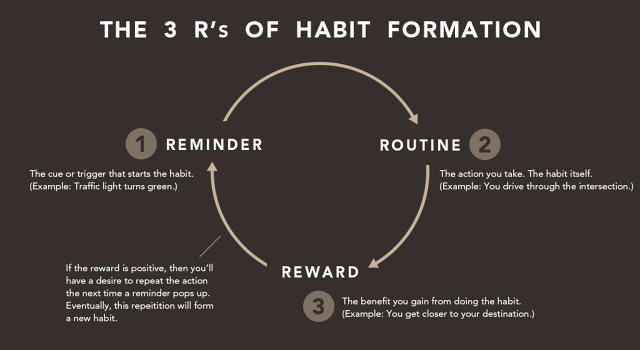
BLog - 3 R's of habit Formation - fastcompanyPhoto Credit: Fast Company

Monday Morning Moment – Stewardship – Stewarding My Part Well in Today’s Workplace

Blog - Stewardship - work.chronPhoto Credit: Work.Chron

All of life is stewardship. Doesn’t it make sense? Our jobs, our relationships, our personalities, and our future have multiple layers. When we think of stewardship, rather than ownership, or entitlement, or giftings, or personal rights, we take on a much broader, healthier view or life. Writing about it previously here, I wanted to focus more, this time, on our workplace.

In 1993, Peter Block wrote a revolutionary book entitled Stewardship: Choosing Service Over Self-Interest. He updated and expanded it twenty years later (in 2013). Block defines stewardship as “the willingness to be accountable for the well-being of the larger organization by operating in service, rather than in control, of those around us. Stated simply, it is accountability without control or compliance”.

Words mean things.  When we use the word “steward”, we loosen our grip on ownership – of our job, title, product, and work relationships. However, we do not loosen our commitment on personal responsibility. This is the gem of stewardship – a gem in the workplace that can be mined by each one of us.

Years ago, in nursing school, we used Virginia Henderson’s definition of nursing which focused more on facilitating the patient’s return to caring for him/herself than on the “giving care” component we often think of with nurses. Nursing as stewardship. When our children came along, we as parents would need to decide whether to home school or put our children into a private or public school.  Another parent gave us wise counsel: Whatever your decision, you are responsible for your children’s education, some of which you may contract out to other teachers or institutions. We, as parents, were stewards of our children’s education.

In the workplace, we have heard the word steward used in the service industry: union shop stewards, ship stewards, stewards on airlines, stewards of estates. However, the stewardship that Block describes can proliferate at all levels, especially if our leaders set this value and mindset. What if an organization determined to have an inclusive model of accountability where all employees operated by serving, rather than controlling, those in their influence (colleagues, customers, vendors)?  What if we chose to apply ourselves to the work before us, with deep personal care and commitment, rather than under a boss’s control or need for our compliance?

Stewardship as a concept and value is both time-tested and trendy. Check out REI‘s commitment to customers in delivering quality outdoor gear…and also to its employees. Stewardship.Blog - Stewardship - slideplayerPhoto Credit: Slideplayer

My first encounter with this word, stewardship, was as a child hearing the parable of a master preparing to leave on a journey. He entrusted the three servants with some measure of his wealth (talents). Their master had given each varying amounts of money, according to each servant’s ability. The master would be away for some period of time and meant for his servants to “steward” the money. Two servants invested his money in such a way that each doubled the amount entrusted them. The third servant, fearing the master (and possibly lacking confidence in his own ability), hid the money entrusted to him. He only had what he’d received in the beginning to give back to the master. The first two servants were rewarded for their faithfulness, care, and initiative, but the last cautious, fearful servant suffered the consequences of his inaction.

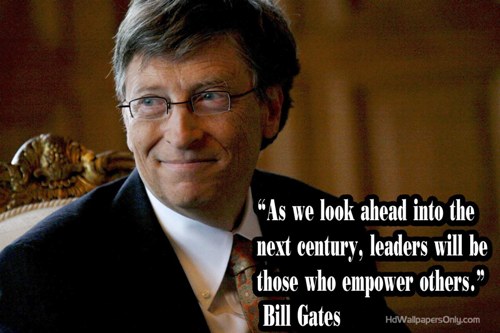
There is much to learn about stewardship from this old story. Stewardship is taking personal responsibility and interest in quality of service or product and depth of relationship. Like in the story, it could mean taking risks ourselves or with each other (especially leaders entrusting other team members with decision-making and design). It means empowering others in discussions and details that we might prefer keeping for ourselves (except that we are stewarding toward a larger outcome). It means making investments in others and in the over-all organization. Stewardship is the embodiment of employee engagement…all-in, whatever it takes, for that greater good. Lastly, the story spoke to rewards for those diligently stewarding what was placed in their care, and the consequences of those who refuse to be engaged…which leads to a place nobody really wants to go.quotes of bill gatesPhoto Credit: Quotesgram

Leaders and managers who are willing to give up control and who genuinely care about their employees and customers become true stewards themselves. They set the standard for stewarding across a company. Whether leaders are on board or not, any of us can still have ownership of a new-old way of thinking and practice. We can steward well what is our responsibility or under our influence. Again, this type of “ownership” is not about owning the job, the product, or the relationship. Stewardship is the owning of our personal responsibility – our piece of what could be excellent, and our piece of what’s not going well, and applying our experience, knowledge, giftings, and heart to benefit all touched by our service. Our stewardship.

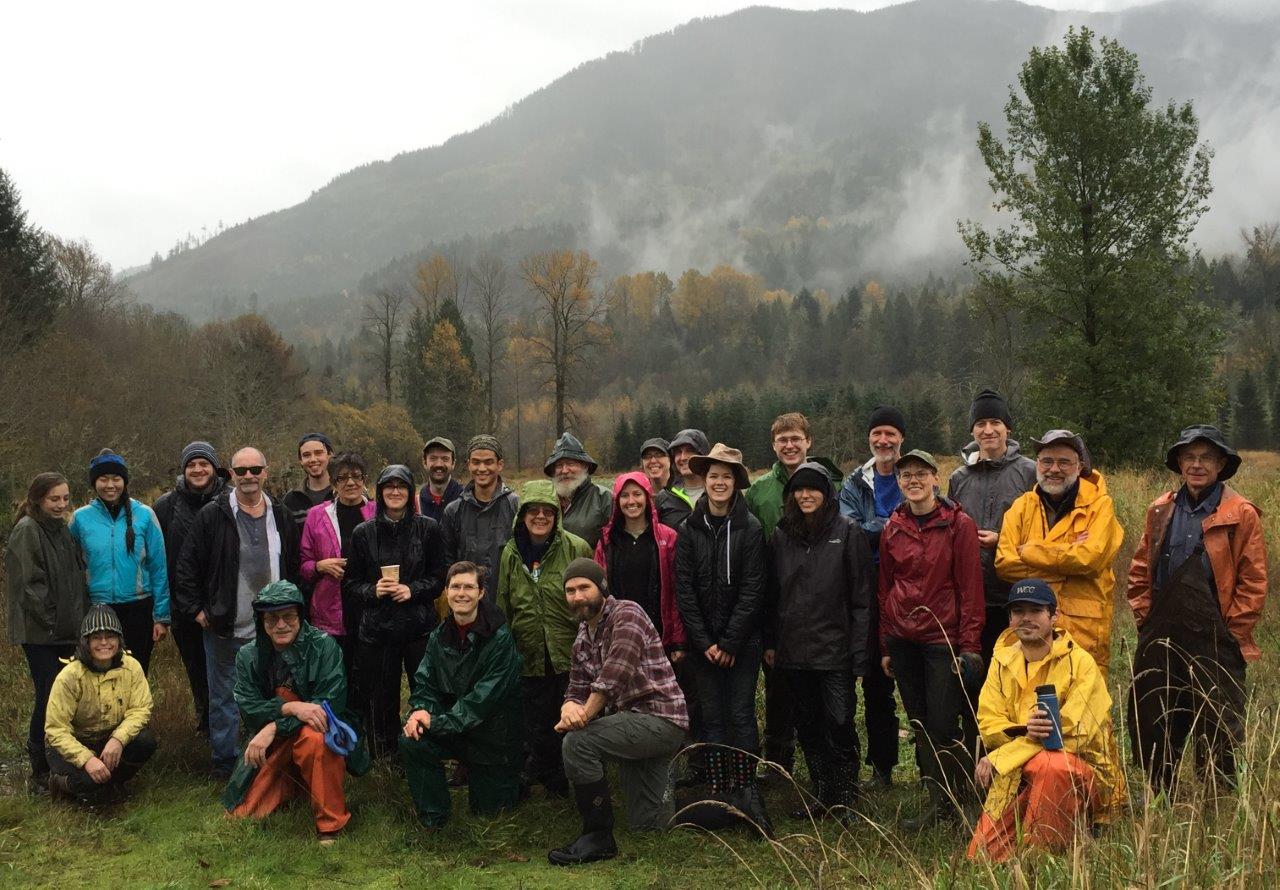
BLog - Stewardship - 2 - whatcomlandtrustPhoto Credit: Whatcomlandtrust

What are your stories? Do you see the impact of your stewardship? Of the stewardship of others? Could you see how this might color the culture at your workplace? Is your company one where top-down, bottom-up, people care about each other and what they’re doing? It shows…if you are, or if you’re not. Stewardship.

Blog - Stewardship - John Wesley - QuotesgramPhoto Credit: Quotesgram

Monday Morning Moment – All of Life Is Stewardship

Stewardship: Choosing Service Over Self-Interest (2nd Ed.) – Peter Block

Five Lessons for Our Lives From the Parable of the Talents – Hugh Whelchel

Monday Morning Success – How Biblical Stewardship Transforms Your Work – Hugh Whelchel

Blog - Stewardship - Winston Churchill quote - ololmke

Photo Credit: OLOLmke

Monday Morning Moment – What It Takes to Be the Leader You Think You Already Are – Fast Read

Blog - Lead from the heart - businessinsiderPhoto Source: Business Insider

You are going to be so glad you are taking the time to read this. None of us want to think we’re leading well and find out, too late, that we missed the mark.  To be successful as a process manager, or content expert, or vision caster is something to celebrate, for sure. However,  if you don’t genuinely love your people (genuinely. love. your. people), it will mark your leadership and your personnel over time. Mark and mar. Don’t miss that…for your own sake and that of your organization – each employee and all employees.

A friend of mine told me recently that he’s never met the CEO of his company. He is not sure the CEO has ever walked down his department’s hallway. That made me sad, because I know the caliber of work he does and the quality of person he is. He would be such an encouragement to his company’s executive leader. Maybe he was out the day the CEO came down his hall…surely he showed up…once at least. Surely.

My husband speaks several times each year on leading from the heart. I love to hear him speak; it’s a good reminder for me in my own area of influence. Besides my husband, my other go-to person on this subject is Mark C. Crowley, author of Lead from the Heart – Transformational Leadershp for the 21st Century.

In a Forbes piece, Mark was interviewed by Ron Carucci on 4 Radical Leadership Practices that Will Dramatically Increase Engagement. You should read this piece in full. Here are those four practices in brief:

  • Invest deeply. Crowley defines deep investment as this: “You are personally spending ample time ensuring people are learning, growing, and thriving. You have a high bar for performance expectations, and you are personally helping people reach it. Every. Single. Day.” [Not just your administrative team, but every single employee in your organization. Too often leaders, busy as they are, leave this to others who may not have their character or their sense of what could be lost/gained.] Blog - Lead from the heart - slidesharePhoto Credit: Slideshare
  • Connect personally.  Raising boundaries in relationships at work (keeping a professional distance) doesn’t lead to objectivity; more they lead to ignorance. You think you know how people are, but do you really? Have you talked to personnel? Have you sat down at their work station? Ever? “People we lead have big stories, and we are part of that story.” You aren’t interested in a popularity contest, of course…but are you an empowering force in your employees’ lives…or a devaluing force? Check it out.Blog - Lead from the heart - essentialsofbusinessPhoto Credit: Essentials of Business
  • Hire for heart. “You have to hire people who are predisposed to care. If you hire for technical competence, or a track record of hitting numbers, that’s all you’ll get” warns Crowley. Maybe your leadership team is already in place and entrenched. Do your managers really care about your personnel? Are they following your lead in their role? This isn’t about occasional free pizza or management tossing kudos from in front of the room. This is about investing in and building up employees…all of them, each one of them… helping them reach their maximum potential. Challenge yourself in this, and your management teams in this, all the way through the ranks.
  • Love well. Crowley “emphasizes the criticality of leaders having absolute certainty that the people they lead feel like they, and their work, matter deeply, and they are genuinely appreciated.” Not just the executive team feeling this way but a model is set throughout the organization to “love your people”.

If you read this far, you probably already lead in this way or you want to. I think of myself as being pretty savvy in this area, and that could be my biggest weakness in the workplace. Making such an assumption is dangerous. So…thanks for caring about your own leadership. For those reading thus far, and you don’t see yourself as a mover or shaker in your organization…rethink that. The fact that you are so invested that you’re reading leadership articles may mean you’re more engaged than you might think. You lead out in this area yourself, if you must. For that friend of mine who has never met his CEO…make it happen. You nor he will regret it. Light a fire that could potentially encourage a whole organization. For real.

Lead From the Heart – Transformational Leadership for the 21st Century by Mark C. Crowley

Employee Engagement Isn’t Getting Better and gallup Shares the Surprising Reasons Why – Mark C. Crowley

YouTube Video – How to Lead from the Heart – 4 Practices – Michael Hyatt Podcast

The Four Disciplines of the Heart – How to Fight Back When You Feel Discouraged – Michael Hyatt

What Is the Key to Great Leadership Today? – David Grossman

Heart-centered Leadership – Susan Steinbrecher – Slideshare

The Yellow Brick Road of Leadership – Jonathan Stutz – Slideshare

Manage by Mind, Lead by Heart – Usman Ahmad – Slideshare

Monday Morning Moment – How Our Expectations at Work Shape Our Successes

Blog - Expectations - slidesharePhoto Credit: SlideShare

A blog title intrigued me recently – Almost Everyone Who Is Unhappy with Life Is Unhappy for the Same Reasons. It was a re-post of a LinkedIn blog written by Dr. Travis Bradberry (author of Emotional Intelligence 2.0). He writes about the role of expectations (of ourselves and others) and the impact those expectations have on our work life and relationships.

I see this so much in myself and in relationships both at work and in community. On one end of the spectrum, there are the expectations that undermine our successes – we don’t think we have what it takes to realize our dreams or goals. [This can also include our expectations of others, in the same way, especially if our expectations influence those colleagues’ view of reality.] On the other end of the spectrum, we may have expectations that are so unreasonably and unrealistically positive that we don’t do the work of realizing those same dreams or goals. [Again, this works against relationships when we have these expectations of others.]

In his article, Bradberry lists 8 common expectations that impact our work life and work relationships. He lists them and talks about them. Here I have written my own observations related to these expectations.

As you read and reflect, Dr. Bradberry is not saying get rid of expectations, nor am I. Expectations when honest, thoughtful, and kind are great motivators toward success. The adage “Keep your expectations low and you will never be disappointed” doesn’t really get us where we want to go.

After you consider the following expectations and thoughts, I would love to hear some of yours (in the comments below).

  1. Life should be fair. I have never understood the lament “That’s not fair!” It really reveals the heart of “That’s not fair for me!” How do we even make life fair? Our children, growing up, were never rewarded when they cried foul on fairness. We tried to raise them to practice kindness and generosity. That usually led to better than fair. In fact, if we flipped fairness on its head, our western work situations and family lifestyles would be quite altered, if what was usual for other parts of the world became our usual. That would be fair, right?
  2.  Opportunities will fall into my lap. There are times that opportunities “fall” into our laps. I call it “a God thing”. Whatever you might call that, it is rare and wonderful. In the day-to-day, we are to go after opportunities. Sometimes our very expectations of entitlement or pessimism keep us from even seeing opportunities right in front of us). Continue working hard, build your skill-set, learn from mentors, help your colleagues, practice thinking well of your boss, and seek out challenging assignments – these are fields where opportunities grow.
  3. Everyone should like me. I have tripped over this expectation. We think our own foibles are so much less annoying than those of others. If I consider myself congenial, you should comply, right? [The fairness problem nudges in here, for sure.] Bradberry summarizes this workplace problem well: “When you assume that people are going to like you, you take shortcuts; you start making requests and demands before you’ve laid the groundwork to really understand what the other person is thinking and feeling.” Rather than expecting others to be won by our personality, expertise, and past experience, we should discipline ourselves to practice winning the trust of a colleague, boss or customer… every time, as if it were the first time. This is a game-changer.
  4. People should agree with me. We honestly don’t want to have to work for people to agree with us. In the workplace, whenever possible, our default is to hang with those who do agree with us. This temptation sets us up for failure because we don’t gain from the critique of those who see things differently. Put your vision or project before those in other departments and see with their eyes what you might have missed with your own. Granted, be wise with whose counsel you seek, but do the work of seeking that counsel. Then share credit as appropriate.
  5. People know what I’m trying to say. Emails and text messages are almost communication. In corporate culture, even meetings don’t always cultivate clear communication. Be as clear and succinct as possible. Don’t lose the message in a jumble of clarifiers, justification, or story-telling. I’m not saying story-telling isn’t valuable; it is. The problem with story-telling is it can be contrived to emotionally engage when it actually takes away from the message. Again Bradberry wrote: “Communication isn’t anything if it isn’t clear, and your communication won’t be clear until you take the time to understand the other person’s perspective.”Blog - Communication at work - cbbainsealcareersPhoto Credit: CB Bain Seal Careers

Having lived overseas, we discovered the importance of learning the local “heart language”. In a work situation, the same holds true. How you communicate is colored by the focus of the one you’re addressing – whether it’s about ROI/ROV, employee engagement, product development….or fill in the blank. You can learn to balance between being true to your own style or values and adapting somewhat to the person in front of you (as a chameleon communicator).

6. I’m going to fail. “If you pursue an endeavor, believe with all your being that you’re going to succeed in that endeavor.” – Bradberry    We all fail sometimes; having that perspective is healthy. The problem is when we are so insecure or self-deprecating, our colleagues, boss, or customers lose confidence in us, based on our own assessment of our abilities. Not something you want to ensure by your own hand. [Read the whole of Bradberry’s article to get at the heart of this.]

7. Things will make me happy. If you’re not happy at work today, there’s not one thing beyond yourself that can change that. Not a different boss, not a better team, not more vacation, not a higher salary. This is a work on the inside that has to change your experience of work on the outside. We all know this. We all know…this.

8. I can change him/her. Okay, if you’re married, you already know the futility of this statement (and your spouse can say the same thing, by the way). When we get our focus on that boss we don’t understand or that colleague who makes us nuts, we aren’t able to focus on our work or the relationships that encourage and empower us. So what if you can’t change that coworker or boss? Can you be successful in your work if he/she doesn’t change? Most probably, the answer is yes…whether it feels like it or not. We lose enormous time and emotional energy on colleagues with whom we struggle. If changing jobs isn’t plausible or desirable, then figure out how to compartmentalize the distractions, and get on with your work. You can be a rock star even with difficult work relationships. I don’t want to issue a bunch of platitudes…but it is disturbing how much is lost from our workday in ruminating over (or talking about) stuff we can’t change…when there is still so much we can accomplish. Don’t sideline yourself with brain clutter – negative thoughts that negatively affect your work and relationships.

Blog - expectations - missworkerbeePhoto Credit: MissWorkerBee

Keep those expectations high (for yourself) and hopeful (for others)! Happy Monday!

Unrealistic Expectations That Do You Harm – LinkedIn article by Travis Bradberry

Emotional Intelligence 2.0 by Travis Bradberry and Jean Greaves

Emotional Intelligence 2.0 Quotes from GoodReads

Manage Expectations So They Don’t Manage You – Alli Worthington

The Key to Being More Attractive – Business Insider Video with Tony Robbins [Quote: “Trade your expectations for appreciation.”]

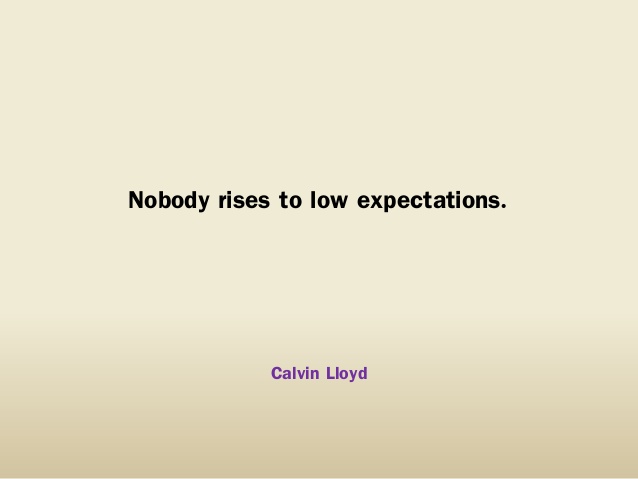
Set High Expectations Because Nobody Rises to Low Expectations – Barry Canada

The Expectation Effect – (in the classroom) – SlideShare

Blog - Emotional Intelligence - amazon

Photo Credit: Amazon

Monday Morning Moment – Contempt is Cancer in the Workplace…and Any Other Place

Blog - Contempt - ArmstrongeconomicsPhoto Credit: Armstrong Economics

In a culture that clamors for political correction, how is it that contempt can be so freely expressed? Even rewarded, at times? This is an enigma for me. Contempt at home or in the workplace divides people, often against one another. Like cancer, it can spread if left unchecked…changing people and impacting product.

Having a certain measure of confidence is positive for all of us on a team. It’s freeing to be in relationships with people who have a strong sense of what they bring to the table as well as what others bring. Confidence and humility actually partner well together. When we have an honest understanding of our strengths, we also extend humility as we defer to the strengths of our colleagues.

The problem comes for all of us when confidence shifts into arrogance. Worse yet, when arrogance darkens into contempt. Arrogance is an attitude of thinking so highly of oneself that we tend to put down the thinking and efforts of others. Contempt is similar except the emotions are stronger and more mean-spirited.

Blog - Contempt 3 - slidesharePhoto Credit: SlideShare

What makes contempt so cancerous in our relationships is that it tends to spread, both internally and externally. When we allow ourselves the luxury of contempt, we grow in our justification of it. It may have started with an unappreciative boss or demanding client, but contempt, unchecked, will inject its poison indiscriminately.  We become comfortable with our disdainful opinions of others…at work, in our families, and pretty much toward anyone who crosses or annoys us.Blog - Contempt 2 - liveforchristresourcesPhoto Credit: LiveforChristResources

Chris Johnson, CEO, Simplifilm Inc. of Portland, Oregon, wrote a piece confronting contempt as a cancer in the workplace. He offers 5 steps to preventing contempt from shattering our work and our work relationships:

1. Don’t Vindicate Yourself. A customer had an experience they didn’t like. You don’t need to prove if you are right or wrong. That’s not relevant. What’s important is making a judgement: is this worth fixing?

2. Look At The Opportunity. Some people are surly, disrespectful, ungrateful and wrong. Some of them have big jobs. Some people like that have power. Learning to work with these people — without getting drawn in — is a skill that you should have.

3. Always Err on the side of empathy. What are the consequences of being nicer to someone than they deserved? What are the consequences of being meaner? Will too nice of a response to a human ever ruin a career?

4. Cultivate Improvement Bias. When something goes wrong at Simplifilm, there are two components: what do we do with our transaction, and what do we do with our system. For the transaction, we try and fix it with empathy. We believe that we caused it. Because if we caused it we can improve our system.

5. Rethink your filter. Most people say “block out everyone, make customers prove themselves to you.” Being available can be hard. Many filters are vanity in disguise. If you knew the people that answered their personal emails…Chris Johnson

Contempt like cancer can be smoldering without our awareness. I am generally a positive and empathetic person, but, if I’m honest with myself, there are those in the workplace who don’t experience much compassion from me. It’s an uncomfortable confession to have to make.

As we practice mindfulness in our relationships at work, we hopefully will remember to respond instead of react. We can rein in contempt by refusing to think ill of others, by staying engaged, and by acknowledging none of us get it right every time (exercising humility).

On the old TV sitcom, Everybody Loves Raymond, Frank, Ray’s father would often make observations that sizzled with sarcasm. One comment remains a part of our family’s lexicon: “People are idiots!” It’s so easy for any of us to look at actions or decisions made by others and shake our heads…until we remember that we all have it in us to do the same. Contempt can be diagnosed…and treated…

…with empathy, compassion, and humility. Not necessarily the coolest or trendiest work (or relationship) processes in our culture…but… What a difference they can make in the tone of our meetings, the depth of our relationships, and the measure of our own character.

So let’s get after it!

How Contempt Breeds Business Cancer (& 5 Ways to Kill It) by Chris Johnson

Contempt or Compassion by Brian Fletcher

Detecting Deception by David Berglund – SlideShare [Slide 76ff]

Confidence vs. Arrogance – and Knowing the Difference by Michele Cushatt

10 Ways to Tell if You’re Confident or Arrogant by Carmine Gallo

How Contempt Destroys Relationships by Susan Heitler

Monday Morning Moment – Creativity in Community – the Skill of the Future

Blog - Creativity - creativeskillsforlifePhoto Credit: Creative Skills for Life

When you hear the word “creatives”, you might immediately think of 20- or 30-somethings. They are classed as young “color-outside-the-lines” right-brain “think-outside-the-box” sorts of folks…who sometimes make the rest of us nuts. You might think of the artists, writers, and musicians out there. However, in truth, creatives include all those people who solves problems, including the ones who set up problems and then solve them. They are the inventors, the entrepreneurs, the designers, the planners who have the capacity to make our lives better…to even make the world better.

Hanneke Siebelink (of LeadershipWatch) just wrote a piece on the top skills of the future. She pointed to a graphic from the World Economic Forum which showed, over the course of 5 years, how creativity will jump from #10 to #3 in a Top 10 Skills List.Blog - Creativity - weforumPhoto Credit: WEForum.org
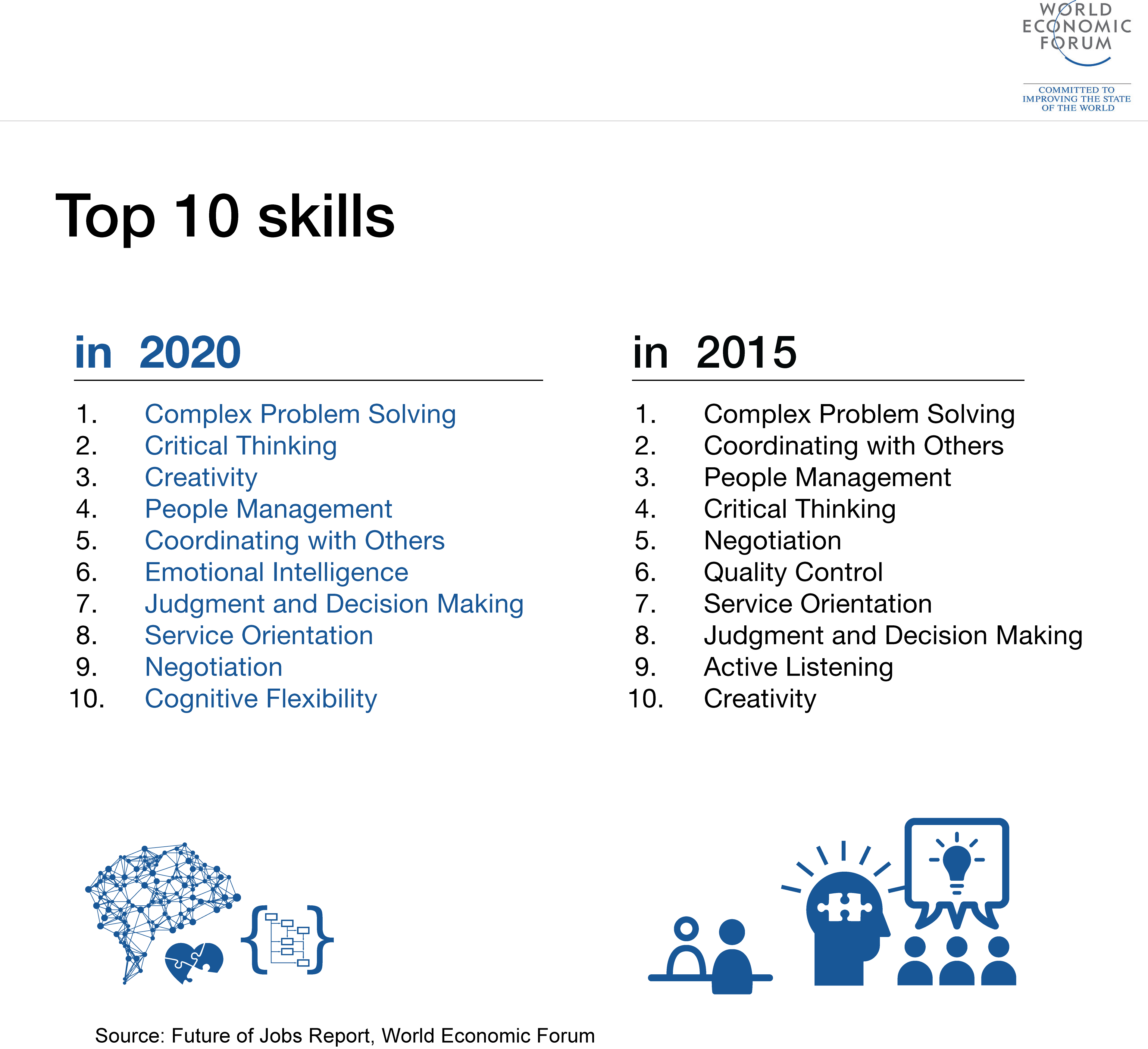
What does that sort of creativity entail? Is creativity alone enough?

Richard Florida wrote extensively on this in his book The Rise of the Creative Class. He defines the Creative Class as “people in science and engineering, architecture and design, education, arts, music and entertainment whose economic function is to create new ideas, new technology, and new creative content.”Business Insider

Writer Jeff Goins also defines “creatives”:

A creative is an artist. Not just a painter or musician or writer. She is someone who sees the world a little differently than others.

A creative is an individual. He is unique, someone who doesn’t quite fit into any box. Some think of creatives as iconoclasts; others see them as rebels. Both are quite apt.

A creative is a thought leader. He influences people not necessarily through personality but through his innate gifts and talents.

As fascinating as Florida’s writing is, I disagree with his premise that creatives are their own class of people, because I believe it’s within any of us to develop our capacity for creativity. Those of us who might be suspect of Florida’s promotion of the Creative Class would do well to read the critiques of his thinking (this and also this are excellent).

When people in our communities or workplaces class themselves as distinctively creative, they tend to operate in a tribal fashion. These tribes may even be quite diverse, but too often, I believe, they operate to satisfy their own needs and desires rather than that of the larger workplace or community. Thus in the workplace, decision-making is made by the few like-minded thinkers, that tribe of influential creatives. And communities? Where such a population of creative, expansive thinkers could enhance the appeal and value of a neighborhood, too often, , and communities can steer in the direction of gentrification, becoming less inclusive, making housing less accessible even for those who were there before.
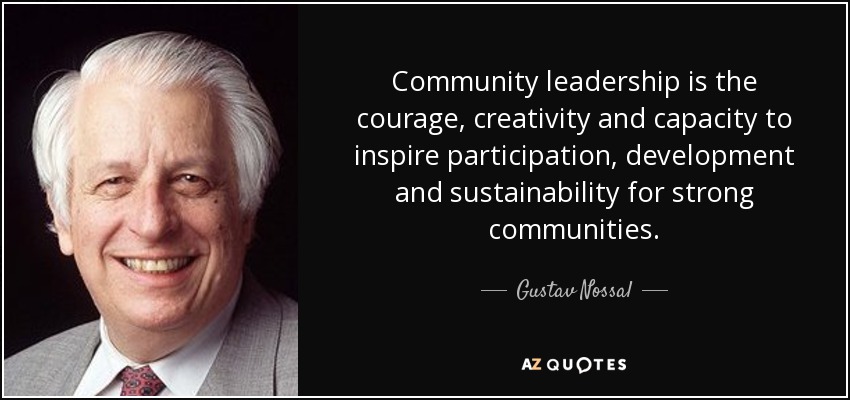
Blog - Creativity & Community Leadership - azquotesPhoto Credit: AZQuotes

My bias in how creatives work best is in community – not just a tribe of creatives, but in a community of folks with other giftings,  other strengths,and other history.

However, all that being said, I do love the increasing view that creatives add value to any enterprise. My husband, for many years, was a research chemist who developed new products and was awarded several patents for his company. Even today, outside the chemical industry, he continues to be creative in thinking through new pathways toward solving problems, getting to goal, and developing personnel.

Even Florida in his revised and updated book recommends a compact dealing with creatives. His first (of 6 principles) is: Invest in Developing the Full Human Potential and Creative Capabilities of Every Single Human Being. It’s somewhat grandiose but it’s a worthy goal. Having this principle in play would promote a workforce where employees are encouraged to always be thinking and engaged in both today’s work and what changes must be made for the future.

Along these same lines, I love Howard Gardner’s Five Minds for the Future:Blog - Creativity - slidesharePhoto Credit: Slideshare

As creatives are sought after more and more in our workplaces (om both private and public sectors), I hope we also encourage them to build strengths in other areas of their thinking (or mindfulness). For those colleagues of ours who might not consider themselves creative, we need to communicate across organizations as to their value as well. This would include our creatives to gain from what other bring to the table.

I would like to think that I’m a creative…in ways, maybe, born out of time. Early on in my career, I had the privilege of working as a team with other colleagues in developing and implementing cancer care in a small town in the Southeast. It was thrilling for me to be part of such an innovative and comprehensive system of care where we could actually plan and dream for the future.

Three of us, in particular, worked as creatives in community. I was a content specialist and idea person. Kay was the nurse manager who brought vision and authority to the task. Kathy was a clinician with steely resolve and the determination to take the ideas to completion. We were a force to be reckoned with…just saying.

We all have different giftings and strengths. My influence was helpful but Kay’s authority settled matters. My ideas were large and lofty (sometimes), and Kathy’s keenness for how to make those ideas work were what brought them into reality.

That’s how creatives work in community. I think of top skills for the future that “in community” piece would be essential for creatives who want to make a lasting difference…not just for their own purposes at work but for the benefit of the larger community.

A hugely successful example of this is the work culture and philosophy of Pixar & Disney Animation which I wrote about here.

Daan Roosegaarde in Siebelink’s article talks about creativity in community: There are two ways to turn an idea into reality. You can play bowling, or you can play ping pong. The old way, at least that is what I think, is bowling. You have that ball in your hand and it’s so big, it is so heavy, it shines so beautifully. Then you throw that bowling ball and pray it will hit target.

I no longer believe this is a good way to create and innovate. I believe in playing ping pong: you take a tiny little ball, not expensive, and there you go: poek poek poek poek … and you create something together. And THAT is nice, this is how I create, this is how I learn.”

Bring on these kinds of creatives any day!

Skills of the Future: The Best Expert Advice on Creativity

The Rise of the Creative Class — Revisited (Revised and Expanded) by Richard Florida

The Creative Compact – Richard Florida – Huffington Post

Creativity – the Unique Soft Skill – Slideshare

6 Ways to Make Your Leadership and Workplace Fun Again

Creativity, Inc. – Overcoming the Unseen Forces that Stand in the Way of True Inspiration by Ed Catmull


untitled

Monday Morning Moment – Them and Us, How Can That Be? Could Them and Us Become a We?

Blog - Work Culture - delta7Photo Credit: Delta 7

Recently, I was in an odd conversation with a friend from work. The more we talked, the more we sounded like a Dr. Seuss book. It went something like this:

“I don’t know how to be us with them. To be with them is to just be them. We must lose us; us no more will be. There’s no us in them; it’s so strange to me. How can they be them, with no us, you see? To give up us is too hard for me. So I can’t see a way to get to we.”

[Seriously, the conversation went like that…but better.]

Battling the us-them assignation is an ongoing workplace discipline. Even in the happiest, coolest companies, there is still an intentionality to keep work life positive for every employee. That inclusiveness is a hallmark for high morale and low walls (read: no silos).

BLog - Us vs Them - Work Culture - Silos - prolearn academy

Photo Credit: Prolearn-Academy

In a work culture where silos still exist, an us/them mentality can grow as each team or department draws in on itself and ignores or suspects the actions/values of others. It’s not a healthy situation for any of us…whether it’s the executive team insulated from others or the [fill in the blank] team hunkered down in its own mode of trying to survive. The first can be as unaware as the subject of the story “The Emperor’s New Clothes“, the second, well, is just miserable, and growing more so by the pay period.

So much has been written on this problem in the workplace – about that culture where us/them thinking and operations color productivity and morale. I have included several links below describing various recommendations and protocols to restore health to such organizations.

Blog - Work Culture 2Photo Credit: My Turnstone

I’ve always been that person who says, “Why can’t we just all get along?” In reality, we don’t have that situation always, but we can grease the tracks in that direction. Here are my own workplace rules regarding moving us and them to we:

  1. Make a practice of assuming the best of your bosses and colleagues. “Refuse to think ill of others” is my goal…and my accuracy in hitting that goal comes with practice and determination…and grace.
  2. Lean in to those with whom you struggle the most – the “thems” in your worklife. Especially the most powerful ones. Study them. Learn their language. Know them as well as you can. NOT for self-serving reasons, but for the benefit of the work itself. Any motive that only serves your personal situation will only make matters worse… ‘Nuff said.
  3. Refuse to get caught up in us/them complaining. Don’t make a big deal about it, but do your best to turn the conversation toward a positive end, change the subject altogether, or bow out if all else fails. Those negative conversations just bring you and your colleagues down and don’t accomplish anything. A short-lived “misery loves company” satisfaction isn’t worth the fall-out of such conversations.
  4. Bring down the silos, one brick at a time, if necessary. Maybe you aren’t experiencing any us/them anguish, but you know it exists. What can you do, individually and as a work team, to move to “we”? We have lots of work models out there for this. In fact, silos in the workplace are “so 80’s” (whatever that means…I hear it a lot, so I’m using it here). Use some of that meeting time, or talks over coffee, to be creative in how you can work better across teams…how you can learn more from each other…how you can defuse territoriality? If the “them” is management, you initiate dialog on setting work culture values that maximizes product excellence and employee engagement.
  5. Put processes in place – through your culture – to keep silos down. I would love to hear what your situation is and how you are making positive steps to grow/keep a healthy culture. Please comment below.

Sure…there are times we need to process a difficult situation at work with a trusted friend. Yes, us/them scenarios are painful…and wrong, honestly…especially in the workplace where we are meant to have shared goals, working toward the same outcomes. Maybe, the us/them relationships in a company are too distracting and we can’t see any solution (back to the Dr. Seuss-like conversation above). In that case, it’s possible we look outside our company for another situation. However, you take with you a piece of the us/them dilemma. You take you along to the next job. Better to develop muscle memory on how to “be we”, whenever possible, right where we are.

[Sidebar: I’ve written a lot about work culture – too many to mention – but you can search work culture under Blog – Deb Mills and learn as I have about what is possible if we stay engaged in our workplace.]

Blog - Work Place Culture - open.bufferPhoto Credit: Buffer

Overcoming Us vs. Them Challenges

Breaking the “Us and Them” Culture

How to Avoid Us vs. Them – Huffington Post

The 10 Buffer Values and How We Act on Them Every Day

The 4 Elements That Make Great Company Culture

How to Save a Broken Work Culture

From Us and Them to We Participative Organizational Culture

Them and us – How to use Trust as a Competitive Advantage

How CEOs Can End an Us Them Mentality

Us vs. Them – a Simple Recipe to Prevent Strong Society from Forming

Monday Morning Moment – Kindness Over Cleverness – Work Culture Where Employee Satisfaction Impacts Marketing

Blog - Kind over Clever - Jeff Bezos - scoopnestPhoto Credit: Scoopnest

Quite remarkably, I recently came across several articles on kindness, of all things, in the Harvard Business Review. It was thrilling for me to see it commended as a business process in such a prestigious journal. I have loved the idea of kindness since early childhood. It seemed such a reasonable choice in dealing with others, much more pleasing than cleverness. [Now, if I were more clever, then it might have proved a harder choice.]

Although we were not in church as young children, my mom taught us the Disney form of kindness: “If you can’t say something nice, don’t say nothing at all.” – from the film Bambi.

When we, later in my childhood, became involved in a church community, I discovered the great teachings of God about kindness, which further stoked my resolve. Whenever possible, acting in kindness was the right choice…in personal relationships and in the workplace.

These days, in tight-knit tribal leadership and competitive companies, kindness is too often sacrificed for the bottom-line. You can imagine how refreshing it is for me to see that business thinkers and strategists are taking note of the profitability of kindness as a process – both internally (organizational human relations) and externally (marketing). A work culture of strategic, intentional kindness – just think of that!

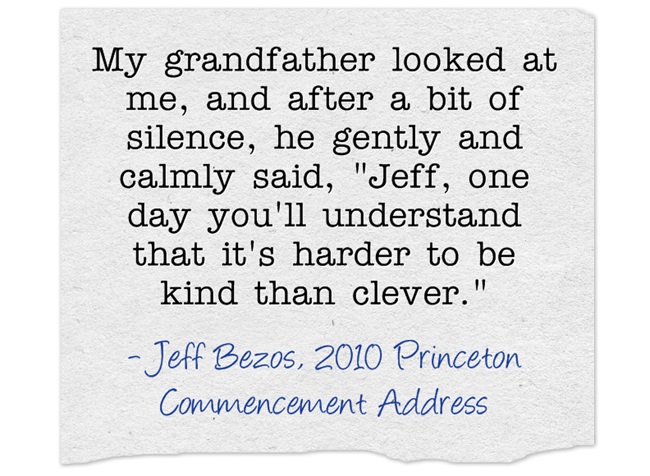
If you go to Harvard Business Review’s website and search the word kindness, all sorts of articles pop up. I was most intrigued by Bill Taylor’s pieces on “kindness over cleverness”. He is the founder of Fast Company magazine and author of Practically Radical. He tells stories of companies who have been successful in practicing kindness strategically. He is inspired by Jeff Bezos’ experience growing up with a wise grandfather who taught him to choose kindness over cleverness. That story is told by Bezos himself in the TED Talk (linked below).Blog - Kind Over Clever - Jeff Bezzos - nepc.colorado.eduPhoto Credit: National Education Policy Center

Ted Talk Video – Jeff Bezos, Founder of Amazon – Princeton Commencement Address on What Matters More Than Talents – Gifts vs. Choices

If we wanted to take individual (and corporate) kindness up several notches in our workplace and workforce, what would those processes be? What would we have to give up  in order to raise employee satisfaction to such a level that it extends to product excellence and customer service? For leadership, it might be giving up some control and extending a kinder and wiser empowerment, For employees, it might be giving up a timid fatalism and risking a kinder boldness (less of “the great Oz” scenario). I would love to hear what business processes you have in place that celebrate kindness over cleverness. What kind of work culture does your leadership model and cultivate? What can you do yourself, whatever your leadership culture is? See Matt Monge’s article on leading without a title.  [Please share in Comments section below.]

We have a choice, after all.

I hope to write more about this because it is intriguing to me how our own delight in our work and product can pour over into our profitability and success.

For today, I close with some of my favorite quotes from these Harvard Business Review articles:Blog - What Can I Do Right Now - Heres-the-question-Id-q57pgs - larry ferlazzoPhoto Credit: Larry Ferlazzo

“Kindness has a strategic role to play, especially when it comes to winning over customers in an intensely competitive and slowly recovering economy.”Jeffrey F. Rayport

Success today is about so much more than just price, quality, reliability – pure economic value. It is about passion, emotion, identity – sharing your values.”Bill Taylor

Success is not just about marketing differently from other companies…It is also, and perhaps more important, about caring more than other companies — about customers, about colleagues, about how the organization conducts itself in a world with endless opportunities to cut corners and compromise on values…You can’t be special, distinctive, and compelling in the marketplace unless you create something special, distinctive, and compelling in the workplace. How does your brand shape your culture? How does your culture bring your brand to life? – Bill Taylor

What is it about business that makes it so hard to be kind?” I asked at the time. And what kind of businesspeople have we become when small acts of kindness feel so rare? …By all means, encourage your people to embrace technology, get great at business analytics, and otherwise ramp up the efficiency of everything they do. But just make sure all their efficiency doesn’t come at the expense of their humanity. Small gestures can send big signals about who we are, what we care about, and why people should want to affiliate with us. It’s harder (and more important) to be kind than clever.”Bill Taylor

Compassion is a great equalizer. When you approach others with genuine concern for their well-being, your standing in the organizational hierarchy is less of a barrier to a productive conversation…Kindness, in other words, is rarely inappropriate.Allison Rimm

Is Kindness a Strategy? – Jeffrey F. Rayport

Brand Is Culture, Culture is Brand – William C. Taylor

It’s More Important to Be Kind Than Clever – William C. Taylor

Why Is It So Hard to Be Kind? – William C. Taylor

10 Ways You Can Show Leadership Without a Title – Matt Monge – The Mojo Company

To Guide Difficult Conversations, Try Using Compassion – Allison Rimm

Blog - Relationships vs. Resistance - Leadership - Larry FerlazzoPhoto Credit: Larry Ferlazzo

Monday Morning Moment – Notes on Chris Bailey’s Life of Productivity

Blog - Productivity - Chris bailey - by Lewis HowesPhoto Credit: Lewis Howes, The School of Greatness

Where does the time go? How do I get so tired before the day is done? I just can’t stay focused…too distracted, I guess. You know what I’m talking about. Then there are the reactions of those friends and family. The ones (who treat us with kindness) tell us sympathetically “You are just so busy”. Then others, more in our faces, say, “The things you want to do, you do. You just don’t want time with me enough.” I get the logic of those statements, but I’ve been perplexed as to how to improve my life choices, such that I get more accomplished…more of the important things.

Until recently…when I experienced the convergence of making New Year’s resolutions, having a big birthday, and hearing Chris Bailey talk productivity.

Blog - Chris Bailey - ProductivityPhoto Credit: Unmistakable Creative

Chris Bailey is the age of my children. Although he had job offers, he took the year after graduating university to go deep into a study of productivity.  During that year, he wrote about his experiments in his blog – A Life of Productivity. Then, he designed a roadmap of 25 tactics to greater productivity in his book The Productivity Project: Accomplishing More by Managing Your Time, Attention, and Energy .

You may be tempted to yawn at another book on productivity, but this is clearly one not like the others. I listened to a couple of podcasts on Unmistakable Creative where host Srini Rao talks with Chris Bailey. They pour over what Chris discovered about productivity during that year of experiments. [Disclaimer: I haven’t read the book yet but plan to. My takeaways are from these podcasts and the other sources linked below. Can’t wait to read his roadmap on productivity.]

As Chris talks with Srini (and we get to listen in – love these podcast opportunities), he talks about what he’s learned from others regarding productivity. His tipping point was reading David Allen’s book Getting Things Done. Srini also refers to Cal Newport’s writing on deep work (you can listen to him on Unmistakable Creative here and here). They also mentioned Charles Duhigg’s book The Power of Habit: Why We Do What We Do in Life and Business. Chris Bailey’s year of productivity experiments included studying what was already in the literature – a big help to us less-read hopefuls.

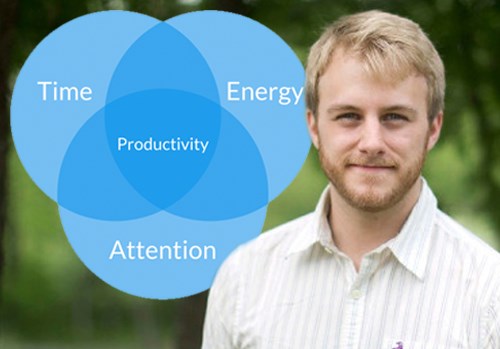
Chris defines productivity not as getting more things done but getting more accomplished. The difference is huge. It’s not just the “to-do list” but the view toward the “done list”. “Productivity is time, energy, and attention, and where the three meet in the middle is where you are in being productive. It is achieving what you intend to accomplish. It’s not about doing more things faster, but doing the right things deliberately and with intention.”

Here are the takeaways from my first-look into Chris Bailey’s “life of productivity”.

  • Take a step back from your life and ask the questions: What do I care about? What motivates me? When was I most inspired, driven, or felt the most meaning or passion for what I was doing?
  • The three commodities we all bring to the table are time, energy, and attention. It’s not just about time management, but also increasing our capacity for work (energy) and focus (attention).
  • Start every day with intentionality. Make your to-do lists to manage the minutia of life, but then do something more. Take a step back. Execute what he calls the Rule of 3. At the start of the day, mentally fast-forward to the end of the day and ask: “When the day is done, what three main things do I want to accomplish?” From this you form your intentions on what you want to accomplish.
  • Being busy, even in ticking off the things on your to-do list, doesn’t mean you’re being productive. This gives an illusion to productivity, but only when you step back do you discover whether you have accomplished what you thought you did in the busy-ness.
  • Start small in working toward productivity. Real change takes time and intentionality. “Write down everything in your job and personal life that you’re responsible for. Then ask, if I can only do one of these things every day, which adds value/meaning to my life (I would add or to that of another who matters deeply to me)? Ask again of the remaining tasks. And a third time.”
  • We all have limitations and constraints in our life. Bear those in mind as you plan and execute and evaluate. Being hard on ourselves won’t get us to greater productivity. Small, incremental steps toward change should be celebrated.
  • Work on one thing at a time. Single-tasking. Working mindfully.  “Multi-tasking holds people back from accomplishing more over the course of the day. It stimulates your mind; it’s like being busy. However, it actually makes you less productive, increases your errors, decreases your memory,  and takes longer to do everything” [in reality]. “You can only focus on one thing at one time. You then dedicate 100% of your time, energy, and attention to one thing – it will yield the highest productivity.” Counter-intuitive, I know, but I’m beginning to believe the wisdom of this.
  • Procrastination involves 7 triggers that cause your mind to resist certain tasks: when they are boring, frustrating, difficult, ambiguous, unstructured, lacking intrinsic reward or personal meaning. We put off doing those types of tasks (which often are ones we actually need to attack to be truly productive) and instead while away our time on social media or marathoning Netflix. Chris Bailey gives a way out: “Once you step back from the task, noticing you’re procrastinating, trick the triggers – reward yourself, set time limits, structure it, etc.”
  • Mindfulness is continually bringing your attention back to the work that’s in front of you. Chris Bailey uses meditation to build “attentional muscle”. Taking mental breaks (however you do) is important to make attentional space which we need for creativity. Our mind goes back and forth from “the essential executive mode (constantly thinking of something, like when on a smartphone), and the mind-wandering mode (like when you’re in the shower). You often have those brilliant ideas while in the shower.” Make space for building attention and creativity. Take breaks and disconnect a bit from the internet or Netflix (you knew that was coming, right?).

I am so encouraged by the possibilities of building capacity in my time, energy, and attention. Chris gets us started with his 100 Time, Energy, and Attention Hacks to Be More Productive. Remember, he urges us to start small. Change one thing, maybe, in each area. It’s a process but one we can master toward gaining a life of greater meaning and capacity, accomplishing what we have hoped for…not just waiting for the future self to do it. We can be more that person beginning today.

Blog - Chris Bailey - Productivity Experiment

Photo Credit: Amazon.com

Chris Bailey – A Life of Productivity – Website

The Productivity Project: Accomplishing More by Managing Your Time, Attention, and Energy by Chris Bailey

Unmistakably Creative – Podcast with Chris Bailey – Bridging the Gaps in Our Productivity

The Top 10 Lessons I Learned From a Year of Productivity by Chris Bailey

100 Time, Energy, and Attention Hacks to Be More Productive by Chris Bailey

YouTube Video – The Path to Meaningful Work: Chris Bailey at TEDxGatineau

Five Habits that Help Chris Bailey Stay Productive

From 90-hour Work Week to Rising Before Dawn, Author Experiments with Productivity – CTV News

Chris Bailey on Twitter

Monday Morning Moment – Change at Work – Moving Forward and Letting Go of the Past

IMG_3135

For two years, I had the extraordinary experience of writing for a work team put together by the president of a company to develop something really new. It was a phenomenal and humbling experience for me to observe a small and capable team taking a vision and fleshing it out for the broadest application possible.

The conference room had whiteboard walls where big ideas and wild possibilities were sketched out. Then the conversations expanded, adaptations were made, others (both inside the company and out) added ideas, and a process was born that could have tremendous impact on the company’s overall mission.IMG_3140

However…things can change. The budget tightens; the team breaks up; the company gets sold. Or maybe it just wasn’t the right time. Sometimes, a work has to be put on hold or transferred to the hands of another team or… fill in the blank.

One by one, the members of the team take other jobs, retire, or move into other assignments within the company. It happens.

The white boards go white again. The cubicles are cleaned out. The name cards are removed. The phones ring elsewhere. The mail is diverted to other places. IMG_3122IMG_3120IMG_3121IMG_3138

Is it as if this great creative thing never happened? Absolutely not!

One day, it will be the next right time, with the next adequate resources, and with the next trusted team. Never having to start at ground zero again…because of this team…and this time…and the work brilliantly accomplished together.

Moving Forward (2)

Somebody will always be the last person out, but each takes their memories with them…their experience…the wisdom gained…the relationships. Those are not left behind or placed in boxes. Those intangibles are the most real gains of our work lives.IMG_3128

In the long-running TV comedy series, The Office, Dwight Schrute watered the plant. No one noticed until he left the job, and the plant began to die. In the finale of the show’s last season, his office mates replanted it outside.IMG_3117 What a great metaphor in thinking about the varying gifts each of us brings to our jobs. At times, in our workday world, we don’t realize all that our colleagues bring to the team or company…until they are gone (re-assigned or in a job/situation elsewhere). It’s a good thing to remember and celebrate…and then…there comes a time when moving forward is the order of the day.

[Sidebar: To that precious one who did keep the plants alive for this team, all the others are still living and relatively healthy. Sorry about this one. Thanks for all the beauty you brought to this office.]

While going through this process of chronic transition, a friend has recommended a great book by William Bridges: Transitions: Making Sense of Life’s Changes. Bridges talks the reader through the three different phases of transition and gives practical strategies for dealing with these sometimes confusing and painful times.

“We resist transition not because we can’t accept the change, but because we can’t accept letting go of that piece of ourselves that we have to give up when and because the situation has changed.”   – William Bridges

I have a little desk toy that when you press it, a nasal electronic voice sounds “Moving Forward!” It is exactly what we needed to do, and we’re doing it.Moving Forward

You can only look back for so long. At some point you have to move forward. Moving forward is a good thing… Besides getting on with our life and work, it gives impetus to let go of whatever would hold us back whether good or bad. We learn from both and take both with us moving forward…hopefully in such a way that we celebrate what was good and we take heart in and wisdom from whatever the hard experience we leave behind. We move on.

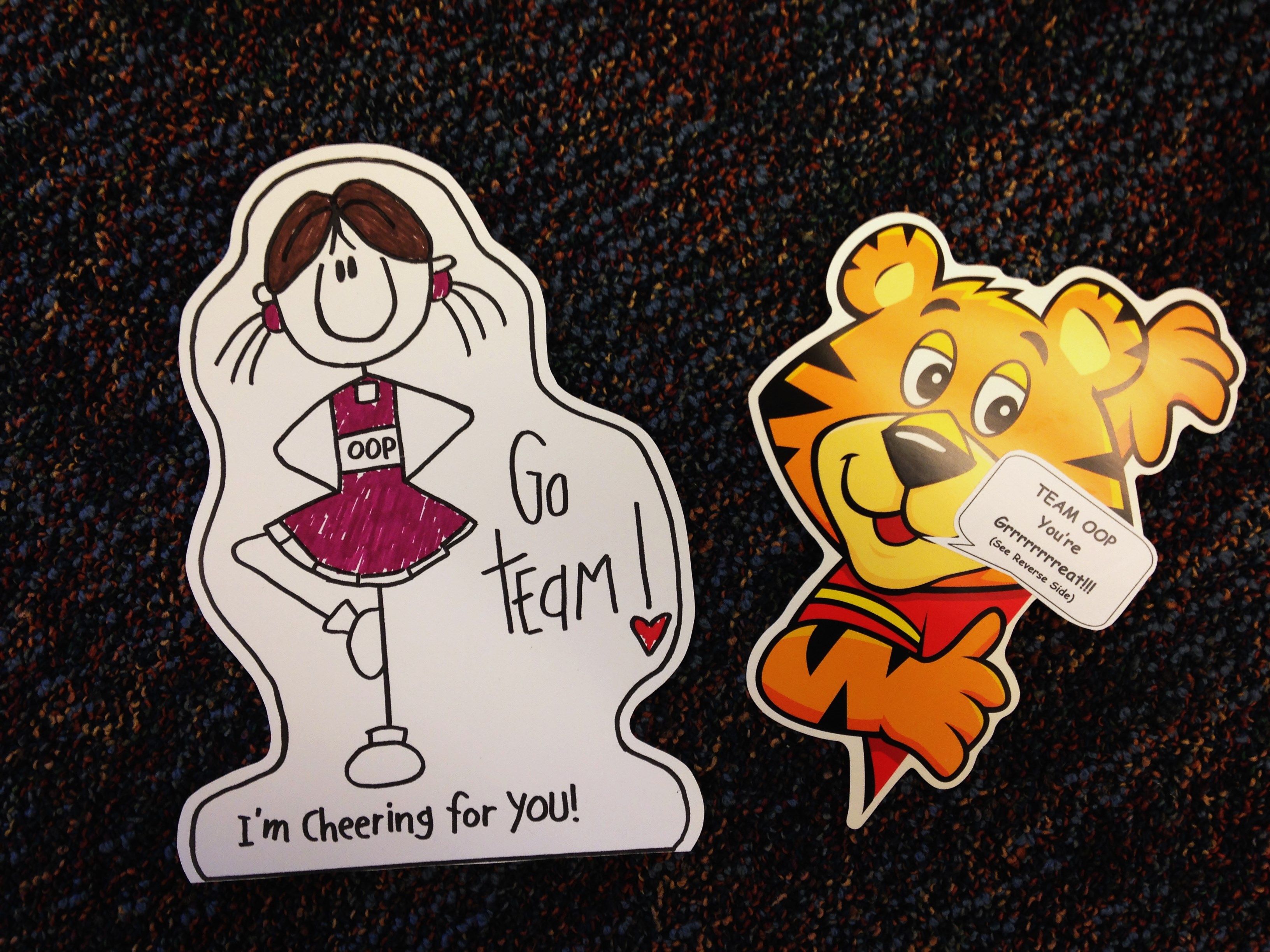
In this last day of packing up and moving out, two little team-building signs from a by-gone era surfaced in the bottom of a drawer. The irony wasn’t lost. IMG_3137For you who were on this team and any who find themselves in a similar situation, I’m cheering for you. You, indeed, are great! Of course, no team today can ever really claim to be creators of a ground zero innovation or body of work. For sure, we all stand on the shoulders of giants
I wrote a series of articles on Jon Acuff’s book Do Over – Rescue Monday, reinvent Your Work, and Never Get Stuck. [Two pieces are referenced below.] Acuff gives great counsel to anyone struggling in the process of moving forward. I’d like to close with a couple of his quotes on moving forward.

“Master the invisible skills – Go to work; add value; own your attitude. – Jon Acuff

“Is living with the chaos of a decision easy? Not really… I try to create [chaos] sometimes as a way to hide from something else I’m afraid of. When real chaos comes…don’t fight it. If anything, lean into it. ‘Easy’ and ‘adventure’ very rarely travel together.” – Jon Acuff

What has helped/is helping you to deal with a current (or past)  disappointing work situation? Please share your story in comments below.

Jon Acuff on Character at Work – 9 Quotes & a Challenge – Part 4 of the Do Over Series

Jon Acuff on the Role of Hustle in Taking Hold of Career Opportunities – Notes & Quotes – Part 5 of Do Over Series

Do Over – Rescue Monday, Reinvent Your Work, and Never Get Stuck by Jon Acuff

Transition: Making Sense of Life’s Changes by William Bridges

The Challenge of the Prolonged Neutral Zone Era – (Insight from William Bridges, Managing Transitions) – Really good synopsis on this troublesome prolonged transition

Blog - Look Back, Look forward - Nourish the dream