Category Archives: Decision-making

Monday Morning Moment – a Principled Life

Photo Credit: Boltgroup

Recently a conversation with a young friend drew me to the idea of “a principled life”. She recalled a comment a friend of hers made about this friend’s life, something along the lines of how remarkably principled her life was. As if that was an odd thing. Unusual. Commendable but on an altogether different plane.

We were both surprised at this. Doesn’t reaching adulthood come with the establishing of certain principles for living? Those attitudes and actions that define us as people.

In our family, we often have conversations around the dinner table about how we engage with people, especially those who are challenging, demanding, and even uncaring. It makes sense, at some level, to distance ourselves from such folks, put walls between us and them, and not be drawn into their neediness or manipulation.

The question for me, however, in such situations, is “what kind of person do I want to be?” Is another’s behavior going to change the way I want to show up in relationships? Is another’s character going to move me to change my own?

Thus the thinking about a principled life. What does that look like for each of us? What does that look like to our children and grandchildren?

Now, we derive our principles from varied sources. Some from our parents. Some from teachers or mentors. Some from classical literature, history, or sacred texts. Some of our principles (whether we consciously acknowledge it or not) may even come from movie quotes and characters. Below you will see some examples of principles.

Ex-heroin addict and neuroscientist Brian Pennie PhD writes and speaks regularly on this topic:

“Principles are fundamental truths that are universal in nature.”Brian Pennie

“Values are beliefs, attitudes and standards of behaviour about what’s important in life. They are also subjective and may change over time.” – Brian Pennie

“Unlike values which are subjective, principles are fundamental truths that are permanent, unchanging, and universal in nature.”Brian Pennie

[Values and principles can often be seen used interchangeably, as in the graphic below.]

Photo Credit: Slideshare, Sean Covey

Seven Habits of Highly Effective Teens – Sean Covey – PowerPoint Presentation – Slideshare

A principled life is one that demonstrates a foundation and follow-through of certain truths consistent with how a person thinks and behaves – living life with intention not in reaction.

Principles are action-oriented (see below as an example).

Photo Credit: Happiness Collective

Principles form a life compass. Brian Pennie writes:
“Through my own suffering and aimless behavior [during those days as a young drug addict], I developed a technique based on values and principles. I call it my life compass, and use it whenever I feel anxious, overwhelmed, or frustrated; or any negative state for that matter. In other words, I use it when I’m not aligned with my values.

The aim is to develop a set of principles that will guide your actions when life gets tough. Note that values direct you towards what’s important in life, while principles are actionable and always result in outcomes.

Below is a list of my own values, and several of the principles I’ve developed to keep me on the path.”

Photo Credit: Thrive Global, Brian Pennie

For me, a principled life aligns with the life of Jesus. Albeit imperfectly, given my human tendency to serve self. The Apostle Paul writes in his letter to the Roman church about “the marks of a Christian life”:

Let love be genuine. Abhor what is evil; hold fast to what is good. Love one another with brotherly affection. Outdo one another in showing honor. Do not be slothful in zeal, be fervent in spirit, serve the Lord. Rejoice in hope, be patient in tribulation, be constant in prayer. Contribute to the needs of the saints and seek to show hospitality.

Bless those who persecute you; bless and do not curse them. Rejoice with those who rejoice, weep with those who weep. Live in harmony with one another. Do not be haughty, but associate with the lowly. Never be wise in your own sight. Repay no one evil for evil, but give thought to do what is honorable in the sight of all. If possible, so far as it depends on you, live peaceably with all. Beloved, never avenge yourselves, but leave it to the wrath of God, for it is written, “Vengeance is mine, I will repay, says the Lord.” To the contrary, “if your enemy is hungry, feed him; if he is thirsty, give him something to drink; for by so doing you will heap burning coals on his head.” Do not be overcome by evil, but overcome evil with good.” Romans 12:9-21

That is a principled life.

[What are your thoughts as to the guiding principles of your life? What are you modeling for your family, friends, colleagues – just by showing up? What do people count on you for? What are you intentionally teaching to your children/grandchildren? Would love to hear about these in the Comments section. Thanks for stopping by.]

How to Live by Life Principles That Matter

30 Life Principles – Dr. Charles F. Stanley

10 Principles of Life

Seven Basic Principles That Govern our Personal Lives and Relationships – Vatican in Exile

How to Find Meaning and Direction in Life – Brian Pennie

YouTube Video – My talk from Pendulum 2024: How to Find Your True North – A Guidance System for Life – Brian Pennie Ph.D.

Monday Morning Moment – Word for the New Year – Strong (Nested in “Filled” – There’s a Story)

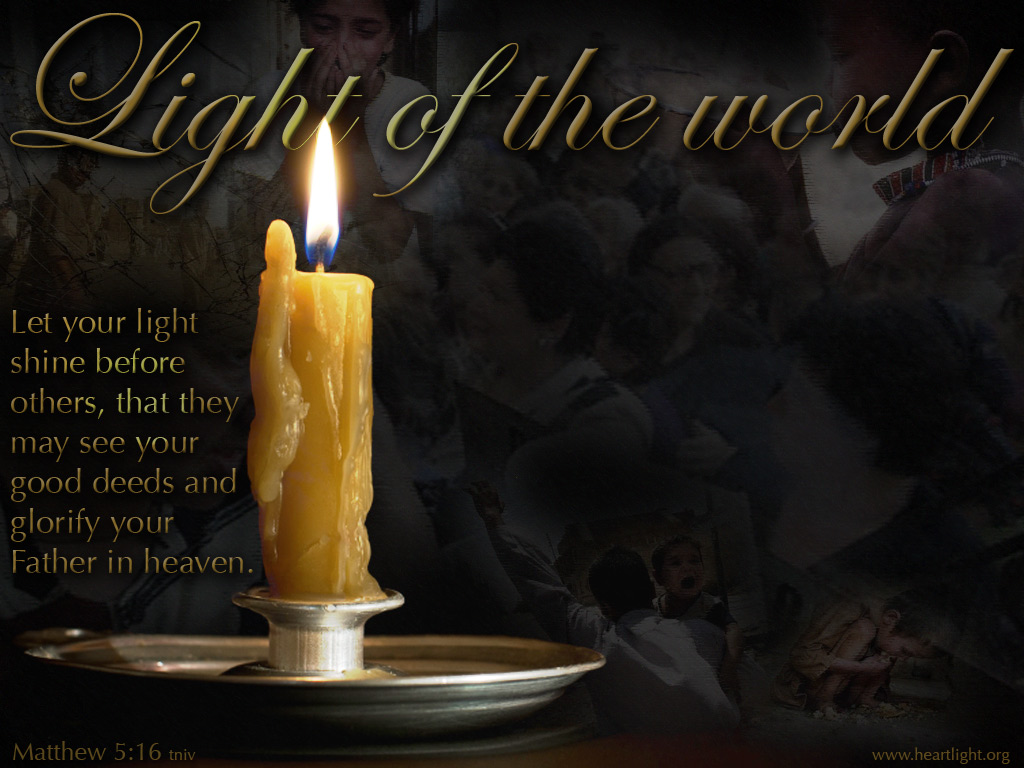
Photo Credit: Heartlight

In 2020 (the year of COVID), I read Debbie Macomber‘s book One Perfect Word. She tells fascinating stories of persons’ choosing a word to guide their year. Finishing her book and praying a bit, the word compassion became my focus. 2021 was a good year for that as we dealt with so many divisions over COVID, race, politics, etc. Compassion for all on both sides of each issue.

At first I wasn’t going to do “a word” for 2022, and then a rapid series of “coincidences” drew me to the word: joy. As that year ended, I had become negative and even a bit cynical. Still having faith in God but not so much in humans, including myself. Even after a year of compassion!!

Then 2023 followed, and I chose the word “wonder”. It was inspired by my study of Dr. Curt Thompson’s books. He encourages a pursuit of mental health and healing including staying “in the path of oncoming beauty”. This focus on wonder – in searching out beauty in the context of community and a loving God – brought me through a year tougher than I imagined it would be.

Monday Morning Moment – Word for the Year 2023 – Wonder – Deb Mills

Now we stand at the start of 2024.

The last several days of December 2023, I have pondered what word would be a fixed point for this coming year. New Year’s resolutions and habit formation are both great helps for my slightly scattered brain.

5 Friday Faves – New Year’s Resolutions, Habit Planner, Year-End Review, Word for the Year, and the Last Days of 2021 – Deb Mills

Here’s how it all came together, look toward 2024. In recent days, I’ve been lamenting behing older (i.e. Weaker, more frail). Having lost 2 inches in stature (just in the years of pounding on my vertebra) also made me feel small. I’ve decided to push back against the weakness and seemingly diminished nature of getting older. After all, what does that even mean?! I’m not that old. Right?

Then the passage in Joshua 14 came to my attention. First the back-story: During the years after God freed the Israelites from slavery in Egypt, they wandered in the wilderness awaiting his timing on entering the Promised Land. In obedience to God, Moses had sent 12 spies to scope out the land. It was amazing, filled with much good but also peoples of formidable strength. Only Caleb and Joshua returned with good reports that, with God’s help, they could take the land as their own. The other spies terrified the people and they pushed back against God’s call to enter and conquer. [This historical account is found in Numbers 13 and 14.]

Because of their disobedience, those in rebellion would not receive their homeland. They would die in the wilderness. For forty years, Caleb and Joshua would patiently endure the punishment not their own, as they waited for God’s command to enter the land, along with all the Israelite children now grown.

40 years later, when Caleb was 85, he gives a beautiful and faith-filled declaration:

 “I am still as strong today as I was on the day Moses sent me; as my strength was then, so my strength is now, for war and for going out and coming in. Now then, give me this hill country about which the Lord spoke on that day, for you heard on that day that Anakim (giants) were there, with great fortified cities; perhaps the Lord will be with me, and I will drive them out just as the Lord has spoken.” [Joshua 14:11-12.]

Talking to Dave (that husband of mine), he commented that Caleb had that strength for which I am longing because he had “a different spirit in him” (Numbers 14:24). Whereas the 10 spies and the Israelites influenced by them were driven by a spirit of fear, Caleb was filled by the Spirit of God. In his determination to obey and follow wholeheartedly, his faith emboldened him. He demonstrated strength physically, mentally, and spiritually.

He would not be defined by age, aptitude, or ability…but by the great and gracious God he sought to serve.

That’s what I long for in this coming year. To be strong. In all ways possible. Including strong in my love for God and others. This can only be mine if nested in being filled with the very Spirit of God.

Let’s see what’s ahead that will require me to be strong. Is that a tad unnerving? Absolutely! Yet, again, I am reminded of the goodness of God. “For when I am weak (and it will happen), then His strength is manifested perfectly and completely!” (2 Corinthians 12:10)

How is God’s strength made perfect in weakness (2 Corinthians 12:9)? – Got Questions [Read this brief glorious article about how God moves in our weakness – like helping us choose a word for the year, in my case right now.]

Photo Credit: The World of Calvin & Hobbs, Facebook
Photo Credit: Heartlight

Monday Morning Moment – My Take on “Braving the Wilderness” with Brené Brown

Some books you happen upon by chance. Author and researcher Brené Brown‘s Braving the Wilderness: the Quest for True Belonging and the Courage to Stand Alone was just such a book. I pulled it off a used book shelf at my favorite thrift shop recently and have read it twice over the last couple of weeks. Having heard her speak many years ago, and, since then, quoting her often on this blog, she has been a definite influence in my thinking. Then our culture took us all on a mad roller coaster ride, and her voice became one I stopped attending.

Until this book, published in 2017, and just now read.

Brené Brown has much studied wisdom on who we are in relationship to others. I’d like to share some of my takeaways from this little treasure of a book. [Sidebar: Not in lockstep with all her conclusions, but some are so rich and needful, I want to offer them to those of you who might not read them yourselves.]

1) Belonging is the innate human desire to be part of something larger than us. Brown talks about the crucial work of valuing who you are and what you bring to any community, family, or workplace.

“Even in the context of suffering—poverty, violence, human rights violations—not belonging in our families is still one of the most dangerous hurts. That’s because it has the power to break our heart, our spirit, and our sense of self-worth. It broke all three for me. And when those things break, there are only three outcomes, something I’ve borne witness to in my life and in my work: 1. You live in constant pain and seek relief by numbing it and/or inflicting it on others; 2. You deny your pain, and your denial ensures that you pass it on to those around you and down to your children; or 3. You find the courage to own the pain and develop a level of empathy and compassion for yourself and others that allows you to spot hurt in the world in a unique way. I certainly tried the first two. Only through sheer grace did I make my way to the third.”Brené Brown, Braving the Wilderness: the Quest for True Belonging and the Courage to Stand Alone, p. 14

2) There are at least four elements of true belonging.

a. People are hard to hate close up. Move in.

b. Speak truth to bullsh*t. Be civil.

c. Hold hands. With strangers.

d. Strong back. Soft front. Wild heart.

These are chapter headings in Brown’s book Braving the Wilderness. Each could stand alone as inspiring to us in embracing how we are meant to live life. To truly belong. In community that is honoring to those around us, ourselves, and our Creator.

In a capsule, each element (or practice) speaks to the choices we make in leaning in to those both like us and not at all like us. In fact, we can see how we are doing in “braving the wilderness” – dealing with the strange and isolating sides of life – as we examine our daily habits. Am I willing to be in proximity with those different from me, those who think, speak, or act in opposition to me? With those who clearly communicate that I don’t belong. We collude with such opinions if we pull ourselves away, believing we don’t belong. We silence ourselves. We don’t show up. [I’m choosing not to hate as a daily practice and not to be counted out. Full stop.]

We can be civil. If we find ourselves in conversations filled with belittling, loathing, sarcasm, one-up-manship, then it is a sign we have bought into someone’s bullsh*t. Maybe even our own unchecked attitudes or opinions. Do we need boundaries sometimes? Sure…but if we can practice civility (even love) toward someone acting in ways that exclude or diminish us, maybe we can find a place of belonging to meet. To live with that person instead of forever without them.

The courage to take hold of strangers’ hands can open a whole new world of belonging and meaning to us. Concerts, sporting events, volunteering to aid people in need. People who link arms over something larger than themselves. Our children need us to belong and bring them along. I’m not sure if it was 9/11 or COVID or what has moved us to gather in small, tight circles. We miss out on a larger life in this way. A life full of purpose.

Brown uses the acronym “braving” in how to maneuver through whatever wilderness we find ourselves. You can see it in the image below.

Photo Credit: Brene Brown, Lanre Dahunsi

3) Strong Back. Soft Front. Wild Heart. I want to return to this element.

Brown closed her book “Braving the Wilderness” with challenge and encouragement. We can have strong backs as opposed to rigid backs. A strong back is one that is capable of carrying burdens, ours and others, without becoming rigid with unmet expectations or misunderstanding. We strengthen our backs with showing up and growing capacity for caring. The soft front comes not from looking for the negative of rejection, exclusion, or insecurity. It comes from honoring what we each bring and what we each need. A soft front encourages, empowers, and elevates. We refuse to diminish our own place at the table, nor do we push others away, because they are not like us. Something to think about. And that wild heart Brown talks about? It’s that heart we can have when we don’t believe lies or attitudes that make us feel small or overlooked or outside the circle.

“The mark of a wild heart is living out the paradox of love in our lives. It’s the ability to be tough and tender, excited and scared, brave and afraid—all in the same moment. It’s showing up in our vulnerability and our courage, being both fierce and kind.”Brené Brown, Braving the Wilderness: the Quest for True Belonging and the Courage to Stand Alone, p. 155

The heart becomes wild, free if you will, because we believe what is truest and most beautiful about ourselves, about others, and especially about God. The world is still a wilderness, but we don’t have to be afraid.

So…those are my takeaways from this special little book, and its author’s wild heart!

Photo Credit: Anatomy Worksheets

Braving the Wilderness Companion Worksheet

Worship Wednesday – A Lament on War – Brooklyn Tabernacle Choir

Photo Credit: Public Domain Pictures

Many say of me, “God will not deliver him.” Selah But you, LORD, are a shield around me, my glory, and the One who lifts up my head.Psalm 3:2-3

Blessed be the LORD, for He has heard my cry for mercy. The LORD is my strength and my shield; my heart trusts in Him, and I am helped. Therefore my heart rejoices, and I give thanks to Him with my song.Psalm 28:6-7

Casting all your care upon Him, for He cares for you. Be sober, be vigilant; because your adversary the devil walks about like a roaring lion, seeking whom he may devour. Resist him, steadfast in the faith, knowing that the same sufferings are experienced by your brotherhood in the world.1 Peter 5:7-9

Last night, in the car leaving his taekwondo lesson, our 7 y/o grandson wanted to talk about the most recent conflict between Israel and Palestine. I was shocked that he knew about it given such an adult situation. Maybe he heard his parents talk. Maybe they were praying as a family for the conflict…now war.

He had amazingly mature thoughts and questions about it. You can imagine that it led to a discussion that went all the way back to Adam and Eve and all the way forward to Heaven and Hell. He wondered if America would ever have war and what that would look like. We talked about both the sadness of the situation for Israel and Palestine, and we talked about what our response as Christ-followers must be.

I grew up in the 60s and 70s. During the Vietnam War era. I also grew up with a mom who taught us not to hate. It was never acceptable. If we loved Jesus then we did not have the privilege or luxury or burden (however you see it) of hating another individual or group of people. It went against everything we understood of Jesus, including His very own teaching to love even our enemies (Matthew 5:44).

During the Vietnam war, the culture was mixed (as it is today) with opinions on what was right and what was wrong. In high school, I wrote letters of encouragement to soldiers (brothers, friends, and sometimes strangers who became penpals). Writing to boys only a few years older than me…gone to war.

In college, I, like so many others, participated in protests of a too-long and too-costly war. Protests and prayer vigils.

The music and film of that day reflected our struggle. Some of the songs that have stayed with me for all these years have been “Teach Your Children Well”, “Children Will Listen”, and “You’ve Got to Be Carefully Taught”. Do you know them?

You’ve got to be taught
To hate and fear,
You’ve got to be taught
From year to year,
It’s got to be drummed
In your dear little ear
You’ve got to be carefully taught.

You’ve got to be taught before it’s too late,
Before you are six or seven or eight,
To hate all the people your relatives hate,
You’ve got to be carefully taught.

YouTube Video – Mandy Patinkin Sings You’ve Got to be Carefully taught; Children Will Listen Medley

In these days, we cry out to God for the sake of Israel and Palestine…and the rest of the world, not knowing what will happen in the days, weeks, months, and years ahead.

It feels very weighty.

A lament to God…many laments…are appropriate.

Photo Credit: YouTube

In the book study When You Pray, author/speaker Jennifer Rothschild gives 5 elements of lament:

  1. Address God. (Focus your prayer on the One who hears and answers.)
  2. Pour out your heart. (Bring Him your complaints and concerns.)
  3. Request help. (Ask God for what you need.)
  4. Express trust. (Affirm your faith in His character and His Word.)
  5. Praise Him. (Worship Him because He is worthy.)

“Confessing trust in God is the hinge that turns our grieving into grace, tears into trust, and worries into worship.” Jennifer Rothschild

If you’re like me, you’ve lost confidence in much of what we see in the news. Or at least, we sift through several accounts of events to determine what might be true.

This I know: something catastrophic is happening in the Middle East right now which will most probably have a wide ripple effect into coming generations. There is much to lament here. God’s face is the only one to which we can look with complete trust and confidence.

So here we are…

Worship with me to the Brooklyn Tabernacle Choir‘s rendition of the lament in Psalm 3.

Many are they increased that troubled me
Many are they that rise up against me
Many there be which say of my soul
There is no help for him in God

But Thou, oh Lord are a shield for me
My glory and the lifter of my head
Thou, oh Lord are a shield for me
My glory and the lifter of my head

[Repeat]

I cried unto the Lord with my voice
And he heard me out of His holy hill
I laid me down and slept and awaked
For the Lord sustained, for he sustained me

Thou, oh Lord are a shield for me
My glory and the lifter of my head
Thou, oh Lord are shield for me
My glory and the lifter of my head

[Repeat Twice]
For Thou oh Lord are a shield for me
My glory and the lifter of my head
Of my head
My head*

*Lyrics to Thou O Lord as sung by the Brooklyn Tabernacle Choir

Monday Morning Moment – 5 P’s of Productivity – You’ll Be Surprised

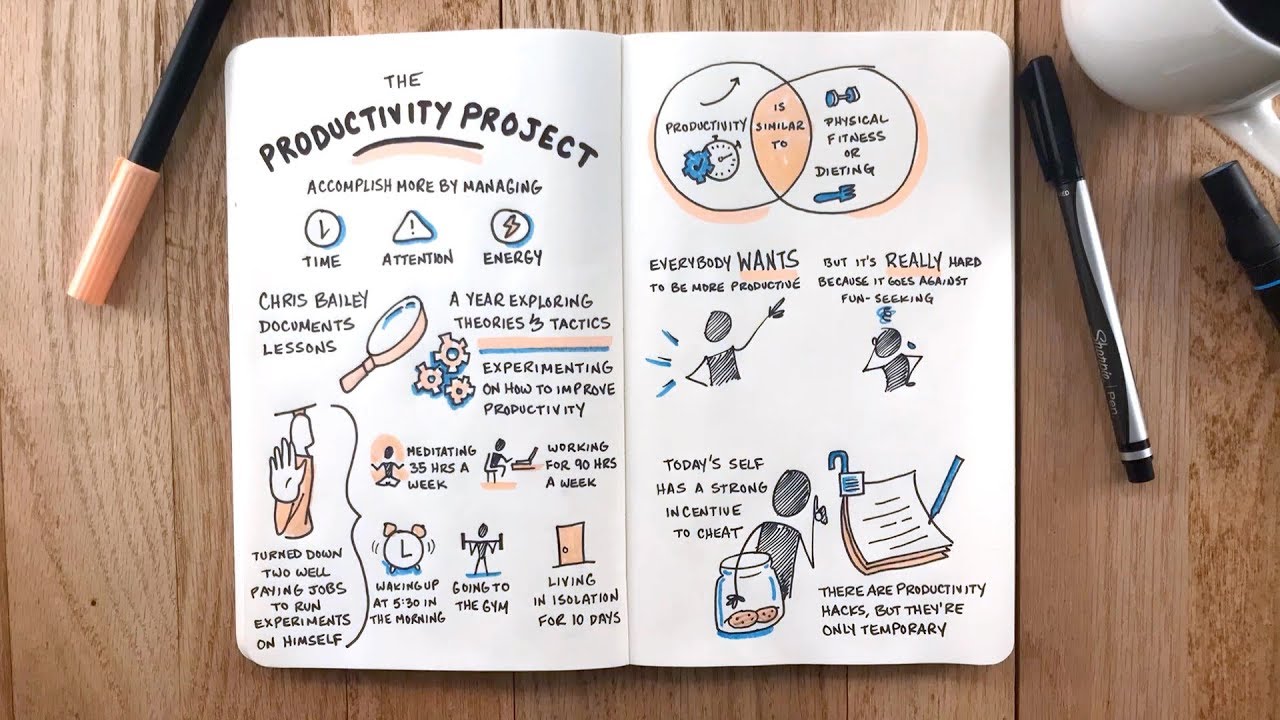
Photo Credit: Chris Bailey – YouTube

Productivity – it seems so elusive. Maybe not for you. You’ve figured it out. If success in productivity flows out of thinking about it, I’ve thought about it more than you can imagine…so many blogs on it.

Some years ago, Chris Bailey, a young productivity guru, came on my radar. He wrote this super practical guide 100 Time, Energy, and Attention Hacks to Be More Productive. It is organized in such a way that the reader can choose what parts of their day/life they want to change. He continues to write and podcast. You can find various videos with his coaching highlighted.

He helped me get jump-started, but I’m far from that focused productivity that could seriously change up my life. Still, I chip away at it. Why? To what end? The P’s below inspire me to keep at it. How about you?

1) Possibilities – Earlier today, I was walking with a friend of mine who is diving into the natural arts – gardening, canning, grinding wheat for bread, etc. I admire her and yet am overwhelmed by the effort she puts into her craft. Then she retorted, “Well, I’m not pouring into Afghan refugees.” Thanks for that. We may all have different goals, but the possibilities abound when we recapture the time, attention, and energy we need to meet and even surpass those goals. What would you love to accomplish…if only?

Monday Morning Moment – Notes on Chris Bailey’s Life of Productivity – Deb Mills

CNLP 558: John Lee Dumas on How to Work Less and Make More Money, The #1 Way to Make an Impact Online Today, And How He Grew Entrepreneur On Fire to 140 Million Downloads – Carey Nieuwhof Podcast

2) Practices – A favorite old proverb of ours goes like this: “Where no oxen are, the crib is clean: but much increase is by the strength of the ox.” (Proverbs 14:4). Canadian writer Tim Challies presents this proverb as a parable on productivity. That “much increase” can be enhanced by having the right tools (oxen, for instance). However, given the right tools, productivity can still be very messy. Hard to perfectly control, thus, cycling back, needing the best tools for the job. Sometimes those tools are people in our lives and workplace, and sometimes they are lists, schedules, apps, or right equipment.

It’s not working harder, and not even just working smarter, whatever that means. It’s the beautiful grind of habit formation. It’s the development of spiritual disciplines that become life-long practices. We are never too young to begin establishing such.

I make my bed every morning.

It’s a small thing but it lifts my heart. This is done and it’s beautiful.

Lately I have also begun going to bed with my phone out of reach. That means, on waking, it is still out of reach. My thoughts then are my own…not someone else’s I begin taking in, and 30 minutes later find myself still scrolling. Sheesh!

There are other practices I’m incorporating into my daily life…but for this moment, I leave you with the experts.

Photo Credit: Tim Challies, How to Get Things Done

Putting On the Brakes: A Review of John Mark Comer’s The Ruthless Elimination of Hurry – Dawn Berkelaar

Series: How to Get Things Done – Tim Challies

Monday Morning Moment – Flipping COVID Lethargy into a Larger Life Productivity – Tim Challies – Deb Mills

Photo Credit: James Clear

3) Product – As you begin habit formation, such that you are able to redeem more time, more attention, and more energy, product then begins to be impacted. What is your product? Your goal? Are you beginning to see the weight loss, your writing becoming more thoughtful, your shelves filling with wholesome canned food, your personnel engaged, your work goals realized, your college degree on the horizon?

Photo Credit: Andrea Lane, Redbooth

4) Purpose – What is the purpose for your going after your goals? If the habits you are forming are in conflict with other goals in your life, then you may need to reexamine your purpose. The “why” of your efforts. Are top performance and lifetime achievement the same or is there enough difference that you need to reevaluate? Something to consider on a regular basis. What is your purpose for all this? [See the Carey Nieuwhof podcast with Jon Acuff below – gold!]

Episode 596: Jon Acuff on The Difference Between High Performers and High Achievers, How to Make a Goal and Guarantee a Goal, and the Problem of False Humility In the Church – Carey Nieuwhof Podcast

5) People – Chris Bailey did an experiment earlier this year. He made the observation that smartphones are actually robbing us of productivity among other things (mental health, sleep, intimacy, focus…I could go on).

He decided to “come off” his smartphone (iPhone to be specific) for one month. After switching to a flip-phone, it took Chris a week to adjust to the under-stimulation of his device. Then something happened that forced him to ditch the experiment altogether before the month was over.

[5 Lessons that Chris Bailey Learned from Ditching His Smartphone for a Month – condensed version of Chris Bailey’s blog on the topic]

A cherished family member got cancer and was doing treatment updates via group iMessaging. Chris became aware that he was missing some of the messages and, in fact, his wife had begun answering for both of them. He family and friends simply began messaging solely with her, leaving him out of the circle altogether.

Being connected with people, in the way they were all accustomed, was disrupted. Face-to-face was consummately better, but he would take phone connection over no connection.

“…while modern communication methods are shallow, at the end of the day, the smartphone is how I am able to communicate with those I love in the modern world. And I love them. So I will continue to go where they are, to these lamely shallow apps that are no richer than a shadow, especially when compared to the vivid, textured reality of deep, joyous time with another human being, in real life. Maybe over coffee, maybe over drinks, maybe at a beach somewhere. Honestly, wherever—I don’t really care. As long as it’s in person.

At this point, we’re stuck with smartphones, especially considering how intertwined they are with how we communicate. Technology will continue to advance as smartphone innovation continues to plateau, and eventually, something else will take the smartphone’s place.

I look forward to this day, and hope that whatever replaces the phone doesn’t come with its own tradeoffs for our mental health and overall well-being.

The key, though, while the smartphone is with us, is to find ways to limit its downsides while making how we communicate richer.Chris Bailey

The moral of this story: don’t leave your people in the dust in the pursuit of wild wonderful goals.

In becoming more productive, do we pour that gained time, attention, and energy back into the work, skillset, hobby, or recreation? Or do we pour it into people?

As I look again at habit formation and goal-setting with these 5 P’s in view, what my hope for center stage of life is “Love God…love people.

“You shall love the Lord your God with all your heart and with all your soul and with all your strength and with all your mind, and your neighbor as yourself.” – Jesus, Luke 10:27

This is what inspires me to do the work of becoming more productive.

Monday Morning Moment – Focus – This Won’t Take Long – Deb Mills

50 Productivity Tips to Help You Finally Get Ahead – Infographic

Photo Credit: Productive and Free

5 Friday Faves – Beyond the Guitar, “Thrive by Five” Parenting, Unexpected Wisdom, Confessional Communities, and Funerals

Happy Friday! Welcome weekend. Rapid fire Friday Faves.

1) Beyond the Guitar – While Nathan’s “saddest song” arrangement on YouTube moves toward a million views, he continues to teach, arrange, and compose.

Enjoy!

YouTube Video – This Scene from The Office Changed My Life #Shorts – Beyond the Guitar

2) “Thrive by Five” Parenting – Have you seen the TED Talk below? Start here…fascinating the impact of attuned parents on their babies.

YouTube Video – Molly Wright: How Every Child Can Thrive by Five – TED Talk “Serve & return. Early & often.”

Photo Credit: YouTube, TED Talk, Thrive by Five

I so appreciate the work of psychiatrists/therapists Curt Thompson MD, Adam Young, Matthias Barker, Dan Siegel MD, and others.

Foster mom Jamie Finn posted on the first year of a baby’s life and how vital it is to build that foundation of secure attachment:

“Baby has a need, baby cries, attuned caregiver meets need, baby learns to trust. This is the basic foundation of the attachment cycle.

And it’s the foundation for every relationship and interaction a person has with the surrounding world from that point forward. Secure attachment teaches the child’s brain & body & beliefs: I am safe, people are trustworthy, the world makes sense.

The first year of life is the most developmentally significant, formative time of a child’s life.

The moments of motherhood that make up the first few months of a baby’s life go far beyond the present and profoundly impact the future of that little person. Every cry that’s responded to, need that’s met, and discomfort that’s soothed actually changes the brain’s chemistry and structure, the body’s ability to regulate and feel safe—the complete trajectory of a child’s life.

I don’t know how long this little one will be with me, and I don’t know if he’ll have memories of me. But I know that his brain and body will remember my nurturing care, and it will change his life forever.”
Jamie Finn

The 4 S’s of Secure Attachment and How They Impact Adult Relationships – Hope Gillette

Integrating Science, Culture and Anthropology: A New Journal Article Discusses Thrive by Five International’s Novel Scientific Framework

Thrive by Five – Ideas Hub

Thrive by Five – Minderoo

Facebook – Foster the Family – Jamie Finn – First year of life is the foundation for attachment.

Instagram – Foster the Family Blog – Jamie Finn

https://www.facebook.com/photo/?fbid=770770747740992&set=a.548292643322138

3) Unexpected Wisdom – We have a subscription to The Richmond Forum. It’s a lecture series with world-renowned speakers. Some are politicians, some actors, some writers, some private and public sector leaders, and all influencers. Two of my favorite speakers this year were actor and arts education advocate John Lithgow and a dialog between Dr. Cornel West and Thomas Chatterton Williams. The West and Williams dialog centered on “the absolute condemnation of no one”. Brilliant and redemptive!

Below are samples of their work including a longer version of the West/Williams conversation on another platform. Don’t miss it.

Photo Credit: John Lithgow, Richmond Forum

Never Play Music Right Next to the Zoo

YouTube Video – John Lithgow Breaks Down His Most Iconic Characters

YouTube Video – Carnival of the Animals – John Lithgow

4) Confessional Communities – My absolute favorite podcast is Dr. Curt Thompson‘s Being Known. I’ve been listening (watching on YouTube) ever since Dr. Curt Thompson’s books changed my understanding of the mind/brain and community.

This season’s podcast focuses on confessional communities and if you only listen to one before you will want to listen to them all, here‘s the one.

Being Known Podcast – Dr. Curt Thompson & Pepper Sweeney

“We need others to bear witness to our deepest longings, our greatest joys, our most painful shame, and all the rest in order to have any sense at all of ourselves.” Curt Thompson, MD

Confessional communities are not therapeutic groups as we have traditionally known as group therapy. However, they are also more than a Bible-study oriented small group, the kind we might experience as part of a church curriculum. Confessional communities require commitment of a deeper nature from participants who are willing to explore attachment, attunement, presence, and vulnerability – extending welcome and experiencing welcome, all seeking to be known and truly know and affirm each other.

Read Thompson’s books and listen/watch his podcasts for an excellent introduction to this process. I would love to be part of a confessional community…it will happen.

5) Funerals – Why a fave? Well…it comes after watching a British series involving an undertaker (the show had a great story-line but very adult-themed so will leave it at that). The funeral conversations, preparation, and executions were both poignant, sometimes oddly funny, and beautiful.

I was reminded of the funerals of people close to me – young nephew, parents, brother, father-in-law, uncles, aunts, friends and colleagues. It was a privilege to be present for many of these. Some we had to watch via live-stream which itself was a blessing…a perk that came out of the COVID era.

Photo Credit: Air Force, Defense Department

Looking back at images from our mom’s funeral and then our dad’s some 15 years later, memories washed over me. How honored they were by those officiating, how healing the conversations with family and friends (some whom we hadn’t seen in too many years). The care given to detail. The time given to both grieve their passing and celebrate their lives. Such a mix of emotions. Completely thankful for the gathering and strengthening of community that funerals facilitate.

Cremation is replacing burial more these days. We are rethinking our own choices on this. However, having a funeral is something I want for our children and grandchildren, in particular. Not for my sake but for theirs. They may not want this, and I get it, but my hope is they have helps to reflect, remember, and reorient. A funeral, or celebration of life, or memorial service – whatever it’s called makes a difference.

Photo Credit: Heartlight

Doing Death Differently: Today’s Funerals Are Not Like They Used to Be – Elle Hunt

Should We Celebrate Funerals? – Kenneth J. Doka Ph.D.

Americans Avoiding Funerals and Not Leaving Their Mark

The Importance of Flags and Horses in American Military Funerals – Suzette Sherman

Well…it’s been a minute since I’ve pulled together a Friday Faves. Hope it was fun to read. Thanks for stopping by…it’s means more than you know. Have a restful weekend.

Bonuses

The Trait that “Super Friends” Have in Common – Marisa G. Franco

Tim Keller – a Reflection and a Very Short Prayer – Scotty Smith – Facebook

Photo Credit: Twitter, Terence Lester

[Here’s the full quote found in his forthcoming book, All God’s Children “Everyone is welcome” is drastically different from “we built this with you in mind.” People don’t want to go where they are merely tolerated, they want to go where they are included.”]

Photo Credit: The Soul Leaf, Facebook
Photo Credit: TobyMac, Facebook

Worship Wednesday – Light a Fire – David Leonard

Photo Credit: Heartlight, Pinterest

Restore to me the joy of Your salvation, and sustain me with a willing spirit. Psalm 51:12

There is now no condemnation for those who are in Christ Jesus. For in Christ Jesus the law of the Spirit of life set you free from the law of sin and death…[We] do not walk according to the flesh but according to the Spirit. Those who live according to the flesh set their minds on the things of the flesh; but those who live according to the Spirit set their minds on the things of the Spirit. Romans 8:1-2, 4-5

Last night I was spent…not because the day was exceptionally full or tiring. More spent from overthinking and troubled by the usual. Checking my heart…not with the truth of Scripture, but with that emotional judgy part of my brain that insists that: I don’t do enough or love well enough. Of course, my thoughts rarely go so far as “I’m not enough”, because that is actually true. I know, with all my being, that God has to be in every equation. God and community.

A couple of nights ago, after a day that was full and exhausting, I got a phone call from a young Afghan friend of ours. A middle schooler whose little family our church helped resettle over a year ago. He was so excited that a friend of his (who he knew from their first refugee experience entering the US) was visiting in town. He had this one night to see him before this friend returned to his home. Our young friend, his Afghan friend from school, and this visiting friend had the opportunity to spend the evening together. He just needed a ride.

My response was less than loving. He must have known about this opportunity before the moment that he called needing a ride. I was not going to be engaged. Sounds pretty cold, right? Especially because I know this middle schooler very well and care deeply for him and his family. Or do I really?

As we talked about possible other options, my husband came through and communicated for me not to get drawn in. He knew my day had been long and wasn’t over, with a meeting still in front of me. Then… in seconds, he said, “I’ll drive him.”

I was shocked. And immediately pulled out of my spiritual dullness about this situation. I told our young friend that he had a ride, and then sent an alert to our church refugee resettlement team. Help! Could anyone give him a ride back home later this evening? Within minutes, one of the team said she could do it. Later when she reported on their ride back home, she wrote how happy and talkative he was (unusual for this sometimes unengaged 14 y/o). Having grown up overseas herself, she completely understood what a joy it was to meet up with friends from other places, and she was glad she could help him with that.

God and community. My chilly reception of this need from someone I love was met by God’s answer within the Body. I am so thankful, actually, that He moved in where I was tempted to distance myself.

So why am I sharing all this? There are days…weeks…months that struggle draws us away from the heart of God. Too many losses. Too much responsibility. Too little encouragement. Whatever it is…we can lose our joy. The Psalmist writer of Psalm 51 recognized his sinful heart and cried out to God. His confession and repentance led to restoration.

We know because of the finished work of the resurrected Christ, that our salvation is secure. It is the “joy of our salvation” that is sometimes lost along the way. We lose our fire…we forget the distance He came and the death He died to bring us back to Himself.

In Revelation, the apostle John wrote about the vision God gave him for the churches. He warns against the danger of being lukewarm – of doing the work in our own flesh, out of obligation, or in fear of man, whatever the motivation. He warns the Laodicean church not to shame them or even judge them but to remind them of what they are missing. Choosing a life of self-sufficiency (stunningly deceptive at best) rather than the all-sufficiency of Christ. “Christ in us. The hope of glory!”

“Write to the angel of the church in Laodicea: Thus says the Amen, the faithful and true witness, the originator of God’s creation: I know your works, that you are neither cold nor hot. I wish that you were cold or hot. So, because you are lukewarm, and neither hot nor cold, I am going to vomit you out of my mouth. For you say, ‘I’m rich; I have become wealthy and need nothing,’ and you don’t realize that you are wretched, pitiful, poor, blind, and naked. I advise you to buy from me gold refined in the fire so that you may be rich, white clothes so that you may be dressed and your shameful nakedness not be exposed, and ointment to spread on your eyes so that you may see. As many as I love, I rebuke and discipline. So be zealous and repent. See! I stand at the door and knock. If anyone hears my voice and opens the door, I will come in to him and eat with him, and he with me.

To the one who conquers I will give the right to sit with me on my throne, just as I also conquered and sat down with my Father on his throne.

Let anyone who has ears to hear listen to what the Spirit says to the churches.”Revelation 3:14-22

A Timely Warning from the Church of Laodicea to Us Today – Michael Jakes

The love of God is like nothing else in this world. He warns us not to condemn but to compel. For us to see and hear how life is meant to be for us…and for our community. We are not alone. Nor do we have to obey God out of obligation…we are free to operate out of a willing spirit knowing that He will sustain us – both in the power of His Holy Spirit and within the community He draws around us.

May our lives ever be an altar that burns brightly to the glory of a God who loves us and provides all we need.

Worship with me to David Leonard‘s Light a Fire

Restore to me the joy of my salvation
Take me back to where it all began
Where all I ever wanted was Your presence
How I long to be there once again

Light a fire that the world can't burn out
Fan the flame till nothing between us remains
Oh, my life is an altar to You
Breathe again on the embers that burn In my heart
A love taken back to the start

Oh, my life is an altar to You
Renew in me a pure and willing spirit
Take me back to where it all began
Before it all became so complicated
How I long to be there once again

God, I'm sorry
Please forgive me
For when I've gone cold
Lord, I need You
How I need You
To awake my soul* 

Photo Credit: Heartlight

*Lyrics to Light a Fire – Songwriters: David Leonard, Jonathan Smith, Jason Ingram

Instagram – Bart Millard – Cover of Light a Fire sung by Sam Wesley (Millard’s son)

YouTube Video – Unspoken – Start a Fire

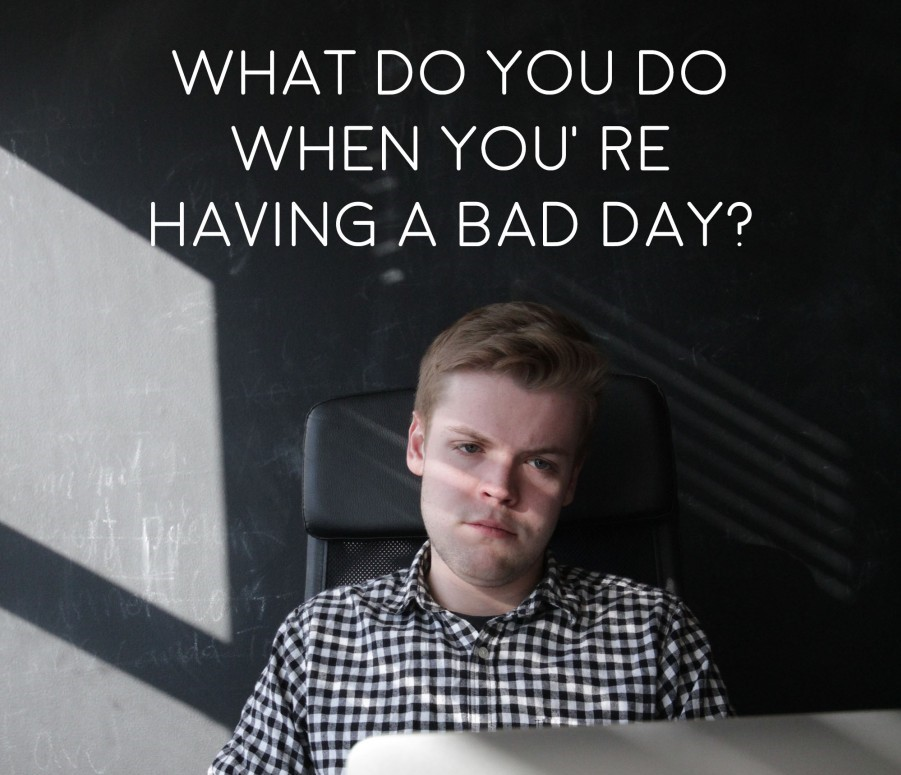
Monday Morning Moment – When You’re Expecting to Have a Bad Day

Photo Credit: Strategy Lab

Early this morning, the idea gathered like a storm cloud – the idea of “having a bad day” today. Here’s how it started and then here’s how it went.

As a postscript to Holy Week and Resurrection Sunday, I read today’s post-Lent reading: The Lent Project: I Have Seen the Lord – by Carmen Joy Imes. Biola University posts beautiful Lent devotionals every year (incorporating music, art, poetry, and short reading). Today’s topic was on Mary Magdalene’s lingering at the empty tomb after Jesus arose from the dead.

Mary stood outside the tomb, crying…she turned around and saw Jesus standing there, but she did not know it was Jesus. “Woman,” Jesus said to her, “why are you crying? Who is it that you’re seeking?”

Supposing he was the gardener, she replied, “Sir, if you’ve carried him away, tell me where you’ve put him, and I will take him away.”

Jesus said to her, “Mary.”

Turning around, she said to him in Aramaic, “Rabboni!”—which means “Teacher.”John 20:11-18

Exhausted from grief and bleary-eyed from crying, she was expecting to have a bad day. When she found the tomb empty, and not remembering what Jesus had said before (about his own resurrection that would come)…she grew even more inconsolable.

At first, still consumed by her “bad day”, she hadn’t recognized him. This One who had restored her mind and redeemed her life. This One who knew her perfectly and loved her completely. She thought him a gardener.

He spoke to her but she turned away, in grief, thoughts clouded, blinding her awareness.

Until…He called her by name.

Then, she knew! She came back to her senses. The expectation of a bad day vanished as she refocused on the living Lord rather than the dead one.

We all struggle when a day looms full of dark possibilities, dread, or even deepening disappointment. Some of us have a bent toward being pessimistic, contrarian, or a diminisher. These bring a realism that has its own usefulness at times (well, not the diminisher…no, not ever useful in any positive way), but we don’t have to set up camp there.

Is There Such a Thing as a Bad Day? – Jen Kim

Monday Morning Moment – Negativism – Its Cost and Cure – Deb Mills

Having a Bad Day? Here are 21 Things You Can Do to Turn It Around – Henrik Edberg

A dear friend reminded me of Fred Rogers having said, in dealing with hard situations, to “look for the helpers”. Here’s a brief video of him describing this.

If a day is beginning with a downward spiral (even if it’s only in our minds), we can (as my husband sometimes reminds me) “pull up”. Our perspective, our focus, is totally within our control. The same friend above also told a story about recently taking back her Saturday, so to speak. A bad storm had passed through and left trees leaning and branches littering her woodland yard. As she sat on her deck, looking at all the devastation, she was troubled at what it would take to restore order. It wasn’t going to happen that morning and no amount of thinking about it was going to make it better. So what did she do? She turned her chair…such that a different, more lovely view was in front of her.

[Thanks, Kathy, for that good word.]

Sometimes, we have to turn our chair…or as Mary Magdalene did, turn back around to the one speaking to her. What we think should be but may not be could just be in our perspective…how we’re looking at things. It also could be remembering that we are never truly alone in the prospect of a bad day. Look for helpers…it’s good advice.

That bad day we were anticipating may just turn out to be a bad few minutes in an otherwise good day. We can make it happen…by tuning into a familiar voice or turning our chair…for a clearing the head moment.

Photo Credit: Pinterest, TobyMac, SpeakLife

Monday Morning Moment – Reject Passivity

Photo Credit: Libquotes

When a father dies he leaves a legacy. Yesterday, the three sons of our friend Mike Pineda, stood on the platform, at his funeral, and spoke beautifully about their hero of a dad.

[Their tributes for their dad can be found here. Worth your time.]

Mike Pineda had faithfully walked alongside his sons all their lives. Teaching, mentoring, and modeling. One of the lessons their dad had taught them (by word and action) was to reject passivity.

That stuck with me. What is it to resist, in fact, reject passivity? Where does the temptation to be passive come from?

We can go all the way back to the first man who lived – Adam. When the Evil One tempted him and Eve to question the goodness of God, and even though Eve seemed to take lead in sinning against God (Genesis 3:6), Adam was physically present, right there with her. [This isn’t to cast greater judgment on Adam, or Eve, for that matter. It is a declarative statement of what can result from passivity.]

Men have been living in Adam’s shadow ever since. Rather than being strong dads, men often just stand there. Rather than being loving husbands, men often just stand there. Why is it that so many men are so decisive, focused, and effective in areas of life that don’t really matter, but tentative, uninspiring, and passive in some of the areas that matter most? It’s as if passivity is in our DNA. And that if we don’t actively fight it, we’ll default to being passive.

Where does passivity reign in your life? Is it at home? Or with your finances? Or in your career? Or with your wife or girlfriend? Where are you doing nothing when you should be doing something? Where are you being silent when you should be speaking up? Authentic men reject passivity. They refuse to live in the shadow of Adam and instead choose to fight for what truly matters most. They find their strength in the grace of Jesus and follow His example of rejecting passivity—ultimately by coming to earth to rescue us.Authentic Manhood

Now, please don’t get me wrong here. I’m not trying to bash men for being passive. No way! Maybe like Eve, we as women, hold some measure of complicity in this whole issue of passivity. Do we make it difficult for the men in our lives to act decisively? Do we act in ways that prove to be passive-aggressive and pose for men a lose-lose outcome…that either way, they will pay for “manning up”?

Even as I write, it’s a little uncomfortable having grown up in the era of women’s liberation, ERA, and feminism. Hard battles have been fought for and by women to fare well in the workplace. In the home as well. Yet, is it possible that one of the fruits of this movement has been men just stepping aside and letting us have our way? Even when that’s not the case, what could it have been with both men and women working better together?

Of course, we know this whole issue of passivity didn’t start a few decades ago (go back to Adam and Eve). So what do we do about it?

I’m going to talk to my sons right now…all the way to the end of this piece [You’re welcome to read along].

“It’s so easy…too easy…to let others make the decisions. When others make the decision, you may think you don’t have to accept the consequences of those decisions. You can, in many cases, let those others live with the outcomes. You can elect to go along with the decisions, or (if not required) you can step back, and let the chips fall where they may. Now if it’s work, and you’re held to a standard requiring you to go along with the decision once made, you have little recourse. You didn’t speak into it, therefore you must to some extent abide by the decision. How much better if you had entered into the decision-making yourself?

What about the larger community? Your circles of potential influence outside your work. Are you willing to sit silently…to offer nothing of your giftings, your intellect, your experience to those conversations?

What about your family? Your wife, your children? Are you willing to let others speak into their lives and you take a quieter, more disengaged space? You will find the years will go by…and the voice in their ears and hearts…is not yours. Is that really what you want?

Passivity is like a weak link in a chain…compromising the strength of that chain. In relationships, passivity is something we can correct, if we’re willing to take the perceived risk to do so.

Photo Credit: Life Going Through Some Day
Photo Credit: AllAuthor

In Lay Aside the Weight of Passivity by Jon Bloom, we are reminded of how our expectations and resultant emotions shape our engagement with struggle:

What we expect shapes how we respond. If we expect peace, we will resent having to fight. If we expect rest, we will resent having to endure. If we expect leisure, we will resent having to work hard.

This is why it’s so important for us to prepare our minds for action.

We lose perspective and forget that in this age war, not peace, is the norm; vigilant self-control, not indulgent rest, is the norm; difficult cultivation, not easy picking, is the norm.

Our emotions typically tell us what our mind-sets are; our responses reveal our expectations. So, when weariness, disappointment, disillusionment, and resentment set in, we need to examine what’s fueling those feelings.

Our emotions springing from misplaced expectations of peace, rest, and leisure ask to be coddled. Jon Bloom

Passivity is sometimes born out of exhaustion from battling for too long a season. Or a lack of hope when looking at the opposition. As Bloom states in his article: as we choose to stay in the battle, with a mindset to act, we resist passivity and the false sense of safety it projects.

In thinking back to our friend Mike’s funeral, his sons talked about both his rejection of passivity and his pursuit of a quiet life. He aspired “to live quietly, and to mind [his] own affairs, and to work with [his] hands (1 Thess. 4:11). This is not passive living. It takes focus, prioritizing, and hard work…out of which is the great harvest of those in your sphere of influence learning the tools of fruitful and faithful lives. By your example.

So my loves, I’ll let you get back to your lives. I see you resisting passivity. Keep nurturing that habit of life.

Stand with or stand against, but don’t allow yourselves to stand aside.

Fatherhood.gov

Fathering Practices in Twenty-six Intact Families and the Implications for Child Contact – Jane Lewis & Elaine Welsh

YouTube Video – Purging Passivity – an interesting video on a martial arts training approach with children (Christian perspective – fascinating – whether you agree or not)

Reject Passivity (1 of 5) – Stephen T. Messenger

YouTube Video – Passivity Is Not an Option! – Dave Ramsey – EntreLeadership

YouTube Video – The Problem Of Passivity | Paul Tripp’s 1 Peter Study (Episode 012)

Sunday Remembrance – Mike Pineda – Friend and Brother

Photo Credit: Facebook, Julie Pineda

A friend of ours died this past week.

Mike Pineda. In his sleep. February 14. 65 years old. Healthy.

It’s been a couple of years or more since we’ve seen him, but his sudden and early passing has left us stunned and clinging to God for comfort and hope.

I didn’t know Mike (or Julie, the love of his life) until 2016. There was an email of mine, in 2009, that got forwarded to him for counsel about a TCK (third culture kid) issue (we were living in North Africa at the time). Just found that email today…don’t remember the situation now.

Dave had actually met him years before. At a pivotal time in Mike’s (and Julie’s) life. Mike then showed up in our lives at another pivotal time.

In 2015, he asked Dave to work on a leadership project with him and a small group of other professionals. In 2016, I, too, entered the story. Mike was inclusive of spouses, and it was a super satisfying experience for me to be a part of these conversations. It was then I got to also meet Julie.

Sometimes, you don’t really get to fully know a person (married at least) until you see them engage with their spouse. They clearly loved and enjoyed each other. When Mike told stories, Julie would add her own color to it. Both of them, telling and listening, showed pure delight with each other’s adds…even with stories you know they have shared for years. Sweet.

Mike is one of the wisest men I know. It was a joy for us that he, Dave, and others got to put their heads together for a larger cause. In fact, until a book is written, here is something that Mike said about teaming:

“There were seven of us on the most effective team I’ve ever been on.

I had been asked to do something that I could not do. It was above and beyond me. I didn’t really even understand the problem, much less have a clue about the solution. What could I do, except to surround myself with people smarter and more gifted than me?

We were as different as any seven people you could find. We fought and we challenged, and yet together we were a team. We developed something that was good.

The Body of Christ is made up of many parts. 1 Corinthians 12:14-20 tells us this:

For the body does not consist of one member but of many. If the foot should say, ‘Because I am not a hand, I do not belong to the body,’ that would not make it any less a part of the body. And if the ear should say, ‘Because I am not an eye, I do not belong to the body,’ that would not make it any less a part of the body. If the whole body were an eye, where would be the sense of hearing? If the whole body were an ear, where would be the sense of smell? But as it is, God arranged the members in the body, each one of them, as He chose. If all were a single member, where would the body be? As it is, there are many parts, yet one body.

It is natural to desire all the gifts, to need no one, to overcome challenges alone. That is not the way the Body works, though. Yes, the Lord has gifted you, but He hasn’t given you all the gifts needed to accomplish what He has given you to do. He has put others in the Body with the gifts you lack.

It is also natural to seek comfort by working with people just like you. And yet, what do you gain by working with people who know what you know, act like you act and have gifts that you already have?

You need others who are not like you. You introverts need extroverts. You task-oriented folks need the people-oriented. Jethro Leroy Gibbs needs Ducky, Jean Valjean needs Cosette, the Skipper needs Gilligan, Reddington needs Keen, Andy needs Barney, and Paul needs Barnabas.

The Lord has put around you those you need to accomplish the task He has given you. You will have vastly different passions, gifts and callings. Cast aside the temptation to follow only your ideas and processes. Listen to others. Develop something together with people who are nothing like you. Work with others in a diverse Body of Christ. And rejoice.” – Mike Pineda, Facebook, November 21, 2020

I hope a book is written one day. Mike was much more about relationships and not renown. He was an excellent story-teller. What a way with words! Each year, he published an April Fools’ email. We only started receiving them in 2016, but they are funny, biting, and brilliant. I hope they are published…so fun just to think about reading every single one.

The most beautiful writing he completed was daily emails to his sons for 15 1/2 years. Every single day.

When his oldest son, Sam, went off to college, Mike began writing him. He would share what he was reading in the Bible that day, and what he gained from the Scripture, a prayer for his son, and a bit of news from his and Julie’s life. Every single day. In Mike’s funeral, Sam shared how many emails over the years – 5662. Every day.

In fact, this is exactly how the family knew something was wrong the morning of February 14. Julie was out of town, so she didn’t know yet that Mike had died sometime early morning. The email that had arrived every single day for the past over 15 years…didn’t arrive. That sounded the alarm for the kids… something was terribly wrong.

I hope the video of the funeral service for Mike stays published. We were able to watch from Virginia, unable to make it down to Tennessee for the service. It was beautiful. So God-honoring…and so like Mike’s family and friends – telling stories about him and about his faith, wisdom, and humility. His priorities of his wife, his family, and the Lord. His determination to major on what matters and let go of the rest. His joy in the simplest things in life.

If I had been there, my story would point to Mike’s courage in the face of adversity. We knew him best during a very difficult time. You know those times when things seem so muddled up that you start wondering if you’re really understanding what’s going on. Something so wrong, but it’s like the Emperor with No Clothes. Where you see something but it seems others do not (blind spots of a sort), so are you crazy or what? Without malice, Mike could name the what of what’s wrong, and did not flinch when confronting the what’s wrong. Whew! He was a modern day Daniel and we were blessed to know him.

Funeral Service for Mike Pineda – Stuart Heights Baptist Church, Chattanooga, Tennessee

I would have loved to hear all the stories told around the room before and after the funeral. All the stories of this week, since Mike’s Homegoing, told to comfort and reassure each other.

Mike would have enjoyed those stories, and especially the ones about his Jesus. He wouldn’t have chosen to leave his wife, kids, and grandkids so young (65, so young). However, he was one who chose to obey God in every circumstance of his life. He knew his family would be ok…in fact, better than ok.

So for us, his death seemed so early, and yet for Mike, he had finished his days…and his life’s work.

…in Your book were written All the days that were ordained for me.Psalm 139:6

When Jacob finished charging his sons, he drew his feet into the bed and breathed his last, and was gathered to his people.Genesis 49:33

We will glean from the stories he has told us through the years, and those told in his funeral – especially those from his three sons. Thank you, Sam, Ben, and Caleb. Also Mike’s old friends, Daryl and Elbert. You helped us get through what could have been a very hard day.

It is not too late for us to set our eyes on Christ and love well and live large… like Mike did.

Obituary – Michael Stuart Pineda – January 31, 1958 – February 14, 2023