Tag Archives: Monday morning moment

Monday Morning Moment – 6 Business Principles from One of History’s Richest Men – with Graham Cochrane

Blog - Business Principles - Graham CochranePhoto Credit: Graham Cochrane, Facebook

Mondays are meant for postings on how to make our workplace a great place…and our work life full of purpose and excellence. This post comes to you through my association with a young guitarist and entrepreneur. He is Nathan Mills at Beyond the GuitarNathan Mills - Beyond the Guitar - Ancient StonesPhoto Credit: Beyond the Guitar

…and he’s our son. All last week, he was posting, on Facebook, these videos from Graham Cochrane. I recognized the name because Nathan looks to him as one of his mentors, albeit mostly online. Cochrane is a musician, audio engineer, entrepreneur, and blogger.2013 Shay Cochrane

Graham Cochrane‘s 6-part video course on Facebook Live turns out to be a great study on business practices. He gives winsome, practical, and timely counsel on starting and sustaining a business. However, we can all profit from his content whatever our work situation is. His principles in brief follow and are derived from King Solomon’s Proverbs.

  1. Strive to be generous “One gives freely but grows all the richer.”Proverbs 11:24-25
  2. Grow slowly“Whoever gathers little by little will increase.”Proverbs 13:11
  3. Do great work “A man skillful in his work will stand before kings.”Proverbs 22:29
  4. Don’t devour your profit“A foolish man devours all he has.”Proverbs 21:20
  5. Avoid debt“The borrower is slave of the lender.”Proverbs 22:7
  6. Business is messy“Where there is no oxen the manger is clean, but abundant crops come by the work of the ox.”Proverbs 14:4

I hope you take the time to watch/listen to these videos. Fascinating content, whatever your work is. I am always inspired by the entrepreneurial spirit – especially when that passion and willingness to work hard at something you love has a ripple effect for good.

, , , , , , , , , , ,

The Recording Revolution – Graham Cochrane Website

YouTube – The Recording Revolution Channel

How a 32-year-old Freelance Sound Mixer Started Making $75,000 a Month From a Blog – Business Insider

The Go-Giver, Expanded Edition: A Little Story About a Powerful Business Idea – Bob Burg

The 4-Hour Workweek: Escape 9-5, Live Anywhere, and Join the New Rich – Timothy Ferriss

Monday Morning Moment – Matt Monge on the 7 Skills of Tomorrow’s Top Leaders – Whether You’re 26, 56, or 72

Blog - Tomorrow's Leaders - Mojo companyPhoto Credit: The Mojo Company

Leaders of Tomorrow. What age group came to mind? Probably not your own. Maybe that’s one of our dilemmas in life and work. We either think we have already arrived as tomorrow’s leader today (ugh!). Or we stop thinking of how we can develop into that change agent of tomorrow because we’ve fixed our course…or settled into what we know already. It’s served us well so far, right?

Here’s my Monday morning gift to you: an introduction to the person, writing, and wisdom of Matt Monge.  Earlier in his career, he worked in finance (credit unions, in particular), and had fascinating titles like Chief Culture Officer and Vice-President of People and  Development. Currently he is is president of The Mojo Company, a leadership development consulting firm. His Facebook page bio reads: “My mission? Make the world a better place by helping people, leaders, & workplaces be more human. Depression fighter. Keynote speaker. Head of The Mojo Co.”

BLog - Matt Monge - TomorrowTodayGlobalBlog - Matt Monge - TwitterPhoto Credit: Cues, Twitter

I read everything Matt Monge writes. Even his promotional video taught me more about leadership (you’ll want to take notes).

Monge posted a blog a few weeks back and I’ve been thinking through it since… It’s his 7 Skills Tomorrow’s Top Leaders Are Developing Today. I decided to post his bullet points here and how they stirred my thoughts on skill development today. [Don’t miss reading his thinking on this and other leadership topics in links.]

  1. Being Others-Oriented – While other employee development folks have moved away from “servant leadership” language, Matt Monge continues wisely to be a strong supporter of it. I, too, am delighted by leaders who continue to seek out the greatest good for both employees and customers. The bottom line is best served here. As the years go by, or as tribes are built, our temptation is to coast in this area…making the negative assumption that someone else is serving while we’re the idea leaders. As leaders go, so go the organizations.
  2. Persuasion, Logic, & Negotiation – First, Monge sees top leaders as practicing persuasion and negotiation differently “not with power, position, coercion, or even deception; but rather through logic, reason, and with an eye toward the good of the whole.” It’s funny how unaware leaders can be in thinking that manipulation and coercion go unnoticed by employees under their authority. It’s always better to do the work of taking the high road of negotiating and persuading. When we engage in the give-and-take of healthy debate and problem-solving, it’s a win-win for everyone. It does require time, trust, homework, and humility.
  3. Reframing – This is a discipline of looking at a problem or situation from different perspectives. Monge talks about doing this in such a way that we wrestle with our own biases and blind spots. Reframing can make for a decision or problem solved that have wider success or effectiveness.
  4. Knowing How to Think about and Make Decisions – Monge makes the distinction of being decisive vs. being a good decision-maker. I love this because often we experience leaders who get the job because they are decisive. Period. Full-stop. What does it take though to be a good decision-maker? To become an effective leader is to examine how we make decisions – what are my decision-making processes, who are my guides, what are those factors that always weigh in on my decisions? [Monge names those factors as presuppositions and core values. We need to think about what those are.]
  5. The Ability to Work and Build Community with Others – This is such a core value of mine and yet after years in my career, it bears refreshing. I’m reminded, as Monge writes about this, of the Old Boys’ Network. Today, maybe it’s less-gender-defined and called other things, like C-Suite executives, or even tribe. Still, if it’s a few making decisions for the many, it’s not community. Monge’s constant message is that the strength and health of an organization is in the community. Leaders must do the work of leaning in to their colleagues (outside the executive suite) to draw on the wealth of knowledge there and to affirm the value and varied roles of those coworkers.Blog - Matt Monge - human - twitterPhoto Credit: Twitter
  6. 6. Leadership – The leaders of tomorrow are continuing to develop themselves toward that future. We can be always learning, always growing – not necessarily just like other leaders in our lives, but learning what we need to learn to remain relevant/useful. Resting on the laurels of past successes or doing “what we’ve always done” will eventually pull us to the sidelines. I’m in the painful, personal throes of dealing with this right now myself. Shaking it off and moving forward!
  7. Understanding Humanness & Emotional Intelligence – Monge defines emotional intelligence as having “four basic components: self-awareness, self-management, social awareness, and relationship management”. Foundational to emotional intelligence, in Monge’s thinking, is this whole element of humanness. As the workplaces of the future give way to more and more technology, we will be wise in tuning into the growing need for humanizing our organizations and our human employee experience. Being tech-savvy and not people-savvy misses what could be. Leaders of tomorrow, take note.

So that’s it for today. I love Mondays because it’s an opportunity to hit “the refresh” key of our work lives. We are not only motivated (like we might be on Fridays) but we’re fresh in our view of our work community…and hopeful.

Matt Monge, and others like him, gives me the encouragement I need to cast off from the safe, still shore and re-enter the fast and deep water of today’s work environment, determined to manuver well there…and maybe even coax other quality people back in from the shallows. Whatever our ages or sensibilities, we can work toward being tomorrow’s leaders of excellence.

Monday Morning Moment – Ignoring in the Workplace and the Powerful Practice of Noticing

Blog - being Ignored at Work - dailymailPhoto Credit: Daily Mail

It just happens over time…the ignoring of people around us. Think about this morning, coming into work. Retrace your steps, and think of the people you passed within speaking range…but you didn’t…speak, that is. In another season of life, I might have slowed down to walk with someone a ways behind me, or even run a bit to catch up with someone ahead. Just to use that time to connect a bit. We race into our work stations, heads down, as if the most common courtesy of greeting and inquiring into another person’s life just take too much time away from the “important”. We sit down in meetings before they start and get lost in our thoughts, or our laptops, or our phones. We just ignore those around us…

Time itself seems to become more important than people. We circle up with our team, or go one-on-one with our boss or a consultant… when including a colleague, intern, or member of another team could have added greater value to that conversation. Are we more in a work culture today of tight circles when larger collaborative ones might prove more profitable? Do we just ignore those working around us who, by our actions, seem of little consequence to our workday? It’s not intentional maybe…but it becomes habit and then part of our character…communicating that people don’t matter.

Blog - People Matter - greatplacetowork

Photo Credit: Great Place to Work

Throughout my professional life, I have tried to be tuned into those around me, whether they currently are in my work group or not. My nature is to notice and my desire is to acknowledge. In various work situations, it’s been from a place of influence rather than from a position of authority. Any task or responsibility entrusted to me had to be accomplished through winning the confidence and cooperation of those around me. No authority to just delegate or task others with work. , gifted colleagues have always been willing to work on projects with me. People recognize when they are truly valued, and they engage more solidly when they are genuinely respected/regarded. We can build capacity for noticing people.

Ignoring those in our workplace over time has consequences. Just like that adage “Hurt people hurt people”, I think “Ignored people ignore people”. It’s a contagious work culture practice which has been widely researched. Productivity, employee engagement, longevity, and work relationships within teams and across the organization can all be negatively affected by just the casual neglect or lack of regard for colleagues.

Sidebar: As I was reading and thinking about this issue, the chorus of a strange little song kept coming into my head. The Broadway musical, “Chicago“, has a woeful character who laments about his smallness in life, as if people look right through him. The song is “Mr. Cellophane”.

O.K….back to workplace culture. What would happen if we determined to be noticers and acknowledgers at work? This is not a soft practice…it’s brilliant really. Taking little time, we can, each one of us, actually humanize and elevate the workplace experience for everyone we encounter through the course of the day. This is not an exercise of rewarding a job well-done but of noting the person behind the job…as valuable. Period. Full-stop.

Listen Closely words on a ripped newspaper headline and other news alerts like take notice, vital info, importance of being a good listener and pay attentionPhoto Credit: Chip Scholz

I’ve known some great champions in this through my professional life, and I aspire to be like them. Real servant leaders. We may not think of ourselves as leaders, but we can all lead out in serving, noticing, and acknowledging those around us. Skip Prichard writes about servant leadership and lists 9 qualities of these “noticers”.

9 Qualities of the Servant Leader

1: Values diverse opinions

2: Cultivates a culture of trust

3: Develops other leaders

4: Helps people with life issues

5: Encourages

6: Sells instead of tells

7: Thinks you, not me

8: Thinks long-term

9: Acts with humility

Consider this challenge as I make it for myself to genuinely and honestly take note of people, moving through our workday. This is not about being only polite, but being “in the moment” with those around us. It may start with a greeting, and then an inquiry, and before we know it, it’s possible true caring could follow. Translated into workplace language, that is employee engagement where ideas are exchanged toward better solutions for everyone.

I can’t close this topic without a shout-out to any one of you who’s having that experience of being ignored. You know, of course, that it doesn’t change anything of who you are…but it can harden your heart toward colleagues and dull your thinking in your job. I appreciate Jon Acuff’s piece on being ignored, a piece about Heisman Trophy winner and NFL quarterback Marcus Mariota:

“Throw the passes when no one is watching. Write the pages no one sees. Work through the business plans people don’t believe in yet. Hustle long before the spotlight finds you. You don’t need the whole world on your side to create something that changes the world.”

Postscript: I follow Vala Afshar on Twitter. He is the “Chief Digital Evangelist” for Salesforce and author of The Pursuit of Social Business Excellence. He posted the picture below, with the Tweet “This is how people ignored each other before smartphones”.Blog - Ignoring people without cell phones - Vala Afshar - twitter feedPhoto Credit: Twitter

It made me chuckle because we blame technology for so many of our relational woes when focus and attending to each other is an age-old issue. People matter. Our colleagues matter. Take notice.

The Noticer – Sometimes All A Person Needs Is A Little Perspective – Andy Andrews

Power, Authority, and Influence – Samer Ayyash – Slideshare

How to Practice the Art of Acknowledgement – Darcy Eikenberg

1 Surprising Lesson About Dream Chasing from a Heisman Trophy Winner – Jon Acuff

The Powerful Impact of Acknowledging Good Work – Laura Garnett

Being Ignored Is Worse Than being Bullied – Victoria Woollaston

Business Decision-making The Rule of WYSINATI – What You See Is Not All There Is – Chip Scholz

9 Qualities of the Servant Leader – Skip Prichard

The Power of Noticing: What the Best Leaders See – Max Bazerman – Bazerman focuses on taking in information in order to make better decisions rather than the simple act of noticing people (which can also empower decision-making and business process, communicating that people matter).

Monday Morning Moment – Forming 5 Simple Habits that Lead to Success/Effectiveness

Blog - Habits - CGInternationalincPhoto Credit: CGInternational

Habits. Daily routine. These are things we wrestle with. Fortunately the more we wrestle and stay on them, the more successful we are, and (hurrah!), the more our lives are positively affected. Ben Slater has posted a very doable routine in his piece 5 Simple Daily Habits That Lead to Ultimate Success. They are:

  1. Wake up early. Slater is not talking waking up early enough to just get to work on time. He’s talking 5ish. To wake up that early requires going to bed early…not just napping on the couch (guilty), but habitually, getting to bed early to get up early. This is determined by how much sleep you need…whether you’re a morning person or night person, that amount of time is pretty much set. “Sleeping in” – that weekend luxury – can derive negative gains. Is it worth it? Just asking the question he raises.Blog - Wake Up Early - Monday Morning - thefemalenetworkPhoto Credit: The Female Network
  2. Exercise regularly. OK, so nothing new, right? This is not about staying in shape, physique-wise. That could be a benefit of exercise, but the goal is to sweat! We know the great benefits to regular exercise, many of which are mental. Feeling happier is one. It’s making exercise a habit that’s key here – for all its physical, mental, emotional, and even vocational benefits.Blog - Exercise - breatheryPhoto Credit: Beamery
  3. Focus, don’t multitask. I have actually prided myself for years on the ability to multitask. No more. It’s possible it wreaked havoc on my memory and probably on the quality of my work and relationships. Slater talks about the importance of a daily routine of planning, execution, review and starting a plan for the next day. “Work out the 3-5 things that you need to accomplish over the course of the day and focus on them first.” Focus is key. I’m learning.Blog - Focus vs. Multitasking - massolutionsPhoto Credit: Massolutions
  4. Learn from mistakes.  When our day doesn’t go quite how we hoped, we too often default to blaming (too many meetings, interruptions, demanding bosses, time-wasters and trust-busters). We make mistakes in our decision-making and assessments; what’s important is that we deal with them humbly and proactively. Refuse to blame others. Learn from the mistake and move on. Sidebar: If it’s someone else’s mistake or poor judgment or questionable character, then learn from their mistakes as well. Don’t get muddled up, fuming about another, when your own life is at stake. You have it in you to control that.Blog - Learn from your mistakes - ultrapreneursayingsPhoto Credit: UltrapreneurSayings
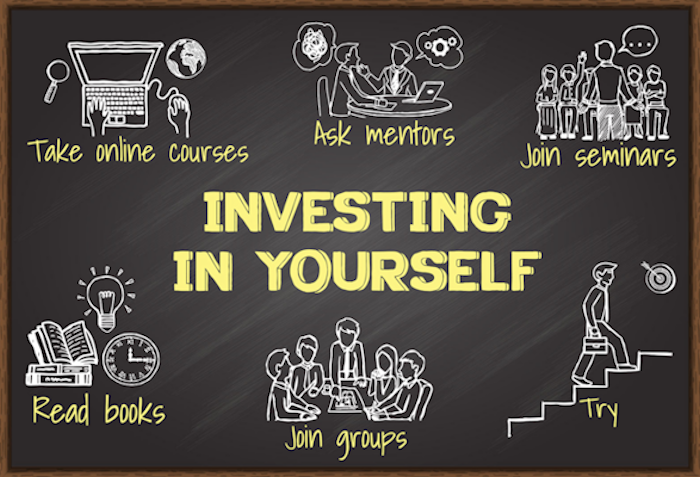
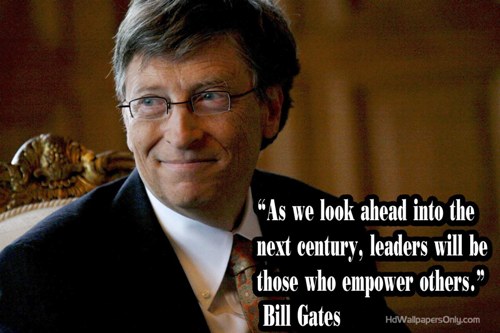
  5. Make personal investments. What habits have you put in place to continue to grow and develop? Habits, not just hopes or goals set somewhere in the distant future. Slater observes: “The world’s most successful people are always prepared to invest time and resources in their own personal development. If you stripped someone like Bill Gates of his assets and dumped him on the street I’d be willing to bet he’d be ok – he’s constantly invested in himself and built up huge reserves of human capital, major companies would be falling over themselves to offer him a job.”  This is where weekly goals come in, and maybe a mentor…someone you trust who will help you stay accountable to your goals. Don’t miss this valuable habit…I definitely need more discipline in this area.Blog - Investing in yourself - salestrainingsolutionsPhoto Credit: SalesTrainingSolutions

I’ve written a lot in Monday Morning Moments about habit formation (see links below). There are so many great resources online about this important professional life skill. Slater’s article on these 5 simple daily habits reminded me again of how possible it is to know success/effectiveness if we do the work of putting these habits into our daily routine. I’m on it…once again. [Like with New Year’s Resolutions, we may not be successful over the long-haul with every one, but we move closer to goal every time we push in that direction.]

What are habits you have seen make a difference in your personal and professional day-to-day life? What habits would you like to make part of your daily routine? Please share in Comments.

15 Critical Habits of Mentally Strong People – Travis Bradberry

Habits of Successful People Who Always Reach Their Goals – SlideShare

Creating a Lasting Early Morning Routine – The Two Most Overlooked Aspects – Joel Gascoigne

Defend Your Research: The Early Bird really Does Get the Worm – Christoph Randler

Focus on Multi-Finishing Instead of MultiTasking – Dave Mastovich

Monday Morning Moment – Notes on Chris Bailey’s Life of Productivity – DebMillsWriter

Monday Morning Moment – Make Your Bed Every Morning and Be Ready to Change the World – DebMillsWriter

Monday Morning Moment – Screen Time – Give It a Rest – DebMillsWriter

Monday Morning Moment – Understanding True Habit Change and Rocking Your New Year’s Resolutions – DebMillsWriter

Monday Morning Moment – Make Your Bed Every Morning and Be Ready to Change the World

Blog - Make Your Bed - habit formation (2)

I make the bed every morning. It’s been a habit of mine most of my life. Somehow in the middle of the chaos and clutter of my life, that made bed stands in hopeful defiance.

Admiral William H. McRaven a highly decorated Navy Seal, retired in 2014 from a 37-year military career. He oversaw Operation Neptune Spear – the military operation that culminated in the death of Osama bin Laden. In the year of his retirement, he was commencement speaker at the graduation ceremony of University of Texas – Austin. Blog - Change the World - Make Your Bed - pinterestPhoto Credit: Pinterest

As he encouraged the young graduates, he told of 10 lessons in his SEAL basic training. Beginning with “Make Your Bed”, they follow in brief (you can watch the video of his speech or read more detailed highlights here).

10 Life Lessons to Change Your World

1. If you want to change the world, start off by making your bed.

2. If you want to change the world, find someone to help you paddle.

3. If you want to change the world, measure a person by the size of their heart, not the size of their flippers.

4. If you want to change the world get over being a sugar cookie and keep moving forward.

5. If you want to change the world, don’t be afraid of the circuses.

6. If you want to change the world sometimes you have to slide down the obstacle head first.

7. If you want to change the world, don’t back down from the sharks.

8. If you want to change the world, you must be your very best in the darkest moment.

9. If you want to change the world, start singing when you’re up to your neck in mud.

10. If you want to change the world don’t ever, ever ring the bell.

Steve Nguyen, Workplace Psychology

Adm. McRaven closed the commencement speech with the following challenge:

“Start each day with a task completed. Find someone to help you through life. Respect everyone. Know that life is not fair and that you will fail often . . . but if you take some risks, step up when the times are the toughest, face down the bullies, lift up the downtrodden and never, ever give up….if you do these things, the next generation, and the generations that follow will live in a world far better than the one we have today, and what started here will indeed have changed the world for the better.”Navy Adm. William McRaven

Commencement speeches are meant to be inspiring, and this definitely hit the mark. What actually stayed with me the most was the formation of habits as key to changing the world – making your bed, building community, enduring with hope, never quitting.

Maybe making your bed isn’t the one small task completed that makes for the foundation of the many larger tasks of your day. Whatever your particular routines or habits, they are worth considering for the weight of importance they might have in your life…with the possibility, even, of changing a world.

What habit or routine gets you started well each day? How do Adm. McRaven’s 10 Lessons of Basic SEAL training resonate? Maybe “changing the world” is too big a goal for a Monday morning, but whatever the goal, where do we begin to take aim?

How to be a Success at Everything – How I Became a Morning Person, Read More Books, and Learned a Language in a Year by Belle Beth Cooper

Make Your Bed Each Morning to Kickstart Better Habits by Eric Ravenscraft

Why Making Your Bed Every Morning Matters, According to a Navy Seal by Dave Greenbaum

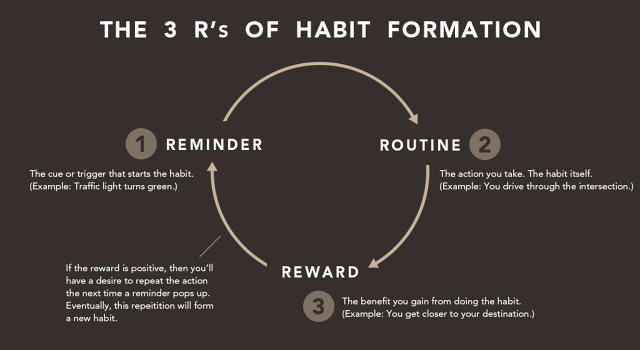
BLog - 3 R's of habit Formation - fastcompanyPhoto Credit: Fast Company

Monday Morning Moment – Stewardship – Stewarding My Part Well in Today’s Workplace

Blog - Stewardship - work.chronPhoto Credit: Work.Chron

All of life is stewardship. Doesn’t it make sense? Our jobs, our relationships, our personalities, and our future have multiple layers. When we think of stewardship, rather than ownership, or entitlement, or giftings, or personal rights, we take on a much broader, healthier view or life. Writing about it previously here, I wanted to focus more, this time, on our workplace.

In 1993, Peter Block wrote a revolutionary book entitled Stewardship: Choosing Service Over Self-Interest. He updated and expanded it twenty years later (in 2013). Block defines stewardship as “the willingness to be accountable for the well-being of the larger organization by operating in service, rather than in control, of those around us. Stated simply, it is accountability without control or compliance”.

Words mean things.  When we use the word “steward”, we loosen our grip on ownership – of our job, title, product, and work relationships. However, we do not loosen our commitment on personal responsibility. This is the gem of stewardship – a gem in the workplace that can be mined by each one of us.

Years ago, in nursing school, we used Virginia Henderson’s definition of nursing which focused more on facilitating the patient’s return to caring for him/herself than on the “giving care” component we often think of with nurses. Nursing as stewardship. When our children came along, we as parents would need to decide whether to home school or put our children into a private or public school.  Another parent gave us wise counsel: Whatever your decision, you are responsible for your children’s education, some of which you may contract out to other teachers or institutions. We, as parents, were stewards of our children’s education.

In the workplace, we have heard the word steward used in the service industry: union shop stewards, ship stewards, stewards on airlines, stewards of estates. However, the stewardship that Block describes can proliferate at all levels, especially if our leaders set this value and mindset. What if an organization determined to have an inclusive model of accountability where all employees operated by serving, rather than controlling, those in their influence (colleagues, customers, vendors)?  What if we chose to apply ourselves to the work before us, with deep personal care and commitment, rather than under a boss’s control or need for our compliance?

Stewardship as a concept and value is both time-tested and trendy. Check out REI‘s commitment to customers in delivering quality outdoor gear…and also to its employees. Stewardship.Blog - Stewardship - slideplayerPhoto Credit: Slideplayer

My first encounter with this word, stewardship, was as a child hearing the parable of a master preparing to leave on a journey. He entrusted the three servants with some measure of his wealth (talents). Their master had given each varying amounts of money, according to each servant’s ability. The master would be away for some period of time and meant for his servants to “steward” the money. Two servants invested his money in such a way that each doubled the amount entrusted them. The third servant, fearing the master (and possibly lacking confidence in his own ability), hid the money entrusted to him. He only had what he’d received in the beginning to give back to the master. The first two servants were rewarded for their faithfulness, care, and initiative, but the last cautious, fearful servant suffered the consequences of his inaction.

There is much to learn about stewardship from this old story. Stewardship is taking personal responsibility and interest in quality of service or product and depth of relationship. Like in the story, it could mean taking risks ourselves or with each other (especially leaders entrusting other team members with decision-making and design). It means empowering others in discussions and details that we might prefer keeping for ourselves (except that we are stewarding toward a larger outcome). It means making investments in others and in the over-all organization. Stewardship is the embodiment of employee engagement…all-in, whatever it takes, for that greater good. Lastly, the story spoke to rewards for those diligently stewarding what was placed in their care, and the consequences of those who refuse to be engaged…which leads to a place nobody really wants to go.quotes of bill gatesPhoto Credit: Quotesgram

Leaders and managers who are willing to give up control and who genuinely care about their employees and customers become true stewards themselves. They set the standard for stewarding across a company. Whether leaders are on board or not, any of us can still have ownership of a new-old way of thinking and practice. We can steward well what is our responsibility or under our influence. Again, this type of “ownership” is not about owning the job, the product, or the relationship. Stewardship is the owning of our personal responsibility – our piece of what could be excellent, and our piece of what’s not going well, and applying our experience, knowledge, giftings, and heart to benefit all touched by our service. Our stewardship.

BLog - Stewardship - 2 - whatcomlandtrustPhoto Credit: Whatcomlandtrust

What are your stories? Do you see the impact of your stewardship? Of the stewardship of others? Could you see how this might color the culture at your workplace? Is your company one where top-down, bottom-up, people care about each other and what they’re doing? It shows…if you are, or if you’re not. Stewardship.

Blog - Stewardship - John Wesley - QuotesgramPhoto Credit: Quotesgram

Monday Morning Moment – All of Life Is Stewardship

Stewardship: Choosing Service Over Self-Interest (2nd Ed.) – Peter Block

Five Lessons for Our Lives From the Parable of the Talents – Hugh Whelchel

Monday Morning Success – How Biblical Stewardship Transforms Your Work – Hugh Whelchel

Blog - Stewardship - Winston Churchill quote - ololmke

Photo Credit: OLOLmke

Monday Morning Moment – Belonging and Going Deep and the Blind Presumptions that It’s Actually Happening When It Isn’t

Blog - Belonging 2 - forbesPhoto Credit: Forbes

“The culture you create or the culture you destroy will determine the success of your business.”Mark C. Crowley

As much as we might like, we can’t equate smiling and greeting folks we pass in the hallway with real community. Worse, just making a beeline to the elevator, conference room, or office  with a studied, problem-solving look on your face does not instill confidence or credibility to those colleagues in the wake of your path to organizational excellence.

Sorry.

I’m not sure how well any of us do at creating a community of going deep or giving those around us a sense of belonging. What could help is periodically wrestling with our presumptions about work culture and employee engagement (I write about this often in this blog’s Monday Morning Moment. if you’re interested, just search here). Then make the changes that would grow such a work culture.

Going deep with employees and helping them have a strong sense of belonging are too rarely on the agenda of executive leadership. I don’t understand how that is, really, given all that’s written about it in the leadership press and all we learn from the companies experiencing growth/success. It seems a wee bit short-sighted.

Here’s the heart of it: Employees know whether they are valued and whether their organization is invested in them. Occasional fun days and gift cards to Starbucks offer a bump in the workplace routine, but the outcome will have little impact on overall employee satisfaction, performance, customer service or product excellence.

A culture where executive management, department heads, and team leaders go deep with their employees is possible, once the blinders are removed . What does that mean? It means dealing first with our presumptions and marshalling our efforts away from crazy and toward a culture of transparency and inclusiveness. It may entail perks and benefits, but more than that, such a culture thrives when personnel are proud to belong to such an organization, and their leaders know their people and strive to develop and honor them.Blog - Belonging 3 - flickr Christian BourdeauPhoto Credit: Fast Company

If, as a leader or manager, you have known success in mentoring a few, a small tribe of cohorts, then you can enlarge that to an organization-wide campaign that resets values and encourages and equips employees at all levels.

It’s worth the short-term cost to you for the long-term benefit of the organization and the individuals that make up your work community.

Bottom-line:

Andrea Huspeni writes: “How leaders choose to implement culture is everything. Some may think having the occasional happy hour, yoga session or trivia night will cut it, and while these perks help, culture runs much deeper than that. It needs to ignite inspiration, motivate teams to outperform the competition and allow employers to grow and produce results for the business. A successful high-performance culture has much more to do with the not-so-exciting tactics like transparency, support and communication than with a Ping-Pong tournament.” – Entrepreneur

Blog - Belonging - slidesharePhoto Credit: Slideshare

Please don’t miss the links below. Also, writing this, I thought of how these concepts apply to organizations other than businesses – including churches and other non-profits. What a difference you can make if you leave off judging the health of an organization by assessing how those closest to you are doing…and take on the whole health of your organization. There’s a lot at stake and it’s worth the effort of checking out your presumptions…learned this the hard way.

6 Surprising Insights of Successful Employee Engagement by Mark C. Crowley

Create Pockets of Excellence at Your Workplace by Shawn Murphy

Clarity and belonging – More Ways for Developing Pockets of Excellence by Shawn Murphy

7 Practices of Leaders Who Build Healthy Workplace Cultures by Brian Dodd

By the Numbers – Here’s What It Takes to Be a Top Company Culture (Infographic) by Greg Besner

8 Companies Reveal Their Secret Sauce to a High-Performance Culture (Video) by Andrea Huspeni

5 Ways Leaders Must Build a Family Environment to Achieve Excellence by Glenn Llopis

Can’t-Miss Advice: 8 Business Leaders Share How to Cultivate a Successful High-Performance Company Culture by Kim Lachance Shandrow

15 Powerful Team-Building Quotes – SlideShare

Monday Morning Moment – Creativity in Community – the Skill of the Future

Blog - Creativity - creativeskillsforlifePhoto Credit: Creative Skills for Life

When you hear the word “creatives”, you might immediately think of 20- or 30-somethings. They are classed as young “color-outside-the-lines” right-brain “think-outside-the-box” sorts of folks…who sometimes make the rest of us nuts. You might think of the artists, writers, and musicians out there. However, in truth, creatives include all those people who solves problems, including the ones who set up problems and then solve them. They are the inventors, the entrepreneurs, the designers, the planners who have the capacity to make our lives better…to even make the world better.

Hanneke Siebelink (of LeadershipWatch) just wrote a piece on the top skills of the future. She pointed to a graphic from the World Economic Forum which showed, over the course of 5 years, how creativity will jump from #10 to #3 in a Top 10 Skills List.Blog - Creativity - weforumPhoto Credit: WEForum.org
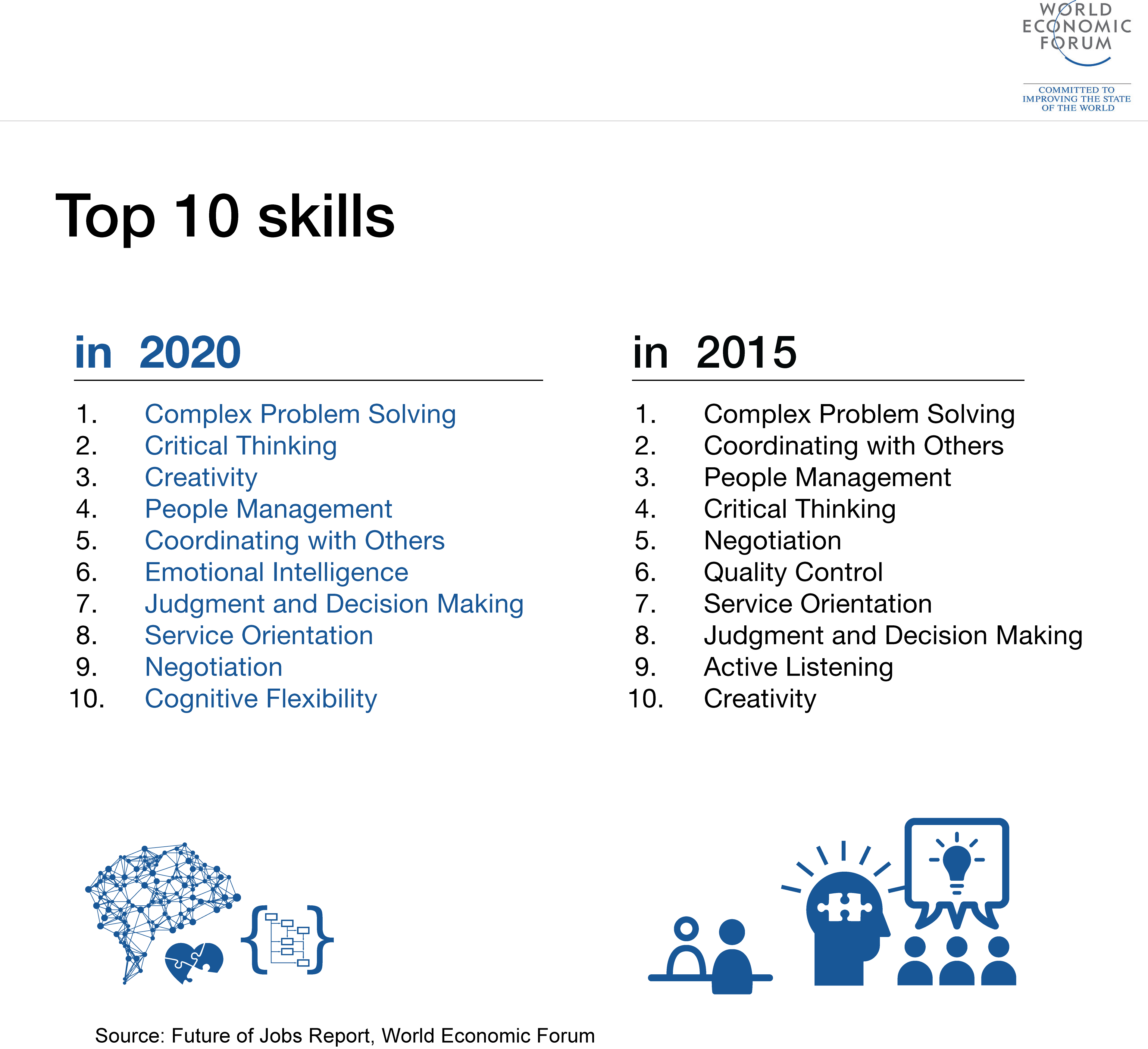
What does that sort of creativity entail? Is creativity alone enough?

Richard Florida wrote extensively on this in his book The Rise of the Creative Class. He defines the Creative Class as “people in science and engineering, architecture and design, education, arts, music and entertainment whose economic function is to create new ideas, new technology, and new creative content.”Business Insider

Writer Jeff Goins also defines “creatives”:

A creative is an artist. Not just a painter or musician or writer. She is someone who sees the world a little differently than others.

A creative is an individual. He is unique, someone who doesn’t quite fit into any box. Some think of creatives as iconoclasts; others see them as rebels. Both are quite apt.

A creative is a thought leader. He influences people not necessarily through personality but through his innate gifts and talents.

As fascinating as Florida’s writing is, I disagree with his premise that creatives are their own class of people, because I believe it’s within any of us to develop our capacity for creativity. Those of us who might be suspect of Florida’s promotion of the Creative Class would do well to read the critiques of his thinking (this and also this are excellent).

When people in our communities or workplaces class themselves as distinctively creative, they tend to operate in a tribal fashion. These tribes may even be quite diverse, but too often, I believe, they operate to satisfy their own needs and desires rather than that of the larger workplace or community. Thus in the workplace, decision-making is made by the few like-minded thinkers, that tribe of influential creatives. And communities? Where such a population of creative, expansive thinkers could enhance the appeal and value of a neighborhood, too often, , and communities can steer in the direction of gentrification, becoming less inclusive, making housing less accessible even for those who were there before.
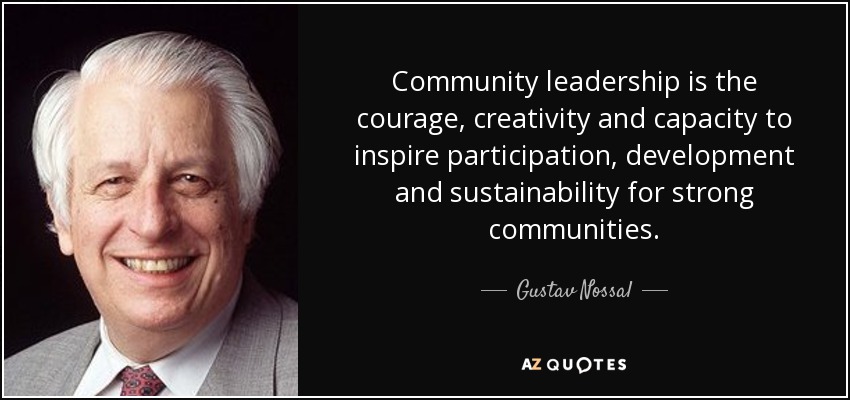
Blog - Creativity & Community Leadership - azquotesPhoto Credit: AZQuotes

My bias in how creatives work best is in community – not just a tribe of creatives, but in a community of folks with other giftings,  other strengths,and other history.

However, all that being said, I do love the increasing view that creatives add value to any enterprise. My husband, for many years, was a research chemist who developed new products and was awarded several patents for his company. Even today, outside the chemical industry, he continues to be creative in thinking through new pathways toward solving problems, getting to goal, and developing personnel.

Even Florida in his revised and updated book recommends a compact dealing with creatives. His first (of 6 principles) is: Invest in Developing the Full Human Potential and Creative Capabilities of Every Single Human Being. It’s somewhat grandiose but it’s a worthy goal. Having this principle in play would promote a workforce where employees are encouraged to always be thinking and engaged in both today’s work and what changes must be made for the future.

Along these same lines, I love Howard Gardner’s Five Minds for the Future:Blog - Creativity - slidesharePhoto Credit: Slideshare

As creatives are sought after more and more in our workplaces (om both private and public sectors), I hope we also encourage them to build strengths in other areas of their thinking (or mindfulness). For those colleagues of ours who might not consider themselves creative, we need to communicate across organizations as to their value as well. This would include our creatives to gain from what other bring to the table.

I would like to think that I’m a creative…in ways, maybe, born out of time. Early on in my career, I had the privilege of working as a team with other colleagues in developing and implementing cancer care in a small town in the Southeast. It was thrilling for me to be part of such an innovative and comprehensive system of care where we could actually plan and dream for the future.

Three of us, in particular, worked as creatives in community. I was a content specialist and idea person. Kay was the nurse manager who brought vision and authority to the task. Kathy was a clinician with steely resolve and the determination to take the ideas to completion. We were a force to be reckoned with…just saying.

We all have different giftings and strengths. My influence was helpful but Kay’s authority settled matters. My ideas were large and lofty (sometimes), and Kathy’s keenness for how to make those ideas work were what brought them into reality.

That’s how creatives work in community. I think of top skills for the future that “in community” piece would be essential for creatives who want to make a lasting difference…not just for their own purposes at work but for the benefit of the larger community.

A hugely successful example of this is the work culture and philosophy of Pixar & Disney Animation which I wrote about here.

Daan Roosegaarde in Siebelink’s article talks about creativity in community: There are two ways to turn an idea into reality. You can play bowling, or you can play ping pong. The old way, at least that is what I think, is bowling. You have that ball in your hand and it’s so big, it is so heavy, it shines so beautifully. Then you throw that bowling ball and pray it will hit target.

I no longer believe this is a good way to create and innovate. I believe in playing ping pong: you take a tiny little ball, not expensive, and there you go: poek poek poek poek … and you create something together. And THAT is nice, this is how I create, this is how I learn.”

Bring on these kinds of creatives any day!

Skills of the Future: The Best Expert Advice on Creativity

The Rise of the Creative Class — Revisited (Revised and Expanded) by Richard Florida

The Creative Compact – Richard Florida – Huffington Post

Creativity – the Unique Soft Skill – Slideshare

6 Ways to Make Your Leadership and Workplace Fun Again

Creativity, Inc. – Overcoming the Unseen Forces that Stand in the Way of True Inspiration by Ed Catmull


untitled

Monday Morning Moment – Kindness Over Cleverness – Work Culture Where Employee Satisfaction Impacts Marketing

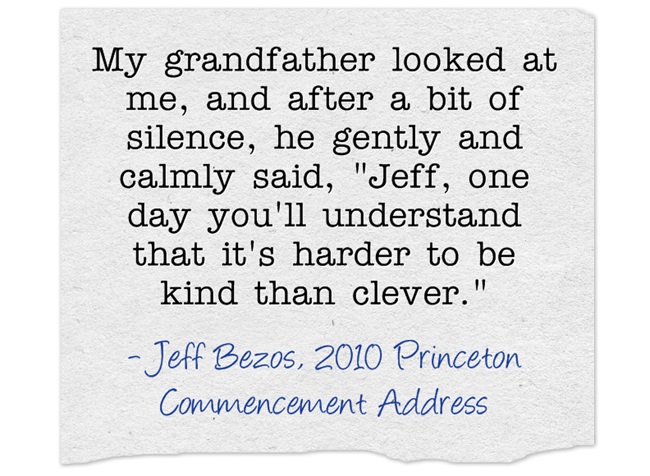
Blog - Kind over Clever - Jeff Bezos - scoopnestPhoto Credit: Scoopnest

Quite remarkably, I recently came across several articles on kindness, of all things, in the Harvard Business Review. It was thrilling for me to see it commended as a business process in such a prestigious journal. I have loved the idea of kindness since early childhood. It seemed such a reasonable choice in dealing with others, much more pleasing than cleverness. [Now, if I were more clever, then it might have proved a harder choice.]

Although we were not in church as young children, my mom taught us the Disney form of kindness: “If you can’t say something nice, don’t say nothing at all.” – from the film Bambi.

When we, later in my childhood, became involved in a church community, I discovered the great teachings of God about kindness, which further stoked my resolve. Whenever possible, acting in kindness was the right choice…in personal relationships and in the workplace.

These days, in tight-knit tribal leadership and competitive companies, kindness is too often sacrificed for the bottom-line. You can imagine how refreshing it is for me to see that business thinkers and strategists are taking note of the profitability of kindness as a process – both internally (organizational human relations) and externally (marketing). A work culture of strategic, intentional kindness – just think of that!

If you go to Harvard Business Review’s website and search the word kindness, all sorts of articles pop up. I was most intrigued by Bill Taylor’s pieces on “kindness over cleverness”. He is the founder of Fast Company magazine and author of Practically Radical. He tells stories of companies who have been successful in practicing kindness strategically. He is inspired by Jeff Bezos’ experience growing up with a wise grandfather who taught him to choose kindness over cleverness. That story is told by Bezos himself in the TED Talk (linked below).Blog - Kind Over Clever - Jeff Bezzos - nepc.colorado.eduPhoto Credit: National Education Policy Center

Ted Talk Video – Jeff Bezos, Founder of Amazon – Princeton Commencement Address on What Matters More Than Talents – Gifts vs. Choices

If we wanted to take individual (and corporate) kindness up several notches in our workplace and workforce, what would those processes be? What would we have to give up  in order to raise employee satisfaction to such a level that it extends to product excellence and customer service? For leadership, it might be giving up some control and extending a kinder and wiser empowerment, For employees, it might be giving up a timid fatalism and risking a kinder boldness (less of “the great Oz” scenario). I would love to hear what business processes you have in place that celebrate kindness over cleverness. What kind of work culture does your leadership model and cultivate? What can you do yourself, whatever your leadership culture is? See Matt Monge’s article on leading without a title.  [Please share in Comments section below.]

We have a choice, after all.

I hope to write more about this because it is intriguing to me how our own delight in our work and product can pour over into our profitability and success.

For today, I close with some of my favorite quotes from these Harvard Business Review articles:Blog - What Can I Do Right Now - Heres-the-question-Id-q57pgs - larry ferlazzoPhoto Credit: Larry Ferlazzo

“Kindness has a strategic role to play, especially when it comes to winning over customers in an intensely competitive and slowly recovering economy.”Jeffrey F. Rayport

Success today is about so much more than just price, quality, reliability – pure economic value. It is about passion, emotion, identity – sharing your values.”Bill Taylor

Success is not just about marketing differently from other companies…It is also, and perhaps more important, about caring more than other companies — about customers, about colleagues, about how the organization conducts itself in a world with endless opportunities to cut corners and compromise on values…You can’t be special, distinctive, and compelling in the marketplace unless you create something special, distinctive, and compelling in the workplace. How does your brand shape your culture? How does your culture bring your brand to life? – Bill Taylor

What is it about business that makes it so hard to be kind?” I asked at the time. And what kind of businesspeople have we become when small acts of kindness feel so rare? …By all means, encourage your people to embrace technology, get great at business analytics, and otherwise ramp up the efficiency of everything they do. But just make sure all their efficiency doesn’t come at the expense of their humanity. Small gestures can send big signals about who we are, what we care about, and why people should want to affiliate with us. It’s harder (and more important) to be kind than clever.”Bill Taylor

Compassion is a great equalizer. When you approach others with genuine concern for their well-being, your standing in the organizational hierarchy is less of a barrier to a productive conversation…Kindness, in other words, is rarely inappropriate.Allison Rimm

Is Kindness a Strategy? – Jeffrey F. Rayport

Brand Is Culture, Culture is Brand – William C. Taylor

It’s More Important to Be Kind Than Clever – William C. Taylor

Why Is It So Hard to Be Kind? – William C. Taylor

10 Ways You Can Show Leadership Without a Title – Matt Monge – The Mojo Company

To Guide Difficult Conversations, Try Using Compassion – Allison Rimm

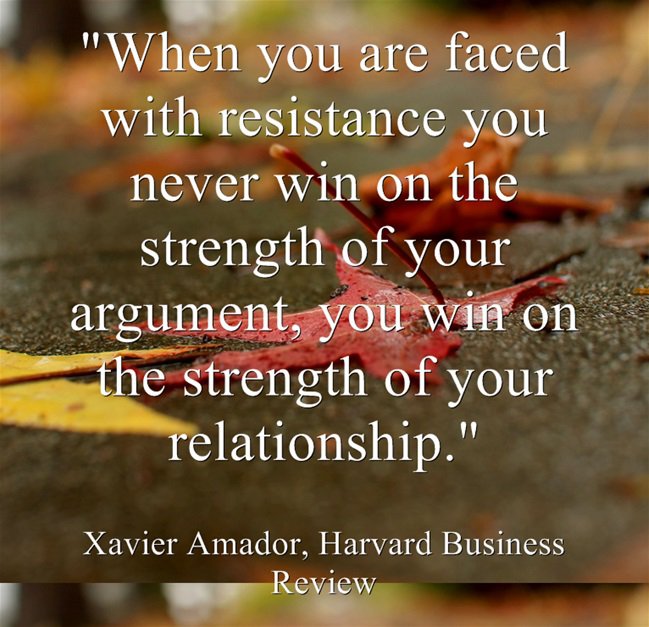
Blog - Relationships vs. Resistance - Leadership - Larry FerlazzoPhoto Credit: Larry Ferlazzo

Monday Morning Moment – Change at Work – Moving Forward and Letting Go of the Past

IMG_3135

For two years, I had the extraordinary experience of writing for a work team put together by the president of a company to develop something really new. It was a phenomenal and humbling experience for me to observe a small and capable team taking a vision and fleshing it out for the broadest application possible.

The conference room had whiteboard walls where big ideas and wild possibilities were sketched out. Then the conversations expanded, adaptations were made, others (both inside the company and out) added ideas, and a process was born that could have tremendous impact on the company’s overall mission.IMG_3140

However…things can change. The budget tightens; the team breaks up; the company gets sold. Or maybe it just wasn’t the right time. Sometimes, a work has to be put on hold or transferred to the hands of another team or… fill in the blank.

One by one, the members of the team take other jobs, retire, or move into other assignments within the company. It happens.

The white boards go white again. The cubicles are cleaned out. The name cards are removed. The phones ring elsewhere. The mail is diverted to other places. IMG_3122IMG_3120IMG_3121IMG_3138

Is it as if this great creative thing never happened? Absolutely not!

One day, it will be the next right time, with the next adequate resources, and with the next trusted team. Never having to start at ground zero again…because of this team…and this time…and the work brilliantly accomplished together.

Moving Forward (2)

Somebody will always be the last person out, but each takes their memories with them…their experience…the wisdom gained…the relationships. Those are not left behind or placed in boxes. Those intangibles are the most real gains of our work lives.IMG_3128

In the long-running TV comedy series, The Office, Dwight Schrute watered the plant. No one noticed until he left the job, and the plant began to die. In the finale of the show’s last season, his office mates replanted it outside.IMG_3117 What a great metaphor in thinking about the varying gifts each of us brings to our jobs. At times, in our workday world, we don’t realize all that our colleagues bring to the team or company…until they are gone (re-assigned or in a job/situation elsewhere). It’s a good thing to remember and celebrate…and then…there comes a time when moving forward is the order of the day.

[Sidebar: To that precious one who did keep the plants alive for this team, all the others are still living and relatively healthy. Sorry about this one. Thanks for all the beauty you brought to this office.]

While going through this process of chronic transition, a friend has recommended a great book by William Bridges: Transitions: Making Sense of Life’s Changes. Bridges talks the reader through the three different phases of transition and gives practical strategies for dealing with these sometimes confusing and painful times.

“We resist transition not because we can’t accept the change, but because we can’t accept letting go of that piece of ourselves that we have to give up when and because the situation has changed.”   – William Bridges

I have a little desk toy that when you press it, a nasal electronic voice sounds “Moving Forward!” It is exactly what we needed to do, and we’re doing it.Moving Forward

You can only look back for so long. At some point you have to move forward. Moving forward is a good thing… Besides getting on with our life and work, it gives impetus to let go of whatever would hold us back whether good or bad. We learn from both and take both with us moving forward…hopefully in such a way that we celebrate what was good and we take heart in and wisdom from whatever the hard experience we leave behind. We move on.

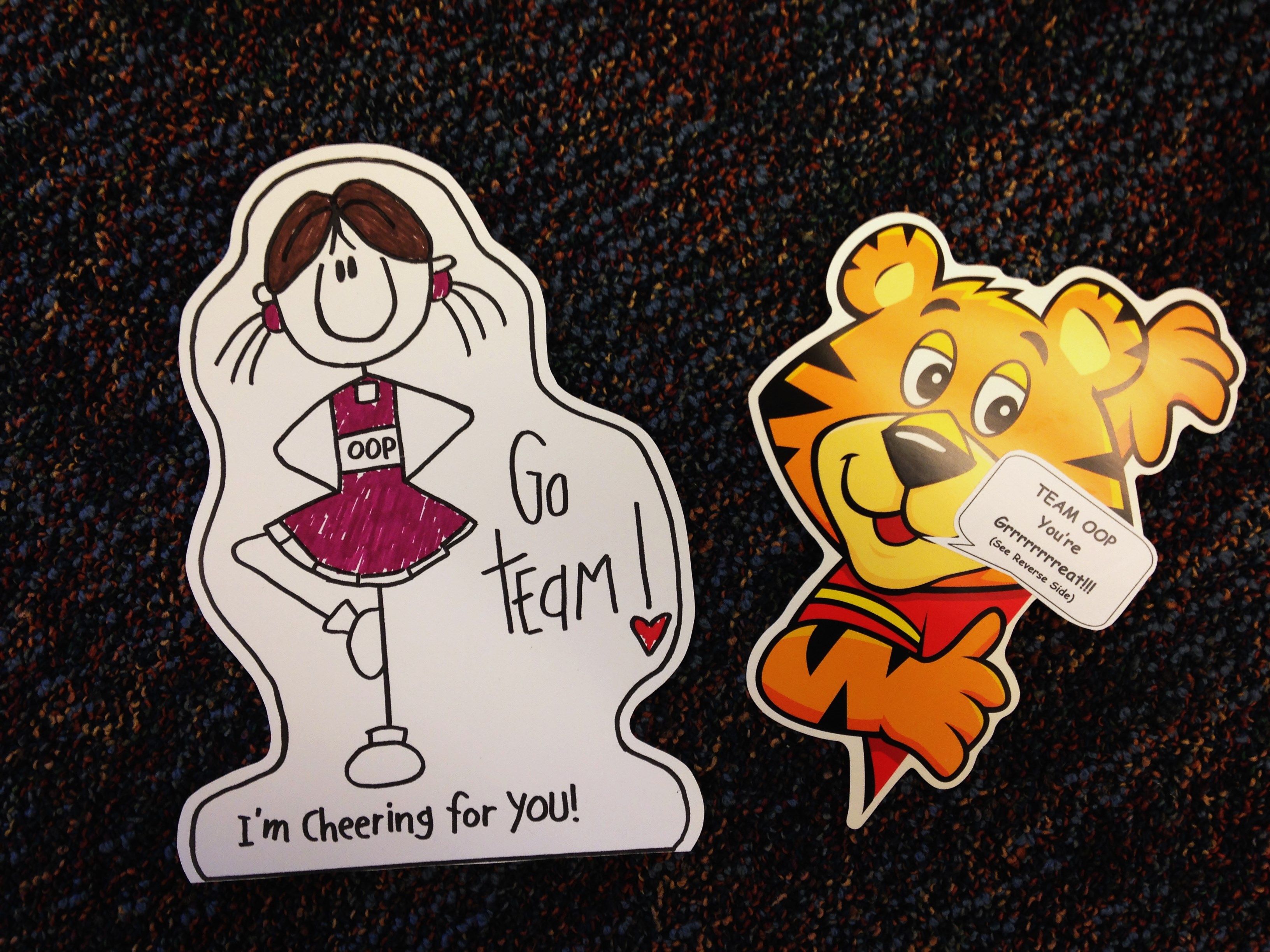
In this last day of packing up and moving out, two little team-building signs from a by-gone era surfaced in the bottom of a drawer. The irony wasn’t lost. IMG_3137For you who were on this team and any who find themselves in a similar situation, I’m cheering for you. You, indeed, are great! Of course, no team today can ever really claim to be creators of a ground zero innovation or body of work. For sure, we all stand on the shoulders of giants

I wrote a series of articles on Jon Acuff’s book Do Over – Rescue Monday, reinvent Your Work, and Never Get Stuck. [Two pieces are referenced below.] Acuff gives great counsel to anyone struggling in the process of moving forward. I’d like to close with a couple of his quotes on moving forward.

“Master the invisible skills – Go to work; add value; own your attitude. – Jon Acuff

“Is living with the chaos of a decision easy? Not really… I try to create [chaos] sometimes as a way to hide from something else I’m afraid of. When real chaos comes…don’t fight it. If anything, lean into it. ‘Easy’ and ‘adventure’ very rarely travel together.” – Jon Acuff

What has helped/is helping you to deal with a current (or past)  disappointing work situation? Please share your story in comments below.

Jon Acuff on Character at Work – 9 Quotes & a Challenge – Part 4 of the Do Over Series

Jon Acuff on the Role of Hustle in Taking Hold of Career Opportunities – Notes & Quotes – Part 5 of Do Over Series

Do Over – Rescue Monday, Reinvent Your Work, and Never Get Stuck by Jon Acuff

Transition: Making Sense of Life’s Changes by William Bridges

The Challenge of the Prolonged Neutral Zone Era – (Insight from William Bridges, Managing Transitions) – Really good synopsis on this troublesome prolonged transition

Blog - Look Back, Look forward - Nourish the dream