Category Archives: Leadership

The Shepherd and His Sheep – We Want for Nothing – The Unity of His Word to Us

Blog - Sheep & Shepherd - bpnews.netPhoto Credit: BPNews.net

Thus says the Lord GOD, “Behold, I Myself will search for My sheep and seek them out. “As a shepherd cares for his herd in the day when he is among his scattered sheep, so I will care for My sheep and will deliver them from all the places to which they were scattered on a cloudy and gloomy day.” – Ezekiel 34:11

What a joyful thing to know that God, as our Shepherd pursues us and will care for us through all our days, even the most gloomy ones. We are in a season of life when we really need to hear from God on a time-sensitive matter. There are moments in these days that we strain to hear and wonder if we will. Then a passage, well, a couple of passages, pierces through that momentary silence. Our faith is renewed and riveted on the Good Shepherd…and we wait on Him.

Yesterday, Dave and I were at a leader training through Movement Church. Pastor Cliff led us through this worship exercise. As a group, we stood and read Psalm 23, together and out loud. We read it 5 or 6 times. About the 4th time, he led us to whisper it. I was so moved by this. It was like being with David, the author of the Psalms. I thought of him, possibly whispering these words, as comfort to himself and to his men. Maybe they were in hiding from the murderous hordes of King Saul. Or maybe they were in the quiet of their camp, sorting out the confusing betrayal of David’s son Absalom. I could hear that shepherd-king David, whispering those words to a God who loved him and would never leave him.

Then we read again in a louder voice, almost a battle cry. Then back to regular volume…and done. Done and transformed.

[You might want to take the time to do this as well. A beautiful experience.]BLog - 23rd Psalm

After we finished this, we reflected on the God who shepherds us – who perfectly knows His sheep, faithfully feeds His sheep, leads us and protects us. Psalm 23 points us to that Good Shepherd.

Then Cliff took us to Ezekiel 34. You know those times when you re-read a familiar passage and it’s as if you are reading it for that very first time? That was my experience. To see the glorious unity between Psalm 23 and Ezekiel 34 reminded me all over again how I love how God draws us to Himself through His Word.

In Ezekiel 34, the people of God were in a difficult place (vv. 1-10). Those shepherding them at the time did not know these “sheep”. They did not feed the sheep, selfishly caring for their own needs over that of the flock. They did not lead – leaving them to scatter. They did not protect them. It was a timely warning and indictment for us in leadership if we lead without caring for the people as God cares.

Then the prophet Ezekiel spoke a word of deliverance from the Lord to His people (vv. 11-22). God Himself, who knows His sheep, would gather them. He would feed them. He would lead and protect them. We are His sheep, and no matter our circumstances, we can rest in His Word that He will not leave us in our difficult situations alone.

Finally, the Lord speaks into the future of His people (vv. 23-31).

“I will appoint over them a single shepherd, My servant David, and he will shepherd them. He will tend them himself and will be their shepherd. I, Yahweh, will be their God, and My servant David will be a prince among them. I, Yahweh, have spoken.” – Ezekiel 24:23-24

King David, who penned Psalm 23, had long since died. There would come One from the lineage of David who would be this Good Shepherd. The Word and Promise of God in human form – this glorious anointed one, Jesus. Thus we are taken from the Psalms through the Prophet Ezekiel to the Gospel of John in the New Testament.

“I am the good shepherd, and I know My own and My own know Me, even as the Father knows Me and I know the Father; and I lay down My life for the sheep. I have other sheep, which are not of this fold; I must bring them also, and they will hear My voice; and they will become one flock with one shepherd. “ John 10:14-16

This Sunday morning is bright with promise of a God who shepherds us. As we wait to hear His direction in our lives, we can stand on His promise that He knows us and our need, He will lead us, He will feed us, and He will protect us. If that doesn’t lead us to worship, I don’t know what would.

The Story Behind the Psalms

Grit – When You’re Hurtin’ But Not Quittin’ – the Role of Personal Resolve and a Team Alongside

131118-Z-WM549-015Photo Credit: Pacific News Center

Diligence is a word that defined my many years in learning Arabic while we lived overseas. Keeping at it, even when I wanted to quit, helped immensely. The joy of living life in a second language is worth all the work. Diligence is a great assist to staying on course, but it is not “grit”.

I saw grit at work recently in a group of servicemen, in Virginia Beach, doing their morning exercise. [Not the picture above but that image has its own neat story of grit]. We had taken a couple of days away from the city to get our breath, by the ocean. Walking on the boardwalk early in the morning, we encountered this small group of airmen from the nearby Naval Base, doing a group jog. We saw them starting the run and saw them again coming back – 6 miles total. Most of them were young, thin, and fit.

What caught our eye, in particular, were two men in mid-life, carrying a bit of weight, bringing up the rear. Approaching the end of that run, they looked like they were hurting, but they definitely weren’t quitting. I’m sure to stay as fit as the rest of the group was, a certain measure of grit was at play…but these two, in this snapshot of life, showed the grit that brought me to write today.

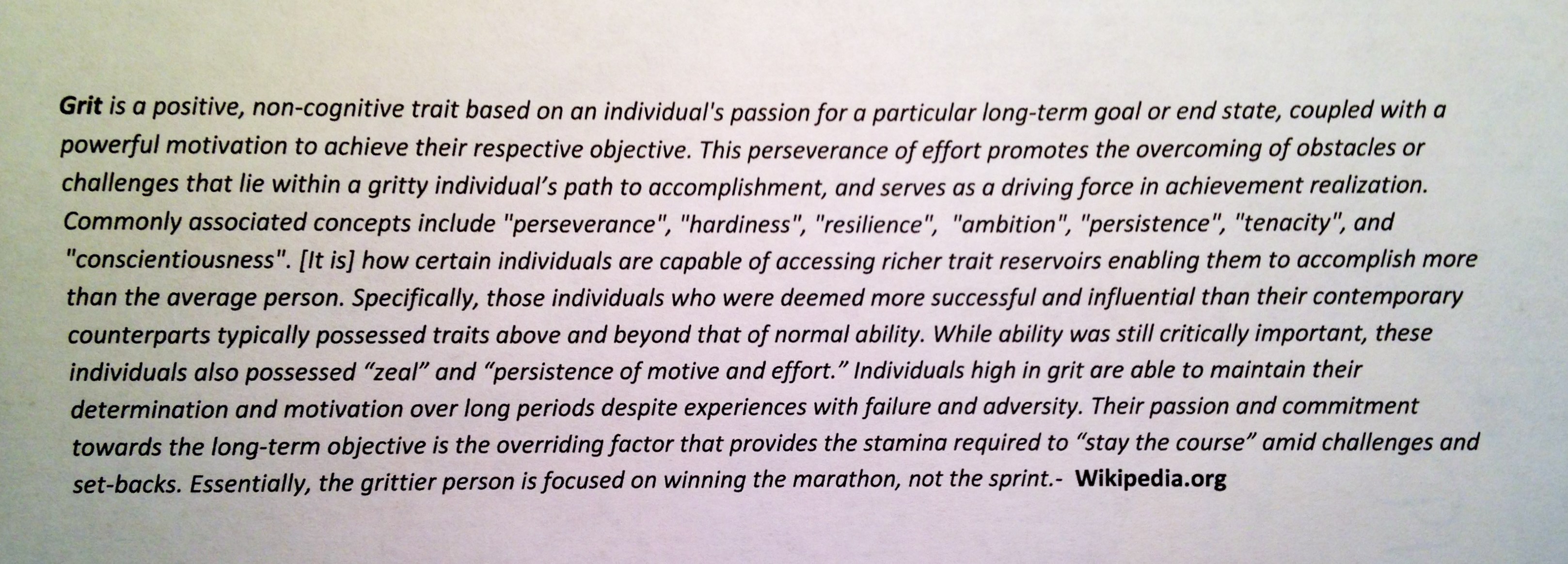
Wikipedia.org defines grit as a character trait  of applying passion and perseverance over time toward a goal, end state or objective. Grit goes beyond ability and can withstand failure, keeping the end goal in sight, and pushing through to it.Blog - Grit - Definition 2

Bill Hybels, at the Global Leadership Summit 2015*, talked about grit as “one of the greatest indicators of success”. Gritty people, he said, are the ones who “play hurt” and rarely ever give up. “They expect progress to be difficult, but believe with their whole being that they can be successful if they don’t quit.” It’s “The Little Engine That Could”. Abraham Lincoln. Nelson Mandela. Gandhi. Martin Luther King. Hybels also encouraged the audience that grit can be developed. From childhood through adulthood.

Jon Acuff (author of Do Over) defines grit as “stubbornness in the face of fear“.  In his book, he gives a short list of what’s needed in making gritty decisions (in the “hustle” of work):

  • Time – we think the world “hustle” has to mean fast, but it can also mean focus, intention, pace.
  • Counsel – Lean on your relationships. Some of the worst decisions are made alone. Who are your advocates? Have you given them time to reflect on it or are you rushing right by the wisdom they have to offer? Let them speak into it. A year from now, looking back on the decision, you’ll be glad you made it as a team.
  • Questions – Always ask awesome opportunities, awesome questions. We skimp on due diligence. “What am I not seeing right now?”
  • Kindness – Give yourself permission to make the wrong decision, because…you’re going to. Break the tension of feeling like you’re going to be perfect by giving yourself some kindness from the outset.
  • Honesty – When you look back on a decision, remember that you made that decision with the best information you had at the time.

As we saw those two older heavyset men running just behind their younger airmen colleagues, we saw men with a goal in mind. There was also something more – the cadence to the group’s run that seemed to work to keep them all together. Whether at work or in family relationships, we want to do all we can to help those gritty ones be successful. Their resolve may get them to the goal anyway, but we all benefit when we are able to “stay on course” together.

Have you “grown gritty” over your lifetime? Are there gritty folks in your life who you love to champion? Tell us about them below.

*Session 1: Bill Hybels Opening Session – Global Leadership Summit

Wikipedia Article on Grit

The Truth About Grit

The Grit Test

Jon Acuff on the Role of Hustle in Taking Hold of Career Opportunities – Notes & Quotes – Part 5 of Do Over Series

How to Make Grit Decisions and Built a Grit List by Jon Acuff

Do Over: Rescue Monday, Reinvent Your Work, and Never Get Stuck by Jon Acuff

Does Teaching Kids To Get ‘Gritty’ Help Them Get Ahead?

Efficiency, Effectiveness, and Adaptability – The Very Human Side of These Business Processes

Blog - Effectiveness vs. Efficiency

Photo Credit: digital-knowledge.nl.dikn/en

I will never forget when an elder statesman in an organization (both dear to me) was “let go”, so to speak, because of a need for more “bang for the buck”. The expression was so toxic then and still carries a deep pain. It speaks to the tension between efficiency and effectiveness, and the pressing need for adaptability as our world rapidly changes. At the same time, we have to remember, in almost all situations, it’s people in the mix of these business processes.

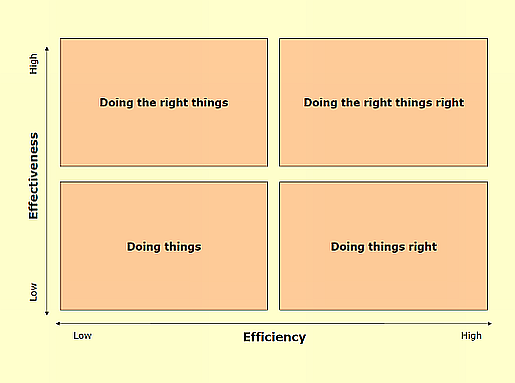
Efficiency is a good thing. However, it must be secondary to effectiveness. Effectiveness is primary always. How best to assure both is to build an organizational culture of adaptability.

Tom Coyne has defined effectiveness, efficiency, and adaptability brilliantly in a published 2-page pdf*. Here they are:

“Effectiveness measures the extent to which the results you have achieved match your goals.” Strategy leaders set those goals, and the goals determine who does the work, when, where, and how.

“Efficiency measures the amount of scarce resources used to obtain the results achieved.” His use of the term “scarce resources” is thought-provoking. When we focus on efficiency – getting the most benefit from the least resources – we can lose our objective. Resources are precious. Full-stop. Whether they are people, time, or finances. We must consider how we spend resources always, and especially when they are scarce.  However, if we miss the mark on our objective because we misspent our resources or allocated them unwisely, then we paid for efficiency with effectiveness. A poor transaction.

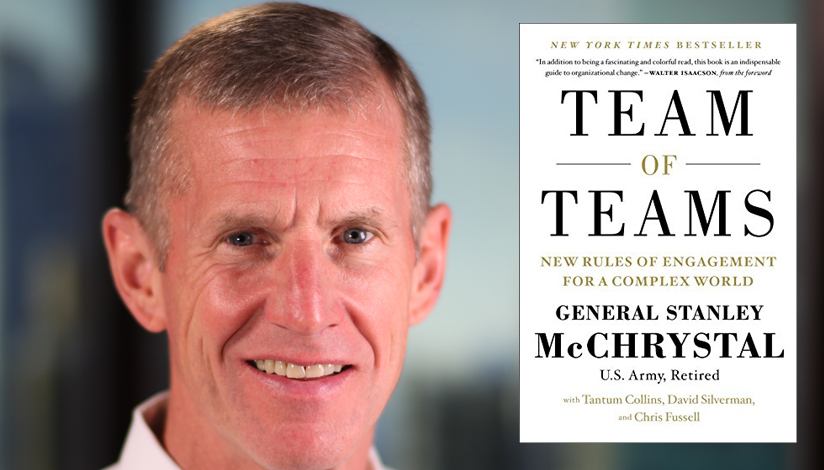
Gen. McChrystal, speaks to this, in his book Team of Teams (more about this book follows). He puts a captivating twist on it in his challenge: “If I told you that you weren’t going home until we win—what would you do differently?” We can’t focus primarily on efficiency when effectiveness is the outcome we desire. Adaptability is really what will get us to where we want to go.

Adaptability measures the change in Effectiveness and Efficiency for a given level of change in the agent or organization’s environment…One of our great failings as human beings is our reluctance to acknowledge the full implications of living in a world of complex adaptive systems. The causes of yesterday’s success are impossible to fully understand, and unlikely to be replicable to the same extent in the futureWe naturally try to succeed again in the future, using the approach that worked in the past, with frequently disappointing and occasionally fatal results.”

Coyne goes on to write about how to work these processes out toward business and employee/team success in a changing world.

Good stuff to know and implement.

Early on in my career, one of the mantras I heard repeatedly was this:

“The three most important things to learn in your work is flexibility…flexibility…flexibility.”

That later changed, in company vernacular, to “fluidity” x 3. The only problem was the temptation to decide for myself what was fluidity/flexibility and what was not. This is where silos and self-interest evolve when we’re not even aware, until we find ourselves not being successful (effective/efficient). In the very work we’ve immersed ourselves in for years…working hard, but not working as smart as we could have. [I know, that hurts – and it will take more than efficiency gurus to bring us out of such a predicament healthy.]

It is possible to turn the ship around…and it takes a whole crew.

Decentralized, empowered teams. Trust. Transparency and collaboration in decision-making. Broad information-sharing. Ownership in real time not just in philosophy. Bringing down silos and working together to nurture an organizational culture where we expect change and thrive in it.

What focus yields a win-win in our workplace? Both from the human side and the business side of performance and organizational culture. What can we do to enhance our business processes – whether we are in management or on the frontlines of our organization?

The following quotes should help to stir thinking. They are out of the book Team of Teams by retired U.S. Army General Stanley McChrystal, currently with The McChrystal Group.

“In complex environments, resilience often spells success, while even the most brilliantly engineered fixed solutions are often insufficient or counterproductive.”  – Gen. Stanley McChrystal, Team of Teams

“In place of maps, whiteboards began to appear in our headquarters. Soon they were everywhere. Standing around them, markers in hand, we thought out loud, diagramming what we knew, what we suspected, and what we did not know. We covered the bright white surfaces with multicolored words and drawings, erased, and then covered again. We did not draw static geographic features; we drew mutable relationships—the connections between things rather than the things themselves.” – Gen. McChrystal, Team of Teams

[Sidebar: I had the great pleasure of writing for such a team over the last 3 years. It was a privilege to see that level of creativity and collaboration, in a team of equals, birthing a workplace initiative in sync with a changing world. Amazing experience.]

“Specifically, we restructured our force from the ground up on principles of extremely transparent information sharing (what we call “shared consciousness”) and decentralized decision-making authority (“empowered execution”).” – Gen. McChrystal, Team of Teams

“In a resilience paradigm, managers accept the reality that they will inevitably confront unpredicted threats; rather than erecting strong, specialized defenses, they create systems that aim to roll with the punches, or even benefit from them. Resilient systems are those that can encounter unforeseen threats and, when necessary, put themselves back together again.”  – Gen. McChrystal, Team of Teams

View your leadership as being less about giving top-down orders and more about cultivating those who follow you, empowering them to make the right decisions. Many leaders are tempted to lead like a chess master, striving to control every move, when they should be leading like gardeners, creating and maintaining a viable ecosystem in which the organization operates.This is especially applicable to private sector leaders; the world is moving too quickly for those at the top to master every detail and make every decision. Empowering, cultivating, and ultimately serving those who follow you will unlock massive potential within your organization, allowing you to solve for problems in real time.” – Gen. McChrystal, Forbes.com

*Effectiveness, Efficiency, and Adaptability – The Three Keys to Performance Measurement

Effectiveness Before Efficiency

Efficiency vs. Effectiveness

The Power of Business Process Improvement: 10 Simple Steps to Increase Effectiveness, Efficiency, and Adaptability by Susan Page

GoodReads Team of Teams Quotes

Stanley McChrystal: What The Army Can Teach You About Leadership

Gen. Stanley McChrystal: Adapt to Win in the 21st Century

Team of Teams: New Rules of Engagement for a Complex World by General Stanley McChrystal

Blog - Efficiency and Adaptability - General McChrystalPhoto Credit: Forbes.com

5 Friday Faves – On Foster Care, Losing Control, Best Bakeries, Pornography, and Efficiency

Blog - Friday Faves

Happy Friday! I have guests visiting from out of country so writing time has taken a back seat to sweet times with friends. Still, what a week this has been in discovery. I chose just five favorites but would love to hear (in Comments below) what some of your faves of this week are. Learning is one of my favorite pastimes.

  1. On Foster Care    – It’s dangerous for me to start with such a topic because many will click out of this blog just on reading the title (“Not me”; “Not interested”). Foster care is not for everyone, but it has to be for some of us. What if we worked together to provide safe and loving homes for every child in crisis? Chris Campbell and Team of 111Tulsa, in Tulsa, Oklahoma, started just such an initiative. I read a bit of the story in his wife’s blog  A Turning Point then I wrote about foster care. We can care for these children together.Blog - Foster LetterPhoto Credit: AshleyAnnPhotography.com

2.  On Losing Control – This week, a blog by Jenilee Goodwin entitled The End of Me popped up in my inbox on a busy day. It might have gone unread except for that title. My Mom, my life-long best friend and the head cheerleader of Team Me, died over a decade ago. That was a grace-covered jolt to my sense of life and its dependability. God helped me through that long season of grief because He had already brought me through an “end of me” experience very similar to the one Jenilee describes in her blog. Crossing cultures and learning languages and the raw not-doing-anything-well are huge opportunities to see how tenuous our “control” is. God is dependable; our circumstances are not. Her piece was beautiful and deeply personal. Wherever you are in life, you will gain much by reading her story.Blog - Mom's funeral

3. On Best Bakeries – When Business Insider does an photo-splashed article on The Best Bakery in Every State, I took the time to read it. Or should I say “savor it” – without endangering my health. Finding that the “best bakery” in Virginia to be Blackbird Bakery in Bristol (as far across the state from us as could be found), I will drop my own “Best Bakery” in here. For doughnuts anyway, that bakery is the Westhampton Pastry Shop.  Ridiculously yummy. What’s your favorite?

Blog - Best Bakery - Westhampton Pastry Shop

Photo Credit: Westhampton Pastry Shop, yelp.com

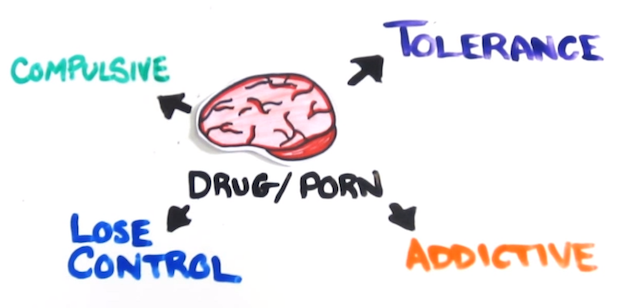
4) On Pornography – A very serious topic – I placed it on purpose under “best bakeries” because there are all kinds of addictions. The scary difference is the fact that some addictions have outward presentations (like food, drug, and alcohol addictions). Not pornography. Addiction to pornography can do its damage in the quiet and isolation of one’s personal space in front of a screen (phone, tablet, computer). Yet, its damage reaches into relationships, career, and even our own anatomy and physiology. This Is Your Brain on Porn probably won’t deter someone addicted to pornography, but it could sound a warning that what you think is “not hurting anyone” really is…those you love…and you.Blog - Your Brain on PornPhoto Credit: Ideapod, Churchm.ag

5) On Efficiency – If you got this far, you are in for a huge treat. This week, as I watch friends go through a company downsizing, the subject came up of efficiency and effectiveness. Does one necessarily lead to the other? Are they the same? In learning more about that, I came across this happy little article by Eric Gilbertson on the push for efficiency in our colleges and universities – The Pursuit of Efficiency and the Pursuit of Folly. Sweet article. Then the book Team of Teams which my husband recently read (devoured really) came to mind. General McChrystal writes brilliantly about adaptability, not efficiency, as our greatest need in the workplace of the 21st century. Work matters…and the people doing the work matter. Get this book…your appetite will be whetted by the articles linked below.Blog - Efficiency and Adaptability - General McChrystal

Team of Teams by General Stanley McChrystal

Efficiency in Business Isn’t Key Says Retired General

Gen. Stanley McChrystal: Adapt to win in the 21st Century

Work Smart – Let General Stanley McChrystal Explain Why Adaptability trumps Hierarchy – Forget everything you ever knew about your company’s org chart—and that’s an order.

The Tim Ferriss Experiment – General Stan McChrystal on Eating One Meal Per Day, Special Ops, and Mental Toughness

Your Brain On Porn

Love Your Neighbor – Foster Parenting & Adoption – Every Child in a Safe and Loving Home – www.debmillswriter.com

Peter and John – a Couple of Ordinary Men Who Had Been With Jesus

Blog - Peter and John - men who had been with JesusPhoto Credit: Boundary Homestead

Then Peter, filled with the Holy Spirit, said to them, “Rulers of the people and elders, if we are being examined today concerning a good deed done to a crippled man, by what means this man has been healed, let it be known to all of you and to all the people of Israel that by the name of Jesus Christ of Nazareth, whom you crucified, whom God raised from the dead—by him this man is standing before you well. This Jesus is the stone that was rejected by you, the builders, which has become the cornerstone. And there is salvation in no one else, for there is no other name under heaven given among men by which we must be saved.”

Now when they saw the boldness of Peter and John, and perceived that they were uneducated, common men, they were astonished. And they recognized that they had been with Jesus. Acts 4:8-13

Peter and John took seriously the last words Jesus told them.

“You will receive power when the Holy Spirit has come upon you, and you will be my witnesses in Jerusalem and in all Judea and Samaria, and to the end of the earth.”Acts 1:8

These men were not religious leaders or great orators. They were fishermen who had spent three years living life with Jesus, listening to His teaching, and learning His love for His Father and for all people. Peter and John were ordinary men – apart from those three years spent in the company of the One who would take a cross for them, and all of us… Oh, and one more thing, they would know the filling of the Holy Spirit…whatever that would mean.

He spoke not as one who just believed in what he had heard about Jesus. He spoke as one who experienced the life-transforming love of God through Jesus. He knew Jesus. He had witnessed in his own life and others what happens when Jesus touches a person, when He receives a person as His own.

Last night, a small group of people sat around a table and talked about life together. No pretense. Nothing to prove. No one to impress. Just individuals meeting for supper, prayer, and encouragement. A new community group forged from folks at our church (Movement Church).Blog - Peter and John - Community Group - life of those who have met Jesus - Dustin WillisPhoto Credit: TheBlazingCenter.com

Through the short evening, as we got to know each other, everyone had a story…a story of a life and journey changed at a juncture where they met Jesus. I wish you could have heard their stories. Some of these new friends have life experiences I can only imagine…riveted to every detail, I heard forgiveness, grace, wonder, love, reconciliation. Ordinary people with a first of a lifetime of encounters with an extraordinary God.

All the stress of my day, the weariness and frustrations, all dissipated at these stories – these glowing faces – these people who were also tired and had their own frustrations…but it all pales when we see Jesus – in one another. Ordinary people who have been with Him. That is community.Blog - Connecting and Assimilating

“A new commandment I give to you, that you love one another, even as I have loved you, that you also love one another. By this all men will know that you are My disciples, if you have love for one another.”John 13:35-36

This John recorded Jesus’ words in his Gospel. This John who was with Peter in the account above. We owe them so much. Peter would die for his faith, and John would be exiled to live out his day in isolation. They followed Jesus and gave witness of Him to all they could. A bold witness not because they knew of Him…but because they knew Him, and their lives were radically changed.

…as ours can be.

Meet at the Table by Dustin Willis

Life in Community – Joining Together to Display the Gospel by Dustin Willis

Monday Morning Moment – You Have Three Choices – in Work and Life

Blog - Monday Morning - Facebook imagePhoto Credit: Nourish the Dream – Facebook.com

Slaves, in all things obey those who are your masters on earth, not with external service, as those who merely please men, but with sincerity of heart, fearing the Lord. Whatever you do, do your work heartily, as for the Lord rather than for men, knowing that from the Lord you will receive the reward of the inheritance. It is the Lord Christ whom you serve.Colossians 3:22-24

Hopefully, you’re not feeling like a slave this Monday morning. You have choices. Even Paul, in writing to the Colossian church, spoke to those believers, enslaved at that time, as persons with choices.

My Monday mornings these days have been filled with thoughts and prayers for friends working in difficult and unusual circumstances – uncertain futures, struggling to stay on course, grappling with coming change. If you’re not in such a challenge, be glad and learn from those who are. How thankful I am for those in my life who shine as “stars in the universe” (Philippians 2:14-16).

Every single day, we have choices of how we deal with our work and our co-workers…especially in the press of uncertainty and change.

1. We could give up. What a temptation this is. When we are faced with what seems like a waning future (dwindling opportunities, more work with less workers, damaged trust), it is easy actually to give up. We clock in and do what’s necessary. Stay below the radar. Spend breaks researching other jobs. Keep doing what we’ve been doing with no vision for the future. This is an easy default…don’t make it yours. You’re better than that.

2. We could give in. – This is the darker choice. This is when we allow bitterness to take root in our hearts and color our attitudes and work. Giving in is when our performance actually deteriorates because we figure who cares anyway. Giving in is when we say the ugly things we’ve been thinking about our situation. Giving in is when we treat colleagues who were once friends as competitors, as threats to our position rather than supporters. Giving in does no one any favors and actually adds to the burden we already feel in what may be a very complicated situation already. Giving in is never where we want to go.Blog - Look Back, Look forward - Nourish the dreamPhoto Credit: Nourish the Dream Facebook.com

3. We could give it all we’ve got. Here’s where huge faith and great character come in. It’s so easy to say, “Keep doing what you’re doing”, “Stay in the game.”, “Trust God”. Don’t get me wrong; these encouragements are wise and true…it’s when we are struggling with the muck and mire of actually putting feet to faith in a situation that seems wrong. The difficulty at work may not even be wrong; it may be completely necessary…It’s when the force of the impact lands squarely on you that these choices become so real. Still, we have choices. It’s not the workplace that forces these choices on us. They are always ours. Every. Single. Workday.

If I can speak into my friends’ struggle, please stay on the course you’ve been on – such a way that you continue to build/leave a legacy of glory – to God and to the work He’s given us to do. One friend of ours in the thick of a stressful, stressful work situation, told another friend of mine, “Don’t lose heart”.  When you hear that kind of encouragement from someone determined to keep his own focus on what matters it resonates with such verity you want to do nothing less. So, let’s never lose heart and let’s do the work of trusting God in our situations. It’s so much better than the consequences of the other choices. So much better.Blog - Unknown future and a Known God - Monday MorningPhoto Credit: Nourish the Dream Facebook.com

After all, it’s only Monday morning. Who knows what the rest of the week will bring? For my friends who are in complicated work situations, having to drag yourselves out of a ditch each day to do a good job, I want to say how thankful I am to know you. How honored to see the fruit of your work. How joyful that our paths have crossed in the workplace. How much more trusting I am of God myself, because of you.

As our friend said, please “don’t lose heart”.

For all things are for your sakes, so that the grace which is spreading to more and more people may cause the giving of thanks to abound to the glory of God. Therefore we do not lose heartFor momentary, light affliction is producing for us an eternal weight of glory far beyond all comparison.2 Corinthians 4:15-17

Let us not lose heart in doing good, for in due time we will reap if we do not grow weary. So then, while we have opportunity, let us do good to all people, and especially to those who are of the household of the faith. – Galatians 6:9-10

Blog - Encouragement, Empowered, every good workPhoto Credit: Nourish the Dream, Facebook.com

Nourish the Dream – Your Headquarters for Biblical Business Success – Facebook page – David G. Johnson

13 Bible Verses to Overcome Disappointment

5 Friday Faves – a Language Learning Guide, a Tribute to Jeannie Elliff, a Friend’s Blog, an Infographic, and Singing Contractors

Blog - Friday Faves

1. A 12-Step Program for Language Learning – 12 Rules for Learning Foreign Languages in Record Time — The Only Post You’ll Ever Need by Tim Ferriss. Besides English, I’ve learned Spanish, Arabic, and a bit of French – through a variety of learning methods. This blog post with Benny Lewis is the best counsel for anyone embarking on learning a foreign language. He offers 12 rules for learning a foreign language and includes several links to more resources. Really helpful! Maybe I’ll learn Mandarin one day…

Blog - Language Learning - Tim Ferriss on Twitter

Photo Credit: Tim Ferriss; Twitter.com

2. A Radio Program – Tribute to Jeannie Elliff  Our friend, Jeannie Elliff, died on July 20 after a long battle with breast cancer. She was a young 69 years old. Her husband, Tom, and all four of her children spoke at her memorial service. It was the most beautiful service I’ve ever seen honoring a woman who loved God and all of us so completely. Revive Our Hearts Radio is doing a two-part tribute (October 1 & 2) entitled Faithful to the Finish: The Life of Jeannie Elliff. Nancy Leigh DeMoss moderates the tribute, using audioclips from the memorial service. You can listen via the website and the transcript of the program is included in the link.Jeannie & Tom in chemo clinicJeannie & Tom in Chemo Clinic – Photo Credit: Facebook.com

3. A Friend’s Blog on Love – My friend, Marlo, writes a blog entitled Pressing On which chronicles her family’s journey to life after the death of their daughter/sister, Anna. This piece focuses on the sixth verse of 1 Corinthians 13 (also known as the “Love Chapter” of the Bible).

Love does not rejoice at wrongdoing, but rejoices with the truth. – 1 Corinthians 13:6

I never really thought about this verse until I read her blog. It’s an important truth and Jesus lived it lovingly. As are we to do so as well.

“He was both/and. He was holy and he was loving. His holiness was not a barrier to people because it was paired with love. Jesus met people where they were. He knew their sins and loved them anyway. He did not rejoice in their wrongdoing, but showed them a better way. If we are going to be like him, we have to approach people the same way.” – Marlo

Blog - Love - 1 Corinthians 13

Photo Credit: Pinterest.com

4. An Infographic20 Common Ways We Make Bad Decisions. I love infographics, being a visual learner. This one is fascinating as it lists out the many factors that lead us to making bad decisions. Which ones are you the most vulnerable to?

Blog - InfographicPhoto Credit: DailyInfographic.com

5. Singing Contractors – Have you ever taken advantage of an empty room to belt out a song? It sounds so good, right? Well, not as good, maybe as these guys can make an empty room sound. I don’t know how The Singing Contractors got started singing together, while working, but I’m glad they did. You are watching the beginning of a YouTube phenomenon.

What are some of your favorites from this week? I’d love to hear them.

5 Friday Faves – Workplace Friendship, a Book on Opposites, All Things Pumpkin, Story-telling, and a Chamber Choir

Blog - Friday Faves

Happy Friday! We’re expecting a rainy weekend here. With Fall weather upon us, the pull to be outdoors is even more heightened. If the rain keeps you in, here are five favorites to enjoy.

  1. Workplace Friendships – Adam Grant writes for New York Times about how friendship culture has changed in the workplace. I have life-long friendships which originated at work. Same passions, same seasons of life. Read his piece here. What is your experience?Blog - Friends at work - Friday FavesPhoto Credit: NYTimes.com

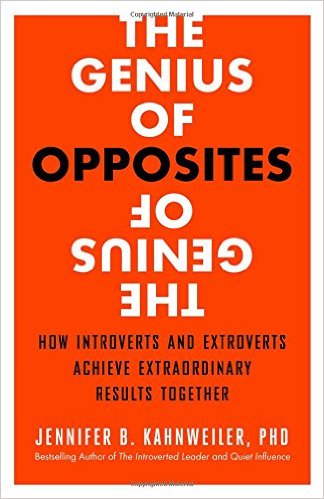
2. Book of Opposites – Jennifer Kahnweiler has written a fascinating book on Introversion-Extroversion. The Genius of Opposites: How Introverts and Extroverts Achieve Extraordinary Results Together. My  husband is a  introvert  and I am an extrovert. We have been married over 30 years and have worked together many of those years. We have learned a lot of Kahnweiler’s wisdom on our own…and after many years of struggle. This book is very helpful and empowering for any partnership between introverts and extroverts.

Blog - Friday Faves - Genius of Opposites

Photo Credit: Amazon.com

Skip Pritchard wrote a great review here.Genius-card-front-1Photo Credit: SkipPritchard.com

3) All Things Pumpkin – O.K. I’m not wild about Pumpkin Spice Latte, but as soon as September comes, I’m in love again with all things pumpkin. My favorites are pumpkin pie and pumpkin bread. When we lived overseas, pumpkin was solely treated as a vegetable. It is amazing in 7-vegetable couscous. What is your favorite pumpkin recipe? Please share in comments.2015 September Flowers & Fall Pumpkin Spice Blog 014Photo Credit: Weather.com

Fall Pumpkins by Carol Davis2015 July Phone Pics - Flowers, Blog, Stella, Shyndigz, Christie 001 (147)Photo Credit: Pumpkins by Carol Davis

4. Story-Telling – Chase Neinken wrote a piece for NewsCred.com on what is critical to story-telling – Conflict, Authenticity, and the Audience. Read 3 Crucial Principles Of Storytelling You Can Learn From Kevin Spacey + House Of Cards, and watch Kevin Spacey talk about story-telling.

5) A Chamber Choir – Azusa Pacific University Chamber Singers were recently on tour in Italy. On Facebook, I came across a video of them singing “Give Me Jesus” by Larry Fleming at the prison where the Apostle Paul was kept. Wow!Blog - Friday Faves - APU Chamber_Singers

Photo Credit: apu.edu

That video hasn’t made it to YouTube yet, but here they are singing at a concert in Italy.

Do you have a favorite group? Please share. Enjoy your weekend…and your pumpkin of choice.

Givers, Takers, or Matchers in the Workplace – Which One Are You? – with Adam Grant

Blog - Givers, Takers, Matchers - Adam GrantPhoto Credit: Chuck Scoggins.com

A smart and gifted friend of mine is going through a taxing time on her new job. Long hours, piling up responsibilities, with no end in sight. She lamented that maybe the problem is that she’s a people-pleaser. That expression seems to communicate a character weakness, and I don’t see that operating so much with this friend of mine. What seems more her dilemma is that she’s what Adam Grant calls a “giver”…which is a good thing. The dilemma for my friend and her workplace is to establish a culture where she, and other givers, can thrive.

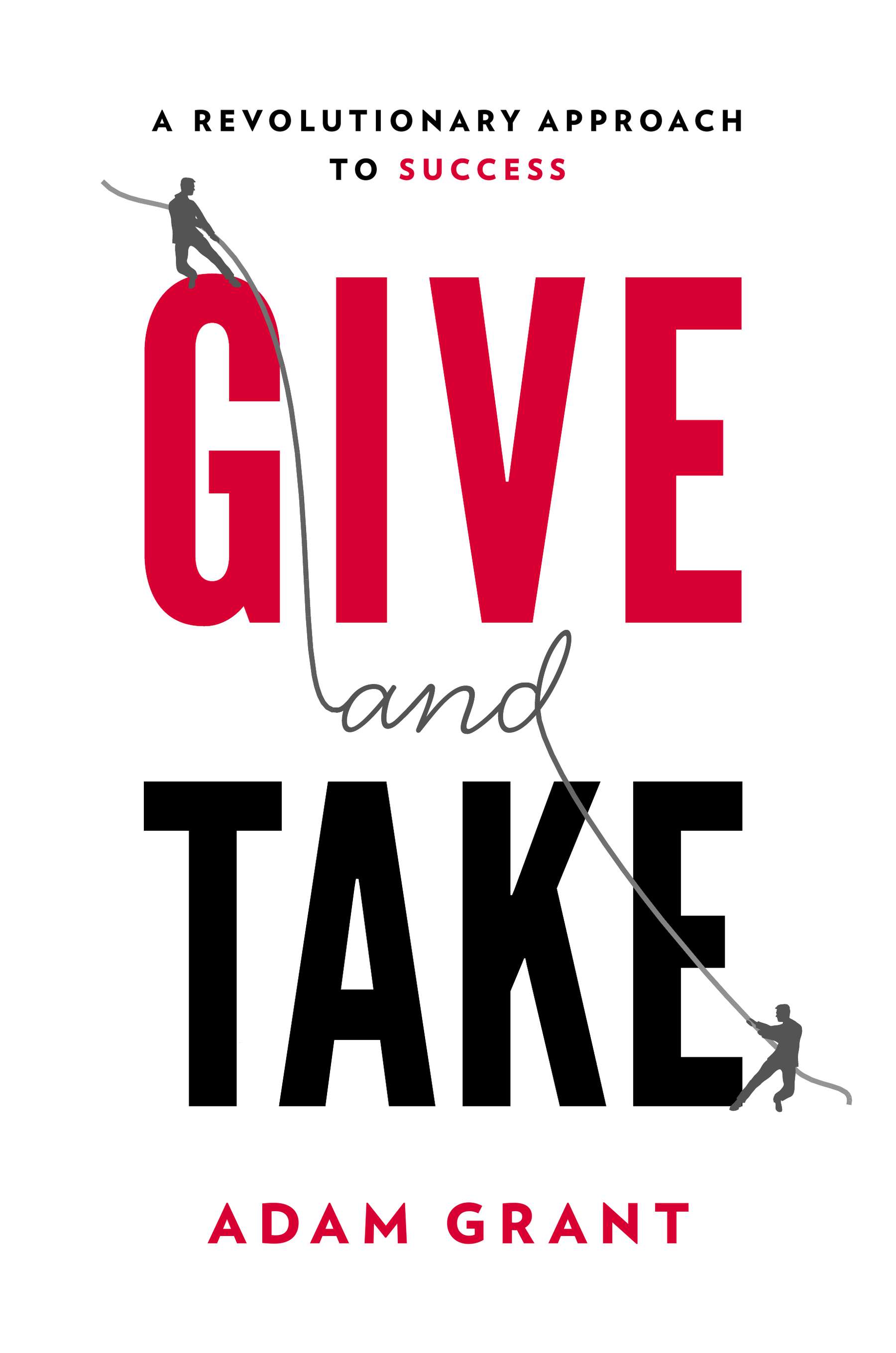
Adam Grant is a professor at the Wharton School of the University of Pennsylvania. He has also written this great book – Give and Take: Why Helping Others Drives Our Success. I heard him speak at the Global Leadership Summit and bought his book. His take on the three tops of people who make up our work culture was both fascinating and practical.Blog - Give and Take by Adam Grant - cminds.netPhoto Credit: Amazon.com

Grant sees us all as either givers, takers, or matchers. “It’s very hard to judge our own style. What values you live each day is in the eye of the beholder.” We may not necessarily see ourselves in these categories, but our colleagues will. Ask them, if you have the courage. Then you might consider taking what you learn and thinking through how you might use that information to become a more effective employee and valued colleague.

Takers are those who often manage to do the least amount of work yet gaining the most notice. They manage to get “the lion’s share of credit for collective achievements”, notes Grant. The Takers are the shirkers in the workplace. They are not at their desks because they are off schmoozing (oops, I meant networking, right?) in another department. They somehow get their jobs done partly by leaning on the strong work ethic of the Givers.

Givers are the people who simply enjoy helping others – “no strings attached”. They get to work early and stay late, if necessary. Their core values resonate in the quantity and quality of their work.

Matchers are most of us, really, doing our part in the workplace. Matchers can be counted on to keep things “fair” at work. “I’ll do something for you if you do something for me” is their mantra. They believe in “an eye for an eye” and “just worlds”.  They are the “fairness” or “Karma” police in the workplace.

Grant readily admits that we may operate out of all three styles from time to time, but we each have a dominant style at work.

How do givers, takers, and matchers fare in the workplace? Which of these sinks to the bottom in terms of performance and impact?

Givers are the worst performers (but keep reading). “The ones who get the least work done are the ones who help the others and never get their own jobs done”, reports Grant.  “I love helping others” is not the one on top of the heap of performers. “The lowest revenue accrues to the most generous salespeople.”

It’s sad news that givers sink to the bottom. If you want to boost your organization, have more givers….unfortunately the givers do it at their own expense – unless the organization builds a culture that helps the givers to thrive.

Who rises to the top?

If givers are the worst performers, who are the best performers? You think it’s takers? Takers rise quickly, and fall quickly. They often fall at the hands of the Matchers who can use gossip (or, said another way, workplace channels of influence) to call out the abuse of the Takers. Beware, Takers, of the Matchers in the shadows. Also, other Takers can also take down those more abusive, or less-well-liked Takers.

Are the Matchers the best performers? Not usually. The best results belong to the Givers. Wait! How can they also be the best performers? It’s a both/and situation.

Grant encourages: “Helping others can sink your career but it can also accelerate your careers. Hang in there.”

It takes a while for Givers to learn and build connections, but when they do, it’s a win-win for the organization.

How can we build cultures to help Givers be successful?

3 Things We Can Do:

  1. Keep the wrong people off the bus. – Get the right people on the bus. If possible, keep Takers off the bus. “One Taker on the team and paranoia starts to spread.” Put one Giver on the team, and you don’t necessarily have an explosion of generosity. It’s not bringing in the Givers; it’s weeding out the Takers. Matchers follow the norm. Matchers will follow the example of the Givers.
  2. Redefine Giving.   Wisdom is to know who is who in the workplace. Or at least not be thrown off by behaviors vs. motives. Then we can shape our work culture to empower Givers, influence Matchers, and avoid enabling Takers. In an interview with Adam Grant, Thinkers50 spelled this process out very well. For instance, consider Agreeableness vs. Disagreeableness – in Takers, Givers, and Matchers. We usually think Takers are disagreeable, but not necessarily so. Givers aren’t always agreeable either. Just because someone is nice to you (an agreeable Taker) doesn’t mean they care about you (Givers, in general, really care). Adam Grant also talks about the importance of kindness in the workplace. This is a strength of Givers, but it can also push them to over-work and exhaustion. Grant prescribes “5-minute favors (a microloan of your time, skills, or connections). Volunteering – 100 hours a year – is the sweet spot. Greater than 100 hours a year is too much. 2 hours a week.”
  3. Encourage Help-Seekers – A work culture of Help-Seekers will take silos down. “People step up when others say ‘I’m stuck; I need some help’. If no one asks for help, you have a lot of frustrated Givers in your organization.” Grant recommends an exercise called the Reciprocity Ring – Gathering teams together and having each person state a request of something they want or need and then everyone else in the room tries to use their expertise and networks to make it happen. “People are often unbelievably generous if you ask for help. Givers step up. The Takers become more generous. All the offers of help are visible. Takers don’t want to get outed. The Matchers realize that matching is useful, but it’s an inefficient way to run an organization. If you have given help to others without getting back, then you can increase your productivity because you don’t have to just ask those you’ve helped.”

Givers ask the question “How can I be the rising tide that lifts all boats?” We can move our organizations in this direction of maximum impact and satisfaction, by nurturing a Giver culture.  Instead of workplace paranoia, imagine a culture distinguished by a “Pro-noia” – the “delusion” that other people are plotting your wellbeing.  May it not be a delusion but a daily reality.

Give and Take – An Interview with Adam Grant by Thinkers50

Give and Take – A Revolutionary Approach to Success by Adam Grant

Outward Focused Lives // Givers, Takers, Matchers

Give and Take – An introduction

YouTube Video – Adam Grant, Professor – Givers, Takers, and Matchers

YouTube Video – Adam Grant’s Give and Take Talk at Google

Global Leadership Summit 2015

The Reciprocity Ring

Live Blog: 2015 Leadership Summit – 30 Leadership Quotes from Adam Grant – Brian Dodd on Leadership

The Global Leadership Summit Session Three – Adam Grant – Notes by Chuck Scoggins

A Lesson in Humility – Downsizing – A Humbling Work Experience and What God Can Do With It

Blog - Downsizing - slideshare.net (2)Photo Credit: Slideshare.net

A company downsizing can be a humbling experience for everyone – for those losing their jobs and for those in leadership with no other way forward. For all the employees, there will be a mix of reactions. Downsizing can be a humiliating experience…unless we allow it to be simply humbling.

God sees downsizing differently than we may, when going through one. In the Bible, there’s a fascinating account (Judges 6-7) of His gathering an army to fight the Midianites, enemies of Israel. He worked through the leadership of a man named Gideon who, early on, wasn’t at all sure of himself leading such an operation. As Gideon sought direction from God, he was able to rally an army of 32,000 men.

God wanted Gideon to see His own glory in fighting for His people. This army of 1000s was too big. Through a couple of strategic downsizings, Gideon was left with an army of 300 and a God who would lead them in battle for His name’s sake. They would see the Midianites trounced in such a curious way that only God could have brought about their defeat.

In the story above, Gideon must have felt satisfied…even proud…at the size of the army he was preparing to lead. The timidity he originally felt melted away with the men who volunteered to fight for him. He was ready to go up against the Midianites.

God had another plan.

He brought the number of soldiers down to such a low count that Gideon no longer had cause to be proud of the possibilities of victory. He was humbled by God’s actions, and he became all the more able to lead, as He followed every detail of God’s strategy.

Humility is having a right, or true, understanding of who God is, and who we are in relationship to Him and each other.

When we are humbled, either by a downsizing in our jobs, or a hit to our status, position, or reputation, we can take heart, in what God can do in that. When He works to move each of us to a such challenging place, we discover the contents of our own hearts. We discover the pride…or whatever else has lodged itself against Him (fear, entitlement, bitterness). Then we either choose to rail against our situation or decide to trust Him with the outcome.

We have an example of that in the humble obedience of Christ:

Have this mind among yourselves, which is yours in Christ Jesus, who, though he was in the form of God, did not count equality with God a thing to be grasped,  but emptied himself, by taking the form of a servant, being born in the likeness of men. And being found in human form, he humbled himself by becoming obedient to the point of death, even death on a cross. Therefore God has highly exalted him and bestowed on him the name that is above every name. – Philippians 2:5-9

2015 September Blog - Humility

In a company downsizing, or any other hard place, our temptation may tend toward pride and entitlement. As we allow God to humble us through that hard place, then He will raise us up, as He did Gideon, in victory. It’s in trusting Him that we’ll find that victory.

Blog - Humility & Pride - Slideshare.netPhoto Credit: Slideshare.net

Gideon’s Incredible Shrinking Army (Judges 6:33-7:15a)

Gideon Defeats the Midianites – Godsstory.org

The Power of Humility – Slideshare

What It Means to Be Humble and 6 Ways You Can Grow In Humility

How to Fight the Sin of Pride, Especially When You Are Praised – Ten Things I Do – John Piper