
Category Archives: Monday Morning Moment

Monday Morning Moment – Ignoring in the Workplace and the Powerful Practice of Noticing

Blog - being Ignored at Work - dailymailPhoto Credit: Daily Mail

It just happens over time…the ignoring of people around us. Think about this morning, coming into work. Retrace your steps, and think of the people you passed within speaking range…but you didn’t…speak, that is. In another season of life, I might have slowed down to walk with someone a ways behind me, or even run a bit to catch up with someone ahead. Just to use that time to connect a bit. We race into our work stations, heads down, as if the most common courtesy of greeting and inquiring into another person’s life just take too much time away from the “important”. We sit down in meetings before they start and get lost in our thoughts, or our laptops, or our phones. We just ignore those around us…

Time itself seems to become more important than people. We circle up with our team, or go one-on-one with our boss or a consultant… when including a colleague, intern, or member of another team could have added greater value to that conversation. Are we more in a work culture today of tight circles when larger collaborative ones might prove more profitable? Do we just ignore those working around us who, by our actions, seem of little consequence to our workday? It’s not intentional maybe…but it becomes habit and then part of our character…communicating that people don’t matter.

Blog - People Matter - greatplacetowork

Photo Credit: Great Place to Work

Throughout my professional life, I have tried to be tuned into those around me, whether they currently are in my work group or not. My nature is to notice and my desire is to acknowledge. In various work situations, it’s been from a place of influence rather than from a position of authority. Any task or responsibility entrusted to me had to be accomplished through winning the confidence and cooperation of those around me. No authority to just delegate or task others with work. , gifted colleagues have always been willing to work on projects with me. People recognize when they are truly valued, and they engage more solidly when they are genuinely respected/regarded. We can build capacity for noticing people.

Ignoring those in our workplace over time has consequences. Just like that adage “Hurt people hurt people”, I think “Ignored people ignore people”. It’s a contagious work culture practice which has been widely researched. Productivity, employee engagement, longevity, and work relationships within teams and across the organization can all be negatively affected by just the casual neglect or lack of regard for colleagues.

Sidebar: As I was reading and thinking about this issue, the chorus of a strange little song kept coming into my head. The Broadway musical, “Chicago“, has a woeful character who laments about his smallness in life, as if people look right through him. The song is “Mr. Cellophane”.

O.K….back to workplace culture. What would happen if we determined to be noticers and acknowledgers at work? This is not a soft practice…it’s brilliant really. Taking little time, we can, each one of us, actually humanize and elevate the workplace experience for everyone we encounter through the course of the day. This is not an exercise of rewarding a job well-done but of noting the person behind the job…as valuable. Period. Full-stop.

Listen Closely words on a ripped newspaper headline and other news alerts like take notice, vital info, importance of being a good listener and pay attentionPhoto Credit: Chip Scholz

I’ve known some great champions in this through my professional life, and I aspire to be like them. Real servant leaders. We may not think of ourselves as leaders, but we can all lead out in serving, noticing, and acknowledging those around us. Skip Prichard writes about servant leadership and lists 9 qualities of these “noticers”.

9 Qualities of the Servant Leader

1: Values diverse opinions

2: Cultivates a culture of trust

3: Develops other leaders

4: Helps people with life issues

5: Encourages

6: Sells instead of tells

7: Thinks you, not me

8: Thinks long-term

9: Acts with humility

Consider this challenge as I make it for myself to genuinely and honestly take note of people, moving through our workday. This is not about being only polite, but being “in the moment” with those around us. It may start with a greeting, and then an inquiry, and before we know it, it’s possible true caring could follow. Translated into workplace language, that is employee engagement where ideas are exchanged toward better solutions for everyone.

I can’t close this topic without a shout-out to any one of you who’s having that experience of being ignored. You know, of course, that it doesn’t change anything of who you are…but it can harden your heart toward colleagues and dull your thinking in your job. I appreciate Jon Acuff’s piece on being ignored, a piece about Heisman Trophy winner and NFL quarterback Marcus Mariota:

“Throw the passes when no one is watching. Write the pages no one sees. Work through the business plans people don’t believe in yet. Hustle long before the spotlight finds you. You don’t need the whole world on your side to create something that changes the world.”

Postscript: I follow Vala Afshar on Twitter. He is the “Chief Digital Evangelist” for Salesforce and author of The Pursuit of Social Business Excellence. He posted the picture below, with the Tweet “This is how people ignored each other before smartphones”.Blog - Ignoring people without cell phones - Vala Afshar - twitter feedPhoto Credit: Twitter

It made me chuckle because we blame technology for so many of our relational woes when focus and attending to each other is an age-old issue. People matter. Our colleagues matter. Take notice.

The Noticer – Sometimes All A Person Needs Is A Little Perspective – Andy Andrews

Power, Authority, and Influence – Samer Ayyash – Slideshare

How to Practice the Art of Acknowledgement – Darcy Eikenberg

1 Surprising Lesson About Dream Chasing from a Heisman Trophy Winner – Jon Acuff

The Powerful Impact of Acknowledging Good Work – Laura Garnett

Being Ignored Is Worse Than being Bullied – Victoria Woollaston

Business Decision-making The Rule of WYSINATI – What You See Is Not All There Is – Chip Scholz

9 Qualities of the Servant Leader – Skip Prichard

The Power of Noticing: What the Best Leaders See – Max Bazerman – Bazerman focuses on taking in information in order to make better decisions rather than the simple act of noticing people (which can also empower decision-making and business process, communicating that people matter).

Monday Morning Moment – Relational Wisdom at Work and at Home

Blog - Monday Morning email

[Adapted from the Archives]

Monday morning emails can be treacherous… This morning when I woke,  my husband told me he’d just heard from a valued colleague that he had secured another job. Dave was expecting this because of previous communications they’ve had with each other. Through an organizational re-structuring, there are many whose jobs are changing. This email was good news because this person will be a tremendous addition to any team – good news and sad news. We will miss this man on our team but we celebrate a great job match.

Then another email came in. It was from the person who will be his new supervisor. It was full of respect and regard – a courtesy email that is not necessarily company culture these days but an email that shows understanding and empathy. When change comes, even good change, there is still that adjustment, that grieving of the good that was. Those two emails speak volume about emotional intelligence or relational wisdom…and that’s something we always need in the workplace…and at home.

The holidays and summer vacations have a particular call for wisdom to soften difficult expectations, disarm family conflicts, and personalize interactions to fit the needs of those nearest to us.

Blog - Monday Morning Moment - MarriagePhoto Credit: rw360.org

One very simple way we can tune into seasonal celebrations is to deal with our own stuff. Keeping our minds on the goodness of the these occasions helps.

Related to both our work and home relationships, Ken Sande, founder of Relational Wisdom 360, has given us a great gift. He has written 33 Ways to Enjoy Highly Relational Holidays. A fast-read blog a day on relational wisdom, written for Advent but which also fits nicely into a block of summer days.

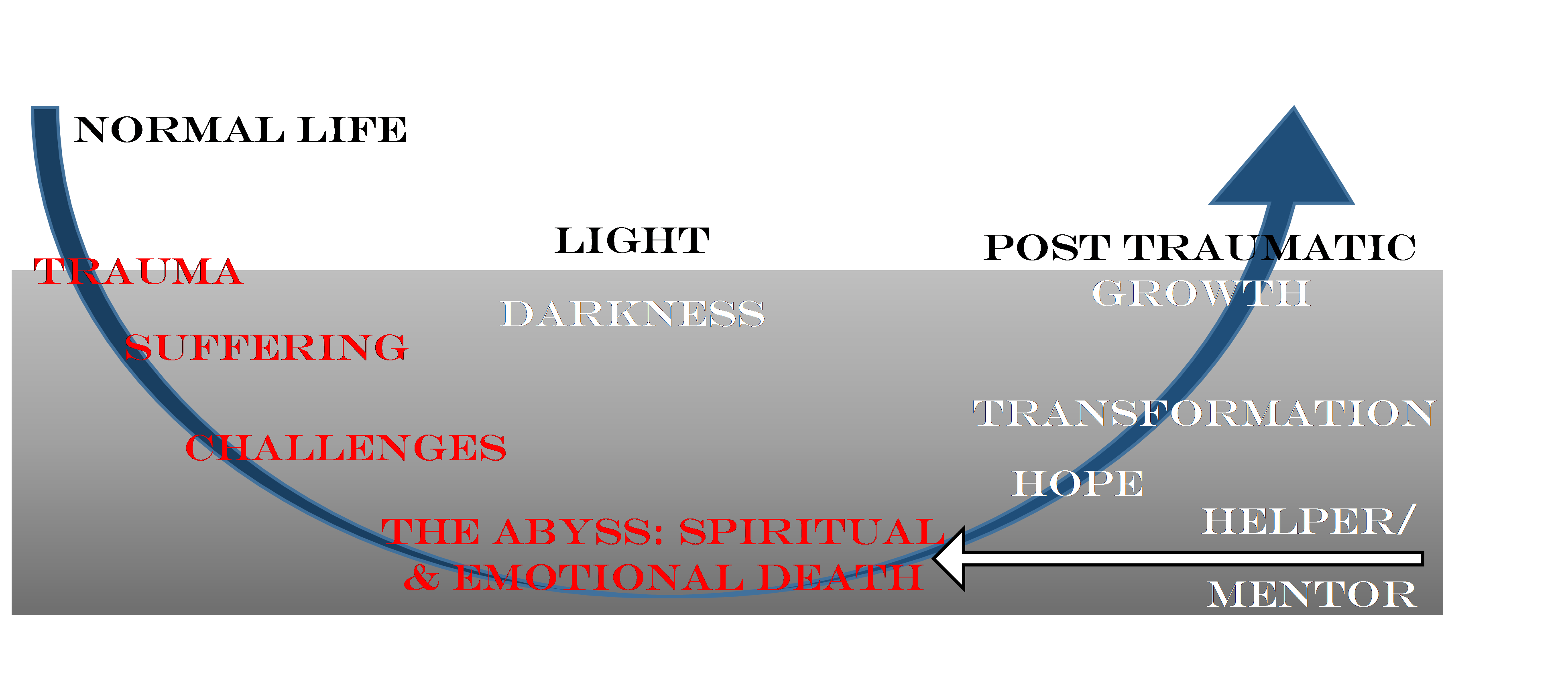
I attended Dr. Sande’s Peacemaker course years ago during a challenging work season, and what I learned then continues to be a tremendous help to me today. If your work or family situation is somewhat intimidating, don’t despair. There are those in our lives (Ken Sande is one) who will come alongside and help/mentor us, if we’re willing to take care of our own hearts and minds.Monday Morning Moment - Post traumatic growthPhoto Credit: coldspringcenter.org

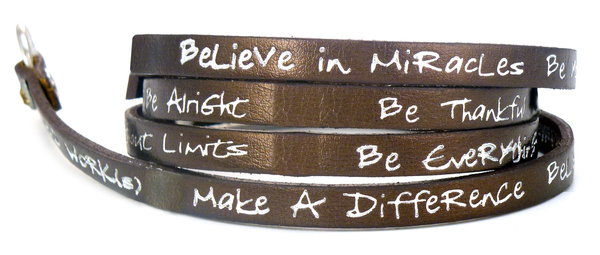
As summer hums along and return to school looms ahead, I hope you are savoring happily memorable times together with family. As far as work goes, just like with the emails above, we can do our part to make our workplace a kind and honoring experience – our part (not someone else’s) in making it the way it could be…the way it should be…Blog - Monday Morning Good Work BraceletPhoto Credit: GoodWorksBracelet.com

What helps you thrive in stressful situations at work? What has made a difference in bringing peace and joy to your summer vacations and holiday celebrations? Please comment and share with those searching for that wisdom.

Monday Morning Moment – Forming 5 Simple Habits that Lead to Success/Effectiveness

Blog - Habits - CGInternationalincPhoto Credit: CGInternational

Habits. Daily routine. These are things we wrestle with. Fortunately the more we wrestle and stay on them, the more successful we are, and (hurrah!), the more our lives are positively affected. Ben Slater has posted a very doable routine in his piece 5 Simple Daily Habits That Lead to Ultimate Success. They are:

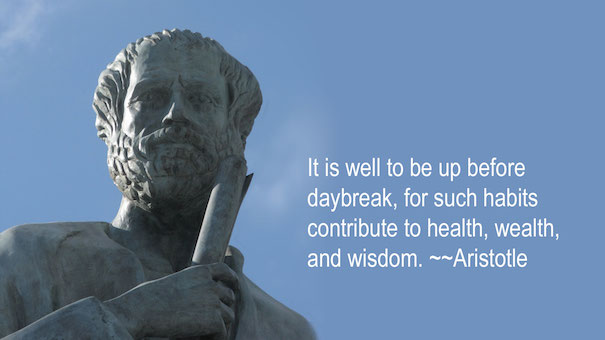
  1. Wake up early. Slater is not talking waking up early enough to just get to work on time. He’s talking 5ish. To wake up that early requires going to bed early…not just napping on the couch (guilty), but habitually, getting to bed early to get up early. This is determined by how much sleep you need…whether you’re a morning person or night person, that amount of time is pretty much set. “Sleeping in” – that weekend luxury – can derive negative gains. Is it worth it? Just asking the question he raises.Blog - Wake Up Early - Monday Morning - thefemalenetworkPhoto Credit: The Female Network
  2. Exercise regularly. OK, so nothing new, right? This is not about staying in shape, physique-wise. That could be a benefit of exercise, but the goal is to sweat! We know the great benefits to regular exercise, many of which are mental. Feeling happier is one. It’s making exercise a habit that’s key here – for all its physical, mental, emotional, and even vocational benefits.Blog - Exercise - breatheryPhoto Credit: Beamery
  3. Focus, don’t multitask. I have actually prided myself for years on the ability to multitask. No more. It’s possible it wreaked havoc on my memory and probably on the quality of my work and relationships. Slater talks about the importance of a daily routine of planning, execution, review and starting a plan for the next day. “Work out the 3-5 things that you need to accomplish over the course of the day and focus on them first.” Focus is key. I’m learning.Blog - Focus vs. Multitasking - massolutionsPhoto Credit: Massolutions
  4. Learn from mistakes.  When our day doesn’t go quite how we hoped, we too often default to blaming (too many meetings, interruptions, demanding bosses, time-wasters and trust-busters). We make mistakes in our decision-making and assessments; what’s important is that we deal with them humbly and proactively. Refuse to blame others. Learn from the mistake and move on. Sidebar: If it’s someone else’s mistake or poor judgment or questionable character, then learn from their mistakes as well. Don’t get muddled up, fuming about another, when your own life is at stake. You have it in you to control that.Blog - Learn from your mistakes - ultrapreneursayingsPhoto Credit: UltrapreneurSayings
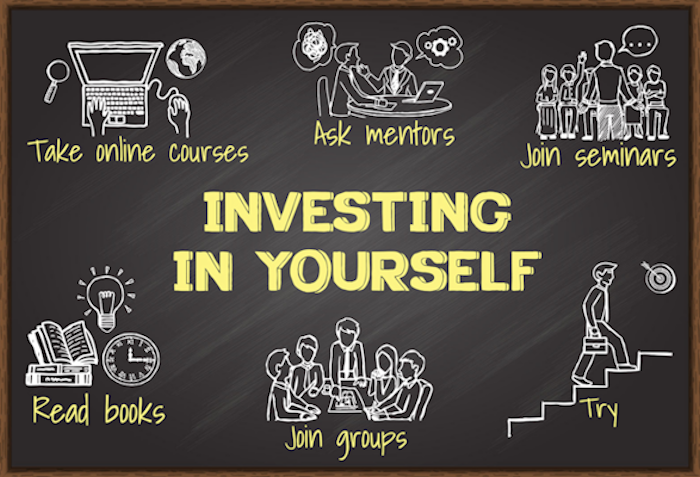
  5. Make personal investments. What habits have you put in place to continue to grow and develop? Habits, not just hopes or goals set somewhere in the distant future. Slater observes: “The world’s most successful people are always prepared to invest time and resources in their own personal development. If you stripped someone like Bill Gates of his assets and dumped him on the street I’d be willing to bet he’d be ok – he’s constantly invested in himself and built up huge reserves of human capital, major companies would be falling over themselves to offer him a job.”  This is where weekly goals come in, and maybe a mentor…someone you trust who will help you stay accountable to your goals. Don’t miss this valuable habit…I definitely need more discipline in this area.Blog - Investing in yourself - salestrainingsolutionsPhoto Credit: SalesTrainingSolutions

I’ve written a lot in Monday Morning Moments about habit formation (see links below). There are so many great resources online about this important professional life skill. Slater’s article on these 5 simple daily habits reminded me again of how possible it is to know success/effectiveness if we do the work of putting these habits into our daily routine. I’m on it…once again. [Like with New Year’s Resolutions, we may not be successful over the long-haul with every one, but we move closer to goal every time we push in that direction.]

What are habits you have seen make a difference in your personal and professional day-to-day life? What habits would you like to make part of your daily routine? Please share in Comments.

15 Critical Habits of Mentally Strong People – Travis Bradberry

Habits of Successful People Who Always Reach Their Goals – SlideShare

Creating a Lasting Early Morning Routine – The Two Most Overlooked Aspects – Joel Gascoigne

Defend Your Research: The Early Bird really Does Get the Worm – Christoph Randler

Focus on Multi-Finishing Instead of MultiTasking – Dave Mastovich

Monday Morning Moment – Notes on Chris Bailey’s Life of Productivity – DebMillsWriter

Monday Morning Moment – Make Your Bed Every Morning and Be Ready to Change the World – DebMillsWriter

Monday Morning Moment – Screen Time – Give It a Rest – DebMillsWriter

Monday Morning Moment – Understanding True Habit Change and Rocking Your New Year’s Resolutions – DebMillsWriter

Monday Morning Moment – Our Work Ethic Pushes Us On When Our Passion Wanes – How’s Your Work Ethic?

Blog - Work Ethic & Passion - twitterPhoto Credit: Twitter

Can our work ethic sustain us when our passion wanes?

Eric Chester has been studying and writing about today’s emerging workforce since the 1980’s, when Generation Y was in its infancy. Millennials have been examined and critiqued so much, but Chester has done his homework in how to help them be successful in the workplace. He also challenges employers to equip these young adults with what they may not have upon entering the workforce – that being a strong work ethic.

In his article in The MHEDA Journal, Chester defines work ethic as simply “knowing what to do and doing it“. Through his research, Chester created a list of seven indisputable, non-negotiable core values that he strongly believes every employer should demand: positivity (positive attitude), reliability, professionalism, initiative, honesty, respect, and gratitude (cheerful service).

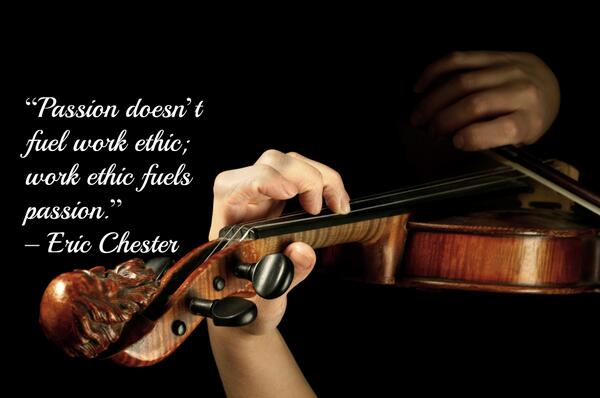
This is not just so for millennials but for all of us in the workforce. What do we need to be successful or effective across a career? Is it passion or work ethic? Passion (strong or powerful emotion, deep desire, intense conviction) is a big buzzword right now in hiring, but what we really need is work ethic. As Chester states, in his book Reviving Work Ethic, “passion doesn’t fuel work ethic; work ethic fuels passion.”

A strong work ethic will carry us through seasons in our career when we’re “just not feeling it”.  I appreciate the distinction Chester makes about how our work ethic actually fuels our passion and not the other way around. We may not all have passion in measures that enhance our success, but we can apply ourselves with diligence and intentionality such that we can push through to the finish, whatever it is. When passion wanes, this is a great encouragement to me.

Blog - Work Ethic 1 - pinterestBlog - Work Ethic 2Photo Credit: Pinterest, Pinterest

Arlene Hirsch quotes Mark Cuban’s thinking on passion and work ethic:

“’Follow Your Passion’ is easily the worst advice you could ever give or get.

1.  When you work hard at something you become good at it.

2.   When you become good at doing something, you will enjoy it more.

3.   When you enjoy doing something, there is a very good chance you will become passionate or more passionate about it.

4.   When you are good at something, passionate and work even harder to excel and be the best at it, good things happen.

Don’t follow your passion, follow your effort. It will lead you to your passions and to success, however you define it.”

Chester uses the analogy of building a fire in a fireplace. You have to set the logs in place before you start the fire. Passion will heat up a conversation or spark a vision, but it won’t get the job done, whatever it is. This is where our work ethic when applied will get us to goal, to mastery, to the finish. That in turn gives rise to passion as we see what is possible when we put forth the best effort that is each of ours to bring.

Blog - Work Ethic and Passion - slidesharePhoto Credit: SlideShare

Whether you are newly employed in the workforce or a seasoned veteran, it’s wise to consider the bottom line of what we ought to bring to our jobs. This will vary across organizations and companies, especially as our workforce itself changes in the years to come. Chester’s summation is noteworthy for all of us:

“Employers are searching for positive, enthusiastic people who show up for work on time, who are dressed and prepared properly, who go out of their way to add value and do more than what’s required of them, who are honest, who will play by the rules, and who will give cheerful, friendly service regardless of the situation.”

How’s your work ethic?…

Whatever our passion might be today, our work ethic can be rock solid…something we count on in each other at work in the every day.

Reviving Work Ethic: A Leader’s Guide to Ending Entitlement and Restoring Pride in the Emerging Workforce by Eric Chester

On Fire at Work: How Great Companies Ignite Passion in Their People Without Burning Them Out by Eric Chester

Employers Must Pick Up the Slack, Instill Work Ethic in the Emerging Workforce – article by Eric Chester

Follow Your Energy, Not Your Passion – article by Arlene Hirsch

What’s Wrong with Work Ethic in America? – article by Patricia Fripp

SlideShare – Metric Driven Talent Management – 21st Century Talent Management Conference – Tanzania

YouTube Video – Book Trailer for Reviving Work Ethic by Eric Chester

YouTube Video – Book Trailer for On Fire at Work by Eric Chester

Work Ethic Quotes – Pinterest

Blog - Work Ethic over Passion - starecatPhoto Credit: Starecat

Monday Morning Moment – Picking a Lane – It’s Never Too Late

Blog - Picking a Lane - speakerlauncherPhoto Credit: Speaker Launcher

“Pick a lane”. That phrase comes to mind literally when dealing with another driver on the highway who weaves back and forth, for whatever reasons. We get agitated at him, don’t trust her movements, and want to get as clear from them as possible.

In our careers, picking a lane is hugely important. There probably won’t be the same negative emotions (as above) about someone who is all over the place, but we are wise to set a straight course. Sometimes, especially across a lifetime, we have to re-set our course. The key is to do the work of that reset – pick a lane again. Being a generalist, a “jack-of-all-trades”, can make us quite useful to our employers, but there is no distinction in that. I’m not talking about significance here. I’m talking about what makes us the “go-to person”, that person whose passion, determination, and honed skill gives her voice in an organization…where she can make a difference. It’s something to consider…

Here’s a quick story of an incredibly successful young man who “picked a lane”. I did not know the person Lin-Manuel Miranda until a funny video crossed my Facebook newsfeed just a few days ago. The video was Broadway Carpool Karaoke and Miranda was one of the performers in it. The video was produced to usher in the 2016 Tony Awards ceremony. Blog - Lin-Manuel Miranda - Pick a LanePhoto Credit: Broadway

Miranda is a playwright, composer, and actor. He already won a Tony for the musical In The Heights, and now has won several Tony awards for his current Broadway show Hamilton. Blog - Picking a Lane - Hamilton - The TennesseanPhoto Credit: Joan Marcus, The Tennessean

Hamilton was birthed while Miranda, then in his 20’s, was on vacation in Mexico and picked up Ron Chernow’s Alexander Hamilton. He was enthralled by the story of Hamilton’s life and was amazed the story wasn’t already written as a musical. [Hopefully you non-theater folks are still with me. This is such an incredible story.]

Lin-Manuel Miranda wrote/composed the musical Hamilton, and from what I’ve seen of it, it is mesmerizing. So what goes into such a young man’s pursuit of such all-encompassing excellence in his craft?

Charlie Rose of CBS’ 60 Minutes interviewed Miranda about his life and Hamilton’s. [The full transcript is here.] Lin-Manuel Miranda – this playwright, composer, lyricist, and actor – talked about how he got to where he is today.

At five, Miranda tested into Hunter College Elementary, a school for highly gifted children, where he told us sometimes, he felt like he did not belong.

Lin-Manuel Miranda: You know, I went to a school where everyone was smarter than me. And I’m not blowin’ smoke, I was surrounded by genius, genius kids. What’s interesting about growing up in a culture like that is you go, “All right, I gotta figure out what my thing is. Because I’m not smarter than these kids. I’m not funnier than half of them, so I better figure out what it is I wanna do and work really hard at that because intellectually I’m treading water to, to be here.”

Charlie Rose: So why do you think I’m sitting here talking to you and not sitting here talking to one of your classmates?

Lin-Manuel Miranda: ‘Cause I picked a lane and I started running ahead of everybody else. So I, that’s the honest answer. It was like, I was like, “All right THIS.”

“This” was theater.*

Blog - Pick a lane - liveyourlegendPhoto Credit: Live Your Legend

Miranda laid out very simply what framed his life of distinction: “I picked a lane.” We all do that across our careers, to some degree or another. Early in my professional life, I chose to carve out a niche in the care and counsel of cancer patients and their families. That was the focus and direction of my life for almost 20 years. Then, married with children, I would pick a very different lane – focusing on that little circle and those we shared life with in our community.

When we lived overseas for another almost 20 years, my lane was a merging of family, cross-cultural living, teaching English, and serving women (local and expat.) and their families. I loved those days of constant traffic in and out of our home. I miss those days. It’s quite possible, however, that those years marked a season where I was weaving in and out of traffic. You might need to ask my husband and children about that.

Now we’ve been back in the US for sometime. Picking a lane became a huge need for me as clearly my moorings of cherished overseas life were gone and I was a bit adrift. When the opportunity to came to test my skills as a communications strategist for a new and innovative work team, I jumped at it. That was a great time of learning and growing and a thrilling adventure which fueled a deep passion of mine. Alas, short-lived though. It only lasted a couple of years and that work went the way of an organizational down-sizing.

What followed has been a protracted season of being “a warm body” and “filling a hole/need” in whatever came along in life and community. Don’t hear me deny the importance of such serving, because there are times when helping in this way is exactly the right thing to do. Still, it’s not how we are meant to frame our lives over the long-haul.

A few months ago, I wrote a series of blogs on Jon Acuff’s book Do Over. He writes in such a liberating way about, essentially, picking a lane. His book is a “how-to” in getting back your life and getting on with it.

Picking a lane isn’t about just operating out of your strengths, abhorring any task or process that doesn’t show off your abilities. Picking a lane is about honing your craft, building your expertise, showing up in your giftings. It’s not about being a knower but being an insatiable life-long learner.

If the job you loved is gone or forever altered, pick another lane.

Don’t allow your current work/life situation reduce you to something other….to someone you are not and never were. Don’t let age, opportunity, personality squash your passion. We do not have to be side-lined (or defined) by getting older, being an introvert (just for instance), having a hard boss or a confusing work situation. Since this recent cancer diagnosis, I have more clarity, hope, and optimism about finishing strong… Hearing Lin-Manual Miranda’s story has heightened my resolve all the more.

Lin-Manuel Miranda: Here’s the thing about Hamilton. I think Hamilton was ready to die from the time he was 14 years old. I think what he has is what I have, which is that thing of, “Tomorrow’s not promised. I gotta get as much done as I can.”

Charlie Rose: It’s not only good acting. It’s not only good music. People are saying it’s transformative.

Lin-Manuel Miranda: It’s certainly changed my life. But I think it’s because when great people cross our path, and I’m talking about Hamilton here, it forces us to reckon with what we’re doing with our lives, you know? At my age, Hamilton was treasury secretary and creating our financial system from scratch.

Charlie Rose: And building a country?

Lin-Manuel Miranda: Yeah. I wrote two plays.*

Picking a lane…that’s what I’m doing. More to come…down the pike.

*Hamilton – Charlie Rose Interview Transcript with Lin-Manuel Miranda on CBS’ 60 Minutes

Like Hamilton, Miranda, Pick a Lane to Channel Your Strengths – Chris Steinberg, The Tennessean

Do You Want to Be More Focused and Productive? Then Pick a Lane – Reen Rose, LinkedIn

Our Most Challenging Choice: 6 Steps to Ensure You Don’t Pick the Wrong Path – Scott Dinsmore

Pick a Lane – Philip Kim

The Upstairs and Downstairs of Modern Housewifery – Mrs. Gore’s Diary – Pick a Lane

YouTube Video – “Hamilton”: A Founding Father Takes to the Stage

Monday Morning Moment – Screen Time – Give It a Rest

Blog - Screentime - smart3508Photo Credit: SafeSmartSocial

Walked away from the computer at 8:00 last night…best night of sleep I’ve had in a long while.

Alex Cavoulacos, productivity expert and founder of The Muse, wrote a Fast Company piece on establishing the habit of turning off screens at 11:00pm each night. A night owl, Cavoulacos discovered, in forming this habit that she: 1) could actually do it, 2) prioritized her work better, 3) finally found time to read, and 4) slept better. “Turns out that I inadvertently stumbled upon a trigger habit: I was reading more, sleeping more, and spending more quality time with my husband. All of this led to me feeling less stressed and better prepared to start each day. All in all, a huge positive change in my life, all thanks to a single new habit.” Check out her whole article and fascinating video here.

Tanya Lewis, a science journalist, went even farther than Cavoulacos in restricting her screen time. She writes, for Business Insider, that, for one week, she avoided screen time from the time she got off work until she went to bed. That means no TV or Netflix, no checking her phone for directions or searches of other kinds, or just out of boredom, and no tablet time for any of the above. What she discovered was how hard it was and how dependent to screen time she had become. She did start reading books again during that week. She also found that when she avoided screens, getting to sleep was easier. The most fascinating thing she noted was how much more social she became without the distraction of screens.

Night time connection

Anybody remember the old days, before wi-fi and smart phones? And the cable went out because of a storm? We would actually light candles and snuggle together on the couch, play games together, be silly, and talk. Special times worth re-creating with a screen fast.

How about our health? Is there any evidence that all this screen time, especially at night, affects our health, over our lifespan? For sure. Read Power Down for Better Sleep by Heather Hatfield on WebMD. She quotes fatigue specialist, Dr. Mark Rosekind, “One of the most simple but important reasons technology affects our sleep is cognitive stimulation.” What we are watching on screens late at night revs up our brains and stirs us up physically. This stress (positive or negative) can create a flight/flight response, resulting in our body’s release of cortisol – bringing on a state of vigilance rather than the restfulness needed for sleep. Add to our body’s “high alert” status the blue light of electronics. Hatfield reports how this light passes “through the retina into a part of the hypothalamus (the area of the brain that controls several sleep activities) and delays the release of the sleep-inducing hormone, melatonin.” To my sleepless, techie friends and family: it makes sense, right? Put it (screen time) to rest.

[Damon Beres in a Huffington Post piece, writes how “reading on a screen before bed might actually be killing you”. He points out the health problems that can result partly from inadequate rest (obesity, diabetes, cardiovascular disease). He also points to blue light filters that can help if we can’t imagine avoiding screen time at night.]

What about the impact of screen time on the brain over time? Debbie Hampton wrote a fascinating, sobering piece How Staring at a Screen Changes Your Brain (For the Worse). Hampton refers the reader to the findings of Dr. Michael Merzenich, author of Soft-Wired: How the New Science of Brain Plasticity Can Change Your Life.

“Visual activities, like staring at a screen or even driving, continually narrow our field of view to a smaller box-like zone right in front of our eyes. Our brains learn to categorize everything outside of this box as a distraction not worthy of attention and get good at filtering out anything not right in front of us. By developing sustained attention in the central view, our peripheral vision suffers, and our view of the world slowly contracts. The field of view in humans decreases as we age. Over time, a person becomes immune to noticing life’s visual surprises, and their eyes move less often. As a result of these self-induced neurological changes, our brains and bodies get conditioned not to pay attention and not to react to the unexpected.”

What does that mean for us? You have probably already seen this in action. Our attention is drawn in, fairly fixed, on our screens. We miss what is happening around us. One day I’m going to write about situational awareness – as a personal safety issue as well as a sharpening discipline to appreciate life around us. This whole addiction to screens that is prevalent today will take the rest of the world out of our view, so to speak, if we’re not careful.

For our sake (at work and home) and for our family’s sake, consider: No screen time before bed.Blog - Screentime - mugmagPhoto Credit: MugMag

Speaking of the family…our children – I will just post these quick reads about little ones (and teens) and how so much screen time affects them physically, socially, and developmentally. We fall into these habits with our children, but we can also pull ourselves, and them, out of the same.

What’s your takeaway from this? I personally want to strategically narrow the screen use in my life. Writing makes screen time an occupational hazard but I love those screens way too much outside of blogging. Thanks to Chris Bailey’s A Life of Productivity and his book about his productivity project, I have already made some changes. No Facebook on my phone, as one change. Still have a long way to go.

Bottom line: I don’t want to miss the people I love, in the flesh, and I don’t want to miss the real world…and lastly, I don’t want to miss truly experiencing God…because of this surreal, burgeoning habit of screen time. So…I will leave you for now. Well-rested, hopefully. Sweet dreams.

Monday Morning Moment – Make Your Bed Every Morning and Be Ready to Change the World

Blog - Make Your Bed - habit formation (2)

I make the bed every morning. It’s been a habit of mine most of my life. Somehow in the middle of the chaos and clutter of my life, that made bed stands in hopeful defiance.

Admiral William H. McRaven a highly decorated Navy Seal, retired in 2014 from a 37-year military career. He oversaw Operation Neptune Spear – the military operation that culminated in the death of Osama bin Laden. In the year of his retirement, he was commencement speaker at the graduation ceremony of University of Texas – Austin. Blog - Change the World - Make Your Bed - pinterestPhoto Credit: Pinterest

As he encouraged the young graduates, he told of 10 lessons in his SEAL basic training. Beginning with “Make Your Bed”, they follow in brief (you can watch the video of his speech or read more detailed highlights here).

10 Life Lessons to Change Your World

1. If you want to change the world, start off by making your bed.

2. If you want to change the world, find someone to help you paddle.

3. If you want to change the world, measure a person by the size of their heart, not the size of their flippers.

4. If you want to change the world get over being a sugar cookie and keep moving forward.

5. If you want to change the world, don’t be afraid of the circuses.

6. If you want to change the world sometimes you have to slide down the obstacle head first.

7. If you want to change the world, don’t back down from the sharks.

8. If you want to change the world, you must be your very best in the darkest moment.

9. If you want to change the world, start singing when you’re up to your neck in mud.

10. If you want to change the world don’t ever, ever ring the bell.

Steve Nguyen, Workplace Psychology

Adm. McRaven closed the commencement speech with the following challenge:

“Start each day with a task completed. Find someone to help you through life. Respect everyone. Know that life is not fair and that you will fail often . . . but if you take some risks, step up when the times are the toughest, face down the bullies, lift up the downtrodden and never, ever give up….if you do these things, the next generation, and the generations that follow will live in a world far better than the one we have today, and what started here will indeed have changed the world for the better.” – Navy Adm. William McRaven

Commencement speeches are meant to be inspiring, and this definitely hit the mark. What actually stayed with me the most was the formation of habits as key to changing the world – making your bed, building community, enduring with hope, never quitting.

Maybe making your bed isn’t the one small task completed that makes for the foundation of the many larger tasks of your day. Whatever your particular routines or habits, they are worth considering for the weight of importance they might have in your life…with the possibility, even, of changing a world.

What habit or routine gets you started well each day? How do Adm. McRaven’s 10 Lessons of Basic SEAL training resonate? Maybe “changing the world” is too big a goal for a Monday morning, but whatever the goal, where do we begin to take aim?

How to be a Success at Everything – How I Became a Morning Person, Read More Books, and Learned a Language in a Year by Belle Beth Cooper

Make Your Bed Each Morning to Kickstart Better Habits by Eric Ravenscraft

Why Making Your Bed Every Morning Matters, According to a Navy Seal by Dave Greenbaum

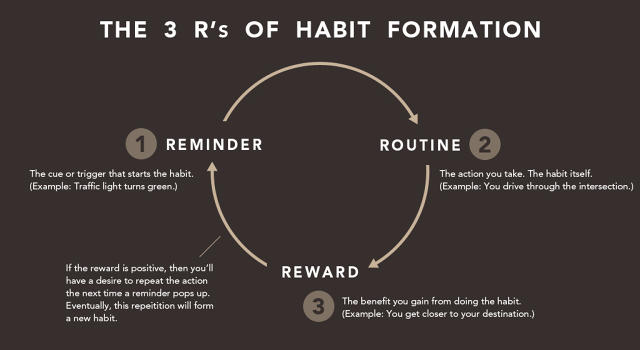
BLog - 3 R's of habit Formation - fastcompanyPhoto Credit: Fast Company

Monday Morning Moment – Stewardship – Stewarding My Part Well in Today’s Workplace

Blog - Stewardship - work.chronPhoto Credit: Work.Chron

All of life is stewardship. Doesn’t it make sense? Our jobs, our relationships, our personalities, and our future have multiple layers. When we think of stewardship, rather than ownership, or entitlement, or giftings, or personal rights, we take on a much broader, healthier view or life. Writing about it previously here, I wanted to focus more, this time, on our workplace.

In 1993, Peter Block wrote a revolutionary book entitled Stewardship: Choosing Service Over Self-Interest. He updated and expanded it twenty years later (in 2013). Block defines stewardship as “the willingness to be accountable for the well-being of the larger organization by operating in service, rather than in control, of those around us. Stated simply, it is accountability without control or compliance”.

Words mean things.  When we use the word “steward”, we loosen our grip on ownership – of our job, title, product, and work relationships. However, we do not loosen our commitment on personal responsibility. This is the gem of stewardship – a gem in the workplace that can be mined by each one of us.

Years ago, in nursing school, we used Virginia Henderson’s definition of nursing which focused more on facilitating the patient’s return to caring for him/herself than on the “giving care” component we often think of with nurses. Nursing as stewardship. When our children came along, we as parents would need to decide whether to home school or put our children into a private or public school.  Another parent gave us wise counsel: Whatever your decision, you are responsible for your children’s education, some of which you may contract out to other teachers or institutions. We, as parents, were stewards of our children’s education.

In the workplace, we have heard the word steward used in the service industry: union shop stewards, ship stewards, stewards on airlines, stewards of estates. However, the stewardship that Block describes can proliferate at all levels, especially if our leaders set this value and mindset. What if an organization determined to have an inclusive model of accountability where all employees operated by serving, rather than controlling, those in their influence (colleagues, customers, vendors)?  What if we chose to apply ourselves to the work before us, with deep personal care and commitment, rather than under a boss’s control or need for our compliance?

Stewardship as a concept and value is both time-tested and trendy. Check out REI‘s commitment to customers in delivering quality outdoor gear…and also to its employees. Stewardship.Blog - Stewardship - slideplayerPhoto Credit: Slideplayer

My first encounter with this word, stewardship, was as a child hearing the parable of a master preparing to leave on a journey. He entrusted the three servants with some measure of his wealth (talents). Their master had given each varying amounts of money, according to each servant’s ability. The master would be away for some period of time and meant for his servants to “steward” the money. Two servants invested his money in such a way that each doubled the amount entrusted them. The third servant, fearing the master (and possibly lacking confidence in his own ability), hid the money entrusted to him. He only had what he’d received in the beginning to give back to the master. The first two servants were rewarded for their faithfulness, care, and initiative, but the last cautious, fearful servant suffered the consequences of his inaction.

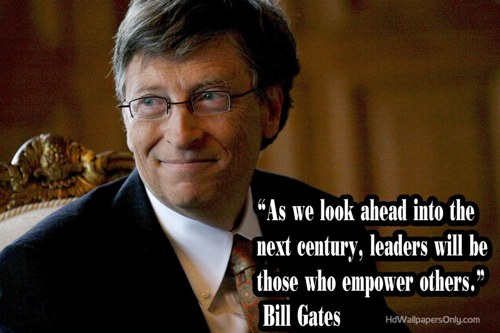
There is much to learn about stewardship from this old story. Stewardship is taking personal responsibility and interest in quality of service or product and depth of relationship. Like in the story, it could mean taking risks ourselves or with each other (especially leaders entrusting other team members with decision-making and design). It means empowering others in discussions and details that we might prefer keeping for ourselves (except that we are stewarding toward a larger outcome). It means making investments in others and in the over-all organization. Stewardship is the embodiment of employee engagement…all-in, whatever it takes, for that greater good. Lastly, the story spoke to rewards for those diligently stewarding what was placed in their care, and the consequences of those who refuse to be engaged…which leads to a place nobody really wants to go.quotes of bill gatesPhoto Credit: Quotesgram

Leaders and managers who are willing to give up control and who genuinely care about their employees and customers become true stewards themselves. They set the standard for stewarding across a company. Whether leaders are on board or not, any of us can still have ownership of a new-old way of thinking and practice. We can steward well what is our responsibility or under our influence. Again, this type of “ownership” is not about owning the job, the product, or the relationship. Stewardship is the owning of our personal responsibility – our piece of what could be excellent, and our piece of what’s not going well, and applying our experience, knowledge, giftings, and heart to benefit all touched by our service. Our stewardship.

BLog - Stewardship - 2 - whatcomlandtrustPhoto Credit: Whatcomlandtrust

What are your stories? Do you see the impact of your stewardship? Of the stewardship of others? Could you see how this might color the culture at your workplace? Is your company one where top-down, bottom-up, people care about each other and what they’re doing? It shows…if you are, or if you’re not. Stewardship.

Blog - Stewardship - John Wesley - QuotesgramPhoto Credit: Quotesgram

Monday Morning Moment – All of Life Is Stewardship

Stewardship: Choosing Service Over Self-Interest (2nd Ed.) – Peter Block

Five Lessons for Our Lives From the Parable of the Talents – Hugh Whelchel

Monday Morning Success – How Biblical Stewardship Transforms Your Work – Hugh Whelchel

Blog - Stewardship - Winston Churchill quote - ololmke

Photo Credit: OLOLmke

Monday Morning Moment – What It Takes to Be the Leader You Think You Already Are – Fast Read

Blog - Lead from the heart - businessinsiderPhoto Source: Business Insider

You are going to be so glad you are taking the time to read this. None of us want to think we’re leading well and find out, too late, that we missed the mark.  To be successful as a process manager, or content expert, or vision caster is something to celebrate, for sure. However,  if you don’t genuinely love your people (genuinely. love. your. people), it will mark your leadership and your personnel over time. Mark and mar. Don’t miss that…for your own sake and that of your organization – each employee and all employees.

A friend of mine told me recently that he’s never met the CEO of his company. He is not sure the CEO has ever walked down his department’s hallway. That made me sad, because I know the caliber of work he does and the quality of person he is. He would be such an encouragement to his company’s executive leader. Maybe he was out the day the CEO came down his hall…surely he showed up…once at least. Surely.

My husband speaks several times each year on leading from the heart. I love to hear him speak; it’s a good reminder for me in my own area of influence. Besides my husband, my other go-to person on this subject is Mark C. Crowley, author of Lead from the Heart – Transformational Leadershp for the 21st Century.

In a Forbes piece, Mark was interviewed by Ron Carucci on 4 Radical Leadership Practices that Will Dramatically Increase Engagement. You should read this piece in full. Here are those four practices in brief:

  • Invest deeply. Crowley defines deep investment as this: “You are personally spending ample time ensuring people are learning, growing, and thriving. You have a high bar for performance expectations, and you are personally helping people reach it. Every. Single. Day.” [Not just your administrative team, but every single employee in your organization. Too often leaders, busy as they are, leave this to others who may not have their character or their sense of what could be lost/gained.] Blog - Lead from the heart - slidesharePhoto Credit: Slideshare
  • Connect personally.  Raising boundaries in relationships at work (keeping a professional distance) doesn’t lead to objectivity; more they lead to ignorance. You think you know how people are, but do you really? Have you talked to personnel? Have you sat down at their work station? Ever? “People we lead have big stories, and we are part of that story.” You aren’t interested in a popularity contest, of course…but are you an empowering force in your employees’ lives…or a devaluing force? Check it out.Blog - Lead from the heart - essentialsofbusinessPhoto Credit: Essentials of Business
  • Hire for heart. “You have to hire people who are predisposed to care. If you hire for technical competence, or a track record of hitting numbers, that’s all you’ll get” warns Crowley. Maybe your leadership team is already in place and entrenched. Do your managers really care about your personnel? Are they following your lead in their role? This isn’t about occasional free pizza or management tossing kudos from in front of the room. This is about investing in and building up employees…all of them, each one of them… helping them reach their maximum potential. Challenge yourself in this, and your management teams in this, all the way through the ranks.
  • Love well. Crowley “emphasizes the criticality of leaders having absolute certainty that the people they lead feel like they, and their work, matter deeply, and they are genuinely appreciated.” Not just the executive team feeling this way but a model is set throughout the organization to “love your people”.

If you read this far, you probably already lead in this way or you want to. I think of myself as being pretty savvy in this area, and that could be my biggest weakness in the workplace. Making such an assumption is dangerous. So…thanks for caring about your own leadership. For those reading thus far, and you don’t see yourself as a mover or shaker in your organization…rethink that. The fact that you are so invested that you’re reading leadership articles may mean you’re more engaged than you might think. You lead out in this area yourself, if you must. For that friend of mine who has never met his CEO…make it happen. You nor he will regret it. Light a fire that could potentially encourage a whole organization. For real.

Lead From the Heart – Transformational Leadership for the 21st Century by Mark C. Crowley

Employee Engagement Isn’t Getting Better and gallup Shares the Surprising Reasons Why – Mark C. Crowley

YouTube Video – How to Lead from the Heart – 4 Practices – Michael Hyatt Podcast

The Four Disciplines of the Heart – How to Fight Back When You Feel Discouraged – Michael Hyatt

What Is the Key to Great Leadership Today? – David Grossman

Heart-centered Leadership – Susan Steinbrecher – Slideshare

The Yellow Brick Road of Leadership – Jonathan Stutz – Slideshare

Manage by Mind, Lead by Heart – Usman Ahmad – Slideshare

Monday Morning Moment – How Our Expectations at Work Shape Our Successes

Blog - Expectations - slidesharePhoto Credit: SlideShare

A blog title intrigued me recently – Almost Everyone Who Is Unhappy with Life Is Unhappy for the Same Reasons. It was a re-post of a LinkedIn blog written by Dr. Travis Bradberry (author of Emotional Intelligence 2.0). He writes about the role of expectations (of ourselves and others) and the impact those expectations have on our work life and relationships.

I see this so much in myself and in relationships both at work and in community. On one end of the spectrum, there are the expectations that undermine our successes – we don’t think we have what it takes to realize our dreams or goals. [This can also include our expectations of others, in the same way, especially if our expectations influence those colleagues’ view of reality.] On the other end of the spectrum, we may have expectations that are so unreasonably and unrealistically positive that we don’t do the work of realizing those same dreams or goals. [Again, this works against relationships when we have these expectations of others.]

In his article, Bradberry lists 8 common expectations that impact our work life and work relationships. He lists them and talks about them. Here I have written my own observations related to these expectations.

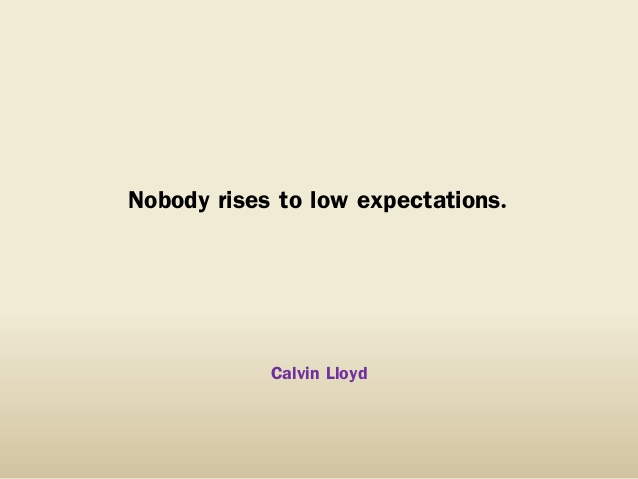
As you read and reflect, Dr. Bradberry is not saying get rid of expectations, nor am I. Expectations when honest, thoughtful, and kind are great motivators toward success. The adage “Keep your expectations low and you will never be disappointed” doesn’t really get us where we want to go.

After you consider the following expectations and thoughts, I would love to hear some of yours (in the comments below).

  1. Life should be fair. I have never understood the lament “That’s not fair!” It really reveals the heart of “That’s not fair for me!” How do we even make life fair? Our children, growing up, were never rewarded when they cried foul on fairness. We tried to raise them to practice kindness and generosity. That usually led to better than fair. In fact, if we flipped fairness on its head, our western work situations and family lifestyles would be quite altered, if what was usual for other parts of the world became our usual. That would be fair, right?
  2.  Opportunities will fall into my lap. There are times that opportunities “fall” into our laps. I call it “a God thing”. Whatever you might call that, it is rare and wonderful. In the day-to-day, we are to go after opportunities. Sometimes our very expectations of entitlement or pessimism keep us from even seeing opportunities right in front of us). Continue working hard, build your skill-set, learn from mentors, help your colleagues, practice thinking well of your boss, and seek out challenging assignments – these are fields where opportunities grow.
  3. Everyone should like me. I have tripped over this expectation. We think our own foibles are so much less annoying than those of others. If I consider myself congenial, you should comply, right? [The fairness problem nudges in here, for sure.] Bradberry summarizes this workplace problem well: “When you assume that people are going to like you, you take shortcuts; you start making requests and demands before you’ve laid the groundwork to really understand what the other person is thinking and feeling.” Rather than expecting others to be won by our personality, expertise, and past experience, we should discipline ourselves to practice winning the trust of a colleague, boss or customer… every time, as if it were the first time. This is a game-changer.
  4. People should agree with me. We honestly don’t want to have to work for people to agree with us. In the workplace, whenever possible, our default is to hang with those who do agree with us. This temptation sets us up for failure because we don’t gain from the critique of those who see things differently. Put your vision or project before those in other departments and see with their eyes what you might have missed with your own. Granted, be wise with whose counsel you seek, but do the work of seeking that counsel. Then share credit as appropriate.
  5. People know what I’m trying to say. Emails and text messages are almost communication. In corporate culture, even meetings don’t always cultivate clear communication. Be as clear and succinct as possible. Don’t lose the message in a jumble of clarifiers, justification, or story-telling. I’m not saying story-telling isn’t valuable; it is. The problem with story-telling is it can be contrived to emotionally engage when it actually takes away from the message. Again Bradberry wrote: “Communication isn’t anything if it isn’t clear, and your communication won’t be clear until you take the time to understand the other person’s perspective.”Blog - Communication at work - cbbainsealcareersPhoto Credit: CB Bain Seal Careers

Having lived overseas, we discovered the importance of learning the local “heart language”. In a work situation, the same holds true. How you communicate is colored by the focus of the one you’re addressing – whether it’s about ROI/ROV, employee engagement, product development….or fill in the blank. You can learn to balance between being true to your own style or values and adapting somewhat to the person in front of you (as a chameleon communicator).

6. I’m going to fail. “If you pursue an endeavor, believe with all your being that you’re going to succeed in that endeavor.” – Bradberry    We all fail sometimes; having that perspective is healthy. The problem is when we are so insecure or self-deprecating, our colleagues, boss, or customers lose confidence in us, based on our own assessment of our abilities. Not something you want to ensure by your own hand. [Read the whole of Bradberry’s article to get at the heart of this.]

7. Things will make me happy. If you’re not happy at work today, there’s not one thing beyond yourself that can change that. Not a different boss, not a better team, not more vacation, not a higher salary. This is a work on the inside that has to change your experience of work on the outside. We all know this. We all know…this.

8. I can change him/her. Okay, if you’re married, you already know the futility of this statement (and your spouse can say the same thing, by the way). When we get our focus on that boss we don’t understand or that colleague who makes us nuts, we aren’t able to focus on our work or the relationships that encourage and empower us. So what if you can’t change that coworker or boss? Can you be successful in your work if he/she doesn’t change? Most probably, the answer is yes…whether it feels like it or not. We lose enormous time and emotional energy on colleagues with whom we struggle. If changing jobs isn’t plausible or desirable, then figure out how to compartmentalize the distractions, and get on with your work. You can be a rock star even with difficult work relationships. I don’t want to issue a bunch of platitudes…but it is disturbing how much is lost from our workday in ruminating over (or talking about) stuff we can’t change…when there is still so much we can accomplish. Don’t sideline yourself with brain clutter – negative thoughts that negatively affect your work and relationships.
Blog - expectations - missworkerbeePhoto Credit: MissWorkerBee

Keep those expectations high (for yourself) and hopeful (for others)! Happy Monday!

Unrealistic Expectations That Do You Harm – LinkedIn article by Travis Bradberry

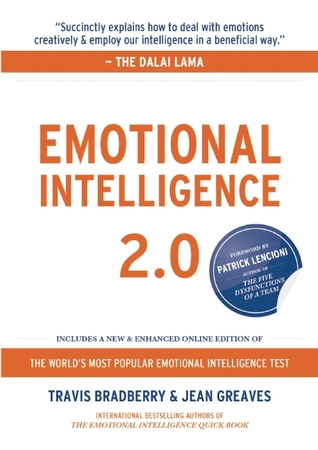
Emotional Intelligence 2.0 by Travis Bradberry and Jean Greaves

Emotional Intelligence 2.0 Quotes from GoodReads

Manage Expectations So They Don’t Manage You – Alli Worthington

The Key to Being More Attractive – Business Insider Video with Tony Robbins [Quote: “Trade your expectations for appreciation.”]

Set High Expectations Because Nobody Rises to Low Expectations – Barry Canada

The Expectation Effect – (in the classroom) – SlideShare

Blog - Emotional Intelligence - amazon

Photo Credit: Amazon