Tag Archives: work

Monday Morning Moment – Them and Us, How Can That Be? Could Them and Us Become a We?

Blog - Work Culture - delta7Photo Credit: Delta 7

Recently, I was in an odd conversation with a friend from work. The more we talked, the more we sounded like a Dr. Seuss book. It went something like this:

“I don’t know how to be us with them. To be with them is to just be them. We must lose us; us no more will be. There’s no us in them; it’s so strange to me. How can they be them, with no us, you see? To give up us is too hard for me. So I can’t see a way to get to we.”

[Seriously, the conversation went like that…but better.]

Battling the us-them assignation is an ongoing workplace discipline. Even in the happiest, coolest companies, there is still an intentionality to keep work life positive for every employee. That inclusiveness is a hallmark for high morale and low walls (read: no silos).

BLog - Us vs Them - Work Culture - Silos - prolearn academy

Photo Credit: Prolearn-Academy

In a work culture where silos still exist, an us/them mentality can grow as each team or department draws in on itself and ignores or suspects the actions/values of others. It’s not a healthy situation for any of us…whether it’s the executive team insulated from others or the [fill in the blank] team hunkered down in its own mode of trying to survive. The first can be as unaware as the subject of the story “The Emperor’s New Clothes“, the second, well, is just miserable, and growing more so by the pay period.

So much has been written on this problem in the workplace – about that culture where us/them thinking and operations color productivity and morale. I have included several links below describing various recommendations and protocols to restore health to such organizations.

Blog - Work Culture 2Photo Credit: My Turnstone

I’ve always been that person who says, “Why can’t we just all get along?” In reality, we don’t have that situation always, but we can grease the tracks in that direction. Here are my own workplace rules regarding moving us and them to we:

  1. Make a practice of assuming the best of your bosses and colleagues. “Refuse to think ill of others” is my goal…and my accuracy in hitting that goal comes with practice and determination…and grace.
  2. Lean in to those with whom you struggle the most – the “thems” in your worklife. Especially the most powerful ones. Study them. Learn their language. Know them as well as you can. NOT for self-serving reasons, but for the benefit of the work itself. Any motive that only serves your personal situation will only make matters worse… ‘Nuff said.
  3. Refuse to get caught up in us/them complaining. Don’t make a big deal about it, but do your best to turn the conversation toward a positive end, change the subject altogether, or bow out if all else fails. Those negative conversations just bring you and your colleagues down and don’t accomplish anything. A short-lived “misery loves company” satisfaction isn’t worth the fall-out of such conversations.
  4. Bring down the silos, one brick at a time, if necessary. Maybe you aren’t experiencing any us/them anguish, but you know it exists. What can you do, individually and as a work team, to move to “we”? We have lots of work models out there for this. In fact, silos in the workplace are “so 80’s” (whatever that means…I hear it a lot, so I’m using it here). Use some of that meeting time, or talks over coffee, to be creative in how you can work better across teams…how you can learn more from each other…how you can defuse territoriality? If the “them” is management, you initiate dialog on setting work culture values that maximizes product excellence and employee engagement.
  5. Put processes in place – through your culture – to keep silos down. I would love to hear what your situation is and how you are making positive steps to grow/keep a healthy culture. Please comment below.

Sure…there are times we need to process a difficult situation at work with a trusted friend. Yes, us/them scenarios are painful…and wrong, honestly…especially in the workplace where we are meant to have shared goals, working toward the same outcomes. Maybe, the us/them relationships in a company are too distracting and we can’t see any solution (back to the Dr. Seuss-like conversation above). In that case, it’s possible we look outside our company for another situation. However, you take with you a piece of the us/them dilemma. You take you along to the next job. Better to develop muscle memory on how to “be we”, whenever possible, right where we are.

[Sidebar: I’ve written a lot about work culture – too many to mention – but you can search work culture under Blog – Deb Mills and learn as I have about what is possible if we stay engaged in our workplace.]

Blog - Work Place Culture - open.bufferPhoto Credit: Buffer

Overcoming Us vs. Them Challenges

Breaking the “Us and Them” Culture

How to Avoid Us vs. Them – Huffington Post

The 10 Buffer Values and How We Act on Them Every Day

The 4 Elements That Make Great Company Culture

How to Save a Broken Work Culture

From Us and Them to We Participative Organizational Culture

Them and us – How to use Trust as a Competitive Advantage

How CEOs Can End an Us Them Mentality

Us vs. Them – a Simple Recipe to Prevent Strong Society from Forming
Monday Morning Moment – Notes on Chris Bailey’s Life of Productivity

Blog - Productivity - Chris bailey - by Lewis HowesPhoto Credit: Lewis Howes, The School of Greatness

Where does the time go? How do I get so tired before the day is done? I just can’t stay focused…too distracted, I guess. You know what I’m talking about. Then there are the reactions of those friends and family. The ones (who treat us with kindness) tell us sympathetically “You are just so busy”. Then others, more in our faces, say, “The things you want to do, you do. You just don’t want time with me enough.” I get the logic of those statements, but I’ve been perplexed as to how to improve my life choices, such that I get more accomplished…more of the important things.

Until recently…when I experienced the convergence of making New Year’s resolutions, having a big birthday, and hearing Chris Bailey talk productivity.

Blog - Chris Bailey - ProductivityPhoto Credit: Unmistakable Creative

Chris Bailey is the age of my children. Although he had job offers, he took the year after graduating university to go deep into a study of productivity.  During that year, he wrote about his experiments in his blog – A Life of Productivity. Then, he designed a roadmap of 25 tactics to greater productivity in his book The Productivity Project: Accomplishing More by Managing Your Time, Attention, and Energy .

You may be tempted to yawn at another book on productivity, but this is clearly one not like the others. I listened to a couple of podcasts on Unmistakable Creative where host Srini Rao talks with Chris Bailey. They pour over what Chris discovered about productivity during that year of experiments. [Disclaimer: I haven’t read the book yet but plan to. My takeaways are from these podcasts and the other sources linked below. Can’t wait to read his roadmap on productivity.]

As Chris talks with Srini (and we get to listen in – love these podcast opportunities), he talks about what he’s learned from others regarding productivity. His tipping point was reading David Allen’s book Getting Things Done. Srini also refers to Cal Newport’s writing on deep work (you can listen to him on Unmistakable Creative here and here). They also mentioned Charles Duhigg’s book The Power of Habit: Why We Do What We Do in Life and Business. Chris Bailey’s year of productivity experiments included studying what was already in the literature – a big help to us less-read hopefuls.

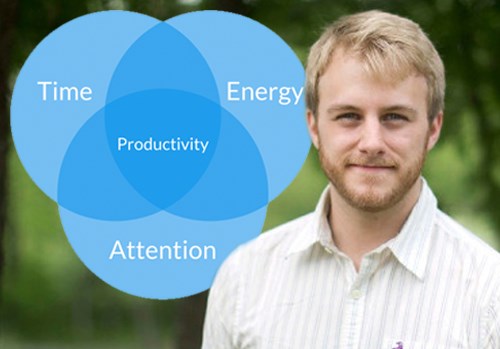
Chris defines productivity not as getting more things done but getting more accomplished. The difference is huge. It’s not just the “to-do list” but the view toward the “done list”. “Productivity is time, energy, and attention, and where the three meet in the middle is where you are in being productive. It is achieving what you intend to accomplish. It’s not about doing more things faster, but doing the right things deliberately and with intention.”

Here are the takeaways from my first-look into Chris Bailey’s “life of productivity”.

  • Take a step back from your life and ask the questions: What do I care about? What motivates me? When was I most inspired, driven, or felt the most meaning or passion for what I was doing?
  • The three commodities we all bring to the table are time, energy, and attention. It’s not just about time management, but also increasing our capacity for work (energy) and focus (attention).
  • Start every day with intentionality. Make your to-do lists to manage the minutia of life, but then do something more. Take a step back. Execute what he calls the Rule of 3. At the start of the day, mentally fast-forward to the end of the day and ask: “When the day is done, what three main things do I want to accomplish?” From this you form your intentions on what you want to accomplish.
  • Being busy, even in ticking off the things on your to-do list, doesn’t mean you’re being productive. This gives an illusion to productivity, but only when you step back do you discover whether you have accomplished what you thought you did in the busy-ness.
  • Start small in working toward productivity. Real change takes time and intentionality. “Write down everything in your job and personal life that you’re responsible for. Then ask, if I can only do one of these things every day, which adds value/meaning to my life (I would add or to that of another who matters deeply to me)? Ask again of the remaining tasks. And a third time.”
  • We all have limitations and constraints in our life. Bear those in mind as you plan and execute and evaluate. Being hard on ourselves won’t get us to greater productivity. Small, incremental steps toward change should be celebrated.
  • Work on one thing at a time. Single-tasking. Working mindfully.  “Multi-tasking holds people back from accomplishing more over the course of the day. It stimulates your mind; it’s like being busy. However, it actually makes you less productive, increases your errors, decreases your memory,  and takes longer to do everything” [in reality]. “You can only focus on one thing at one time. You then dedicate 100% of your time, energy, and attention to one thing – it will yield the highest productivity.” Counter-intuitive, I know, but I’m beginning to believe the wisdom of this.
  • Procrastination involves 7 triggers that cause your mind to resist certain tasks: when they are boring, frustrating, difficult, ambiguous, unstructured, lacking intrinsic reward or personal meaning. We put off doing those types of tasks (which often are ones we actually need to attack to be truly productive) and instead while away our time on social media or marathoning Netflix. Chris Bailey gives a way out: “Once you step back from the task, noticing you’re procrastinating, trick the triggers – reward yourself, set time limits, structure it, etc.”
  • Mindfulness is continually bringing your attention back to the work that’s in front of you. Chris Bailey uses meditation to build “attentional muscle”. Taking mental breaks (however you do) is important to make attentional space which we need for creativity. Our mind goes back and forth from “the essential executive mode (constantly thinking of something, like when on a smartphone), and the mind-wandering mode (like when you’re in the shower). You often have those brilliant ideas while in the shower.” Make space for building attention and creativity. Take breaks and disconnect a bit from the internet or Netflix (you knew that was coming, right?).

I am so encouraged by the possibilities of building capacity in my time, energy, and attention. Chris gets us started with his 100 Time, Energy, and Attention Hacks to Be More Productive. Remember, he urges us to start small. Change one thing, maybe, in each area. It’s a process but one we can master toward gaining a life of greater meaning and capacity, accomplishing what we have hoped for…not just waiting for the future self to do it. We can be more that person beginning today.

Blog - Chris Bailey - Productivity Experiment

Photo Credit: Amazon.com

Chris Bailey – A Life of Productivity – Website

The Productivity Project: Accomplishing More by Managing Your Time, Attention, and Energy by Chris Bailey

Unmistakably Creative – Podcast with Chris Bailey – Bridging the Gaps in Our Productivity

The Top 10 Lessons I Learned From a Year of Productivity by Chris Bailey

100 Time, Energy, and Attention Hacks to Be More Productive by Chris Bailey

YouTube Video – The Path to Meaningful Work: Chris Bailey at TEDxGatineau

Five Habits that Help Chris Bailey Stay Productive

From 90-hour Work Week to Rising Before Dawn, Author Experiments with Productivity – CTV News

Chris Bailey on Twitter

Monday Morning Moment – Change at Work – Moving Forward and Letting Go of the Past

IMG_3135

For two years, I had the extraordinary experience of writing for a work team put together by the president of a company to develop something really new. It was a phenomenal and humbling experience for me to observe a small and capable team taking a vision and fleshing it out for the broadest application possible.

The conference room had whiteboard walls where big ideas and wild possibilities were sketched out. Then the conversations expanded, adaptations were made, others (both inside the company and out) added ideas, and a process was born that could have tremendous impact on the company’s overall mission.IMG_3140

However…things can change. The budget tightens; the team breaks up; the company gets sold. Or maybe it just wasn’t the right time. Sometimes, a work has to be put on hold or transferred to the hands of another team or… fill in the blank.

One by one, the members of the team take other jobs, retire, or move into other assignments within the company. It happens.

The white boards go white again. The cubicles are cleaned out. The name cards are removed. The phones ring elsewhere. The mail is diverted to other places. IMG_3122IMG_3120IMG_3121IMG_3138

Is it as if this great creative thing never happened? Absolutely not!

One day, it will be the next right time, with the next adequate resources, and with the next trusted team. Never having to start at ground zero again…because of this team…and this time…and the work brilliantly accomplished together.

Moving Forward (2)

Somebody will always be the last person out, but each takes their memories with them…their experience…the wisdom gained…the relationships. Those are not left behind or placed in boxes. Those intangibles are the most real gains of our work lives.IMG_3128

In the long-running TV comedy series, The Office, Dwight Schrute watered the plant. No one noticed until he left the job, and the plant began to die. In the finale of the show’s last season, his office mates replanted it outside.IMG_3117 What a great metaphor in thinking about the varying gifts each of us brings to our jobs. At times, in our workday world, we don’t realize all that our colleagues bring to the team or company…until they are gone (re-assigned or in a job/situation elsewhere). It’s a good thing to remember and celebrate…and then…there comes a time when moving forward is the order of the day.

[Sidebar: To that precious one who did keep the plants alive for this team, all the others are still living and relatively healthy. Sorry about this one. Thanks for all the beauty you brought to this office.]

While going through this process of chronic transition, a friend has recommended a great book by William Bridges: Transitions: Making Sense of Life’s Changes. Bridges talks the reader through the three different phases of transition and gives practical strategies for dealing with these sometimes confusing and painful times.

“We resist transition not because we can’t accept the change, but because we can’t accept letting go of that piece of ourselves that we have to give up when and because the situation has changed.”   – William Bridges

I have a little desk toy that when you press it, a nasal electronic voice sounds “Moving Forward!” It is exactly what we needed to do, and we’re doing it.Moving Forward

You can only look back for so long. At some point you have to move forward. Moving forward is a good thing… Besides getting on with our life and work, it gives impetus to let go of whatever would hold us back whether good or bad. We learn from both and take both with us moving forward…hopefully in such a way that we celebrate what was good and we take heart in and wisdom from whatever the hard experience we leave behind. We move on.

In this last day of packing up and moving out, two little team-building signs from a by-gone era surfaced in the bottom of a drawer. The irony wasn’t lost. IMG_3137For you who were on this team and any who find themselves in a similar situation, I’m cheering for you. You, indeed, are great! Of course, no team today can ever really claim to be creators of a ground zero innovation or body of work. For sure, we all stand on the shoulders of giants

I wrote a series of articles on Jon Acuff’s book Do Over – Rescue Monday, reinvent Your Work, and Never Get Stuck. [Two pieces are referenced below.] Acuff gives great counsel to anyone struggling in the process of moving forward. I’d like to close with a couple of his quotes on moving forward.

“Master the invisible skills – Go to work; add value; own your attitude. – Jon Acuff

“Is living with the chaos of a decision easy? Not really… I try to create [chaos] sometimes as a way to hide from something else I’m afraid of. When real chaos comes…don’t fight it. If anything, lean into it. ‘Easy’ and ‘adventure’ very rarely travel together.” – Jon Acuff

What has helped/is helping you to deal with a current (or past)  disappointing work situation? Please share your story in comments below.

Jon Acuff on Character at Work – 9 Quotes & a Challenge – Part 4 of the Do Over Series

Jon Acuff on the Role of Hustle in Taking Hold of Career Opportunities – Notes & Quotes – Part 5 of Do Over Series

Do Over – Rescue Monday, Reinvent Your Work, and Never Get Stuck by Jon Acuff

Transition: Making Sense of Life’s Changes by William Bridges

The Challenge of the Prolonged Neutral Zone Era – (Insight from William Bridges, Managing Transitions) – Really good synopsis on this troublesome prolonged transition

Blog - Look Back, Look forward - Nourish the dream

Monday Morning Moment – Are You Engaged at Work? It Matters that YOU Show Up

Blog - Engagement - idonethis blogPhoto Credit: IDoneThis.com

In the pre-dawn light of this Monday morning, my husband and I sat briefly together. Over our first cup of coffee, we were talking about employee engagement, of all things. I had just read the most excellent blog (by Corinne Rogero) on being engaged, and it inspired a rare early morning conversation. Be encouraged.

This beautiful young woman, Corinne, tantalizes the reader with a blog seemingly about engagement to be married:

“I want to be engaged, but it’s probably not what you think. I’m as single as a slice of American cheese right now, which is perfect for me and I prefer it that way. But when I say I want to be engaged, I don’t mean I’m looking for a fiancé. I mean I want to be engaged in the sense that I’m mindful of the people and surroundings and culture and the spiritual warfare around me. I want to establish meaningful connections with the person on the other side of my coffee mug or in the booth across from me at dinner or in the passenger seat of my car. I want to lean in and connect with the stories being told. I want to actively console the sorrows being shared. I don’t want to go through conversations absentmindedly anymore.” – Corinne Rogero, I Should Be Engaged

This state of mindfulness and staying in the present are crucial to being engaged…no matter the environment or work circumstance.

Employee engagement is a property of the relationship between an organization and its employees. An “engaged employee” is one who is fully absorbed by and enthusiastic about their work and so takes positive action to further the organization’s reputation and interests.

When we become discouraged or demoralized with work, our tendency is to lose our bearings, almost become disoriented. We move to being defensive (reactionary), rather than offensive (proactive or forward-thinking). We lose focus and the best problem-solvers, highest producers among us can seem to lose their way…shifting focus to lesser goals and more easily achievable ends.

What I loved most about Rogero’s blog on being engaged was the personal intentionality of it. Her chief desires were clear and she was resolved to clear the way for them…in her day-to-day present.

I loved that and am inspired, empowered, and energized by that. I want to communicate and model that in my own workspace.

Tom Muha wrote a great piece entitled Achieving Happiness: Leadership Styles: Multipliers vs. Diminishers. I didn’t see how it related to achieving happiness but it did give an excellent summation of Liz Wiseman’s book Multipliers: How the Best leaders Make Everybody Smarter. Read her book for sure; Muha’s article will whet your appetite to read it.

I refer you to the concept of “multipliers vs. diminishers” because employee engagement is incredibly impacted by what kind of supervisor we have. Some supervisors maximize their team’s work experience (multipliers) while others maximize their own perceived importance to the organization rather than empowering their employees (diminishers).

We may not easily see how we can alter our situation with our boss (other than losing ourselves trying to please him/her, disengaging, or quitting altogether), but I see possibilities. It is possible, we can make a difference with our boss…if we don’t give up. It is also possible to make a difference for peers to help each other stay engaged or to re-engage. I loved Corinne Rogero’s quote below:

You will not find the warrior, the poet, the philosopher or the Christian by staring into his eyes as if he were your mistress: better to fight beside him, read with him, argue with him, pray with him.C. S. Lewis

It is hard sometimes…harder than we could imagine it would be sometimes…but whatever it takes to stay in the battle is better than disengaging ourselves from it.

Disengagement is very isolating. The disengaged just get quieter and focused elsewhere. Or, at its worst, disengagement gathers together a company of the miserable. No judging here…I just grieve the loss of what can be – not just product or service, but the continuing growth, joy, satisfaction of real, valued people at work.

Whatever our work situation or challenge, staying engaged is worth every effort, moment by moment. Hopefully your organization understands and is building in processes for ongoing employee engagement. Speak into that, if given opportunity. Speak into it anyway.

BLog - Employee engagement - management study guide

Photo Credit: ManagementStudyGuide.com

Hear one last word from Corinne Rogero on being engaged in life in the present:

“I want to be locked and loaded with an arsenal of grace and truth and boldness to bring the good news of hope into the lives that intersect mine. I want to be fully aware of God’s presence in every moment and not as much like Jacob who woke from his sleep and said, “Surely the Lord is in this place and I didn’t know it!”Corinne Rogero

No matter our situation at work – a team at odds with itself, a difficult culture, a boss who I don’t understand – no matter our situation, we can determine to be engaged. There is an undeniable emotional component to engagement, but it is larger than emotion. We can do the personal work of being “locked and loaded” – alone or with a few others who share our same vision and stewardship (belief/ethics). Our work lives are too precious to waste in disengagement… It may take some time for our circumstances to change, but our hearts, resolve, and focus can be sharpened in the fire of whatever difficulty faces us at work…if we don’t give up*.

What challenge are you facing at work that steals away your joy, drive, or confidence? What has helped you stay engaged? What are you doing to turn perceived walls, barriers or bottlenecks into doorways? Let us learn from you in comments below, please.

I Should Be Engaged – Corinne Rogero

Multipliers: How the Best Leaders Make Everybody Smarter by Liz Wiseman and Greg Mckeown

Gallup – Five Ways to Improve Employee Engagement

Best Practice Advice on Employee Engagement and Organization Development

*Galatians 6:9

Monday Morning Moment – Last Monday of 2015 – Begin Again

Blog - Mondays with Garfield - Jim DavisPhoto Credit: Garfieldh8sMondays

Here we are on the last Monday of 2015. The last Monday of the year. For some of us, there’s a collective deep sigh! We made it through this year of tough Mondays. Celebrating…quietly.

Over coffee this morning, we talked about the huge build-up to Christmas, and how today, in comparison, is almost a let-down. I don’t feel that way at all. On the Monday after Christmas, I feel satisfied and hopeful. Christmas was wonderful…even with the heart hurt of not having all our children with us and my dad states away in assisted living. Hard things are always strewn across even the best of holidays.

We rejoice in what was good and hope for what can be in the year ahead.

That’s how I also feel about this last Monday of the year. We didn’t deal with a terrifying diagnosis but we have friends who did. We didn’t have to grieve the loss of a family member but we grieve still the great loss of dear friends this year. We went through extraordinary change (in work and community) but thankfully kept those relationships. We did not suffer joblessness and do not take for granted the great blessing of gratifying work.

Work this year was oddly harder than any year I can remember. Some situations in life we expect to be hard – like the adjustments we made living cross-culturally, and like the year my mom died. This year was an unexpected hard.

In a season of chronic financial leanness and a year of organizational change, including planned and necessary downsizing, we still have a job. Months of “just keep doing what you’ve been doing” may now be winding down to make way for new direction and engagement. We breathe deeply the air of new possibilities in the days ahead.

Although there is nothing innately powerful in a last Monday of the year or the coming first Monday of 2016, the idea of a fresh start energizes us with hope and anticipation. This ending and beginning do stir our hearts and minds to begin again…

In 1970, a film was released entitled Scrooge. It was a musical adaptation of Charles Dickens’ A Christmas Carol. The old curmudgeon Scrooge was very well-played by a 30-something Albert Finney. As I look to this Monday and the next, his song “Begin Again” came to mind. If you have never seen it, watch the YouTube clip:

In thinking of finishing out this year at work, and looking to 2016, I hope you also can celebrate whatever victories and mercies you experienced this year. In looking to 2016, I pray you have anticipation of what comes. If you’ve had a hard year, too, then you are even more equipped to take hold of whatever comes.

Scrooge, in his song above, thanked “the world” (1:42) that he was able to begin again. Odd line really. I thank God for another opportunity to begin again – this day and all the days given to us ahead.

“Do not call to mind the former things, Or ponder things of the past. Behold, I will do something new, Now it will spring forth; Will you not be aware of it? I will even make a roadway in the wilderness, rivers in the desert.” – Isaiah 43:18-19

“O taste and see that the LORD is good; How blessed is the man who takes refuge in Him!”Psalm 34:8

Scrooge (1970) with Albert Finney – available on Amazon.com

YouTube Video – Scrooge with Albert Finney (1970)

Monday Morning Quarterback – What a Sunday of Football!

Monday Morning Moment – Stewarding Our Influence Well

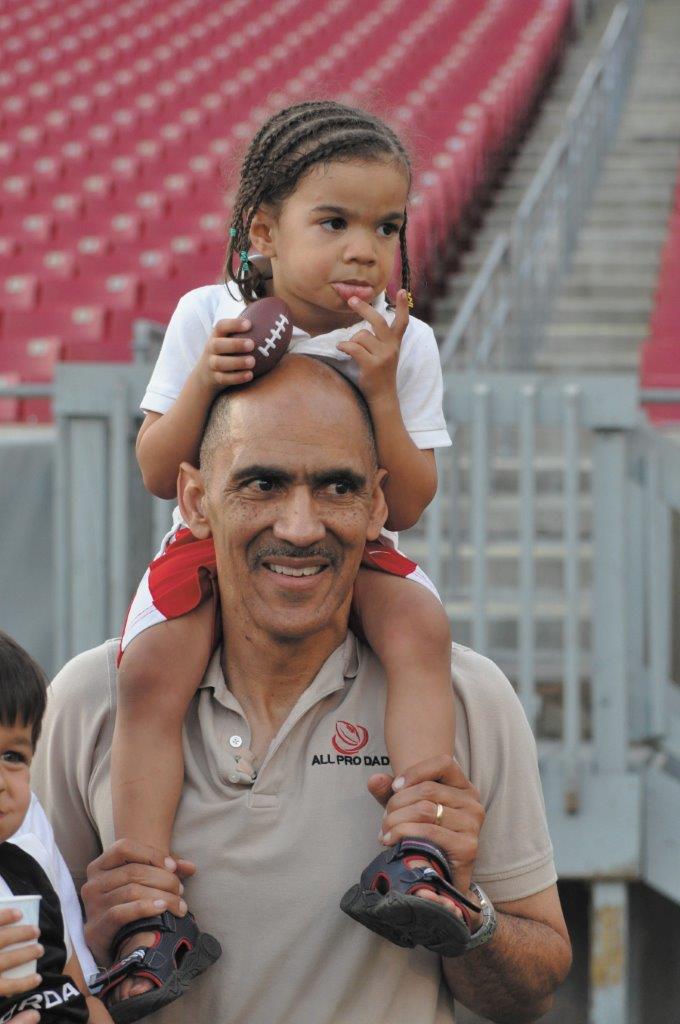
Blog - Influence - Alex & Stephen KendrickBlog - Influence - Tony Dungy Son - BPNews net (3)Photo Credit: BPNews.net

Be imitators of me, just as I also am of Christ. 1 Corinthians 11:1

We are all influencers in one way or another. How we steward our influence is strongly affected by those who have influenced us.

[This Monday morning moment has a spiritual bent, but the principles apply, whatever your belief system. It would be disingenuous for me to write about influence without including the impact of following Christ and Christ-followers in the mix. Thanks for your understanding of this.]

When I was in graduate school, my days were heavily committed to class time, clinical work, research and writing. Meeting with my thesis advisor was a regular “intrusion” into that schedule. For weeks, I would arrive late to our meetings, excusing myself always with some sort of “more important” fill-in-the-blank.  Communicating “more important than our time together”. My advisor was one of the most gracious women I’ve ever known. She was always spot-on ready for our meeting, having read my latest submission, with her notes in hand. If ever I was “fly-by-the-seat-of-my-pants”, it was with her.

Finally, one day, without warning, she nailed my tardiness for what it was…and I will never forget her for that. She taught me so much about professionalism and excellence in practice, but she taught me most in this area of honoring a colleague. I will always be grateful to Rose McGee for that.

Since those early years in my professional life, there have been many influencers in my life. Bosses, supervisors, coworkers. Some influencers had more celebrity status, but because they wrote for people like me, I soaked up their wisdom.Blog - Influence - Priscilla Shirer - BPNews net (2)Photo Credit: BPNews.net

Ben Kirksey recently wrote a short piece entitled Are You Worthy of Workplace Imitation?. It got me thinking of how my own workplace processes have changed because of those mentors, friends, and coaches in my life. 7 points of stewardship came to mind:

  1. Time – We all have the same amount. Honoring others’ time does matter – being interruptible, not shortchanging people, keeping and being present in meetings. It’s a balancing act, but we want to be dependable and resourceful in this area.
  2. Tweaking – only when absolutely necessary. Show you value others’ work. Give up control whenever possible. Whenever possible, trust their ownership of their work.
  3. More questions/Less Advice – We jump to advice (or direction). Learning to ask thoughtful and compelling questions is a discipline worthy of our time and effort. Jesus was masterful at this.
  4. Genuine Affirmation – To be truly known is such an empowering gift. General praise or cheery compliments are nothing compared with informed and specific affirmation. You affirm my thinking and hard work on a problem, and I will apply myself even more.
  5. Building Capacity – Investing in others’ success at work while, at the same time, expecting the most out of yourself, builds capacity all around. This collective commitment to the work and each other delivers. Building capacity is a “both/and” arrangement. We can’t cast vision for it effectively, without digging in ourselves.
  6. Leading by Influence – I have rarely enjoyed a position of authority…it is by influence that I have both learned and led in life. Authority has its own cross to bear in that the responsibility for return on investment sometimes interferes with relationships. Too bad, really. It’s through the relationships that we can see a greater return…as we steward influence.
  7. Perspective – I will never forget a workplace story about a creative director and his lead creative. They rarely agreed. In fact, as the younger man tells the story, their discussions could become very heated over the direction of any given project. Then there would come a moment when his boss would say, something like, “Let’s get some coffee.” or “It’s lunch time, let’s grab a bite to eat.” No matter the seriousness of the conversations, this older man was able to bring relational perspective to bear. Their relationship was more valuable than any project decision. I daresay the work didn’t suffer from this perspective.

I am so grateful for those who have influenced my work. As mentioned before, they include some whom I have never met physically. The Apostles Paul and Peter, and Jesus himself teach us volumes on stewarding influence well.

Shepherd the flock of God among you, exercising oversight not under compulsion, but voluntarily, according to the will of God; and not for sordid gain, but with eagerness; nor yet as lording it over those allotted to your charge, but proving to be examples to the flock.1 Peter 5:2-3

Do nothing from selfish ambition or conceit, but in humility count others more significant than yourselves. Let each of you look not only to his own interests, but also to the interests of others. Have this mind among yourselves, which is yours in Christ Jesus, who, though he was in the form of God, did not count equality with God a thing to be grasped, but emptied himself, by taking the form of a servant, being born in the likeness of men.  And being found in human form, he humbled himself by becoming obedient to the point of death, even death on a cross.Philippians 2:3-8

Finally, brethren, whatever is true, whatever is honorable, whatever is right, whatever is pure, whatever is lovely, whatever is of good repute, if there is any excellence and if anything worthy of praise, dwell on these things. The things you have learned and received and heard and seen in me, practice these things, and the God of peace will be with you.Philippians 4:8-9

Do you have a story of an influencer in your life and how that person changed the way you work? I would love to hear it through the Comments below.Blog - Influence - Jesus

Are You Worthy of Workplace Imitation? by Ben Kirksey

The People Skills of Jesus by William Beausay II

The Management Methods of Jesus by Bob Briner

Monday Morning Moment – Honoring Retirees – Workplace Culture & 5 Languages of Appreciation

Blog - Retirement - Gratitude at Work - Thank YouPhoto Credit: Harvard Business Review

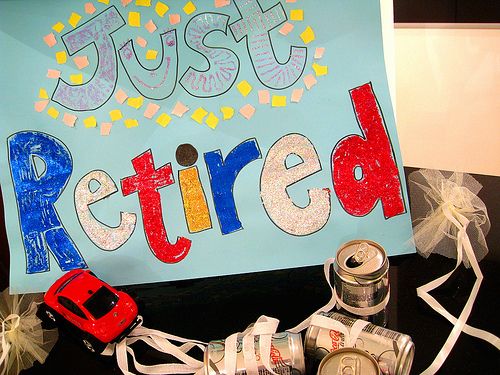
It’s Monday morning. Who’s retiring from your team this week? Who retired last week? Who do you see around you at work today? Do they know they matter to you? To your organization? How has their value been reflected back to them? What can you do today to show your appreciation, especially to that one who is retiring? Sorry for all the questions. They’re bouncing in my head. Let’s talk about it.

[This might be a little awkward if you’re the one retiring, especially with reluctance…or if you’re not retiring but question your own relevance or value at work lately. You may not be able to fix much of what your experience has been, but you can set your own “finishing well”…whether it’s official in a few days, or in several years.]

From the sidelines, I am watching a very strange phenomenon this week. On Friday, hundreds of employees in one local company will retire. It relates to a measured downsizing necessary to keep the company operational financially. The downsizing is a much kinder and more valuing option than layoffs. Still, there are huge ramifications for those leaving as well as for those who remain, in the months/years ahead…without them.

How does an organization go about honoring hundreds of retirees? Well…apart from the numbers, it’s in the same way you would honor one. Bill Peel offers a really helpful array of articles on appreciation in his Make Mondays Meaningful, quoting from C.S. Lewis and the Harvard Business Review. This is a good place to start.

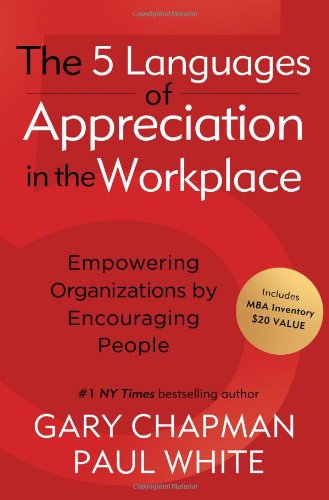
As I was thinking of the challenge for a company’s leadership and the human resources department to honor so many retirees, a little book came to mind. It’s The 5 Love Languages by Gary Chapman. Then I discovered he and Paul White wrote a follow-up book entitled The 5 Languages of Appreciation in the Workplace.

Blog - 5 Love Languages of Appreciation in the Workplace

Photo Credit: Amazon.com

Chapman and White describe five languages of appreciation (see in next paragraph). How we receive meaningful appreciation varies from person-to-person. Therefore we must attempt to personalize our expressions of gratitude to be effective. In a situation where a large number of folks are retiring, or in plan to build a workplace culture of appreciation, a comprehensive “shot-gun” approach may be warranted. If your aim is authentic honoring of your personnel, the extra work and creativity will be well-applied.

Maria Elena Duron, in her US News piece on workplace appreciation describes Chapman’s & White’s 5 Languages:

  1. Words of affirmation. Reassuring words (“thank you for your input,” or “great job on the presentation”) that serve to motivate and show gratitude to team members.
  2. Quality time. Going out of your way to spend a little more time with team members, discussing the topics that are relevant and important to them.
  3. Acts of service. Your words of gratitude could land on the deaf ears of team members who would rather receive help finishing a project or assignment. Going out of your way to lend a hand means more to such people than mere praise.
  4. Tangible gifts. Lots of people appreciate tangible gifts. The important thing here is to make sure the tangible gift is something the person values in their life outside of work, like a jersey of their favorite college football team or a coffee mug with their favorite cartoon character on it.
  5. Appropriate physical touch. Some members respond well to appropriate physical touch, like high-fives, handshakes, fist bumps and pats on the back. You’ll see this in sports, but it also translates well to the work environment.

Delbert Terry (speaking on The 5 Languages of Appreciation in the Workplace) gives this charge to both supervisors and colleagues:

“In order to appreciate, you MUST initiate.”

  1. For appreciation to be effective, it must be individualized and delivered personally.
  2. Appreciation needs to be viewed as valuable to the recipient.
  3. Employees are more likely to “burn out” when they do not feel appreciated or emotionally supported by their supervisors.
  4. When leaders actively pursue communicating appreciation to their team members, the whole culture improves.

Dr. Terry acknowledges: “There are challenges that get in the way of effectively expressing gratitude to our colleagues. Some are internal issues attitudes, thoughts, and beliefs. Other challenges are external and relate to corporate structures and procedures. These challenges need to be faced realistically, but they can be overcome.”

Challenge #1: Busyness

 Challenge #2: Communicating appreciation is not important for you organization

 Challenge #3: Feeling overwhelmed with existing responsibilities

 Challenge #4: Logistical issues that interfere with the process of sharing appreciation for others. Varying schedules, working on different projects…often make it difficult to express appreciation to certain coworkers.

 Challenge #5: Personal discomfort with appreciation *

*The 5 Languages of Appreciation in the Workplace – presented by Delbert Terry (pdf)

In honoring retirees and setting a workplace culture of appreciation, it is never too early and [hopefully] never too late.

As I think of the mammoth task of trying to honor hundreds of retirees in one fell swoop, I am both overwhelmed by and grateful for those who undertake such a task. How do you orchestrate such a celebration of so much human history and accomplishment? You do your best with gracious words, team parties, a speech from a charismatic leader, a slideshow of faces we love, and maybe shrimp and petits fours. I wouldn’t miss it, for sure.

The one thing I hope happens and it’s the hardest thing to make happen is that we capture the story of these lives. History, experience, a personal witness are so valuable and should be preserved somehow. Storycorps is an organization that gives us opportunities to record stories of people’s lives who have made a difference in ours. What a great way to honor those who have gone before us, so that we and future generations can continue learning from them.

Finally, we know something of the importance of authentic appreciation because of the character of God Himself. “Well done, good and faithful servant” are words any of us as Christ-followers hope to hear one day…from God, who knows us best. We reflect that deeply personal “divine compliment” when we truly honor one another.Blog - RetirementPhoto Credit: carp.ca

The 5 Languages of Appreciation in the Workplace: Empowering Organizations by Encouraging People by Gary Chapman & Paul White

Applying Appreciation Language in the Workplace – Maria Elena Duron, U.S. News & World Report

Why Appreciation Matters So Much by Tony Schwartz, Harvard Business Review

How to Give a Meaningful “Thank You” – the Power Thank You by Mark Goulston, Harvard Business Review

StoryCorps.org – “We Believe Every Story Counts”

Appreciation at Work

The 5 Love Languages: The Secret to Love that Lasts by Gary Chapman

Charles, Dave, KevinThese friends are not retiring…transitions and send-offs are also opportunities to say (and show) “You matter.” #SaveOurHistory

Worship Wednesday – I Am Yours, and You Are Mine – Oceans – Revisited

Blog - Kari Jobe - OceansKari Jobe, singing Oceans

[Adapted from a blog I wrote here.]

Thus says the Lord:  “Fear not, for I have redeemed you; I have called you by your name; You are Mine. When you pass through the waters, I will be with you; and through the rivers, they shall not overflow you. When you walk through the fire, you shall not be burned, nor shall the flame scorch you. For I am the Lord your God…” Thus says the Lord, who makes a way in the sea and a path through the mighty waters.Isaiah 43:1-2, 16

“Fear not” is the most frequent command of God found in His Word. “Fear not” – over 200 times. It’s not that hard to understand how it is He calls us not to fear but to trust Him in our circumstances.

There are times we just can’t see above the waves of our life…maybe it’s not our own storm but the storm others we love are passing through. The critical need to make a decision. The (re-)entrusting of work into the hands of God…or the hands of another. The walking into a future that’s shrouded from our sight… It always has been an unknown, but it seems more so today.

The truest reality is that there is still nothing to fear, really. God is with us. He went before us, preparing for where we are today. He will prepare for our tomorrows. He calls us to keep our eyes on Him.

My husband and his work team are going through such a glorious season (if I may call it that). There is nowhere to look but to Jesus.

It is such a season where God’s call to not fear and have faith stills our heart and steadies our resolve like no other time.

Dave wrote his team this email recently:

“I keep thinking of the account in Matthew 14 of Peter walking to Jesus on the water.  It is pretty amazing that Peter got out of the boat and walked to Jesus.  He actually got all the way across the water to Jesus.  As he was walking on water in the midst of that storm Peter must have been intensely focused on Jesus.  When he got to Jesus, it seems that he momentarily lost focus, turned and looked at everything around him.  At that point, his fear overwhelmed him and he began to sink.  As Peter cried out for help, ‘Jesus immediately reached out his hand and took hold of him.’  When Peter’s faith failed, Jesus grabbed him and pulled him back.  In recent days, I have been thinking a lot about that story.  Like Peter, when I am looking at Jesus, I’m good to go.  When I look at what is around me, I become afraid and distracted.  When I call out to Jesus, He rescues me.  So the stresses and challenges make me recognize my dependence on the Lord and push me closer to Him.  For that I can be grateful.  Let’s keep encouraging each other to run well (Hebrews 12:1-2).  I thank God for all of you and for the privilege of running with such great brothers and sisters.”

I was also reminded recently of the Apostle Paul’s letter to his “son” Timothy where he encouraged him to be confident in this:

“It is He who saved us and chose us for His holy work not because we deserved it but because that was His plan long before the world began — to show his love and kindness to us through Christ.” – 2 Timothy 1:9

We are in a time of making hard work decisions. In an organizational downsizing, some will be retiring soon. Many leave a work they love and face a very different future – both which they will  entrust to the God who will show Himself trustworthy. For those staying on the job, these may also see their work change. The phrase, “there will be lots of holes to plug” is something meant to comfort those remaining. It’s more how does anyone “fill the shoes” of those leaving? Those seasoned, revered “old” ones…

Tempted to fear…No, fear not.

I love words…and was delighted when my friend, Alicia, gave me a piece of art she made just for me. It is a line from the song Oceans sung by Kari Jobe. I didn’t know that song until we, together with other close friends, attended a night of worship featuring Jobe.

“When oceans rise, my soul will rest in Your embrace.”

Blog - Kari Jobe - Oceans 2

Lord, give us ears to hear You even amidst rolling waves and raging seas. Fill us with Your faithfulness.

Worship with me:

You call me out upon the waters
The great unknown where feet may fail
And there I find You in the mystery
In oceans deep
My faith will stand

(Chorus)
And I will call upon Your name
And keep my eyes above the waves
When oceans rise
My soul will rest in Your embrace
For I am Yours and You are mine

Your grace abounds in deepest waters
Your sovereign hand
Will be my guide
Where feet may fail and fear surrounds me
You’ve never failed and You won’t start now

(Chorus)

Spirit lead me where my trust is without borders
Let me walk upon the waters
Wherever You would call me
Take me deeper than my feet could ever wander
And my faith will be made stronger
In the presence of my Savior

(Chorus)

“For I know the plans that I have for you,” declares the LORD, “plans for welfare and not for calamity to give you a future and a hope. Then you will call upon Me and come and pray to Me, and I will listen to you. You will seek Me and find Me when you search for Me with all your heart.”Jeremiah 29:11-13

Oceans Lyrics – song writers – Matt Crocker, Joel Houston, and Salomon Ligthelm

YouTube Video with Lyrics – Oceans (Where Feet May Fail) – Hillsong United – Lyrics – Zion 2013

YouTube Video with Lyrics – Oceans (Where Feet May Fail) – Hillsong United – with Lyrics – with powerpoint of ocean waves

Monday Morning Moment – You Have Three Choices – in Work and Life

Blog - Monday Morning - Facebook imagePhoto Credit: Nourish the Dream – Facebook.com

Slaves, in all things obey those who are your masters on earth, not with external service, as those who merely please men, but with sincerity of heart, fearing the Lord. Whatever you do, do your work heartily, as for the Lord rather than for men, knowing that from the Lord you will receive the reward of the inheritance. It is the Lord Christ whom you serve.Colossians 3:22-24

Hopefully, you’re not feeling like a slave this Monday morning. You have choices. Even Paul, in writing to the Colossian church, spoke to those believers, enslaved at that time, as persons with choices.

My Monday mornings these days have been filled with thoughts and prayers for friends working in difficult and unusual circumstances – uncertain futures, struggling to stay on course, grappling with coming change. If you’re not in such a challenge, be glad and learn from those who are. How thankful I am for those in my life who shine as “stars in the universe” (Philippians 2:14-16).

Every single day, we have choices of how we deal with our work and our co-workers…especially in the press of uncertainty and change.

1. We could give up. What a temptation this is. When we are faced with what seems like a waning future (dwindling opportunities, more work with less workers, damaged trust), it is easy actually to give up. We clock in and do what’s necessary. Stay below the radar. Spend breaks researching other jobs. Keep doing what we’ve been doing with no vision for the future. This is an easy default…don’t make it yours. You’re better than that.

2. We could give in. – This is the darker choice. This is when we allow bitterness to take root in our hearts and color our attitudes and work. Giving in is when our performance actually deteriorates because we figure who cares anyway. Giving in is when we say the ugly things we’ve been thinking about our situation. Giving in is when we treat colleagues who were once friends as competitors, as threats to our position rather than supporters. Giving in does no one any favors and actually adds to the burden we already feel in what may be a very complicated situation already. Giving in is never where we want to go.Blog - Look Back, Look forward - Nourish the dreamPhoto Credit: Nourish the Dream Facebook.com

3. We could give it all we’ve got. Here’s where huge faith and great character come in. It’s so easy to say, “Keep doing what you’re doing”, “Stay in the game.”, “Trust God”. Don’t get me wrong; these encouragements are wise and true…it’s when we are struggling with the muck and mire of actually putting feet to faith in a situation that seems wrong. The difficulty at work may not even be wrong; it may be completely necessary…It’s when the force of the impact lands squarely on you that these choices become so real. Still, we have choices. It’s not the workplace that forces these choices on us. They are always ours. Every. Single. Workday.

If I can speak into my friends’ struggle, please stay on the course you’ve been on – such a way that you continue to build/leave a legacy of glory – to God and to the work He’s given us to do. One friend of ours in the thick of a stressful, stressful work situation, told another friend of mine, “Don’t lose heart”.  When you hear that kind of encouragement from someone determined to keep his own focus on what matters it resonates with such verity you want to do nothing less. So, let’s never lose heart and let’s do the work of trusting God in our situations. It’s so much better than the consequences of the other choices. So much better.Blog - Unknown future and a Known God - Monday MorningPhoto Credit: Nourish the Dream Facebook.com

After all, it’s only Monday morning. Who knows what the rest of the week will bring? For my friends who are in complicated work situations, having to drag yourselves out of a ditch each day to do a good job, I want to say how thankful I am to know you. How honored to see the fruit of your work. How joyful that our paths have crossed in the workplace. How much more trusting I am of God myself, because of you.

As our friend said, please “don’t lose heart”.

For all things are for your sakes, so that the grace which is spreading to more and more people may cause the giving of thanks to abound to the glory of God. Therefore we do not lose heartFor momentary, light affliction is producing for us an eternal weight of glory far beyond all comparison.2 Corinthians 4:15-17

Let us not lose heart in doing good, for in due time we will reap if we do not grow weary. So then, while we have opportunity, let us do good to all people, and especially to those who are of the household of the faith. – Galatians 6:9-10

Blog - Encouragement, Empowered, every good workPhoto Credit: Nourish the Dream, Facebook.com

Nourish the Dream – Your Headquarters for Biblical Business Success – Facebook page – David G. Johnson

13 Bible Verses to Overcome Disappointment

Givers, Takers, or Matchers in the Workplace – Which One Are You? – with Adam Grant

Blog - Givers, Takers, Matchers - Adam GrantPhoto Credit: Chuck Scoggins.com

A smart and gifted friend of mine is going through a taxing time on her new job. Long hours, piling up responsibilities, with no end in sight. She lamented that maybe the problem is that she’s a people-pleaser. That expression seems to communicate a character weakness, and I don’t see that operating so much with this friend of mine. What seems more her dilemma is that she’s what Adam Grant calls a “giver”…which is a good thing. The dilemma for my friend and her workplace is to establish a culture where she, and other givers, can thrive.

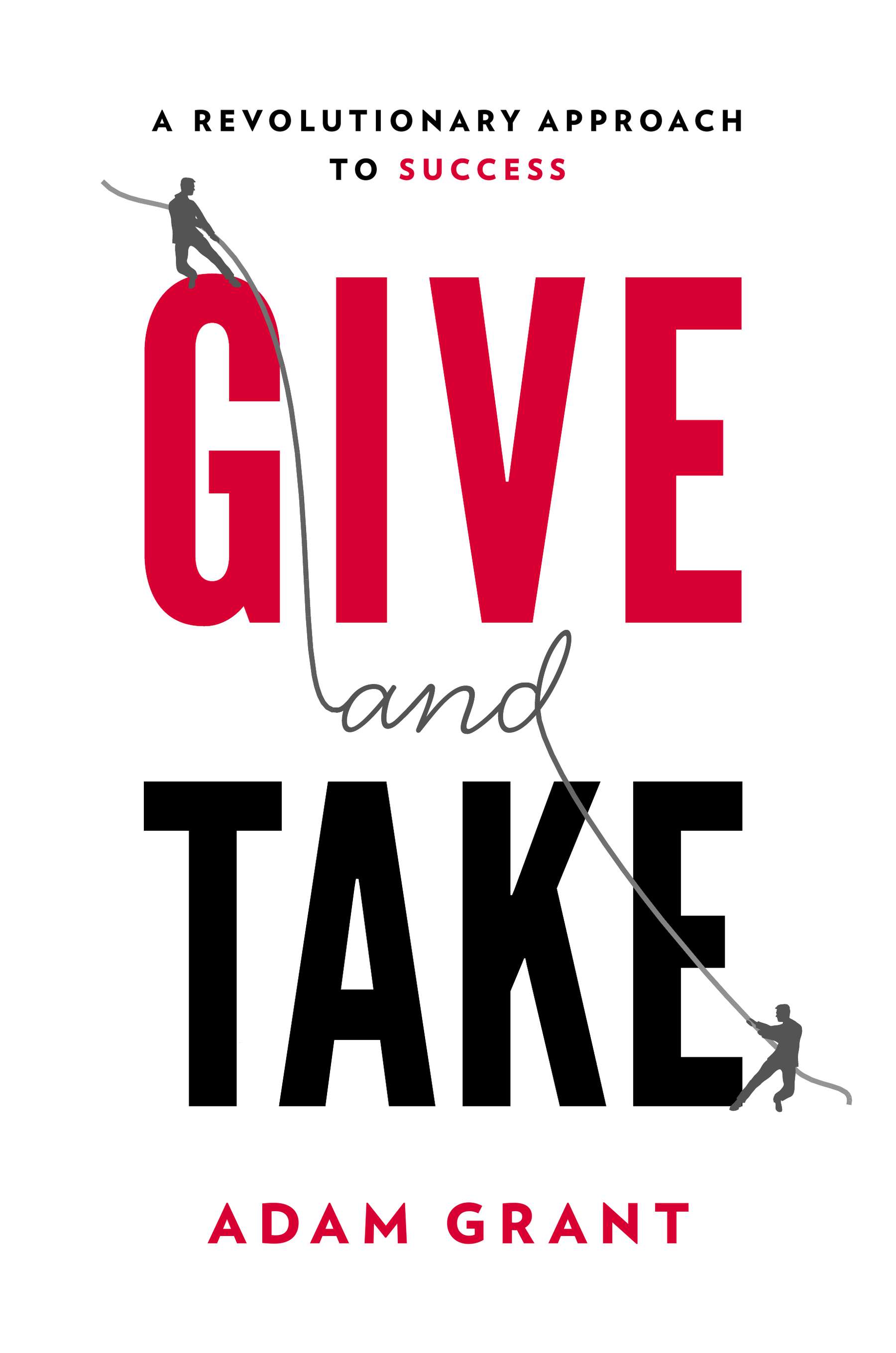
Adam Grant is a professor at the Wharton School of the University of Pennsylvania. He has also written this great book – Give and Take: Why Helping Others Drives Our Success. I heard him speak at the Global Leadership Summit and bought his book. His take on the three tops of people who make up our work culture was both fascinating and practical.Blog - Give and Take by Adam Grant - cminds.netPhoto Credit: Amazon.com

Grant sees us all as either givers, takers, or matchers. “It’s very hard to judge our own style. What values you live each day is in the eye of the beholder.” We may not necessarily see ourselves in these categories, but our colleagues will. Ask them, if you have the courage. Then you might consider taking what you learn and thinking through how you might use that information to become a more effective employee and valued colleague.

Takers are those who often manage to do the least amount of work yet gaining the most notice. They manage to get “the lion’s share of credit for collective achievements”, notes Grant. The Takers are the shirkers in the workplace. They are not at their desks because they are off schmoozing (oops, I meant networking, right?) in another department. They somehow get their jobs done partly by leaning on the strong work ethic of the Givers.

Givers are the people who simply enjoy helping others – “no strings attached”. They get to work early and stay late, if necessary. Their core values resonate in the quantity and quality of their work.

Matchers are most of us, really, doing our part in the workplace. Matchers can be counted on to keep things “fair” at work. “I’ll do something for you if you do something for me” is their mantra. They believe in “an eye for an eye” and “just worlds”.  They are the “fairness” or “Karma” police in the workplace.

Grant readily admits that we may operate out of all three styles from time to time, but we each have a dominant style at work.

How do givers, takers, and matchers fare in the workplace? Which of these sinks to the bottom in terms of performance and impact?

Givers are the worst performers (but keep reading). “The ones who get the least work done are the ones who help the others and never get their own jobs done”, reports Grant.  “I love helping others” is not the one on top of the heap of performers. “The lowest revenue accrues to the most generous salespeople.”

It’s sad news that givers sink to the bottom. If you want to boost your organization, have more givers….unfortunately the givers do it at their own expense – unless the organization builds a culture that helps the givers to thrive.

Who rises to the top?

If givers are the worst performers, who are the best performers? You think it’s takers? Takers rise quickly, and fall quickly. They often fall at the hands of the Matchers who can use gossip (or, said another way, workplace channels of influence) to call out the abuse of the Takers. Beware, Takers, of the Matchers in the shadows. Also, other Takers can also take down those more abusive, or less-well-liked Takers.

Are the Matchers the best performers? Not usually. The best results belong to the Givers. Wait! How can they also be the best performers? It’s a both/and situation.

Grant encourages: “Helping others can sink your career but it can also accelerate your careers. Hang in there.”

It takes a while for Givers to learn and build connections, but when they do, it’s a win-win for the organization.

How can we build cultures to help Givers be successful?

3 Things We Can Do:

  1. Keep the wrong people off the bus. – Get the right people on the bus. If possible, keep Takers off the bus. “One Taker on the team and paranoia starts to spread.” Put one Giver on the team, and you don’t necessarily have an explosion of generosity. It’s not bringing in the Givers; it’s weeding out the Takers. Matchers follow the norm. Matchers will follow the example of the Givers.
  2. Redefine Giving.   Wisdom is to know who is who in the workplace. Or at least not be thrown off by behaviors vs. motives. Then we can shape our work culture to empower Givers, influence Matchers, and avoid enabling Takers. In an interview with Adam Grant, Thinkers50 spelled this process out very well. For instance, consider Agreeableness vs. Disagreeableness – in Takers, Givers, and Matchers. We usually think Takers are disagreeable, but not necessarily so. Givers aren’t always agreeable either. Just because someone is nice to you (an agreeable Taker) doesn’t mean they care about you (Givers, in general, really care). Adam Grant also talks about the importance of kindness in the workplace. This is a strength of Givers, but it can also push them to over-work and exhaustion. Grant prescribes “5-minute favors (a microloan of your time, skills, or connections). Volunteering – 100 hours a year – is the sweet spot. Greater than 100 hours a year is too much. 2 hours a week.”
  3. Encourage Help-Seekers – A work culture of Help-Seekers will take silos down. “People step up when others say ‘I’m stuck; I need some help’. If no one asks for help, you have a lot of frustrated Givers in your organization.” Grant recommends an exercise called the Reciprocity Ring – Gathering teams together and having each person state a request of something they want or need and then everyone else in the room tries to use their expertise and networks to make it happen. “People are often unbelievably generous if you ask for help. Givers step up. The Takers become more generous. All the offers of help are visible. Takers don’t want to get outed. The Matchers realize that matching is useful, but it’s an inefficient way to run an organization. If you have given help to others without getting back, then you can increase your productivity because you don’t have to just ask those you’ve helped.”

Givers ask the question “How can I be the rising tide that lifts all boats?” We can move our organizations in this direction of maximum impact and satisfaction, by nurturing a Giver culture.  Instead of workplace paranoia, imagine a culture distinguished by a “Pro-noia” – the “delusion” that other people are plotting your wellbeing.  May it not be a delusion but a daily reality.

Give and Take – An Interview with Adam Grant by Thinkers50

Give and Take – A Revolutionary Approach to Success by Adam Grant

Outward Focused Lives // Givers, Takers, Matchers

Give and Take – An introduction

YouTube Video – Adam Grant, Professor – Givers, Takers, and Matchers

YouTube Video – Adam Grant’s Give and Take Talk at Google

Global Leadership Summit 2015

The Reciprocity Ring

Live Blog: 2015 Leadership Summit – 30 Leadership Quotes from Adam Grant – Brian Dodd on Leadership

The Global Leadership Summit Session Three – Adam Grant – Notes by Chuck Scoggins