Category Archives: Family

5 Friday Faves – One Small Step, A Father’s Good Gifts, Gossip, Blended Families, and Mission BBQ

Happy New Year! Whew! May 2022 be a reprieve from the struggle of 2020 and 2021. May we see the fruit of new wisdom and sound actions taken toward a healthier future and a closer community across our world. Thank You, God, for this new year and getting us through the last. Here are my favorite finds from this first week of 2022.

1) One Small Step – A couple of years ago, Dave and I had the privilege of listening to Dave Isay, the founder and president of Storycorps. He is a strong advocate of the power of telling our stories (to each other, face-to-face). [See his TED Talk on this here.] Given what we’ve been through the last couple of years (with our country divided over politics and trying to keep our balance with COVID), his One Small Step Initiative has been incredibly timely. Isay has a vision of bringing our country together (and maybe yours as well if you live elsewhere) through the experience of face-to-face dialog. We may have some sharp disagreements and consider ourselves enemies, but we can find common ground and common values…if we keep (or start) talking to each other. StoryCorps has made a platform where strangers can engage. Strangers who would not usually, given their differences, talk together. This One Small Step Initiative is actually being highlighted on this week’s CBS TV show 60 Minutes. Don’t miss it (or catch it later).

Photo Credit: RVA Library, Ben Himmelfarb 

P.S. Two phrases that speak to the above…and positive, healing communication, in general, are contingent communication and contact hypothesis. They are both worth taking note of and considering:

Contingent communication – Face-to-face conversation with a determination of deep listening, strong affirmation, and the mutual sense of “feeling felt”. Dr. Curt Thompson describes it as “communication, in which two individuals, through both their spoken dialogue and non-verbal cues, each affirm the other as they interact”.  (Anatomy of the Soul, p. 139)

Contact hypothesis“suggests that prejudice and conflict between groups can be reduced if members of the groups interact with each other”. In this article, Dr. Elizabeth Hopper goes on to say that “One especially promising possibility is that contact between groups might encourage more powerful majority group members to work as allies”. Instead of talking around each other, we come together. One conversation at a time.

2) A Father’s Good Gifts – This week I discovered an article by Jon Bloom entitled A Father’s Good Pleasure. Bloom talks about the joy we as parents have when we participate in generating joy in our children’s life.

One example of this for me is how my sweet step-dad continued to travel overseas to see us after Mom died. This was not a thing on his bucket list He came because he loved us and he came because he knew the joy it would bring to us.

“Which one of you, if his son asks him for bread, will give him a stone? Or if he asks for a fish, will give him a serpent? If you then, who are evil, know how to give good gifts to your children, how much more will your Father who is in heaven give good things to those who ask him!” – Jesus (Matthew 7:9–11)

“Give them [your children] good things — things they value as good and really want. And really, authentically enjoy doing it. It has God’s endorsement, since he too takes great pleasure in giving good gifts to his children…Become, through your joyful, affectionate generosity, an opportunity for your children to experience [and you with them…what C. S. Lewis calls] transposition  — to see and savor the higher, richer pleasure of God in the natural pleasure of their father giving good gifts to them.

Become a student of what gives them joy.”Jon Bloom

I love that Jon posted this piece the first week of January – when we are reeling with all the “stuff of Christmas”, including the credit card bills coming in this month. It is a joy to give our kids what they want when we can (and that is carved deeply in our western Christmas culture). It is also a joy to give our kids joy in deeper ways.

Our youngest son eats lunch with us on some Sundays. Often it is just him and us; his older siblings and families joining us occasionally. When Dave and I are most attuned to him, we just take the opportunity to affirm him and take joy in him. He feels that joy.

Have you Buried Your Gifts? – Jon Bloom

[Sidebar: The piece above talks about the gifts that we have and how our abilities and capabilities (the strength to operate out of our abilities) go hand in hand. Don’t want to bury my gifts because of a lack of gumption.]

Photo Credit: Nancy Tillman, Facebook

3) Gossip – What we may consider processing (with a friend or spouse) could be just plain old gossip. Pastor, writer Scott Sauls calls it in a recent tweet.

Photo Credit: Scott Sauls, Twitter

Such a wake-up call about gossip helps us think about the damaging impact of it on relationships. Gossip (which we too often call processing or ranting) makes us think we’re doing something about the dysfunctional relationship we have, when really we’re causing it further harm. What we’re doing is something called triangling. When we have a problem with one person but complain about that person to another. It is passive-aggressive and if we aren’t coached to go to the person missing from the conversation, then it just remains complaining. The relationship continues to be dysfunctional.

We aren’t to just bury a struggle, but we can deal with an offense with care and respect…even if it feels undeserved. This is the beginning of a healthy connection in the place of dishonoring and dismissing complaining.Photo Credit: Heartlight

A Gentle Answer: Our ‘Secret Weapon’ in an Age of Us Against Them – Scott Sauls

Beautiful People Don’t Just Happen: How God Redeems Regret, Hurt, and Fear in the Making of Better Humans – Scott Sauls (Publish date June 2022)

4) Blended Families – Step-families, or blended families, can provide safe and loving refuges for children of divorce. As an adult child of divorce, I remember well the shame of being a child whose dad just seemed to forget his children over time. When Mom remarried a man also divorced (with children of his own), we experienced the positive (and negative) of being in a step-family.

Photo Credit: Pixabay, John Hain

As older adults, both children sets have issues of parental neglect mixed in with loving relationships. Every step-family is different, of course. Many are healthy. For those who struggle, there is always help and hope…if we reach for it.

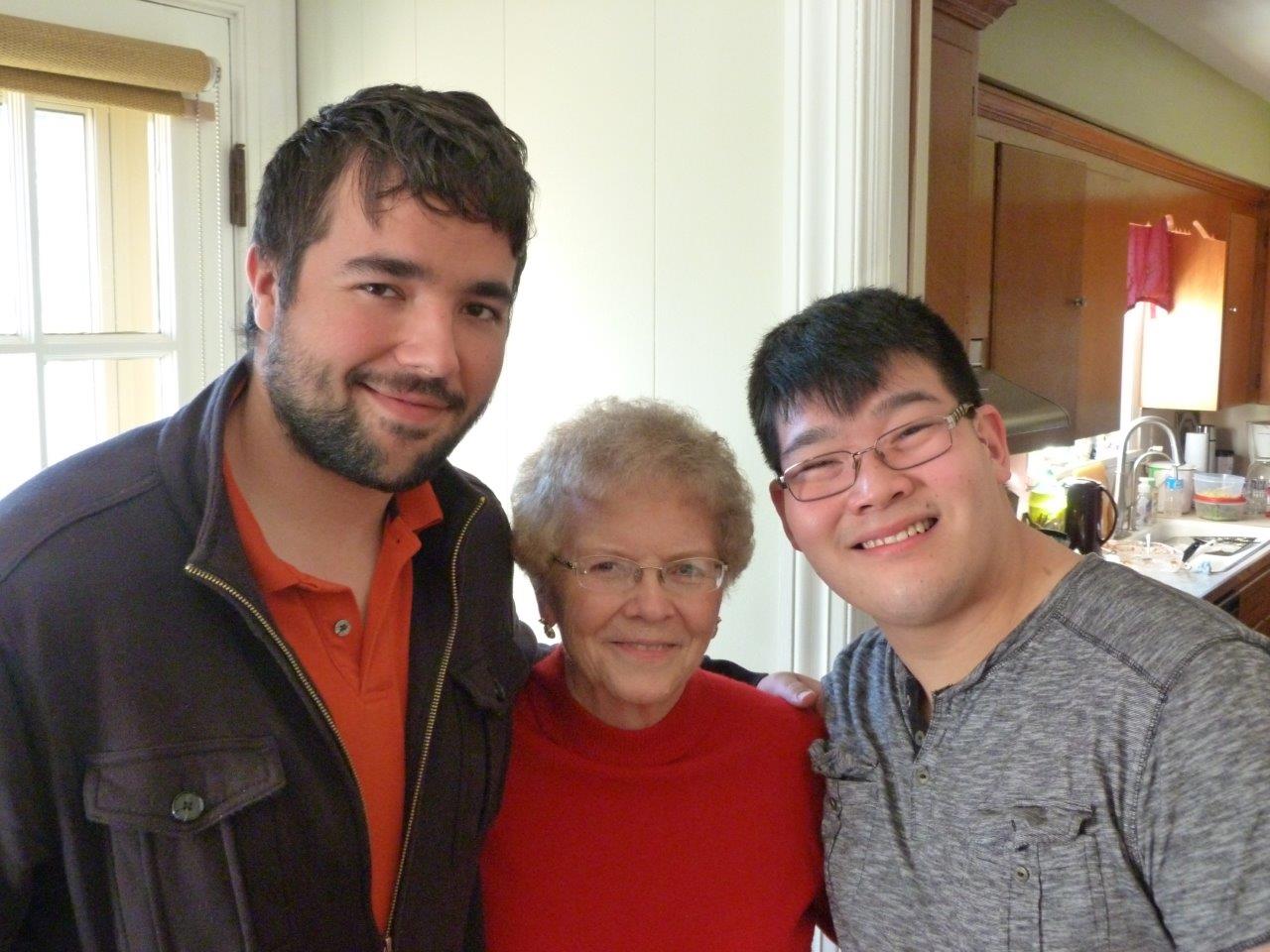
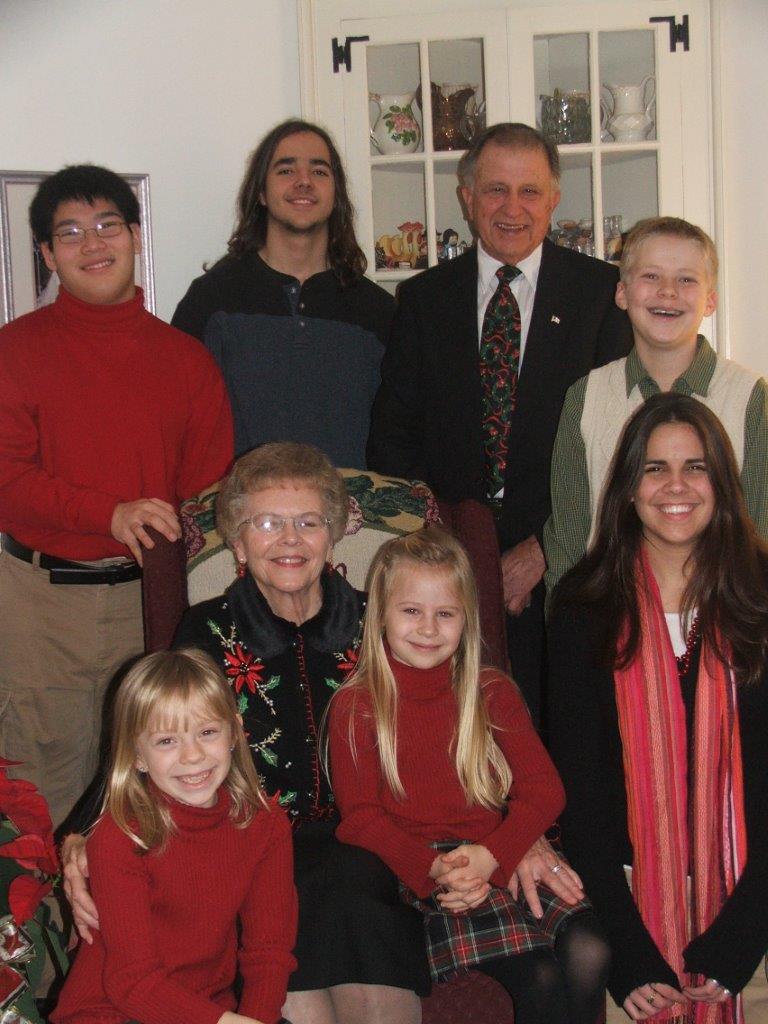
[Just some of my large blended family…including some friends who are family…for which I’m so thankful.]

A podcast I would recommend for step-families who have had broken or painful relationships is therapist Ron Deal‘s Family Life Blended. The podcast (and other resources) is a help for any family but especially for blended families. The link below is an excellent example.

Ridding Your Soul of Shame – Family Life Blended Podcast – Ron Deal with Curt Thompson

Photo Credit: Pixabay, Ben Kerckx

5) Mission BBQ on a MissionMission BBQ is one of our favorite restaurants in Richmond. Their generous customer service (even in this era of COVID) and consistently delicious food are super special. http://debmillswriter.com/wp-content/uploads/2017/07/IMG_6824.jpg
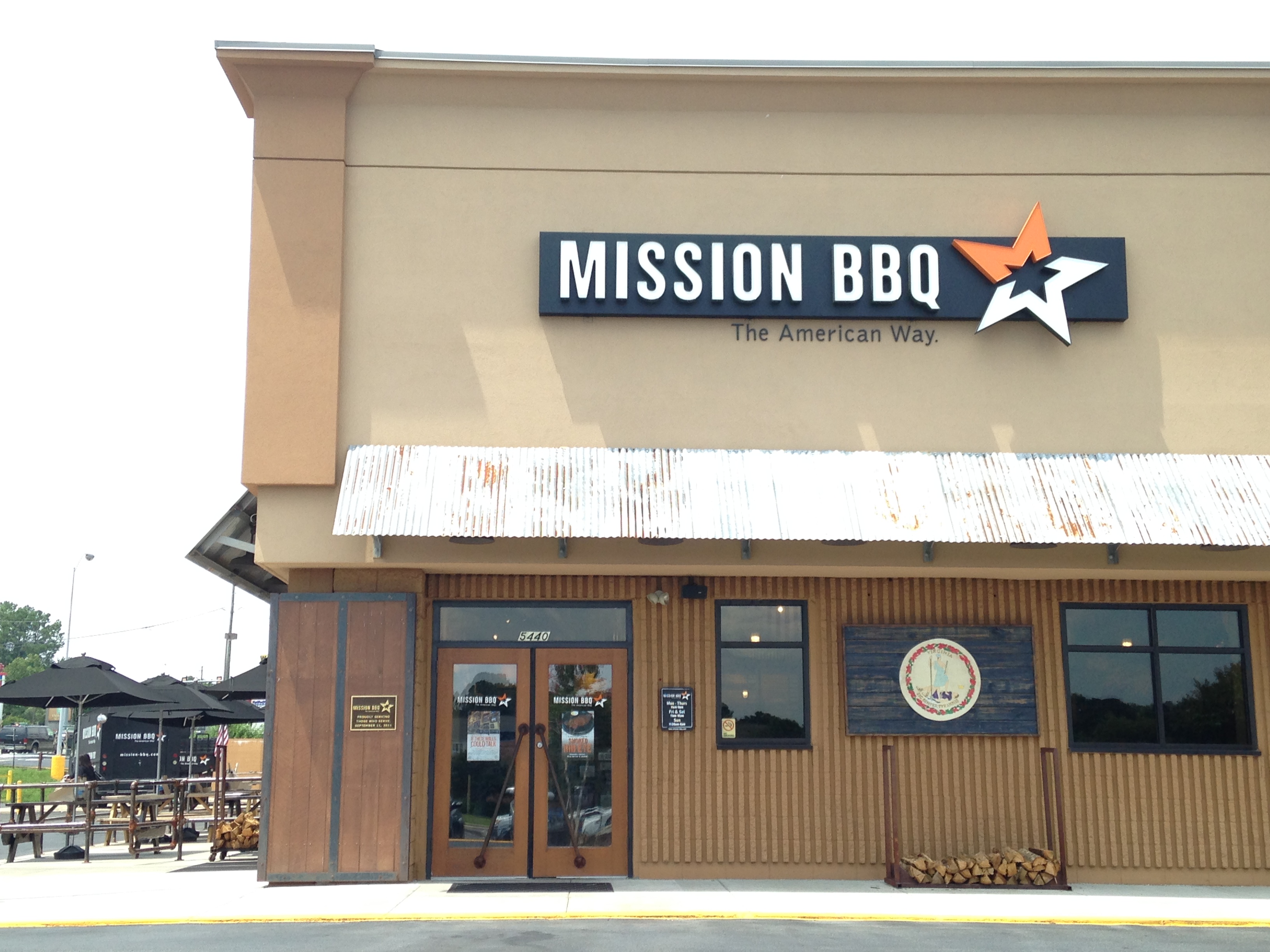
We are members of their birthday club and receive a free barbecue sandwich when our special day rolls around each year. Besides that, we will get an email occasionally inviting us in for another free sandwich. Today we redeemed our “Merry Christmas” freebies.

The food is great, but it’s also an uplifting in-restaurant experience. Mission BBQ sets the bar high in honoring first responders and members (and families) of the military. In fact…they make all their customers feel honored. Sweet. And very unique.http://debmillswriter.com/wp-content/uploads/2017/07/IMG_6827.jpg
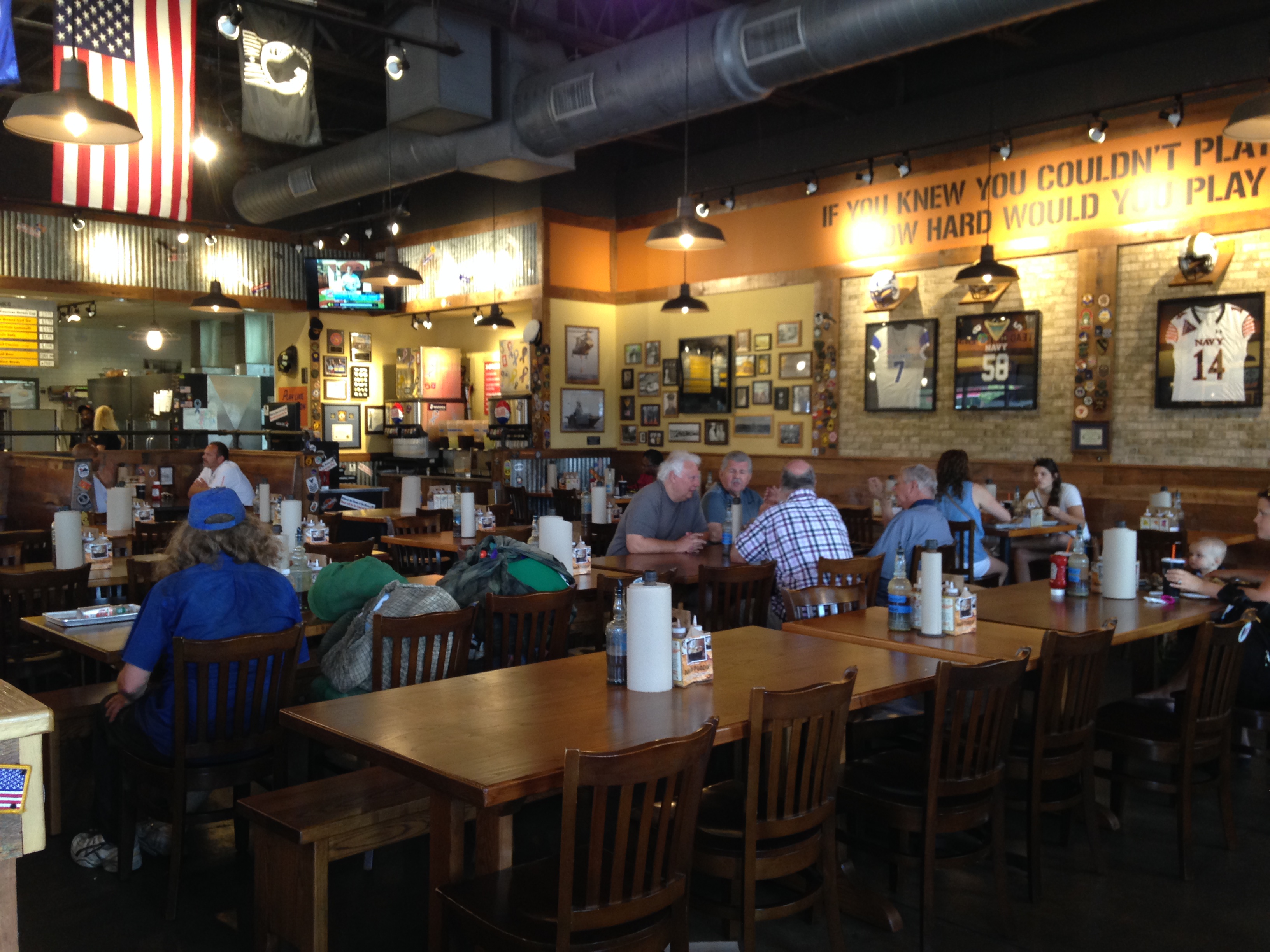
In fact, if you’re in the Richmond area (or have a Mission BarBQ in your area, and are thinking about heading over on Monday, they will be closed.  It’s their National Day of Service when they feed homeless veterans around the city.

The Restaurant Dishing Up Patriotism with a Side of BarBQ 

If you have one in your town, don’t miss it. If you don’t, can you suggest your own exceptional business (in Comments below)?

________________________________________________________________________

Those are this week’s Faves. How about you? Please also use the Comments to share some of yours. Thanks for stopping by. You are a blessing.

Bonuses:

Endangered Attention: How to Guard a Precious Gift – Scott Hubbard

One big mistake people repeatedly make is focusing on proving themselves right, instead of focusing on achieving the best outcome. This is the wrong side of right. The Wrong Side of Right

Top 10 Surprising Lessons on the Genealogy of Jesus – Joshua Infantado

A Facebook post by a friend of mine in January 2020 – still speaks:

Photo Credit: John Williams, Facebook

“I make my bed every morning because it’s a gift that I get to open at the end of every day. A gift that not everyone has. So while I’m wrapping my bed in the morning and I’m unwrapping it at night I’m reminded of what a great blessing my bed really is in my life. When we stop viewing what we have as little, insignificant or not enough then we get to see what we do have as gifts we get to enjoy, great blessings in our lives and provision for our needs.”Theresa Nicely McCoy, Facebook


5 Friday Faves – New Year’s Resolutions, Habit Planner, Year-End Review, Word for the Year, and the Last Days of 2021

2021 is rapidly winding down. Whew! Here are my Friday Faves to get us ready for the new year…hopefully a joyful one!

1) New Year’s Resolutions – 2021…the end is in sight. What do we do with this new year ahead? Do we revisit those habits we thought about changing up in this tumultuous year? Maybe so. Or maybe we didn’t alter course so much for good reason. Let’s give pause a moment and consider…

Photo Credit: David Lose

Monday Morning Moment  – 2021 Come On! – New Year’s Resolutions

Are We Doing New Year’s Resolutions After a Year as Lousy as 2020? There’s One I think We Need More Than Ever – Heidi Stevens

How to Make Healthy, Attainable New Year’s Resolutions During COVID-19 – Ashley Welch, Healthline

Are You Making a New Year’s Resolution This Year? Readers Weigh In – Sarah Fielding

I take New Year’s resolutions very seriously. They have served me well through the years in shaking up troublesome habits as well as galvanizing better ones. New (or restored) habits that nurture the body, the spirit….and, when possible, family and community.

New Year’s resolutions are not always exercises in futility. They can be excellent pathways to help us get off to a strong start into the next year. Some of my family and friends treat resolutions with disdain…they never work; they never last. Oh, but not always!

They are really very energizing. Whether we meet our goals or not, there is great promise within the resolution for resetting our thinking. A keen sense of self, or self-awareness, aids in our understanding of habits and true habit change.

Without knowing it, I have actually used a practice of habit change that Ken Sande writes about on his blog, Relational Wisdom 360. He first influenced my life years ago with his work on conflict resolution through his Peacemaker Ministries. He is a gentle guide in many of the issues that complicate our lives.

His article on Seven Principles of Habit Change came at a great time. Sande talks quite kindly about how we develop habits and what it takes to change them. His first principle of habit change gives us a look at the cycle of habits – the cue, the routine (or response), and the reward. I actually followed Ken Sande’s principles below (without knowing the wisdom of it).

  1. Every habit has three parts: a cue, a routine, and a reward.
  2. You can change an undesirable habit by keeping the cue and reward but learning a new routine.
  3. The best way to overcome the temptation to revert to old routines is to have a detailed action plan.
  4. Habit change builds momentum if you can change a single “keystone habit” and then continue to build on consecutive “small wins”.
  5. Will power is like a muscle: it can be strengthened and yet needs to be exerted strategically.
  6. Faith is an essential part of changing habits.
  7. Habit change is more likely to occur within a community (even if it’s just two people).Ken Sande

Self-awareness is a huge factor relating to habit change. I can see that more now having come through seasons of looking at my own habits.

“Self-awareness is defined as conscious knowledge of oneself; it’s a stepping stone to reinventing oneself, learning to make wiser decisions, and helps you tune into your thoughts and feelings. So often we place blame on externalities because it’s the easiest excuse, when in fact we should be thinking about our thinking, reflecting, trying on different perspectives, and learning from our mistakes.”Paul Jun

It is possible to affect true habit change if we are willing to take a studied look at ourselves – our awareness and our engagement with making choices/decisions and within relationship. I used to think that self-awareness was morally charged, i.e., it drove us to become more self-centered. That doesn’t have to be the case. When we take time to really examine where our minds go, through the day, we can train our thinking toward what matters most – related to people, resources, and life purpose.

New Year’s Resolutions and Reality Checks – Wally Bock

When we are willing to do that, New Year’s resolutions can become much more transformative than just a few weeks of good intentions. These habit change principles can apply to anger issues, pornography, other addictions, and pretty much any habitual process that negatively affects your work, relationships or general peace of mind.

Consider these questions as you think on resolutions for 2022:

  1. What do I want to keep from the changes I made to cope with the pandemic?
  2. What do I want to reclaim from the pre-pandemic time?
  3. How would I “build back better” if I were in charge of the world or my neighborhood?Katherine Arbuthnott

Four years back, our pastor Cliff at Movement Church challenged us to commit to some resolutions to the Lord…together [podcast of 12/31/2017 here].  I have kept the resolutions made that day in a visible place, to be reminded of the good change in life, and the struggle… I still have them in view…four years out. Still relevant to now. For 2022, on it again…plus prayer for wisdom how to be creative and intentional, given COVID’s continued intrusion. And also added this year: writing my life’s story (capturing the memories and maybe restoring/refining some as I write).

Jonathan Edwards, the great 18th century preacher and theologian, definitely understood the importance of praying through and writing out resolutions that would inform his daily life. Over the course of several months, he composed seventy resolutions for life. You can read them here. The five resolutions I made during church on a New Year’s Eve are weighty enough for me…can’t imagine 70! Edwards just gives an example of a man who, even as deeply devoted as he already was, did not want to miss God in a busy life of ministry. Nor did he want to miss the people God placed in his life.

Resolutions help us to keep the main thing the main thing. Sure, we may struggle to keep our bodies and houses in order. Those are temporary situations. Where we hope most to be successful is in keeping our hearts tuned to what matters most. Going deep with God and others. Even in the face of a continuing pandemic...if we are ruthless and wise, and don’t give in to another year of listlessness and waiting.

We’ve already enough of that…coming up on two years.

I am resolved…

Photo Credit: Reformed Outfitters

Resolved – The Resolutions of Jonathan Edwards

Do You Want to Change Your Habits? – Relational Wisdom – Ken Sande

Habit Change is a Team Project – Ken Sande

Seven Principles of Habit Change – Relational Wisdom – Ken Sande

Make Habits, Not Resolutions – Justin Whitmel Earley

Why Self-Awareness Is the Secret Weapon for Habit Change– Paul Jun

RW Acrostics in Action– Relational Wisdom – Ken Sande

Ten Questions for a New Year – Don Whitney – Desiring God

Need Help With Your New Year’s Resolutions? – David Lose

Understanding True Habit Change and Rocking Your New Year’s Resolutions – Deb Mills Writer

2) Habit Planner –Anyone who knows the writing of Justin Whitmel Earley knows his commitment to a life well-lived. He is determined to live intentionally, not leaving the substance of his life to outside powers or sloppy habits.

Unlike resolutions, we actually become our habits. There are no changed lives outside of changed habits. And if we want to actually change, we need to take a sober look at where our habits are leading us.”Justin Whitmel Earley

Habits are the little things we do over and over without thinking about them. And the tiny and subconscious nature of habits makes them powerful. Why? Because they create our “normal.” Normal life is what stays with you from January through December. Normal life is what shapes your kids, your body, your schedule, and your heart.”Justin Whitmel Earley

His two books – The Common Rule and Habits of the Household – lay out a simple path for examining our current lives and then setting strategy for habit change. So accessible and engaging whatever our preferences for methods are. If spreadsheets help, he has one for you. If you need a more fuzzy-boundaried approach (that would be me), you can glean from his wisdom, and alter course accordingly.

Below are his own examples of the habit planner. I appreciate his heart so much. He helps us all he can (in his books and free resources):

Photo Credit: Justin Whitmel Earley, Screenshots

Habits of the Household – Habit Planner – pdf – Justin Whitmel Earley

Make Habits, Not Resolutions – Justin Whitmel Earley

Unlock the Power of Family Habits in 2022 – Justin Whitmel Earley

3) Year-End Review – Business writer Stephen Jones shares author Tim Ferriss’ practice of doing a quick past year review. Ferriss prefers this over new year’s resolutions, and Jones gives a quick snapshot of his 5 steps.

Below is Tim Ferriss’ guide for a past year review from his own blog (and podcast):

  1. Grab a notepad and create two columns: POSITIVE and NEGATIVE.
  2. Go through your calendar from the last year, looking at every week.
  3. For each week, jot down on the pad any people or activities or commitments that triggered peak positive or negative emotions for that month. Put them in their respective columns.
  4. Once you’ve gone through the past year, look at your notepad list and ask, “What 20% of each column produced the most reliable or powerful peaks?”
  5. Based on the answers, take your “positive” leaders and schedule more of them in the new year. Get them on the calendar now! Book things with friends and prepay for activities/events/commitments that you know work. It’s not real until it’s in the calendar. That’s step one. Step two is to take your “negative” leaders, put “NOT-TO-DO LIST” at the top, and put them somewhere you can see them each morning for the first few weeks of 2022. These are the people and things you *know* make you miserable, so don’t put them on your calendar out of obligation, guilt, FOMO, or other nonsense.

We do a year-end review but not in order to plan out the next year. Mostly to celebrate the year rapidly coming to an end and to reflect on how we might reorder the course of the next year (re the negatives).

A creative friend of ours put his “year-end review” into a cool video:

Photo (Video) Credit: Todd AO, Facebook

4) Word for the Year –A year ago, I read Debbie Macomber‘s book One Perfect Word. She tells fascinating stories of persons’ choosing a word to guide their year. Finishing her book and praying a bit, the word compassion became my focus. 2021 was a good year for that as we dealt with so many divisions over COVID, race, politics, etc. Compassion for all on both sides of each issue.

At first I wasn’t going to do “a word” for 2022, and then a rapid series of “coincidences” drew me to the word: joy. As this year ends, I’ve become negative and even a bit cynical. Still having faith in God but not so much in humans, including myself. Even after a year of compassion!!

It dawned on me that I haven’t been “counting it all joy”. Or remembering that “the joy of the Lord is my strength”. Now my heart is resolved to be set on joy in 2022…no matter what.

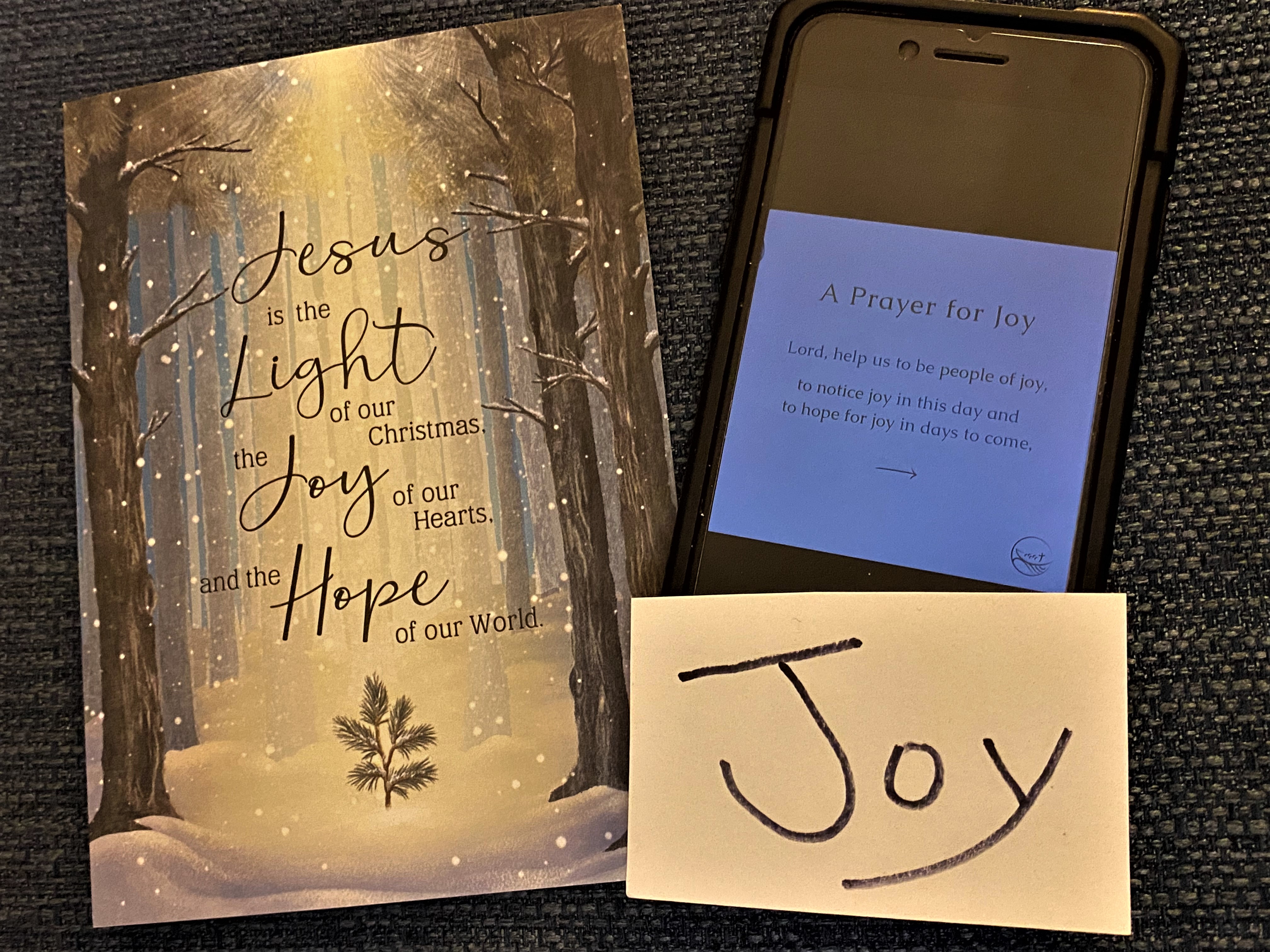
Lord, help us to be people of joy,

to notice joy in this day and to hope for joy in days to come,

to look for light and share it with others this Advent season,

to see beauty in creation and the people we encounter,

to laugh heartily with childlike glee,

to feel true joy in your presence.     Amen.

Photo Credit: Prayer @inthecoracle, Instagram

5) The Last Days of 2021 – As may have been many of your experiences, we had people we know and love dealing with COVID in this last week of 2021. Still managed a sweet end-of-year. Hope yours was as well.


Now on to 2022!! Thanks for stopping by. It means a lot to me.

Bonuses:

Vimeo Video by Rodrigo Souza – Heart – with Nathan Mills, Beyond the Guitar

How to Stop All Procrastination: Dear You Trying to Do that Hard Thing in the New Year – Ann Voskamp (great piece on procrastination and perfectionism – both keeping us from presenting the gifts God’s given us)

Photo Credit: Samantha Reynolds, @Bentlily, Instagram (w/ permission)

52 Week Bible Reading Plan – Michael Coley

What is an Accessory Dwelling Unit (ADU) and Tips for Building One

Photo Credit: Facebook

5 Friday Faves – Beyond the Guitar Christmas, 4 Advent Habits with Justin Whitmel Earley, Advent Readings, Forgive & Remember, and Christmas Ads 2021

December is here! The days will fill up fast with holiday celebrations. Here are this week’s faves. Hope you enjoy them as much as I did.

1) Beyond the Guitar Christmas – We’ve been listening to Christmas music since October. Both worship carols and secular songs. Even our favorite guitarist has arranged and posted some Christmas songs – a precious few. I post them here for you to enjoy a listen.

Photo Credit: Beyond the Guitar

YouTube Video – 3 Christmas Movie Classics on Guitar – Beyond the Guitar

YouTube Video – A Star Wars Christmas – Classical Guitar Mashup – Beyond the Guitar

YouTube Video – Have Yourself a Merry Little Christmas (w/ Surprise Guest) – Beyond the Guitar [After the special guest enters the frame, he gets our full attention with the sweet music in the background.]

YouTube Video – December Song (Peter Hollens) – Classical Guitar Cover – Beyond the Guitar

YouTube Video – Amazing Grace – Beyond the Guitar [OK…not a Christmas song but one of my personal favorites of Nathan’s]

2) 4 Advent Habits with Justin Whitmel Earley – In less than a month, those of us who challenge ourselves with New Year’s resolutions will have our lists and resolve ready to go. When true habit change happens, it’s worth the work.

Several years ago, I had the opportunity to hear Justin Whitmel Earley speak. He wears many hats – attorney, writer, speaker, husband, dad. He spoke then on the habits of a simple life, introducing his fascinating book The Common Rule. His latest book is Habits of the Household. Both are excellent resources for examining our lives (home and work) with the goal of building habits of flourishing.

I was not surprised when he offered us Advent habits (practices, playlists, and readings). Earley offers all these free as part of his determination to do good with his lift. The books go deeper and are definitely worth the read. For now, check out the links and note below his recommended 4 Advent Habits – Kneeling posture in prayer, lighting candles, tuning to God as the first voice of the day, and pocketing our phones while waiting (restoring the art of waiting).

Photo Credit: Justin Whitmel Earley, The Common Rule, Advent Edition, 4 Advent Habits

Understanding True Habit Change and Rocking Your New Year’s Resolutions – Deb Mills Writer

3) Advent Readings – Advent means “coming”. We celebrate the coming of Christ, as Messiah, a helpless baby born of a virgin mother. God in arms. Miracle and mystery. Advent also commemorates the coming again of Christ in the last days. We look with hope to the day He will come again for His people, as Redeemer King.

The Advent Project – Biola University – Center for Christianity, Culture and the Arts – a daily Advent offering of art, poetry, and devotional from Scripture

This year, our church is working through an Advent study entitled Our Hope Has Come. Gathering in home groups, we celebrate Christ’s coming in our hearts and throughout history.

In our home, we have a shelf of Christmas books (for children and adults) that have been treasures to us through the years. We bring them back out at Christmastime, reading again the beautiful messages of hope we have in Jesus.

Do you have any favorite Advent books or online resources? Please share them in the Comments below. Thanks.

Hope for Hopeless Things: The First Sunday & Candle of Advent – Ann Voskamp [Advent readings start with this one]

4) Forgive and Remember – In less than a month, we leave 2021 behind. Hopefully without regret. I’ve written a lot about forgiveness this year. Partly because of seeing the pain of prolonged unforgiveness in some of my closest relationships. Too much hurt. Too deep the offense. Too unfathomable the possibility of reconciling. The best attempt is “I can forgive, but I can’t forget.”

Photo Credit: Pinterest

What if we don’t try to forget? What if we determine to remember, but remember in a way that moves us to healing…to true forgiveness.

Psychiatrist and writer Curt Thompson has become a favorite resource of mine in recent months. Books, podcast, and articles. This week, I discovered his piece Forgive and Remember. Intrigued by the title, I read it and found hope renewed in the possibility of forgiveness, even in chronic trauma or painful persistent memories.

I find Dr. Thompson very engaging, but if you aren’t used to his references to brain physiology, you may need to do a slow read. Here is his take on the importance of remembering, in company – with a sense of the presence of Christ in the pain, remembering in the skin of “the offender”, and remembering with people who care about you.

“Because I refrain from remembering, I prevent myself from eventually remembering additional parts of the story that I have likely thus far, albeit nonconsciously and unintentionally, ignored. For indeed, it is possible that forgiveness requires me to expand my awareness of additional realities that were in play at the time I was wounded. For instance, if I only pay attention to my hurt feelings, I never attune to my adversary’s own layers of brokenness; never consider their deeper story, the cistern of their own fear of their own deep shame from which emerged their hurtful behavior in the first place; the depth to which they “do not know what they are doing…” Through the hard, repeated work of my imagination, my awareness of the larger truths of the life of the one who has mistreated me begins to gradually diffuse the intensity of the emotional content of my anger and resentment.

“The work of forgiveness requires the remembering of the event in the context of others who assist you to remember the additional alternative realities that we so often forget. Imagining Jesus being with you in the moment during which and after you were mistreated begins to literally change the nature of those neural networks that represent the fury of the hurt you initially felt. Over time the remembering of the hurtful event alongside the memory of Jesus and others who represent him begin to diffuse the intensity of the electrochemical signals of the hurtful memory, and open up opportunities for you to begin to construct a different possible future between you and the one who has hurt you. We then begin to see that remembering the event is really about the process of remembering it differently. Remembering it in a way that is eventually utterly transformed and transformational…reminding us that we are not really ever alone.

This takes time, effort, and plenty of help from those with whom you are practicing together to forgive not seven, but seventy times; to forgive, even as your Father in heaven has forgiven you.

Forgiveness. Who would have thought that there would be so much freedom in remembering? Sounds like something we should never forget.” – Dr. Curt Thompson, Forgive and Remember

YouTube Video – However Long the Path Might Seem: It’s Christmas. Time to Reconcile. – Penny.

5) Christmas Ads 2021 – I love Christmas commercials (or ads). All the twinkle lights and unfolding family gatherings or intimate moments. The compilation of Christmas ads below are all from 2021. Many are from European stores/businesses. Take your pick.Photo Credit: Glossiplanka 360

  Best Christmas Adverts 2021

YouTube Video – This Christmas, Nothing’s Stopping Us – Tesco

YouTube Video – Unexpected Guest – John Lewis & Partners

YouTube Video – An Unlikely Friendship – Prime Video – Christmas Ad 2021

YouTube Video – The StepDad – Disney Christmas Advert 2021/Official Disney UK

YouTube Video – Imaginary Iggy – McDonald’s UK

YouTube Video – Christmas Is What You Make It – Hobby Lobby – Christmas 2021

YouTube Video – A Christmas to Savour – Sainsbury’s – Christmas 2021 Ad

YouTube Video – Coca-Cola – Christmas 2021 – Real Magic

YouTube Video – John Lewis 2021 Christmas Advert Alternative by NimbusBeds.co.uk – Stop Loneliness at Christmas [2020 revisited]

YouTube Video – Boots Christmas Advert 2021 – #BagsofJoy – Boots UK

YouTube Video – Ernste Christmas Ad 2021 – #BelieveInTomorrow

YouTube Video – 10 Emotional and Heartbreaking Christmas Ads EVER! Most Emotional Holiday Ads (19 minutes – Don’t miss these! Most are in languages other than English, but it won’t alter the beauty of the film story in these little ads. If you need a good and  cleansing cry for no reason except the beauty of a little story in an ad, your heart will be filled.)

YouTube Video – Top 10 Most Heartwarming Christmas Commercials Ever Made (Will Make You Cry) – 16 minutes. At least fast forward to the last few. So lovely.

_________________________________________________________________________

That’s it for this week. Please share a fave of your own from this week in the Comments. Thanks for stopping by. It is a joy for me to share in this together with you.

Bonuses:

Photo Credit: Ann Voskamp

[If you want to see The Chosen Christmas – The Messengers but aren’t going back to theaters yet, it will be streaming soon free to all. Available on The Chosen app and we’ll see where else when it is announced.]

YouTube Video – Christmas with The Chosen – The Messengers – Watch This Before the Christmas Special

A Thanksgiving Prayer from the Anglican 1662 Prayer Book – Marlo Huber Salamy Facebook Page

John Harper – the Night the Titanic Sank – Facebook Story

She Was Tired of Her Giving Her Kids Candy So She Wrote Her Mother-in-Law a Letter

Worship Wednesday – Thanksgiving Songs to Fill our Day

[Adapted from the Archives]

Every good gift and every perfect gift is from above, and comes down from the Father of lights, with whom there is no variation or shadow of turning. James 1:17

Music through the ages reminds us of truths larger than ourselves. Hymns and songs celebrate the great God of the universe. Creator God also our Father. Christmas and Easter both have holiday songs that draw us into worship. Thanksgiving songs, however, aren’t usually sung in more contemporary evangelical churches, and I miss them. My favorites are “We Gather Together”, “Come Ye Thankful People, Come”, and “All Good Gifts”.

Two other Thanksgiving songs by Mary Chapin Carpenter and Brianna Haynes are also lovely.

Maybe updated versions would bring them back into our worship services. For sure we can sing them in our homes and teach them to our children.

Worship with me to “We Gather Together”. [Lyrics in the link.]

Now, “Come, Ye Thankful People Come” – again lyrics in the link.

Finally,  “All Good Gifts”. This comes from Godspell, a little Broadway musical first performed 50 years ago and then adapted into film. It depicted the life of Jesus according to the Gospel of Matthew (interpreted in the culture of the 70s). There’s a wonder and delight in the young followers of Jesus in the musical.

All the songs in the musical Godspell are lovely. Composer and Lyricist, Stephen Schwartz, beautifully captured some of Jesus’ teaching and the depth of love and rightness between Him, His followers, and creation, in general. All Good Gifts, adapted from an old hymn, is one such song and is a pure and proper doxology of praise for Thanksgiving.

Again, worship with me.  [Here’s the YouTube video from Godspell to give you the melody.]

All Good Gifts*
We plow the fields and scatter the good seed on the land..
But it is fed and watered by God’s almighty hand..
He sends us snow in winter, the warmth to swell the grain…
The breezes and the sunshine, and soft refreshing rain…

All good gifts around us
Are sent from Heaven above
Then thank the Lord, thank the Lord for all his love…

We thank thee then, O Father, for all things bright and good,
The seedtime and the harvest, our life, our health, our food,
No gifts have we to offer for all thy love imparts
But that which thou desirest, our humble thankful hearts!

All good gifts around us
Are sent from Heaven above..
Then thank the Lord, thank the Lord for all his love..

I really wanna thank you Lord!
All good gifts around us
Are sent from Heaven above..
Then thank the Lord, oh thank the Lord for all his love..

Goosebumps, y’all?

God is so good to us. That’s what Thanksgiving is about. The food is super nice. Being together is amazing…but God…God is due our deepest, unfettered, no holding back, thanks. He deserves our very lives. Our surrendered, loving and forgiving, and being forgiven lives. He gives the grace for all of that.

“I really wanna thank You, Lord!”

Happy Thanksgiving…

Oh…just in case Thanksgiving is a struggle…and it isn’t all happy family fun…I pray you take courage and rein in your heart to remember that God sees and loves you. We can be a Thanksgiving blessing to each other…you are a blessing to me. Wish you were at our table…maybe one day you will be. You are definitely welcome at God’s table.

YouTube Video – Take Courage – Kristene DiMarco

*Lyrics and Story Behind the Song – All Good Gifts (Godspell)

YouTube Video – All Good Gifts (Godspell 1990)

Wikipedia article on original hymn/lyric – We Plough the Fields and Scatter (1862)

Monday Morning Moment – As Adults We Still Need to Feel Safe, Seen, Soothed, and Secure

Photo Credit: Nicole Michalou, Pexels

[Adapted from previous posts on parenting here and here.]

American Thanksgiving brings families and friends together for a big day of food, football, and (hopefully) fun. Social media this week will be crammed (at least in the US) with images of smiling people leaning in to pack the frame. What we don’t see is those sadly missing from the frivolity. Maybe it’s too far to travel. Or work claims too large a chunk of the day. Or another family’s turn this year. Or possibly, unfortunately, Thanksgiving is too complicated a day to spend all together.

By its very name, Thanksgiving is about being grateful for what we have – the food, good health, the other bounties of life, but most especially, our relationships. How thankful we are to be in the land of the living with those we love.

How do we communicate our love? How do we experience love from each other? Is it complete joy behind those smiles or is it also courage. Showing up even when it’s hard sometimes.

I’ve been learning more about this whole brain and relationship thing from two brilliant psychiatrists Dr. Dan Siegel and Dr. Curt Thompson.

Dr. Thompson has written a trilogy of powerful, ground-breaking books – Anatomy of the Soul, The Soul of Shame, and The Soul of Desire.  He describes these books as exploring “how neuroscience relates to the ways we experience relationships, deep emotions like shame and joy and especially our own stories — and how we can process our longings and desire for spiritual connection with God and each other to live more fully integrated, connected lives.”

Such good books!

Thompson refers often to Dr. Siegel’s “4 S’s of Attachment-Based Parenting“. Those S’s relate to what we communicate to our children even as infants but throughout life. We want them to know they are “safe and seen” and to experience being “soothed and secure”. This is especially poignant when we introduce the word “No” into the great adventure of their lives. No…and discipline as they get bigger.

Now…fast forward to adulthood. OK…maybe your childhood (or parenting) had some tough spots or (for parents) regret. We can’t go back…we can’t fix what got broken. We can still learn to love well today. Siegel’s 4 S’s, referenced in his book The Power of Showing Up, primarily relate to parenting. However, he and Thompson both talk about these 4 experiences being needed throughout our lives. Take a look at the briefest explanations of them below:

Photo Credit: Dr. Dan Siegel & Dr. Tina Payne Bryson

As adults, we want the same things – to be safe (no “bracing for impact” in relationships), to be seen (truly known by those most significant in our lives), to be soothed (our emotions understood and acknowledged, without judgment, even when they are big and out of proportion), and secure (that no matter what, we are loved. Our persons are NOT leaving the room).

Whatever we may have experienced as children, we can alter our present. Whatever we did as young and overwhelmed parents, we can move, with love and insight, to a better situation with our kids. The past is just that…the past. We can be truly with each other, in the here and now…if we are brave and willing to be humble.

Something to think about during Thanksgiving week. Let’s don’t miss those people across the table or room from us. The ones we are missing…because for whatever reason, they are not there…let’s figure out how to show up in their lives, in meaningful, redeeming, and healing ways.

Have a blessed Thanksgiving Day with those you love…whether it’s your holiday or not. Thanks for showing up here.

The 4 S’s of Attachment-Based Parenting – Daniel J. Siegel – Podcast

The Power of Showing Up – Daniel J. Siegel, MD & Tina Payne Bryson, PhD

Mindful Parenting: 4 S’s of Secure Attachment – Esther Goldstein

The Neurobiology of Attachment to Nurturing and Abusive Caregivers – Regina M. Sullivan, PhD

5 Friday Faves – Work Songs, People Who Inquire, Fall’s Breathtaking Beauty, a Rightful Memorial, and a Christmas Tree

Here we go: this week’s Friday Faves. Thanks for reading.

1) Work Songs – On a walk in the neighborhood this week, I pulled open the door of the little free library near us and discovered a tiny book. Its title and cover art were intriguing. It was Matt Johnson‘s Work SongsI tucked it in my pocket and finished my walk, thinking about some of the work songs of my day: The Eagles’ Get Over It or Bachman & Turner’s Takin’ Care of Business or Sam Cooke’s Chain Gang or Dolly Parton’s 9 to 5 or Rose Royce’s Car Wash. However, it is not a volume about work songs, per se, but more about the lack of them in our current culture. Johnson has written a book of true stories of notables through decades. People who may have been considered ordinary to begin with but who persevered in the work of their day. He (and they through these short essays) teach us lessons on the impact possible when both individuals and connected groups stay at it and refuse to be dissuaded from their task or their vision. 

Podcaster and leadership trainer Laurie Ruettimann had a fascinating conversation with author Matt Johnson on the topic of his book Work Songs. The title of her piece is “Modern Work Has No Song – How Stories Create Perseverance”.

“For as long as we’ve had language as a species, we’ve actually had music for the work we do,” he says. “We’ve actually, for a long time, had music that actually created meaning — not just unify the sort of actions in the job of the people, but it actually gave them a bigger context for the work they were doing. And what’s interesting is, if you look at the evolution of that, modern work absolutely has no song.”  – Matt Johnson

Work Songs – Matt Johnson – Buzzsprout Audiobook (narrated by Matt Johnson, in individual essay chunks)

This Is How a Book Can Change Your Life – Matt Johnson

2) People Who Inquire – Psychiatrist Curt Thompson preached a sermon in the Spring of this year on the topic “Generational Trauma, Shame & Redemption”. While on errands, I was listening and actually had to pull the car over to capture one quote in particular.

“One of the most important developmental experiences for us, not only as children but that continues for us as adults, is to have others inquire of us and teach us to be people who do the same…Who is inquiring of you?” – Curt Thompson, MD – Generational Trauma, Shame & Redemption

We are told as parents of adult children not to give unsolicited advice. Same actually with friends and coworkers. I get how wary our grown children might be to seek advice because then there is the perceived expectation they must follow it. What happens when young people (and older ones) inquire of others  about life and what their experiences have been? Instead of going straight for the advice offering, our inquiring and listening can be a springboard can encourage and embolden toward wise decision-making. It is a joy to see people inquire of others – wanting to know them in deeper ways as well as wanting to know how more deeply to follow God in life.

In his sermon, Thompson used a passage out of the book of the Prophet Jeremiah.

Thus says the Lord , “Stand by the ways and see and ask for the ancient paths, Where the good way is, and walk in it; And you will find rest for your souls. But they said, ‘We will not walk in it.'”Jeremiah 6:16

In the text, Jeremiah is challenging the people of Israel to take four actions as they proceed in life, especially in situations when they aren’t sure of the direction or struggle with making a sound decision. He says to:

  • Stand – when we come to a fork in any road (relationally or situationally), we should stop. We don’t have to have a knee-jerk response. We are not bound to take a direction we always have in the past. We stop…we stand…and
  • Look (or examine) – we take a breath. We count the cost. We consider.
  • Ask (or inquire) – Inquiring in this passage is done as a people not just an individual. We inquire of each other. We inquire of the Lord. We seek counsel. We explore the thinking of the others. We consider.
  • Walk in the good way. – Then, and only then, do we continue on. We do so with confidence and hopefully with peace and a pure heart…that we have considered God’s definition of what way is good, and we have considered those on the paths with us…not making assumptions but inquiring what is their thinking on the paths before them.

Jeremiah tells the people, if they will “stand…look…ask/inquire …and then walk (in the good path…God’s path, not our own self-serving or impulsive path) – we will have “rest for (y)our souls“.

The sad part of this verse is the last phrase: “But they said, ‘We will not walk in it’.” What makes us break with each other and/or with God? What makes us determined to go our own way, no matter where it leads?

In our culture today, the inclination is toward self-sufficiency and self-determination. We don’t know each other as we might if we would but lean in and inquire of (get to know, truly know) each other. We might do this on a small scale with those very closest to us, but on a larger “people of God” scale, we are what? Disinterested?

What are your thoughts? Please comment below.

The Conversational Habits that Build Better Connections – David Robson

3) Fall’s Breathtaking Beauty – Just a few shots from our neighborhood and Lewis Ginter Botanical Garden:

4) A Rightful Memorial – A dear friend of ours died recently and his family arranged a fitting celebration of life. This 91-years-young man was a delight to his family and friends. He took so much joy in the people in his life and the work he relished in his long career. With faltering health and mounting years, his family knew time was precious and did all they could to be very present in his life. I wish I could provide an image of his crinkly, smiling eyes. All I can say is that he took joy in life. His family and friends took joy in his.

Funerals these days aren’t always treated as the opportunity to salute these passing figures entering into eternity. It’s a pity. Our friend (who I don’t identify by name to protect privacy) would himself have been pleased and humbled by this one. Military honors (including an honor guard, presenting the flag, and the shooting of three volleys) were an appropriate part of his funeral, given his military service, followed by his long years as a deep sea tugboat captain. The reading of Scripture and singing of hymns and remembrances from friends were all a part. The pastor spoke of his life and our friend’s relationship to Christ. We prayed and wiped tears away and counted ourselves blessed to know this friend, gone too soon at 91. See you again, dear Brother.


5) A Christmas Tree – For many, an early start on Christmas is just wrong. Sorry, not sorry. We start listening to Christmas music in October. Starting to decorate by mid-November is not to laud this holiday above all others. Simply, it is hard to pack in all the joy and remembering that come with Christmas in just the confines of one month. Our main Christmas tree is still stored. It will be covered with white lights and ornaments celebrating the birth of Jesus. [It actually stays up right through February 14 – Valentine’s Day – changing out the nativities to hearts and snowy winter ornaments.]

The Christmas tree we do have up (see images below) is one of a vintage feel. Colored lights (LED but reminiscent of my childhood). Ornaments depicting eras gone-by, storybook characters, and symbols of the past that continue to lift our hearts.

My parents’ names on quilted ornaments

Is your tree up? There’s still plenty of time… The lights have been a sweet respite from the darkness coming so early these days.

AND…for those who would appreciate a nod to our American Thanksgiving – the Hot Turkey Bowl at Wawa’s is amazing!

Photo Credit: Pinterest, Wawa Hot Turkey Bowl

Until next time…thanks for stopping by.

Bonuses:

Nokia to Release New Version of Its 6310 ‘Brick Phone’ – Andrew Court – This is so exciting if you are really wanting to get less screen intrusion in your life and just use your phone as a phone. It does have a camera but less than what we’ve become used to. Watching for its arrival in the US after its introduction to the UK market.

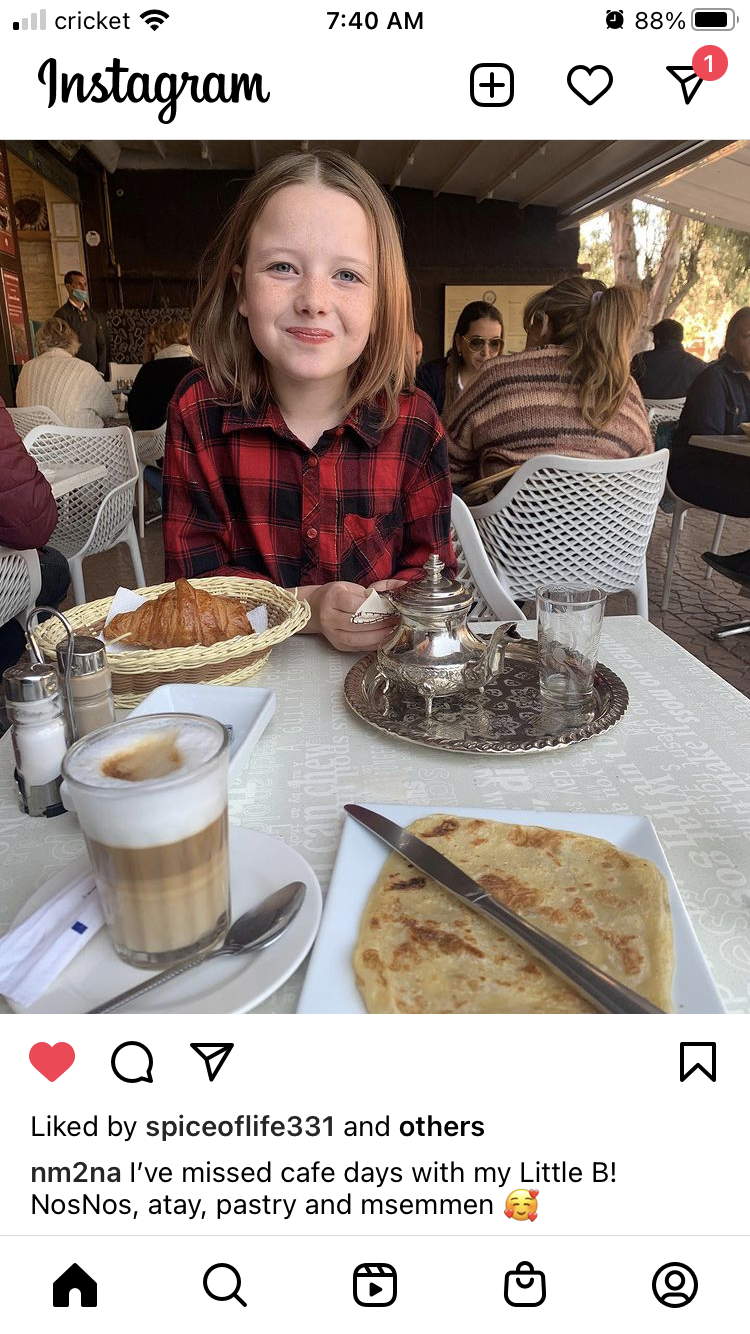
[With permission, the Instagram post below made me smile all over. That sweet girl and the amazing breakfast displayed. I miss Moroccan cafe breakfasts!!!]

Your 9-Step Strategy to Maintain Your Weight During the Holidays – Darya Rose

11 Mental Tricks to Stop Overthinking Everything – Scott Mautz

Leaders, Talk About Power to Protect the Vulnerable – Chris Davis

How to Maintain a Healthy Brain to Reduce the Risk of Dementia – Kailas Roberts

Watching Children Learn How to Lie – Gail Heyman

Gandalf’s Best Lord of the Rings Line Explains the Trilogy’s Magic – Susana Polo

https://www.insidehook.com/daily_brief/health-and-fitness/anxiety-and-depression-can-take-years-your-life

Photo Credit: Facebook, Gods Armour

Monday Morning Moment – Living Between Adult Kids and Older Parents

God put us in families. All of us.

God put me in the middle of boys with a mom who loved us completely and a father of whom I have little memory. His relationship with us was not one of outright abuse but neglect and eventual abandonment. When I was five, my exhausted mom divorced this never-working man. She  would later explain that action as simply “just one less mouth to feed”. She soon after came back to faith in Christ and brought us with her (unchurched until then). Our dad had long since disappeared from our lives.

Fast forward to the present: married to a man who deeply loves the Lord and loves us well also. We have three adult children and two added by marriage, and now four precious grandchildren.

All our parents (including a beloved step-dad) are gone except for Dave’s exquisite praying mom.

Sandwiched between adult kids and older parents is where we are, and I’m grateful. In fact, I think about our kids and their littles (and some of you) now in this same season, just a different generation. 

The room is delightfully crowded (not without challenge) with multiple generations – each bringing extended families of their own. So many faces and so many voices.

Every family member (and each of us in that family) has great value to God. His desire for us is to bear  the fruit of His love (Galatians 5:22-23) – making it beautifully tangible to others. He is with us in this.

What if our parents made life hard for us either by trauma or, as adults, by intrusion or neglect? Or what if we find ourselves in awkward places in our adult children’s lives? These “what if’s” make us want to pull ourselves out of obedience to God, as we feel justified by our pain to distance ourselves from some in our family. The ripple effect of pulling away is wide-reaching in a family. Wider than we can imagine.

Even when relationships are healthy, the heavy responsibility of parenting young children puts its strain on our precious adult children. We feel the pull – torn between kiddos and our olders or others (sibling families, too). We also model for next generations what family looks like. How we handle the hard is quite probably how they will handle the hard.

We all choose, consciously or not, from among four ways to engage with or disengage from our families.

  1. Embrace. We can trust God with the families He has given us. We can love them well. We forgive and seek forgiveness. We spend time with each other and attune to how God sees them. We who share adult space try to find the balance of loving each other well without our own preferences getting in the way. The older ones will only be with us for a moment. They have stories and history and lives that matter. Our younger ones also grow up and have their own families and life pressures. We extend ourselves in both directions – up and down.
  2. Debase/Disgrace. Sometimes members of our family wrong us or another beloved family member. We “triangle” talking about them with others, without them being present. Their behavior may warrant our disdain. We are tempted to debase them privately or disgrace them publicly. However, God is not finished with them or they wouldn’t still be here. Wisdom is to take our sorrows to God and appeal for Him to help us love these hard-to-love ones. He is able. It helps to remember we may also be the ones not so easy to love. [I forget that sometimes.]
  3. Replace. We are tempted to completely replace hard family members with friends. Adult friendships are such a gift from God. They fill in empty places in our hearts. They can actually help empower us to love and live like Jesus with these family members. Or they can usurp their place in our lives. Friends, help bolster our resolve, as we choose to “stay in the room” with family members. Let’s be that one who is not going anywhere – that picture of Christ for these.
  4. Give Grace. This is similar to “Embrace” but with God-guided boundaries in place. The Word is full of instruction, like Colossians 3:12-14. Living between olders and youngers, I want to be that one who gives grace both ways. Speaking love often and always. Not judging or applying pressure. We can choose to honor one another, which, in turn, honors God. Giving grace includes giving grace to ourselves.

Photo Credit: Facebook, Gods Armour

 Do I get this wrong? All the time. We are works in progress. God’s door of healing is always open to us.

Photo Credit: Samantha Reynolds, Bent Lily (w/ permission)

[One last pic – my mom, our youngest son, and me sandwiched between them & behind the camera – wishing I could roll back the years to when she was still here. Embrace & give grace. The years rush by.]

Monday Morning Moment – Confessional Communities – What Are They? You’ll Wish You Were In One If You Aren’t Already

Photo Credit: Group Therapy Central

[As I was preparing my own take on confessional communities, I came across Aimee Byrd‘s piece on the same, as part of her analysis of Curt Thompson‘s latest book The Soul of Desire. Byrd’s blog is a quick read and very helpful.]

Confessional communities – probably sounds like some sort of monastery life. Or a group with all kinds of touchy-feely exercises framed by unintelligible psycho-babble, right? Oh no! So much more and so much better!

I’ve been awakened to the presence and possibilities of confessional communities since recently reading of the Thompson trilogy below.

What rung intuitively right for me throughout my adult life has actually been tested and found true in something called Interpersonal Neurobiology (IPNB). No time to go deeply into this now, but, in short, our brains are wired for connection, and that is connection inside the brain/mind itself as well as with others (and God).

Confessional communities are used by Dr. Curt Thompson and others as ways to help clients get in touch with shame, trauma, fear, anxiety, etc. in the company of others struggling with some of the same. Shame, for instance, drives us to isolate from God and others. It compounds interest over time, if left to itself in our own minds, and muffles our desires and longings, as it condemns and flattens us.

“We need to create confessional communities where people are confessing the truth about their life – some of which includes confessing sin or doing things that show my brokenness. Some of it is just things that have happened to me, or things that I feel; things that I sense; things that I dream; things that I long for; things that I’m conflicted about. But I’m trying to tell the whole truth about my life – but not so that anybody can just hear it and then move on.…In confession, what I’m really looking for – in your eyes, in your body language, in your voice – is for you to be able to say, “You’re right, Curt; you were wrong to do that. You’re forgiven. I’m not leaving.” I need to know you can bear the weight of what I know to be really wrong [with me], and that you will still stay. If it’s minimized, it will continue to linger with me…Shame always requires outside help for healing. My shame needs you. If it’s a small thing, I might need only one conversation with you. But, if it’s much bigger than a very, very small thing, I’m going to need multiple conversations with multiple people, because shame will come through multiple different doors into my head when I’m left by myself…”Curt Thompson

Photo Credit: Curt Thompson, Twitter

“…in order for me to be liberated from the shame I carry, …I need to hear that my behavior was really as bad as I think, if not worse, while simultaneously sensing that the person I am confessing to is not leaving. Shame has the effect of coaxing us into pretending that sin is not as bad as it seems; for if it really is that bad, and I have to face it, it would be too much and I fear I would be overwhelmed. When someone seeks forgiveness for the wrong they have committed, we who have been wounded must be able to acknowledge the reality of the pain inflicted if forgiveness is to be real, and if the offender’s shame is to be effectively healed.” – Curt Thompson, The Soul of Shame

Confessional communities are spelled out in Thompson’s writing, teaching (found on YouTube), and podcasts (his own and as guest on many others). The common factors include:

  • small group meetings over weeks or months.
  • willingness to tell our stories as truly as we can.
  • intentional leaning in to the stories of other group members such that “being known” is part of the outcome for all.
  • commitment to stay with each other; to “not leave the room”.
  • imagine beauty together – learning to explore and create beauty, to see what is good, true, and beautiful in each other’s personhoods.Photo Credit: Curt Thompson, Twitter

I have a friend who for several months was part of what I would now call a confessional community. She called it “Vegas”. Remember the adage “What happens in Vegas stays in Vegas”? It was a Bible study/house church. A group of people who committed to care for each other with masks off (not the COVID kind, but the masks we don in shame or fear). A group of people who would stay in the hard and love no matter what.

My Mom modeled this for our family. She died way too soon. My prayer is that our (birth) family will model it for each other, and my children will learn from their Dad and me how to love like this…To have the joy of being fully known and deeply loved. No matter what.

Trauma, Healing, and Side Effects with Dr. Curt Thompson – Jamie Ivey’s Podcast, The Happy Hour

Shining Light on Shame – Curt Thompson, Angulus Wilson, Steve Beers, and Morgan C. Feddes

Curt Thompson – 51 Podcast Episodes

5 Friday Faves – Beyond the Guitar, Senses and Memories, Parenting Well, Fishing Perks, and Attention Alcohol

Late again. That kind of week. Here’s the rapid but not to miss runthrough.

1) Beyond the Guitar – If you love Star Wars, you will love Nathan‘s interpretation of John WilliamsAcross the Stars. Actually…whether you love Star Wars or not, this is achingly beautiful.

Then there is his piece later this week, posting his arrangement of the theme of Genshin Impact video game. This was actually sponsored by the game creators. I am sure they are pleased. Another really gorgeous treatment.

2) Senses and Memories – One of the appealing features of Nathan’s music is the nostalgia attached to much of it. It takes us back. To a scene from a movie, a TV show we shared with family, a video game of one’s childhood. Sound is powerfully attached to memory. We have all had those experiences or have read/watched the positive impact of beloved music on critically ill patients, or those suffering with brain injury or Alzheimer’s. Memory is stirred.

Where we live right now, we can hear the sound of planes, trains, and interstate traffic. The sound is just in the background but it is oftentimes powerful. Looking up at a commercial jet going over takes me back to being new in Cairo, Egypt, walking toward a taxi stand. I wondered at the destination of the flight and in my stress as a newbie to to language and culture, that sound (and sight) comforted me somehow.

The sound of a train takes me all the way back to Sfax, Tunisia, when we lived by a train track. The train whistles marked time for us through the day.Photo Credit: Pixabay

Farther still, the sound of a train took me back to childhood, as we waited for it to pass, and looking between the cars to my friend Evelyn’s house. Her family was only there briefly, but I loved her. She was from a different era. Wore hand-me-down dresses to middle school every day. Old everything. Poor. Stretched by poverty, but she was elegant and full of dignity. Their large, spooky old house peeked between the passing train cars, and I wondered at their lives inside that house. They were gone too soon…but the memory of her remains…with the sound of trains.

We know when Fall is here, because all of a sudden, it is all things pumpkin spice. Flavored coffee, pies, and decor – all pumpkiny.Photo Credit: Pexels – Valeriia Miller

What the Nose Knows – Colleen Walsh

Brain’s Link Between Sounds, Smells and Memory Revealed – Rachael Rettner

Music and Memory – Why the Music We Love as Teens Stays with Us for Life – Catherine Loveday

Comment below what are some of your favorite sensory memories.

3) Parenting Well – Our grandchildren (six years old and younger) have big emotions. Then they act on those big emotions. Whining, crying, hitting, screaming. This is not who these precious children are, but they are trying to communicate what is going on deep inside. How we respond to them – as parents and other significant (to them) adults – is huge!

Emotions relate to desire. This topic hit me hard when I saw the poem below on a friend’s Facebook page.

Our responses to our children (in normal developmental situations as well as in distressed situations) communicate far more than we think. We have recurring opportunities to connect with our children in ways that help them grow into emotionally healthy and relationally mature adults.

Lately I’ve been learning more about this whole parenting thing from two brilliant psychiatrists Dr. Dan Siegel and Dr. Curt Thompson.

Dr. Thompson has written a trilogy of powerful, ground-breaking books – Anatomy of the Soul, The Soul of Shame, and The Soul of Desire.  He describes these books as exploring “how neuroscience relates to the ways we experience relationships, deep emotions like shame and joy and especially our own stories — and how we can process our longings and desire for spiritual connection with God and each other to live more fully integrated, connected lives.”

[I highly recommend the above books, and not just for parents.]

Thompson refers often to Dr. Siegel’s “4 S’s of Attachment-Based Parenting“. Those S’s relate to what we communicate to our children even as infants but throughout life. We want them to know they are “safe and seen” and to experience being “soothed and secure”. This is especially poignant when we introduce the word “No” into the great adventure of their lives. No…and discipline as they get bigger.

I’ll be writing about this more in the days ahead. For now, check out the “refrigerator sheet” below with Siegel’s 4 S’s, referencing his book The Power of Showing Up.

Photo Credit: Dr. Dan Siegel & Dr. Tina Payne Bryson

The 4 S’s of Attachment-Based Parenting – Daniel J. Siegel – Podcast

The Power of Showing Up – Daniel J. Siegel, MD & Tina Payne Bryson, PhD

Mindful Parenting: 4 S’s of Secure Attachment – Esther Goldstein

4) Fishing Perks – My sweet husband is a fisherman. He is a “catch-and-release” guy, fishing the rivers and lakes of Virginia. This joy started for him as a boy fishing with his dad. Then it grew during our years in Tennessee. Finally now, after years of living in North African cities, just on the edge of the Sahara. There are so many perks to this avocation. Some of which really came to mind on a recent adventure. [I realize this is a “duh” for many, but for me, it was a great revelation.]

  • The Buildup – The day of fishing is preceded by all the planning and preparation. Weather checks, getting the equipment ready, fueling the boat, provisioning for the day. It makes for a happy evening of anticipation…and to bed early.
  • The Thrill of the Hunt – or Thrill of the Catch – You hope not to get skunked, but the marking and revisiting sites where fish were caught once before, the thrill of the pull on the line, and finally the fish pulled into the boat. Fun stuff!

  • Solitude – the single chair on this old dock says it all. The quiet of being on the water in the woods. So refreshing. So invigorating.

  • Beauty – Everywhere you look. Water, trees, wildlife. Sun and cloud playing on the water. Changing colors as the hours pass.

  • Company [I’m glad Dave has fishing buddies who share the experience with him. I fish rarely but always gain from the time with him, in nature.]

5) Attention Alcohol –  Author attorneyJustin Whitmel Earley pointed to an article by journalist Derek Thompson‘s article on social media and its use like that of alcohol.

Photo Credit: Rachel Claire, Pexels

Earley gives these reasons below for considering limiting or taking sabbath fasts from social media:

THREE REASONS SOCIAL MEDIA IS LIKE ALCOHOL:

  • It is Addictive. This means you are not as in control as you think you are. Remember, there are 1,000 people on the other side of this screen paid inordinate amounts of money to get you to keep scrolling.
  • It Changes Your Mental Health. This means it is not neutral. Your interactions with yourself, your family, and your friends are changed because of what you do with social media. You must recognize that to use it appropriately.
  • Someone Needs to Teach You How to Use It. This is one of the hardest things about our cultural moment. Because this technology is so new, none of us had parents to teach us how to use it, set boundaries, and practice moderation. But that doesn’t mean we can’t start to learn now, teach our kids, and help our friends. 

Social Media and Alcohol – Justin Whitmel Earley

Social Media Is Attention Alcohol – Derek Thompson

That’s the 5 for this week. How about you? Please enrich my life and that of other readers with your favorite finds. Comment below. Thanks always for stopping by.

Bonuses:

Quote of the Week: “Beauty is…that which draws our attention with wonder and welcome and that ultimately leads us to worship – not worship of the object itself but worship of God in gratitude, humility, and joy.”Curt Thompson, The Soul of Desire

The “10 Things” Rule Keeps My House Uncluttered, Even with a Family of Six – Alexandra Frost – We actually had the 20 Things rule in our family once the kids were big enough to count to 10. It helped!

YouTube Video – Dr. Curt Thompson – Shame: The Details of Devouring

YouTube Video: Curt Thompson: Vulnerability Reframed: Healing Shame & Promoting Human Flourishing

Photo Credit: Ian Kremer, Twitter

How the Brain Stays Young Even as We Age – Katherine Ellen Foley

My Boyfriend Is Spiritually Lethargic. Should I Marry Him? – John Piper

87-year-old Man Rewrites News Headlines for 2020 and Inspires Us All

Biscuit Lover – Sean Dietrich

100 Skills Every Man Should Know – The Art of Manliness [Some are also excellent skills for us women as well. Not so ambitious about most of them, but glad I know men and women who do.]

Beauty is the extravagance that makes us human

5 Friday Faves – Life Without Forgiveness, the Power of Words, the CALM Superpower, COVID Close to Home, and the 20th Anniversary of 9/11

Here we go!

1) Life Without Forgiveness – An article on  life without forgiveness by Dave Burchett got me thinking even more about forgiveness. I’m in a study on Forgiving What You Can’t Forget by Lysa Terkeurst. Writing about it, too.

Life without forgiveness sounds truly awful. We imprison ourselves to the past and drag it into our present day and future with treasured grudges. Grudges we feel we can’t afford to lay down. They become part of our identity and how people relate to us – either protecting, justifying, or, at times, “returning evil for evil”.

Photo Credit: Quote Fancy, William Arthur Ward

We have the power to release ourselves and all these entrapped with us…through forgiveness. We need God to help us, for sure. We however must make the decision to forgive. Pretending to do so while hatred gains strength in our hearts is a delusion. God help us.

Here’s a bit of what Dave Burchett says in his article (read the whole here):

“There is no way I have found to release grudges without the healing power of forgiveness. Author Will Davis wrote this powerful insight.

‘Once you decide to forgive, you initiate the healing process. Forgiveness gives your soul permission to move on to the higher and healthier ground of emotional recovery. Forgiveness is to your soul what antibiotics are to infection. It is the curative agent that will help to fully restore your soul. It doesn’t immediately remove the pain of offense but it does start you on the road to recovery.’

I really like that perspective. The decision to forgive initiates but does not complete our healing. You will, in time, heal. I am asking you to pray that you can begin the healing process of forgiveness knowing that only time and God’s mercy can fully heal. That will start you down that road to forgiveness and empowerment to let go of the grudges that are weighing you down. You won’t get there today or tomorrow. But you will never get there without taking the first step of faith.” – Dave Burchett

Photo Credit: Spark People

Burchett refers to the song “Without Forgiveness” by Jerry Salley. Here’s a sweet cover by Jason Davidson:

2) The Power of Words – Words mean things. In fact, they are more powerful than we can imagine. Author, speaker Jackie Hill Perry has referred to a poem which says “Words make worlds”. Now I haven’t been able to find that poem, BUT I have read Genesis 1-3 with the account of God speaking the world into existence.

Photo Credit: Lidia Yuknavitch, @Seek5, Pinterest

Perry spoke on the power of words at a women’s conference. She used the text of the Apostle James’ epistle. James 3. This passage focuses on the influence of the tongue. She elaborated on three points:

  • The tongue is accountable. [We are responsible for our use of words. When we have torn down instead of building up, we will experience consequences. It does not go unheeded.]
  • The tongue is powerful. [We must control our tongues…what we say. Self-control has a wide reach, especially starting with “restraining our speech”. Words can hurt, but they can also heal.]
  • The tongue is inconsistent. [We say one thing to one person and turn around and say another thing to someone else. We may bless God and then curse a neighbor, made in the image of God. Perry talks about the huge disconnect when we speak with reverence of God but with contempt or disdain toward another human being. Words can be a “restless evil”. Pay attention. Are others’ names and personhoods safe on our lips?]

Listen to this fascinating and charged talk by Jackie Hill Perry.

Words Create Worlds – The Language We Use Shapes the Culture We Lead – Eric Geiger

3) The CALM Superpower – Author, leadership trainer Carey Nieuwhof recently interviewed psychologist Jennifer Kolari on his podcast. She spoke on dealing with irrational people, and, in fact, any situation of conflict. I learned so much.

[I’ve written about the brain, decision-making, and dealing with crisis many times. Such fascinating issues!]

Dr. Kolari introduced her CALM technique of dealing with conflict (including helping children in conflict with you or others). In brief, “the CALM method is a way of deep listening using language, compassion and empathy literally as medicine. It will soothe and calm AND bring both participants in the conversation into brain-heart coherence.”

Here’s a brief outline of the framework:
C – CONNECT – connect before correcting; deeply listen; give the sense that you are “for them”.
A – AFFECT – match the affect of the person in front of you; don’t say how the other person SHOULD feel; show understanding.
L – LISTEN – deeply; take that affect above into what you’re hearing; wonder at it; choose your responses based on what is being said to you, including the emotion. Respond not react.
M – MIRROR – allow what’s going on with the person to “hit you right in the heart”. Be in the moment with them/him/her. We do this with babies intuitively. Communicate with your face and body even more than with words.

Listen to the podcast. Check out the resources below. We too often go to correction, with other adults and definitely with children, when they need connection first…and maybe only.

Connect With Your Kids Using the CALM Technique

YouTube Video – Jennifer Kolari – The CALM Technique and Child Brain Development – really fascinating and informative

YouTube Video – The CALM Technique for Babies and Toddlers

4) COVID Close to Home – I’m not saying much here, but COVID has hit very close to home this week. I have friends and family with COVID. Check your thoughts if you’re going straight to “oh…not vaccinated”. Not so in every situation. People who did everything “right” – vaccination, mitigation, all the preventions – can still get COVID. The graphic below is updated often and is super helpful.

Photo Credit: Wesleyan College

The most important points in this conversation are these:

  • COVID is real and we will have to deal with it for some time (not at a pandemic level forever but definitely as endemic).
  • Everyone has to make personal decisions on how to prevent and treat it. To not make a decision is to make a dangerous decision. I’m not saying what to do (enough people are telling us what to do), BUT I am saying to think through our risks and that of those around us, and make informed decisions.
  • Be prepared. You don’t want to start searching out what to do to lessen the impact of COVID when you are already sick.
  • Test early. Even if it might be something else. Testing early helps you and all those who may come in contact with you (if it turns out you test positive.

The pieces below are actually not in support of one methodology or another. In fact, they expose the hard decision-making needed in determining how to act with the threat of COVID. We can depend on (or react against) mandates from government, or we can make the best possible decision we can, given the information we receive.

By the way, my friends and family members are all on the mend… except for one. On a ventilator, with family called in. We are praying still. This is why we can’t be cavalier with our decisions.

Let’s Stop Pretending About the COVID-19 Vaccines – Buzz Hollander, MD

Impact of Masking – Twitter thread – Buzz Hollander MD

FDA Vaccine Regulators Argue Against COVID-19 Vaccine Boosters in New International Review – Andrew Joseph

5) 20th Anniversary of 9/11 – Part of why Friday Faves is coming out on Monday is because I’ve spent an enormous amount of time this week watching, reading, and listening to stories about 9/11. It’s the 20th anniversary of the bombings.

In the twenty years that have passed since 2001, our country has changed so much. We are divided in really unhealthy ways. On that day…for awhile, we came together. We may have had very conflicted views on what happened after (Iraqi War, immigration issues, and the long engagement in Afghanistan). Whatever our opinions are on these, the stories of that day are so worthy of our time and attention.

Photo Credit: Beth Wayland

One of the most beautiful pieces I read this past week was by writer Jennifer Senior for the Atlantic. It was really long, but she did justice to the loss and grief of just this one family. 27 y/o Bobby McIlvaine died that day at the bottom of the World Trade Center. Son, brother, friend, fiancé. His was just one of thousands of stories that day…it matters and it also reflects the many other stories that we don’t know.

The two videos below speak to the day after September 11, 2001 and to the day 20 years later. Take the time…

“Before you know kindness as the deepest thing inside,
you must know sorrow as the other deepest thing.
You must wake up with sorrow.
You must speak to it till your voice
catches the thread of all sorrows
and you see the size of the cloth.
Then it is only kindness that makes sense anymore,
only kindness that ties your shoes
and sends you out into the day to gaze at bread,
only kindness that raises its head
from the crowd of the world to say
It is I you have been looking for,
and then goes with you everywhere
like a shadow or a friend.” – Naomi Shihab Nye

___________________________________________________________________________

Bonuses:

Community – “Every arrow needs a bow: William Wilberforce” — the power of community. If Wilberforce was the arrow that pierced the heart of the slave trade, the Clapham Fellowship was the bow that propelled him. As Pollock writes, “Wilberforce proves that one man can change his times, but he cannot do it alone.” The Clapham fellowship lived by Wesley’s maxim: “In essentials, unity; in non-essentials, liberty; in all things, charity.” And this was no mere slogan: tensions developed in their relationship that would have splintered most associations, even Christian associations, had they not been so radically centered on Christ.” — “Every Arrow Needs a Bow,” by John Hart, CHRISTIANITY TODAY, July 1998 [This was a quote in my folder of quotes; I can’t find the source online today, but it rings even more true now.]

Photo Credit: Vala Afshar, Twitter

This Is What Happens to Your Brain When You Declutter Your Home – Kelsey Clark

“If we major in criticism, we become polemicists, rather than agents of redemption. Often polemicists excuse their loveless rough edges by the demands of truth. But they lose more than they realize. In fact, when love and the growth of positive truth are lost, truth is also lost. Biblical truth loses its scope, balance, depth, applicability, savor, and growing edge [in this disordered priority]. … Words that are not constructive, timely, and grace-giving are rotten and non-nutritive, whatever their formal likeness to Christian content (Eph 4:29). To lose charity, tenderheartedness, sympathy, and generosity is always to simultaneously pervert the redemptive nature of biblical revelation. Narrowed “truth” may bristle enough to defend one city wall, but it is not good enough to conquer the world.” – David Powlison’s “Cure of Souls” (2007)
Recipe for a Quick and Easy Cherry Cobbler – my husband’s favorite
Photo Credit: Lena Vo, Facebook


8 Ways to Build a Strong Foundation for Your Kids – Frank Sonnenberg