Only let your manner of life be worthy of the gospel of Christ, so that whether I come and see you or am absent, I may hear of you that you are standing firm in one spirit, with one mind striving side by side for the faith of the gospel, and not frightened in anything by your opponents. This is a clear sign to them of their destruction, but of your salvation, and that from God. – the Apostle Paul to the Philippian Church Philippians 1:27-28
God’s Word is powerful and freeing. We are emboldened and sustained by it – for life, for love, for forgiveness, for endurance.
Reading this passage recently, a charge from these words sizzled through me like electricity. Goosebumps and all.
Another translation of Paul’s writing introduced the above Scripture passage with the phrase “Just one thing”. We are living in confusing and shaky times, but God is unchanged. His truth is as riveting and reliable as when first written for us.
For months now, we have been kept apart by the social distancing of COVID-19. A year ago, we were brought together by the terrible loss of George Floyd. Brought together and at the same time torn apart. Protests and a pandemic. Racial unrest and a radical disease.
This time last year, a group of friends and I went through a Bible study together which turned out to be incredibly timely. We couldn’t be together so we met over a video call, working through Jennie Allen‘s Get Out of Your Head. In this book, Allen talks through our struggle with the kinds of thoughts that spiral downward taking us with them. The text she takes her readers through is Paul’s letter to the Philippians. He was in prison and yet wrote this short life-transforming letter to encourage the church experiencing its own hardship.
In confusing and chaotic times, our thoughts can be our worst enemy. We juggle the “what if’s” until they become more than we can manage. We question what’s right, what’s true, what’s our place in all of it…what’s God’s place. We become suspicious of others’ motives, and even sometimes our own. We grow weary of sorting it all out. We can withdraw…making six feet apart way too easy.
Jennie Allen reminds us that we have a choice; we can flip the downward spiral. We can make our aim, in all things,God’s glory and His headship. Keeping our focus on God, we then seek peace, do justice, love even our enemies, and trust God with our lives (whether the threat is COVID and or violence in the streets).
“As theologian and emeritus professor D. A. Carson has observed, People do not drift toward holiness. Apart from grace-driven effort, people do not gravitate toward godliness, prayer, obedience to Scripture, faith, and delight in the Lord. We drift toward compromise and call it tolerance; we drift toward disobedience and call it freedom; we drift toward superstition and call it faith. We cherish the indiscipline of lost self-control and call it relaxation; we slouch toward prayerlessness and delude ourselves into thinking we have escaped legalism; we slide toward godlessness and convince ourselves we have been liberated.” – Jennie Allen
So how do we avoid that drift Dr. Carson talked about above?
In community.Standing firm, side by side, not afraid – in God’s strength and His salvation – Philippians 1:27-28.
However, even if community is shaky, God never is. We remind ourselves and each other that He is our refuge and we never have to be shaken...no matter the situation.
I am at rest in God alone; my salvation comes from Him. He alone is my rock and my salvation, my stronghold; I will never be shaken.
How long will you threaten a man? Will all of you attack as if he were a leaning wall or a tottering fence? They only plan to bring him down from his high position. They take pleasure in lying; they bless with their mouths, but they curse inwardly. Selah
Rest in God alone, my soul, for my hope comes from Him. He alone is my rock and my salvation, my stronghold; I will not be shaken. My salvation and glory depend on God, my strong rock. My refuge is in God. Trust in him at all times, you people; pour out your hearts before Him. God is our refuge.Selah
Common people are only a vapor; important people, an illusion. Together on a scale, they weigh less than a vapor. Place no trust in oppression or false hope in robbery. If wealth increases, don’t set your heart on it.
God has spoken once; I have heard this twice: Strength belongs to God, and faithful love belongs to You, Lord. For You repay each according to his works. – Psalm 62
The past. We are never rid of it, nor would we wish to be. Our roots are there. The foundation of our lives. Our first and formative relationships are there. Both life and death, pain and promise.
Memories are born in the past. Experiences and emotions attached to them that feel exquisitely personal…yet are shared. Others close to us may have our exact same experiences, but have very different feelings and memories attached to them.
Family is complicated and always has been (remember Cain and Abel?). Throughout the history of humankind, family was meant to be a nurturing and stabilizing influence in our lives. It doesn’t always work out that way, but wisdom is to lean in whenever possible and learn both from the brokenness and the beauty available to us.
So how do we deal with the past? Do we ruminate on the wrongs of our past? Do they loom larger than the good? Do we see ourselves in the right in each point of conflict? Or the victim? Is our memory of family colored in ways that make us pull away?
There is a way forward, and I believe it is revisiting the past with the aim of healing…not just for ourselves but for the family as a whole.
[I love alliteration – words with the same beginning letters used in phrases or headings. So it was a personal thrill for me that this came together with alliteration.]
5 R’s of Handling and Healing Our Past
1) Remember – We trust our memories, don’t we? Well, until age shakes that up a bit. Still, our memories can be altered by the power of our emotions and by further experiences that call the past to mind. Then our emotions, deepened by memory, can “resolve” to see things more our way, whatever is happening in the moment. Memories can be reinforced, and not always in helpful ways. We need to take into account that we, family members or friends, can remember something very differently, based on what was going on emotionally for each person at the time. That’s why we must handle memories gently with each other. Love the person her/himself more than what they might remember. Determine not to be put off by memories where we don’t come off in a positive light. Remembering is done best in community. It’s richer and more reliable that way. Of course, this requires tons of trust, transparency, and humility. It may not feel safe in some situations to remember in community. It’s also never helpful to insist our memories are the only ones that are true. Right? Again, it is experience plus emotion. Love covers. Love helps heal when we remember, with care for the other.
2) Reminisce – As we remember, we reminisce. This calls to mind the sweet memories of the past. Even as painful memories rush in, what happy times come to mind? How might these memories weave together? Was it all bad? All good? Reminiscing taps into the positives, and even opens the mind to what the memories of the other might be in the same experience. Are we projecting motive or intent into our experience? As we reminisce, might we look at how an experience was different for the other. Reminiscing done in community is, again, eye-opening. It can be threatening if our side of the memory is on the line, but when we enlarge on what was going on in our past, we gain deeper understanding. A softening of our attitudes can come.
3) Reflect – When we reflect on a particular situation or relationship in the past, we treat it with as much grace as we can muster. We take the past and turn it over and examine it from different angles, considering what we can learn from it. How is it affecting our present – both life experience and relationships? What can we do to glean something positive from a painful past? What is to be gained by holding onto the past? If we choose healing, what is then possible for us and the others involved? What kind of faith would be required? What kind of work? Are we willing?
4) Repent and Reconcile when possible(instead of forever Regret ) – Here’s the big leap! Owning our part and doing something about it. This is huge!
Let’s say, our past includes painful memories from our early childhood. What can a child own from situations out of their control? We can own our attitudes today as adults. For instance, it took me a long time to tender my memories of a neglectful biological father. I only have a few memories of him, none great. One memory stands out. Mom had left him, and we were living in a tiny house, supported by her income alone. One night we were awakened by shouting. I don’t remember a lot, but my estranged father, Mom, and an uncle of ours were in some sort of argument. We four children were huddled together on a bottom bunk. I remember blood and our father’s hand wrapped in a handkerchief. Was there a knife? I don’t remember. We were terrified. After that…he was pretty much absent from our lives. I don’t remember asking Mom what all happened. It just took me a long time to feel anything for that dad. Yet, I know he had to have known pain, isolation, and maybe even some regret at the dregs of his relationship with Mom and us. As an adult, I have chosen some compassion for him. Not much but some.
Why did I share that story? It is how as children, when we have trauma (or what we perceive as trauma when maybe it had little to do with us), we process it differently than we might as adults. Revisiting, with humble hearts, can make a difference in how we think about the past as adults.
When our past pushes into our present, and conflicts are revisited, we are tempted to try the offending party in the court of our emotions (re-try them, actually). We resurrect the past and all its emotions, and bring all that trauma to bear on whatever the present misunderstanding is. We are then not able to just deal with the present. All that past comes down on us, that past that may have been once forgiven, and unloads. Making it virtually impossible to deal with whatever is happening at the moment.
This is where we repent. We refuse to nurse old wounds. We deal with the current conflict as it is, without all the past. The current conflict is enough. We deal with it as adults. We repent of our part. I can tell you, if we don’t, there is collateral damage to those who love us. “Friendly fire” is not friendly, and these struggles, heightened by our past, become the past of those around us. Our children. Our grandchildren.
Repentance may take more the form of forgiveness. We refuse to remember (one place where we refuse to remember) the offense of another. We choose to forgive in the most expansive way we can.
I know we sometimes say we forgive that one who offends us, who offended in the past, and continues to do so. We forgive but commit and feel justified to have nothing to do with them ever again. I get that. I get the pain behind such a decision. It’s heart-breaking. Just to reflect: Who does that punish? As wide a circle as our relationship together makes. We are all punished…that is most probably not meant to be the intent.
Repent and reconcile whenever possible. There will be cheering by everyone who loves us both. I know; I’ve experienced it from both sides. The repenting side and the relieved and thankful other side.
[This is often excruciating and not always satisfying. Even if the outcomes are not what we hope. We benefit from trying…as do the generations that follow. Who knows? The situation – and relationship – can still change in that possible future.]
5) Rejoice – Put your hand on your chest. Can you feel your heart beating? Can you feel the rise and fall of your breath? Be grateful. Rejoice in the present. We didn’t die from our past. We still have a chance to put things right. Maybe imperfectly…but it’s possible.
A wonderful scene of this possibility is found in the 1970 film “Scrooge”. “I’ll Begin Again”.
The past doesn’t have to be forever. You have a present. There may be a future…one not framed by the hurting past but built on a healed past. We have that possibility…in our present. We can do our part… it’s the only thing we have in our control. Is it complicated? Of course, but it will always be worth the effort.
*Special thanks to my writer friend, Angela at Living Well Journal, who talked and prayed through this with me…on a neighborhood walk, in the cool of a Spring morning.
A note I found just this week flipping through an old Bible. Mom would leave love notes around whenever she came to visit, and we did the same after her pattern…and taught our children to do the same.
A friend recently gave me the card above and it set me thinking about how far we get from who we are sometimes. She gets me. She knows my heart, even when it feels a tad dried up.
Since my teens, friends (and not so friendlies) have used the word “Pollyanna” to define my responses and outlook. That person is defined as one who “looks for the good in everyone and everything – and she finds it!” For some odd reason, it wasn’t to be considered a compliment. Even one of my sons has said, “You can’t trust Mom’s take on people” – the reason being I see beauty in everyone, and all sorts of redeeming qualities. Well…I used to anyway.
Now, in recent years, reluctant contrarian is more what I’ve become. [After writing this piece, I came across someone who writes under the title of reluctant contrarian. Funny.] It certainly wasn’t my ambition to become curmudgeonly…but life happens. We see the things that, if tweaked, could make a difference in a person, product, or process…and wonder aloud why not? Then, if we persist in our opinion, we become like a dripping faucet or clanging cymbal. Sigh…
When my friend gave me the card (image above), it set in motion a resolve in me. To rediscover that Pollyanna inside. To look for the good. To extend grace. To brighten the day. To play Pollyanna’s Glad Game…until it becomes a habit again.
This contrarian/curmudgeon thing that happened to me in the last few years probably relates to some process of entropy – how life in this broken world drifts toward disorder or randomness…unless we constantly intervene. This idea breaks down with those who start as contrarians. They don’t move toward being more Pollyanna’ish over time, BUT…it could be they move to being curmudeongly. What do you think?
[Sidebar: I asked my husband – who naturally bends more in the direction of contrarian: “Which would you say you are: Contrarian or Curmudgeon?” He answered quickly: “Are those my only two choices?!” We got a good chuckle out of that…and then decided he was serious more than contrarian, analytical more than curmudgeonly.]
What’s the contrast between these extremes? Night and day.
I do think there is a healthy place in the world for us to co-exist. The Pollyannas and the Contrarians. In fact, The article above – Walter – Analyst Contrarian – Corsairs – speaks to this somewhat in the workplace. I see the wisdom of cooperating “adversarial pairs” in any setting. Here’s a bit of what the article poses:
“There are two sides to most things. Honestly, most things are wickedly multi-dimensional but most humans are only good at comparing two things…two distinct points of view…Forcing alternate perspective is a great technique for combating cognitive bias…It doesn’t prevent it. It simply makes it more apparent…Minimally, take the contrarian side of every issue…Always test the opposite hypothesis…By forcing a counter view, you expose both sides of the argument…Taking the opposite position artificially, occasionally exposes that your initial inclinations were actually dead wrong. Two perspectives create intellectual leverage…use it.” – Walter – Analyst Contrarian – Corsairs
For life in the world beyond business, I have had the great pleasure of being on advisory boards and ministry teams, both having very different sorts of people as members. Some more task-oriented, some more people-oriented. Some more thinkers, some more feelers. This is reminiscent of Roger Martin’s The Opposable Mind – regarding integrative thinking – where you are able to seriously consider different points of view – like how we grab hold (with our hands) and understand assessments not our own.
Beware, if you’re looking at yourself [people who think just like you] all around the board or conference room table. We gain from both the Contrarian and the Pollyanna… and all those in between.
Finally, brothers and sisters, whatever is true, whatever is honorable, whatever is right, whatever is pure, whatever is lovely, whatever is commendable, if there is any excellence and if anything worthy of praise, think about these things. – Philippians 4:8
1) Beyond the Guitar – Beauty to the Ears & Mind – We think of beauty more in what we experience visually, but there is a powerful connection between music and the mind. Beautiful music soothes the soul and lifts our hearts. Moves us. Often it is because of nostalgia attached to the music, but even without that emotional connection, music can bring our minds to a better place.
Nathan Mills, of Beyond the Guitar, has that way about his craft. Moving our hearts with the beauty of his arrangements and performance. I don’t know any of the pieces in his medley of 4 Underrated (but Beautiful) Video Game Themes, but something happens when I listen. Shoulders drop; breathing slows; wonder sets in. Beauty has its way with our ears and our minds.
2) Mental Health Awareness – May is Mental Health Awareness Month. The theme message for 2021 is “You Are Not Alone”. Our need for connection is bigger than ever, having gone through so much COVID isolation. Whether mental health issues are our own personal struggle or we are family, friends, caregivers of those who struggle, helps abound. We just must be aware and utilize them.
Suicide and death by drug overdose have increased during COVID. They are shocking for us and real losses, either for us or for friends. We can’t keep isolating ourselves from each other. Finding ways to help is imperative.
3) Antidote for Self-Deceit – Self-deceit (or self-deception) is “a process of denying or rationalizing away the relevance, significance, or importance of opposing evidence and logical argument. Self-deception involves convincing oneself of a truth (or lack of truth) so that one does not reveal any self-knowledge of the deception”.
I’ve allowed myself to be deceived (either with the help of outside influences or from sheer will and desire, wanting something to be so, or not be so). It’s not pretty. One of my strongest memories was sitting in a circle of friends who essentially did an loving intervention with me. I was in a self-destructive (but non-abusive) relationship, and they had the courage to point me to the changes in my life and thinking. I will never forget it. The life I have now is much impacted by their willingness to go to that place with me. Forever grateful.
Regarding deceit, it is way too easy to get into our own heads and assess life with a self-tuned receiver. I wrote about this before (the practice of noticing). A somewhat dated video (with a still fresh message) speaks to this so well.
During the particular season of self-deception (described above), I got to the place that lying in my bed at night, when I would usually pray, it got impossible to pray. That was terrifying. It’s like all the desires and my rationalizations for them had crowded out any space for God. Especially for a holy God. Like I said, terrifying. No matter how loving God is, I couldn’t justify praying when my own desires trumped His for me.
As the video illuminates, as we get out of our own heads, and start seeing other people around us, we find the antidote. Caring more for others than ourselves, we can actually clear our heads some. Self-deception causes us to “circle the wagons” and keep others at a distance. As we determine to get close to people again, especially to genuinely listen and serve, our own deceit can be more readily understood/recognized. Of course, our neglected relationship with God will take its own time and action on our part. He is ready, when we are.
4) Showing Up…or Not – Showing up is a good thing. For all of us. Keeping commitments. Being present. Choosing to lean in. Listening.
So much is said about listening and its positive impact. To listen requires proximity.
On the East Coast, this week, we had a gas shortage (or a perceived gas shortage…not sure which is more accurate). Everyone was making decisions about filling their tanks and sorting out needful car trips vs. those that can be jettisoned for another time.
I was a part of a couple of meetings where some folks didn’t show up. Without a phone call, text, or email message. Was it the gas shortage? Or did it display something else? Honestly, I also wondered how often I’ve done this same thing myself.
We are in a culture right now when a RSVP yes can turn to no without a word. I’m showing my age…but does this matter?
Below you’ll find quotes from three different authors on this and what it can mean. The showing up…or not. After you read their observations, I’d love to hear what you have to say in the Comments.
“Standing someone up is a personal attack. You are saying that you have no respect at all for this person’s time, energy or feelings. This person set aside time from his or her day to hang out with YOU.
And maybe he or she didn’t feel like showing up. But no, this person had enough respect for you to feel as though he or she couldn’t bail on you. Then how did you repay the favor? You didn’t show up. With no warning.
And don’t even get me started on the fact that if this person cared about you enough to make and honor plans with you, odds are that he or she would probably be WORRIED about you when you don’t send a message. Because falling off the face of the Earth is a little alarming….You get the picture here.” – Candice Jalili
“There are commitments you are not going to keep no matter how hard you try, but even if you fail to keep them, you can still honor them. How do you do this?
“The difference between “keeping” and “honoring” is key: keeping a promise is about the letter of the promise, while honoring a promise is about the spirit. It is even possible to keep a promise while not honoring it. People will forgive an honored but un-kept promise, but it takes a real saint to let go of an un-honored promise—kept or not.
So what are the practical aspects of honoring a commitment? They are:
respect
communication
productive effort
It’s uncomfortable to take responsibility (for a failed commitment), but discomfort is a lot easier to shoulder than disrespect or disappointment. Even if you failed to honor a commitment up until now, it is not too late: disrespect and disappointment can be rolled back or even erased in the face of genuine honor.” – Kenneth Vogt
[The two writers above have very different tones to their pieces. Both worthy of note. I especially appreciated Vogt’s distinction of honoring a commitment (whether you’re able to keep it or not). Honoring the person by communicating your inability to keep the commitment…as well as the honoring that goes on by making the effort to keep the commitment whether easy or not. We don’t really know what goes on for another who does the work of keeping a commitment or the one who just can’t. What we do know is what it is like for us to keep or not keep a commitment; to honor or dishonor a person in the commitment. So much more understanding and care come out of the smallest communications. Something to think about.]
Below Rachel Macy Stafford posted an image and (in the link) a Facebook story about sitting in a line for gas this week, and an elderly man, just ahead of her, deliberately nodding her way (as he chose not to completely fill his tank, doing what he could to “leave” some for her). No RSVP’ed commitment. No relationship. But a deeply kind gesture to her that she was seen. We all need that…that being seen.
It’s…“a deliberate decision to look out for the person behind (you)…It’s not about us. Even though it’s hard not to think only of our own needs, there is someone behind us…and someone behind that person…with their own set of struggles. If you can…will you look out for them? A wave will do, just so they know they are seen…it’s the kind of gesture that takes people farther than a full tank of gas.” – Rachel Macy Stafford
5) Unmasking – Get ready for another new culture shock thanks to the Coronavirus: unmasking!!! I am so excited myself.Photo Credit: Pexels, Gustavo Fring
Based on this week’s CDC recommendations, fully vaccinated people don’t have to wear masks or physically distance anymore (except in rare defined situations). This, of course, is still only a recommendation and each state must give direction at a local level. Our governor just announced that we will align with the CDC recommendations.
Now, no one is going to know who is vaccinated and who isn’t. If we have learned anything from COVID-19, it is to be wise in dealing with the viral world. Those not vaccinated will probably forego masks as well. The freedom feels intoxicating, honestly, but possibly fearful to some, even some who are fully vaccinated.
I hope we can leave fear behind us. COVID is still rampant in some parts of the world and that is tragic. As we in the US and other countries get past our own experiences with this virus, hopefully we can be a help to those still battling the disease.
The culture shock part is real. I will have my mask with me, and see what the signs say on the doors of each business, store, school, or community space.
“So do not fear, for I am with you, do not be dismayed, for I am your God, I will strengthen you and help you, I will uphold you with my righteous right hand.” – Isaiah 41:10
The LORD is my rock and my fortress and my deliverer, my God, my rock, in whom I take refuge, my shield, and the horn of my salvation, my stronghold.– Psalm 18:2
Oh, taste and see that the LORD is good! Blessed is the man who takes refuge in him!– Psalm 34:8
“Though the mountains be shaken and the hills be removed, yet my unfailing love for you will not be shaken, nor my covenant of peace be removed, says the Lord, who has compassion on you.” – Isaiah 54:10
Right now my thoughts are drawn to some young friends in my life who are struggling with the unknown – a future the seems full of what if’s. The worst of it is the question, “What if God is not good?” What if He gives me more than I can bear? What if things don’t change? What if they do?
So many questions and fears can batter our minds. Storms pounding against the shore of our lives. Will we hold on? Will we keep standing? Will God show up…for us…for me?
Stayedupon Jehovah, hearts are fully blest Finding, as He promised, perfect peace and rest.
Hidden in the hollow of His blessed hand, Never foe can follow, never traitor stand; Not a surge of worry, not a shade of care, Not a blast of hurry touch the spirit there.
Every joy or trial falleth from above, Traced upon our dial by the Sun of Love; We may trust Him fully all for us to do. They who trust Him wholly find Him wholly true.
The words “Stayed upon Jehovah” give us the key to the peace God means for us to have. Eyes fixed on Him. Staying on His truth. No. Matter. What.
“I have said these things to you, that in me you may have peace. In the world you will have tribulation. But take heart; I have overcome the world.” – Jesus – John 16:33
So as I think of my friends going through uncharted territory right now. Our temptation is to fear. To wonder if God loves us. If God is good. Oh, Dear Ones, He is. He is good. He loves us. He will never leave us alone. Take hold of that. Again.
Worship the Lord with me to the Leanna Crawford song “Truth I’m Standing On”. Worshiping the God who is good, and no matter what our circumstance, He is faithful through it all.
Scared, oh I thought I knew scared
But I’m so filled with fear
I can barely move
Doubt, I’ve had my share of doubt
But never more than right now
I’m wondering where are You
Here on the edge of fall apart
Somehow Your promises
Find my troubled heart
This is the truth I’m standing on
Even when all my strength is gone
You are faithful forever
And I know You’ll never
Let me fall
Right now I’m choosing to believe
Someday soon I’ll look back and see
All the pain had a purpose
Your plan was perfect all along
This is the truth I’m standing on
Good, I believe You’re still good
Even when life’s not good
I will not lose this hope
That the God who parts the sea
Promises He’s gonna
Make a way for me
This is the truth I’m standing on
Even when all my strength is gone
You are faithful forever
And I know You’ll never
Let me fall
Right now I’m choosing to believe
Someday soon I’ll look back and see
All the pain had a purpose
Your plan was perfect all along
This is the truth I’m standing on
My rock, my shield, my firm foundation
I know I will not be shaken
You remind me
Where my help comes from
This is the truth I’m standing on
Even when all my strength is gone
You are faithful forever
And I know You’ll never
Let me fall
Right now I’m choosing to believe
Someday soon I’ll look back and see
All the pain had a purpose
Your plan was perfect all along
This is the truth I’m standing on*
5 favorite finds of the week. Enjoy and thanks for stopping by!
1) Music and the Soul – We all know the soothing touch of music on our souls. It lifts us and takes us to nostalgic places. Photo Credit: Quote Fancy, J. S. Bach
Nathan at Beyond the Guitar is like an online music therapist. Sweet guitar melodies that cause us to travel to a film, TV show, or video game that brought us fun, but more often, joy in the experience.
Nathan’s latest posted arrangement for classical guitar is linked below. Sweet piece.
Occasionally he plays a song just for his patrons. This week he performed Leo Brouwer‘s Cancion de Cuna. Such a romantic classical guitar piece. I wish I could bring you that video, but unless you’re already a patron, you will miss that one. Here’s him playing it in 2009 (thanks to his filmmaker roommate Duy Nguyen. He was a youngster then, but the soul knows. Enjoy the loveliness.
I love his music and how it elevates our souls. Words can often do the same for us, especially us extroverts. Below are links about how many see the impact of music on our hearts and health…here, words are used.
2) Asking Good Questions – Several years ago, we were in charge of a cross-cultural post-grad experience for groups of 20-somethings (millennials). One time, a mom came out to visit her son, and she gave us some good advice (although at the time it wasn’t something I wanted to hear). I’ll get back to that advice shortly.
In this cross-cultural context, these young people had many hurdles to quickly master – language, culture, worldview, physical and emotional challenges. Having lived well for many years in this particular culture, we could very easily fall into just “telling” them what to do and how to succeed, and often we did just that.
This mom told us, “Young adults want to discover their own way through difficulty. Ask them good questions and they will find the answers for themselves.”
Sigh…OK. I get it. It may take longer and require more work on the part of the teacher, mentor, supervisor…but it is excellent advice.
Asking the right questions is an art. Too often, we just default to giving the answer rather than asking the question. Four excellent articles on this are linked below. Asking questions (the right way with the right intent) can build trust and transparency. We also find out what we need to know rather than making suppositions that could be way wrong.
3) Hygiene Theater – We have dear friends who are still terrified by COVID-19. Even after so many of us are vaccinated. Lives have been severely altered by the safeguards put in place with the advisement of the CDC and other government agencies as we “follow the science”. That sacred science changes weekly because we are gaining new understanding of the virus with increasing data helping us to open up our lives more.
Thus the flurry of articles and videos now on the topic “hygiene theater”. Remember early on when we were told to sanitize our surfaces, wash our vegetables/fruits, and vigorously clean all public places on a daily basis.
What have we learned? How have we changed in our mediation of COVID impact? Now that I’m fully vaccinated and so many in my life have been, I look forward to welcoming people back into my home and visiting others as well. Shopping, though still often online or curbside pickup, has been happily opened up. Still, it seems we live in a world that is strangely toxic. All of us wearing masks and wiping down surfaces wherever we go. In this seemingly apocalyptic space.
When is the fear of COVID, of dying, so paramount that it squeezes all the joy and quality out of our lives? How can we move forward?
Now, I won’t play down the danger of COVID. We have lost friends and colleagues to it over this year. Not many, praise God, but some. The fact that there is still such a fear of it, over a year in, seems inordinate. Given the numbers. For sure in the US. Especially when COVID-related deaths reported appears suspect.
Maybe I am unwisely cynical. However, the deep cleaning still being advised (in our schools, for one huge example) seems unnecessary. Given all the findings. Given what we know about the transmission of COVID (through air and not surfaces). Follow the science, right?
I’m grateful for every turn in the COVID pandemic that restores life processes for our good. Kids in school. Friends visiting in each other’s homes. Work forces back in full. Weddings, births, graduations, funerals, hospital stays with our people in attendance, fully supporting us.
Enough with over-sanitizing. Now, on to masking. When is it truly protective and when is it theater?
4) Life-transforming Poetry – OK, maybe not everyone loves poetry. Yet. The poetry of artists like Preston and Jackie Hill Perry, Ezekiel Azonwu, and Janette…ikz have such a way with words. They lay down truth with their poetry. It is unique and powerful. God and person honoring. Check it out below:
Sell yourself on your goals. [Motivate and incentivize yourself toward meeting your goals.]
Get better friends. [Not about getting rid of friends, but if some are particularly needy, then set boundaries, if necessary, and make time for the friends who energize and encourage you as well.]
Read better books.
Align your life. [What are your priorities? Are some necessary parts of your life taking too much from other parts (work, family, health, hobbies)? Work out the conflicts.
Hope you’ve had some of your own favorite finds. Please share in the Comments below. It means a lot you came for a read.
Bonuses:
Fave Quote This Week:“We are sometimes faced with circumstances that seem as if they must mark the final act. We sometimes encounter providences that make us believe the book has been closed and all has been lost. Yet when we are pressed, we must not think we have been crushed, but believe that God can still bring about a great redemption. When we are struck down, we must not think we have been destroyed, but rather have confidence that we are being prepared for some great blessing. When we are persecuted we must not determine we have been abandoned, but know that we are being made ready for some great usefulness to God’s plans and purposes. We must wait, we must withhold judgment, we must read to the end! For no story, least of all our own, makes sense until we have read all the way to the final page. It is only then, in light of the whole, that we see the skill, the ability, the genius of the Author.” – Tim Challies, Always Read the Story to the End
[A girl’s diary from 1929 – borrowed from a friend. The first owner of the diary is not written anywhere in it. Amazing for me to read her words about daily life almost a hundred years ago.]
Be angry, and do not sin; ponder in your own hearts on your beds, and be silent. Selah. Offer right sacrifices, and put your trust in the Lord. In peace I will both lie down and sleep; for you alone, O Lord, make me dwell in safety. – Psalm 4:4-5, 8
Be angry and do not sin; do not let the sun go down on your anger,and give no opportunity to the devil. – Ephesians 4:26-27
“You have heard that it was said, Love your neighborand hate your enemy.But I tell you, love your enemiesand pray for those whopersecute you,so that you may bechildren of your Father in heaven. For he causes his sun to rise on the evil and the good, and sends rain on the righteous and the unrighteous.” – Matthew 5:43-45
Watch his very different, almost politically incorrect, 3-minute acceptance speech below. [Full transcript here.]
An excerpt follows:
“My mother taught me to refuse hate. She taught me to refuse blanket judgment. And in this time and with all of the internet and social media and algorithms and everything that wants us to think a certain way—the 24-hour news cycle—it is my hope that all of us will teach our kids—and not only to remember—just refuse hate. Don’t hate anybody.
I refuse to hate someone because they’re Mexican or because they are Black or white, or LGBTQ. I refuse to hate someone because they’re a police officer. I refuse to hate someone because they are Asian. I would hope that we would refuse hate.
So anyone who wants to meet me in the middle, to refuse hate, to refuse blanket judgment and to help lift someone’s feet off the ground, this one is for you, too. God bless you and thank you Academy, I appreciate it.” – Tyler Perry
As followers of Christ, we cannot join the throngs of people who hate. We may want to block or cancel the words or actions of others. Yet, we are confronted ourselves by the truth that we were all once the enemies of God…and He forgave us. Do we presume that our indignation is more righteous than His? Do we consider our being wronged as more needful of judgment than His own? God have mercy!
What is the response of the believer toward those we are tempted to feel hate?
Only love. Spoken and acted out in kindness and mercy.
Do we stomp and kick the dust at that calling and command? Do we hold tighter to our stones? Do we give lip service to “forgiving” but everything in our actions and attitudes tells a different story?
How thankful we can be to a God who is all-wise and all-loving! He understands us completely. He walked among us, in the sandals of the incarnate Christ. He experienced hatred and persecution, even to His last breath on this earth. Yet…He forgave, He loved, He administered the greatest kindness possible – His life for ours.
In His loving mercy, He has taught us how to live in this life.
We are to love. We are to forgive. We are to keep our own hearts from sinning against another. We are to remember that we and our neighbor (enemy or friend) are both made in the image of God. We are not to forget our own bent toward sin…the very sin that caused Jesus to take the cross upon Himself…for us. Not just for another.
God calls us to remember whose we are. He is at work in our hearts, in that of our neighbors (and enemies), and in the nations.
We can join Him…through revolutionary acts of kindness.
I’ve just recently discovered the writing of Lois Tverberg. She teaches the Scripture in context, meaning within the culture of the world in which it was written. We might think Jesus’ command to us to love our enemies is hard. Yet, if we recall our own struggle with sin and how neighbors and enemies are not so different from us, we can access the grace of God to love…and show kindness.
Instead of striving to be right…what if we strove to be kind – loving, serving, and praying for those our flesh cries out to hate? This is the way of Jesus.
Josh Wilson (with a team of other songwriters) gave us the song “Revolutionary” in October 2019, having no idea what 2020 or 2021 would hold. It was a prophetic call to the church to love…all.
“It seems natural, almost effortless, to focus on our differences with others rather than our similarities. Drawing attention to those differences keeps us glued to the news and social media because of the moral outrage we feel towards the “other.” I think there’s a better way though, and that’s the way of empathy and understanding, the way of kindness….No matter what side of the political spectrum we’re on, deep down I know that we are not as different as we are led to believe. There is peace to be made, there are names to be learned, meals to be had, chasms to be crossed, and it all starts with kindness.” – Josh Wilson
Maybe you’re not like me
Maybe we don’t agree
Maybe that doesn’t mean
We gotta be enemies
Maybe we just get brave
Take a big leap of faith
Call a truce so me and you
Can find a better way
Let’s take some time, open our eyes, look and listen, yeah
And we’re gonna find we’re more alike than we are different, yeah
Why does kindness seem revolutionary When did we let hate get so ordinary Let’s turn it around, flip the script Judge slow, love quick
God help us get revolutionary
I’m turning the TV down
Drowning their voices out
‘Cause I believe that you and me
Can find some common ground
See maybe I’m not like you
But I’ll walk a mile in your shoes
If it means I might see
The world the way you do
Let’s take some time, open our eyes, look and listen
And we’re gonna find we’re more alike than we are different
Why does kindness seem revolutionary
When did we let hate get so ordinary
Let’s turn it around, flip the script
Judge slow, love quick
God help us get revolutionary
What would Jesus do He would love first He would love first, hmm What would Jesus do He would love first
Yeah, He would love first
So we should love first
Why does kindness seem revolutionary
When did we let hate get so ordinary
Let’s turn it around, flip the script
Judge slow, love quick
God help us get revolutionary
Whoa oh
Revolutionary
Whoa oh
Let’s get, let’s get
Whoa oh
Revolutionary
God help us get revolutionary*
“‘Revolutionary’ is all about kindness,” shares Josh Wilson. “I believe that kindness matters. It’s so easy to get caught up in all of the negativity we see in the world and on the news, and this song is a reminder that we are called to more than that. We’re called to love as Christ has loved us. I am so encouraged by the acts of kindness I’ve seen recently, even amidst a worldwide pandemic, even in an election year. In many ways, our struggles are actually bringing us together. We’re learning that we all have a lot more in common than we thought, and it’s beautiful to see the ways people are serving each other. The lyrics are a prayer for God, through us, to start a revolution of kindness. Will you join us?” – Josh Wilson
Postscript:
Josh Wilson also wrote “Dream Small” which I covered here. He capturing how God has wrapped all commands into two – for our good and to the glory of our magnificent God:
Love God
Love others.
“Keep loving, keep serving
Keep listening, keep learning
Keep praying, keep hoping
Keep seeking, keep searching
Out of these small things and watch them grow bigger
As I write this morning, it is quiet outside. Very quiet. Lonely quiet. This is the morning of exhausted grief. Jesus, the Messiah, God’s Sent One; His Only One lay dead in a tomb. Dead. How is this possible? The disciples, his family…those followers whose lives were transformed must have been numb with the stark reality that he was not with them…not on that Saturday. What would they do without him? What would happen to them? What? What? What?
There is only one scriptural reference to this day and it relates to the threat of Jesus’ power and influence, even in death:
The next day, that is, after the day of Preparation, the chief priests and the Pharisees gathered before Pilate and said, “Sir, we remember how that impostor said, while he was still alive, ‘After three days I will rise.’ Therefore order the tomb to be made secure until the third day, lest his disciples go and steal him away and tell the people, ‘He has risen from the dead,’ and the last fraud will be worse than the first.” Pilate said to them, “You have a guard of soldiers. Go, make it as secure as you can.” So they went and made the tomb secure by sealing the stone and setting a guard. – Matthew 27:62-66
For the Jews, days begin and end at sundown. Most probably this visit with Pilate occurred Friday night. At his command, guards were placed. The tomb was sealed. Jesus would be no more trouble….
“He is dead: this man from Nazareth, the Messiah of Israel, the Lord of the world.
With His dying breaths, He spoke words of forgiveness, finality, and faith.
But now the breathing has ceased, and the lungs that exhaled forgiveness are deflated. My Jesus – dead.”* – Trevin Wax
We today have the great knowledge of the risen Christ, but his followers, on that Saturday, only had dim recollection of his words of promise. Shrouded in grief, they found themselves quite “in between” – in between the death of their Savior and the life of his glorious promises.
“Because of the interval that is Holy Saturday, the hope of Psalm 139 is now grounded in Jesus’s own experience: “If I make my bed in Sheol, you are there!” (Psalm 139:8). Jesus descended into death. He made all that darkness his own. Death captured Jesus as he entered it fully. But then, in the great reversal, Jesus captured death. In his rising, Christ filled that darkness with the light of his presence. He dispelled that gloom forever for those who trust him. So when we consider the crossing into of death, we can now hold fast to the truth, “Even darkness is not dark to you” (Psalm 139:12). Just as Jesus took our sins, so he has taken all our lonely dying as his own.” – Gerrit Scott Dawson
“Saturday is the “in between” day: in between despair and joy; brokenness and healing; confusion and understanding; death and life.” – John Ortberg
A dear friend of ours, Beth Wayland, shared with us this message by John Ortberg (quote above and passage below) from a conference where he spoke on Black Saturday, well, “Saturdays” in general. He describes so well this day in between.
“Saturday – the day between the crucifixion and the resurrection. What do you think the disciples were doing on Saturday? Here they have seen their friend and their Master killed the day before but also have this vague promise, which probably seemed ludicrous at the time that he would rise again. So what do you think they were doing on Saturday between the tragedy and the promise?
Most of life is Saturday. We`re in a terrible position, but we have a promise from God that we only half believe. It`s after the doctor tells us we have cancer, but before we`re cured or find a new depth of faith to cope with it. It`s after the marriage breaks up, but before God heals the grief. It`s after we`ve been laid off, but before God uses our gifts in a new place. Most of life is Saturday. It`s waiting in faith and hanging onto the promise that God is going to come through for us in spite of how bad things look. Most of life is Saturday. — I don`t know where you are this Holy Week. Maybe you`re in a Palm Sunday kind of mood wanting God to get on board with an agenda and maybe he will, but if he doesn’t, know that his plans are always good. Maybe you`re feeling a little unlovable because of something you`ve done or haven`t done. Maundy Thursday means that God loves us no matter how dirty our uniform gets from the game of life. Maybe you`re in a Saturday kind of place – between a hard time and a promise you only half believe. Know this for sure that God`s Easter irony is still at work, and he can use even the worst tragedies for good, and he always has at least one more move left. No matter how bleak and dark Saturday gets, Sunday`s coming, and it`s coming sooner than you think. “ – John Ortberg
It was a day like no other day in history. For years we lived in countries where Christianity was a minority religion. While the few of us passed this week in reflection and wonder, it was, of course, just another week for most of our friends and colleagues. Easter had its name – Eid Al-Qiyama (“Feast of Resurrection”) – but Good Friday where we lived was shrouded in the ordinary. For Jesus, and all who have experienced life through his teaching, example, and sacrifice, this day was and is wholly extraordinary.
Good Friday – good for us, hard for Jesus. The events of his trial, crucifixion, death, and burial are all recorded with great detail in the four Gospels. They are riveting accounts of this terrible and triumphant day – Matthew 26:57-27:61, Mark 15, Luke 22:66-23:56, John 18:28-19:42.
Jesus had no opportunity to sleep in the hours of night before this dawn. From the garden where he prayed, he was forcibly taken into the custody of the high priests. Through the early morning hours, he was bounced brutally between the Sanhedrin, the high court of Israel, and the Roman authorities (Pilate and Herod Antipas). While in their custody, Jesus endured hostile interrogation, false accusations, trumped-up charges, relentless attempts at public humiliation, and repeated beatings. Yet, he somehow retained his full faculties, responding to the authorities, when necessary, with great wisdom and understanding of both the proceedings and the people. In the midst of all this trauma, he even made eye contact with one of his dearest friends and followers, Peter, who was hiding nearby…in his own painful moment.
The outcome of all the wrangling between the Jewish and Roman officials was an unwarranted, undeserved death sentence. Execution by crucifixion. Pilate even washed his hands of the matter, literally, declaring Jesus innocent but still consenting to the death sentence. He didn’t know then but the “blood” he tried to wash off his hands was truly innocent. Still, it wasn’t Pilate who put Jesus on that cross, nor was it Caiaphas, head of the Sanhedrin. Not a Roman, nor a Jew.
Jesus’ death, that day, was an outworking of a divine plan. We cannot begin to understand the holiness of the Father, the resolve of His Son, or the steadfastness of the Spirit. This three-in-one God orchestrated a path for us, His fallen and broken people, to be restored to Him. That we, though wrecked by sin, can be whole again and one in Him, in that unity of Father, Son, Holy Spirit (John 17:21) is a miracle of grace.
Jesus gave his life for us that day. It was not taken from him. He laid it down. For us. Though completely undeserving, we are ransomed and redeemed. At such a great cost. This Jesus. This life. This cross.
Jesus spoke seven times during the three hours he hung on that cross. Each time he spoke, as in all the other times his words have been recorded, there was something for all of us. If you don’t know what he said, in those seven brief cries from the cross, read them and discover more about him…and about us.
Just before he died, he cried out, “It. Is. Finished.” What? What was finished? His life…oh no…not at all…that story comes later. His work? Not completely…for he continues interceding for us (Romans 8:34). What was finished? The perfect sacrifice – the lamb without spot or blemish – his life for ours. “The Lamb of God who takes away the sin of the world” (John 1:29). Hallelujah!
There is so much more to say about this day and the people present. Pilate’s wife who warned Pilate about ruling against this innocent man. Judas Iscariot, Jesus’ betrayer, who tried to return the money and killed himself in remorse that same day. Simon of Cyrene, a pilgrim, who was drawn into the dreadful drama of that day to carry Jesus’ cross when he could no longer. Barabbas, a notorious criminal, who gained his freedom, through a strange twist of the day. The nameless thief on the cross who cried out in repentance to Jesus. The Roman centurion who in his witness of Jesus all those hours professed faith in him. John, Jesus’ closest disciple, and Jesus’ mother to whom Jesus gave each other. The women, lives changed by their faith in Jesus, who stayed at the foot of the cross through all the horror of his crucifixion. Nicodemus, a Pharisee and a Christ-follower, who tried to appeal for Jesus with the Sanhedrin. Joseph of Arimathea, another believing Pharisee, who went to Pilate to receive Jesus’ body for burial, to place in his own tomb.
So many stories of lives changed. Good Friday. This marked the day of Jesus’ trial, his death, and his burial, but it does not mark the end of the story. It’s Friday…but Sunday’s coming.*
“A new commandment I give to you, that you love one another, even as I have loved you, that you also love one another. By this all men will know that you are My disciples, if you have love for one another.” – John 13:34-35
The Thursday before Jesus’ trial and crucifixion was the awaited celebration of Passover. In this day, we have a picture of Jesus, in all his humanity, and in all his deity. All four of the Gospels written about Jesus’ life have an account of this day’s events (Matthew 26:17-75; Mark 14; Luke 22:7-65; John 13:1-18:27).
After sunset, the Jewish people would take the Passover meal together – as families usually. They would share the Seder and remember how God protected them during the days of their slavery in Egypt. Photo Credit: Seder Meal, Robert Couse-Baker, Flickr
When Jesus and his disciples gathered around this meal, there was not just looking back, but also a looking forward. The disciples still may not have understood that Jesus was hours away from dying. However, I’m sure they listened carefully to his teaching in those sacred moments together.
Today this particular Thursday is known as Maundy Thursday. Maundy means “commanded” and also can refer to the ceremonial washing of feet. Jesus took upon himself to wash the dusty feet of his disciples, modeling for them his command to love one another (John 13:34-35).Photo Credit: Heartlight
After Jesus and his disciples finished their meal together, he would then enter the garden Gethsemane to pray. They were all with him, except Judas Iscariot, who had stolen away during the meal. He would bring Jesus’ enemies to trap him there in the garden. Jesus prayed long into the night. He wrestled with his heavenly Father over the need for him to die. “Oh my Father, if it is possible, let this cup [of suffering and death] pass from me.” Then, settled in his obedience, “O my Father, if this cup cannot pass away from me unless I drink it, Your will be done.” [Matthew 26:39; Matthew 26:42]
Sometime during that dark night of the soul, he turned his attention toward his disciples and all the rest of us, across the ages, who would follow him. His prayer to the Father, recorded in John 17, is exquisitely beautiful, especially in the context of this difficult night. [Take time to read it in full, but I’ve included a part of it below.]
“Holy Father, keep them in Your name, the name which You have given Me, that they may be one even as We are. I have given them Your word; and the world has hated them, because they are not of the world, even as I am not of the world. I do not ask You to take them out of the world, but to keep them from the evil one.Sanctify them in the truth; Your word is truth.As You sent Me into the world, I also have sent them into the world.“I do not ask on behalf of these alone, but for those also who believe in Me through their word;that they may all be one; even as You, Father, are in Me and I in You, that they also may be in Us, so that the world may believe that You sent Me.”
Then out of the darkness, Judas came to betray Jesus. He was leading a group of the religious leaders, along with a huge company of soldiers. Although Jesus’ disciples wanted to resist his arrest, Jesus refused their intervening and surrendered himself…not to the mob but to the will of the Father.
The betrayal was complete. His disciples fled (although those closest to him would soon return to follow after him). He would spend the rest of the night in the tormenting custody of his enemies. The countdown to the cross has begun in earnest. A countdown that actually began at the Fall of humanity, and, under the careful watch of God, our Father…a countdown toward restoring us back to Himself.

 Photo Credit: Philipp M., Pexels


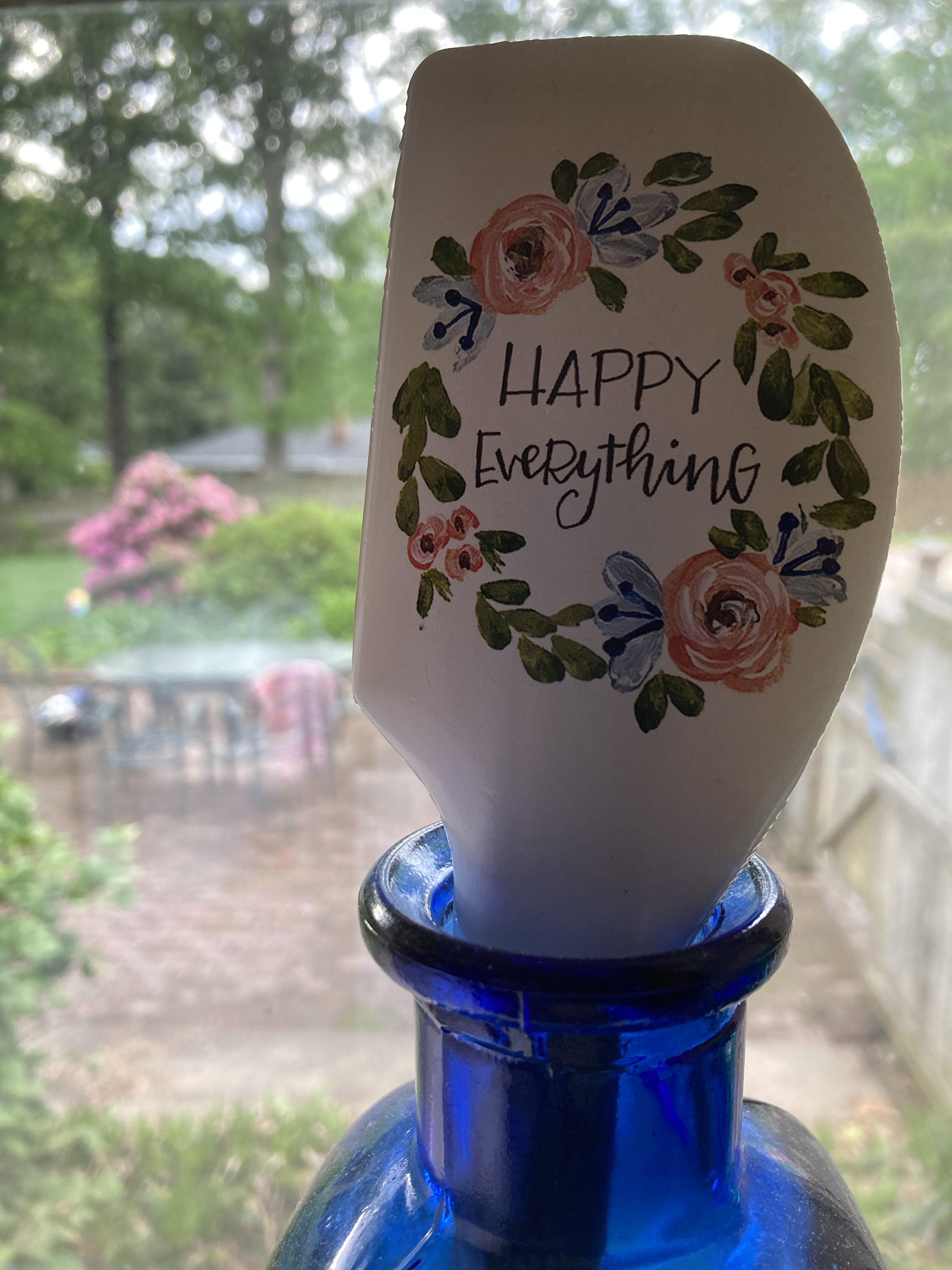


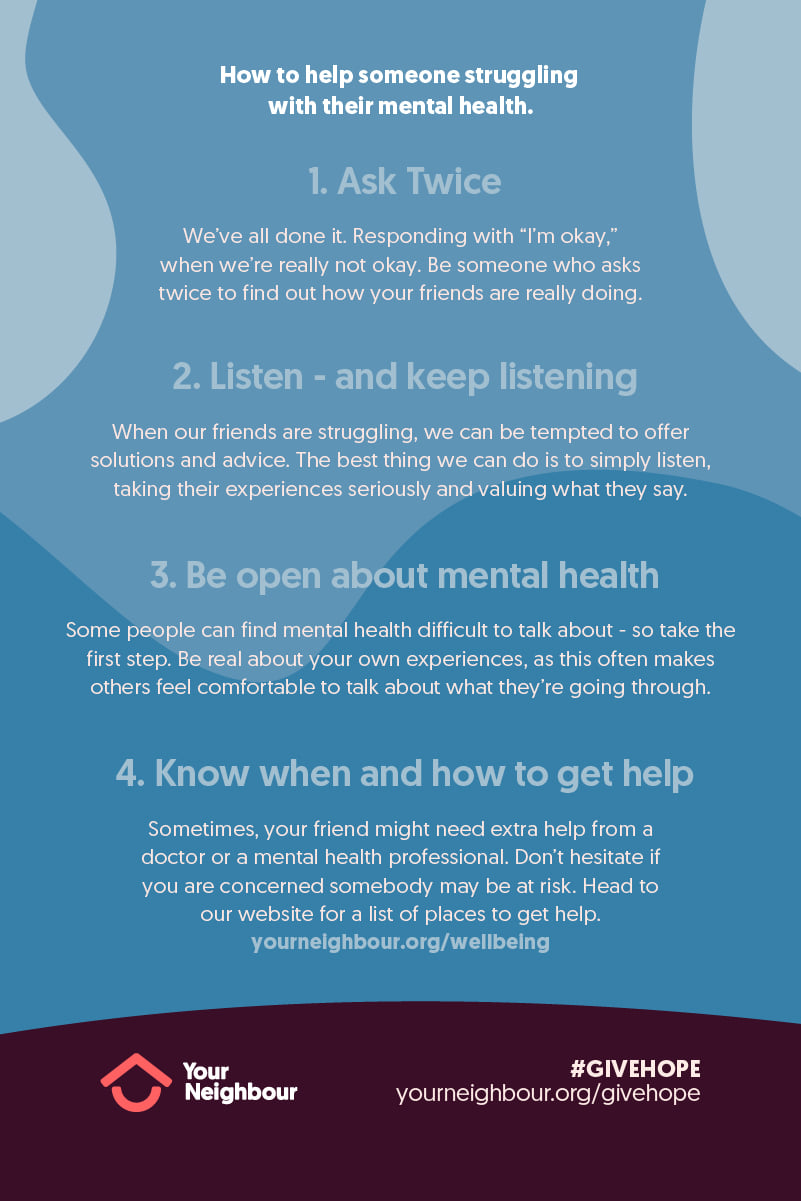


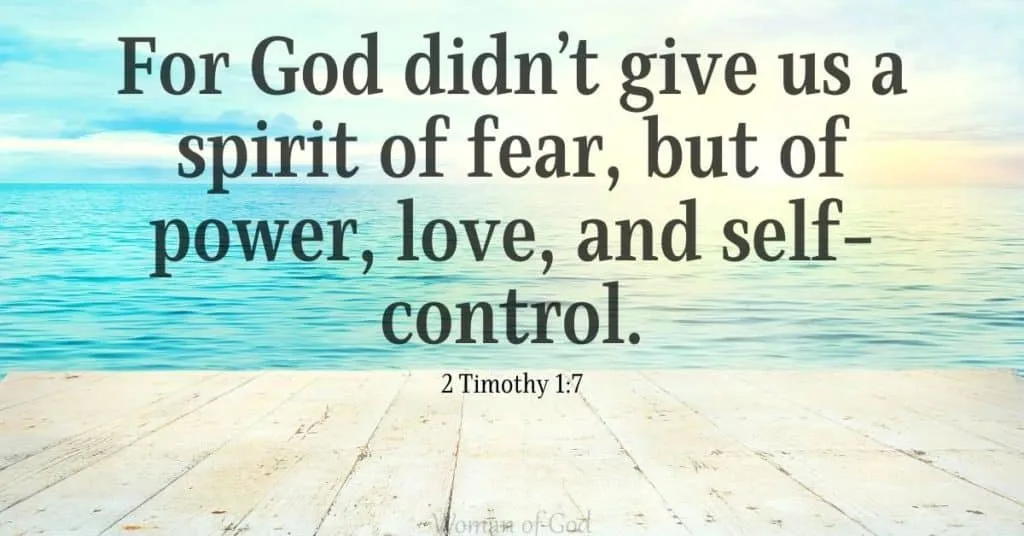 Photo Credit:


 Photo Credit:


 Photo Credit:
  Photo Credit:
 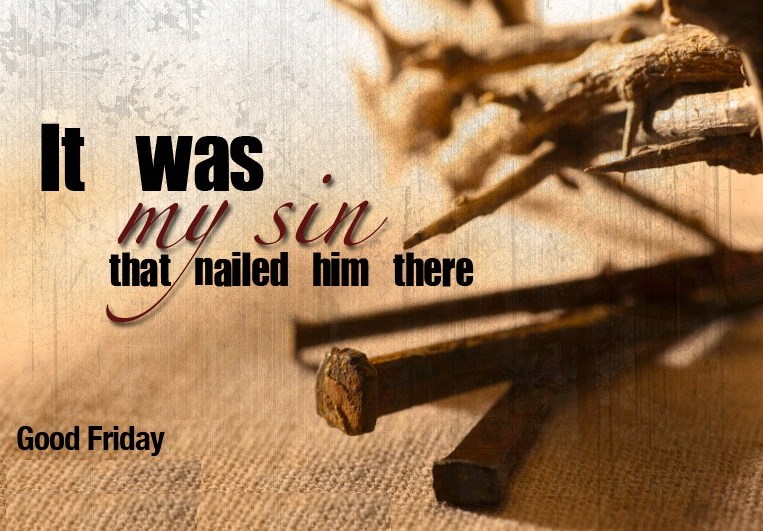 Photo Credit:
  Photo Credit:
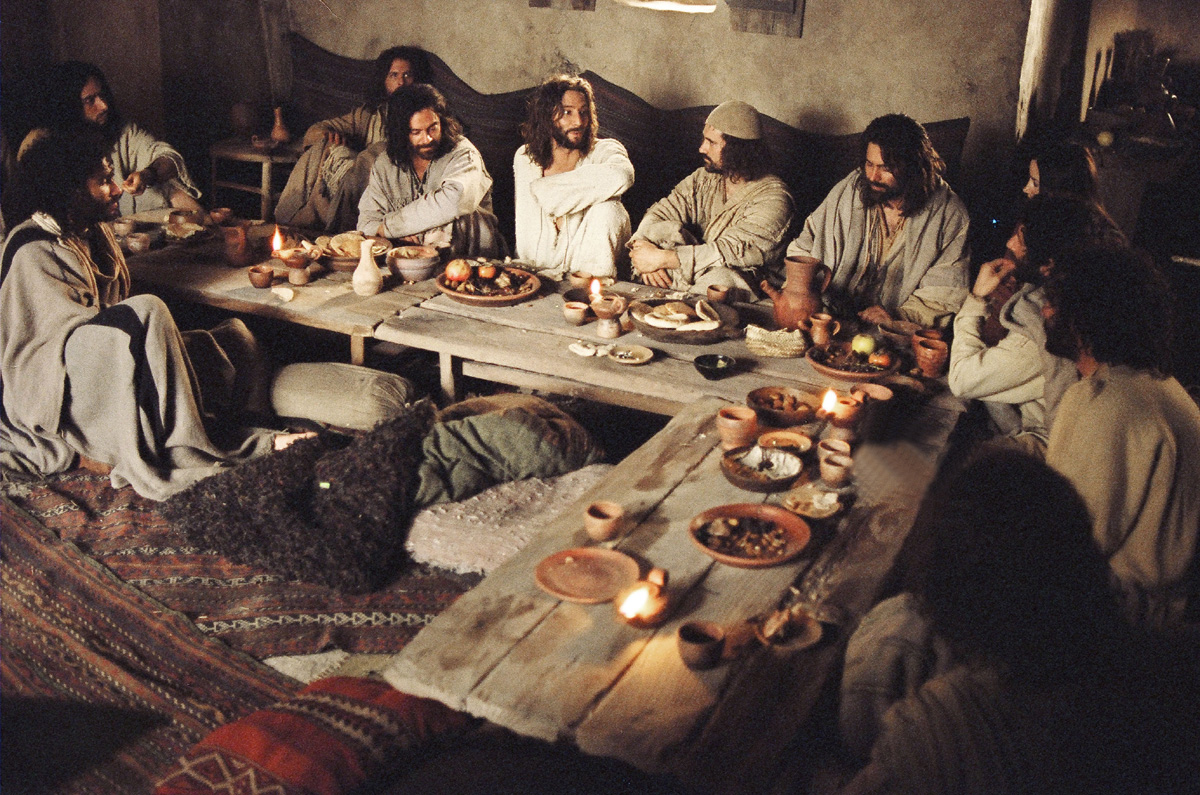 Photo Credit –

 Photo Credit:
  Photo Credit: