Category Archives: Critical Thinking

Monday Morning Moment – Strengthening Decision-making with Collaborative Conversations

Blog - Collaborative ConversationsPhoto Credit: AJCarlisle.files.wordpress.com

[Adapted from the Archives]

Change is normal, and resisting change is normal as well. You may be part of an organization or company where sweeping changes are being implemented, even this week. Or maybe you are not on the inside loop of these decisions, so you are not privy to the change coming. Whether you are part of that process or not, consider how you might have a role in making change work, in your sphere of influence, among your colleagues.

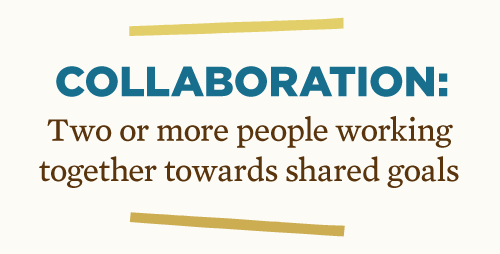
You may already have read and profited from the book Crucial Conversations. Now consider collaborative conversations. Collaboration, simply defined, is “working together towards shared goals”. Collaborative conversations bring a collective intelligence to bear on the problem to be solved, vision to be defined, or direction to be changed.Blog - Collaborative ConversationsPhoto Credit: ThoughtFarmer.com
David Perkins, a Harvard professor, wrote about collaborative conversations in the workplace, using the metaphor of King Arthur’s round table. He described the beneficial nature of bringing several principal players (or stakeholders) to the table and treating each one with an equal or autonomous voice.

Perkins’ book King Arthur’s Round Table: How Collaborative Conversations Create Smart Organizations is a tremendous resource in developing this kind of decision-making work environment. An Executive Book Summary* can help you get started.

“A round table makes it a little easier to pool mental effort. A round table makes a group a little more intelligent…For a group to display intelligence in a sustained way, the members have to value their exchanges and stick together to keep making them. This depends on positive symbolic conduct [side messages sent by our words and behavior]…and collaboration… It’s not ideas, but people with ideas that make things happen.” – David Perkins

“One of the simplest ways to immunize a culture against broken trust, corruption, and animosity is to build a common vision.” – David Perkins

I personally thrive in such a setting and intuitively understand the value-adding nature of collaborative conversations. In researching this workplace topic, and choosing the links below, I came across a fascinating paper** by Heather Davis, a professor of RMIT University Australia.

Davis presented her paper at the 14th International Conference on Thinking (2009, Malaysia). She discussed how workplace leaders often choose “languages of war” in making and communicating decisions and creating change. Her paper is heady stuff but if you read her thoughts below you will want to read the whole paper. It gives huge support to the role of collaborative conversations.

“In [leadership’s] ‘language of zealous allegiance’, there are expectations of allegiance [in the workplace] that lay a path for uncritical acceptance and passivity. This manifests in an expectation that followers be conscripted wholly to the cause. There is little room for questioning. ‘Conscription means one important thing: there is no questioning of orders, one only executes them; “either you’re with us or you’re against us”.’ “

“Rhetoric plays out in the workplace too and can be tested by how well leaders:

  • hear and acknowledge the ‘other’ point of view,
  • see the ‘other’ as people rather than pawns or simply abstractions,
  • manage the distance, materially and metaphorically, between themselves and the people and sites affected by their decisions.”

“In the corporate world there are many examples of executives living and working in gated communities or otherwise removed by dint of corporate hierarchy or geography from the people and conditions affected by their decisions. Often, these leaders are also surrounded by people who can only agree, leading to little opportunity for double loop learning or deeply reasoned decision making processes. Whether our leaders live in gated communities is their business, but if they think, work and take refuge within a ‘gated’ mindset then we all need to be concerned. These conditions lead to hubris and have been the undoing of many leaders and corporations.”

“The role of the organisation is ‘to know its purpose and not be diverted from it’ (Drucker, 1993). This is a timely reminder here – easier said than done in times of flux, complexity and discontinuous change.”

“The main difference between Perkins’ languages of war and peace are that the war metaphor is founded on exclusivity and a preference for limiting discourse to its [leadership’s] own narrowly defined boundaries. Perkins’s peace metaphor is founded on inclusivity and opening up the space for conversations and conflicting views [i.e., collaborative conversations].”

“Oppositional language and the pitting of one deeply held worldview against another will not lead to resolving the underlying problems of the workplace. Rather, space for conversations to surface underlying assumptions is required. Perkins’ language of peace metaphor confirms that that there are always other lenses to view the world through, not just the one that [leadership] prefers.” – Heather Davis

Provocative reading from this Australian educator.

Bottom line: Those of us in leadership carry a great burden of responsibility. We at times must make difficult and sometimes painful decisions. Adding voices to that decision-making can generate even more challenging processes to negotiate. However, we will make more sustainable decisions for “better futures” if we bring those most affected (or most experienced or insightful) to the table. Whenever possible. That’s the gain of collaborative conversations – working together toward shared vision and shared ownership.

Stay engaged in your workplace. Don’t entertain indifference. Stay in the conversation. You can make a difference.

*King Arthur’s Round Table – How Collaborative Conversations Create Smart Organizations by David Perkins – an Executive Book Summary

**Troubling Invisible Barriers to Better Futures: Surfacing the “Five Languages of War” in the Workplace – a scholarly paper by Heather Davis, presented at the 14th International Conference on Thinking

Leadership Lessons from King Arthur – a Review of Harvard Professor David Perkins’ book King Arthur’s Round Table

The Five Literacies of Global Leadership – What Authentic Leaders Know and You Need to Find Out – by David Hames – Business Book Summary

The Perils of Indifference – a Speech by Elie Wiesel

How to Lead When Change is the New Normal – Emer Coleman

The Art of Collaboration (Collaborative Behaviors) – by Steve Dale (includes a SlideShare)

Collaboration: What Does It Really Mean? – Carlos Dominguez

What Is a Coaching Conversation? from Opening the Door to Coaching Conversations by Linda Gross Cheliotes and Marceta Fleming Reilly 

Cutting Through the Hype – What “Collaboration” Really Means – ThoughtFarmer.com

5 Choices You’ll Regret Forever – Travis Bradberry

Monday Morning Moment – Ian Bremmer – on Global Politics and Replacing Rage with Hope

Photo Credit: Wikipedia

How do American politics affect our ability and capacity to be a force for good on the world stage?  What elements align to make any of global nations consequential or inconsequential? What natural or geopolitical events will lead to migrations of people to who knows where? What are the top political risks facing our country and our world today?

Political scientist and thought leader Ian Bremmer was just an unknown name on our Richmond Forum subscription for this year’s season. Then we heard him speak. Wow! My ignorance was what was showing.

Ian Bremmer is a brilliant, funny, courageous, optimistic analyst of all things global. He has conversations with world political and economic leaders and their staff, and I’m sure he asks excellent questions. His analysis is intriguing because he clearly knows what he’s talking about and he kindly brought it down to a fifth grader’s understanding.Photo Credit: Richmond Forum

Ian Bremmer Engages with Geopolitics, Honesty, and Humor at The Richmond Forum – Thomas Breeden

The best part of the whole evening was his unflappable honesty. He clearly had his biases regarding world leaders, including our own country’s leaders. Yet, he takes the larger and longer view. I so appreciated that. It’s part of why he’s not “crazy”, as he encouraged us not to be as well when we read and watch the news each day.

Bremmer told the audience his goal for the evening was to make us all “10% less crazy.” What makes us crazy regarding our country’s politics? He summed it up memorably:

“A lot of us feel like our system is rigged. A lot of us feel like our representatives are not representing us. A lot of us feel like the American dream no longer applies to us. And they feel like when the political leaders or the CEOs or the bankers or the journalists or the public intellectuals—God forbid—are talking to us, that they’re lying.” – Ian Bremmer

If we daily wonder if we’re being lied to by our politicians and not truly represented by our elected officials, then we do become a little crazy…distrusting our government and divided and polarized in our thinking, depending on our particular brand of politics.

Adding to this, Bremmer gives four other factors that fuel the divide:

  • Immigration – So much talk and very little done on either side of the aisle to improve the system – with the hope of making it fair for all who would like a chance to immigrate as well as humane and just for those foregoing lawful entry to the country.
  • Economic Inequality – This continues to increase, and it heightens the political divide between peoples as well. It adds to the “us vs. them” scenario.
  • Wars – When we seem always on the brink of a war (either threatened by a nuclear power or compelled to enter because of an oppressed ally, we struggle again with trusting our leadership, especially as our spouses and children lay their lives on the line for these wars. For what purpose?
  • Social Media – The rage of the average citizen who feels unheard or discounted by his government is stoked through the comments of others on social media. Where are the conversations being had by reasonable people with a stake in the outcome?

Ian Bremmer addressed these stressors and then he calmly proceeded with a survey of global and national threats and trends. I won’t go into them here but you can follow his generous, insightful commentary on all the latest news via his website, broadcasts, books, and Twitter/Facebook feeds. He will educate you and encourage how to engage rather than isolate.

[Forgive me for staying general on this, regarding geo-political risks.]

Bremmer gave two excellent challenges to us. The first is to find a person who we disagree with politically but who we respect (I have a short list of those valuable friends and family members). Then engage in conversation, with the goal to listen, learn, and better understand. Our default is to be enraged but not engage…we just read their social media posts and don’t comment, or worse, do…when we could actually create face-to-face dialogue. Neither of us may change but we have the opportunity to grow closer in coming to viable solutions to the problems we face.

His second challenge was to encourage our young people to study abroad…even in high school, even just for a semester. To put themselves in the minority. To learn from others who have similar problems as well as quite different ones. To learn how to draw down conflict and create understanding. To learn how to problem-solve with less monetary resources. These young people of ours will be the ones who will have to figure out how to flourish in the world we are leaving them.

Ian Bremmer talks reality but with hope and a healthy sense of humor. We would do well to follow his example in this…whether we agree with him on all points or not.

From a secular point of view, he came as close to answering my life-long question “Why can’t we all get along?” Bremmer’s talk also reminded me of Dr. Seuss’ book Oh, the Places You’ll Go. In the midst of a forum on global politics, economic upheaval, war and poverty, he posed the possibility of hope…if we show up and engage with one another.

YouTube Video – Ian Bremmer on the Failure of Globalism – some of the content we enjoyed at the Richmond Forum.

YouTube Video – Ian Bremmer – How the US Should Use Its Superpower Status

Global Warming: Severe Consequences for Africa – Dan Shepard [Ian Bremmer got me to consider global warming more seriously when he talked about how the peoples of equatorial Africa will one day have to leave their countries and immigrate north.]

5 Friday Faves – The Godfather Theme, Roaring Lambs, a Very Different Jesus, Core Values, and Finally Spring

Here’s to your weekend! 5 favorite finds from this week:

1) The Godfather Theme – One of the most iconic films of all time was The Godfather adapted from the 1969 novel of the same name. The story focused on the fictional New York crime family, the Corleone’s. So engrossing was the narrative that two later films of the same name followed. Composer Nino Rota‘s theme from The Godfather is beautiful and memorable. Whether or not you’ve ever seen the film(s), you know this melody. Nathan Mills has again taken this giant of a song and arranged a gorgeous piece for a single classical guitar.

[Sidebar: One of Nathan’s guitar students is doing a semester abroad in Dublin, Ireland. He heard a local guitarist playing and it reminded him of Nathan’s style of playing -at Beyond the Guitar. He engaged the guitarist in conversation and found out that he knows Nathan’s work and follows his music. Small guitar world. Sweet little story for you who follow and support Nathan’s music as well.]

2) Roaring Lambs – Many years ago, I read TV producer Bob Briner‘s book Roaring Lambs. Says Briner: “In my circles, Christians are thought of as people who are against things. I want us to be known as people who are for things good, wholesome, creative, wonderful, and fulfilling. That’s the message of the Gospel and it ought to be the message in all that we do.” His audience was Christians but there is wisdom for anyone who wants to make a difference rather than just a reputation or wants to make a change rather than just noise. We don’t think of lambs roaring, but Briner challenged the reader to take their work to the next level but not only aiming for excellence but for a depth and breadth that touches the lives of those around them.Photo Credit: Mountain Pleasant Granary

A woman I only know by what her “roaring lamb” reputation retired recently. Her job was made redundant by a new software program that was adopted in her workplace. What everyone will miss, as much as they will miss her diligence to task, is the beauty she brought to her department. Her generous gift of hospitality in both decorating common areas and serving food to her colleagues made it a joy just to leave the elevator and enter that office suite. She will be so missed.

Another “roaring lamb” work can be environmental services in a hospital. The tasks that make for a safe place to heal often go unseen and unrewarded. However, we all know personally or have heard stories of what can happen when either care or diligence aren’t exercised in this vital work group.

Finally, award-winning cartoonist Johnny Hart, after coming to Christianity later in life, made an intentional decision to incorporate his faith into some of his work. Some newspapers dropped his comic strips (B. C. and Wizard of Id) because of this, but most continued to publish them. His work was much-loved and his intent was just to use the medium of cartoons to inform on faith issues (as some use comics to do the same with political issues).

He died at his drawing table on Easter Eve 2007 after finishing his strip for the next day. It was fitting for this “roaring lamb”. [I wish I could post it but you can find it here.]

Roaring Lambs:  A Gentle Plan to Radically Change Your World – Bob Briner

How to Be a ‘Roaring Lamb’ – Warren Cole Smith

I Did It His Way: a Collection of B. C. Religious Comic Strips – Johnny Hart

3) A Very Different Jesus – I am always baffled when Jesus is treated as inconsequential…some sort of weak made-up messiah of even weaker people who call themselves Christians. Maybe, the reason is because of how we Christians have represented Him in the world. This historical profoundly world-changing Jesus is so much more than is captured in the Charles Wesley song “Gentle Jesus, Meek and Mild”.Photo Credit: Slideplayer

The Scriptures say that Jesus is “the same, yesterday, today, forever” (Hebrews 13:8). If this is true then we can search out who He is and what He is like.

British scholar C. S. Lewis, in his Chronicles of Narnia, described Aslan, the Christ-figure, very differently:

“Aslan is a lion – the Lion, the great Lion.” “Ooh”, said Susan, “I’d thought he was a man. Is he…quite safe? I shall feel rather nervous about meeting a lion.”…”Safe?”, said Mr. Beaver…”Who said anything about safe? ‘Course he isn’t safe. But he’s good. He’s the King, I tell you.”Photo Credit: Mark Meynell, Chronicles of Narnia: Prince Caspian

The night before the crucifixion of Christ, a large mob of both religious authorities and Roman soldiers came for him in the dark of night (John 18:1-14). If he had resisted, by the might of His power seen previously, they would need large numbers to insure his arrest. Jesus did not resist arrest. He went of his own accord, knowing his journey to the Cross was at hand. For our sake, He laid down His own power…His own life (Philippians 2:5-8 and John 10:17-18).

We admire first responders – those who run into danger for the sake of those who can’t save themselves. Everything we know, when we read both the Gospel and other religious (and secular) texts, is that Jesus was this kind of different.

The question for all of us is “what will you do with this Jesus?”

The Rebellious Privacy of God: Rowan Williams on Narnia in “The Lion’s World” – Mark Meynell

4) Core Values – A friend of mine this week raised the question of what were my family’s core values. I hadn’t thought of that…in a long while. Not even sure I’ve wrestled with my own core values lately.

We hear of the core values of organizations.

Photo Credit: Multi Works Ltd.

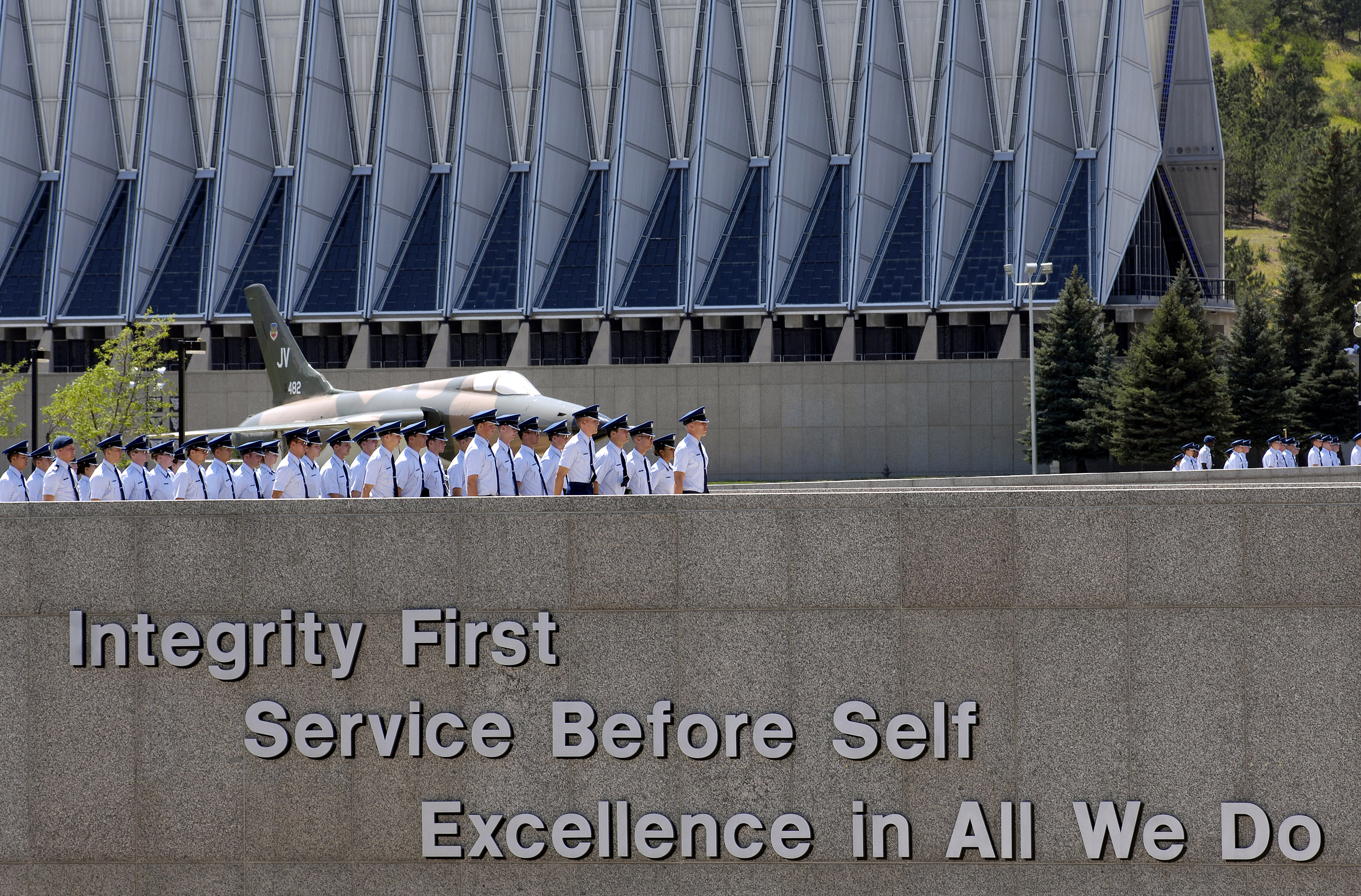
The military publicizes and trains its personnel with core values in mind…differing somewhat depending on what branch of the military.

Photo Credit: Asia J. Sorenson

Corporate strategist and author Ben Sands has written a super helpful piece on discovering your core values. He talks about how our core values are those few we lead out with in our lives.

How to Discover Your Personal Core Values (and Why You Must!) – Ben Sands

So I went through this article and his list of values. He also gives a 4-step process for narrowing down to our core values. I’m still working through it, but below are my list of values (that I need to fine-tune to a Top 5, and then determine guiding principles, per his prescription):

  • Belonging/Inclusion
  • Collaboration/Teamwork
  • Community
  • Compassion/Kindness
  • Dependability
  • Faith
  • Family
  • Gratitude
  • Honesty/Transparency

How about you? Sands calls our core values our “safety net”. Otherwise, we don’t really have a mooring to dock our lives. I’m thinking he is right. What do you think?

5) Finally Spring – While this week marked the coming of Fall in the Southern Hemisphere, we in the North finally have Spring. Yes. Just a few pics of the glorious flowering around us right now.

Photo Credit: The Colorful Cottage, Facebook; An Extraordinary Day

Bonuses:

The Long Goodbye is finally available for purchase and rental. We watched it last night. Wow! Just wow!

https://www.mygrandeprairienow.com/49305/from-sunrise-house-to-forever-home-teen-finds-adoptive-family/?fbclid=IwAR2Ex8vInyMd2iMi2xLWJhmxig2pevxhVIxluRS0akmjOB6SKhDOZq7DrQw

Photo Credit: Homegrown Learners, Facebook

One of my favorite bloggers (a “roaring lamb” herself) on dealing with criticism from readers:

[This has been a week of hard and hard-to-understand events. They drive us to think and pray and reach out to serve.]

In the wake of the terrorist attack in New Zealand, your community needs you.

Wherever you happen to live, your community needs you to show up and say words out loud, because white silence is violence.

Your people need you to acknowledge that Muslims are people who Jesus loves, and that whether we agree or disagree with their beliefs, nobody deserves this.

They need you to pray against terrorism, violence, and white supremacy, but also to do something about it.

They need you to shut down jokes and little comments that make targets out of people of color or other faiths. Don’t let them slide. Make supremacists uncomfortable.

Your community needs you because only when white people, a LOT of white people, actively stand up and stand with those who experience oppression, terrorism, and loss of life because of the color of their skin and their place of worship, will the terrorists understand that they have lost. That their sickening philosophies are not welcome, even among other white people.

POC cannot do this for us. It is up to us to fill our lives and words and deeds and spaces with so much love and inclusivity that white supremacy cannot fit. That it is squeezed out. We do this by how we react to jokes and comments, what we say or do not say, what we do, how we speak about and treat Muslims and other folks in the margins. Again, we don’t have to agree with their theology, but are we kind? Are we gentle? Are we protective of the oppressed? Do we shut down casual racism and xenophobism when we see and hear it?

It’s up to us.

It’s up to you. – Cattie Price, Facebook (with permission)

Agencies In Race Against Time After Cyclone – Mozambique

280 Christians Killed in Attacks in Nigeria

Thoughts on How to Be the Church in an Age of Terror and Tragedy – Carey Nieuwhof

Monday Morning Moment – The Tyranny of Sensitiveness – C. S. Lewis

Photo Credit: QuickMeme

Years ago, my best friend and I went on a cross-country sight-seeing trip. Our plan was to camp out a couple of nights and then stay in a hotel for the third, and continue in that rhythm for the two weeks we were on our adventure. It didn’t always go well. I loved camping; she preferred the hotel. Our food preferences were more different than we realized. We did, fortunately, agree on the “not to be missed” aspects of our journey across America.

Along with all the great memories made, we had some humdinger disagreements through the course of our time away and returned home even better friends as an outcome. However, it didn’t come easily for either of us.

It turns out I could majorly stomp on her feelings without even knowing that was happening. We have both matured greatly since then so this can encourage you…it has for me in the times in recent years when I find myself in similar situations.

First, you must know I never intended to plow through her preferences to race toward my own. She was my dearest friend. It gave me joy to see her happy. Still…somewhere I crossed a line. In our responses to one another, as friends, family, colleagues, (even strangers on social media) we can discover things both about ourselves and about the other.

Emotions are different from feelings. I’m not going into the physiological pathways or mental habit formation of all this, but the quote below by Debbie Hampton is very helpful:

“Feelings and emotions are two sides of the same coin and highly interconnected but are two very different things…Emotions originally helped our species survive by producing quick reactions to threat, reward, and everything in between in their environments. Emotional reactions are coded in our genes. Emotions precede feelings, are physical, and instinctual. Feelings are sparked by emotions and colored by the thoughts, memories, and images that have become subconsciously linked with that particular emotion for you. But it works the other way around too. For example, just thinking about something threatening can trigger an emotional fear response. While individual emotions are temporary, the feelings they evoke may persist and grow over a lifetime…In the gaps between emotion, feeling, and acting, we all have the power to change and direct our lives for the better. “ – Debbie Hampton

In the milliseconds between any stimulus and our response to it, we can choose how we will respond emotionally. However, because we have set a course “over a lifetime” of responding certain ways, emotional patterns (feelings) are formed and put into practice. We can change these, if we find them detrimental to our physical, emotional, and relational lives.

That happened between my friend and me. In close proximity, for two weeks, our daily experience very dependent on the other, we found we could irritate each other. The statements “That hurt my feelings” or “You hurt my feelings” became her lament…this from an accomplished teacher and successful manager of a classroom of tiny children. Somehow, on this trip, I had the capacity, regularly, of stealing her joy.

For me…inconceivable. I loved her and had no desire to hurt her, ever. Still, it happened.

[By the way, this expression of sensitiveness using the word “feelings” may be more encountered in women, but men have some similar experience – you know you do – but call it different things. “Offended”, maybe? “Annoyed”? Is that where sarcasm or cynicism is birthed?]

Back to the story: In some way, my behavior set off for my friend emotions that were tagged by past feelings of being discounted, not considered, not favored. It wasn’t pretty…for either of us.

Fast forward, decades later.

We live in a culture of lofty sensitiveness. The measure for political correctness in our speech continues to get moved upward. We are a nation so easily offended that we can’t even discern what is truly intentionally offensive from what is just true.

Have you ever been in a season with a friend or colleague that feels emotionally murky? You don’t really know what’s going on, but you sense something is. Then…you step on the landmine – and you say something or do something or your face shows something – that explodes all kinds of feelings in the other person, from what seems a life-time of storing up.

This is what has now been popularized as weaponizing feelings or emotions. The outcome? Guilt, shame, wounding, and (for some) returning fire.

It will make me sad if this post “hurts feelings”, especially of those friends of mine who read my stuff. The thing is, just like my friend and me, we can go deeper in our relationships when we refuse to let feelings define our friendships. When we refuse to think ill of others we grow a spiritual maturity and neuroplasticity that impacts our emotional responses and our relational resilience.

What got me thinking about all this, this week was actually a Lenten reading from British scholar C. S. Lewis – Preparing For Easter: Fifty Devotional Readings from C. S. Lewis.

He talks about the danger of weaponizing sensitiveness long before it became the cultural phenomenon it is today:

“‘Did you fight fair?’ Or did we not quite unknowingly falsify the whole issue? Did we pretend to be angry about one thing when we knew, or could have known, that our anger had a different and much less presentable cause? Did we pretend to be ‘hurt’ in our sensitive and tender feelings…when envy, ungratified vanity, or thwarted self-will was our real trouble? Such tactics often succeed. The other parties give in. They give in not because they don’t know what is really wrong with us but because they have long known it only too well, and that sleeping dog can be roused, that skeleton brought out of its cupboard, only at the cost of imperilling their whole relationship with us. It needs surgery which they know we will never face. And so we win; by cheating. But the unfairness is very deeply felt. Indeed what is commonly called ‘sensitiveness’ is the most powerful engine of domestic tyranny sometimes a lifelong tyranny. How we should deal with it in others I am not sure; but we should be merciless to its first appearances in ourselves.“ – C. S. Lewis

After being an atheist, Lewis did not come to faith in Christ until his mid-thirties. His intense study of the Bible, relationship with God, and deep, gut-honest conversations with a circle of intimate friends moved him to such understanding of people and life…and our responses to both. Any thoughts on this? Please comment below.Photo Credit: Flickr

Preparing For Easter: Fifty Devotional Readings from C. S. Lewis

What Is the Difference Between Feelings and Emotions? – Debbie Hampton

The “Weaponizing” of Emotions – Wade Trimmer

The A-Z Guide to Feelings and Emotions – Sebastian Gendry

Monday Morning Moment – Neuroplasticity – Resetting Your Brain for Success at Work and Life – Deb Mills

Inner Circles – the Mad Pursuit of Position, Power, Prominence, and Plenty – Deb Mills

Invisible Wounds of the Sensitive, Empathic and Emotionally Intense Child – Imi Lo – this is a sobering, emotionally charged article. I resonated with it in preparing for the blog above and include it because it might be helpful for some to read. Just a warning that it is hard to read because it honestly did not give much place for hope. [If I missed it, please illuminate me in the Comments below.] Maybe the hope comes in recognizing what we as parents might be doing that’s hurtful to an emotionally intense child and correct course.

Monday Morning Moment – Grumpy Begets Grumpy – Understanding It, Not Reacting, and Turning It Around

Photo Credit: Grant Wood, Wikipedia

My poor husband. The last month has been fairly brutal. His father had a massive stroke and died a week later. Between travel to be with his dad in his last days and travel for the funeral, Dave had a packed work schedule. In the midst of that, a friend died. After PopPop’s funeral and our friend’s funeral, we settled back into another busy work week. Interrupted for me by a vicious stomach bug. Interrupted for Dave by a vigilant attempt to avoid said stomach bug. We saw little of each other as he slept in the guest room and tried to stay clear of my germs, except for kindly offering me provisions. The day that I was for sure well, he got the same bug, even harder hit than I was.

So sick, he was forced to miss the majority of a week of meetings he had helped plan and was looking forward to. Such is life when sick.

At some point in all this, I began to get grumpy.

Don’t get me wrong…there was grace upon grace for all we experienced this month. Grace upon grace.

Still, in strain, stress, and suffering we can discover a measure of what’s going on inside our hearts by what comes out of our mouths (Matthew 12:34, Proverbs 8:13 ).

Standing Up Under Pressure – Tom Macartney

My grumpiness was a product of assumptions about how life should go and arrogance that it should always go well for me. Right?

I was frustrated that Dave had to get sick after all our safeguards against it. Also frustrated that he had to miss meetings he should have been able to attend.

With both of us recovering from heart grief and grumbling tummies, grumpiness came as a default reaction. Sadly, toward each other. [I have asked his forgiveness already, by the way., and he mine].

This happens with grumpiness. Whether we are prone to it in our closest relationships or in more casual work or friend situations, grumpy begets grumpy.

As a teenager, our middle child, Nathan, had waves of grumpiness easily turned around with some cheese or a sandwich. The quicker I assessed he was hungry (“hangry” before that became a word), the faster he returned to his usual, more fun self…once his blood sugar was on the rise.

Health Check: the Science of ‘Hangry’  or Why Some People Get Grumpy When They’re Hungry – Amanda Salis

When we have chronically grumpy coworkers, they can bring a whole team down, unless we are proactive in responding to them.

Writer and entrepreneur Will Jeakle gives us a humorous and insightful read on Three Tips for Dealing with a Grumpy Employee:

1. Recognize analysis paralysis.

2. Change the subject.

3. Put Eeyore in charge of a project. – Will Jeakle

Photo Credit: pngimg

[Click on the link above for Jeakle’s fascinating commentary on the subject. Helpful also if you are the grumpy coworker.]

One author actually talked about how being grumpy and bad-tempered can have a positive impact on your career – but I’m not sure it’s worth the risk. [So, Nathan, keep popping that protein when your grumpiness comes on.]

Why It Pays to Be Grumpy and Bad-Tempered – Zaria Gorvett

Grumpy begets grumpy if it goes unchecked. When we are grumpy to others, over and over, it is almost impossible not to react in kind. And I don’t mean kindly.

Habits can develop that lead to us isolate ourselves…especially as we age.Photo Credit: QuoteFancy

Canadian writer Ian Fortey wrote  a somewhat coarse and humorous (unless you’re its subject) piece on getting older. When he covered the general grumpiness of today’s older people, he made this observation:

“It doesn’t help that today’s old-folks were raised at a time when it wasn’t considered cool to talk about your problems in any kind of constructive way. You sucked it up and lived with it….Well, if you “suck it up” for 80 years it eventually just overflows onto everyone who walks past your house.”

Realtor and writer Gary Woltal also speaks with understanding on this same topic: The negativity [in old age] comes from regrets they harbor about missteps in their judgment, hard feelings about words inflicted upon them along the way, omissions of things they should have said and done, and just life’s disappointments…Unfortunately, I think they also believe they will have no good legacy. The fact is starting TODAY we ALL can have a great legacy if we work at it. We all should not go through life with hard hearts.

Check yourself in the mirror today and use a few role models I have used on how you want to exit stage left someday. Women or men, think of these great celebrities who left us with nary a discouraging word said about them. Lou Gehrig, Jimmy Stewart, Fred Rogers, Red Skelton, Mother Teresa. – Gary Woltal

Some Day You Won’t Have Me to Kick Around Anymore – Gary Woltal

Previously I wrote on negativism and its cost and cure which you might also find helpful if you missed it first time around.

Dave and I are off to a new week…all forgiven…and hopefully not too wounded or wary from the brushes with grumpiness of the weeks prior. If you’re finding yourself in a season of grumpiness, my hope is that you can turn that ship around before grumpy begins to define you.

We all don’t have to be saints, but we can leave behind people feeling like this about us: “When you were born, you were crying and everyone around you was smiling. Live your life so that when you die, you’re the one smiling, and everyone around you is crying.” – Gary Woltal

Three Tips for Dealing with a Grumpy Employee – Will Jeakle

Health Check: the Science of ‘Hangry’  or Why Some People Get Grumpy When They’re Hungry – Amanda Salis

Monday Morning Moment – Negativism – Its Cost and Cure – Deb Mills Writer

How to Raise Happy Teenagers – Michael Odell

5 Friday Faves – International Women’s Day, “Sunflower” on Classical Guitar, Recycling in Peril, Understanding Whiteness, and Great Teachers

Welcome to your Friday and my favorite finds of this week:

1) International Women’s Day – When there is an international day of celebration, it’s worth a pause. Especially International Women’s Day. I had an amazing mom – who grew up poor during the Great Depression and then raised four kids pretty much on her own. She lived during an era where work situations did not favor women at all but she bore up under it with dignity and grace. Just glad to have a job. I love her so much. She was and is my hero.

My mom-in-law, Julia, is that same kind of strong, faithful, loving woman.

There are so many other women in my life who deserve celebrating, although none of them look for such a thing. They just live and love fully, doing what they can for others…I am better for knowing them.

So on this International Women’s Day, I salute you older ones and younger ones…you women out there, mothers, daughters, sisters and friends.

On International Women’s Day, Rise Like a Deborah – Cassia Glass

2) “Sunflower” on Classical Guitar – Rappers Post Malone and Swae Lee perform this amazing song “Sunflower” on the movie Spiderman: Into the Spider-Verse. Written by Post Malone, the song is just plain fun. Nathan Mills arranged it for classical guitar and brings all the happy over from the original. Check out the Beyond the Guitar version below:

3) Recycling in Peril – We generate an enormous amount of solid waste in this country. So much packaging, so many disposables. I remember as a child when we carried garbage to a burn-dump. Recycling as a solution to some of the solid waste burden was very new. This week I read a sobering article on how our current recycling solutions won’t be able to keep up. Please take the time to read Alana Semuels‘ piece Is This the End of Recycling?

We recycle as much as we can in our household. I am guilty at times of still using plastic grocery bags when I forget to bring my own – even though those bags are banned in some countries. As they should be. When we lived in Egypt and had the occasion of snorkeling in the beautiful Red Sea, we could not imagine the problem of garbage sullying those waters. It happened.Photo Credit: UN Environment

In Semuels’ article she talked about the familiar adage: Reduce, Reuse, Recycle. Except that she added a fourth imperative: Refuse. Consider how we can use less…refuse to buy products with over-packaging; stay away from disposables or single-use items if possible. It’s something to think about.

We are All Accumulating Mountains of Things – Alana Semuels

YouTube Video – America’s Dopamine-Fueled Shopping Addiction

San Francisco’s Race to Zero Waste Has One Last Major Hurdle – Anne Poirot

A Brief History of Solid Waste Management in the US, 1950-2000 – Part 5a – H. Lanier Hickman Jr.

4) Understanding Whiteness – OK, so I’m white. It’s not something I have thought much about in the past. Even in filling out questionnaires or applications that ask for race, I check “Caucasian or white” because it is what I am…but the implications of being white haven’t really driven much thought for me…until lately. Now, when we lived in North Africa, it was my first experience of being a minority. Even in the most awkward situations, when I was the only “white person” in the room, it wasn’t “white” that I felt so much as being “American”. The privilege came from that identity.

Writer, thought leader Jackie Hill Perry tweeted the following this week and it really got me thinking. In fact, if you click on her tweet, it will take you to a long thread of opinions about the issue of “whiteness” with a diverse crowd of folks giving their take on it.

https://twitter.com/JackieHillPerry/status/1102713408112205824?ref_src=twsrc%5Etfw%7Ctwcamp%5Etweetembed%7Ctwterm%5E1102713408112205824&ref_url=https%3A%2F%2Fdebmillswriter.com%2F%3Fp%3D21629%26preview%3Dtrue

To be honest, I was a tench offended by the tweet at first. Because I don’t see myself as “being shaped by being [white]. However, it is important to me not to be ignorant about things that shape culture and especially the stuff that divides people. So…I’m thinking about it now.

Writer Kesiena Boom posted an article last year on 100 Ways White People Can Make Life Less Frustrating for People of Color. Again, at first, I was put off by it momentarily, and then decided to read those 100 ways. It was illuminating. Not as instructional as I had hoped but illuminating.

“Remember: Being an ally is a verb, not a noun. You can’t just magically be an ally to people of color because you say you’re one, it’s something that you must continually work on.” – Kesiena Boom

I do want to be an ally of others…including persons of color. Very definitely. So Jackie Hill Perry and Kesiena Boom have both given me a window to see through this week.

Also Darrell B. Harrison, a politically conservative reformed theologian who is also a black man, gives much food for thought as well…from a different stance…

I don’t want my whiteness to be a barrier…nor do I want to be blind to any privilege it gives me. There is just so much bias in our culture today, it’s difficult to know how to maneuver. Any thoughts?

100 Ways White People Can Make Life Less Frustrating for People of Color – Kesiena Boom

The Glorious Love of God as Our GPS – Trevin Wax

5) Great Teachers – If you’re like me, you remember all your teachers through elementary and high school. If there are gaps in our memory, there’s probably a good reason. I’ve had some teachers that were just to be endured, but for the most part, they were good teachers. Some were even great.

A friend of ours, Jeff Maxey, has been named the  2019 Teacher of the Year in South Carolina.

Now, we have another friend Jamie Sherwood who is also among those being considered for Teacher of the Year in our county. This week he is the #HeartofHenrico.

So proud to know these and other great teachers who are not only content experts but also genuinely care for their students and their futures.

That was my favorite finds for the week. Any you would be willing to share with us in Comments below? Have a great weekend. Thanks for stopping by.

Bonuses:

The Long Goodbye – Think about having a launch party March 22:

https://ocean-avenue-entertainment.myshopify.com/collections/frontpage/products/copy-of-church-licensing-package-churches-of-100-to-499?fbclid=IwAR2CmMMdsaA8lvs-sO0xZfPmTwC81phRG3KhsCSjTFGpkrH8GQuAfdy0I5c

Photo Credit: Hallels

Daylight Savings Time Is Actually a Good Thing – Dan Nosowitz

Photo Credit: The Colorful Cottage, Facebook

Alex Trebek Announces He Has Stage 4 Pancreatic Cancer – Alex Trebek, host of TV show Jeopardy, is determined to beat the statistics on this disease. If anyone can, I believe it can be this much-loved celebrity.


Monday Morning Moment – Operational Transparency – Opening Up Windows to Our Lives at Work, Home, and Community

Photo Credit: Flickr

Let’s take a close look at our work and life for a moment. When product and customer service are both excellent, we experience the greatest value as both employees and consumers. However, when there are processes at work that we can’t really visualize or don’t understand, we may question the value of either the product or the service. Especially when those processes are obscured in their availability. Especially if when we seek to see and understand, we remain without adequate information. We can grow disheartened, disgruntled, and even repelled.

Let’s have a look.

We could take a deep dive into government operations or into a large for-profit or non-profit, but let’s just look first at a very normal experience of a popular fast-food restaurant. Without naming the company, this chain is known worldwide for providing consistently good food. When the product is excellent, we don’t feel the need to look inside the operation (or kitchen, so to speak). As for customer service, that’s another matter.

In the rush of lunch-time ordering and food delivery at the drive-through, a young mother with two small children in-tow has to leave her car and come inside the restaurant twice for corrections on her order. One correction was just the number of chicken pieces (four when she asked for and paid for six). The counter staff person couldn’t take the four-piece back, in accordance with health standards, and give her a six-piece. So instead of just saying to the customer, “We’re so sorry. Keep the four-piece and I’ll get you a six-piece”, she tossed the four-piece in the trash can and returned, without emotion, with a six-piece. The rest of the exchange, on both sides, was polite but not restorative for either.

The mom will probably go back…one day…but this did not build the trust that could have been built. The employee also was probably not left with any sense of appreciation for how hard everyone was working behind the counter for demanding customers.

What does this have to do with operational transparency?

Well, given the perceived quality of the product, little transparency in food preparation was required. That wasn’t the issue. The small but significant dilemma here was the transparency of the customer service model (which was bare-bones “correct the problem” without consideration of customer experience or inconvenience – or so it seemed, from the employee’s response to the mother).

Harvard Business School professor Ryan W. Buell defines operational transparency as the deliberate design of windows into and out of the organization’s operations to help customers and employees alike understand and appreciate the value being created. To determine when and how to design such windows, managers must understand when and how customers and employees want to open up operations to scrutiny—and when both parties would prefer that work be undertaken behind the scenes.*

*Operational Transparency – Ryan W. Buell

Is too much of a company’s operations behind the scenes? Are we expected to just trust that companies, governments, and civic organizations are working with our best interests in mind?Photo Credit: Flickr

The article by Ryan W. Buell linked above is a brilliant examination, with lots of real-world examples, of how important transparency is in our operations. For internal and external outcomes – both with product and employee/customer relations. [Don’t miss the read.]

Back to restaurants, the food service industry is really starting to run with this. One of our favorite restaurants is Mezeh Mediterranean Grill. It is a highly visual food experience. You order at the counter with the help of customer-savvy servers who guide the diner through the process.Photo Credit: Reston Now

Employees not helping the diners are doing food prep and working the grill, all in plain view. By the time the customers reach check-out, they have a bowl or plate of generous portions of savory, authentic Mediterranean food plus an added sense of value from the excellent customer service.

Operational transparency.

Home delivery food franchises and online shopping companies are upping their transparency by providing accurate tracking options for their customers as well as other perks aimed toward customer satisfaction and loyalty.

Photo Credit: Twitter

In the workplace, we need to listen to customers who actually give us feedback, especially complaints. There’s much to be learned by that sort of engagement. Becoming more and more transparent will help. Buell’s research shows the employees benefit as much as the customer with greater operational transparency.

As a stay-at-home, work-from-home spouse, I understand my husband’s question of “What did you do today?” It is the same as my question to him. “Writing and laundry” and “meetings all day” neither tell the whole story of either of our days. Operational transparency applied to our dinner conversation could make it a whole lot more engaging and valuable.

Taking the mystery out of how decisions get made and products/services actually happen can add greatly to the employee and customer experience.

Just as our teachers in school instructed us to “show our work”, we can do that for each other in creative and credible ways.

I have no idea how a letter gets from my friend in London to me in Virginia in less than a week…but it is easy to get frustrated when it hasn’t arrived in three weeks. The postal worker dealing with my frustration would be well-served…as would I…by opening a window into the complexities of the work of mail gathering, sorting, and delivering.

My father-in-law went from being admitted to an ICU post-stroke one day, to lying in bed all the next with an IV hanging but not dripping and no word from a doctor, to a visit and discharge by a palliative care team the third day. We welcomed the discharge home but a bit more transparency on that second day would have been really helpful.

Operational transparency builds trust, enhances communication, and facilitates accountability (see image below). Even when transparency reveals a negative (as in the fast food experience of the young mom), the company can turn that around once exposed.

From the Ryan Buell’s article, in closing:

“Don’t forget to close the loop. Transparency is the most beneficial when it’s allowed to flow in both directions—from the customers into the operation and from the employees out to the customers. Forcing employees to toil in obscurity deprives them of seeing how their work is helping customers, reducing their feeling that their work is appreciated and undermining their motivation. What’s more, transparency for employees can give them the information they need to customize service and help them learn better ways of operating.

Consumers [can] take work for granted and employees [can] lose out on the learning and motivation that customer connections afford. With that in mind, businesses should stop reflexively hiding their operations for the sake of efficiency and instead thoughtfully consider when and how to open them up to create more value for customers and employees alike.”

Operational Transparency – Ryan W. Buell

Photo Credit: Flickr

Creating Reciprocal Value Through Operational Transparency – Ryan W. Buell, Tami Kim and Chia-Jung Tsay

Let’s Be Real – Why Transparency in Business Should Be the Norm – Robert Craven

YouTube Video – Defaulting to Open – While transparency is often associated with increased accountability to the public, the most visible outcome of open public data in recent years has been more and better services for citizens. This session addresses the opportunities and challenges of making open data useful, actionable, and relevant for users inside and outside government. Mike Migurski Chief Technology Officer at Code for America moderates a conversation with Alan Williams, 2013 Code for America Fellow; Joy Bonaguro, Chief Data Officer, City and County of San Francisco; Ryan Buell, Assistant Professor, Harvard Business School; and Mark Head, Developer Evangelist, Accela

Open Data

5 Friday Faves – How to Train Your Dragon, Expressions of Kindness, Civility, the “Uneducated Base”, and Wonder

It’s the weekend! Friday Faves on a Saturday because I was slowed down a bit by an end-of-the-week stomach bug. 3 days in this quiet space…

and now I’m back at the computer briefly. So this will be quick.

1) How to Train Your Dragon – One of the most beautiful soundtracks I’ve heard is composer John Powell‘s score for the animated film How to Train Your Dragon. Nathan Mills has taken the This is Berk theme and arranged it for classical guitar…almost wrote Celtic guitar. Just have a lovely listen:

Beyond the Guitar YouTube Channel – Subscribe so you don’t miss his music as it’s posted.

2) Expressions of Kindness – It’s hard to believe it’s been just a bit over two weeks since Dave’s father died. His passing is still so fresh, and especially, for Dave’s mom. I’m so grateful for the many expressions of kindness she has received…and we have received as well. It is a marvel that people still send cards these days. Thank you.

3) Civility – This week I came across a TED Talk by writer Steven Petrow entitled 3 Ways to Practice Civility. In his talk, he defines civility as “living by a moral code, striving to be a good citizen…citizens willing to give of themselves for the good of the city, for the good of the commonwealth, for the larger good.”

Petrow gives his three ways to practice civility or civil discourse as follows:

  1. Deescalate language. “I’ve stopped using trigger words in print. By trigger words, I mean ‘homophobe,’ ‘racist’, ‘xenophobe’, ‘sexist’. All of those words. They set people off. They’re incendiary and they do not allow us to find common ground. They do not allow us to find a common heart.”
  2. Challenge policies; challenge positions; but never make it personal.
  3. Don’t mistake decorum for civility. One can demonstrate recognized etiquette in a situation and yet still be incivil (shades of Downton Abbey’s Dowager Countess).

Behavioral economist Julia Dhar has given a brilliant talk on civil discourse in both the workplace and in family/friend situations. She used her world-class debate background in applying the principles of debate to conversation where strong disagreement exists.

Here are my notes from her talk:

  • Debaters don’t choose sides. Discipline yourself to think through how you would argue the other side.
  • Find common ground.
  • Focus on ideas not identities.
  • Open yourself up to the possibility that you might be wrong – the humility of uncertainty.
  • Engage with the best, clearest, least personal version of the idea.

In her talk, Dhar emphasized how incivility doesn’t make us more persuasive. In her summary, she drove home three points:

  • Stop talking and start listening.
  • Stop dismissing and start persuading.
  • Stop shutting down and start opening our minds.

In the article below, Dhar’s prescription for real conversation is powerful. Face-to-face is so much more effective than all the messy communication we find in social media as well as the talking head approach of our politicians and news commentators.

6 Tactics to Turn Heated Dinner Discussions into Real Conversations – Lenora Houseworth-Weston

TED Talk – 3 Ways to Practice Civility – Steven Petrow

“Evil communication corrupts good manners. I hope to live to hear that good communication corrects bad manners.”
—Benjamin Banneker

The Rules of Christian Decorum and Civility – John Baptist de La Salle (1703) – just for fun

4) the “Uneducated Base” – Bouncing this idea off my husband, he asked, “And what makes this a fave?” I was reading a Facebook post by a friend of mine (actually shared from a friend of hers). His post was focused on the argument for late term abortion. He gave all his perceived positive reasons (clearly positive, in his opinion) for late term abortion to be protected. Then he closed his post by putting all of us who oppose or struggle with the direction of such legislation in one political party’s “uneducated base”.

I’ve been thinking about this all day….and this health care dilemma for several weeks now that it is a legislative and cultural hot topic.

Photo Credit: Vimeo

We all have deep-held values and beliefs about freedoms, rights, quality of life, and the role of government in the community. In situations where we agree (in America, let’s say), then hopefully our representative government will agree also, aligning with our values. When we disagree we have a partisan government where our various elected officials speak on our behalf. Sometimes it is along party lines and sometimes it is not.

In thinking back on my #3 of civility, it is challenging to even have these discussions in such a manner where both sides of a disagreement can learn from each other and make better decisions. We wrangle and blame and putdown our adversaries. We escalate the argument with name-calling and demeaning language.

Conversations – even fake ones on social media – where we resort to such mean-spirited tactics – feel so middle school. These issues are too crucial to keep any side silent. Yet, it becomes the ones with the most stinging speech rather than the soundest arguments who win the day.

I won’t give up, but, for some reason, that one hurt more than a bit.

Any thoughts on any of this? In the Comments, please…and in the spirit of closing the divide.

5) Wonder – On a lighter note, I want to just finish with the wonder of life. This little one marveling at a stained glass window.

This man, my best friend, who had a full day of Saturday chores, still making sure I had food and fluids on a day of feeling puny.

The beauty of Spring popping up everywhere. What a wonder!

Here’s to a restful weekend – full of wonder – and filled with people you love.

Bonuses:

Operational Transparency – Ryan W. Buell – brilliant!

The Long Goodbye – The Kara Tippetts Story – produced by Jay & Sofia J. Lyons – finally it’s coming out on March 22. Pre-order now.

Parents’ letters to teacher about their kids then and now – one teacher’s experience:Photo Credit: Amie Diprima Brown, Facebook

Mass Mutual’s The Unsung – the Rained Out Wedding

Monday Morning Moment – the Cultural Phenomenon of Decluttering Stuff and Disposing of Relationships – the Marie Kondo Effect

Photo Credit: Lucy and Claudia

[Starting with Marie Kondo but not staying there, so for those not a fan, hang with me a few minutes.]

Marie Kondo is a petite and lovely Japanese decluttering guru. Her book and Netflix TV show Tidying Up are based on her KonMarie method of organizing one’s home. Such that joy is sparked. She ascribes to the Shinto belief that cleanliness is essential to a good life. In Kondo’s thinking, disposing of everything in your home that doesn’t spark joy brings an order and spiritual calm you wouldn’t have otherwise.

The Life-Changing Magic of Tidying Up: The Japanese Art of Decluttering and Organizing  – Marie Kondo

YouTube Video – 10 Amazing Tips for Tidying Up with Marie Kondo (the KonMarie Method)

Shintoism: How It Influenced the Lives of the Japanese – Saki Yoshida

The Hidden Religious Promise Behind Marie Kondo’s Decluttering ‘Magic’ – Karen Swallow Prior

Because of the popularity of the KonMarie decluttering method (and other similar approaches), homes (in the West anyway) have less stuff and more open spaces. These are great days to shop in thrift stores because they are full of higher end clothing, antiques, memorabilia, and the nearly new impulse buys of the minimizing upper middle class.

This decluttering can be a good thing because it is visually refreshing and potentially allows for a greater enjoyment of the stuff we do have in our home. The problem comes when we indiscriminately toss items just because they don’t spark joy (joy being a tall order coming from material things). It sets in motion a wider worldview on what is disposable in life. What should be cut out of our lives (possessions) or cut off from our lives (people)?

In this culture of trending decluttering and downsizing, we must beware that the freedom we feel in letting go of things can transfer into an ease in letting go of people. Intentionally, ruthlessly letting go of people…maybe without even being aware we’ve changed along with our homes.

– Cutting off family and friends in the insatiable pursuit of joy –

There are always consequences in decluttering, disposing, letting go …and for sure in cutting off relationships with people.Photo Credit: Haiku Deck

You might say that some people don’t deserve further access to your life – they are complicated or difficult (even abusive). [I am all for getting help and setting boundaries when necessary…especially in the face of abuse.] It’s the cutting off of relationships that feels like it alters who we are as people, set in families, in particular.

My older brother, Robert, experienced enormous loss in his life. Because of all the losses and setbacks, he developed thick skin and a tough heart. He was hard on all of us who loved him. Brutally hard sometimes. There were plenty of occasions I could have walked away from him and not looked back. Fortunately, we had a mom who loved us all well, even when her oldest treated her as he treated us. Also, fortunately, I had two friends who kept counseling me to look beyond the contentiousness and mean words to what was going on inside him. “Hurt people hurt people” they would tell me. I finally came to the place where I didn’t react when he tried to push emotional buttons that would always end in sibling fights and walk-outs. My two younger brothers and I determined together not to get baited and to try to lean in, in love. It wasn’t long at all until he changed – almost as if he woke out of a long and terrible dream. He remembered he loved us and that we loved him.

I thank God that I didn’t cut him off. He died at a young 61, and those last years of being his sister were sweet. Those years were full of joy actually. Worth the wait…and the willingness to give up my own way.

We have all probably had the experience of drifting from relationships, of neglecting friendships, of just not showing up emotionally or physically.

This is part of the imperfect nature of life. What bears examination is the very intentional, thought-out cutting off people from our lives.

“Does it spark joy?” is the question Marie Kondo asks the person deciding whether to keep something or dispose of it.

“Make sure everything you keep sparks joy.” “Unless something makes you happy in your life, why would you hang onto it?” – Tidying Up

“Does it spark joy?” Is the Wrong Decluttering Question – Joshua Becker

Beware of the worldview that decluttering leads to joy, because where, then, does it stop?

One writer goes as far as saying out right: “When you are confronted with people who do not bring joy to your life… it’s 100% okay to toss them out of it.”

There is so much being written about how to “Marie Kondo” relationships we perceive as toxic or at the least annoying and joyless. I chose not to link to those in today’s piece.

One really helpful article, though, about the reasons we cut off family members can bring real insight into why we rationalize such a decision:

10 Reasons Why People Get Cut Off From Their Family – Dr. Barbara Greenberg

Click on the link and read Dr. Greenberg’s analysis on cutting off family and why we should think it through again. In brief, here are her 10 reasons people make this choice:

  1. Modeling
  2. Power and Control
  3. Exhaustion
  4. Rewriting Narratives
  5. Loyalty
  6. Perceived Slights
  7. Money
  8. Caring for Elderly or Sick Parents
  9. Abuse
  10. Lack of Elasticity

It’s just something I’m thinking about this Monday morning.

People are not stuff. They are made in the image of God. They matter, even with all their cluttered baggage, this side of Heaven. They aren’t disposable. Who we become across our lifetime is framed by those in our family and among our friends…who don’t always spark joy…nor do we.

I welcome your thoughts…in the Comments below.

The Hidden Religious Promise Behind Marie Kondo’s Decluttering ‘Magic’ – Karen Swallow Prior

Our Disposable Culture Means We Toss Relationships As Quickly as We Throw Away Objects – Charlie Sorrel

The Real Reason Marie Kondo’s Life-Changing Magic Doesn’t Work for Parents – Tanya C. Snyder

‘Tidying Up With Marie Kondo” Isn’t Really a Make-0ver Show – Sarah Archer

Clean House, Full Thrift Stores: How Marie Kondo Inspired Mass Decluttering and Donating – Mary Ellen Wright

What Japan Can Teach America About Family Caregiving – Barry J. Jacobs

350 Family Quotes – Wisdom Quotes

Monday Morning Moment – Leadership Lessons – for All of Us

Photo Credit: Army.mil

Back to work.

What kinds of kickstarts do we build into our lives to consistently do a good job? When we lead out each week, are we leading on fumes? Or are we topping off the tank to get us and our team all the way through to goal?

Leadership coach Lolly Daskal has posted what she considers the 100 Best Leadership Quotes of All Time. Of those 100 quotes, here are just a few of my favorites:

3. ”A good leader leads the people from above them. A great leader leads the people from within them.”–M. D. Arnold

7. “The greatest leader is not necessarily the one who does the greatest things. He is the one that gets the people to do the greatest things.” —Ronald Reagan

23. “Wisdom is knowing what to do next, skill is knowing how to do it, and virtue is doing it.” –David Star Jordan

28. “Management is doing things right; leadership is doing the right thing.” –Peter F. Drucker

74. “The task of leadership is not to put greatness into humanity, but to elicit it, for the greatness is already there.” –John Buchan

100. “The most effective way to lead is to lead from within.” –Lolly Daskal

Staying fresh is important in leading well. Hanging with our people. Bringing the vision. Seeing the work through their eyes. Assembling the puzzle (be it product or service) with the pieces that all involved bring to the table. This is leadership of the best sort.

Below are links to just three more pieces on lessons in leadership. Worth the time to read them. 5 of my favorite leadership qualities appear prominently over and over again: emotional intelligence, courage, communication, caring for the people, and transparency.

OK…Monday. We’re ready for you.

The Top Leadership Lessons of 2017 From Steve Jobs, Richard Branson, Tim Cook, and Google – Marcel Schwantes

12 Principles of Modern Military Leadership – Part 1, Part 2, Part 3 – Capt. Ron Roberts

6 Inspiring Lessons About Success Most People Will Learn Too Late in Life – Marcel Schwantes