Category Archives: Leadership

5 Friday Faves – Epic Spanish Romance Guitar Cover, Languishing, From Sad to Mad, Christmas Events, and I.O.U.S Acronym on a Divided Heart

Christmas week is upon us! This past week’s Friday Faves finally:

1) Epic Spanish Romance Cover– Get ready for one of the most beautiful pieces ever written for classical guitar. The composer is unknown. The arranger for this piece is  Nathan Mills, at Beyond the Guitar. Enjoy.

[One of his subscribers on YouTube asked him to do for Niel Gow’s Lament what he did to the Spanish Romance. Here in his college days, Nathan plays that piece. Hope he does put his own touch to it again…all these years later. A funny sidebar to the piece below: Nathan’s sister wanted him to play this for her wedding. He said something to the effect that the whole title of the piece is “Niel Gow’s Lament For the Death of His Second Wife” so Nathan played other pieces instead. Didn’t seem a good fit for a wedding day. ]

2) Languishing– Who even knows what this is?! Well, author and organizational psychologist  Adam Grant does. He defines it as:

“Languishing is a sense of stagnation and emptiness. It feels as if you’re looking at your life through a foggy windshield. And it may be the dominant emotion of 2021.

As scientists and physicians work to treat and cure the physical symptoms of long-haul COVID-19, many people are struggling with the emotional long haul of the pandemic. It hit some of us unprepared as the intense fear and grief of last year faded.

In psychology, we think about mental health on a spectrum from depression to flourishing. Flourishing is the peak of well-being: You have a strong sense of meaning, mastery and mattering to others. Depression is the valley of ill-being: You feel despondent, drained and worthless.
Languishing is the neglected middle child of mental health. It’s the void between depression and flourishing — the absence of well-being. You don’t have symptoms of mental illness, but you’re not the picture of mental health either. You’re not functioning at full capacity. Languishing dulls your motivation, disrupts your ability to focus and triples the odds that you’ll cut back on work. It appears to be more common than major depression, and in some ways it may be a bigger risk factor for mental illness.

So what can we do about it? A concept called flow may be an antidote. Flow is that elusive state of absorption in a meaningful challenge or a momentary bond, where your sense of time, place and self melts away. During the early days of the pandemic, the best predictor of well-being wasn’t optimism or mindfulness. It was flow. People who became more immersed in their projects managed to avoid languishing and maintained their pre-pandemic happiness.” – Adam Grant

There’s a Name for the Blah You’re Feeling: It’s Called Languishing – Adam Grant

I’m very thankful to come across this article by Dr. Grant. He has much more to say both in the above piece and in his TED talk below. We can learn how to move from languishing back to flourishing.

The links below point to a varied and fascinating reach into languishing. Worth your time.

The Neglected Child of Mental Health – Bruce Isdale

The Neglected Child of Mental Health – Caron Leid

The High Cost of Calm – Why Relaxing Is So Much Work

I’m a Short Afternoon Walk and you’re putting way to much pressure on me – Emily Delany

How to Describe Our Pandemic State(s) of Mind – WNYC Podcast

Why You Need to Address Languishing to Retain Your Talent

3) From Sad to Mad – In the midst of a sweet time of year for some of us folks, I have found my capacity for sadness stretched super far. With a background in cancer nursing where loss was always part of life, and with all the hello-goodbyes in our overseas season as a family, and finally having lost very significant people in the last few years…sad is stretched. What has surprised me of late is how fast my “sad” goes to “mad”. I get angry at the losses – deaths to COVID, marriages broken, families estranged from each other, moral failures…and more. Mad is not where I want to be. “Righteous indignation” never stays righteous. It gets mean way too quickly.

Photo Credit: Pexels, Serkan Goktay

From Sad to Mad: How Suppressing Your Sadness Invites Anger – Joshua Nash

The piece above helped me immensely. Therapist Joshua Nash offers helpful steps (go there if this has become an issue for you as well). The main take-away for me is that I shift from sadness at a loss to anger at the injustice of it. What is better for my emotions, body, and relationships is to stay in the sadness. Feel it, examine its impact, mourn the cause. Sadness will subside. Moving into anger (as natural as it is in grieving a loss) mucks up the sadness. Anger is punishing (to yourself and others). As hard as staying in the sadness is, we (and our relationships) will be better for it.

Christmas Bitter and Christmas Sweet – Tim Challies

4) Christmas Events – December is practically glutted with events to celebrate Christmas. In a month when meditating on the mystery of a virgin birth and the long-anticipated coming of a Savior King, quiet is hard to come by. We make room for it…alongside all the fun of this month. Below is a photo array of just some of this past week for us.

  • Christmas Cookie & Ornament Exchange (us women):
  • Old-fashioned Carol Sing (mostly in our own basement):
  • VCU Holiday Gala with our favorite alum and his little son: 
  • Tacky Lights RVA:
  • Ethnic lunch out (#Mezeh) with our youngest:
  • Quiet times in front of the fire (quiet on the schedule AND with cookies & coffee):
  • Christmas with The Chosen:

[If the recording of Christmas With the Chosen: The Global Live Event becomes inaccessible, you can find it on The Chosen app.]

5) I.O.U.S Acronym on a Divided Heart – This morning I was struck afresh how little undivided attention is exercised in my day. Even my introverted husband will spill out all sorts of wise and wonderful words – when I am wholly there. Fixed. Not leaving the room mentally. These moments are more rare than I’d like to confess…all because of the struggle to focus.

Author theologian John Piper tackles this issue with our heart toward God. We struggle with all sorts of noise and clatter pulling us in directions that leave off the wonder of deeply knowing Him.

Photo Credit: John Piper, Quote Fancy

Piper uses an acronym that is hugely helpful in this (setting us in a positive direction for the New Year):

I.O.U.S. – [From John Piper’s Divided Heart article linked below]

“The embattled heart is typical of the Christian life. None of us has a consistently united heart in longing for God.”

  • “The letter I stands for incline. “Incline my heart to your testimonies,” we pray with Psalm 119:36. We ask God to take away resistance. We ask God to incline us toward God and his Word instead of away from God. And so we admit all our inclination toward God is a work of God. The psalmist would not be praying like this if the inclination was ultimately within our own power. If it were, he wouldn’t be asking God to incline his heart. We plead with God to take our hearts in his hands and to incline them, bend them, toward his Word.
  • Then the letter O stands for open. Psalm 119:18 says, “Open my eyes, that I may behold wondrous things out of your law.” We need God to work a miracle on the eyes of our heart so that we can see the truth, beauty, value of who he is right there in his word. If we are left to ourselves while meditating on God’s word, we will see nothing of his spiritual beauty and worth.
  • Then comes the third letter, U. It stands for unite. Psalm 86:11 says, “Unite my heart to fear Your name.” What an amazing prayer: “Unite my heart.” So what’s the problem that this psalmist is praying to solve? The problem is a divided heart.”

Plead Psalm 86:11 in prayer: ‘O God, unite my heart to fear your name.’Is It Normal to Have a Divided Heart? – John Piper

___________________________________________________________________________

Bonuses:

The Last Word – A one-minute video speaks volumes about our country, the media’s impact on us all, and one decision to step away. 62 y/o news commentator Brian Williams stepped away from a 28-year career with NBC/MSNBC. His last show was December 9, and he announced his resignation in this powerful short statement. We can all take something away from this, whatever our politics or nationality. There comes a time…

How to Engage a Parent Who Has Harmed You with Autumn – Podcast 23 – Adam Young Counseling

Photo Credit: Instagram, Adam Young Counseling

Women & Work Book Club – The Common Rule by Justin Whitmel Earley – Check out previous books reviewed and discussed with the authors.

Did Chevrolet Have to Make America Cry With Its New Christmas Ad? – Joe Cunningham

The Great Challenge of Every Marriage

9 Habits that the World’s Healthiest and Longest Lived People Share – Dan Buettner

Photo Credit: Pinterest

Photo Credit: Contemplative Monk, Facebook

Monday Morning Moment – Walled In, Dismissed, Frazzled, and Discouraged…Nevertheless

Photo Credit: Heartlight

What’s your situation? How’s your heart? What is your body holding onto? Remember when you were so full of the possibilities of life, so fresh with anticipation of what was ahead, what you could accomplish?

Then life happens, and it doesn’t always work out like you thought it would. Running turned into slogging. Your passion got sucker-punched. The opportunities and advancements kept coming in, but at some point, bewilderment set in. You just got tired…just plain weary.

Some call this burnout, and it may be. What if it is more than that? What if it is a bloody battlefield where, if not our very lives, our joy is under full attack. What if those God-given strengths, those life-honed skills, and serendipitous accomplishments seem not to be at play. Maybe you’re overthinking, or maybe…just maybe…the way through is surprisingly simple.

We all have an important place to occupy in this world. Every single one of us. Fight for it. Walls may seem high, bottlenecks too narrow, and, at times, adversaries hammering around us. Nevertheless…We can find a way to bring the walls down (or just go around them), squeeze through the bottlenecks, and shake off the idea that we can’t win…just. too. tired.

Circumstances in life and work can drain us. Especially over time. Oddly we can still be effective in life but the emotional, mental, and physical toll adds up. The body remembers…and keeps score.

Jesus gives us a beautiful and intimate picture of the “nevertheless”. The night before he would die on a Roman cross, he appealed to the Father, as his painful and humiliating death loomed ahead of him.

Photo Credit: Biblepic

Nevertheless…here was the Messiah, the Christ, in all the sinless perfection of his life, coming to the very end of himself. Exhausted, emotionally overwrought, yet clear-minded, understanding exactly what would be required from him. Nevertheless…he stayed the course. He was not giving up. He knew what was at stake. He trusted the Father, and he persisted in what he was called to finish.

Photo Credit: Leonard Ravenhill, QuoteFancy

For us, we have choices. We can resign ourselves to a life and work not what we anticipated…or we can clear our heads and remember our own callings. No walls are too high nor adversaries too strong.

Photo Credit: Biblepic

We each bring something to the table. If we withdraw from the table or accept a perceived exclusion, we can miss the fullness of life we were meant to have. Others will miss us as well. Believe that. It’s true.

When fatigue and discouragement set in, and our bodies are drained of response, we need to take hold of the “nevertheless”. It’s reminiscent of the many “but God’s” in Scripture and in life. We may be up against a Red Sea like Moses, or a Goliath like young David, or a corrupting culture like Jesus. We lament “but God”…we are too inadequate. Too small. Too aware of risk. Nevertheless, our “but God’s” can change to what is truth. The meaning of the protest changes into the “but God” miracles when He shows up and does what only He can do…in us. Through us.

Photo Credit: Biblepic

Hoping you lean into the “nevertheless” today.

Podcast – Why Everyone’s Freaking Out (& Why We Don’t Need To) – David Marvin, Guest on Relatable Podcast with Allie Beth Stuckey

15 Proven Ways to Suck the Life Out of Your Staff – Scott Cochrane – applies to any workplace. Take note of the “Strategies To-Avoid List”.

6 Things That Can Suck the Life Out of You! – Dale Hudson (and Part 2 on his story and how he dealt with those things that sucked the life out of him – to get you started, they are: People, Problems, Pressure, Pace, Pain, and Personal Sin)

The Humble Rejoice – Rick Bee

Nevertheless – Robert Ferguson

Photo Credit: Pinterest

5 Friday Faves – Work Songs, People Who Inquire, Fall’s Breathtaking Beauty, a Rightful Memorial, and a Christmas Tree

Here we go: this week’s Friday Faves. Thanks for reading.

1) Work Songs – On a walk in the neighborhood this week, I pulled open the door of the little free library near us and discovered a tiny book. Its title and cover art were intriguing. It was Matt Johnson‘s Work SongsI tucked it in my pocket and finished my walk, thinking about some of the work songs of my day: The Eagles’ Get Over It or Bachman & Turner’s Takin’ Care of Business or Sam Cooke’s Chain Gang or Dolly Parton’s 9 to 5 or Rose Royce’s Car Wash. However, it is not a volume about work songs, per se, but more about the lack of them in our current culture. Johnson has written a book of true stories of notables through decades. People who may have been considered ordinary to begin with but who persevered in the work of their day. He (and they through these short essays) teach us lessons on the impact possible when both individuals and connected groups stay at it and refuse to be dissuaded from their task or their vision. 

Podcaster and leadership trainer Laurie Ruettimann had a fascinating conversation with author Matt Johnson on the topic of his book Work Songs. The title of her piece is “Modern Work Has No Song – How Stories Create Perseverance”.

“For as long as we’ve had language as a species, we’ve actually had music for the work we do,” he says. “We’ve actually, for a long time, had music that actually created meaning — not just unify the sort of actions in the job of the people, but it actually gave them a bigger context for the work they were doing. And what’s interesting is, if you look at the evolution of that, modern work absolutely has no song.”  – Matt Johnson

Work Songs – Matt Johnson – Buzzsprout Audiobook (narrated by Matt Johnson, in individual essay chunks)

This Is How a Book Can Change Your Life – Matt Johnson

2) People Who Inquire – Psychiatrist Curt Thompson preached a sermon in the Spring of this year on the topic “Generational Trauma, Shame & Redemption”. While on errands, I was listening and actually had to pull the car over to capture one quote in particular.

“One of the most important developmental experiences for us, not only as children but that continues for us as adults, is to have others inquire of us and teach us to be people who do the same…Who is inquiring of you?” – Curt Thompson, MD – Generational Trauma, Shame & Redemption

We are told as parents of adult children not to give unsolicited advice. Same actually with friends and coworkers. I get how wary our grown children might be to seek advice because then there is the perceived expectation they must follow it. What happens when young people (and older ones) inquire of others  about life and what their experiences have been? Instead of going straight for the advice offering, our inquiring and listening can be a springboard can encourage and embolden toward wise decision-making. It is a joy to see people inquire of others – wanting to know them in deeper ways as well as wanting to know how more deeply to follow God in life.

In his sermon, Thompson used a passage out of the book of the Prophet Jeremiah.

Thus says the Lord , “Stand by the ways and see and ask for the ancient paths, Where the good way is, and walk in it; And you will find rest for your souls. But they said, ‘We will not walk in it.'”Jeremiah 6:16

In the text, Jeremiah is challenging the people of Israel to take four actions as they proceed in life, especially in situations when they aren’t sure of the direction or struggle with making a sound decision. He says to:

  • Stand – when we come to a fork in any road (relationally or situationally), we should stop. We don’t have to have a knee-jerk response. We are not bound to take a direction we always have in the past. We stop…we stand…and
  • Look (or examine) – we take a breath. We count the cost. We consider.
  • Ask (or inquire) – Inquiring in this passage is done as a people not just an individual. We inquire of each other. We inquire of the Lord. We seek counsel. We explore the thinking of the others. We consider.
  • Walk in the good way. – Then, and only then, do we continue on. We do so with confidence and hopefully with peace and a pure heart…that we have considered God’s definition of what way is good, and we have considered those on the paths with us…not making assumptions but inquiring what is their thinking on the paths before them.

Jeremiah tells the people, if they will “stand…look…ask/inquire …and then walk (in the good path…God’s path, not our own self-serving or impulsive path) – we will have “rest for (y)our souls“.

The sad part of this verse is the last phrase: “But they said, ‘We will not walk in it’.” What makes us break with each other and/or with God? What makes us determined to go our own way, no matter where it leads?

In our culture today, the inclination is toward self-sufficiency and self-determination. We don’t know each other as we might if we would but lean in and inquire of (get to know, truly know) each other. We might do this on a small scale with those very closest to us, but on a larger “people of God” scale, we are what? Disinterested?

What are your thoughts? Please comment below.

The Conversational Habits that Build Better Connections – David Robson

3) Fall’s Breathtaking Beauty – Just a few shots from our neighborhood and Lewis Ginter Botanical Garden:

4) A Rightful Memorial – A dear friend of ours died recently and his family arranged a fitting celebration of life. This 91-years-young man was a delight to his family and friends. He took so much joy in the people in his life and the work he relished in his long career. With faltering health and mounting years, his family knew time was precious and did all they could to be very present in his life. I wish I could provide an image of his crinkly, smiling eyes. All I can say is that he took joy in life. His family and friends took joy in his.

Funerals these days aren’t always treated as the opportunity to salute these passing figures entering into eternity. It’s a pity. Our friend (who I don’t identify by name to protect privacy) would himself have been pleased and humbled by this one. Military honors (including an honor guard, presenting the flag, and the shooting of three volleys) were an appropriate part of his funeral, given his military service, followed by his long years as a deep sea tugboat captain. The reading of Scripture and singing of hymns and remembrances from friends were all a part. The pastor spoke of his life and our friend’s relationship to Christ. We prayed and wiped tears away and counted ourselves blessed to know this friend, gone too soon at 91. See you again, dear Brother.


5) A Christmas Tree – For many, an early start on Christmas is just wrong. Sorry, not sorry. We start listening to Christmas music in October. Starting to decorate by mid-November is not to laud this holiday above all others. Simply, it is hard to pack in all the joy and remembering that come with Christmas in just the confines of one month. Our main Christmas tree is still stored. It will be covered with white lights and ornaments celebrating the birth of Jesus. [It actually stays up right through February 14 – Valentine’s Day – changing out the nativities to hearts and snowy winter ornaments.]

The Christmas tree we do have up (see images below) is one of a vintage feel. Colored lights (LED but reminiscent of my childhood). Ornaments depicting eras gone-by, storybook characters, and symbols of the past that continue to lift our hearts.

My parents’ names on quilted ornaments

Is your tree up? There’s still plenty of time… The lights have been a sweet respite from the darkness coming so early these days.

AND…for those who would appreciate a nod to our American Thanksgiving – the Hot Turkey Bowl at Wawa’s is amazing!

Photo Credit: Pinterest, Wawa Hot Turkey Bowl

Until next time…thanks for stopping by.

Bonuses:

Nokia to Release New Version of Its 6310 ‘Brick Phone’ – Andrew Court – This is so exciting if you are really wanting to get less screen intrusion in your life and just use your phone as a phone. It does have a camera but less than what we’ve become used to. Watching for its arrival in the US after its introduction to the UK market.

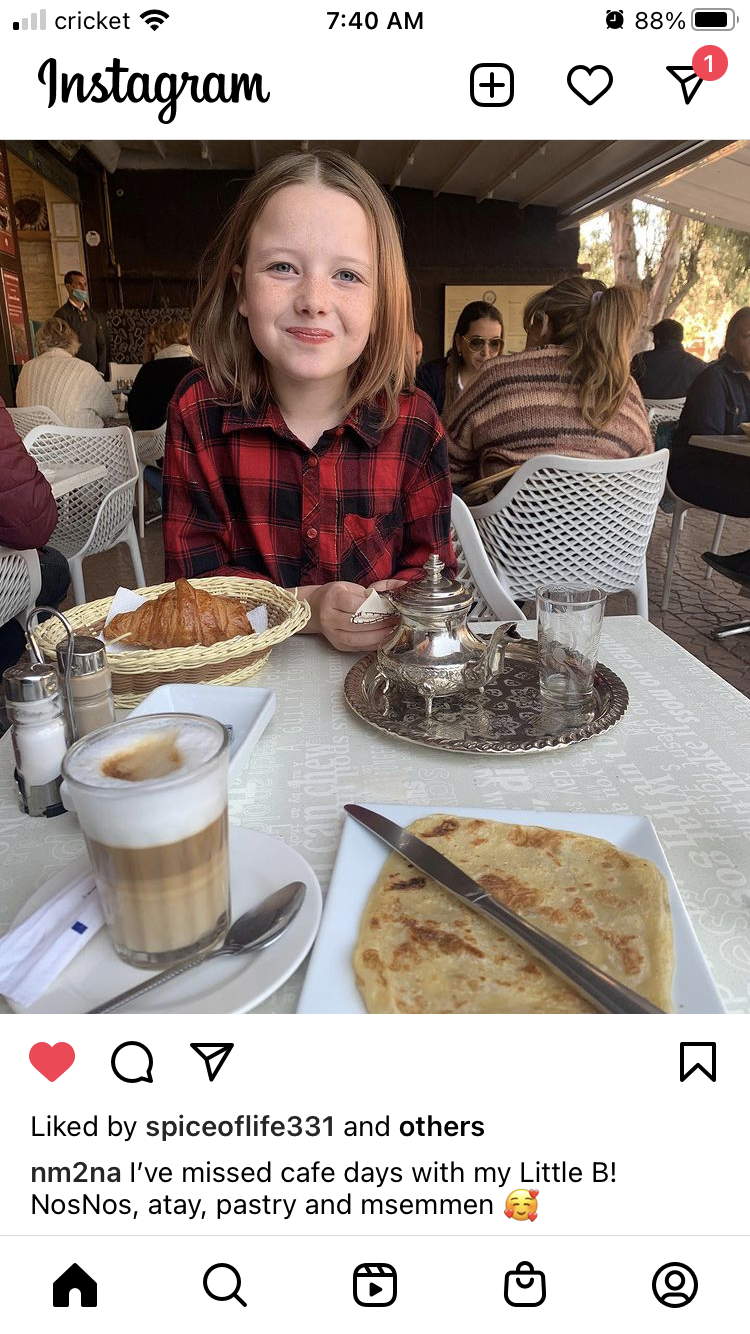
[With permission, the Instagram post below made me smile all over. That sweet girl and the amazing breakfast displayed. I miss Moroccan cafe breakfasts!!!]

Your 9-Step Strategy to Maintain Your Weight During the Holidays – Darya Rose

11 Mental Tricks to Stop Overthinking Everything – Scott Mautz

Leaders, Talk About Power to Protect the Vulnerable – Chris Davis

How to Maintain a Healthy Brain to Reduce the Risk of Dementia – Kailas Roberts

Watching Children Learn How to Lie – Gail Heyman

Gandalf’s Best Lord of the Rings Line Explains the Trilogy’s Magic – Susana Polo

https://www.insidehook.com/daily_brief/health-and-fitness/anxiety-and-depression-can-take-years-your-life

Photo Credit: Facebook, Gods Armour

Monday Morning Moment – Confessional Communities – What Are They? You’ll Wish You Were In One If You Aren’t Already

Photo Credit: Group Therapy Central

[As I was preparing my own take on confessional communities, I came across Aimee Byrd‘s piece on the same, as part of her analysis of Curt Thompson‘s latest book The Soul of Desire. Byrd’s blog is a quick read and very helpful.]

Confessional communities – probably sounds like some sort of monastery life. Or a group with all kinds of touchy-feely exercises framed by unintelligible psycho-babble, right? Oh no! So much more and so much better!

I’ve been awakened to the presence and possibilities of confessional communities since recently reading of the Thompson trilogy below.

What rung intuitively right for me throughout my adult life has actually been tested and found true in something called Interpersonal Neurobiology (IPNB). No time to go deeply into this now, but, in short, our brains are wired for connection, and that is connection inside the brain/mind itself as well as with others (and God).

Confessional communities are used by Dr. Curt Thompson and others as ways to help clients get in touch with shame, trauma, fear, anxiety, etc. in the company of others struggling with some of the same. Shame, for instance, drives us to isolate from God and others. It compounds interest over time, if left to itself in our own minds, and muffles our desires and longings, as it condemns and flattens us.

“We need to create confessional communities where people are confessing the truth about their life – some of which includes confessing sin or doing things that show my brokenness. Some of it is just things that have happened to me, or things that I feel; things that I sense; things that I dream; things that I long for; things that I’m conflicted about. But I’m trying to tell the whole truth about my life – but not so that anybody can just hear it and then move on.…In confession, what I’m really looking for – in your eyes, in your body language, in your voice – is for you to be able to say, “You’re right, Curt; you were wrong to do that. You’re forgiven. I’m not leaving.” I need to know you can bear the weight of what I know to be really wrong [with me], and that you will still stay. If it’s minimized, it will continue to linger with me…Shame always requires outside help for healing. My shame needs you. If it’s a small thing, I might need only one conversation with you. But, if it’s much bigger than a very, very small thing, I’m going to need multiple conversations with multiple people, because shame will come through multiple different doors into my head when I’m left by myself…”Curt Thompson

Photo Credit: Curt Thompson, Twitter

“…in order for me to be liberated from the shame I carry, …I need to hear that my behavior was really as bad as I think, if not worse, while simultaneously sensing that the person I am confessing to is not leaving. Shame has the effect of coaxing us into pretending that sin is not as bad as it seems; for if it really is that bad, and I have to face it, it would be too much and I fear I would be overwhelmed. When someone seeks forgiveness for the wrong they have committed, we who have been wounded must be able to acknowledge the reality of the pain inflicted if forgiveness is to be real, and if the offender’s shame is to be effectively healed.” – Curt Thompson, The Soul of Shame

Confessional communities are spelled out in Thompson’s writing, teaching (found on YouTube), and podcasts (his own and as guest on many others). The common factors include:

  • small group meetings over weeks or months.
  • willingness to tell our stories as truly as we can.
  • intentional leaning in to the stories of other group members such that “being known” is part of the outcome for all.
  • commitment to stay with each other; to “not leave the room”.
  • imagine beauty together – learning to explore and create beauty, to see what is good, true, and beautiful in each other’s personhoods.Photo Credit: Curt Thompson, Twitter

I have a friend who for several months was part of what I would now call a confessional community. She called it “Vegas”. Remember the adage “What happens in Vegas stays in Vegas”? It was a Bible study/house church. A group of people who committed to care for each other with masks off (not the COVID kind, but the masks we don in shame or fear). A group of people who would stay in the hard and love no matter what.

My Mom modeled this for our family. She died way too soon. My prayer is that our (birth) family will model it for each other, and my children will learn from their Dad and me how to love like this…To have the joy of being fully known and deeply loved. No matter what.

Trauma, Healing, and Side Effects with Dr. Curt Thompson – Jamie Ivey’s Podcast, The Happy Hour

Shining Light on Shame – Curt Thompson, Angulus Wilson, Steve Beers, and Morgan C. Feddes

Curt Thompson – 51 Podcast Episodes

5 Friday Faves – Beyond the Guitar, Senses and Memories, Parenting Well, Fishing Perks, and Attention Alcohol

Late again. That kind of week. Here’s the rapid but not to miss runthrough.

1) Beyond the Guitar – If you love Star Wars, you will love Nathan‘s interpretation of John WilliamsAcross the Stars. Actually…whether you love Star Wars or not, this is achingly beautiful.

Then there is his piece later this week, posting his arrangement of the theme of Genshin Impact video game. This was actually sponsored by the game creators. I am sure they are pleased. Another really gorgeous treatment.

2) Senses and Memories – One of the appealing features of Nathan’s music is the nostalgia attached to much of it. It takes us back. To a scene from a movie, a TV show we shared with family, a video game of one’s childhood. Sound is powerfully attached to memory. We have all had those experiences or have read/watched the positive impact of beloved music on critically ill patients, or those suffering with brain injury or Alzheimer’s. Memory is stirred.

Where we live right now, we can hear the sound of planes, trains, and interstate traffic. The sound is just in the background but it is oftentimes powerful. Looking up at a commercial jet going over takes me back to being new in Cairo, Egypt, walking toward a taxi stand. I wondered at the destination of the flight and in my stress as a newbie to to language and culture, that sound (and sight) comforted me somehow.

The sound of a train takes me all the way back to Sfax, Tunisia, when we lived by a train track. The train whistles marked time for us through the day.Photo Credit: Pixabay

Farther still, the sound of a train took me back to childhood, as we waited for it to pass, and looking between the cars to my friend Evelyn’s house. Her family was only there briefly, but I loved her. She was from a different era. Wore hand-me-down dresses to middle school every day. Old everything. Poor. Stretched by poverty, but she was elegant and full of dignity. Their large, spooky old house peeked between the passing train cars, and I wondered at their lives inside that house. They were gone too soon…but the memory of her remains…with the sound of trains.

We know when Fall is here, because all of a sudden, it is all things pumpkin spice. Flavored coffee, pies, and decor – all pumpkiny.Photo Credit: Pexels – Valeriia Miller

What the Nose Knows – Colleen Walsh

Brain’s Link Between Sounds, Smells and Memory Revealed – Rachael Rettner

Music and Memory – Why the Music We Love as Teens Stays with Us for Life – Catherine Loveday

Comment below what are some of your favorite sensory memories.

3) Parenting Well – Our grandchildren (six years old and younger) have big emotions. Then they act on those big emotions. Whining, crying, hitting, screaming. This is not who these precious children are, but they are trying to communicate what is going on deep inside. How we respond to them – as parents and other significant (to them) adults – is huge!

Emotions relate to desire. This topic hit me hard when I saw the poem below on a friend’s Facebook page.

Our responses to our children (in normal developmental situations as well as in distressed situations) communicate far more than we think. We have recurring opportunities to connect with our children in ways that help them grow into emotionally healthy and relationally mature adults.

Lately I’ve been learning more about this whole parenting thing from two brilliant psychiatrists Dr. Dan Siegel and Dr. Curt Thompson.

Dr. Thompson has written a trilogy of powerful, ground-breaking books – Anatomy of the Soul, The Soul of Shame, and The Soul of Desire.  He describes these books as exploring “how neuroscience relates to the ways we experience relationships, deep emotions like shame and joy and especially our own stories — and how we can process our longings and desire for spiritual connection with God and each other to live more fully integrated, connected lives.”

[I highly recommend the above books, and not just for parents.]

Thompson refers often to Dr. Siegel’s “4 S’s of Attachment-Based Parenting“. Those S’s relate to what we communicate to our children even as infants but throughout life. We want them to know they are “safe and seen” and to experience being “soothed and secure”. This is especially poignant when we introduce the word “No” into the great adventure of their lives. No…and discipline as they get bigger.

I’ll be writing about this more in the days ahead. For now, check out the “refrigerator sheet” below with Siegel’s 4 S’s, referencing his book The Power of Showing Up.

Photo Credit: Dr. Dan Siegel & Dr. Tina Payne Bryson

The 4 S’s of Attachment-Based Parenting – Daniel J. Siegel – Podcast

The Power of Showing Up – Daniel J. Siegel, MD & Tina Payne Bryson, PhD

Mindful Parenting: 4 S’s of Secure Attachment – Esther Goldstein

4) Fishing Perks – My sweet husband is a fisherman. He is a “catch-and-release” guy, fishing the rivers and lakes of Virginia. This joy started for him as a boy fishing with his dad. Then it grew during our years in Tennessee. Finally now, after years of living in North African cities, just on the edge of the Sahara. There are so many perks to this avocation. Some of which really came to mind on a recent adventure. [I realize this is a “duh” for many, but for me, it was a great revelation.]

  • The Buildup – The day of fishing is preceded by all the planning and preparation. Weather checks, getting the equipment ready, fueling the boat, provisioning for the day. It makes for a happy evening of anticipation…and to bed early.
  • The Thrill of the Hunt – or Thrill of the Catch – You hope not to get skunked, but the marking and revisiting sites where fish were caught once before, the thrill of the pull on the line, and finally the fish pulled into the boat. Fun stuff!

  • Solitude – the single chair on this old dock says it all. The quiet of being on the water in the woods. So refreshing. So invigorating.

  • Beauty – Everywhere you look. Water, trees, wildlife. Sun and cloud playing on the water. Changing colors as the hours pass.

  • Company [I’m glad Dave has fishing buddies who share the experience with him. I fish rarely but always gain from the time with him, in nature.]

5) Attention Alcohol –  Author attorneyJustin Whitmel Earley pointed to an article by journalist Derek Thompson‘s article on social media and its use like that of alcohol.

Photo Credit: Rachel Claire, Pexels

Earley gives these reasons below for considering limiting or taking sabbath fasts from social media:

THREE REASONS SOCIAL MEDIA IS LIKE ALCOHOL:

  • It is Addictive. This means you are not as in control as you think you are. Remember, there are 1,000 people on the other side of this screen paid inordinate amounts of money to get you to keep scrolling.
  • It Changes Your Mental Health. This means it is not neutral. Your interactions with yourself, your family, and your friends are changed because of what you do with social media. You must recognize that to use it appropriately.
  • Someone Needs to Teach You How to Use It. This is one of the hardest things about our cultural moment. Because this technology is so new, none of us had parents to teach us how to use it, set boundaries, and practice moderation. But that doesn’t mean we can’t start to learn now, teach our kids, and help our friends. 

Social Media and Alcohol – Justin Whitmel Earley

Social Media Is Attention Alcohol – Derek Thompson

That’s the 5 for this week. How about you? Please enrich my life and that of other readers with your favorite finds. Comment below. Thanks always for stopping by.

Bonuses:

Quote of the Week: “Beauty is…that which draws our attention with wonder and welcome and that ultimately leads us to worship – not worship of the object itself but worship of God in gratitude, humility, and joy.”Curt Thompson, The Soul of Desire

The “10 Things” Rule Keeps My House Uncluttered, Even with a Family of Six – Alexandra Frost – We actually had the 20 Things rule in our family once the kids were big enough to count to 10. It helped!

YouTube Video – Dr. Curt Thompson – Shame: The Details of Devouring

YouTube Video: Curt Thompson: Vulnerability Reframed: Healing Shame & Promoting Human Flourishing

Photo Credit: Ian Kremer, Twitter

How the Brain Stays Young Even as We Age – Katherine Ellen Foley

My Boyfriend Is Spiritually Lethargic. Should I Marry Him? – John Piper

87-year-old Man Rewrites News Headlines for 2020 and Inspires Us All

Biscuit Lover – Sean Dietrich

100 Skills Every Man Should Know – The Art of Manliness [Some are also excellent skills for us women as well. Not so ambitious about most of them, but glad I know men and women who do.]

Beauty is the extravagance that makes us human

Monday Morning Moment – Gently Confronting the Conflict Generated by Reductionism (You Want to Know this Word)

Photo Credit: Quote Master

Today, I want to talk about reductionism – how we reduce a whole person into one part – one facet that we take great pleasure in mocking or deriding. Thinking highly of ourselves in the process. Don’t miss this! Here we go.

Pierce Taylor Hibbs is a writer, teacher, and gentle theologian. I came across a piece he wrote this past week, and it has brought such clarity to a murky subject. The piece is “Reductionism: the Disease that Breeds Conflict”.

Don’t let that big word reductionism put you off. Hibbs will define it, but first, let me give you a scenario or two where we have seen this in action (and when we might have added to the fire of such a situation). We’re at a party of peers. We feel comfortable to just say what we think about any number of people, policies, or processes. No filters. What kinds of things pop up in those conversations? Mind you…they all are met with heads nodding (or shaking), laughter, and attitude. Mocking derision even.

Who are we in this conversation? The chief propagator of said comment. The amused and agreeing audience. The one uncomfortably close in character or worldview of the one being mocked. The one not necessarily close to the subject of putdown, but not comfortable with the putdown…or the people enjoying it.

Now…the definition of reductionism before we weigh in on our conversation topics. Hang in there. it’s so worth it. Pierce Taylor Hibbs on reductionism:

“Reductionism is the stepchild of our desire for mastery (complete control), which emerged from the ancient evil of autonomy Autonomy is the idea that you’re completely and utterly independent…You want full control. The thing is, you can’t have that. . . you know, because you’re not God. You’re limited by nature. That’s how you and I were made. But we’re so stubborn that we don’t accept limitation. We refuse to think we can’t master our own lives. So, within what John Frame calls the fantasy world of autonomy, we chase after mastery, and when we can’t get it (again, we never will get it), then we pretend to have it with . . . reductionism…If we can’t master our lives, then we can simplify them and make it seem as if we’re in full control. We can reduce the complexity of our own lives, the people in them, and the problems that surround us. We can take, in other words, an issue or person with a thousand dimensions and pretend that there’s only one dimension. That’s reductionism. Put differently by my friend and teacher, [Vern Poythress], reductionism happens when people “reduce the world to one dimension of the whole. . . . But reductionism is poverty-stricken, not only in its threadbare endpoint consisting of only one dimension, but also in its explanatory power.””

Reductionism, in short, is when people make something a lot simpler than it is. They do this for the sake of convenience, or egoism, or to build their own self-righteousness. There’s no shortage of motives, but I can’t think of any that are wholesome. And note what Poythress ended with: it lacks explanatory power. Read: it doesn’t actually explain much...In our frustration we reduce people, problems, and situations to manageable bits (ignoring swaths of information) in order to convince ourselves of our own mastery. You can start to predict why this is so destructive.”

Reductionism hurts people because it flattens them. It takes a human life (or a situation, political topic, etc.) and crushes it down to a single dimension, ignoring all of the others. That not only fails to align with reality (reality is always more complicated than we could ever dream); it insults people by making judgments based on that single dimension.”

OK…here we go on the topics “reduced”:

Vaxxers/non-vaxxers. Maskers/non-maskers. Cool/Not Cool. Liberals/Conservatives. Republicans/Democratics. Pro-lifers/Pro-Choice/Abortion. Boomers/Ageists. Patriot/Isolationist. Racists. Privileged. Stupid. Misogynist. Hurtful. Offensive. Homophobe. Sexist. Small-minded. Evangelicals. Enneagram or other reductionist labeling.

We can reduce a person into a box of one word or phrase. What is up with that? Nothing good. It’s handy for a laugh at a party or a sympathetic ear who “gets” people “like that”.

It is not reality. It may be entertaining, but it furthers the accepted divide between people. It degrades not only the subject of the derision but the audience, as well as the person speaking. Hibbs suggests a solution for those who want one:

“Reductionism is killing us because it’s killing our conversations. It’s killing open, receptive dialogue. It’s polarizing the nation, even the world. For our part, we have to start identifying and assaulting reductionism whenever it crops up in our conversations…But what are we supposed to do instead?…We need God and other people to understand not just the world, but even ourselves truly. We need two things: humility and a withholding of assumptions.” – Pierce Taylor Hibbs

He goes on in his piece, giving specifics of how humility and withholding assumptions work together to soften the elements of conflict, even to the possible healing of rifts. Hibbs is a Christian theologian and speaks eloquently of the life of Jesus in his people in the call to a ceasing of conflict. Not just avoiding conflict, but confronting reductionism. Whatever your faith, his counsel is sound in acknowledging the sting of our current biting and devouring social culture. And resisting the temptation of engaging in it…but not be just keeping silent and existing the conversation. Definitely worth our consideration.

Photo Credit; Janet Mock, Audi Quotes

Why Do We Have to Make Others Wrong to Be Right? – Lolly Daskal

Personality Tests: Why Are We Obsessed with Labeling Ourselves? – Sara Abdelbarry

[The above video is fascinating. Wow!]

Bullying: Scoffers, Mockers, Ridicule, and Scorn in the Bible and Today – Kelly Ann Christensen

5 Friday Faves – Life Without Forgiveness, the Power of Words, the CALM Superpower, COVID Close to Home, and the 20th Anniversary of 9/11

Here we go!

1) Life Without Forgiveness – An article on  life without forgiveness by Dave Burchett got me thinking even more about forgiveness. I’m in a study on Forgiving What You Can’t Forget by Lysa Terkeurst. Writing about it, too.

Life without forgiveness sounds truly awful. We imprison ourselves to the past and drag it into our present day and future with treasured grudges. Grudges we feel we can’t afford to lay down. They become part of our identity and how people relate to us – either protecting, justifying, or, at times, “returning evil for evil”.

Photo Credit: Quote Fancy, William Arthur Ward

We have the power to release ourselves and all these entrapped with us…through forgiveness. We need God to help us, for sure. We however must make the decision to forgive. Pretending to do so while hatred gains strength in our hearts is a delusion. God help us.

Here’s a bit of what Dave Burchett says in his article (read the whole here):

“There is no way I have found to release grudges without the healing power of forgiveness. Author Will Davis wrote this powerful insight.

‘Once you decide to forgive, you initiate the healing process. Forgiveness gives your soul permission to move on to the higher and healthier ground of emotional recovery. Forgiveness is to your soul what antibiotics are to infection. It is the curative agent that will help to fully restore your soul. It doesn’t immediately remove the pain of offense but it does start you on the road to recovery.’

I really like that perspective. The decision to forgive initiates but does not complete our healing. You will, in time, heal. I am asking you to pray that you can begin the healing process of forgiveness knowing that only time and God’s mercy can fully heal. That will start you down that road to forgiveness and empowerment to let go of the grudges that are weighing you down. You won’t get there today or tomorrow. But you will never get there without taking the first step of faith.” – Dave Burchett

Photo Credit: Spark People

Burchett refers to the song “Without Forgiveness” by Jerry Salley. Here’s a sweet cover by Jason Davidson:

2) The Power of Words – Words mean things. In fact, they are more powerful than we can imagine. Author, speaker Jackie Hill Perry has referred to a poem which says “Words make worlds”. Now I haven’t been able to find that poem, BUT I have read Genesis 1-3 with the account of God speaking the world into existence.

Photo Credit: Lidia Yuknavitch, @Seek5, Pinterest

Perry spoke on the power of words at a women’s conference. She used the text of the Apostle James’ epistle. James 3. This passage focuses on the influence of the tongue. She elaborated on three points:

  • The tongue is accountable. [We are responsible for our use of words. When we have torn down instead of building up, we will experience consequences. It does not go unheeded.]
  • The tongue is powerful. [We must control our tongues…what we say. Self-control has a wide reach, especially starting with “restraining our speech”. Words can hurt, but they can also heal.]
  • The tongue is inconsistent. [We say one thing to one person and turn around and say another thing to someone else. We may bless God and then curse a neighbor, made in the image of God. Perry talks about the huge disconnect when we speak with reverence of God but with contempt or disdain toward another human being. Words can be a “restless evil”. Pay attention. Are others’ names and personhoods safe on our lips?]

Listen to this fascinating and charged talk by Jackie Hill Perry.

Words Create Worlds – The Language We Use Shapes the Culture We Lead – Eric Geiger

3) The CALM Superpower – Author, leadership trainer Carey Nieuwhof recently interviewed psychologist Jennifer Kolari on his podcast. She spoke on dealing with irrational people, and, in fact, any situation of conflict. I learned so much.

[I’ve written about the brain, decision-making, and dealing with crisis many times. Such fascinating issues!]

Dr. Kolari introduced her CALM technique of dealing with conflict (including helping children in conflict with you or others). In brief, “the CALM method is a way of deep listening using language, compassion and empathy literally as medicine. It will soothe and calm AND bring both participants in the conversation into brain-heart coherence.”

Here’s a brief outline of the framework:
C – CONNECT – connect before correcting; deeply listen; give the sense that you are “for them”.
A – AFFECT – match the affect of the person in front of you; don’t say how the other person SHOULD feel; show understanding.
L – LISTEN – deeply; take that affect above into what you’re hearing; wonder at it; choose your responses based on what is being said to you, including the emotion. Respond not react.
M – MIRROR – allow what’s going on with the person to “hit you right in the heart”. Be in the moment with them/him/her. We do this with babies intuitively. Communicate with your face and body even more than with words.

Listen to the podcast. Check out the resources below. We too often go to correction, with other adults and definitely with children, when they need connection first…and maybe only.

Connect With Your Kids Using the CALM Technique

YouTube Video – Jennifer Kolari – The CALM Technique and Child Brain Development – really fascinating and informative

YouTube Video – The CALM Technique for Babies and Toddlers

4) COVID Close to Home – I’m not saying much here, but COVID has hit very close to home this week. I have friends and family with COVID. Check your thoughts if you’re going straight to “oh…not vaccinated”. Not so in every situation. People who did everything “right” – vaccination, mitigation, all the preventions – can still get COVID. The graphic below is updated often and is super helpful.

Photo Credit: Wesleyan College

The most important points in this conversation are these:

  • COVID is real and we will have to deal with it for some time (not at a pandemic level forever but definitely as endemic).
  • Everyone has to make personal decisions on how to prevent and treat it. To not make a decision is to make a dangerous decision. I’m not saying what to do (enough people are telling us what to do), BUT I am saying to think through our risks and that of those around us, and make informed decisions.
  • Be prepared. You don’t want to start searching out what to do to lessen the impact of COVID when you are already sick.
  • Test early. Even if it might be something else. Testing early helps you and all those who may come in contact with you (if it turns out you test positive.

The pieces below are actually not in support of one methodology or another. In fact, they expose the hard decision-making needed in determining how to act with the threat of COVID. We can depend on (or react against) mandates from government, or we can make the best possible decision we can, given the information we receive.

By the way, my friends and family members are all on the mend… except for one. On a ventilator, with family called in. We are praying still. This is why we can’t be cavalier with our decisions.

Let’s Stop Pretending About the COVID-19 Vaccines – Buzz Hollander, MD

Impact of Masking – Twitter thread – Buzz Hollander MD

FDA Vaccine Regulators Argue Against COVID-19 Vaccine Boosters in New International Review – Andrew Joseph

5) 20th Anniversary of 9/11 – Part of why Friday Faves is coming out on Monday is because I’ve spent an enormous amount of time this week watching, reading, and listening to stories about 9/11. It’s the 20th anniversary of the bombings.

In the twenty years that have passed since 2001, our country has changed so much. We are divided in really unhealthy ways. On that day…for awhile, we came together. We may have had very conflicted views on what happened after (Iraqi War, immigration issues, and the long engagement in Afghanistan). Whatever our opinions are on these, the stories of that day are so worthy of our time and attention.

Photo Credit: Beth Wayland

One of the most beautiful pieces I read this past week was by writer Jennifer Senior for the Atlantic. It was really long, but she did justice to the loss and grief of just this one family. 27 y/o Bobby McIlvaine died that day at the bottom of the World Trade Center. Son, brother, friend, fiancé. His was just one of thousands of stories that day…it matters and it also reflects the many other stories that we don’t know.

The two videos below speak to the day after September 11, 2001 and to the day 20 years later. Take the time…

“Before you know kindness as the deepest thing inside,
you must know sorrow as the other deepest thing.
You must wake up with sorrow.
You must speak to it till your voice
catches the thread of all sorrows
and you see the size of the cloth.
Then it is only kindness that makes sense anymore,
only kindness that ties your shoes
and sends you out into the day to gaze at bread,
only kindness that raises its head
from the crowd of the world to say
It is I you have been looking for,
and then goes with you everywhere
like a shadow or a friend.” – Naomi Shihab Nye

___________________________________________________________________________

Bonuses:

Community – “Every arrow needs a bow: William Wilberforce” — the power of community. If Wilberforce was the arrow that pierced the heart of the slave trade, the Clapham Fellowship was the bow that propelled him. As Pollock writes, “Wilberforce proves that one man can change his times, but he cannot do it alone.” The Clapham fellowship lived by Wesley’s maxim: “In essentials, unity; in non-essentials, liberty; in all things, charity.” And this was no mere slogan: tensions developed in their relationship that would have splintered most associations, even Christian associations, had they not been so radically centered on Christ.” — “Every Arrow Needs a Bow,” by John Hart, CHRISTIANITY TODAY, July 1998 [This was a quote in my folder of quotes; I can’t find the source online today, but it rings even more true now.]

Photo Credit: Vala Afshar, Twitter

This Is What Happens to Your Brain When You Declutter Your Home – Kelsey Clark

“If we major in criticism, we become polemicists, rather than agents of redemption. Often polemicists excuse their loveless rough edges by the demands of truth. But they lose more than they realize. In fact, when love and the growth of positive truth are lost, truth is also lost. Biblical truth loses its scope, balance, depth, applicability, savor, and growing edge [in this disordered priority]. … Words that are not constructive, timely, and grace-giving are rotten and non-nutritive, whatever their formal likeness to Christian content (Eph 4:29). To lose charity, tenderheartedness, sympathy, and generosity is always to simultaneously pervert the redemptive nature of biblical revelation. Narrowed “truth” may bristle enough to defend one city wall, but it is not good enough to conquer the world.” – David Powlison’s “Cure of Souls” (2007)
Recipe for a Quick and Easy Cherry Cobbler – my husband’s favorite
Photo Credit: Lena Vo, Facebook


8 Ways to Build a Strong Foundation for Your Kids – Frank Sonnenberg

Sunday Blessing – a Son’s Birthday and a Charge, a Quote, a Poem, and a Prayer

Adapted from the Archives.

This son of ours is 32 today. We won’t be seeing him but we will be celebrating him. Today and every day of his life.

Here’s to you, Nathan.

Happy birthday, Son. Over the years, you have single-handedly taken me to my knees more often than you realize – praying to be the parent God would have me be for you; praying for you to come to faith at an early age; appealing to God for all the moves (overseas and stateside) to not be too hard for you; asking for comfort when situations were sometimes hard anyway, and thanking Him for all He’s done for you – the friendships, the opportunities, and His relationship with you from forever.

So many memories. IMG_0034 (2)

“Let’s go kill buffalo!” was your call at your Native American-themed third birthday party. Following your sister around for play ideas. Grandparent visits. Family vacations at the Chesapeake Bay. Move to Africa. Carpool buddies. Gameboy. Drawing cartoons.IMG_8751Computer games. Getaways to the Red Sea. Dreamcast. Becoming a Christ-follower. Baptism back home in Tennessee. IMG_8749

Roadtrips to the Sahara Desert. Soccer. Cousins. Airports. Naps whenever and wherever. Basketball.

2007 - June -- Nathan scoresGrumpy when hungry – feed the boy. High School Rock Band. Great friendships. Game Nights. Sleep-Overs. PlayStation. Laughter. Working out. Classical Guitar. 2006 -- Dec -- Nathan, Jeremiah, Jared

Virginia Commonwealth University. Honors College. Aletheia Praise Band. Guitar Professor Patykula.

Sharing a house with your brother, sister, and then friend Duy.Blog - Parenting 4

Met and married beautiful Bekkah. Nathan & Bekkah collection

Grad school at East Carolina. Then back to Virginia, teaching guitar, playing beautiful music, and making a home…grown. Nathan & Bekkah - New House

With being grown, comes adult friendships, some nurtured since childhood, some within the family, others without. Siblings. Cousins. With being grown, comes new work challenges, fulfilling life aspirations, and deepening your faith in God. With being grown, comes new family designations – becoming uncle to your nieces and nephew. 

Then that crazy day the summer of 2016 that you wildly trended on social media through a posting of one of your krue.tv live streams. [Krue doesn’t exist anymore but it was a springboard for your social media presence as a classical guitarist.]

Best of all…the day Titus was born…and you became a dad.Nathan, Bekkah, & Titus July 2016IMG_8050Photo Credit: Helen Phillips, Bekkah MillsNathan & Titus lookalikesTakes after his daddy – Titus (l) & Nathan (r)

And then sweet Emma.

Nathan, you are settled for now in the U.S. after so many stamps in your passport. Settled in our hearts forever. You make us laugh, and you make us think. Your grown-up heart is so worth the childhood/teen year battles. And your music…what a gift to us. Whether you’re on electric, acoustic, or classical guitar. Your music goes right to the heart. Thank you for honing the gift God gave you. – that heart of yours first, and that music flowing out of it.Nathan and guitar on stepsPhoto Credit: Duy Nguyen

As you settle into your early 30s, I leave you with a charge from God’s word to Joshua, Oswald Sanders’ quote to leaders, a poem often quoted by our friend Tom Elliff, and a prayer credited to General Douglas MacArthur.

Happy birthday, Son. I’ll love you forever.

“Have I not commanded you? Be strong and courageous. Do not be terrified; do not be discouraged, for the Lord your God will be with you wherever you go.”Joshua 1:9

“When a person is really marked out for leadership, God will see that that person receives the necessary disciplines for effective service.” – J. Oswald Sanders, Spiritual Leadership

When God wants to drill a man,
And thrill a man,
And skill a man.
When God wants to mold a man
To play the noblest part;
When He yearns with all His heart
To create so great and bold a man
That all the world shall praise –
Watch His method, watch His ways!
How He ruthlessly perfects
Whom He royally elects;
How He hammers him and hurts him,
And with mighty blows converts him
Into trial shapes of clay which only God understands
While his tortured heart is crying and he lifts beseeching hands!
How He bends, but never breaks,
When his good He undertakes. . . .
How He uses whom He chooses
And with every purpose fuses him,
By every art induces him
To try his splendor out –
God knows what He’s about.
– Anon. – often quoted by Tom Elliff

Build me a son - Douglas MacArthurPhoto Credit: Pinterest

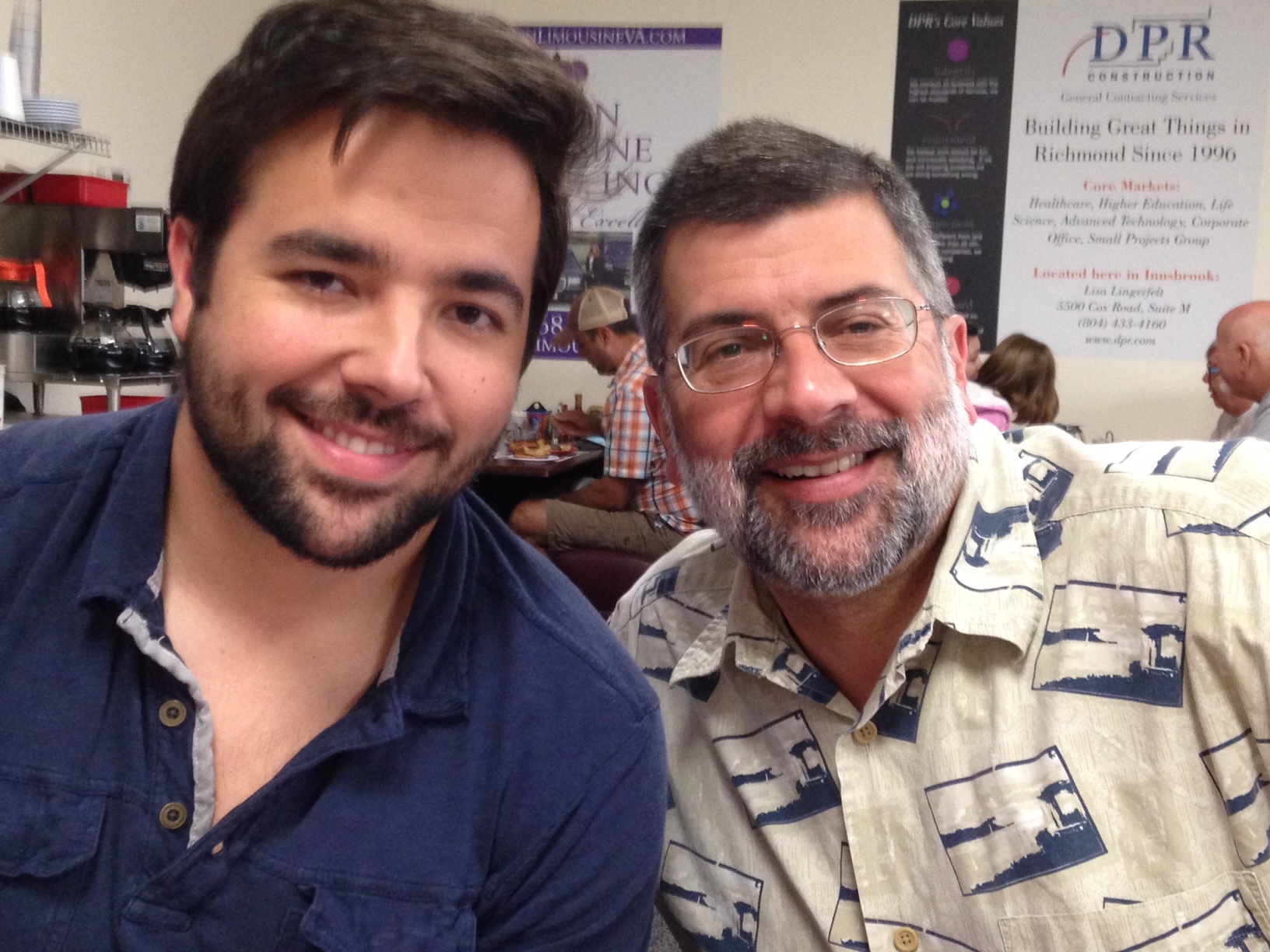
IMG_8616Nathan & his Dad

Nathan Mills at Beyond the Guitar

Nathan Mills – Patreon

J. Oswald Sanders’ Spiritual Leadership

Part of Joni Eareckson Tada’s Testimony – Poem Drill a Man

Book Favorite I’ll Love You Forever by Robert Munsch – Before Helicopter Parenting Became a Cultural Issue

Monday Morning Moment – Indistractable…What?!

Photo Credit: Pixabay

Being distractable is one of my character flaws…I guess. For awhile, I had decided it was a super-power. In that, I could jump from activity to activity or person to person, and still somehow be fully present…at least for the moment. Sigh… Interruptions or a busy schedule were not problems for me. In fact, they made for a fun and energizing day. Or so I thought.

There was a time in my life, before marriage, that my closest friends even did an intervention on me. Seriously. Maybe it was because I over-scheduled life like a crazy person (meaning that I actually believed people wouldn’t be put off by my having three different activities, with three different groups of people, in one evening).

So now I’m older and wiser. Chuckle, chuckle. I have the time but not the energy for over-packing my schedule. Nor do I have the mental capacity for deep focus in the face of all the “pings, dings, and rings” of life.

Enter tech-savvy, habits guy Nir Eyal. I caught a 25-minute podcast with him speaking on how to become indistractable. It was illuminating.

In Eyal’s book Indistractable: How to Control Your Attention and Choose Your Life, he removes technology as the distractor in our lives and points to the emotional states that actually drive us. Those uncomfortable emotions (boredom, loneliness, uncertainty) that we hope to silence by simply exiting whatever we’re doing at the moment and take up a different, potentially mind-numbing activity. Like scrolling through social media.

Distractability may make us feel better for the moment, but it doesn’t help us become the persons we want to be. It is a soother but not a life-sorter. It is a behavior, and what needs changing is less the behavior than what’s behind it – identifying the triggers that move us to be distractable and applying new habits to help us stay focused. . We want to be people others can trust to do what we say we will do…to have genuine integrity. How we grow in this area is the point of his book.

Being indistractable means striving to do what you say you will do. Indistractable people are as honest with themselves as they are with others. If you care about your work, your family, and your physical and mental well-being, you must learn how to become indistractable.” – Nir Eyal

Photo Credit: Pixabay

“LOOK FOR THE DISCOMFORT THAT PRECEDES THE DISTRACTION, FOCUSING IN ON THE INTERNAL TRIGGER”.Nir Eyal
Eyal talks about time management as being pain management. When we understand the discomfort which triggers us to try to escape, we can then build in a tripwire to short-circuit the distraction.
Photo Credit: Pixabay
“Ten-minute rule.” If I find myself wanting to check my phone as a pacification device when I can’t think of anything better to do, I tell myself it’s fine to give in, but not right now. I have to wait just ten minutes.” – Nir Eyal
Two of the many tools Eyal encourages are 1) effort pacts and 2) identity pacts. With the effort pact, he uses an app (the Forest app, for one) to help him keep commitments to himself. He also prescribes having coworkers, friends, or family members come alongside and help you press into a project or task until you’re finished. Accountability helps.
“Effort pacts make us less likely to abandon the task at hand. Whether we make them with friends and colleagues, or via tools like Forest, SelfControl, Focusmate, or kSafe, effort pacts are a simple yet highly effective way to keep us from getting distracted.”Nir Eyal

Eyal’s identity pact is an intentional reflecting on the person you want to be, and then using that identity as its own motivator. For me to say, “I’m a writer” requires a certain measure of discipline, with habits in place to help me actually write. If we begin using the language of identity, an accountability is applied that helps us be the person we say we’re becoming. “I am not as distractable as I once was”. “I am not side-lined by negative emotions anymore.” “My values include majoring on family, so I focus on my work at work, in order to be all there at home”.

“Only by setting aside specific time in our schedules for traction (the actions that draw us toward what we want in life) can we turn our backs on distraction. Without planning ahead, it’s impossible to tell the difference between traction and distraction.” – Nir Eyal

Lastly, I’ll mention Eyal’s use of time-boxing over a to-do list. He doesn’t deny that a to-do list is helpful, but it has its own fails built in. We default to finishing what’s easy or urgent, and, in fact, rarely are as productive as we might think we should be with a to-do list. Also, there is always this guilting about what we didn’t complete.

He actually fills a time-box calendar with what he wants to accomplish in a day. He includes things we might not consider in a to-do list like prayer, fitness, reflection, time with family, etc.

Photo Credit: Pixabay

When we have a time allotment (not just how much time something should take but when we will work on it), we are more apt to focus on just that. Eyal does encourage multi-tasking, but only if it is done using “different sensory channels”. By this, he means bundling activities that can actually be done together without diminishing either. An example is watching TV (or listening to a podcast) while on a treadmill. We have a neighbor who reads while walking. That has always impressed me, but it can be done.

Fitness coach David Rosales does a great service (to those of us who haven’t yet tackled all of Eyal’s prescriptions) by giving his own takeaways from Indistractable (including a few I mentioned above):

  1. Don’t rely on willpower – put systems in place to help you succeed.
  2. Timeboxing – rather than a to-do list, block out time on your calendar for specific tasks.
  3. Do Not Disturb as Default –put in place practices that keep you from being distracted by your phone.
  4. Batch everything – batch actions (and distractions) to avoid having your flow disrupted. [From email to Instagram]
  5. Ulysses pact – set up an app or timer or work out an arrangement with someone to help you be accountable.
  6. Take a growth mindset – bit by bit, you are learning how not to be foiled by distractions. It is a process.
  7. Identify pacts – start identifying yourself in ways that communicate you are not distractable. Make the decision of what kind of person you are determined to be, and decision fatigue is removed. You learn to just say “no”.

What do you think about all this? Maybe you are a person of focus. Please, if you are, comment below on how you make that happen.

Nir Eyal Website

Nir Eyal: Mastering Indistraction

Nir Eyal on Taking Control of Technology to Become “Indistractable”    [25-minute video]

Working Parents? Here’s How to Raise Indistractable Kids with Nir Eyal – Nir Eyal and Vanessa Van Edwards – excellent resource

Read James Williams’ excellent review and critique of Nir Eyal’s book Indistractable.

How to Do Timeboxing Right – David Sherwin

How Timeboxing Works and Why It Will Make You More Productive – Marc Zao-Sanders

The Tail End – Wait But Why – Tim Urban

Quotes from Nir Eyal’s Indistractable

PDF Summary – Indistractable – Nir Eyal

Worship Wednesday – Forgiveness and Unity – Refusing to Offend or Be Offended

“Forgive us our debts, as we forgive our debtors.” – Jesus – Matthew 6:12

“And then many will be offended, will betray one another, and will hate one another. Then many false prophets will rise up and deceive many. And because lawlessness will abound, the love of many will grow cold. But he who endures to the end shall be saved.” – Jesus – Matthew 24:10-13

Throughout Scripture, we are taught to forgive. How can we withhold forgiveness when Christ forgives us? How can we justify our own sin because we are offended by the sin of another? In Matthew 24 above, Jesus is teaching about the end times. We must be vigilant in how we live our lives because of 1) the temptation to pull away from the teachings of Christ and 2) the hold of entitlement and the sin of offense.

The three books above all speak to these matters. With a common theme.

The Bait of Satan: Living Free From the Deadly Trap of OffenseJohn Bevere

Until UnityFrancis Chan

Forgiving What You Can’t ForgetLysa Terkeurst

All speak of the deadening outcome of unforgiveness and its eroding impact on our hearts and relationships…with God and each other.

I wrote about offense another time. Please revisit it here. You may be surprised at the destructive nature of offense – offending and allowing ourselves to be offended.

Monday Morning Moment – Offense, Being Offended, and taking Up Offense – Deb Mills

Worship with me to Matthew West’s Forgiveness [Lyrics in the link].

Heavenly Father, thank You for this pattern of prayer that Jesus taught. Give me a gentle spirit and help me to be quick to forgive all those who have hurt or abused me… knowing that for Christ’s sake I have been forgiven of so much. I pray that I may maintain close fellowship with You, and be swift to forgive those who sin against me – in Jesus name, AMEN.” – Daily Verse

I’m going to close here. This topic on a Worship Wednesday is one that should draw us to prayer…and maybe repentance. We can’t always find ourselves in “righteous” indignation…when we look to the Cross. Are forgiveness and refusing to be offended hard? Yes, but we have the power of the Spirit of God indwelling us and making it possible, with willing hearts. Our families, churches, and communities have been too long divided. Jesus deserves better.

Photo Credit: Scott Sauls, Twitter

Scott Sauls’ Quotes and Sayings

Worship Wednesday – The Forgiven Forgive – David Crowder & Matthew West – Deb Mills

Worship Wednesday – Until Unity – with Francis Chan – Deb Mills