
Category Archives: Books

5 Friday Faves – On Foster Care, Losing Control, Best Bakeries, Pornography, and Efficiency

Blog - Friday Faves

Happy Friday! I have guests visiting from out of country so writing time has taken a back seat to sweet times with friends. Still, what a week this has been in discovery. I chose just five favorites but would love to hear (in Comments below) what some of your faves of this week are. Learning is one of my favorite pastimes.

  1. On Foster Care    – It’s dangerous for me to start with such a topic because many will click out of this blog just on reading the title (“Not me”; “Not interested”). Foster care is not for everyone, but it has to be for some of us. What if we worked together to provide safe and loving homes for every child in crisis? Chris Campbell and Team of 111Tulsa, in Tulsa, Oklahoma, started just such an initiative. I read a bit of the story in his wife’s blog  A Turning Point then I wrote about foster care. We can care for these children together.Blog - Foster LetterPhoto Credit: AshleyAnnPhotography.com

2.  On Losing Control – This week, a blog by Jenilee Goodwin entitled The End of Me popped up in my inbox on a busy day. It might have gone unread except for that title. My Mom, my life-long best friend and the head cheerleader of Team Me, died over a decade ago. That was a grace-covered jolt to my sense of life and its dependability. God helped me through that long season of grief because He had already brought me through an “end of me” experience very similar to the one Jenilee describes in her blog. Crossing cultures and learning languages and the raw not-doing-anything-well are huge opportunities to see how tenuous our “control” is. God is dependable; our circumstances are not. Her piece was beautiful and deeply personal. Wherever you are in life, you will gain much by reading her story.Blog - Mom's funeral

3. On Best Bakeries – When Business Insider does an photo-splashed article on The Best Bakery in Every State, I took the time to read it. Or should I say “savor it” – without endangering my health. Finding that the “best bakery” in Virginia to be Blackbird Bakery in Bristol (as far across the state from us as could be found), I will drop my own “Best Bakery” in here. For doughnuts anyway, that bakery is the Westhampton Pastry Shop.  Ridiculously yummy. What’s your favorite?

Blog - Best Bakery - Westhampton Pastry Shop

Photo Credit: Westhampton Pastry Shop, yelp.com

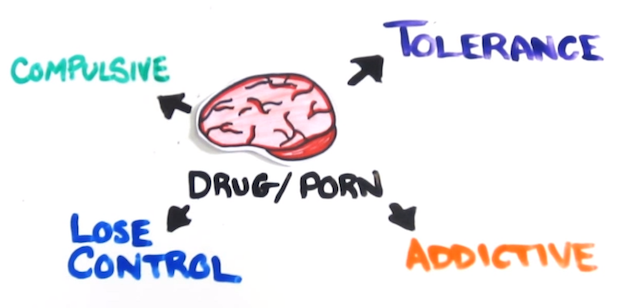
4) On Pornography – A very serious topic – I placed it on purpose under “best bakeries” because there are all kinds of addictions. The scary difference is the fact that some addictions have outward presentations (like food, drug, and alcohol addictions). Not pornography. Addiction to pornography can do its damage in the quiet and isolation of one’s personal space in front of a screen (phone, tablet, computer). Yet, its damage reaches into relationships, career, and even our own anatomy and physiology. This Is Your Brain on Porn probably won’t deter someone addicted to pornography, but it could sound a warning that what you think is “not hurting anyone” really is…those you love…and you.Blog - Your Brain on PornPhoto Credit: Ideapod, Churchm.ag

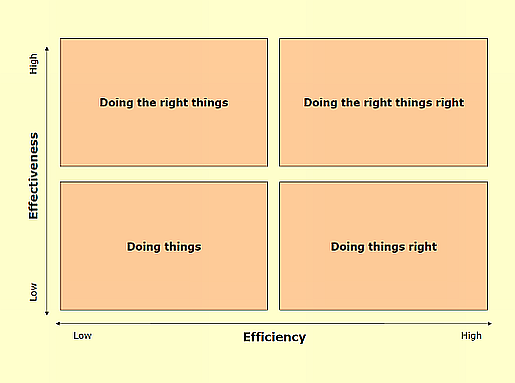
5) On Efficiency – If you got this far, you are in for a huge treat. This week, as I watch friends go through a company downsizing, the subject came up of efficiency and effectiveness. Does one necessarily lead to the other? Are they the same? In learning more about that, I came across this happy little article by Eric Gilbertson on the push for efficiency in our colleges and universities – The Pursuit of Efficiency and the Pursuit of Folly. Sweet article. Then the book Team of Teams which my husband recently read (devoured really) came to mind. General McChrystal writes brilliantly about adaptability, not efficiency, as our greatest need in the workplace of the 21st century. Work matters…and the people doing the work matter. Get this book…your appetite will be whetted by the articles linked below.Blog - Efficiency and Adaptability - General McChrystal

Team of Teams by General Stanley McChrystal

Efficiency in Business Isn’t Key Says Retired General

Gen. Stanley McChrystal: Adapt to win in the 21st Century

Work Smart – Let General Stanley McChrystal Explain Why Adaptability trumps Hierarchy – Forget everything you ever knew about your company’s org chart—and that’s an order.

The Tim Ferriss Experiment – General Stan McChrystal on Eating One Meal Per Day, Special Ops, and Mental Toughness

Your Brain On Porn

Love Your Neighbor – Foster Parenting & Adoption – Every Child in a Safe and Loving Home – www.debmillswriter.com

Peter and John – a Couple of Ordinary Men Who Had Been With Jesus

Blog - Peter and John - men who had been with JesusPhoto Credit: Boundary Homestead

Then Peter, filled with the Holy Spirit, said to them, “Rulers of the people and elders, if we are being examined today concerning a good deed done to a crippled man, by what means this man has been healed, let it be known to all of you and to all the people of Israel that by the name of Jesus Christ of Nazareth, whom you crucified, whom God raised from the dead—by him this man is standing before you well. This Jesus is the stone that was rejected by you, the builders, which has become the cornerstone. And there is salvation in no one else, for there is no other name under heaven given among men by which we must be saved.”

Now when they saw the boldness of Peter and John, and perceived that they were uneducated, common men, they were astonished. And they recognized that they had been with Jesus. Acts 4:8-13

Peter and John took seriously the last words Jesus told them.

“You will receive power when the Holy Spirit has come upon you, and you will be my witnesses in Jerusalem and in all Judea and Samaria, and to the end of the earth.”Acts 1:8

These men were not religious leaders or great orators. They were fishermen who had spent three years living life with Jesus, listening to His teaching, and learning His love for His Father and for all people. Peter and John were ordinary men – apart from those three years spent in the company of the One who would take a cross for them, and all of us… Oh, and one more thing, they would know the filling of the Holy Spirit…whatever that would mean.

He spoke not as one who just believed in what he had heard about Jesus. He spoke as one who experienced the life-transforming love of God through Jesus. He knew Jesus. He had witnessed in his own life and others what happens when Jesus touches a person, when He receives a person as His own.

Last night, a small group of people sat around a table and talked about life together. No pretense. Nothing to prove. No one to impress. Just individuals meeting for supper, prayer, and encouragement. A new community group forged from folks at our church (Movement Church).Blog - Peter and John - Community Group - life of those who have met Jesus - Dustin WillisPhoto Credit: TheBlazingCenter.com

Through the short evening, as we got to know each other, everyone had a story…a story of a life and journey changed at a juncture where they met Jesus. I wish you could have heard their stories. Some of these new friends have life experiences I can only imagine…riveted to every detail, I heard forgiveness, grace, wonder, love, reconciliation. Ordinary people with a first of a lifetime of encounters with an extraordinary God.

All the stress of my day, the weariness and frustrations, all dissipated at these stories – these glowing faces – these people who were also tired and had their own frustrations…but it all pales when we see Jesus – in one another. Ordinary people who have been with Him. That is community.Blog - Connecting and Assimilating

“A new commandment I give to you, that you love one another, even as I have loved you, that you also love one another. By this all men will know that you are My disciples, if you have love for one another.”John 13:35-36

This John recorded Jesus’ words in his Gospel. This John who was with Peter in the account above. We owe them so much. Peter would die for his faith, and John would be exiled to live out his day in isolation. They followed Jesus and gave witness of Him to all they could. A bold witness not because they knew of Him…but because they knew Him, and their lives were radically changed.

…as ours can be.

Meet at the Table by Dustin Willis

Life in Community – Joining Together to Display the Gospel by Dustin Willis

Givers, Takers, or Matchers in the Workplace – Which One Are You? – with Adam Grant

Blog - Givers, Takers, Matchers - Adam GrantPhoto Credit: Chuck Scoggins.com

A smart and gifted friend of mine is going through a taxing time on her new job. Long hours, piling up responsibilities, with no end in sight. She lamented that maybe the problem is that she’s a people-pleaser. That expression seems to communicate a character weakness, and I don’t see that operating so much with this friend of mine. What seems more her dilemma is that she’s what Adam Grant calls a “giver”…which is a good thing. The dilemma for my friend and her workplace is to establish a culture where she, and other givers, can thrive.

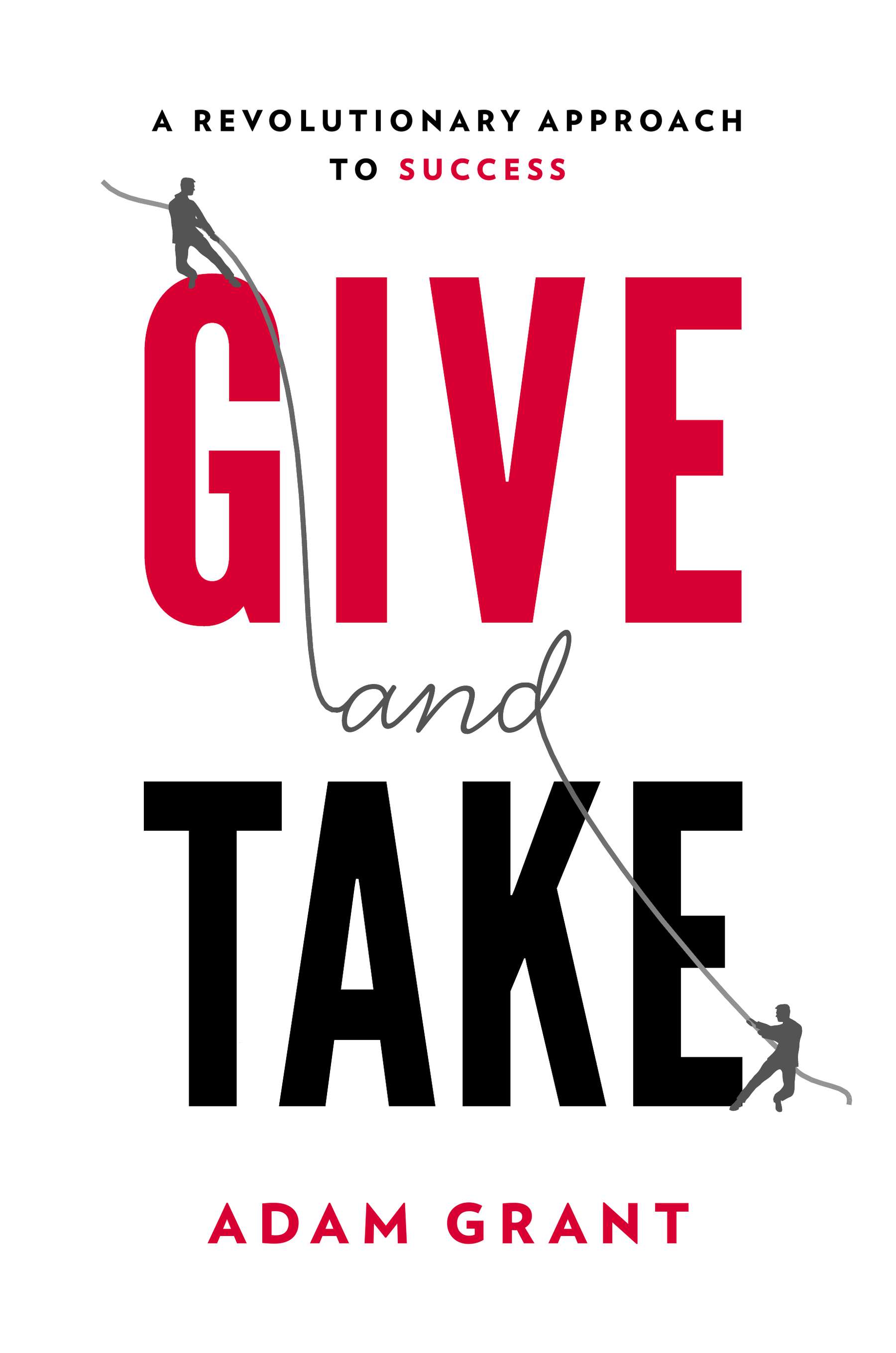
Adam Grant is a professor at the Wharton School of the University of Pennsylvania. He has also written this great book – Give and Take: Why Helping Others Drives Our Success. I heard him speak at the Global Leadership Summit and bought his book. His take on the three tops of people who make up our work culture was both fascinating and practical.Blog - Give and Take by Adam Grant - cminds.netPhoto Credit: Amazon.com

Grant sees us all as either givers, takers, or matchers. “It’s very hard to judge our own style. What values you live each day is in the eye of the beholder.” We may not necessarily see ourselves in these categories, but our colleagues will. Ask them, if you have the courage. Then you might consider taking what you learn and thinking through how you might use that information to become a more effective employee and valued colleague.

Takers are those who often manage to do the least amount of work yet gaining the most notice. They manage to get “the lion’s share of credit for collective achievements”, notes Grant. The Takers are the shirkers in the workplace. They are not at their desks because they are off schmoozing (oops, I meant networking, right?) in another department. They somehow get their jobs done partly by leaning on the strong work ethic of the Givers.

Givers are the people who simply enjoy helping others – “no strings attached”. They get to work early and stay late, if necessary. Their core values resonate in the quantity and quality of their work.

Matchers are most of us, really, doing our part in the workplace. Matchers can be counted on to keep things “fair” at work. “I’ll do something for you if you do something for me” is their mantra. They believe in “an eye for an eye” and “just worlds”.  They are the “fairness” or “Karma” police in the workplace.

Grant readily admits that we may operate out of all three styles from time to time, but we each have a dominant style at work.

How do givers, takers, and matchers fare in the workplace? Which of these sinks to the bottom in terms of performance and impact?

Givers are the worst performers (but keep reading). “The ones who get the least work done are the ones who help the others and never get their own jobs done”, reports Grant.  “I love helping others” is not the one on top of the heap of performers. “The lowest revenue accrues to the most generous salespeople.”

It’s sad news that givers sink to the bottom. If you want to boost your organization, have more givers….unfortunately the givers do it at their own expense – unless the organization builds a culture that helps the givers to thrive.

Who rises to the top?

If givers are the worst performers, who are the best performers? You think it’s takers? Takers rise quickly, and fall quickly. They often fall at the hands of the Matchers who can use gossip (or, said another way, workplace channels of influence) to call out the abuse of the Takers. Beware, Takers, of the Matchers in the shadows. Also, other Takers can also take down those more abusive, or less-well-liked Takers.

Are the Matchers the best performers? Not usually. The best results belong to the Givers. Wait! How can they also be the best performers? It’s a both/and situation.

Grant encourages: “Helping others can sink your career but it can also accelerate your careers. Hang in there.”

It takes a while for Givers to learn and build connections, but when they do, it’s a win-win for the organization.

How can we build cultures to help Givers be successful?

3 Things We Can Do:

  1. Keep the wrong people off the bus. – Get the right people on the bus. If possible, keep Takers off the bus. “One Taker on the team and paranoia starts to spread.” Put one Giver on the team, and you don’t necessarily have an explosion of generosity. It’s not bringing in the Givers; it’s weeding out the Takers. Matchers follow the norm. Matchers will follow the example of the Givers.
  2. Redefine Giving.   Wisdom is to know who is who in the workplace. Or at least not be thrown off by behaviors vs. motives. Then we can shape our work culture to empower Givers, influence Matchers, and avoid enabling Takers. In an interview with Adam Grant, Thinkers50 spelled this process out very well. For instance, consider Agreeableness vs. Disagreeableness – in Takers, Givers, and Matchers. We usually think Takers are disagreeable, but not necessarily so. Givers aren’t always agreeable either. Just because someone is nice to you (an agreeable Taker) doesn’t mean they care about you (Givers, in general, really care). Adam Grant also talks about the importance of kindness in the workplace. This is a strength of Givers, but it can also push them to over-work and exhaustion. Grant prescribes “5-minute favors (a microloan of your time, skills, or connections). Volunteering – 100 hours a year – is the sweet spot. Greater than 100 hours a year is too much. 2 hours a week.”
  3. Encourage Help-Seekers – A work culture of Help-Seekers will take silos down. “People step up when others say ‘I’m stuck; I need some help’. If no one asks for help, you have a lot of frustrated Givers in your organization.” Grant recommends an exercise called the Reciprocity Ring – Gathering teams together and having each person state a request of something they want or need and then everyone else in the room tries to use their expertise and networks to make it happen. “People are often unbelievably generous if you ask for help. Givers step up. The Takers become more generous. All the offers of help are visible. Takers don’t want to get outed. The Matchers realize that matching is useful, but it’s an inefficient way to run an organization. If you have given help to others without getting back, then you can increase your productivity because you don’t have to just ask those you’ve helped.”

Givers ask the question “How can I be the rising tide that lifts all boats?” We can move our organizations in this direction of maximum impact and satisfaction, by nurturing a Giver culture.  Instead of workplace paranoia, imagine a culture distinguished by a “Pro-noia” – the “delusion” that other people are plotting your wellbeing.  May it not be a delusion but a daily reality.

Give and Take – An Interview with Adam Grant by Thinkers50

Give and Take – A Revolutionary Approach to Success by Adam Grant

Outward Focused Lives // Givers, Takers, Matchers

Give and Take – An introduction

YouTube Video – Adam Grant, Professor – Givers, Takers, and Matchers

YouTube Video – Adam Grant’s Give and Take Talk at Google

Global Leadership Summit 2015

The Reciprocity Ring

Live Blog: 2015 Leadership Summit – 30 Leadership Quotes from Adam Grant – Brian Dodd on Leadership

The Global Leadership Summit Session Three – Adam Grant – Notes by Chuck Scoggins

A Grateful Heart Day – Thankful for Those Who Just Show Up – and for a God Who Never Leaves

Blog - Writing & Journaling - Joy List

I’ve been writing all my life. Keeping a journal has been a source of joy and sanity for many of those years. Once when we were overseas, I was encouraged to keep a Joy List – a list of the simple things that just gave me joy. It’s still a joy to add to that list as I experience more of God’s kindnesses in His creation – people and places, stuff and such.

This is going to be quick. In a few minutes, I head to the airport to visit my Dad. He is such a delight to me…even with Alzheimer’s, he’s funny and thus far still loves life and family and food. He still prays which is a blessing to him, I’m sure, and to all of us.Papa on 90th

Anyway, I want to come back to this topic another day. For now, for you who show up for each other, what a joy you are! How grateful I am for you – in my life and in the lives of those I love. You may think it a small thing, a usual thing, but it’s not.

Marilyn Gardner wrote on this topic in her blog, and I found it this morning while researching the phrase “just showing up”. She expressed it so well.

The world is not changed through one momentous event, it is changed through the often boring, simple acts of obedience that I am daily called to. it is changed by showing up.” – Marilyn Gardner

I also want to recommend a book by Kara Tippetts entitled Just Show Up (see link below). She wrote this with a friend, Jill Lynn Buteyn, who, with others, “showed up” as Kara was living with cancer. She is with the Lord now but has left such a beautiful legacy in her life and writing.

Blog - Just Show Up

“Today I want to show up. I want to be fully present. It’s in showing up that I learn more of the faithfulness of the God who shows up. ” – Marilyn Gardner

It’s About Showing Up – Communicating Across Boundaries – Marilyn Gardner

Just Show Up by Kara Tippetts and Jill Lynn Buteyn & Other Books by Kara

10 Biblical Proofs that God Will Never Leave You or Forsake You

Just Show Up – James Altucher

“Inspiration Is for Amateurs – The Rest of Us Just Show Up and Get to Work”

5 Friday Faves – an Apple, a Podcast, an Apologist, a List of Great Books, and Something We Can Do for Refugees

Blog - Friday Faves

1. An Apple – Honeycrisp  – my husband’s favorite – we only have them for a few months in the Fall and are glad when they’re around and especially on special. Welcome back. Blog - Honeycrisp apples - Friday Faves

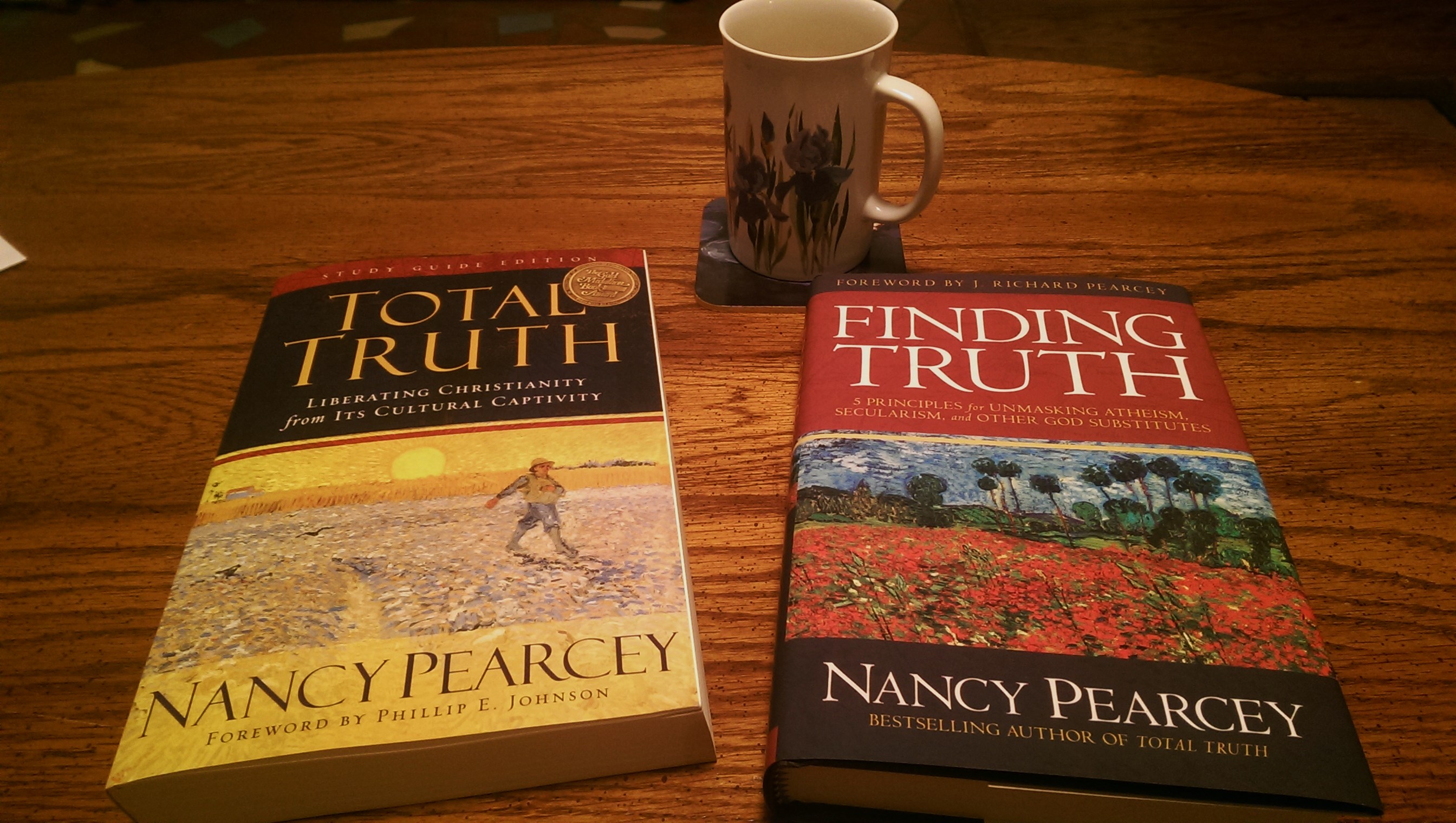
2. An Apologist – An apologist is someone who makes a defense of a faith or belief. Nancy Pearcey is an educator and writer. An agnostic in her early life, she became a Christian through a deep study of God. She presents the Christian worldview in such a clear, reasoned way. The subjective, sometimes silly and sometimes sinister, arguments we hear a lot of these days, both inside Christianity and from its foes, are put to rest. I discovered her through a book review by Tim Challies and an article of her own. I was captivated by her clarity on the God I love. Desiring to know better how to both understand and rightly represent God to friends and family. So…I bought both her books and am tearing into them: Finding Truth and Total Truth.Blog - Friday Faves - Nancy Pearcey - Apologist

3. A PodcastThe Eric Metaxas Show with Karen Swallow-Prior – Lively conversation about Hannah More – an English poet and supporter of William Wilberforce’s battle against slave trade. This podcast came on the eve of Metaxas’ book release – Seven Women: And the Secret of Their Greatness. Hannah More is one of those seven.

Blog - Friday Faves - 7 Women by Eric Metaxas

Photo Credit: amazon.com

4. A List of Great BooksChuck Lawless gives us a list of books that have had considerable impact on his spiritual formation.  I’ve read five of them – #1, #2, #4, #6, and #10.  Need to read the others.2014 May Blog 018

5. Something We Can Do For Refugees – The plight of refugees around the world moves us to act…but how? What can I really do? Marilyn Gardner has written several blogs this month with practical helps for any of us who want to intervene, effectively. Both short-term crisis care and over the long haul of resettlement. Two of her blogs were especially helpful for me: Self-Sufficiency in 8 Months – How to Settle a Refugee and Trauma-Informed Care.

As Syrian refugees continue to stream into neighboring countries and beyond the Office of the United Nations High Commissioner for Refugees (UNHCR) projects the number of registered refugees will soon reach the 4 million mark. (PHOTO BY JEDEDIAH SMITH)

Photo Credit: bpnews.net/photos

These are some of my favorite finds this week. What do you have to share? Looking forward to learning from you and enjoying your faves.

Seven Women: and the Secret of Their Greatness by Eric Metaxas

One Strategy to Rule Them All – How to Answer Skeptics from Romans 1 – Nancy Pearcey

Finding Truth – Tim Challies’ Review of Nancy Pearcey’s Book

Ten Books That Have Shaped My Life – Chuck Lawless

Self-Sufficiency in 8 Months – How to Settle a Refugee – Marilyn Gardner

Trauma-Informed Care – Marilyn Gardner

Baptist Global Response

TGIM – What Can We Do to Make a “Thank God It’s Monday” Work Culture?

Blog - Thank God It's Monday - bridgepointconnections.org

Photo Credit: BridgeportConnections.org

Don’t hate me, but I’ve always loved Mondays. Mondays read a fresh start for me…a clean slate. New possibilities. Sunday nights would sometimes mean a bout of anxiety or a bit of depression in my questioning of being mentally prepared for whatever Monday brought. All that cleared by the time I stepped outside, into my car, and headed for work.

TGIF (“Thank God/Goodness, it’s Friday!”) was never something I understood. It was hard for me to fathom grinding through a work week, longing for Friday. There’s a rhythm in work, requiring a certain number of days at it, and by Friday, I was ready for a break, but “living for the weekend” wasn’t my thinking on work.

This past Friday was an exception. Pressures at work did spill out over the purpose and pleasure of work such that Friday came just in time. So…I do understand TGIF. Still, it’s clear that God created work for us and I usually take joy in it. Hopefully this resonates with some of you…with others, maybe you might consider how TGIF could make room for TGIM as well.

Tim Hoerr, author of Risking It: An Intersection of Faith and Work, wrote an excellent piece on Building a “Thank God It’s Monday”. It’s a quick read and I strongly recommend it for anyone who struggles with taking joy in their work. It is possible to change your culture.

How does Tim Hoerr define a TGIM Culture?

  • TGIM culture: each team member engaging in challenging, meaningful work – each knowing that their individual contribution is a significant, integral part of the larger whole.
  • Second, each person has ample opportunity for growth and advancement. God has wired each of us to grow and desire new, richer experiences. Entrepreneurial environments are greenhouses for human growth.
  • Another feature of TGIM culture is that each team member and his or her efforts and contributions are being recognized by the company’s leadership. It doesn’t have to be terribly formal or fancy – but each of us want to know we matter and our work is making a difference.
  • TGIM culture means that the fruits of success are being shared by each of those making a contribution to that success. Although surveys show that compensation ranks relatively far down the list of what makes one satisfied, it is essential that the rewards be fairly shared amongst the team.

After defining a TGIM work culture, Hoerr gives a historic example, completely relevant to today’s workplace.

“If you examine the ‘work environment’ Jesus created with his ordinary band of followers, you’d have to say it was a template for our organizations today.”  Then Hoerr lists those components:

  • There was a common mission.
  • A series of challenging assignments.
  • Regular dialogue and interaction amongst the team.
  • Teaching and training in order to replicate the mission on a broader scale.
  • And, importantly, Jesus as the leader facilitating the larger purpose amidst his team’s diverse personalities and all-too-human tendencies.

Don’t miss the rest of Tim Hoerr’s piece on TGIM Culture.

Is the TGIM culture cultivated in your workplace? How might you see the components above implemented where you are – whether top-down or bottom-up? You can be part of making your work and workplace one where you look forward to Monday rather than just longing for Friday.

Tim Hoerr Website and original blog – Building a “Thank God It’s Monday” Culture

Building a “Thank God It’s Monday” Culture – featured at Institute for Faith, Work, & Economics Blog

Bridgeport Connections – Connecting Professional and Spiritual Life

All the “One Another” Commands in the NT (Infographic)

12 Ways to Glorify God at Work

Risking It: An Intersection of Faith and Work by Tim Hoerr

Blog - Thank God It's Monday - Risking It by Tim Hoerr

Photo Credit: Amazon.com

Parenting – the Way We Did It and the Way the French Do It – Bringing Up Bébé

Blog - Parenting 1

Years before marriage and parenting, I had a life-altering experience of children that stayed with me all this time. A college friend, Marc, invited me out with his brother’s family. We went out to dinner at a nice (i.e. adult) restaurant. Since the children were small – preschool and elementary-aged – I wasn’t at all sure how the evening would go. They were captivating. Not because it was all about them. On the contrary. They enjoyed the conversation around the table as much as I did. Their ability to engage with the adults, to ask questions and listen, to offer their own amusing stories to the mix of talk was well beyond what I thought possible at their age. They gave me hope.

Parenting did not come naturally to me. I had a wonderful mom. There was no one like her. She had to work as we grew up and then had to take care of all that home management stuff on the weekends. With what time she had left, she mothered us very well. I just never knew how she did it. It was a complete mystery to me.

Our children came (2 biologically and our last by way of adoption) during the strong restart of home schooling in the US (late 80s and early 90s). With home schooling came a much more interventional parenting style. We were enthralled with the idea of keeping our children home with us to do and learn about life together. Through all their schooling years, with many of them living overseas, there were only a few when we actually home schooled, but I loved it…loved that time of discovery, and wonder, and endured the occasional exasperation at our struggle to master one subject or another.

Our parenting during those early years had a home schooling imprint on it. We even followed the 21 Rules of This House originated by a leading home school parent Gregg Harris.

The 21 Rules Of This House
by Gregg Harris

1. We obey God.
2. We love, honor and pray for one another.
3. We tell the truth.
4. We consider one another’s interests ahead of our own.
5. We speak quietly and respectfully with one another.
6. We do not hurt one another with unkind words or deeds.
7. When someone needs correction, we correct him in love.
8. When someone is sorry, we forgive him.
9. When someone is sad, we comfort him.
10. When someone is happy, we rejoice with him.
11. When we have something nice to share, we share it.
12. When we have work to do, we do it without complaining.
13. We take good care of everything that God has given us.
14. We do not create unnecessary work for others.
15. When we open something, we close it.
16. When we take something out, we put it away.
17. When we turn something on, we turn it off.
18. When we make a mess, we clean it up.
19. When we do not know what to do, we ask.
20. When we go out, we act just as if we were in this house.
21. When we disobey or forget any of the 21 Rules of This House, we accept the discipline and instruction of the Lord.

This set of rules helped me parent. One thing I really appreciated was that the rules were not just for the children but for all our family. No double-standard. These rules didn’t mean we were defined by “Do’s & Don’t’s”. They just helped me not to be all over the place. I also had great parenting mentors and practical, loving friends (see Balcony People) who encouraged me through the challenges of growing up kids. I didn’t need help with the joys.

Blog - ParentingBlog - Parenting in EgyptMy friend, Marc, & our first-born.     Our three at play in Cairo, Egypt.

Our kids and their mom and dad grew up together. We learned how to parent with them, and they learned how to grow into each age.Blog - Parenting 2

 As the saying goes, they grew too fast. As much as I love them as adults, I miss those years together more than I can say.Blog - Parenting 3

Now our first-born daughter has her own first-born. She isn’t using The 21 Rules of This House although she values its impact on her own life. She has been reading Pamela Druckerman’s Bringing Up Bébé – a book on French parenting by an American who spent her new parent years in Paris. Her book chronicles those years as she observed French families, babies and parents. Her experience of these children reflected mine long ago with Marc’s nieces and nephews.

Through the years and in our travels, we’ve experienced different cultures of parenting, and what I’ve read in Bringing Up Bébé is definitely counsel to be considered. The author and mom ends her humorous story with 100 Keys to French Parenting. My favorite 15 are below:

15 of the 100 Keys to French Parenting

#10 – Give Your Baby a House Tour – orient your newborn to where they will call home.

#11 – Observe Your Baby – Get to really know your baby. Watch her.

#12 – Tell Your Baby the Truth – Help him know that he can always believe what you tell him. It builds trust and confidence even in wee ones.

#20 – Do “The Pause” – The French don’t let their newborns “cry it out”, but they do pause before rescuing baby from nighttime crying. The goal is to help the baby learn how to settle back down herself.

#32 – Everyone Eats the Same Thing – There is no such thing as “kid” foods on the every-day French table. They learn to eat and appreciate “adult” food.

#35 – You Choose the Foods, She Chooses the Quantities – No food battles. Children take a bite of what is put on the plate. They don’t have to finish it.

#41 – Dinner Shouldn’t Involve Hand-to-Hand Combat – When they’re done, they’re done. Release them from the table when they’re finished eating.

#46 – Teach the Four magic Words – Please. Thank You. Hello. Goodbye. – Learning from an early age to be courteous and empathetic to others.

#50 – Back Off at the Playground – Children are given freedom to play without adults hovering. Safety assured, but exploration encouraged.

#53 – Give Kids Lots of Chances to Practice Waiting – Teaching delayed gratification.

#60 – View Coping with Frustration as a Crucial Life Skill

#63 – Give Kids Meaningful Chores – This folds right into the teaching of my favorite book on adolescence (Escaping The Endless Adolescence).

#89 – Make Evenings Adult Time – As parents carve out time for their own relationships, they teach children to value the importance as well.

#91 – Say “No” with Conviction – When parents say “No”, they need to mean it.

#92 – Say “Yes” as Often as You Can – Saving the “No’s” for when they matter most.

I would love to hear about your parenting years with your kiddos. What helped you? Anything you would do differently? Would love to dialogue on this topic…just for fun. We as parents should lavish grace on each other; parenting is a big job…

And then they were grown…

Blog - Parenting 4

Bringing Up Bébé: One American Mother Discovers the Wisdom of French Parenting (now with Bébé Day by Day: 100 Keys to French Parenting)

Pamela Druckerman, author of Bringing Up Bébé

Home Schooling Goes Mainstream

Bringing Up Bebe? No Thanks. I’d Rather Raise a Billionaire

Uncommon Courtesy – Blog – Recommended Reading

Organizational Culture – 5 Questions – Notes on a Podcast with Barnabas Piper, Todd Adkins, and Eric Geiger

Blog - 5 Leadership Questions - Organizational CultureMy latest favorite podcast (one of my 5 Friday Faves last week) was this conversation between Barnabas Piper (co-host), Eric Geiger, and Todd Adkins (co-host). On Lifeway’s 5 Leadership Questions, they tackled the topic of creating a healthy organizational culture.

Image processed by CodeCarvings Piczard ### FREE Community Edition ### on 2015-05-18 23:11:32Z | http://piczard.com | http://codecarvings.comBlog - eric Geiger - 5 Leadership QuestionsBlog - Todd Adkins - 5 Leadership Questions

In the podcast, they ask and answer 5 questions about organizational culture. I took notes. Listen to the if you can, but if you don’t, read on. These guys have captured something we all need to consider in thinking about our workplaces and have our values speak to how healthy we are…or are not.

1) What is an organizational culture? – Culture is defined as those values or beliefs that undergird who we are and what we’re about in our organization. Culture is “everything beneath the surface that drives behavior”. Whether we are in tune to our work culture or not, we share values as a group and those values drive our behavior. There are two types of values within a culture – aspirational and actual. Aspirational values – what’s on the wall. Actual values – what takes place in the hall. Values are so embedded in culture that we take them for granted. They include philosophies and strategies and can be both good and bad for the health of our organization. What is the personality of your organization?  Psychologist Alfred Adler wrote, in 1920s, that to be healthy, three things need to be in alignment: 1) how you perceive yourself, 2) how others perceive you, and 3) how you want to be perceived. Apply that to your organization: does who you say you are match with who you actually are? This will give you a diagnosis of how healthy your organization is…if you’re willing to take a hard, honest look. How did you get the culture you have?Piper, Adkins, and Geiger then talked about how the leader of an organization will shape culture. Leaders shape culture and after three years, it will be the culture they have shaped.  If leaders don’t intentionally shape the culture, it will evolve on its own [somewhat in reaction to that leader – my take on that].

2) What are the consequences if you don’t build and shape a culture (if you let it passively happen)? “If you don’t actively cultivate the culture, whoever has the loudest voice or the clearest vision wins.” There is formal and informal authority as well as formal and informal influence with impact on an organization’s culture.  The informal influence/authority of a long-time trusted employee is important and should be respected. Culture, healthy or unhealthy, can “trump” a new leader’s ideas or strategy. “A healthy culture won’t tolerate an unwise move or won’t tolerate someone being treated inappropriately. A healthy staff culture will call people out – “We don’t talk to people that way here/we don’t treat people that way here. That’s sacred for us here.” Wise leaders will give the culture its voice as new, healthier culture is built.

3) What is the starting point for a leader to create culture? 1) Assess the culture of your organization. “It’s a mistake to say everything is broken, ruined, messed-up in this culture and we need to rebuild a whole new culture. You’re wrong. There are things that are affirmable in that culture.” [Eric Geiger on not loathing the culture you lead]  2) Find what is affirmable in your culture and affirm them. 3) Then deal with what is not present that needs to be. “For every 2 actual values, you can have one aspirational value.” If you are a new leader of an organization, resist the temptation to shake it down entirely and rebuild the culture reflecting your values. “Actual values are the foundation upon which you build culture. Affirm over and over. Then work to implement [that other value that’s only present in aspiration form].”

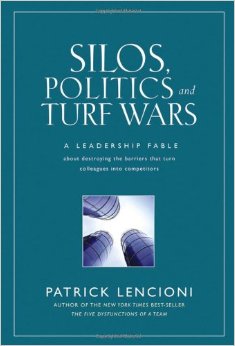
Blog - Organizational CUlture - Lencioni book Silos, Politics & Turf Wars

Everybody needs to read Lencioni’s Politics, Silos, Turf Wars. “What is Bucket 1? – core DNA – values we do not change. Don’t even ask. Bucket 2? – Maybe. Wasn’t our Core DNA but goes against what we want. Bucket 3? – Do whatever you want.” The core values of a culture are those that are bedrock for your organization to continue. “Ask what of your culture is not going to change. When those things come up, address them immediately. What is counter-culture? Kill them. [Examine] what we pay attention to; how we react to crisis; the role models that we raise up; the stories we tell; the heroes we create.” Plato once said: “What is celebrated is cultivated.”  You are able to influence culture by telling new stories. What does your culture celebrate? What do you see that kills culture?

4) What are culture-killers in an organization that need to be abolished? What are signs of culture that needs to be celebrated? What are the culture killers not to be tolerated?A culture-killer would be the continued allowance of violative behavior of those values. If among a staff team the cultural value is we treat each other with respect; we’re a family; we do ministry together – and you have a lone ranger who gets promoted?…that’s a culture-killer.” Anything that violates the organization’s culture is a no-go. Disrespect. Passive-Aggressive behavior. Lying. You can’t tolerate such things. Then what in culture should be celebrated? As team members exhibit organizational values in their work and demeanor, you hold them up for everyone to celebrate. “Point out and celebrate when your culture’s values are fleshed out. Give a story; mention the value; celebrate a specific value of the organization lived out; from each campus/department. Remind each other that all these things are going on in different places/departments and the impact we’re having together.”

5) What does it look like to hire and fire strategically to create the kind of culture an organization needs. People create culture.  1) Hire on the values. Look for displayed commitment to the values before the person is on the team. You ask questions. Look for history. You see if they have to sacrifice something to be on your team. Do they have to become someone they’re not to be a part of the team? 2) Removing people – a strong culture is going to make it very uncomfortable for someone to stay who doesn’t have the same values. They will self-select out of a culture not like them. They’re saying, “This isn’t really me.” The organization says, “Here’s who we are.” “If they’re not going to help the culture stay healthy, you don’t want them on that team. You want them to be a fish out of water if this isn’t the culture for them. It’s about fit not worth. There is a culture for them somewhere that matches their values.”

I love these guys – Barnabas Piper, Todd Adkins, and Eric Geiger. This podcast was very timely in my own cultural experience. I am watching an organization dear to me go through a painful downsizing – through a voluntary retirement incentive to start. This organization (both aspirationally and actually) values longevity, experience, perseverance, and history. You can imagine the struggle within of how to come to grips with this direction – necessary but heart-wrenching for them as an organization. Organizational culture is important to understand. It is how we help our culture through a crisis to get back to a healthy place. Culture cannot be disregarded.

Don’t Loathe the Culture You Lead by Eric Geiger

How Not to Loathe the Culture You Are Leading – Eric Geiger

Silos, Politics and Turf Wars: A Leadership Fable About Destroying the Barriers That Turn Colleagues Into Competitors by Patrick Lencioni

Silos, Politics and Turf Wars – PDF – Executive Book Summaries

SlideShare – Organization Culture and Climate

Organizational Structure and Culture – Principles of Management – New Charter University

Mission Drift: The Unspoken Crisis Facing Leaders, Charities, and Churches by Peter Greer and Chris Horst

Photo Credits: 5 Leadership Questions Header. Barnabas Piper, Eric Geiger, and Todd Adkins


5 Friday Faves – One Podcast on Organizational Culture, 3 Great Reads (Self-Medicating, Hard Decisions, Affliction) & a Sing-along

Blog - Friday Faves

1) A Podcast –  – This is a great conversation between Barnabas Piper, Todd Adkins, and Eric Geiger on organizational culture. They define culture as “shared values beneath the surface that drive behavior”. Aspirational values (what takes place on the wall) are distinguished from actual values (what takes place in the hall). What is your workplace culture? “We don’t treat people like that here”. Like what? What culture do you have or hope to build?Blog - Organizational Culture - slideshare.netPhoto Credit: Slideshare.net

Also see Organizational Culture and Climate – SlideShare.

2) On Self-Medication5 Socially Acceptable Ways Church Leaders Self-Medicate  – Carey Nieuwhof, a Canadian pastor and thinker on leadership, writes about how leaders can get caught up in “socially acceptable” self-medicating as a way to manage their stress. Important read for anyone in leadership.Blog - Self-medicating with Carey NieuwhofPhoto Credit: CareyNieuwhof.com

3) On Hard DecisionsBuilding the Courage to Make Changes  by Dr. Danita Johnson Hughes. Quick read on steps in making difficult workplace decisions. I have dear friends going through a tough downsizing which has to happen for their organization to survive. It took huge courage, faith, and forward-thinking on the part of the leaders to make that hard decision. .A Bible study along these lines can be found in a Slideshare on the Gospel of Mark (chapter 14).Blog - hard Decisions

Photo Credit: GreatLeadersServe.com – also a good resource.

4) On Affliction in the Lives of 3 Men – The Hidden Smile of God: The Fruit of Affliction in the Lives of John Bunyan, William Cowper, and David Brainerd (The Swans Are Not Silent, Book 2) by John Piper. The Swans Are Not Silent series by John Piper is a collection of biographies, grouped in such a way as to point to a particular character, situation, or gift from God. This volume is particularly fascinating to me because of how these men demonstrate the nearness of God in lives torn by trouble.

Blog - The Hidden Smile of God - John Piper on Affliction

Photo Credit: DesiringGod.org

5) A Sing-Along – YouTube videos of classic songs done in a bit different way. Enjoy and have a restful weekend.

YouTube Video – I Will Follow Him with André Rieu

YouTube Video – U.S. Navy Band – Selections from Jersey Boys

Workplace Wisdom – Dave’s Observation on Work (and other) Relationships – What You Think of Others Matters

Blog - What You Think of People Matters - Dave 5

At first, you really liked working with this person. Then, bit by bit, he/she began wearing on you. He is always playing with his phone. Her solution to today’s problem is too labor-intensive. His email responses have become terse. She is late for your meeting. You think, maybe I was wrong about him. He is not the person I thought he was. Maybe, she’s the wrong person on the bus.

When a relationship begins to deteriorate at work (or home), you are wise to take steps to turn this around as quickly as possible. You could be in a work situation that has been difficult from the outset. It is still possible for you to make inroads in turning that relationship toward a more healthy or positive one. If not altogether, at least from your side. Consider an adage that has had a long and useful run in our family and work.

Your opinion of someone approximates their opinion of you.Dave Mills

There are exceptions, but I have found this to be wise counsel (from my husband, no less) in both personal and professional relationships. When what was a warm, congenial relationship takes a turn toward the negative, you can actually work, from your side, to restore the relationship. Even to take it to a deeper level. It can get more uncomfortable at first, because you have to start with your own thoughts toward that person. How have they changed?

We send signals to each other – whether we speak or not.

My Mom raised us out of the era of Walt Disney’s Bambi:

“If you can’t say something nice, don’t say nothing at all.”

Good counsel except for the conversations that still go on in our heads and color our attitudes, our tone of voice, our preferences, and our decisions.

Let’s say I have an amicable relationship with a colleague, and then something happens. I may not even be aware of it – a misunderstanding, a misconstrued action, an insensitivity unaware. Then a chill develops, or a clear outright dislike. I have a window of opportunity to clear that up. Otherwise, if I don’t act, then a process can begin where I decide that person is a jerk and has woefully misjudged me…and off we go.

Remember: This can go both ways. You may have had a few off days with a colleague, and find yourself just not thinking so well of him, then stop it! It’s possible you can keep them from picking up that signal and prevent the relationship from getting more toxic as they decide you’re not so great either.

If I refuse to think ill of another person and discipline myself to be respectful, deferent in my demeanor, and tireless in pursuing understanding, I could restore that relationship. If it doesn’t improve right away, my attitude and actions work for my own benefit and can definitely help build trust with my team members. One day…that relationship may also turn. It’s worth the effort.

Blog - What You Think of People Matters - Dave

Jon Acuff talks about the four ways we invest in our careers – through skills, character, hustle, and relationships. In an interview with LifeReimagined.com, he had this to say about difficult, or neglected, work relationships:

“Even if you have skills, character and hustle, without relationships, it’s the career version of the Emperor’s New Clothes. Why?”

“If you don’t have relationships, you eventually don’t have people in your life who can tell you the truth about the decisions you’re making. You don’t have people who can tell you no or question you honestly. What I’ve learned is that leaders who can’t be questioned end up doing questionable things.”LifeReimagined.com interview with Jon Acuff

He identifies three types of people in our lives (work or otherwise, really): friends, foes, and advocates. Jon writes in Do Over:

“The best thing to give a foe is distance. We should ignore most foes. The problem of course is that we won’t. If your definition of foe is too loose and is essentially “anyone who kind of bothers me ever,” your job is going to be miserable. If you see people as your adversaries, it’s almost impossible to have a good working relationship with them. The first thing is to understand whether these foes are clueless or calculated. A clueless foe is that person whose behavior encourages you to fail. They are not malicious. They are not trying to make you lose, but with the power of their influence you are. “Bad habits are almost always a social disease – if those around us model and encourage them, we’ll almost always fall prey. Turn ‘accomplices’ into ‘friends’ and you can be two-thirds more likely to succeed.”Jon Acuff, Do Over

I think what Jon says is true. Because of my own worldview and value system (and married to Dave all these years), I don’t think we can just acknowledge there are foes out there and distance yourself from them. Sometimes, that is virtually impossible and still be effective at work. Because what can happen, if we don’t act to keep our own thinking clear, is that we take on some of that “foe-dom” ourselves. Maybe you aren’t going to be bosom buddies with this person, but your own work and other relationships can suffer if you develop bad habits around this person. Better to work on the relationship.

Blog - What You Think of People Matters - Dave 6 (2)Blog - What You Think of People Matters - Dave 6

“For no matter what we achieve, if we don’t spend the vast majority of our time with people we love and respect, we cannot possibly have a great life. But if we spend the vast majority of our time with people we love and respect – people we really enjoy being on the bus with and who will never disappoint us – then we will almost certainly have a great life, no matter where the bus goes. The people we interviewed from the good-to-great companies clearly loved what they did, largely because they loved who they did it with. – Jim Collins, Good to Great

Blog - What You Think of People Matters - Dave 3

For as he thinks within himself, so he is. Proverbs 23:7

Finally, brothers, whatever is true, whatever is honorable, whatever is just, whatever is pure, whatever is lovely, whatever is commendable, if there is any excellence, if there is anything worthy of praise, think about these things.Philippians 4:8

Blog - What You Think of People Matters - Dave 2

 Do Over by Jon Acuff

Fourteen Indispensable Leadership Quotes from Jim Collins – Thom Rainer

How to Deal With Difficult Co-workers – Read keeping in mind that some days you might be the one perceived as difficult.

Blog - What You Think of People Matters - Dave 4

Photos: Just a few of the men in Dave’s life who required no special work on his part to love and respect…and there are many more. Grateful.