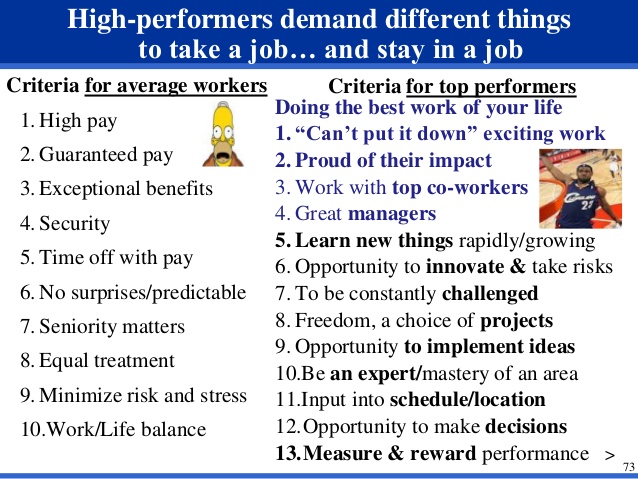
Work space is always a premium in companies. Whether you work in a cubicle or a full-fledged office with a door, a space of some sort that belongs to you (shared or not) is vital. Yesterday, I had the opportunity to pour over a department’s new office space design. It was a fascinating experience.
Some of the team members work remotely, and I noticed there wasn’t a space designated for those who are not regularly in the office. Showing this to the person on point for working out the space assignments yielded an “Aha!” moment. She was kind to listen to a relative outsider, initially explaining how that probably happened because they are rarely in the office. Could it be that they are rarely there because there is no space for them? Something to think about if you want to rub shoulders and share ideas with team members that could prove very valuable…if space is made for them.
Along with space comes the idea of a place on the team. Do you know your place on your work team? What you bring to the table? What unique role you play in the mission of your organization? C-suite leaders and department heads, of course, define some of that through a title, vision, and job description. They made a place for you on the team organizationally. Your role is to carve that place out…to add value to the work of the team through your own applied competencies, but also to add value to the team members by your care for them – by being “the rising tide that lifts all boats” – Adam Grant.
How exhilarating it is when our bosses communicate to us and the larger team how relevant we are to them and the work! However, that can’t be our motivation. We must set in our own minds, that if we’re employed, we have that grand opportunity to make a difference. Whether obvious to leadership or not, we can apply our best selves to the vision, to the outcome, and to the people we work with and for. Business leader John Maxwell spoke recently at the Global Leadership Summit on this very topic.
Maxwell’s book Intentional Living: Choosing a Life that Matters focuses on this idea of “adding value” to others. At first, I thought that an odd idea because people have value. Period. Then, the more I listened to him and the more I read about healthy teams, there is wisdom in this. We can get absorbed in the task and the goals, and miss the people within the tasks. It is part of the whole “space and place” component of team. Give a listen to Maxwell in this brief but packed 3:40 minute video on “adding value to people”.
In the course of busy work and personal lives, we are not even thinking sometimes of the need for “space and place”. On this Saturday, during gardening, and errands, and family outings, spend a quiet minute maybe on the people you call team and what space and place you’ve made for them to thrive and grow. It will always come back, like Adam Grant says, to benefit you as well.
Mondays are meant for postings on how to make our workplace a great place…and our work life full of purpose and excellence. This post comes to you through my association with a young guitarist and entrepreneur. He is Nathan Mills at Beyond the Guitar…Photo Credit: Beyond the Guitar
…and he’s our son. All last week, he was posting, on Facebook, these videos from Graham Cochrane. I recognized the name because Nathan looks to him as one of his mentors, albeit mostly online. Cochrane is a musician, audio engineer, entrepreneur, and blogger.
Graham Cochrane‘s 6-part video course on Facebook Live turns out to be a great study on business practices. He gives winsome, practical, and timely counsel on starting and sustaining a business. However, we can all profit from his content whatever our work situation is. His principles in brief follow and are derived from King Solomon’s Proverbs.
Strive to be generous – “One gives freely but grows all the richer.” – Proverbs 11:24-25
Grow slowly – “Whoever gathers little by little will increase.” – Proverbs 13:11
Do great work – “A man skillful in his work will stand before kings.” – Proverbs 22:29
Don’t devour your profit – “A foolish man devours all he has.” – Proverbs 21:20
Avoid debt – “The borrower is slave of the lender.” – Proverbs 22:7
Business is messy – “Where there is no oxen the manger is clean, but abundant crops come by the work of the ox.” – Proverbs 14:4
I hope you take the time to watch/listen to these videos. Fascinating content, whatever your work is. I am always inspired by the entrepreneurial spirit – especially when that passion and willingness to work hard at something you love has a ripple effect for good.
[Adapted from previous blog – August 3, 2014 – a bit of a long read – but the words keep coming sometimes.]
And let the peace of Christ rule in your hearts, to which indeed you were called in one body. And be thankful. Let the word of Christ dwell in you richly, teaching and admonishing one another in all wisdom, singing psalms and hymns and spiritual songs, with thankfulness in your hearts to God. And whatever you do, in word or deed, do everything in the name of the Lord Jesus, giving thanks to God the Father through him. Wives, submit to your husbands, as is fitting in the Lord. Husbands, love your wives, and do not be harsh with them. – Colossians 3:15-20
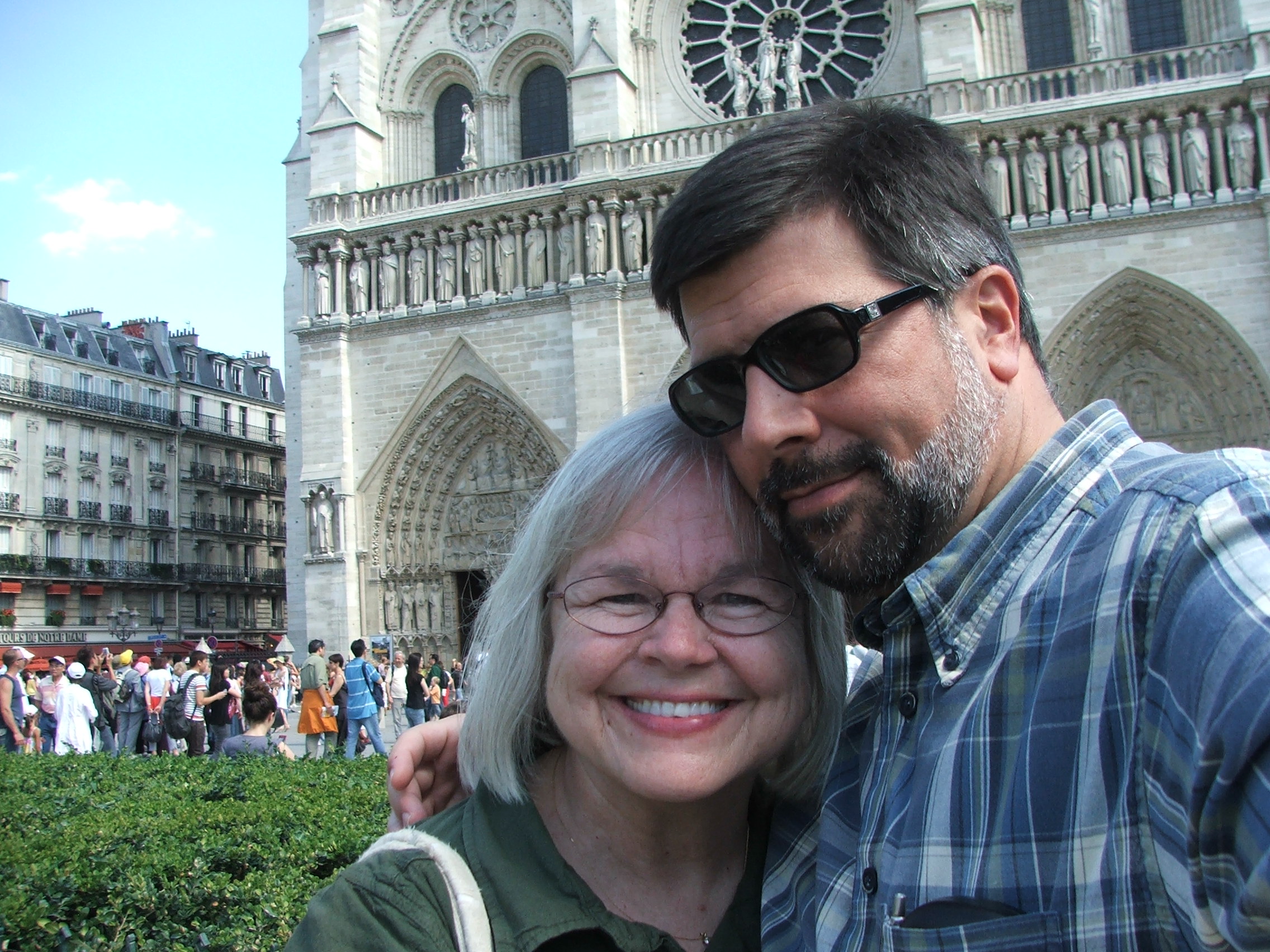
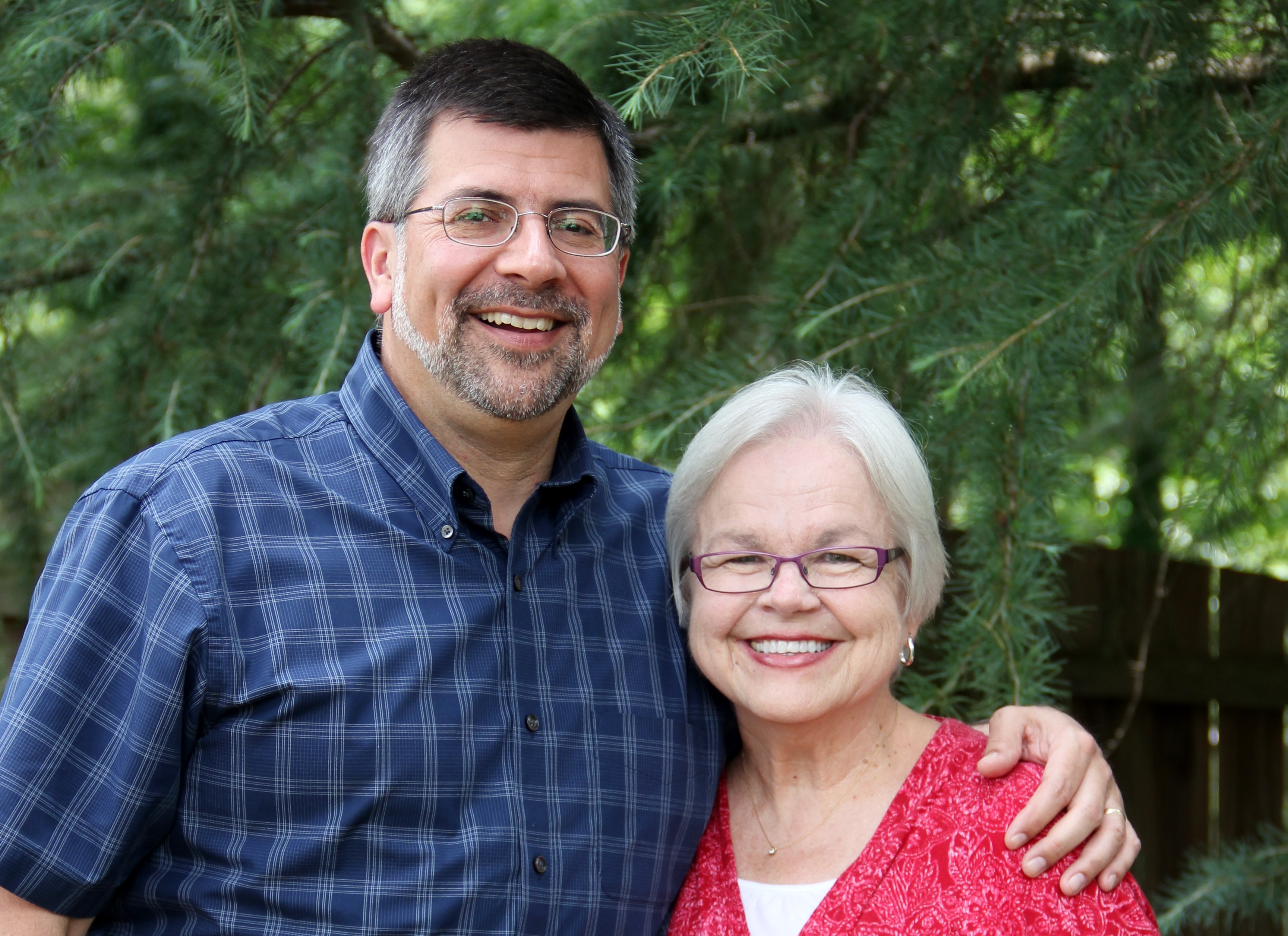
How can we be as young as we are and be married 32 years? Maybe we don’t seem so young to others…but these years seem to have zoomed by. The flight of years shows in our bodies and minds, but for us, it is most apparent in the launch of adult children into their own lives and marriages. Then…it comes back to just the two of us.
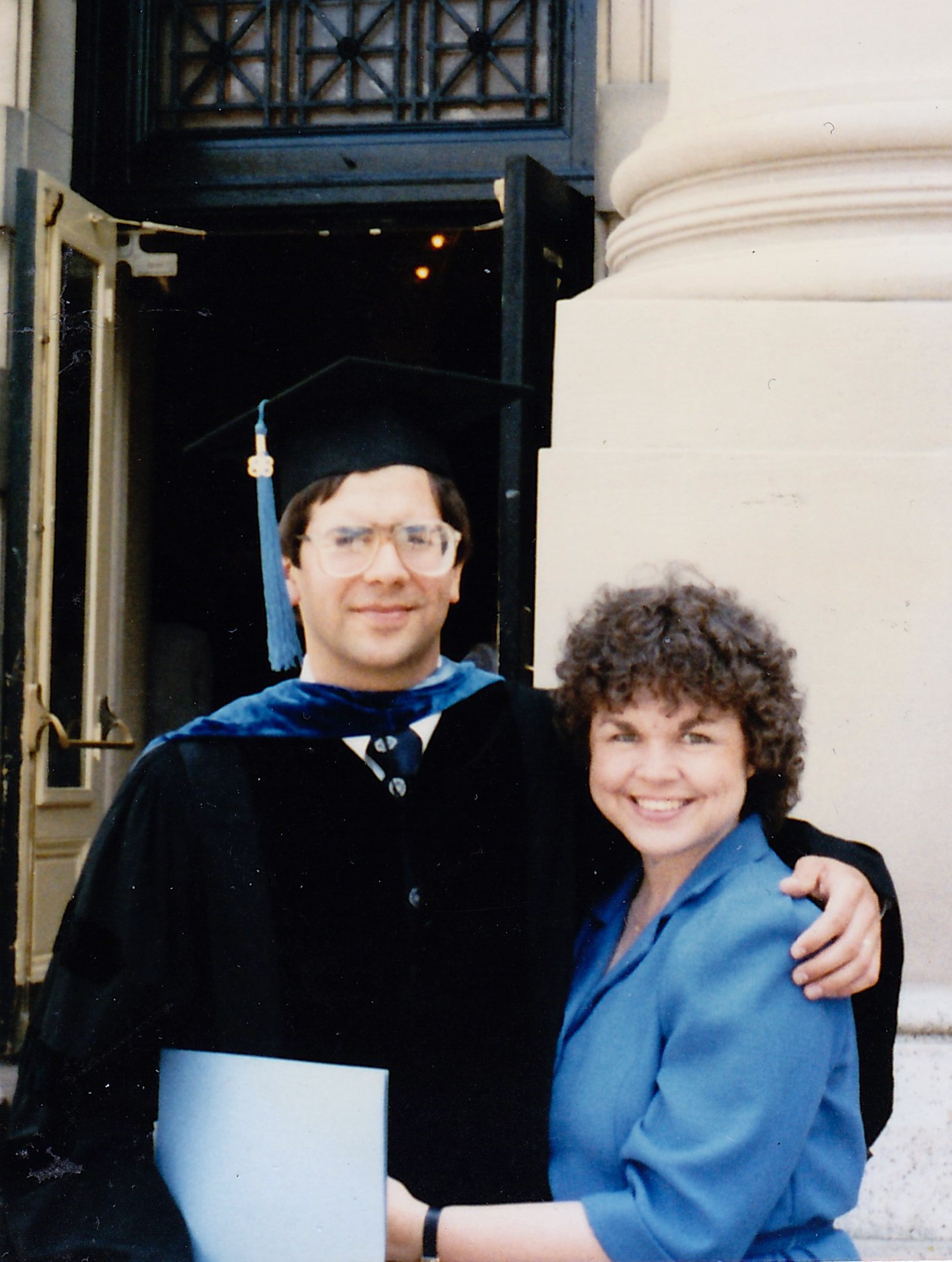
First encounter – at church on a Sunday in January. My first Sunday in New Haven, Ct. I thought he was from the Middle East – standing with a group of other students – tall, dark, and (yep) handsome. Later I would find he had a native American, not Middle Eastern, background.
Two friends – walking through the snow to a Yale-Cornell basketball game – that would become our first date. I was in my early 30s by then and pretty much had put marriage out of my mind. Life was good enough. I was teaching in the nursing program at Yale University, and Dave was a graduate student in the chemistry department. We were friends…and then friendship grew into love.
A Marriage Born Out of Prayer – This young man who grew up on the Eastern Shore of Maryland had a praying mother. He grew up hunting and fishing and excelling academically, and she prayed for just the right wife for him. I don’t understand how all this works, but I’m thankful for Julia and for this son she raised so well.
Birth of our first-born – This man so unsure and almost dreading being a father. Liking life the way it was…and then she was born. She turned this bass-fishing, prison visiting, analytical chemist into a complete softie.
That day in March, when Christie was born, he became a Dad and continues to pray and support his kids…not intrusively, but always there for them. Always there.
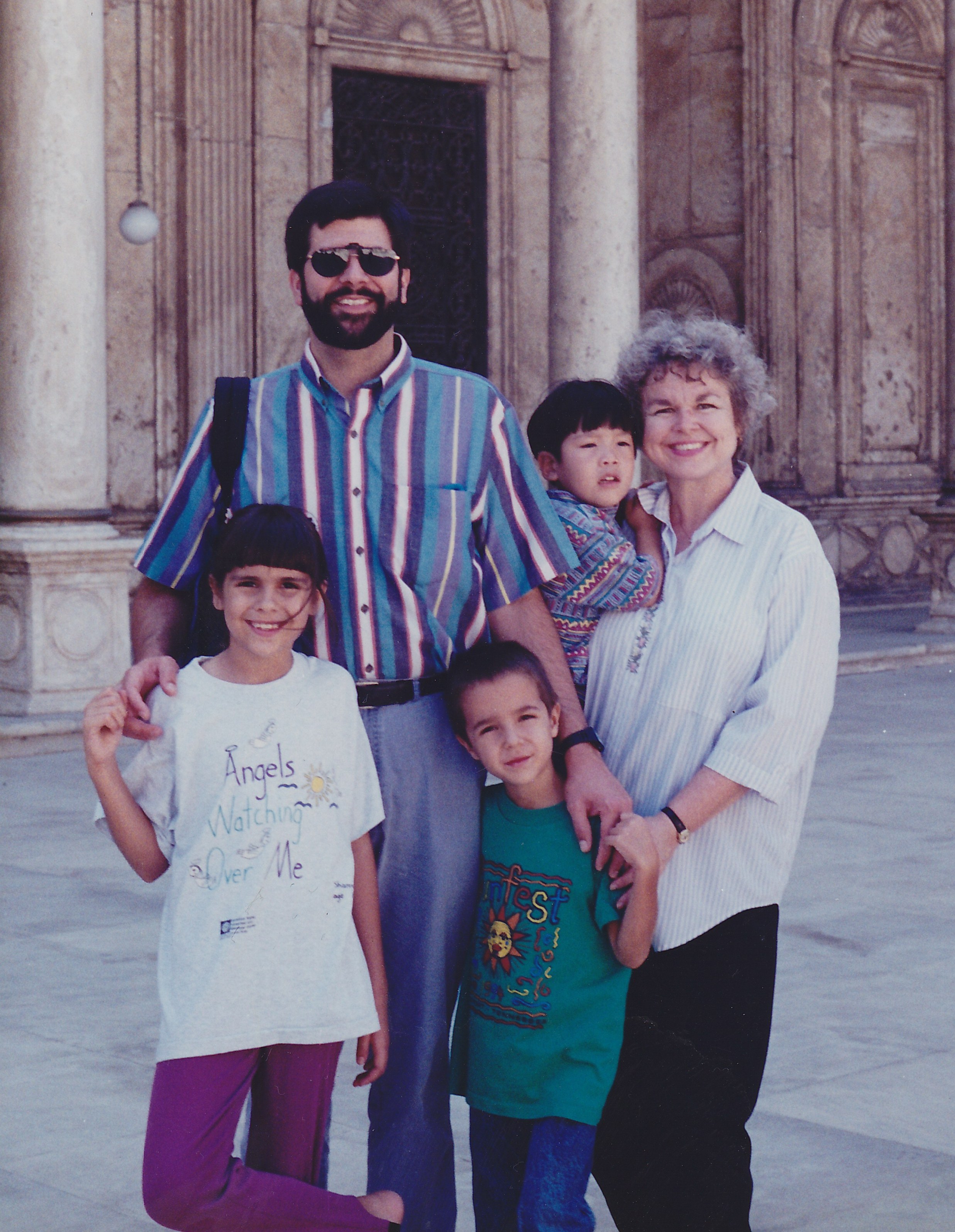
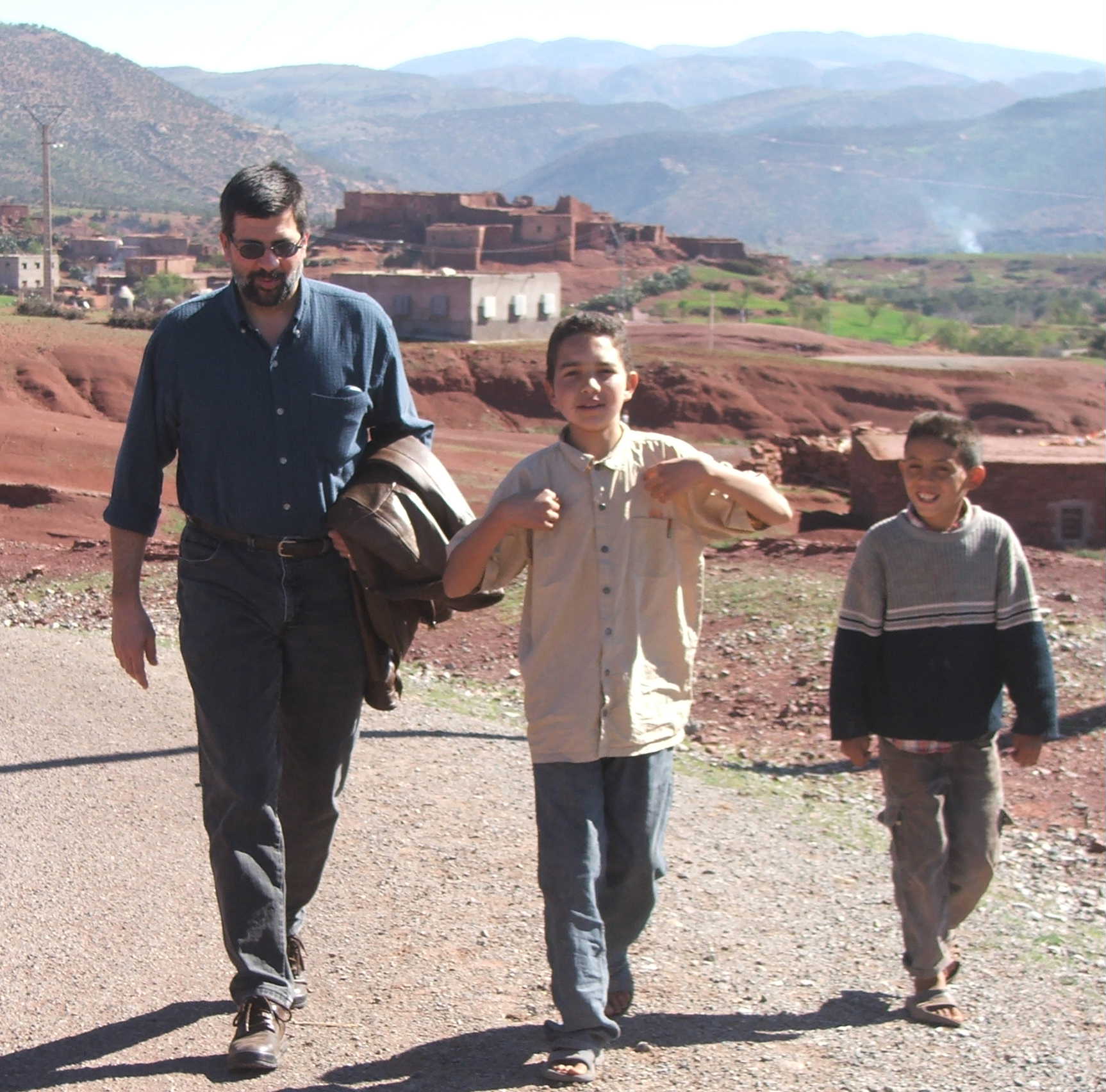
Life Overseas – For over 15 years, we lived in North Africa. Egypt, Tunisia, Morocco. It was an incredible experience. Living, working, raising our kids, and being in community in those places and with their peoples. I will always be grateful for Dave’s leadership. From leading our little family to a time when he was leading a division (100 people or so) in his work. He takes seriously the responsibilities in his charge…
Dave’s a quiet man. Some in our lives have suggested his quietness made him seem scary, or unengaged, or disinterested. Not at all. This man in my life, this friend forever, is always thinking… I count on his thinking things through…even when he’s struggling personally or wrestling with a difficult situation. Completely approachable. He also reaches out, sometimes in very uncomfortable ways for him…as in a different language/culture and when the stakes are too high to wait for another to intervene.
From our days of dating right through to today, his heart’s desire is to do the right thing, to honor God with his life… Our years living outside the US were both wonderful and hard times of God sharpening that resolve.
Hardest Experience Living Overseas [essential sidebar] – The search, through Egypt’s Sinai, for a precious girl, lost from us in a moment when a bus crashed. Dave’s courage and determination to do what he could to make right a terrible wrong will always be with me, as a reminder of his character and care of someone we both loved very much.
So many shared memories of good friends, beautiful spaces, happy times and sad.
These Two Years’ Experience in the US – This is really more a timeline than a singular event. Since our 30th anniversary, these two years have been a journey of rediscovering the immeasurable grace of God through both a difficult and joyous season of our lives. The joy relates to the addition to our family of two tiny persons – a granddaughter and a grandson. To watch my husband around them exactly portrays how grandchildren make us young again. The hard times relate to work – for me, “not working anymore” (early retirement? Not ready). For Dave, huge changes in his job which he also wasn’t quite ready for…but, hey, thankfully still employed . These changes come with this season of life for some of us…and they are part of God’s work in our lives, I believe.
Another hard thing for us on the eve of this anniversary was a surgery and cancer diagnosis. Now almost fully recovered, I have had another glimpse of this man’s kindness. Never before, even with years practicing cancer nursing, has it ever dawned on me what it must be like for the husband. For him to sit alone with the news of cancer that he must share with his wife on her waking after surgery. That courage and that care. God continues to use hard things to carve the heart of this man into an even more malleable thing.
Whatever these 32 years have produced with us together, the best of it has been 3 great young people (and the 2 cherished engrafted children who’ve joined our family). Alongside of them is the unalterable way the Lord has knit us together, my husband and me, with each other and with Him.
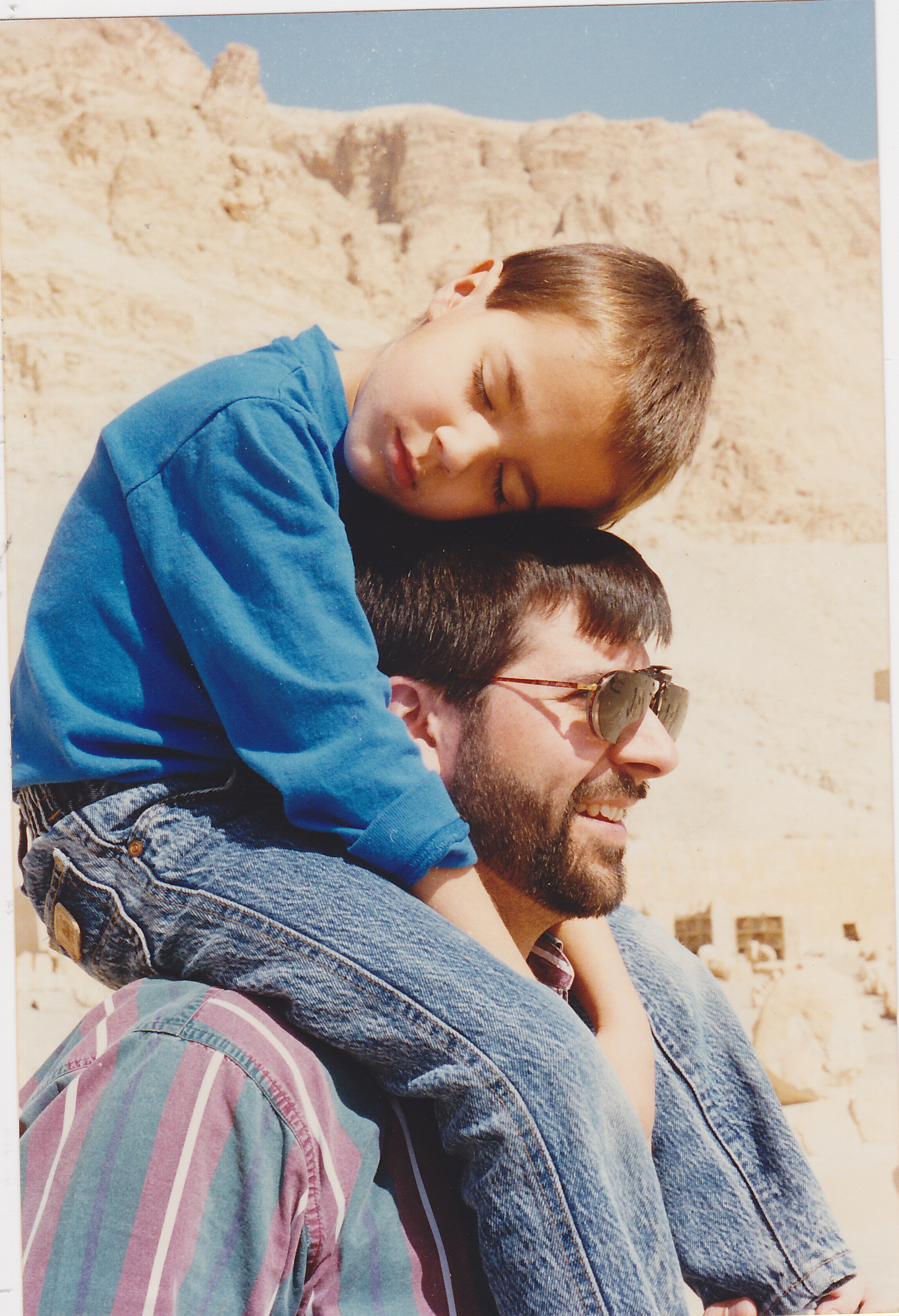
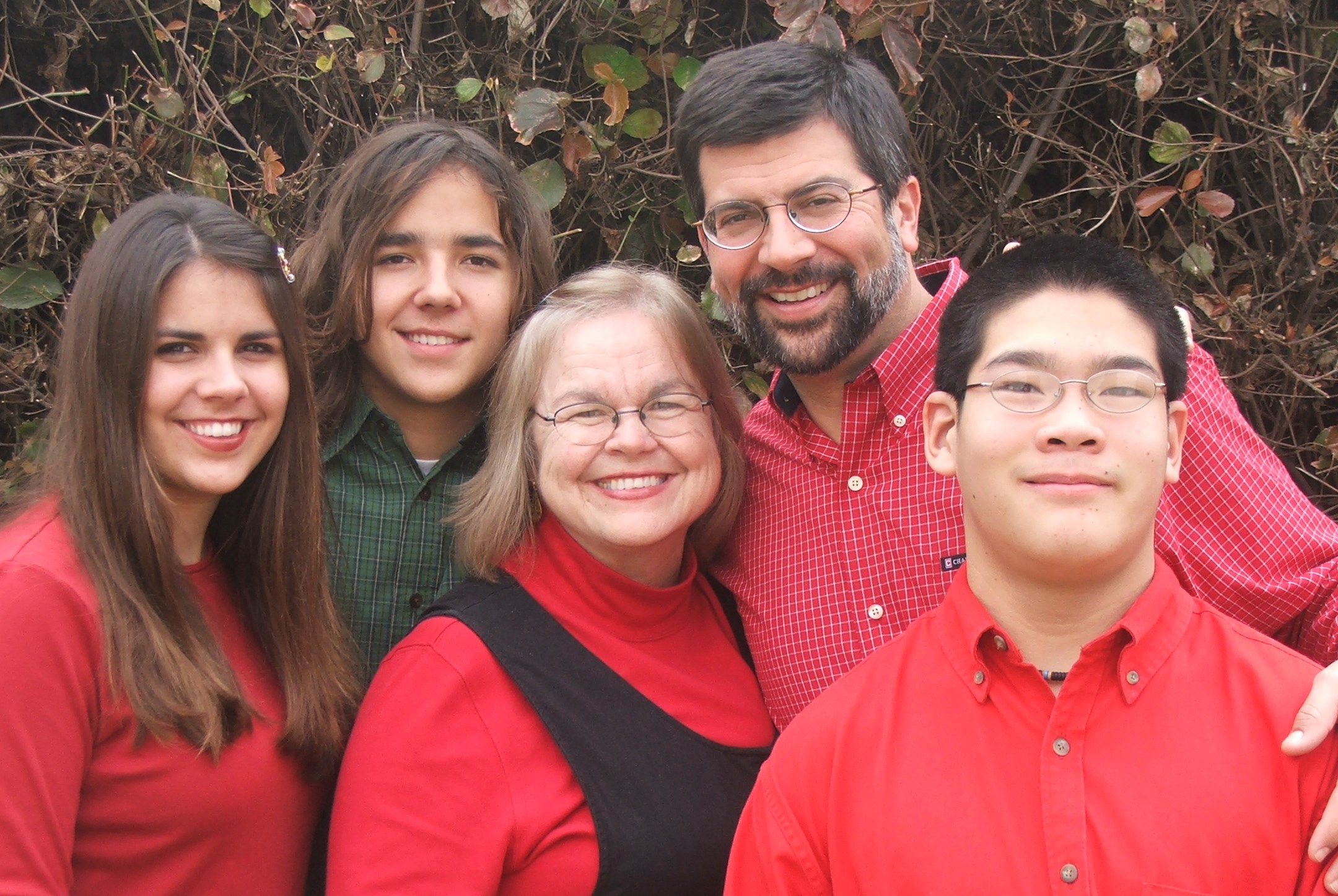
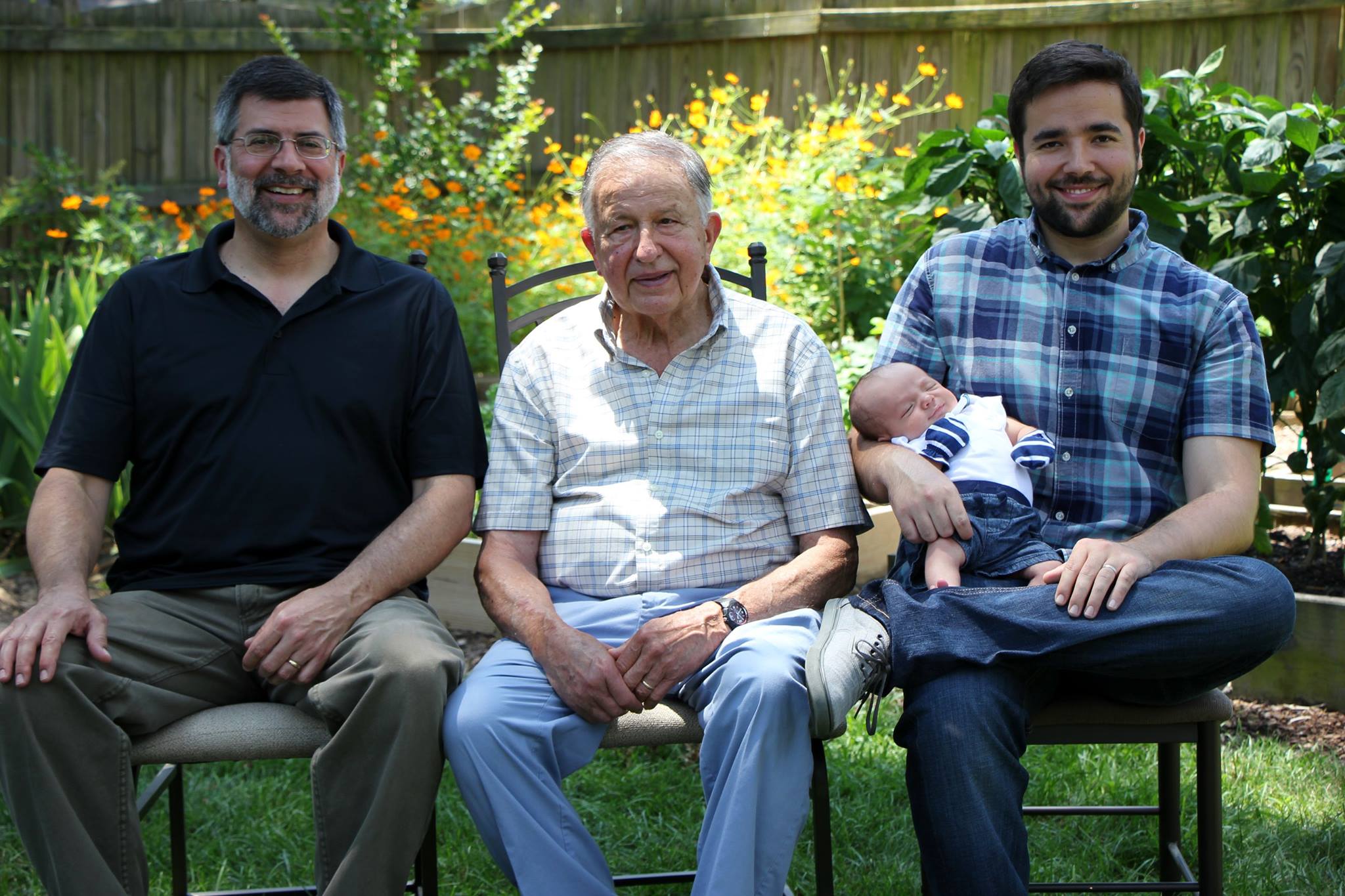
I will always be grateful to God for bringing Dave into my life – for our marriage and the family Dave brought with him, and for the family we have together, now including two darling grandchildren. So much joy.[Four Generations – Dave, his mom and MamaLu, and Christie][Four Generations – Dave, his dad, Nathan, and Titus]
I have no idea what is ahead, except for what is promised through God’s Word. Whatever is ahead, I am so grateful for what I’ve learned through this man who married me 32 years ago. He has given me a face of one who does not give up, of one who fights for what is right, of one who is tender toward the weak, of one who loves no matter what. I have been both the recipient of this and the one at his side as he extends himself to others.
Now, we are two again…as in the beginning of our relationship. Yet we are at a very different place. God has shown Himself to be ever-present in all these years of our lives. He’s given me exactly what I needed in this husband of mine – a man as true as steel in his walk with God and with his family. We count on him; he counts on God. And whatever happens out there in front of us…I have peace, on this our 32nd. anniversary that God will be there for each of us, to show us how to live…as He has in all these years thus far.
This is the message which we have heard from him and declare to you, that God is light and in Him is no darkness at all. . . if we walk in the light as He is in the light, we have fellowship with one another, and the blood of Jesus Christ His Son cleanses us from all sin. . . . If we confess our sins, he is faithful and just to forgive us our sins and to cleanse us from all unrighteousness. – 1 John 1:5-9
Therefore, confess your sins to one another and pray for one another, that you may be healed. The prayer of a righteous person has great power as it is working.– James 5:16
I’ve always tried to be pretty much a “what you see if what you get” sort of person…and my husband is the same. We tried to raise our children the same. No pretenses. No false fronts. Fully human with both its strengths and weaknesses. This can backfire on occasion when an opinion or action rankles a developed sensibility on the part of another family member or friend.
Fortunately, if that loved one also determines to live with transparency and understanding, there can be great grace. My sister-in-law and I have been friends for all the years we’ve known each other. Marrying brothers, we became sisters ourselves. She gave me the Willow Tree statue below. It reminds me of us.We talk about everything…all the good stuff and all the hard stuff. For years we’ve laid our lives bare in front of each other, knowing, completely confident, that we’re both safe. I pray that never changes. No matter what is going on in our marriage, or our parenting, our friendships, or our faith, we have determined to love each other always.
This friendship is like others I have been fortunate to have. Clearly, God meant for His children to have these sorts of relationships. Open, accepting, deeply caring, and loving no matter what. These kinds of relationships foster confessional living.
What does it mean to live a confessional life? It means that we live in a way that trusted others are always being invited to know our deepest weaknesses and failures. Dallas Willard puts it this way: in the discipline of confession “we lay down the burden of hiding and pretending, which normally takes up such a dreadful amount of human energy” (Spirit of the Disciplines, 188).
Anything we keep hidden is a breeding ground for Satan-manipulating, flesh-arousing dysfunction: self-pity, self-aggrandizement, self-protectiveness, self-indulging, self-destructiveness, the very stuff that fights against all our best [artistic] efforts.
What we need, then, is a mechanism to get us un-hidden. We need to get ourselves out of darkness as quickly as possible and back into the light. That is a Christian definition of sanity. That is also often the most difficult thing for us to do. Yet it is in the light that God does his best work of freeing us from the sin that entangles and distorts. – W. David. O. Taylor
“Therefore, having put away falsehood, let each one of you speak the truth with his neighbor, for we are members one of another.” – Ephesians 4:25
What is there to gain by showing a false front to those around us? There is so much more to be lost in not being real with ourselves and each other.
“Writing songs for the first time as a mom for this album showed me where I was at that time. There were no pretenses, and I wasn’t trying to be anyone that I’m not. Once you are a parent, you get a taste for what really matters. You’re not as worried about what people think of you.
I was also going through transitions of personal and business relationships, and I saw how a lack of transparency and honesty can really harm relationships and holds back all that God can do in a partnership or friendship. I was desperately crying out for that and wanting to challenge myself and others to live a life with more transparency, to quit putting up facades and walls with each other.”
She further talked about how Satan uses our secrets to isolate us from each other…to divide us…and to keep us from being the bold witness that we can be when we lay our lives open before God and each other. Life is too short and too precious to withhold who we really are…no matter how broken, or wounded, or small…we all share in this…this need for a Savior; this need to be known and loved as we are.
God completely understands that about us…and loves us…as will others who love Him first.
Truth is harder than a lie
The dark seems safer than the light
And everyone has a heart that loves to hide
I’m a mess and so are you
We’ve built walls nobody can get through
Yeah, it may be hard, but the best thing we could ever do, ever do
(CHORUS) Bring your brokenness, and I’ll bring mine ‘Cause love can heal what hurt divides And mercy’s waiting on the other side If we’re honest If we’re honest
Don’t pretend to be something that you’re not
Living life afraid of getting caught
There is freedom found when we lay our secrets down at the cross, at the cross
(CHORUS)
It would change our lives
It would set us free
It’s what we need to be
Postscript: Can I just comment on the kindness and sweetness of God in His relationship with His children? I wanted to write about this song this week and struggled with how to talk about it. Then with Francesca Battistelli’s help (through the interview/video on “behind the song”), it dawned on me that this was about confessional living. This was a delight for me because this sort of life is one I’ve lived without knowing what to call it. I searched on-line for confessional living and found the blog by W. David. O. Taylor. In researching where his confessional life has taken him, I discovered he is the one Nathan Clarke worked with to film the Bono and Eugene Peterson conversation. I wrote about that here. How fun is that?!
Leaders of Tomorrow. What age group came to mind? Probably not your own. Maybe that’s one of our dilemmas in life and work. We either think we have already arrived as tomorrow’s leader today (ugh!). Or we stop thinking of how we can develop into that change agent of tomorrow because we’ve fixed our course…or settled into what we know already. It’s served us well so far, right?
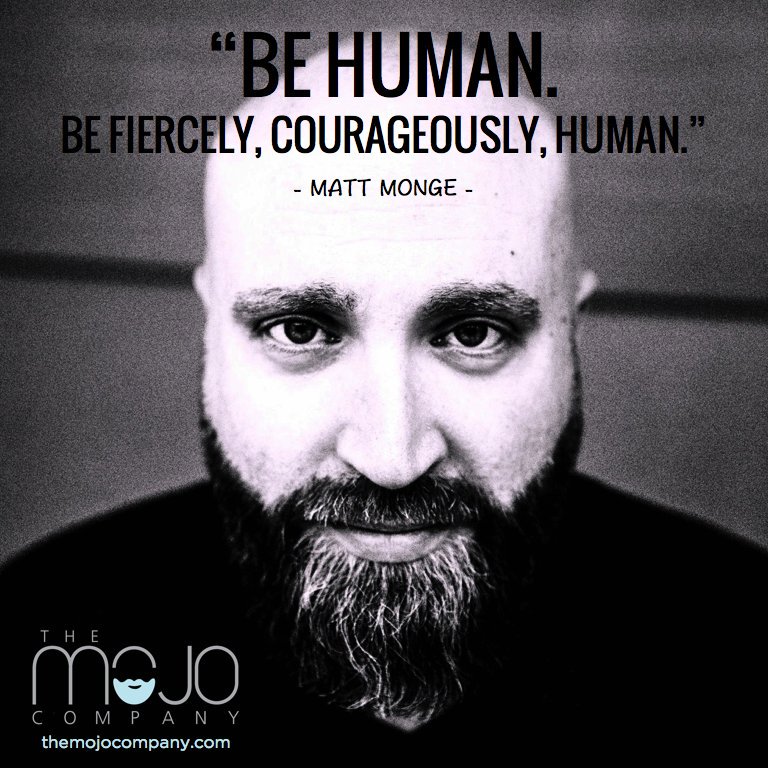
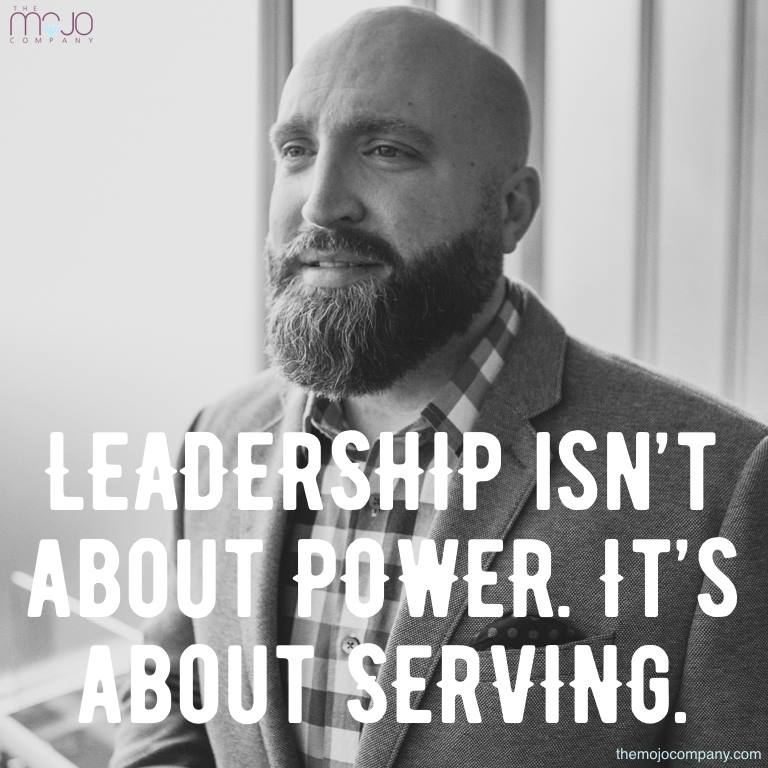
Here’s my Monday morning gift to you: an introduction to the person, writing, and wisdom of Matt Monge. Earlier in his career, he worked in finance (credit unions, in particular), and had fascinating titles like Chief Culture Officer and Vice-President of People and Development. Currently he is is president of The Mojo Company, a leadership development consulting firm. His Facebook page bio reads: “My mission? Make the world a better place by helping people, leaders, & workplaces be more human. Depression fighter. Keynote speaker. Head of The Mojo Co.”
I read everything Matt Monge writes. Even his promotional video taught me more about leadership (you’ll want to take notes).
Monge posted a blog a few weeks back and I’ve been thinking through it since… It’s his 7 Skills Tomorrow’s Top Leaders Are Developing Today. I decided to post his bullet points here and how they stirred my thoughts on skill development today. [Don’t miss reading his thinking on this and other leadership topics in links.]
Being Others-Oriented – While other employee development folks have moved away from “servant leadership” language, Matt Monge continues wisely to be a strong supporter of it. I, too, am delighted by leaders who continue to seek out the greatest good for both employees and customers. The bottom line is best served here. As the years go by, or as tribes are built, our temptation is to coast in this area…making the negative assumption that someone else is serving while we’re the idea leaders. As leaders go, so go the organizations.
Persuasion, Logic, & Negotiation – First, Monge sees top leaders as practicing persuasion and negotiation differently “not with power, position, coercion, or even deception; but rather through logic, reason, and with an eye toward the good of the whole.” It’s funny how unaware leaders can be in thinking that manipulation and coercion go unnoticed by employees under their authority. It’s always better to do the work of taking the high road of negotiating and persuading. When we engage in the give-and-take of healthy debate and problem-solving, it’s a win-win for everyone. It does require time, trust, homework, and humility.
Reframing – This is a discipline of looking at a problem or situation from different perspectives. Monge talks about doing this in such a way that we wrestle with our own biases and blind spots. Reframing can make for a decision or problem solved that have wider success or effectiveness.
Knowing How to Think about and Make Decisions – Monge makes the distinction of being decisive vs. being a good decision-maker. I love this because often we experience leaders who get the job because they are decisive. Period. Full-stop. What does it take though to be a good decision-maker? To become an effective leader is to examine how we make decisions – what are my decision-making processes, who are my guides, what are those factors that always weigh in on my decisions? [Monge names those factors as presuppositions and core values. We need to think about what those are.]
The Ability to Work and Build Community with Others – This is such a core value of mine and yet after years in my career, it bears refreshing. I’m reminded, as Monge writes about this, of the Old Boys’ Network. Today, maybe it’s less-gender-defined and called other things, like C-Suite executives, or even tribe. Still, if it’s a few making decisions for the many, it’s not community. Monge’s constant message is that the strength and health of an organization is in the community. Leaders must do the work of leaning in to their colleagues (outside the executive suite) to draw on the wealth of knowledge there and to affirm the value and varied roles of those coworkers.Photo Credit: Twitter
6. Leadership – The leaders of tomorrow are continuing to develop themselves toward that future. We can be always learning, always growing – not necessarily just like other leaders in our lives, but learning what we need to learn to remain relevant/useful. Resting on the laurels of past successes or doing “what we’ve always done” will eventually pull us to the sidelines. I’m in the painful, personal throes of dealing with this right now myself. Shaking it off and moving forward!
Understanding Humanness & Emotional Intelligence – Monge defines emotional intelligence as having “four basic components: self-awareness, self-management, social awareness, and relationship management”. Foundational to emotional intelligence, in Monge’s thinking, is this whole element of humanness. As the workplaces of the future give way to more and more technology, we will be wise in tuning into the growing need for humanizing our organizations and our human employee experience. Being tech-savvy and not people-savvy misses what could be. Leaders of tomorrow, take note.
So that’s it for today. I love Mondays because it’s an opportunity to hit “the refresh” key of our work lives. We are not only motivated (like we might be on Fridays) but we’re fresh in our view of our work community…and hopeful.
Matt Monge, and others like him, gives me the encouragement I need to cast off from the safe, still shore and re-enter the fast and deep water of today’s work environment, determined to manuver well there…and maybe even coax other quality people back in from the shallows. Whatever our ages or sensibilities, we can work toward being tomorrow’s leaders of excellence.
It just happens over time…the ignoring of people around us. Think about this morning, coming into work. Retrace your steps, and think of the people you passed within speaking range…but you didn’t…speak, that is. In another season of life, I might have slowed down to walk with someone a ways behind me, or even run a bit to catch up with someone ahead. Just to use that time to connect a bit. We race into our work stations, heads down, as if the most common courtesy of greeting and inquiring into another person’s life just take too much time away from the “important”. We sit down in meetings before they start and get lost in our thoughts, or our laptops, or our phones. We just ignore those around us…
Time itself seems to become more important than people. We circle up with our team, or go one-on-one with our boss or a consultant… when including a colleague, intern, or member of another team could have added greater value to that conversation. Are we more in a work culture today of tight circles when larger collaborative ones might prove more profitable? Do we just ignore those working around us who, by our actions, seem of little consequence to our workday? It’s not intentional maybe…but it becomes habit and then part of our character…communicating that people don’t matter.
Throughout my professional life, I have tried to be tuned into those around me, whether they currently are in my work group or not. My nature is to notice and my desire is to acknowledge. In various work situations, it’s been from a place of influence rather than from a position of authority. Any task or responsibility entrusted to me had to be accomplished through winning the confidence and cooperation of those around me. No authority to just delegate or task others with work. , gifted colleagues have always been willing to work on projects with me. People recognize when they are truly valued, and they engage more solidly when they are genuinely respected/regarded. We can build capacity for noticing people.
Ignoring those in our workplace over time has consequences. Just like that adage “Hurt people hurt people”, I think “Ignored people ignore people”. It’s a contagious work culture practice which has been widely researched. Productivity, employee engagement, longevity, and work relationships within teams and across the organization can all be negatively affected by just the casual neglect or lack of regard for colleagues.
Sidebar: As I was reading and thinking about this issue, the chorus of a strange little song kept coming into my head. The Broadway musical, “Chicago“, has a woeful character who laments about his smallness in life, as if people look right through him. The song is “Mr. Cellophane”.
O.K….back to workplace culture. What would happen if we determined to be noticers and acknowledgers at work? This is not a soft practice…it’s brilliant really. Taking little time, we can, each one of us, actually humanize and elevate the workplace experience for everyone we encounter through the course of the day. This is not an exercise of rewarding a job well-done but of noting the person behind the job…as valuable. Period. Full-stop.
I’ve known some great champions in this through my professional life, and I aspire to be like them. Real servant leaders. We may not think of ourselves as leaders, but we can all lead out in serving, noticing, and acknowledging those around us. Skip Prichard writes about servant leadership and lists 9 qualities of these “noticers”.
9 Qualities of the Servant Leader
1: Values diverse opinions
2: Cultivates a culture of trust
3: Develops other leaders
4: Helps people with life issues
5: Encourages
6: Sells instead of tells
7: Thinks you, not me
8: Thinks long-term
9: Acts with humility
Consider this challenge as I make it for myself to genuinely and honestly take note of people, moving through our workday. This is not about being only polite, but being “in the moment” with those around us. It may start with a greeting, and then an inquiry, and before we know it, it’s possible true caring could follow. Translated into workplace language, that is employee engagement where ideas are exchanged toward better solutions for everyone.
I can’t close this topic without a shout-out to any one of you who’s having that experience of being ignored. You know, of course, that it doesn’t change anything of who you are…but it can harden your heart toward colleagues and dull your thinking in your job. I appreciate Jon Acuff’s piece on being ignored, a piece about Heisman Trophy winner and NFL quarterback Marcus Mariota:
“Throw the passes when no one is watching. Write the pages no one sees. Work through the business plans people don’t believe in yet. Hustle long before the spotlight finds you. You don’t need the whole world on your side to create something that changes the world.”
Postscript: I follow Vala Afshar on Twitter. He is the “Chief Digital Evangelist” for Salesforce and author of The Pursuit of Social Business Excellence. He posted the picture below, with the Tweet “This is how people ignored each other before smartphones”.Photo Credit: Twitter
It made me chuckle because we blame technology for so many of our relational woes when focus and attending to each other is an age-old issue. People matter. Our colleagues matter. Take notice.
The Power of Noticing: What the Best Leaders See – Max Bazerman – Bazerman focuses on taking in information in order to make better decisions rather than the simple act of noticing people (which can also empower decision-making and business process, communicating that people matter).
Monday morning emails can be treacherous… This morning when I woke, my husband told me he’d just heard from a valued colleague that he had secured another job. Dave was expecting this because of previous communications they’ve had with each other. Through an organizational re-structuring, there are many whose jobs are changing. This email was good news because this person will be a tremendous addition to any team – good news and sad news. We will miss this man on our team but we celebrate a great job match.
Then another email came in. It was from the person who will be his new supervisor. It was full of respect and regard – a courtesy email that is not necessarily company culture these days but an email that shows understanding and empathy. When change comes, even good change, there is still that adjustment, that grieving of the good that was. Those two emails speak volume about emotional intelligence or relational wisdom…and that’s something we always need in the workplace…and at home.
The holidays and summer vacations have a particular call for wisdom to soften difficult expectations, disarm family conflicts, and personalize interactions to fit the needs of those nearest to us.
One very simple way we can tune into seasonal celebrations is to deal with our own stuff. Keeping our minds on the goodness of the these occasions helps.
Related to both our work and home relationships, Ken Sande, founder of Relational Wisdom 360, has given us a great gift. He has written 33 Ways to Enjoy Highly Relational Holidays. A fast-read blog a day on relational wisdom, written for Advent but which also fits nicely into a block of summer days.
I attended Dr. Sande’s Peacemaker course years ago during a challenging work season, and what I learned then continues to be a tremendous help to me today. If your work or family situation is somewhat intimidating, don’t despair. There are those in our lives (Ken Sande is one) who will come alongside and help/mentor us, if we’re willing to take care of our own hearts and minds.Photo Credit: coldspringcenter.org
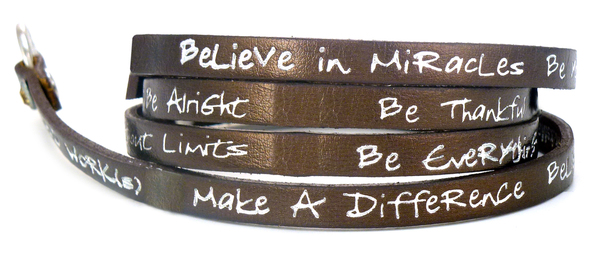
As summer hums along and return to school looms ahead, I hope you are savoring happily memorable times together with family. As far as work goes, just like with the emails above, we can do our part to make our workplace a kind and honoring experience – our part (not someone else’s) in making it the way it could be…the way it should be…Photo Credit: GoodWorksBracelet.com
What helps you thrive in stressful situations at work? What has made a difference in bringing peace and joy to your summer vacations and holiday celebrations? Please comment and share with those searching for that wisdom.
Habits. Daily routine. These are things we wrestle with. Fortunately the more we wrestle and stay on them, the more successful we are, and (hurrah!), the more our lives are positively affected. Ben Slater has posted a very doable routine in his piece 5 Simple Daily Habits That Lead to Ultimate Success. They are:
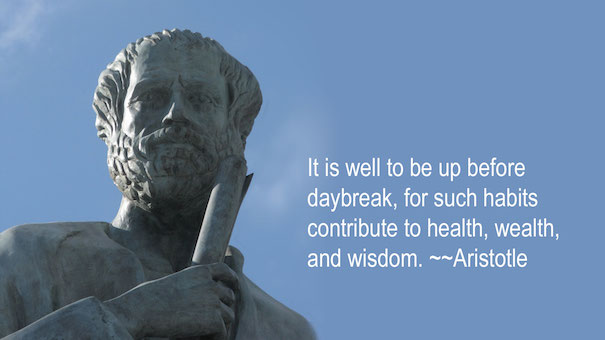
Wake up early. Slater is not talking waking up early enough to just get to work on time. He’s talking 5ish. To wake up that early requires going to bed early…not just napping on the couch (guilty), but habitually, getting to bed early to get up early. This is determined by how much sleep you need…whether you’re a morning person or night person, that amount of time is pretty much set. “Sleeping in” – that weekend luxury – can derive negative gains. Is it worth it? Just asking the question he raises.Photo Credit: The Female Network
Exercise regularly. OK, so nothing new, right? This is not about staying in shape, physique-wise. That could be a benefit of exercise, but the goal is to sweat! We know the great benefits to regular exercise, many of which are mental. Feeling happier is one. It’s making exercise a habit that’s key here – for all its physical, mental, emotional, and even vocational benefits.Photo Credit: Beamery
Focus, don’t multitask. I have actually prided myself for years on the ability to multitask. No more. It’s possible it wreaked havoc on my memory and probably on the quality of my work and relationships. Slater talks about the importance of a daily routine of planning, execution, review and starting a plan for the next day. “Work out the 3-5 things that you need to accomplish over the course of the day and focus on them first.” Focus is key. I’m learning.Photo Credit: Massolutions
Learn from mistakes. When our day doesn’t go quite how we hoped, we too often default to blaming (too many meetings, interruptions, demanding bosses, time-wasters and trust-busters). We make mistakes in our decision-making and assessments; what’s important is that we deal with them humbly and proactively. Refuse to blame others. Learn from the mistake and move on. Sidebar: If it’s someone else’s mistake or poor judgment or questionable character, then learn from their mistakes as well. Don’t get muddled up, fuming about another, when your own life is at stake. You have it in you to control that.Photo Credit: UltrapreneurSayings
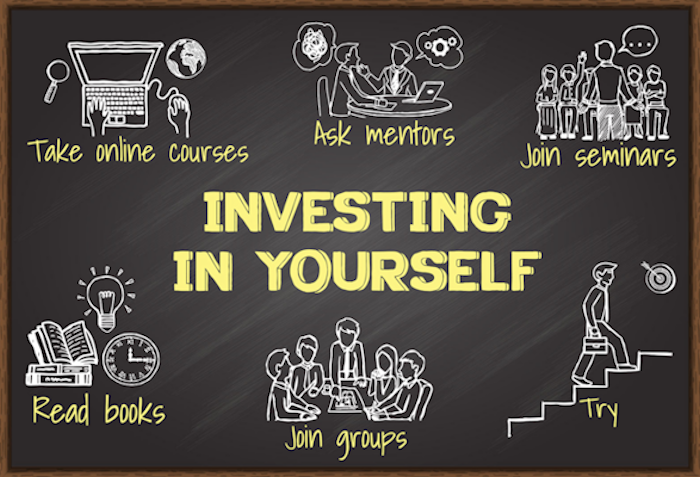
Make personal investments. What habits have you put in place to continue to grow and develop? Habits, not just hopes or goals set somewhere in the distant future. Slater observes: “The world’s most successful people are always prepared to invest time and resources in their own personal development. If you stripped someone like Bill Gates of his assets and dumped him on the street I’d be willing to bet he’d be ok – he’s constantly invested in himself and built up huge reserves of human capital, major companies would be falling over themselves to offer him a job.” This is where weekly goals come in, and maybe a mentor…someone you trust who will help you stay accountable to your goals. Don’t miss this valuable habit…I definitely need more discipline in this area.Photo Credit: SalesTrainingSolutions
I’ve written a lot in Monday Morning Moments about habit formation (see links below). There are so many great resources online about this important professional life skill. Slater’s article on these 5 simple daily habits reminded me again of how possible it is to know success/effectiveness if we do the work of putting these habits into our daily routine. I’m on it…once again. [Like with New Year’s Resolutions, we may not be successful over the long-haul with every one, but we move closer to goal every time we push in that direction.]
What are habits you have seen make a difference in your personal and professional day-to-day life? What habits would you like to make part of your daily routine? Please share in Comments.
Can our work ethic sustain us when our passion wanes?
Eric Chester has been studying and writing about today’s emerging workforce since the 1980’s, when Generation Y was in its infancy. Millennials have been examined and critiqued so much, but Chester has done his homework in how to help them be successful in the workplace. He also challenges employers to equip these young adults with what they may not have upon entering the workforce – that being a strong work ethic.
In his article in The MHEDA Journal, Chester defines work ethic as simply “knowing what to do and doing it“. Through his research, Chester created a list of seven indisputable, non-negotiable core values that he strongly believes every employer should demand: positivity (positive attitude), reliability, professionalism, initiative, honesty, respect, and gratitude (cheerful service).
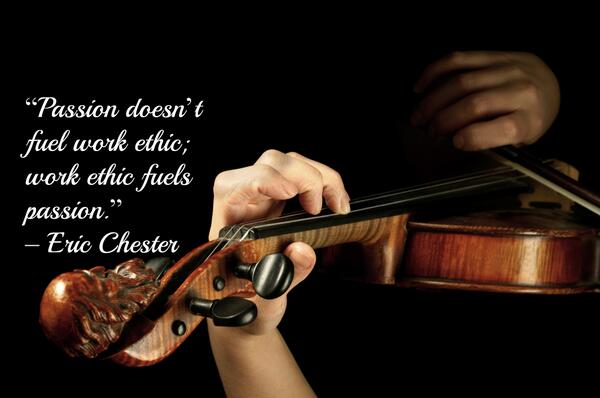
This is not just so for millennials but for all of us in the workforce. What do we need to be successful or effective across a career? Is it passion or work ethic? Passion (strong or powerful emotion, deep desire, intense conviction) is a big buzzword right now in hiring, but what we really need is work ethic. As Chester states, in his book Reviving Work Ethic, “passion doesn’t fuel work ethic; work ethic fuels passion.”
A strong work ethic will carry us through seasons in our career when we’re “just not feeling it”. I appreciate the distinction Chester makes about how our work ethic actually fuels our passion and not the other way around. We may not all have passion in measures that enhance our success, but we can apply ourselves with diligence and intentionality such that we can push through to the finish, whatever it is. When passion wanes, this is a great encouragement to me.
“’Follow Your Passion’ is easily the worst advice you could ever give or get.
1. When you work hard at something you become good at it.
2. When you become good at doing something, you will enjoy it more.
3. When you enjoy doing something, there is a very good chance you will become passionate or more passionate about it.
4. When you are good at something, passionate and work even harder to excel and be the best at it, good things happen.
Don’t follow your passion, follow your effort. It will lead you to your passions and to success, however you define it.”
Chester uses the analogy of building a fire in a fireplace. You have to set the logs in place before you start the fire. Passion will heat up a conversation or spark a vision, but it won’t get the job done, whatever it is. This is where our work ethic when applied will get us to goal, to mastery, to the finish. That in turn gives rise to passion as we see what is possible when we put forth the best effort that is each of ours to bring.
Whether you are newly employed in the workforce or a seasoned veteran, it’s wise to consider the bottom line of what we ought to bring to our jobs. This will vary across organizations and companies, especially as our workforce itself changes in the years to come. Chester’s summation is noteworthy for all of us:
“Employers are searching for positive, enthusiastic people who show up for work on time, who are dressed and prepared properly, who go out of their way to add value and do more than what’s required of them, who are honest, who will play by the rules, and who will give cheerful, friendly service regardless of the situation.”
How’s your work ethic?…
Whatever our passion might be today, our work ethic can be rock solid…something we count on in each other at work in the every day.
“Pick a lane”. That phrase comes to mind literally when dealing with another driver on the highway who weaves back and forth, for whatever reasons. We get agitated at him, don’t trust her movements, and want to get as clear from them as possible.
In our careers, picking a lane is hugely important. There probably won’t be the same negative emotions (as above) about someone who is all over the place, but we are wise to set a straight course. Sometimes, especially across a lifetime, we have to re-set our course. The key is to do the work of that reset – pick a lane again. Being a generalist, a “jack-of-all-trades”, can make us quite useful to our employers, but there is no distinction in that. I’m not talking about significance here. I’m talking about what makes us the “go-to person”, that person whose passion, determination, and honed skill gives her voice in an organization…where she can make a difference. It’s something to consider…
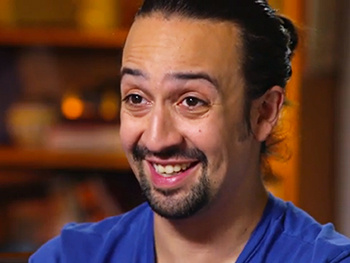
Here’s a quick story of an incredibly successful young man who “picked a lane”. I did not know the person Lin-Manuel Miranda until a funny video crossed my Facebook newsfeed just a few days ago. The video was Broadway Carpool Karaoke and Miranda was one of the performers in it. The video was produced to usher in the 2016 Tony Awards ceremony. Photo Credit: Broadway
Miranda is a playwright, composer, and actor. He already won a Tony for the musical In The Heights, and now has won several Tony awards for his current Broadway show Hamilton. Photo Credit: Joan Marcus, The Tennessean
Hamilton was birthed while Miranda, then in his 20’s, was on vacation in Mexico and picked up Ron Chernow’s Alexander Hamilton. He was enthralled by the story of Hamilton’s life and was amazed the story wasn’t already written as a musical. [Hopefully you non-theater folks are still with me. This is such an incredible story.]
Lin-Manuel Miranda wrote/composed the musical Hamilton, and from what I’ve seen of it, it is mesmerizing. So what goes into such a young man’s pursuit of such all-encompassing excellence in his craft?
Charlie Rose of CBS’ 60 Minutes interviewed Miranda about his life and Hamilton’s. [The full transcript is here.] Lin-Manuel Miranda – this playwright, composer, lyricist, and actor – talked about how he got to where he is today.
At five, Miranda tested into Hunter College Elementary, a school for highly gifted children, where he told us sometimes, he felt like he did not belong.
Lin-Manuel Miranda: You know, I went to a school where everyone was smarter than me. And I’m not blowin’ smoke, I was surrounded by genius, genius kids. What’s interesting about growing up in a culture like that is you go, “All right, I gotta figure out what my thing is. Because I’m not smarter than these kids. I’m not funnier than half of them, so I better figure out what it is I wanna do and work really hard at that because intellectually I’m treading water to, to be here.”
Charlie Rose: So why do you think I’m sitting here talking to you and not sitting here talking to one of your classmates?
Lin-Manuel Miranda: ‘Cause I picked a lane and I started running ahead of everybody else. So I, that’s the honest answer. It was like, I was like, “All right THIS.”
Miranda laid out very simply what framed his life of distinction: “I picked a lane.” We all do that across our careers, to some degree or another. Early in my professional life, I chose to carve out a niche in the care and counsel of cancer patients and their families. That was the focus and direction of my life for almost 20 years. Then, married with children, I would pick a very different lane – focusing on that little circle and those we shared life with in our community.
When we lived overseas for another almost 20 years, my lane was a merging of family, cross-cultural living, teaching English, and serving women (local and expat.) and their families. I loved those days of constant traffic in and out of our home. I miss those days. It’s quite possible, however, that those years marked a season where I was weaving in and out of traffic. You might need to ask my husband and children about that.
Now we’ve been back in the US for sometime. Picking a lane became a huge need for me as clearly my moorings of cherished overseas life were gone and I was a bit adrift. When the opportunity to came to test my skills as a communications strategist for a new and innovative work team, I jumped at it. That was a great time of learning and growing and a thrilling adventure which fueled a deep passion of mine. Alas, short-lived though. It only lasted a couple of years and that work went the way of an organizational down-sizing.
What followed has been a protracted season of being “a warm body” and “filling a hole/need” in whatever came along in life and community. Don’t hear me deny the importance of such serving, because there are times when helping in this way is exactly the right thing to do. Still, it’s not how we are meant to frame our lives over the long-haul.
A few months ago, I wrote a series of blogs on Jon Acuff’s book Do Over. He writes in such a liberating way about, essentially, picking a lane. His book is a “how-to” in getting back your life and getting on with it.
Picking a lane isn’t about just operating out of your strengths, abhorring any task or process that doesn’t show off your abilities. Picking a lane is about honing your craft, building your expertise, showing up in your giftings. It’s not about being a knower but being an insatiable life-long learner.
If the job you loved is gone or forever altered, pick another lane.
Don’t allow your current work/life situation reduce you to something other….to someone you are not and never were. Don’t let age, opportunity, personality squash your passion. We do not have to be side-lined (or defined) by getting older, being an introvert (just for instance), having a hard boss or a confusing work situation. Since this recent cancer diagnosis, I have more clarity, hope, and optimism about finishing strong… Hearing Lin-Manual Miranda’s story has heightened my resolve all the more.
Lin-Manuel Miranda: Here’s the thing about Hamilton. I think Hamilton was ready to die from the time he was 14 years old. I think what he has is what I have, which is that thing of, “Tomorrow’s not promised. I gotta get as much done as I can.”
Charlie Rose: It’s not only good acting. It’s not only good music. People are saying it’s transformative.
Lin-Manuel Miranda: It’s certainly changed my life. But I think it’s because when great people cross our path, and I’m talking about Hamilton here, it forces us to reckon with what we’re doing with our lives, you know? At my age, Hamilton was treasury secretary and creating our financial system from scratch.
Charlie Rose: And building a country?
Lin-Manuel Miranda: Yeah. I wrote two plays.*
Picking a lane…that’s what I’m doing. More to come…down the pike.

 Photo Credit: Gtrinity
 Photo Credit: The Brand Bank