Category Archives: Leadership

Monday Morning Moment – Are You Listening? Or Are You Silencing Voices?

Photo Credit: Flickr

Let’s start on the grandest scale possible. Even the God of the universe invites us to speak to Him…and He listens and actually hears us.

Something to aim for with each other…on the smallest scale of our lives.

We love when little babies recognize our voices as attached to people they have grown to know and love in their short lives. Then they discover their own voices, and we celebrate that milestone. That magical power of making their observations and requests understood must be life-changing for them…and for us.

At some point, years down the road, we begin to tune out a little…and we model it for them, farther down the road.

This “tuning out” is why courses in active listening abound in universities, and not just in the communications department.

In our adult lives, of work and community, we are wise to take a measured look, from time to time, at how we listen and whether we silence the voices around us by our behavior.

Leadership coach Kate Nasser posted a bold article on the workplace scenario of silencing employees.

She doesn’t hold back on leaders’ responsibility in this, but I view this as applicable to any part of our community, whether it be marriage, family, friendship, or religious/political affiliation. A brief summary of Nasser’s 15-point checklist follows:

  1.  Look unapproachable.
  2.  Have a thin skin and make it about you.
  3.  Do not ask for input.
  4.  Bully and berate others or their ideas.
  5.  Speak only to those who make you comfortable.
  6.  Ignore ones who raise issues.
  7. Create a hierarchy of those you speak with and those you don’t.
  8.  Claim you want innovation but demand proof during the creative phase.
  9.  Take credit for others’ ideas.
  10.   Accuse and blame in public.
  11.   Nit-pick on details when ideas are first offered.
  12.   Change the subject without acknowledging what was said.
  13.   Pit one person against another.
  14.   Override every decision others make.
  15.   Lead chaotically with constant exaggerations and untruths.

Insidious Leadership: Are You Silencing Employees? – Kate Nasser

Whew! That was rough, huh? None of us are probably characterized by all those points. However, did any of them smart a little? We don’t want to be that kind of person…probably none of us…that kind of person who, by our behavior and attitude, silence another person’s voice. We all lose when that happens.

Dealing with our realities helps us to listen actively. Our realities may include over-work, weighty responsibility, and seemingly inadequate freedom or resources to make change. Don’t we want to be active listeners…to gain from those around us and empower them to be successful? We can become effective listeners again.

YouTube Video – The Power of Listening – William Ury – TEDxSanDiego

We may think we are good listeners. We make eye contact. We “give face” to those around us. However…hear this. Do others’ ideas make us tired? Do we have a strong grip on “the way it is” and have no intention on giving way…no matter how well we think we’re listening. Author and mediator William Ury (see TED Talk above) speaks of true communication through “a listening revolution”. First we listen to ourselves to discover our own desires, dreads, and dreams. Then we learn how to listen with understanding and with the determination of acting on what we hear. Actually, listening, with the goal of understanding, is the first action we take.

“Give them our full attention and listen to the human being behind the words, because one of the biggest gifts we can give anyone is the gift of being heard.”William Ury

Photo Credit: Flickr

I’ve had more experiences than usual with doctors over this past year. As we all know, they have the reputation for not being “good listeners”, for not “giving voice”. I can tell you the ones I hope not to see again or the ones who are visibly backing out the door before my questions have been answered. There are still others who “give face” – eye contact and a seemingly engaged look (from years of practice maybe) – who have clearly still moved on to the next patient, even while still standing by my bed.

Then…there is the one or two – those beloved physicians – who actually sit by us, in the exam or hospital room. They treat us as if we’re the only patient they have that day. We talk together, and I know that we are partners in keeping me healthy. Right? Partners – not the greater and the lesser actors in a scene, but partners.

Kudos to you out there – physicians, bosses, colleagues, spouses, parents, children – who don’t just have the look of listening or communicate some sort of nuanced “I hear you”. Kudos to you who really listen and engage with the other.

We are not all just a set of ideas or opinions. Real people bring a voice to the table. When we communicate that we are too busy or too important or too settled already on a decision to consider one more voice, we speak volumes about our own character…and eventually the product or service we have to offer.

[I’m preaching to myself here…reminded of the God of the universe who takes the time and action to assure us that we will be heard… when we speak to Him. Sometimes, I cry out to this small world of mine, demanding to be heard…when there is a place, a Person, who always welcomes me. Please forgive my waxing a bit philosophical or theological. For me, it’s a good place to start in 1) sorting out what exactly I want to voice, and 2) practicing listening to another with the same honor/respect I wish for myself.]

We are not just the ones who silence voices or the ones who feel we are not being heard. We can be both, and usually are.

Listening, determined to understand, brings us closer to both leading well and following better. Something to think about on this Monday morning.

Don’t miss the links below. Really excellent reads on how we silence one another’s voices and how to we turn it around.

Insidious Leadership: Are You Silencing Employees? – Kate Nasser

Can Your Employees Really Speak Freely? – James R. Detert & Ethan R. Burris – Harvard Business Review

6 Reasons Employees Must Speak Up to Thrive at Work – Glenn Llopis

7 Tips for Wooing Your Employees Into Loving Their Jobs, Again – Matt Straz

Monday Morning Moment – Ignoring in the Workplace and the Powerful Practice of Noticing – DebMillsWriter

Monday Morning Moment – the Power of Reflection and Journaling

Photo Credit: JimileeK, Flickr

My mom was an intuitively reflective person. All of life was full of meaning for her. People mattered – what they said, what they did…what they didn’t say or do. She noticed how things played out, and she made decisions based on outcomes. Her decision-making was tempered by her faith and her understanding of the constancy of God. She was intentional in all she did.[a magnet always on Mom’s refrigerator]

She wasn’t perfect, of course. Reflection can spiral down to worry or fretting, and Mom struggled with that. Reflection can also err in over-thinking or over-analyzing. Mom could fall into “meddling”, giving instructions, or offering advice not asked for, but this was a most rare occasion. Even when she did it, I knew and appreciated her heart. She was right on the mark much of the time.

My whole life I have strived to learn from her and to be like her.

Reflection as a life habit is difficult for me. I like to fill time…even if it’s only with purposeless activity. Screens are my nemesis, be they computer, phone, or TV. Also over-committing or over-scheduling also hamper reflection. There seems a perverse and mythical work ethic that requires our days be full of meetings. If we don’t have our weekends similarly filled, we vigorously look for ways to fill them.

To our peril.

Reflection is to look back – over our day, or an event, or a conversation – and to pause and think deeply about it. What did we learn? How do we adapt our thinking and actions related to what we experienced? How do we go forward?

Photo Credit: Loppear, Flickr

We can have reflective practices in our work and personal lives, even built into our days. These include alone thinking time, “sharing thoughts” conversations, and journaling/writing. My husband comes home from work and, in good weather, changes clothes and heads to work in his garden. After awhile, he settles into a lawn chair and just sits, watching and thinking. At some point in those moments, reflection blossoms.

[I benefit because he shares those reflections with me…and others later sometimes.]

Benjamin P. Hardy, my favorite writer on productivity right now,  doesn’t talk about reflection so much, but he preaches it without saying the word. He recommends the deep work that happens outside of work. He also strongly promotes journaling as a “keystone habit”. In his article Why Keeping a Daily Journal Could Change Your Life, he is so thorough in his support of journaling that I can’t imagine anyone NOT journaling after hearing him list out the many life benefits.

I have journaled all my life, but it hasn’t always been as focused as it could be. My journals have sometimes just been reporting tools, emotion-processing devices, rant writing, and the like.

However, like my Mom, I discovered that writing is a way to bring reason to my irrationality and resolution to conflict. After writing awhile, I can come back to life, refreshed and better equipped to do what’s next…whatever that might be.

Forbes writer and executive coach, Henna Inam (author of Wired for Authenticity) counsels leaders to keep a journal.

The exercise of leadership is not unlike a sport you play. When you review your actions in the field you learn what worked, what didn’t, and adjust along the way. Leadership guru Peter Drucker said: “ Follow effective action with quiet reflection. From the quiet reflection will come even more effective action. ”

Photo Credit: Slideshare

Inam provides a kickstart to journaling with these questions and writing prompts:

  • What’s present for me now?
  • What’s going well? What’s creating that?
  • What’s challenging? What’s creating that?
  • What needs my attention?
  • What’s meaningful? What am I grateful for?
  • What strengths do I notice in myself?
  • What strengths and contributions do I notice in others?
  • What am I learning?
  • What is an action I’m committing to?

Inam’s questions are helpful. They can bring focus to our ramblings. You might choose a different approach to how you use journaling in your reflections. Please share in Comments. Also, journaling may not be your preferred vehicle for reflection. I love, for instance, when workplace leaders encourage reflection over the course of a work day. Isn’t it lovely when a training or conference has reflection time built into the program…so it’s not just an “information dump” with no time to process. If you have experiences, either negative or positive, about your own use of reflection in the workplace, please share with us. We’re not just talking about productivity here, but personal growth and community building.

Talk a few minutes and reflect on the possibilities.

To Be an Effective Leader Keep a Leadership Journal – Henna Inam

Why Keeping a Daily Journal Could Change Your Life – Benjamin P. Hardy

Reflecting On Work Improves Job Performance – Carmen Nobel

YouTube Video – The Power of Reflection at Work – HEC Paris Professor Giada Di Stefano

Learning and Leading with Habits of Mind – Learning Through Reflection – Arthur L. Costa and Bena Kallick

Teaching/Learning Critical Thinking Using Reflective Journaling – Dr. Mara Kaufmann – Slideshare

5 Friday Faves – Journaling, What Ends All Marriages, Cell Phone Addiction, Trauma Healing, and Neighborhood Gelato

Happy Friday! Cutting quickly to the chase here, with my favorite finds of the week:

1) Journaling – Writing is a favorite outlet of mine. When I write, it’s like talking to a trusted friend. Everything is clearer after. Less frightening, too, sometimes. that’s what reflection does for you. Journaling has been a life-long habit of mine. In fact, I’ve told my kids that when the time comes and they go through all the stuff in the attic, they might want to read some of the journals. Although, I also warned that anything shocking they read, I’ve probably long since worked through (hopefully).

Productivity coach Benjamin P. Hardy strongly encourages journaling as a daily early morning habit.

Do you write or journal? It’s worth a try. You never know what you might discover through writing out what is bouncing around inside your head.

Why Keeping a Daily Journal Can Change Your Life – Benjamin P. Hardy

2) What Ends All Marriages –
Meg Marie Wallace writes a chilling piece on the one thing guaranteed to end all marriages. In her article, she talks about marriages that survived adultery and other betrayals, as well as marriages that didn’t survive. Then she gave what she saw as the difference.Photo Credit: Edvard Munch, Wikipedia

Those whose marriages didn’t survive were those who allowed their hearts to grow cold and hard toward their spouse.

“In order for marriages to thrive BOTH people need to guard with all diligence against hardness of heart. It has no place in marriage, yet in big ways and in small ways we let it creep in. This hardness often begins so subtly, with the smallest acts of selfishness…but left unchecked can grow to become a raging fire of wrath, anger, hatred and bitterness.” Meg Marie Wallace

Left. Unchecked. We must guard our hearts if we want our relationships (marriage and otherwise) to thrive in hard places.

Read Wallace’s piece. We can take hope and take charge of those hearts of ours.

3) Cell Phone Addiction – Jesse Lyn Stoner posted a powerful article, by Victor Prince, on the intrusion of cell phone technology in the workplace. The piece is Want Your Team More Engaged? Remove the Weapons of Mass Distraction . If we were honest, many of us struggle with this. I know I do. Take a minute to read Prince’s take on how to shake-up the workplace by confronting the distraction of our phones. I’m motivated. On both personal and professional fronts.Photo Credit: Andres Rodriguez, Flickr

4) Trauma Healing – After studying about Adverse Childhood Experiences (ACEs), I’ve become more interested in trauma healing. Wanting to be equipped, I went to a training this week. The American Bible Society offers a course especially geared toward those who want to serve people who’ve come through terrible lossPhoto Credit: BPNews

or trauma (refugees, anyone with PTSD, persons with addictions, fill-in-the-blank). The training is designed to help meet the needs of all people no matter the religion or background. Only one section is specific toward Christians.

Through role-play experiences, storying, dialog, writing and art exercises, the course facilitators guide participants how to recognize and lovingly intervene with those who have come through trauma. I was surprised myself how helpful the exercises were in helping me with some losses I’m still recovering from.

The written guide is an excellent tool for anyone and can be purchased online.

Healing the Wounds of Trauma – Harriet Hill, Margaret Hill, Richard Baggé, Pat Miersma

5) Neighborhood Gelato – Don’t you love those shops tucked into your neighborhood where you know the people behind the counter and the products are always amazing? One of those around here is The 21Hundred, named for its location on John Rolfe Parkway, in Richmond’s West End. It’s a cozy, friendly place where neighbors gather and others drive over to join them. Payton and Robyn Wilson, the proprietors, serve up espresso, gelato, and other yummy treats every day of the week but Sunday. They treat all of us like return customers, even when it’s the first visit. Check it out if you’re a Richmonder. If you’re not, tell us of a neighborhood favorite of your own.

Have a great weekend and be kind to one another. You never know what someone is going through.

Monday Morning Moment – Workplace Wisdom – From the Shallows Back Out Into the Rapids – 5 Resources

Photo Credit: Wikimedia Commons

The river of work is often a fast current – the movers and shakers are in the rushing waters. If you find yourself in the shallows how did that happen? Illness (yours or someone in your family), underemployment, qualifications issue, somehow just not the “flavor of the month”? Any or all of these situations could have prompted a detour out of the faster waters of your work.

Some of us thrive in the shallows. I want to learn how, now that I’m semi-retired. Still, the rapids call me  back…for many reasons.

If you, like me, are in the shallows and you are bewildered rather than refreshed by them, think why that might be.

The rushing waters are where the action is. They’re here and gone, but they carry along whatever is happening in the river.

Occasionally something interesting and important will pop out for you from the current – and you tackle it with excitement – and when you finish it, then it’s gone. Taken back up by the river as if it never visited the shallows, as if you never touched it.

The shallows are a lovely place to visit…especially when you’re exhausted from the rapids. Especially when you need a new vantage point…a new view of your work. The shallows provide that. Being long in the shallows is a strange experience…if you’re used to the rapids.

How does one push back out into the current?

OK…enough metaphor. Here are 5 super useful resources to help us push back into the running river of work…if that’s where we want to be. Choose which fits the most right now, and dig into the article:

1) Achieving Stadium Status – Why not have a colossal goal, right? Leadership consultant Skip Prichard posted a piece recently on How to Achieve Stadium Status. Photo Credit: Wikimedia Commons

He gives a hardy review of John Brubaker‘s book Stadium Status: Taking Your Business to the Big Time. From the book, Prichard covers such topics as how to use affirmations, dealing with critics, rising above the noise, leaving our comfort zones, avoiding comparing, and not repeating others’ mistakes. Until you can read the book, catch Prichard’s article to get started toward the main stage.

Stadium Status: Taking Your Business to the Big Time – John Brubaker

2) Bouncing Forward After a Big Fail – One of my favorite writers on leadership and the workplace is  Adam Grant . He takes a very different view of failure at work in his article When You Get Fired Or Fail Big, This Is How You Bounce Forward. Photo Credit: Pexels

Quoting Grant here:

“Most of the time, when someone fails, it’s not because there’s a bad apple spoiling the barrel. It’s because the barrel is a bad relationship.

In other words: It’s not me. It’s not you. It’s us.

That doesn’t mean shirking responsibility or failing to hold others accountable. It means realizing that in many of our struggles, the biggest problem lies not in individuals but in relationships.

It helps to remember that in most failures, relationships are a major factor. We just have to make sure we don’t pull the wool over our own eyes.” – Adam Grant

Option B: Facing Adversity, Building Resilience, and Finding Joy – Sheryl Sandberg & Adam Grant

3) Addressing Team Alignment – Leadership trainer Jesse Lyn Stoner looked at how team alignment influences team performance. In her piece, Team Alignment is for the Birds, she had this to say:


Team alignment is often “leader dependent. Followers depend on the leader to make decisions on direction and tell them what to do.

Team members [in this scenario]. . .

. . . should not act independently.

. . . have little need to communicate with each other.

. . . are following the leader, with no idea where they are going.

We need teams composed of individuals who are able to make quick decisions on how to respond to what comes their way, who are able to use their good judgment to solve problems, who coordinate their efforts with each other, and who come up with fresh new ideas.

A compelling vision (that includes common purpose and shared values) is a more powerful way of unifying your team than trying to align them through structure, policies and procedures.

When a team is organized around a unifying vision, the vision becomes the glue that holds your team together.” – Jesse Lyn Stoner

6 Benchmarks of High Performance Teams – Jesse Lyn Stoner

4) Excellence in Execution – Strategy thinker Robin Speculand writes on what it takes to effectively implement change. In his blog (guest post on Skip Prichard’s website), Speculand talks about the role of the leader in driving strategy forward. To effectively execute change, leaders must demonstrate their own commitment to the strategy. How visible they are to the rest of the company’s employees attests to how valuable the execution of that change is to them personally. Speculand talks about how to carve out time and energy from a busy schedule in order to be fully available to those most impacted by the strategy change. Photo Credit: All Hands

Intriguing ideas, especially for any of you in the shallows. To be a person who executes well is a valuable employee. Don’t lose sight of that.

A Leader’s Role in Achieving Excellence in Execution – Robin Speculand

Excellence in Execution: How to Implement Your Strategy – Robin Speculand

Robin Speculand Presentations – Slideshares

5) Becoming More Likable – Work is not a popularity contest. However, likable people are just a whole lot more fun to work with than folks who insist on being controlling or contrarian. Marcel Schwantes lays out 6 qualities of folks we would all like on our teams…

  • Be curious and ask interesting questions.
  • Describe other people in the positive.
  • Make an immediate good first impression with your face.
  • Listen. Really listen.
  • Choose every opportunity to experience joy.
  • Don’t pass judgment.Photo Credit: Flickr

6 Qualities of Extremely Likable People, According to Science – Marcel Schwantes

Bonus: a Critical People Skill with Kate Nasser

A Critical People Skills Moment to Handle With Ease – Kate Nasser

When others ask you to change a behavior that rubs them the wrong way, what is your response? They will remember how you reply to this critical people skills moment.

Do you …

  1. Give a list of reasons why you do it?
  2. Ask them to explain why it bothers them?
  3. Suggest that they are being demanding, irrational, unprofessional, or childish for asking?
  4. Take offense and avoid these people whenever possible?
  5. Stop doing it?

Check out Kate Nasser‘s lightning fast read on looking seriously at the 5th response above. We want our preferences…we want things done our way. We want “me” to win, not “we” to win. Something to think about.

Let’s push out into the fast water of our workplace…we’ve had enough time in the shallows.

5 Friday Faves – Beyond the Guitar’s Latest, Designed ‘We’, Tour de France, Franklin Engraving, and Mission BBQ

Another Friday has gloriously arrived. Before we head off our computer and into the weekend’s activities (great idea to do life unplugged for a couple of days if you can…me, not so much), here are my favorite finds for this week.

1) Beyond the Guitar’s Latest – Another TV season of the series Game of Thrones debuts this weekend. We’re not HBO subscribers but also wouldn’t watch it because of the graphic violence and explicit sex. Still, the music apparently is epic. Nathan Mills, at Beyond the Guitar, does justice, on his one classical guitar, to Photo Credit: YouTube, BeyondtheGuitar

this gorgeous orchestral theme song. Watch Beyond the Guitar’s arrangement here or below:

Game of Thrones – What Parents Need to Know – Common Sense Media

Beyond the Guitar – Patreon

2) Designed ‘We’ – One of my husband’s core values is “We is better than me.” I had not seen the news report about the Air Canada flight that almost landed on a crowded taxiway this past week. When Dave told me about it, he talked about how in air traffic control, there is actually a “designed ‘We'”.Photo Credit: Wikimedia Commons

With the Air Canada flight, the controller instructed the pilot to land on one runway, but he descended to the taxiway right beside where he was instructed to land. I would have thought the controller would have seen the pilot was coming in wrong, but, before it was too late “an unidentified voice”  (on the audio released) interjected. He saw the error and the pilot was able to correct before plowing through four other planes lined up on the taxiway. Whew!

The skill of pilot and copilot and their working in team relieves all of us who travel often by air. Also crucial is the role of the air traffic controller and team is crucial for our safety in the air and on airport take-offs and landings.  The film Sully demonstrated this real life situation masterfully…the critical importance of team, or many eyes on a situation, and fast thinking and execution.

Designed redundancy (the American use of that word) is worked into the air control team structure. News reports allude to the possibility the controller was working alone (we will know more after the investigation). Still this sort of team makeup is vital in situations where there can be no tolerance for error. We rarely ever hear of a crash based on air traffic control error because of such a built-in team fail-safe.

Something to think about, not just in safety situations, but in any workplace where the outcomes really matter. To establish a “designed ‘we’ and never just a me”.

CNN articleAir Canada Plane Nearly Lands on a Crowded Taxiway at San Francisco Airport (by

SFO Near-Miss – Matthias Gafni

Teamwork in Air Traffic Control – SKYbrary

3) Tour de France – You are either a fan or not so much. Even with the years of doping scandals, this race remains an annual summer favorite in our home. In fact, the only reason we have cable TV is the easy access to NFL Football and this bike race. The Tour de France is an amazing spectacle of beauty, skill, endurance, and fan support.Photo Credit: NBCSN, Screen Shot

This year’s race, a week in and a week to go, has been full of drama and incredible finishes. Amazing bikers abound every year While the current favorite is Christopher Froome,  several this year have a chance to wear the Yellow Jersey and win it all. Yesterday’s Stage 12 is an example of how this year’s Tour is going. Here are highlights:

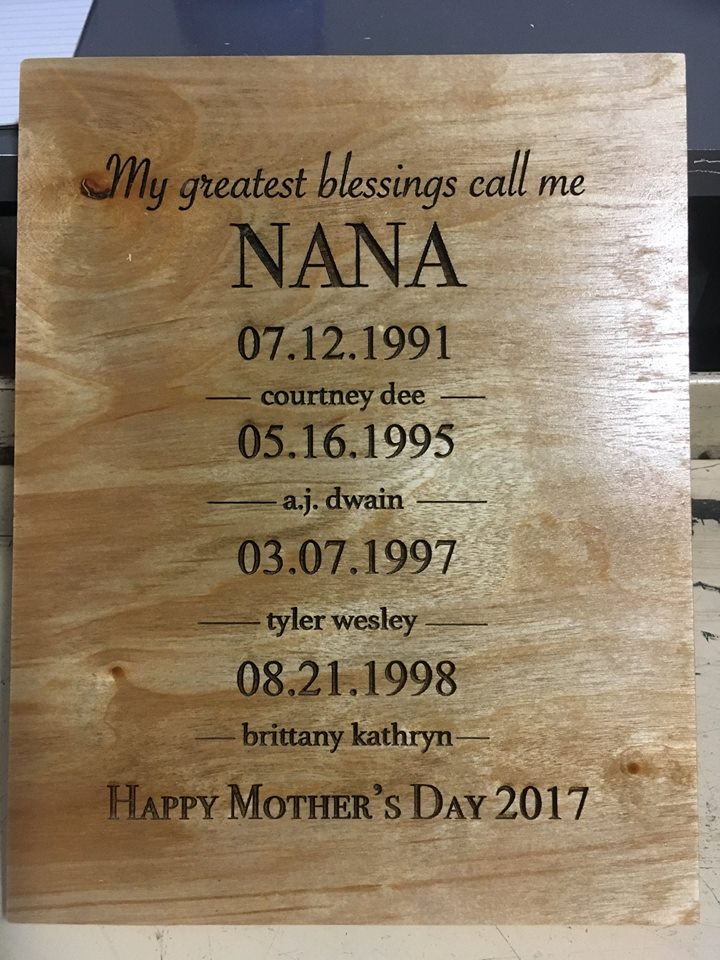
4) Franklin Engraving – Just a shout-out to a artist in Virginia. Katie Franklin is an engraver and has now incorporated as a small business. Franklin Engraving. She pours her energy, intelligence, and creativity into beautiful and personal works of art made to order. Check out her Facebook page to order. Her webpage will be up shortly.

Photo Credit: Franklin Engraving

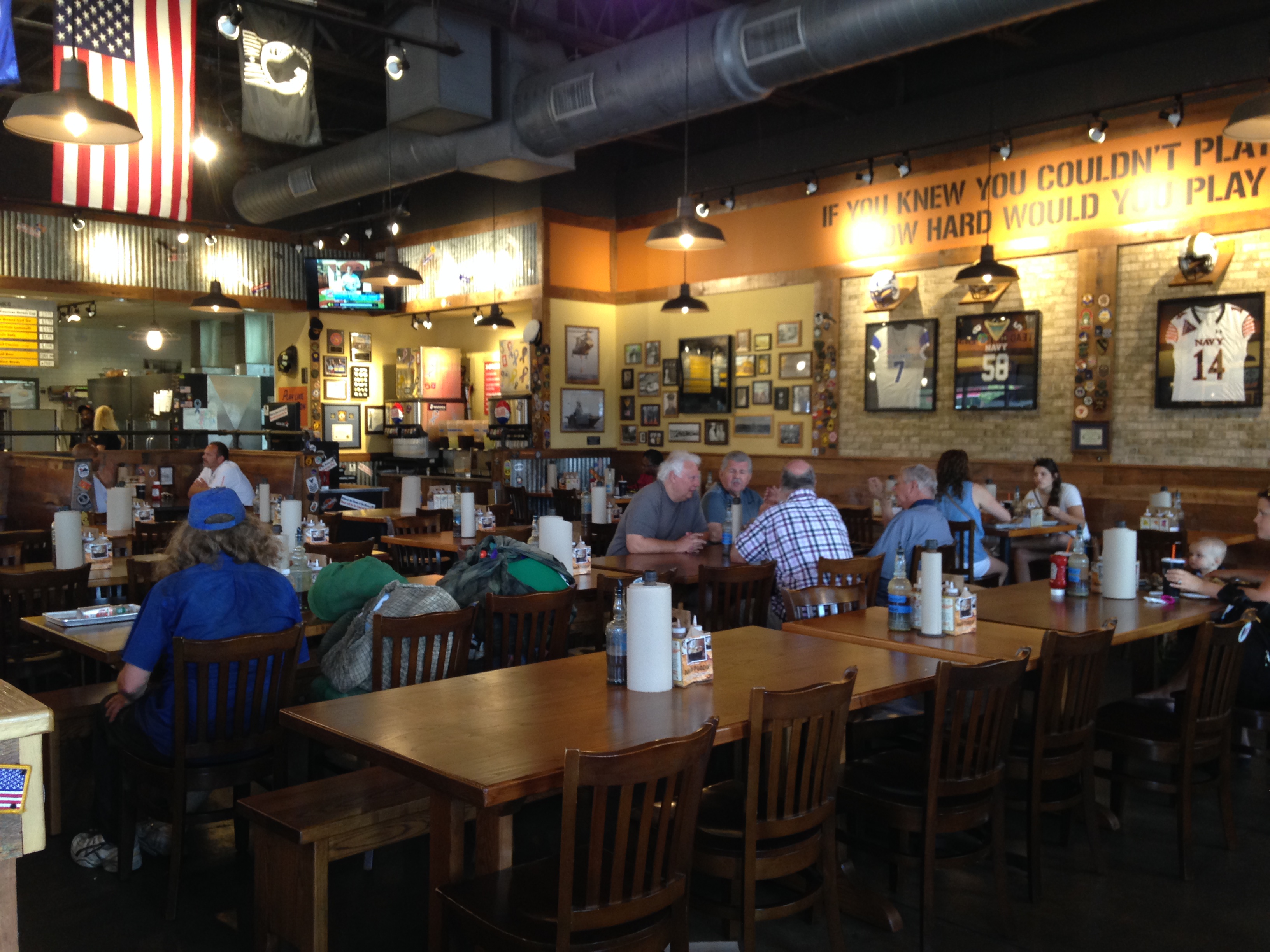
5) Mission BBQ – Rewarding customers with great products, ambiance, and service can turn all of us from occasional consumers to regulars. A further step is to get us back is to extend hospitality through special offers like Birthday Clubs. I love Mission BBQ‘s strategy on this. Sign up online for a birthday club and get a free sandwich on your birthday. Not bombarding my inbox with emails…just an occasional invitation to remind us of special days (veterans and first responders are also fed free on holidays). This restaurant is all about America in honoring ways. Do you have one in your city? Or a restaurant like Mission BBQ?

That’s my Five. How about you? Any favorites from your week you would share in Comments below. I had so many great finds, the bonuses follow. You might find some useful or inspiring. Have a great and safe weekend.

Bonuses

National Park Senior Citizen’s Lifetime Pass – Buy or Renew Now Before the Price Goes Way Up.

Photo Credit: NPS

Spinach Stuffed Chicken Breasts

Photo Credit: Basil and Bubbly

The Most Post-Christian Cities in America: 2017

5 Friday Faves – Financially Fit, Beyond the Guitar, Addiction Recovery, Parenting, and One-Anothering

Happy Friday! I hope you’re ending your week on a high note. If not, you might find some help right here. So pick your Friday Fave, and dig in.

1) Financially Fit – One of my absolute favorite blog writers and thought leaders today is Benjamin P. Hardy. Unless I didn’t notice it before, he has been ending his blogs lately with a free Going Big Checklist. The checklist speaks to a person’s desire for financial freedom and heightened productivity. I got it and it’s really good! He also recommends a financial coaching firm by the name of Financially Fit. Hardy is actually one of their clients and has been for over a year. As incentive to do a phone appointment with one of their consultants, I could receive Hardy’s upcoming book The Proximity Effect. Sold!Photo Credit: Financially Fit

Before my appointment, I poured over their website. It was informative, user-friendly, and convincing. My conversation with Chris Patton, a client consultant, was even more compelling.

The focus of this company is to educate, motivate, and provide accountability to their clients toward debt elimination and wealth creation. I’ve never pursued wealth, myself, but after talking to Chris, the idea of creating greater cashflow was intriguing. Just think, to have the money to fulfill big dreams and life aspirations (not just for yourself but to help others) is something to consider.

Anyway, I’m also considering signing on for financial coaching with Financially Fit. The price is incredibly reasonable and there are no entangling strings attached. Check out their website, read some of the stories of people who have eliminated their debt and created wealth, and educate yourself. I’ll check back in with an update on my own financial fitness.

Financially Fit

The 13-Minute Definitive Guide to Living Your Dreams – Benjamin P. Hardy

2) Beyond the GuitarNathan Mills, classical guitarist, continues to create beautiful musical content. Currently he is posting Daily Shorts – arrangements on request – on his Facebook page, Instagram, and Twitter. They are tasty morsels of favorite themes that he arranges for classical guitar. Follow him and you won’t miss these dailies.

This past week, he also posted an arrangement of “The Forgotten City” from RiME. Photo Credit: Nathan Mills, Beyond the Guitar

Inspired by violinist Lindsey Stirling‘s piece on YouTube. Both are gorgeous using different instruments. Here’s Nathan’s version:

3) Addiction Recovery – I’m not talking about street or prescription drug addiction but one that can cause some of the same struggle. Recently, I wrote about a sugar detox. Today I’m a week into dealing with my dependence on sugar. About three years ago, the articles written on sugar intake’s negative impact on the brain (especially memory) were beginning to pile up in my social media streams.Photo Credit: Pixabay

Memory especially is something I’d really like to retain. After watching my dad’s spiral downward with Alzheimer’s, it’s been cause for daily reflection – both on how much he loved sweets, and how much I love them.

One-month Sugar Detox: a Nutritionist Explains How and Why– Lisa Drayer

Too Much Sugar Linked to reduced Memory, Brain Volume – Alice G. Walton

7 Best Foods For Improving Your Memory – Russell Lundstrom

Low Carb Vegetables – The Best and the Worst – Diet Doctor

I’ve successfully gone off sugar in the past, and I’m hoping to do it again…at least detoxing, and then strongly curbing my dependence on sugar. The first days of “no sugar” were not that hard. Then yesterday, I hit a wall of sorts. Depression is a struggle sometimes, and my ready remedy historically is a carb load (some sort of sugary or fatty carb-filled treat to sedate my troubled brain). An emotional cloud settled around me yesterday, and sugar wouldn’t be my go-to to pierce the cloud.

I have found that certain activities can effectively help with bouts of depression. They are:

  • Prayer – I prayed. It did help.
  • Exercise – Walked with the neighbors. Also helped.
  • Serving others – Helped a refugee family with paperwork and shopping. Also helped.

Still, the darkness didn’t lift altogether. Then something amazing happened. I texted the parents of our little grandson a longing sort of message (that not many adult children love receiving). My daughter-in-law wrote back quickly and proposed dropping by after an errand.

Added immediately to my list of depression aids and dealing with sugar withdrawal and addiction recovery – GRANDCHILDREN.

In very close proximity. If you struggle as I do, this is something I highly recommend. Even if you don’t have any in your family, find some! We have two grandchildren who are a complete delight to the heart and a brightening of any burden. OK…enough. Doing better today and still off sugar. Whew….

4) Parenting – Anyone who is a parent and wants to do right by our children have already read much of what’s out there. Victoria Prooday, an occupational therapist, writes a piece that won’t necessarily give you new information. However, The Silent Tragedy Affecting Today’s Children – and What to Do About It does succinctly propose direction for weary parents of over-stimulated, emotionally distant children. Prooday posts provocative statistics which may not be wholly verifiable, but her statement of problems of children today is spot-on. Technology addiction, sedentary lifestyle, and emotional disconnectedness are three areas that parents must address to help children grow into healthy adulthood.

Photo Credit: Flick

[If you check out the article, which is a fast read, don’t finish without reading the comments. Fascinating mix of parents/educators who agree with her and others who offer other helpful views.]

Kids on Drugs…I Mean Screens – Deb Mills Writer

5) Infographic on One-AnotheringJeffrey Kranz

Being a visual learner, I love infographics. Here’s one on caring for “one another”. The teaching of Jesus focused on this as second only to our love for God. We all long for community. No matter our religion, the wisdom of “one-anothering” can transform our relationships. What do you think?Photo Credit: Overview Bible

All the “One Another” Commands in the NT – Infographic – Jeffrey Kranz

Have a restful weekend. Please comment below on your favorite finds this week…either of the ones I’ve posted or ones you’ve discovered yourselves. Appreciate you.

Worship Wednesday – the Church Segregated – Black & White – Erskin

Photo Credit: Church Leadership

There is neither Jew nor Greek, there is neither slave nor free man, there is neither male nor female; for you are all one in Christ Jesus.
 – Galatians 3:28

For He Himself is our peace, who made both groups into one and broke down the barrier of the dividing wall.Ephesians 2:14

Racial segregation in the church must break the very heart of God. How is it that we, who love Jesus and want to live as He modeled and taught us, continue to live and worship apart from one another racially?

We live in a racially complex city. Richmond, Virginia, was once the capital of the Confederacy. Even now, the racial divide is shamefully wide. The church, both black and white congregations, has Christ’s mandate to come together. To be reconciled. To live at peace with one another. To enjoy community together.

My family is part of a church that has a vision to reach Richmond. Our city is ethnically diverse. To reach Richmond includes figuring out how to not just be another white church in the neighborhood.

Erskin Anavitarte is a Christian songwriter. On his website, he also identifies as a diversity spokesman and adoption advocate. He is a Kingdom builder and a reconciler. This is a man who calls us to enlarge our lives and our churches to include one another.Photo Credit: Erskin Music

He wrote a little song Black & White which really touched my heart this week. Simple and yet profound lyrics.

“One song may not make much difference, but my prayer is that we remember that God made us all and perhaps bridging the gap begins by focusing our eyes on Jesus. That’s the message of this song.”Erskin Anavitarte

After our country’s last election, I was burdened afresh how racially polarized we are as a nation, and even in the church. This can’t be the case, in daily life, for Christ followers. Not in daily life. Not in corporate worship. How do we come together?

As we worship the Lord today, we ask Him for wisdom and for opportunity. We ask for compassion and understanding. We determine to “love beyond the limits of our prejudices…to speak love and embody love” (Rev. Michael Walrond, Jr.).

Today, I want to make it a priority to discover the black church in the same neighborhood as our white church. To find those who love God as I do…and this city in a way that can stretch my own love…and maybe it could go beyond the reach of either of us. Just maybe.

[Let’s close in worship now. Check out the super helpful links below, later.]

Worship with Erskin and me, would you?

The most segregated time in our country

Is Sunday morning 11 o’clock

Black churches, white churches

Right next door

They’re on the same block.

Both with hands raised high for Jesus

Still a million miles between us

Black people; white people

Remember the God who made you and me equal

Not some people but all people

Remember the God who made you and me equal

We all want to walk with Jesus

We all want to be about His will

How do we break down the unseen walls

Where bridges need to be built

This song may not change your mind

Jesus won’t let me keep it inside.

Black people; white people

Remember the God who made you and me equal

Not some people but all people

Remember the God who made you and me equal

Maybe it all begins

By not focusing on ourselves

Fixing our eyes on Him

Living our lives as friends.

Black people; white people

Remember the God who made you and me equal

Not some people but all people

Remember the God who made you and me equal.

Photo Credit: James Estrin, The New York Times

YouTube Video – Erskin – Black & White – Official Lyric Video

A Shift in Demographics at a Church in Harlem – Samuel G. Freedman

YouTube Video – Global Spirituality: Pastor Michael Walrond at TEDxHarlem

They’re Playing Our Song – The Secret Multiracial Churches Know About Music – Michael O. Emerson

7 Key Characteristics of Diversity-Oriented Churches – Brian Leander

Racial Reconciliation in Richmond, Virginia? – Wendy McCaig

[Links below showcase Christian comedians who help us with some of the things that unnecessarily make us uncomfortable with each other’s church cultures…although I couldn’t find one that caricatured white church worship for blacks. Could someone help me?]

YouTube Video – Gary Owen – My First Time at a Black Church

YouTube Video – Unwritten Black Church Rules – KevOnStage

YouTube Video – Black Church Phrases Explained – KevOnStage

Monday Morning Moment – Community in the Workplace – We Need It

Photo Credit: Pixabay

Working on teams made for some of the highest performance years of my career. I used to think it was a weakness of mine that I didn’t thrive professionally if I wasn’t on a team. Looking back at seasons of life where my work required solitary focus as well as the times when collaborative effort was the expectation, the difference in quality of life and product was astounding.

We need each other. Author C. S. Lewis even observed that we are all “one vast need”. This thinking goes counter to our culture’s bias toward self-sufficiency and independence. In the workplace, our brilliance does not have to be defined as always being the lone ranger or the self-starter. How we work with others, and what we draw out of each other, in terms of value, creativity, and resource could be the difference in both performance and morale.

“When we live our lives in isolation, what we have is unavailable and what we lack is unprocurable,” wrote Basil (an early Church father). When we live our lives independently, other people are poorer because they cannot benefit from our gifts: “what we have is unavailable.” Also, when we isolate ourselves, we are poorer because the benefits of others’ gifts are lost to us, so what we lack, we cannot get. There are good things in others that are “unprocurable” unless we interact with them…You are “one vast need” and must avoid the extremes of saying, “I am not needed,” or, “I don’t need you.”Art Lindsley

Community – and Why We Need It – Art Lindsley, C. S. Lewis Institute

Early in my career, people invested in my professional development and in me as a person. I had rich opportunities to work alongside both leaders and practitioners who shaped what I had to offer in the workplace. You have read about some of the teams I’ve had the privilege to be a part (here and here)… The work of those teams continues to thrive.Photo Credit: Wikimedia Commons

What we do together far surpasses what we can do individually.

Individualism is a fine idea. It provides incentive, promotes leadership, and encourages development—but not on its own. We are social animals who cannot function effectively without a social system that is larger than ourselves. This is what is meant by “community”—the social glue that binds us together for the greater good. Community means caring about our work, our colleagues, and our place in the world, geographic and otherwise, and in turn being inspired by this caring. Tellingly, some of the companies we admire most—Toyota, Semco (Brazil), Mondragon (a Basque federation of cooperatives), Pixar, and so on—typically have this strong sense of community…Somehow, in our hectic, individualist world, the sense of community has been lost in too many companies and other organizations. – Henry Mintzberg

I agree with these authors and many others on the importance of community in the workplace. Right now my work is done in a very solitary environment. Thankfully, I have friends and colleagues who fill some of the void where I miss team. In times when our workplace lacks community, we shouldn’t wait on outside forces to alter our situation. We must take steps to create community. Brook Manville has written an excellent step-by-step process to embolden us in this effort. Missing community at work is just wrong, especially because we can do something about it.

Can major transformation really begin…almost spontaneously, with small acts by people who are not part of the senior leadership?…In his recent book Community: The Structure of Belonging, Peter Block, an authority on workplace learning and performance, wrote, “Most sustainable improvements in community occur when citizens discover their own power to act…when citizens stop waiting for professionals or elected leadership to do something, and decide they can reclaim what they have delegated to others.”Henry Mintzberg

Rebuilding Companies as Communities – Henry Mintzberg, Harvard Business Review

Can we have community on every work team? Maybe not. Can we have community at work? Absolutely. Whether it is a core value of a company or not, we can create and cultivate community whatever our role is and wherever we find ourselves in the workplace.

Let’s get after it!Photo Credit: Vimeo, Belbin

Wisdom for the Teaming Masses – Brook Manville, Forbes

Saturday Short – a Space and a Place on the Team – Deb Mills

Belbin Improving Teams 2017 – Vimeo

Monday Morning Moment – Taking the Social Capital Challenge – 5 Steps Forward

Photo Credit: Pixabay

You know that experience of events converging and what was foggy before becomes crystal clear? I just had that kind of week. A series of non-random things happened that caused a chain reaction of a magnitude that launched me out of my  creative doldrums.

Here’s what happened.

Backtracking a bit, I’ve been thinking solidly for several weeks on social capital – what kind of resource that is and what it takes to have it (or restore it).

Social capital is the willingness of people to help each other. It often replaces money which people would use to buy the same help. Most ways of measuring social capital have to do with trust – people who trust that favors and help will be available when they need it will favor and help others more. Social capital is a lot like real capital. Simple English Wikipedia

I wrote about social capital twice – here and here. After posting that last blog, the following events had huge impact on how I’ve been doing life.

  1. The right book landed in my hands. Literally.

It was Jeff Goins‘ latest book that was just released. His 5th book and already a best-seller, Real Artists Don’t Starve: Timeless Strategies for Thriving in the New Creative Age came in the mail.

I tore into it and was so encouraged and empowered by his stories and counsel for artists, like him. No, not like him in the best-selling author part…but like him in the before “possibility-season” of his life.

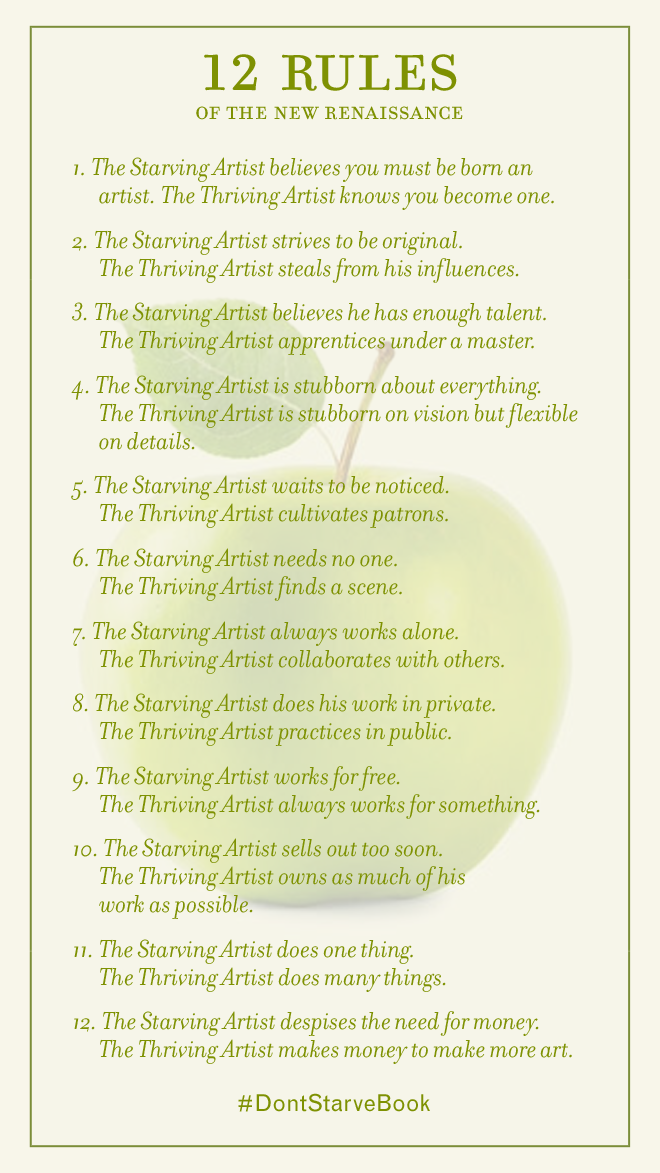
In Real Artists Don’t Starve, Goins gives 12 principles of how to actually be effective and successful as a creator (whether it’s music, writing, painting, or any other creative work). Reading his principles and the stories of artists and crafters through history give not only hope but tools through which we can make a living with our craft.Photo Credit: Jeff Goins

Book Marketing 101: What Works and What Doesn’t (Lessons From My Latest Launch) – Jeff Goins

2) Significant conversations followed. After posting my last blog, a writer acquaintance suggested we get together. Ann Lovell is a seasoned writer and currently employed as a Communications Director. Not only that, she continues busy with her own writing and is editing the manuscript of another incredible author. We talked about writing, and she offered her help. That was huge for me and right out of Jeff Goins’ book. Then another author friend Kevin Prewett with whom I share workspace some weeks also gifted me with good and thought-provoking questions about my writing. So helpful. Finally, through one more conversation, I realized how my own focus had been more on guiding and encouraging younger  writers and artists around me without noticing my own craft had gone untended. That conversation, with our guitarist son Nathan Mills,   was much illuminating. This time I benefited from a younger artist.

Significant conversations all.

3) A “Come to Jesus Moment” happened with my best friend. The one person in my life who has read all the blogs and has celebrated every high and encouraged me through every low is that husband and friend of mine, Dave. I am sometimes guilty of giving counsel too quickly (ok, advice…really. Unasked for advice. Dang it!). It’s much easier to look in others’ lives and suggest a small tweak than to face full on what totally needs rerouting in our own lives. In the last couple of years, taking early retirement and being too much on the outside looking in, I have time to come up with a prescription for anyone else’s problem. [Yes…guilty.] Not that I’m wrong, necessarily, but the situation is not mine. Most probably, Dave, or Nathan, or whomever it might be knows far more about where he/she is on that trajectory toward next steps than I could possibly conjecture. So here’s the “Come to Jesus Moment”. Over the weekend, Dave and I were talking about this season of life. We resonated together about lost social capital…those strong influencer groups with whom we once were a part and now not so much. In that brief conversation, when I would usually cheer on Dave to rally, the proverbial light bulb went off. Not just for him but for me as well. It is still possible to reclaim ground lost. Now was the time to act.

4) I applied for a job. I’d been toying with this for awhile. Until my dad died, I was making so many trips to help care for him, it seemed impossible for me to work anywhere. I would toss around options with family and friends (teaching ESL, hospice, school nursing), but nothing seemed to fit. Then for several months, I would hear of friends being hired into the coolest jobs and struggled to have unreserved joy for them. It was time for me to either continue with contentment in my current state of not working or take aim in one direction or another and do something. One job caught my eye. One job. I did the hours of updating my resume, pulling together samples of my writing, and crafting a cover letter. If I don’t get that job, I’ll apply for another.

5) I took the Social Capital Challenge.  A couple of months ago, I discovered Jordan Harbinger online. He writes and podcasts for a website called The Art of Charm. He invites his readers/listeners to something called a social capital challenge. I signed on…weeks ago for a month-long challenge…and then did nothing.

Photo Credit: Screen Shot – Art of Charm

Until today…

Today I created a written goal and posted it somewhere public.

I joined the Facebook page for The Art of Charm Challenge just now, and here was my first posting.

“Hello, everyone. I signed up for the challenge weeks ago. Even though its email reminders, baby to bigger steps, have been feeding my inbox, I wouldn’t even open them. Until today. Today I am ready. My goal is to have a manuscript with the art work publish-ready by the end of the year. My co-author and I had our first sit-down today, to share story idea and flesh it out some and to do the beginning photographer for the illustrator. Whew! There it is.”

Photo Credit: Pixabay, Jess_the_VA

I’m taking a deep breath…and we’ll see where this all lands. Whatever lies ahead, I’m so grateful for good counsel, courageous and creative friends and family, and clarity. It’s a very good Monday.

Monday Morning Moment – Social Capital – an Invaluable Resource We Can Develop – and a Tool to Help – Deb Mills Writer

Monday Morning Moment – When Connections Are Lost – a Rant, a Resolve, and a Request – Deb Mills Writer

6 Things You Need to recover From Every Day – Benjamin P. Hardy

Social Capital Challenge – The Art of Charm

Jordan Harbinger – The Art of Charm – Twitter

Real Artists Don’t Starve: Timeless Strategies for Thriving in the New Creative Age – Jeff Goins

6 Things You Need to Recover From Every Day – Benjamin P. Hardy

28 Lessons From Great Writers, Artists, and Creators on Mastering Your Craft – Ryan Holiday

The Whuffie Factor – Tara Hunt

Monday Morning Moment – Grit – the Role of Personal Resolve and a Team Alongside

[Adapted from the Archives]

Diligence is a word that defined my many years in learning Arabic while we lived overseas. Keeping at it, even when I wanted to quit, helped immensely. The joy of living life in a second language is worth all the work. Diligence is a great assist to staying on course, but it is not “grit”.

Once on a beach weekend, I saw grit at work in a group of servicemen, in Virginia Beach, doing their morning exercise. [Not the picture above but that image has its own neat story of grit]. Walking on the boardwalk early in the morning, my husband and I encountered this small group of airmen from the nearby Naval Base, doing a group jog. We saw them starting the run and saw them again coming back – 6 miles total. Most of them were young, thin, and fit.

What caught our eye, in particular, were two men in mid-life, carrying a bit of weight, bringing up the rear. Approaching the end of that run, they looked like they were hurting, but they definitely weren’t quitting. I’m sure to stay as fit as the rest of the group was, a certain measure of grit was at play…but these two, in this snapshot of life, showed the grit that brought me to write today.

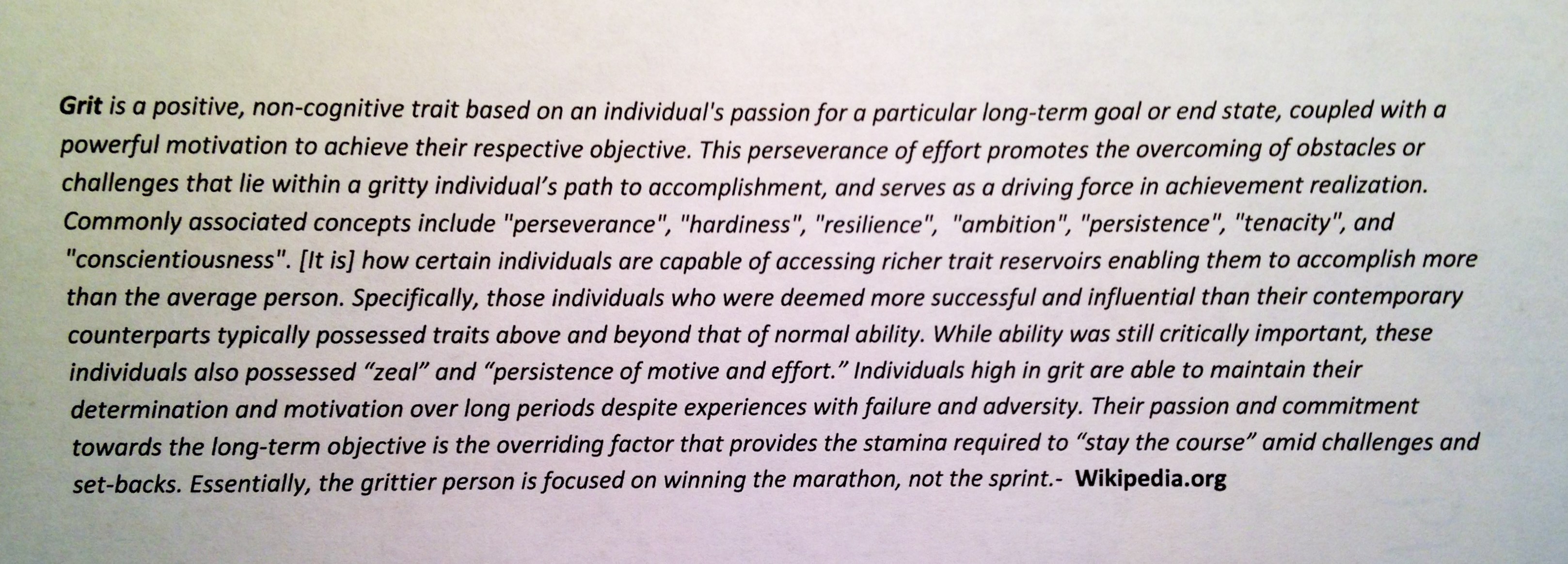
Wikipedia.org defines grit as a character trait  of applying passion and perseverance over time toward a goal, end state or objective. Grit goes beyond ability and can withstand failure, keeping the end goal in sight, and pushing through to it.Blog - Grit - Definition 2

Bill Hybels, at the Global Leadership Summit 2015*, talked about grit as “one of the greatest indicators of success”. Gritty people, he said, are the ones who “play hurt” and rarely ever give up. “They expect progress to be difficult, but believe with their whole being that they can be successful if they don’t quit.” It’s “The Little Engine That Could”. Abraham Lincoln. Nelson Mandela. Gandhi. Martin Luther King. Hybels also encouraged the audience that grit can be developed. From childhood through adulthood.

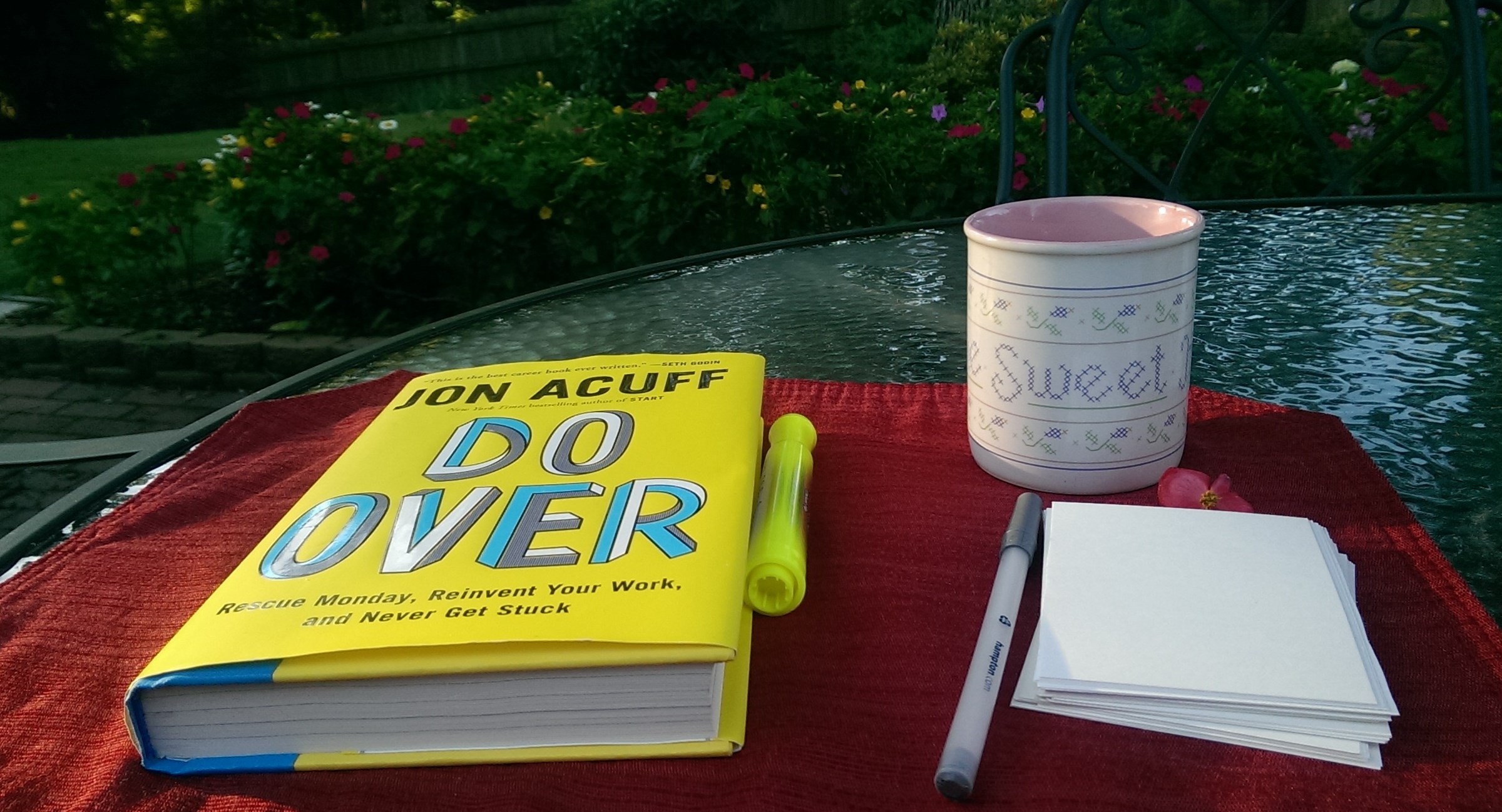
Jon Acuff (author of Do Over) defines grit as “stubbornness in the face of fear“.  In his book, he gives a short list of what’s needed in making gritty decisions (in the “hustle” of work):

  • Time – we think the world “hustle” has to mean fast, but it can also mean focus, intention, pace.
  • Counsel – Lean on your relationships. Some of the worst decisions are made alone. Who are your advocates? Have you given them time to reflect on it or are you rushing right by the wisdom they have to offer? Let them speak into it. A year from now, looking back on the decision, you’ll be glad you made it as a team.
  • Questions – Always ask awesome opportunities, awesome questions. We skimp on due diligence. “What am I not seeing right now?”
  • Kindness – Give yourself permission to make the wrong decision, because…you’re going to. Break the tension of feeling like you’re going to be perfect by giving yourself some kindness from the outset.
  • Honesty – When you look back on a decision, remember that you made that decision with the best information you had at the time.

As we saw those two older heavyset men running just behind their younger airmen colleagues, we saw men with a goal in mind. There was also something more – the cadence to the group’s run that seemed to work to keep them all together. Whether at work or in family relationships, we want to do all we can to help those gritty ones be successful. Their resolve may get them to the goal anyway, but we all benefit when we are able to “stay on course” together.

Have you “grown gritty” over your lifetime? Are there gritty folks in your life who you love to champion? Please share in the Comments below so that we can all learn.

*Session 1: Bill Hybels Opening Session – Global Leadership Summit

Wikipedia Article on Grit

The Truth About Grit

The Grit Test

Jon Acuff on the Role of Hustle in Taking Hold of Career Opportunities – Notes & Quotes – Part 5 of Do Over Series

How to Make Grit Decisions and Built a Grit List by Jon Acuff

Do Over: Rescue Monday, Reinvent Your Work, and Never Get Stuck by Jon Acuff

Does Teaching Kids To Get ‘Gritty’ Help Them Get Ahead?